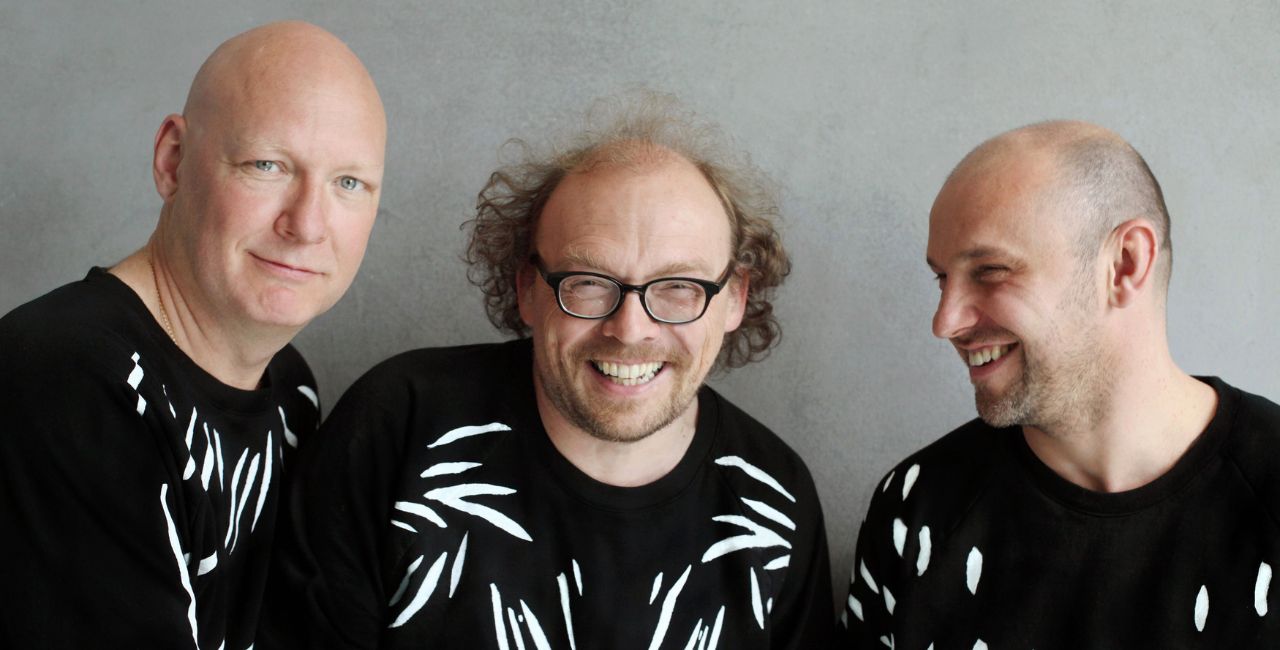
Bugge Wesseltoft is a visionary and influential jazz musician from Norway and active as a future jazz advocate for over a quarter-century, since the mid-1990s. Even his earliest recordings do not sound dated; instead, it reveals how he has consistently merged so smoothly electronic music (techno) with first-rate jazz players from Norway in sophisticated compositions still sounding ahead of their time. While he has collaborated with musicians on dozens of albums for his own Jazzland Recordings, based in Oslo, he has only two solo recordings with piano, electric piano and computer-sounds along with minimalistic drums and the voice of shamanista Mari Boine (on “IM” released in 2007); then a few years later, he released “Playing” in 2009, more of a solo piano effort, contemplative, minimalistic and solemn. This one also includes tracks with warped manipulations, risky and menacing at times. In 2011 (also on Jazzland Recordings) Wesseltoft took this concept to a higher level with “Duo” recorded with Henrich Schwarz (on computer). The difference between “Duo” and “Playing” is in the keener interplay, allowing Bugge to concentrate on his end (piano and keyboard) with the counterpoint of an edgier deep-house and contemporary classical (crossover) producer and DJ (from Germany), as...
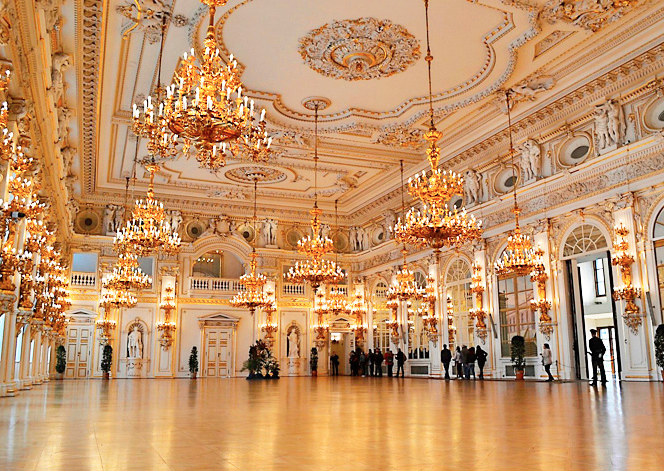
On Saturday, the 14th of May, Prague Castle will officially open the summer tourist season. The seat of the Czech heads of state is on this day open to visitors completely for free. The representative spaces in the New Palace are usually not open to visitors. Saturday, May 14, is one of the few days when Prague Castle opens these halls, salons and lounges which are normally reserved for receiving official visits by the President of the Republic. Therefore, you have now a unique chance to look around these rooms, some of which served as representative and residential spaces to monarchs as early as the 16th century! Access to all major historical buildings will also be completely free. That includes the Old Royal Palace, St. Vitus Cathedral, Great South Tower of the Cathedral, St. George’s Basilica, Rosenberg Palace, Golden Lane, The Treasury of St. Vitus Cathedral, The Picture Gallery and The Story of Prague Castle. Lovers of music are advised to spend a moment in the Third Courtyard where there will be brass band performances on stage for the whole day. In the Royal Garden, medieval falconers will show their art, visitors will find refreshment stalls, and children will enjoy...
This year marks the 80th anniversary of Operation Anthropoid, – the assassination of Reinhard Heydrich, acting Reich Protector of Bohemia and Moravia and the third highest-ranking Nazi. The capital, in cooperation with the city district of Prague 8, is planning a series of thematic events to commemorate this important landmark of the Second World War. The celebrations will take place on Friday and Saturday 27 and 28 May at the Operation Anthropoid Memorial in Libeň, in the grounds of the Great Löwit Mill and in Thomayer’s Orchards. The reconstruction of the assassination in Libeň will take place after 10:30am – the time when parachutists Jozef Gabčík and Jan Kubiš attacked Heydrich’s vehicle. Military aircraft flyovers, including a World War II era Hawker Hurricane, will take place above the Anthropoid memorial in Libeň after which a commemorative act will be held, the Czech News Agency writes. A rich program will start at 2 pm in U Českých loděnic Street, and in Thomayer’s Orchard, which will continue on Saturday 28 May. The program will feature, for example, Scottish bagpipers sung by the children’s choir of the Taussigova School. Other bands include Petr Sovič & Golden Big Band Prague, the Ježek Track Orchestra,...
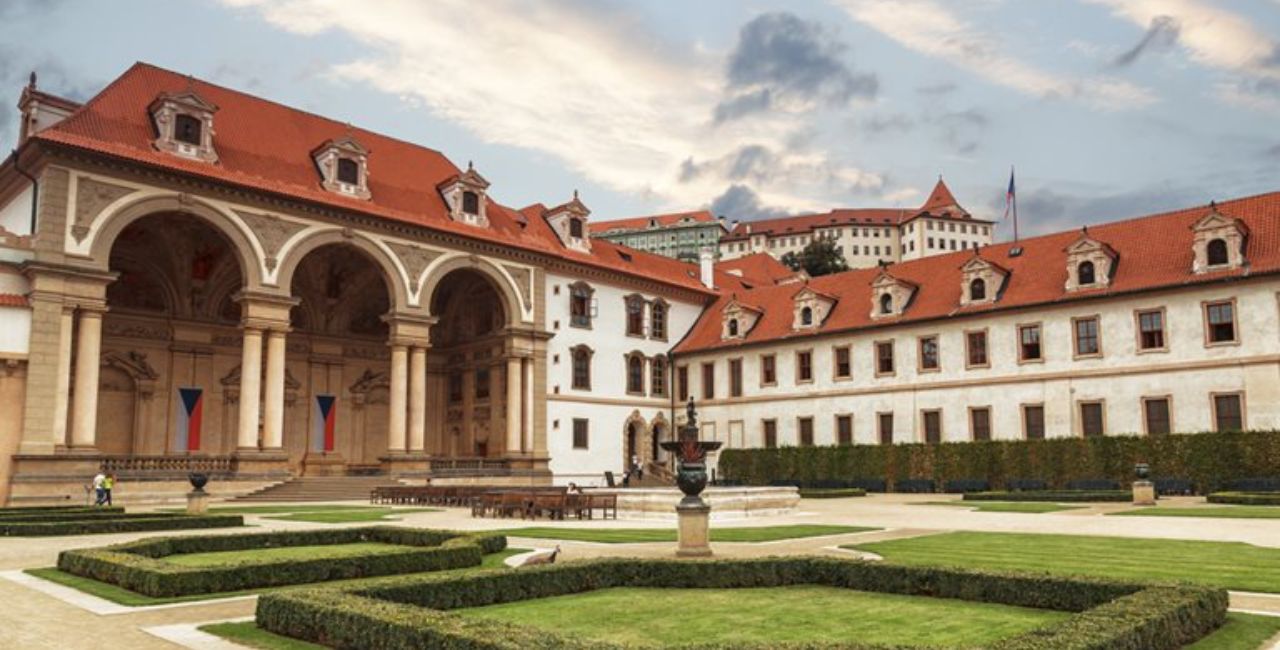
On May 8, the Czechs celebrate Victory Day, or Den vítězství as it is known in Czech, to commemorate the end of World War II in Europe. Several public facilities will open their doors to the general public for free: Hrzánský palác The Czech government invites you to visit the interiors of the Hrzánský palác. From 1894 to 1896 there lived the future first president of Czechoslovakia Tomas Garrigue Masaryk. Today the building serves presentation purposes – here the Czech Premier welcomes important guests. The palace will be open from 10:00 to 18:00. The tour will last about 40 minutes (the last one will start at 17:00). Address: Loretánská 177/9, Praha 1 Chamber of Deputies The Chamber of Deputies of the Czech Parliament (Poslanecká sněmovna) will also open its doors to visitors. During the hour-long visit, guests will be able to see the main meeting room, conference rooms of various committees and other facilities. Opening hours are from 09:00 to 16:00. Address: Thunovský palác, Sněmovní 4, Prague 1 Senate of the Czech Republic The Senate offers to inspect its main building – the Waldstein Palace (Valdštejnské náměstí 17/4, Malá Strana) and the Kolovratský palác (Nerudova 193/III, Malá Strana),...
The Classic Stage Company, Prague’s newest professional English-language theatre, is pleased to announce its next production, Tennessee Williams’ Academy-Award and Tony-Award winning play ‘Cat on a Hot Tin Roof,’ directed by John Malafronte. In ‘Cat on a Hot Tin Roof,’ Big Daddy Pollitt, the richest cotton planter in the Mississippi Delta, is about to celebrate his sixty-fifth birthday. His two sons have returned home for the occasion: Gooper and Brick, an ageing football hero who has turned to drink, along with his feisty wife Maggie. As the hot summer evening unfolds, the veneer of happy family life and Southern gentility gradually slips away as unpleasant truths emerge and greed, lies, jealousy, and suppressed sexuality threaten to reach a boiling point. Info: Where: Divadlo Na Pradle, Besední 3, Prague 1 When: Friday, May 13 – Saturday, May 14 – Friday, May 20 – Saturday, May 21 Tickets: 375 Kč / 300 students and seniors. Discount of 10% for groups of 10 or more Tickets available here For more information, write to [email protected] Cast and crew: Maggie – Fedorah Philippeaux Brick – Oleg Kim Big Daddy – Bob Boudreaux Big Mama – Mary Angiolillo Gooper – Jonathan Brewin Mae – Rozalie Andelova...
Leonardo da Vinci once said that where the spirit does not work with the hand, there is no art. Michelangelo wanted to carve the angel in marble until he could set him free, and Van Gogh stated that if we ever hear a voice within us saying “you cannot paint,” then, by all means, we should paint, silence that voice. Art, on many occasions, is a vehicle that transports freedom. It is a balm that relieves stress and for many, it serves as therapy. There is no such thing as something that is not art. The important thing is how it makes us feel. The magic of art can be found in many places: the world’s most exceptional museums, the tallest pyramids in all of Egypt, the lushest landscapes and the most romantic streets of Prague. In one of the streets of the capital of the Czech Republic, next to the National Museum and a few steps from Wenceslas Square, is one of the places that the ancient Greeks called “arcadia”. An idyllic place that invites you to dream and to be: Art House Atelier. Its doors open and we discover a studio decorated with paintings of all styles: romanticism,...
This year, the Czech Republic has chosen We Are Domi as its representatives on Eurovision 2022 which will take place in Turin next May with the song “Lights Off”. We Are Domi – also occasionally known simply as DOMI – is an electropop band formed in 2018 in Leeds, UK, but based in Prague. It consists of three members: Czech vocalist Dominika Hašková and Norwegians Casper Hatlestad (guitarist) and Benjamin Rekstad (keyboardist). The trio met while studying jazz at Leeds Conservatoire. Since their debut, they have already released six singles. Dominika is the daughter of the well-known former ice hockey player Dominik Hašek and became known in the Czech Republic after her participation in the inaugural season of Got Talent Czechoslovakia, where she made it all the way to the final but did not make it into the top 3. The group started as a spontaneous partnership as part of their studies in 2006 until it picked up for a more serious debut twelve years later. The group moved together from Leeds to Prague in 2020, when British restrictions stemming from COVID-19 were jeopardizing the band’s work, and have resided there ever since. “Lights Off” is the song with which...
Austin Lucas, country singer-songwriter with punk roots and antifascist activist from Indiana, returned to his homeland in 2019 after eight years of bartending in the Czech Republic, cultivating the Prague DIY songwriting scene and touring around the world. Consumed by an overdeveloped sense of wanderlust as a young person, Austin spent his formative years in the driver’s seat of various beat-up Ford Econolines. Burning through countless miles and living the world over, making his home everywhere from the American West Coast to the central European states. As a young person, Austin worshipped a diverse mixture of classic rock, country, punk, psychedelic folk and mountain music and has made a career by successfully fusing these disparate influences into something uniquely his own. Emerging as a prominent and revered talent among his fans and peers, Austin is known as a songwriter and has stood shoulder to shoulder with some of the most recognizable icons of folk, punk, indie, country and americana. With the release of the latest album Alive In The Hot Zone in 2020, he is gaining the well-deserved attention of the music media and fans. His return to Prague will not take place at club 007 Strahov, where he would...
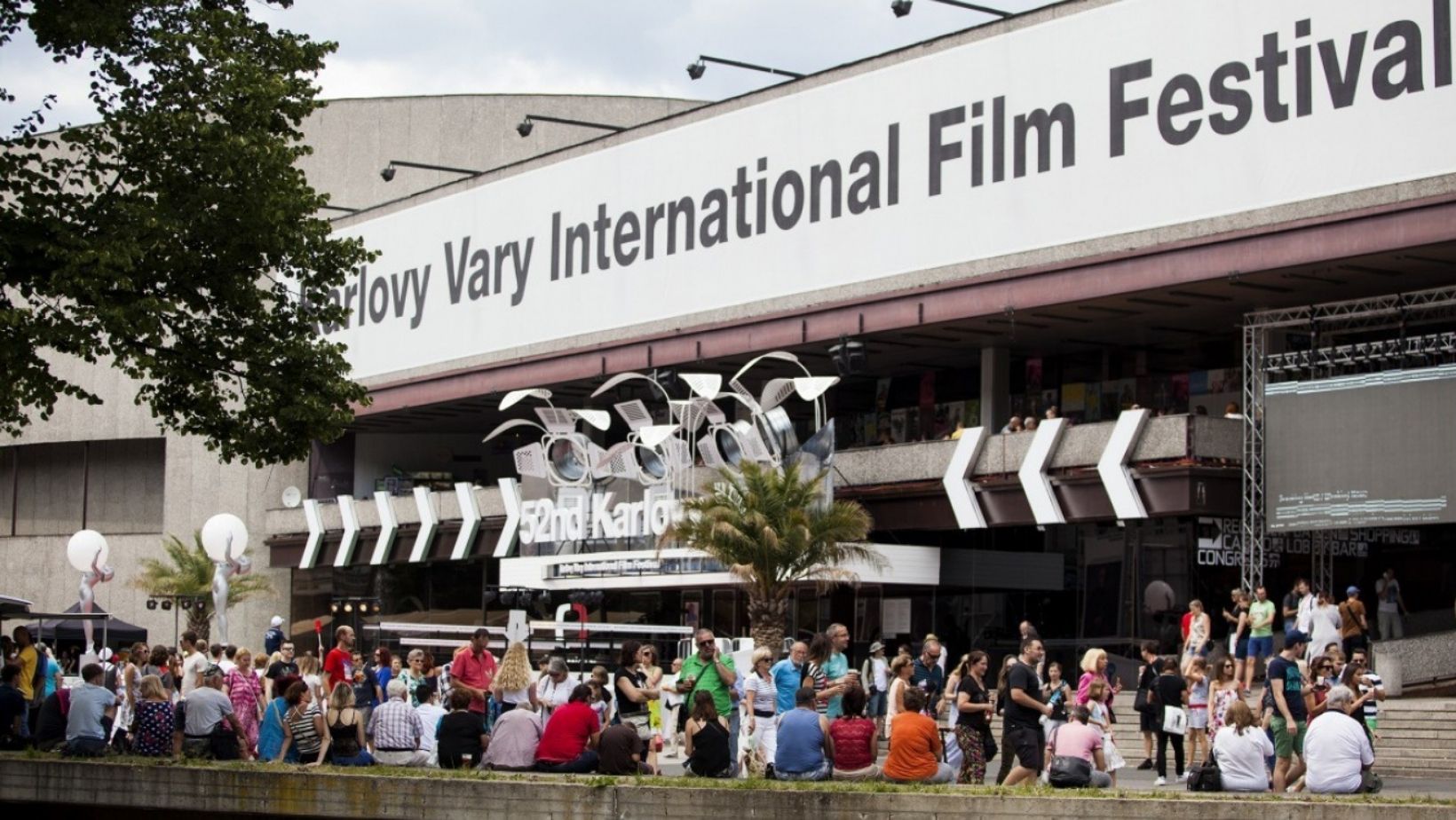
The Karlovy Vary International Film Festival, one of Europe’s oldest and finest film fests, began to tease elements of its 56th edition, which will take place in its eponymous Czech city from July 1-9. In a show of support for nearby Ukraine, KVIFF announced that it will host the Works-in-Progress program of the Odesa International Film Festival, which cannot be held due to that nation’s ongoing war with Russia. “Broad solidarity with war-afflicted Ukraine must also include support for the country’s cultural life, which at this moment has come almost to a halt,” Hugo Rosák, the head of KVIFF’s Industry Department, said. “As a film festival, we have tried to find ways of supporting Ukrainian cinema, and we are glad that we have managed to work with the Odesa film festival to find a meaningful form of cooperation.” Added Anna Machuh, OIFF’s general director, “We are honored to have this opportunity to show Ukrainian cinema, talent and culture to the world.” KVIFF also revealed that it will bestow its President’s Award — which recognizes outstanding figures in Czech cinema — to the actor, playwright, screenwriter, and director Boleslav Polívka. The release stated, “For more than two decades, Bolek Polívka has left a similarly distinctive mark...
The first season of the award-winning series, based on the books of Isaac Asimov, was filmed in Ireland. Now the crew will move to Prague and other locations in the Czech Republic. The average budget per episode is $4.5 million, for a total of more than CZK 100 million. The series follows a ruling empire in the future whose grip on control comes at risk when a mathematician (Jared Harris) uses a mathematical model to predict the empire’s demise and mankind’s descent into the dark ages. The world of the Foundation series takes place more than 20,000 years into the future, when mankind will settle the entire galaxy and create a unified empire that will unite all human-inhabited planets. Based on the book series by Isaac Asimov, Foundation follows a “band of exiles who discover that the only way to save the Galactic Empire from destruction is to defy it” and the storyline sprawls a massive timeline of over 1,000 years. Brought to life by David Goyer, whose writing credits include Batman Begins, The Dark Knight and The Dark Knight Rises, the showrunner says in the teaser that the book series has tried to be made for the past 50...
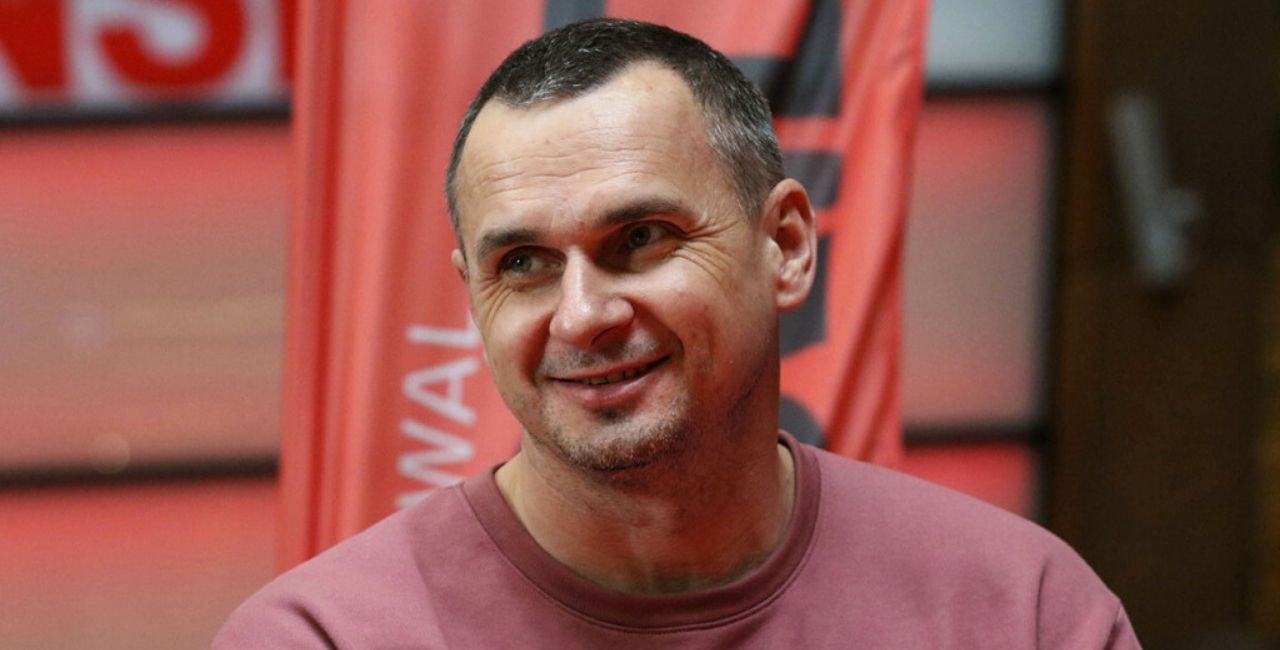
The Kristian Prize, annually awarded by the Febiofest international film festival in Prague, will go to Ukrainian filmmaker Oleh Sentsov this year, the organisers said on Wednesday. Sentsov will not attend in person as he is fighting in Ukraine against the Russian aggression. The 29th Febiofest, scheduled for April 28-May 4, will feature over 90 contemporary films, with Sentsov’s new film Nosorih (Rhino) getting its Czech premiere there. Sentsov, the Sakharov Prize holder, is one of the best-known political prisoners of the Russian regime. He spent five years in Russian prisons. In 2015, Febiofest supported a campaign for Sentsov’s release from prison. He was arrested in the annexed Crimea peninsula in 2014 and sentenced to 20 years for the alleged planning of terrorist attacks in Crimea. One of the largest film festivals in the Czech Republic which offers international premieres, high-profile holdovers from top fests and which showcases scores of works that film buffs would otherwise have trouble tracking down. In recent years, FEBIOFEST has hosted renowned directors and actors such as Nanni Moretti, Claude Lelouch, Peter Weir, Olivier Assayas Roman Polanski, Volker Schloendorff, Isztvan Szabo, Tsai Ming-Liang, Tom Tykwer, Hal Hartley, Andrey Konchalovski, Armin Mueller Stahl, Nikita Michalkov, Carlos Saura or Claudia...
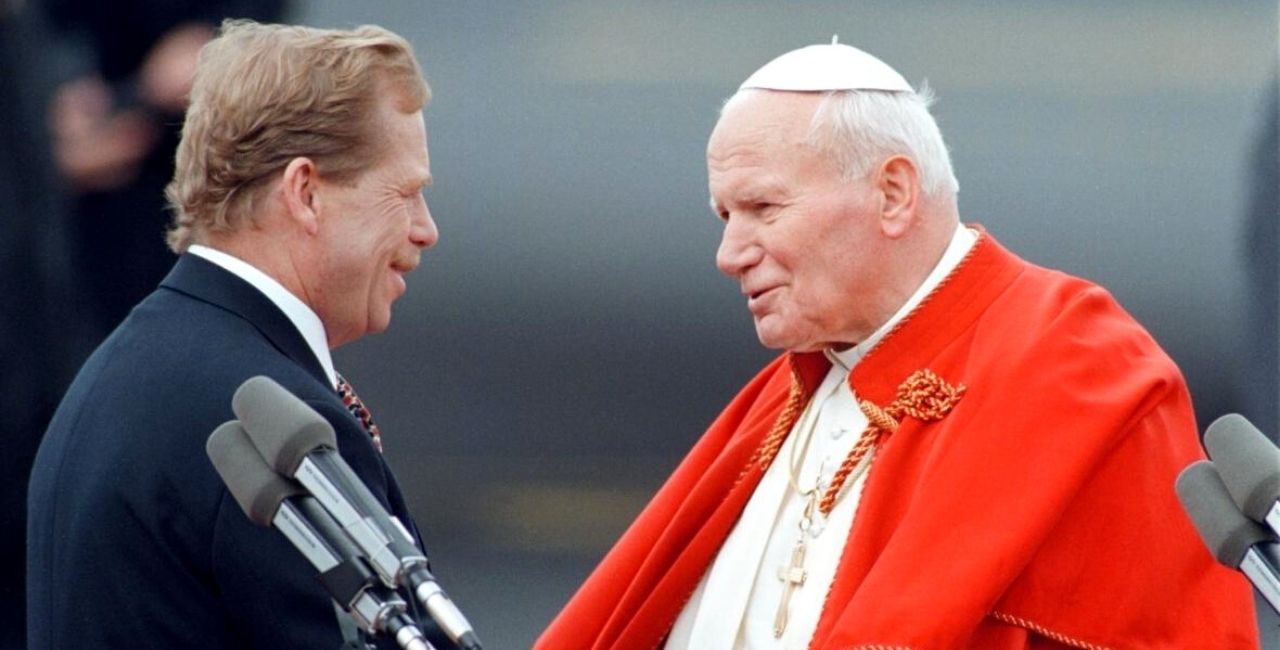
Thirty-two years ago today, Czechoslovakia saw its first-ever papal visit. Not only was this seen as a symbolic step in the newly post-communist country, Pope John Paul II also gave acknowledgment to one of the key figures in Czech history, Jan Hus, and warned of nationalism in a state that would soon break apart. A previous visit planned in 1985, to celebrate the 1,000-year anniversary of the death of Saint Methodius was cancelled at the last minute by communist authorities, who feared the pontiff’s popularity would embolden democratic aspirations in the population – as had happened during John Paul II’s historic 1979 visit to his native Poland. Greeting John Paul II as his plane landed in the airport that would later bear his name, President Vaclav Havel famously declared: “I do not know if I know what a miracle is. Nevertheless, I dare say that right now I am now the witness of one. “Into a country devastated by the ideology of hate arrives a messenger of peace. Into a country devastated by the rule of ignorant people, arrives the living symbol of erudition. Into a country until recently damaged by the idea of confrontation and world division, arrives a messenger...
Don’t have an account? Register
[swpm_registration_form level=”6″]
Already have an account? Log In
How Would You Like to Promote Your Business? PR ArticleDisplay bannersVideo productionNewsletter adsJob ListingsInfluencer Marketing
Your Email
We will come back to you within 24 hours with our proporsal