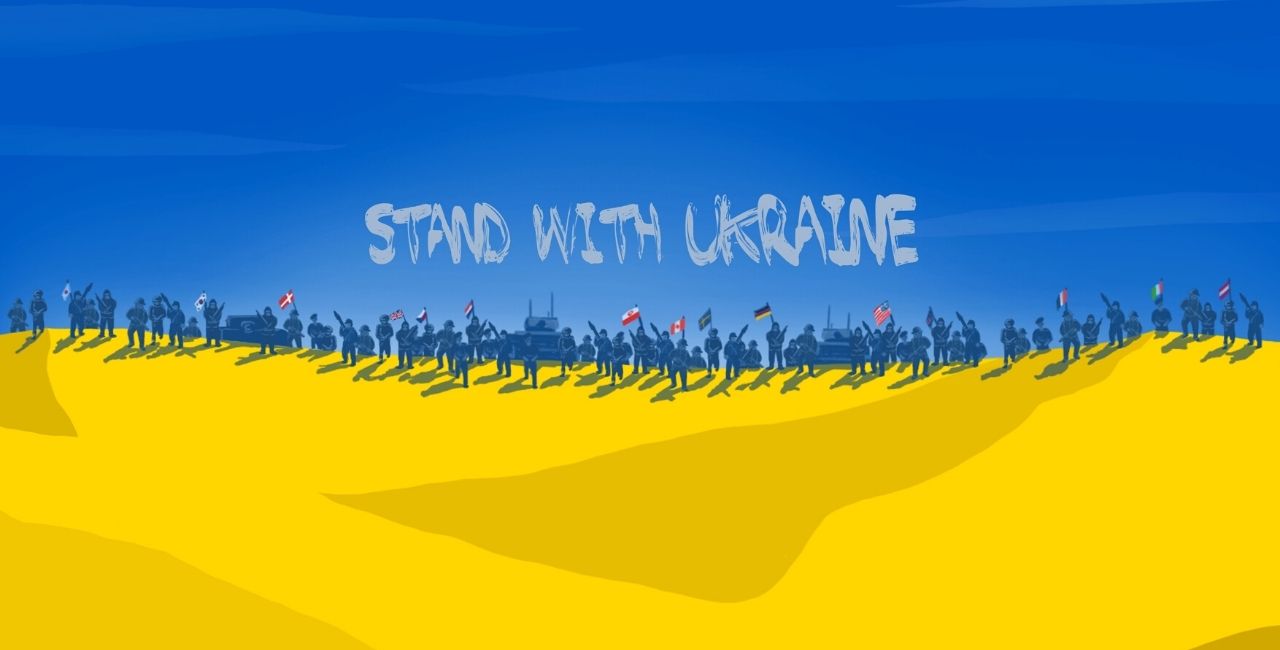
In response to the ongoing war in Ukraine, a new initiative called MAKE ART NOT WAR has been launched, inviting well-known Czech and international artists to create a collection of charity posters. The project, which aims to raise as much money as possible for humanitarian aid to Ukraine, which will go to the organisation People in Need, is now teaming up with the Vnitroblock centre in Holešovice, where all the works on offer will be on display. The opening of MAKE ART NOT WAR will take place on Thursday 21 April 2022 at 7 pm. The MAKE ART NOT WAR call for entries includes twenty artists, including prominent figures of the contemporary Czech art scene, such as Michal Škapa, Milan Cais, the duo Tomski&Polanski, but also, for example, Ukrainian street-art artist Andrew Kalkov or Spanish artist Liqen and other foreign artists. “The MAKE ART NOT WAR project is a nice and modest idea that can help in the fight against monstrous and very immodest power thinking. By not making the original artworks available, but the final form is a poster on quality paper, it should also be accessible to a wide range of potential buyers,” says Milan Cais, artist and...
Discover Israel through its culture, cuisine, and fun. MINT Market with the support of the Embassy of Israel brings you the first festival of Israeli culture on the Vltava river to celebrate Israel’s Independence Day. You are invited to Střelecký island on May 14 and 15 to taste Israeli food or hire a blanket to have a springtime picnic. Enjoy an inspirational weekend full of music, games, talks, and workshops, as well as fun activities for children including a children’s corner. The entry is free, four-legged friends are welcome. Both days will be filled with great music. The festival is headlined by Boom Pam, an Israeli band playing a blend of Mediterranean rock and surf music that has over nearly twenty years played at festivals such as WOMEX or Primavera. Other musicians include the classical pianist Marina Kantor, Prague-based band The Muslim, The Jew and The Ugly, or electronic Israeli – Turkish duo Colibris Music and Roksan Mandel. Visitors can also attend a poetry reading by Lucian Zell, or watch a live visual performance by Israeli female artist El, whose designs can be found on t-shirts and jumpers of Plazmalab streetwear brand that will also be present at the festival....
A festival of Ukrainian gastronomy and culture will take place in Prague on May 5 at Pražská tržnice in Holesovice. Visitors can try borscht, vareniki, dumplings, and other dishes of traditional Ukrainian cuisine. Ukrainian musicians, national ensembles and artists will enrich the cultural program. The festival will run from 16:00 to 21:00 and all the proceeds will go to help Ukraine. The organizers will publish a detailed program on the Facebook page of the event. Ukrainian Ambassador to the Czech Republic Yevhen Perebyinis recently thanked all the Czech people for providing humanitarian assistance to the Ukrainian army. Czechs have donated at least 3.4 billion crowns in aid of Ukraine since the war started. Around a third of the total amount was sent to the Ukrainian Embassy in Prague for the purchase of military equipment for the Ukrainian army and the Home Guard. The Defense Ministry has sent military aid worth nearly 1 billion crowns to Ukraine since the war broke out. “We must do even small things, expressing solidarity with Ukraine. If you are here, then Ukraine is not indifferent to you,” Perebyinis said. Ukrainians are the most numerous foreign national community in the Czech Republic, ahead of Vietnamese, Slovaks...
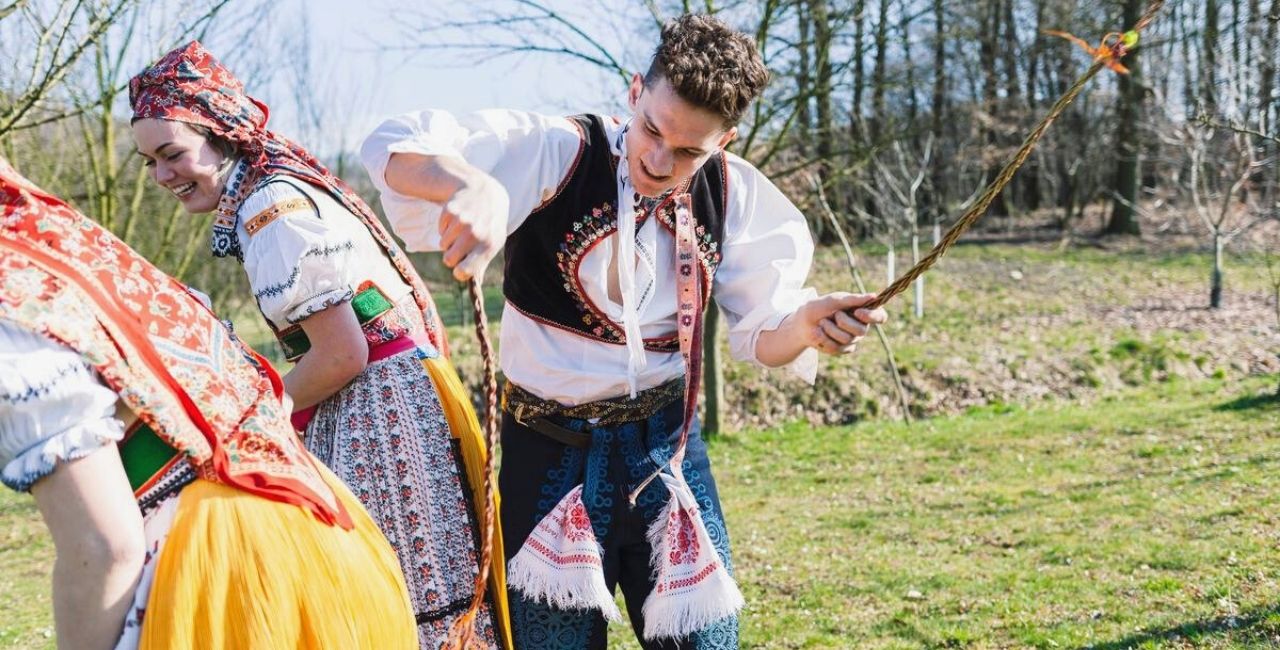
Easter, the most important of Christian holidays, symbolizes redemption, hope, and the resurrection of Christ. As is true for all big holidays, food is a big part of it. Easter Sunday lunch is the most plentiful meal of the holiday. The amount of prepared food was in the past mainly determined by how much each family could afford, but mostly everyone would eat some type of meat on this day. In addition to the roasted meat, an integral part of the meal is the sweet lamb cake, a symbol of Christ’s sacrifice. The name šmigrustovka comes from the Easter Monday tradition of young lads “whipping” girls with pomlázkas (braided willow switches), or šmigrusts, as they are referred to in Moravia. On this day, boys will spend the morning visiting girls around town to “whip” them, which is supposed to make them healthy for the rest of the year. One ingredient of the šmirgustovka are the eggs that the boys receive from girls they visited. It is certainly a colourful food and can soothe a stomach tired from spending the morning welcoming the spring outdoors. Czech traditions on Sunday and Monday Easter Sunday Easter Sunday (Neděle velikonoční) is a day of preparations for...
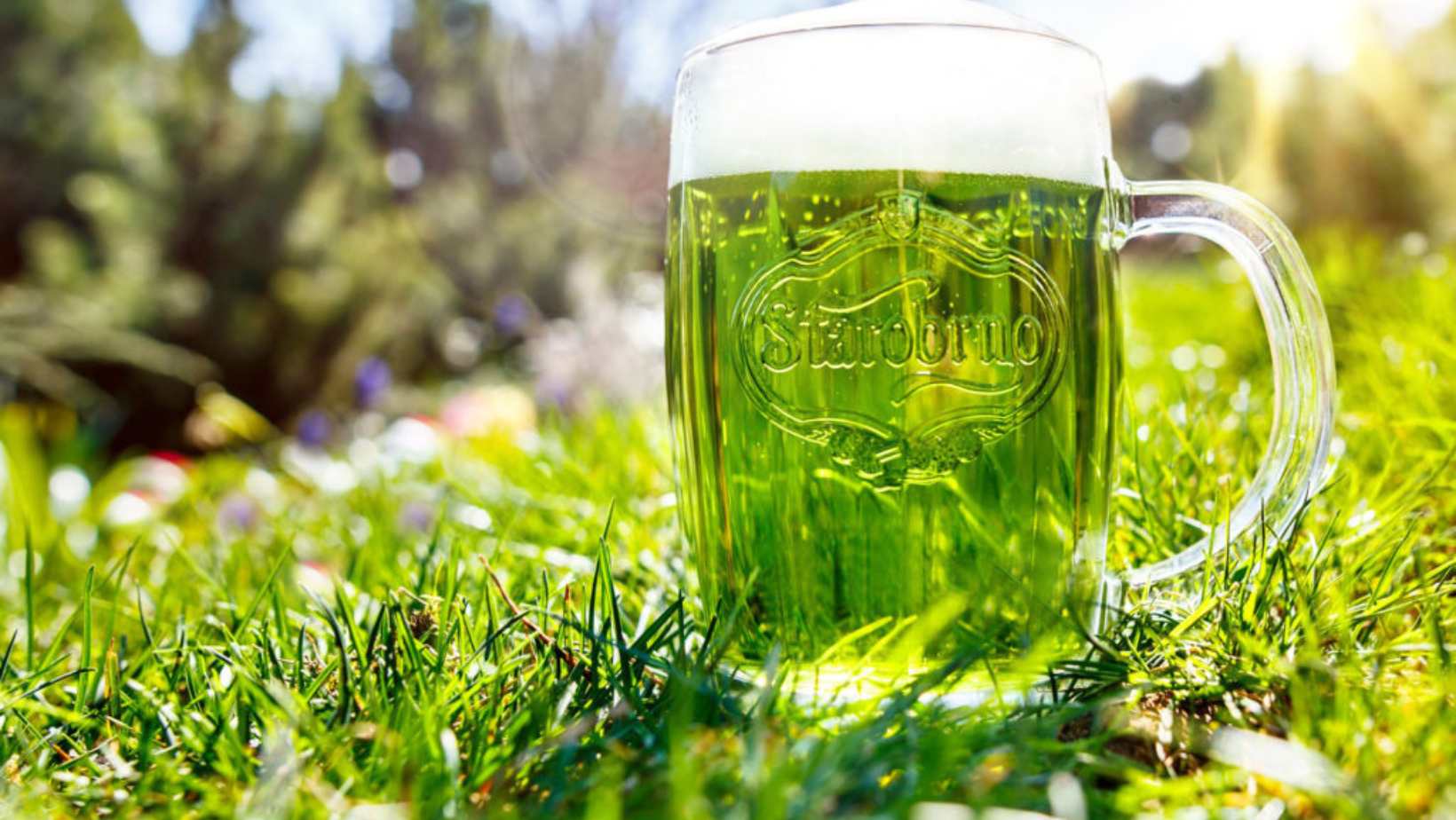
Maundy Thursday, or Zelený čtvrtek (Green Thursday) as it is known in Czech, is the last Thursday before Easter. Why is it called “Green” in Czech? One explanation is that, in many places before the 13th century, green vestments were used for Mass on that day. Another theory refers to “the Green Ones” — penitents who, after being readmitted to the Church, wore sprigs of green herbs to express their joy. The “grün” in the German name for the day, Gründonnerstag (literally Green Thursday), does not come from the name of the color itself but from a corruption of the old German word “greinen” or “weinen,” meaning “to weep.” Bells Fall Silent Until Saturday On the evening before Easter, all church bells are rung before they fall silent until White Saturday. According to tradition, the bells are said to “fly to Rome.” In their absence, children use rattles and wooden clappers, which are sounded morning, noon, and night in place of bells. In some places, they were even believed to help drive away Judas. Fasting and Green Food Traditions A strict fast was once observed on Green Thursday. Because only one complete meatless meal was allowed — free of any...
For Czechs, as in many nations around the world, Easter brings with it a wealth of traditions and customs which have little to do with the religious aspects of the Christian holiday but are rooted in pagan rituals welcoming spring’s arrival. Until last year when Good Friday became an official Czech holiday, Velikonoční pondělí (Easter Monday) was the only state holiday associated with Easter in the country. Traditional Easter in the Czech Republic Even if it’s not the way that many Czechs celebrate today, the pomlázka, a homemade whip braided from willow branches and decorated with colorful ribbons, has been for centuries one of the most recognizable symbols of the Czech Easter celebration. Along with kraslice, hand-painted eggs decorated with intricate designs, both symbols belong to the tradition of koledovani (caroling) which occurs during the secular celebration of Easter Monday in the Czech Republic, particularly in villages and small towns across the country. The pomlázka According to pagan tradition, the willow whip was used to symbolically give women the fertility and health they’d need in the coming year. Men and boys braided willow branches to make the whip because the blooming willows were the first sign of spring’s arrival. As one male Czech friend eloquently explained,...
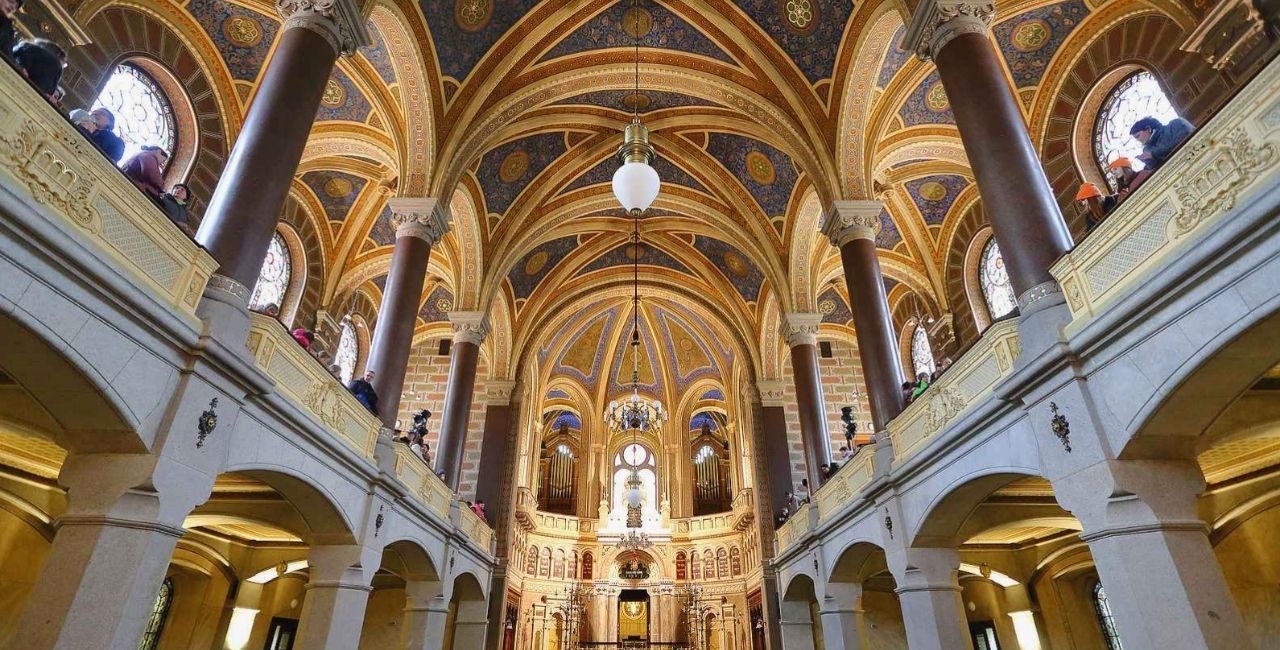
Great Synagogue of Pilsen, one of the largest in the world, restored after over a decade of lobbying by local Jewish community. The Great Synagogue of Pilsen was restored at a cost of around CZK 100 million. The synagogue is the second largest in Europe and one of the five largest in the world. To celebrate the synagogue’s reopening, a parade took place through the Pilsen starting from the city’s Old Synagogue, Czech news site Seznam Zprávy reported. The parade of hundreds of people included bringing a Torah scroll and the five books of Moses dating from 1896 to the newly opened historic synagogue. The Torah was carried during the procession by Czech Chief Rabbi Karol Sidon. In the parade were also rabbis and members of Jewish communities from all over the Czech Republic. They walked down the street singing Psalms of David. Once at the Great Synagogue, the chair of Pilsen’s Jewish community, Jiří Löwy, carried the Torah into the synagogue sanctuary. The Pilsen Jewish community has 98 members, according to its vice president Roman Štix. The Great Synagogue building, with two 45-meter towers, was built between 189 and 1893 when the city had a population of 2,500 Jews. The newly...
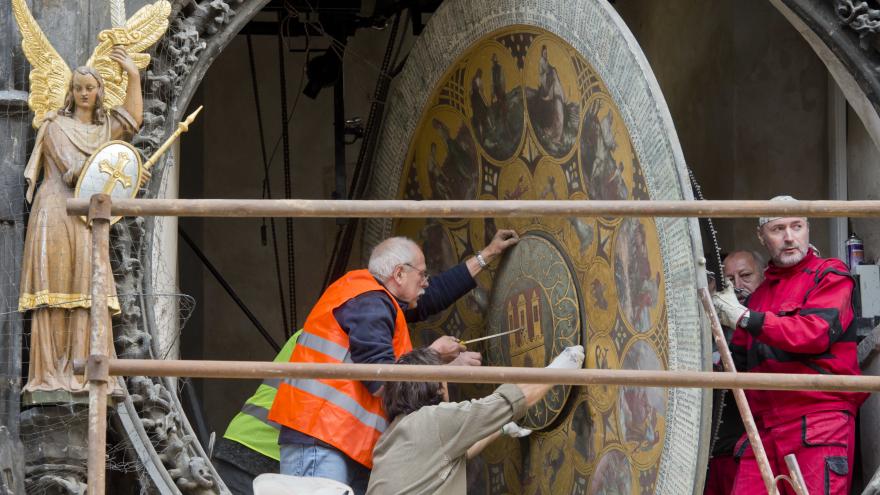
Tower clocks are a fundamental part of Prague’s landscape, bringing millions of tourists from all over the world to visit attractions such as the famed Astronomical Clock (Pražský Orloj). Did you know who is behind the restoration of most of these clocks? L. Hainz is a family business founded in 1836 by Ludvík Hainz, a watchmaker from Prague. The company has been responsible for the renovation and maintenance of roughly 80 clocks in the city, including those in St. Vitus Cathedral (Katedrála sv. Víta), St. Nicholas Church (Kostel sv. Mikuláše), Klementinum and the Astronomical Clock in Old Town Square (Staroměstské náměstí). L. Hainz has also produced and repaired over 300 antique clocks for town halls, churches, and monuments around Europe using 19th-century-old techniques. During the Austro-Hungarian Empire and up until the Second World War, L. Hainz was considered the leading maker of chronometers and watches in Prague. The business was later confiscated by the communist regime that also incarcerated some members of the family. The company was then returned to the heirs of the original owners in the 1990s. L. Hainz is still active today: it manufactures clocks in such a way as to reduce their maintenance requirements as much...
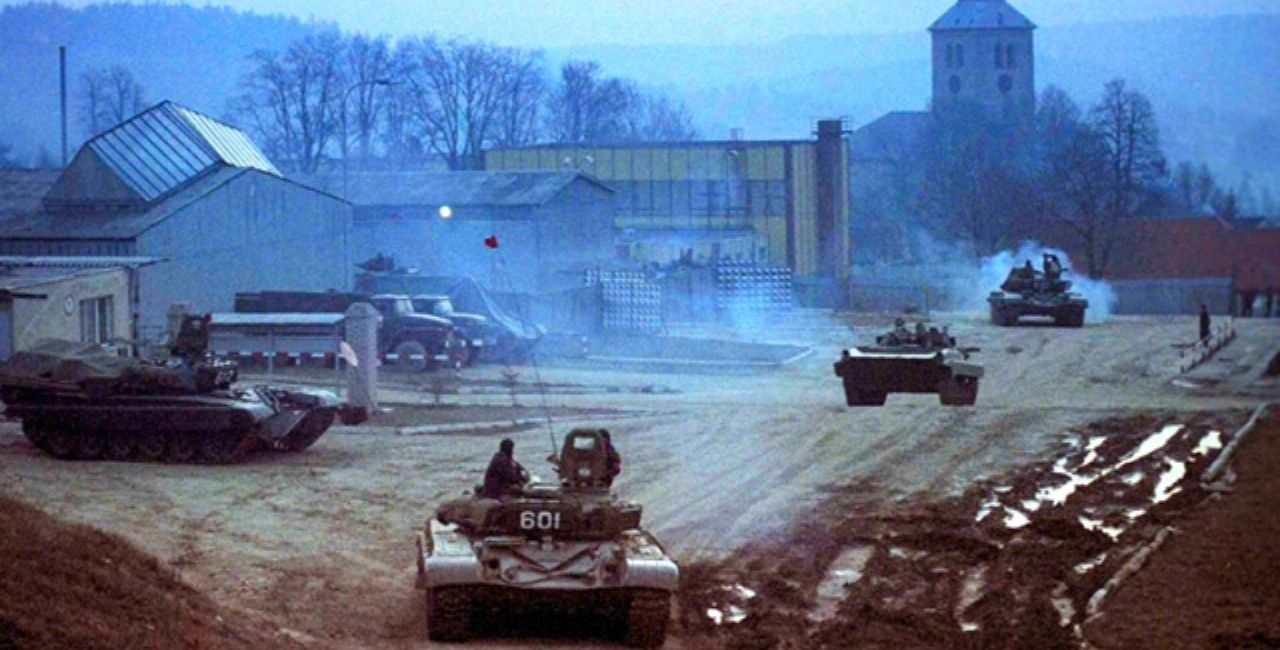
The Czech senate officially approved the proposal to designate June 25 as the official “Day of departure of occupying forces” (Den odchodu okupačních vojsk) on Wednesday. The proposal was made 30 years after the then president of Czechoslovakia, Václav Havel, issued the “Order for the departure of Soviet armed forces from the territory of Czechoslovakia” (Rozkaz k odchodu sovětských vojsk z území ČSFR). However, the day will also serve to commemorate the withdrawals of other occupying armies in the preceding history of the Czech lands. Only the President’s signature was required for the bill to enter into force. The name of the new commemorative date does not specify the affiliation of the occupation troops, so it symbolizes the end of all the occupations that the Czech people have experienced. However, the reference to the USSR is quite obvious: the initiative arose last year during the 30th anniversary of the withdrawal of Soviet troops from Czechoslovakia. Moreover, on June 25, 1991, was signed in Prague the protocol for the completion of this procedure. The plane with the last Soviet soldier left Czechoslovakia on June 27. Altogether, 7,300 Soviet soldiers and 39,000 members of their families, 1,220 tanks, 2,500 infantry fighting vehicles...
The 8th Open House Prague festival is ready for the annual celebration of Prague’sarchitecture, this time taking place on May 16–22, 2022. On the weekend of May 21–22, the festival is set to open 101 buildings and spaces across Prague for free, and starting May 16, there is also going to be an eventful accompanying program featuring lectures, discussions, and special guided tours. The full list of all open buildings is now available here “We are opening not only industrial buildings and modern buildings with various awards for quality and eco-friendly technologies but also iconic, unique constructions which represent the historical and cultural wealth of Prague. We uncover unknown or hidden cultural projects of excellent architects, artists, and craftsmen, and we present the forgotten stories of constructors, owners, and their descendants,” says festival director Andrea Šenkyříková. With tours for people with disabilities, families with children, and long-term foreign residents of Prague, Open House Prague is aimed at all members of the general public. “The festival is first and foremost a community project, and we want everyone to be able to enjoy the festival with us. That is why we welcome fellow enthusiasts-volunteers who want to help us open the city...
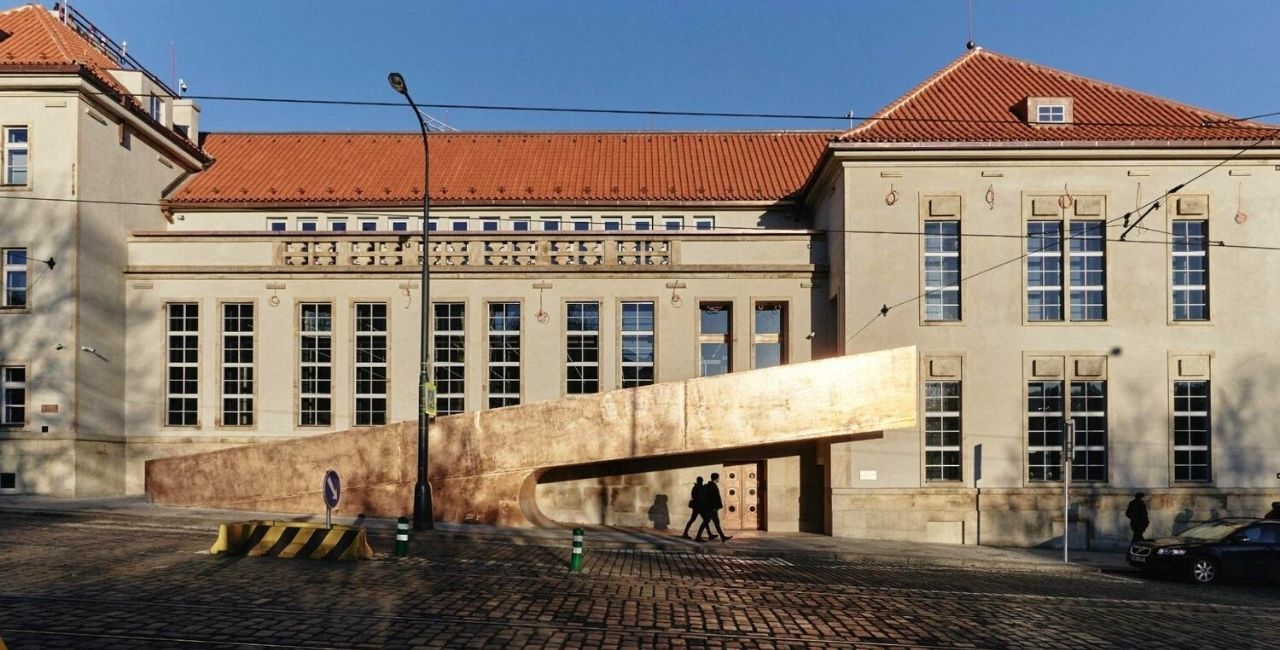
Housed in a former electrical substation, Kunsthalle Praha is sparking new creative energy in the Czech capital. Its striking inaugural group show celebrates 100 years of electricity in art. Kunsthalle Praha, a major new not-for-profit arts and culture organisation has opened its doors to the public in the Czech capital. The building housing the new institution began as the Zenger Electrical Substation in the 1930s, generating electricity for the city’s tram and trolleybus network. The station became defunct as technology evolved, but was acquired by the Pudil Family Foundation in 2015 with the intention of giving the building a new life as Kunsthalle Praha. The institution focuses on 20th-century and contemporary Czech and international art and will function as an ‘open meeting point’ where art lives but also engages a wide audience. Czech architecture studio Schindler Seko was tasked with reimagining the building as an art destination, which now comprises three large galleries, a bistro, a café and an extensive retail space. But it wasn’t without challenges. After structural issues and contamination rendered the entire interior unfit for purpose, it was gutted and replaced with a monolithic concrete structure, with the monument-protected facade kept intact. ‘It’s hard to create a good...
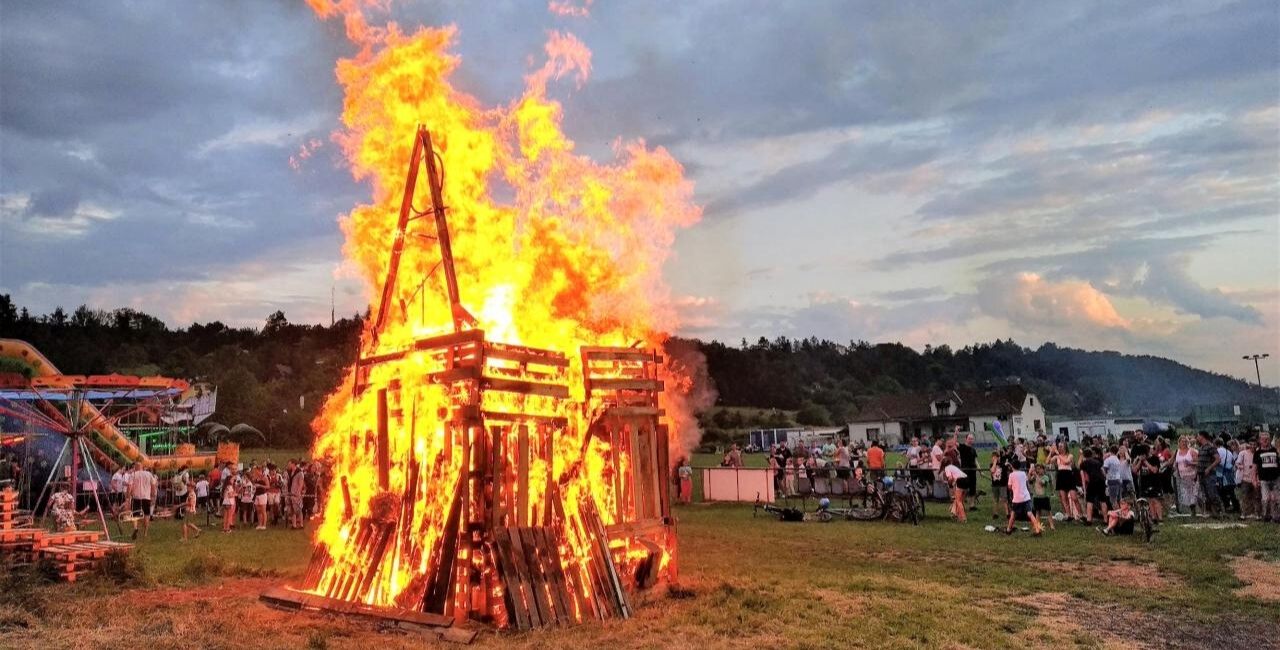
April 30th is an exciting day for Czechs of all ages who gather by fire and celebrate the arrival of spring. Witch burning (Čarodejnice), also known as the night of the witches, stems from an ancient tradition. There are many locations where this is celebrated and some involve a maypole: a tall wooden pole popular to dance around at various traditional European festivals. Outside of folk customs witch-burning night is also the second-largest satanic holiday. While it acts as the largest Sabbath for Satanic cults, in the Czech Republic it’s considered a regular and harmless family holiday. Historically, the night of April 30th has been considered magical and was originally celebrated at midnight. Like most ancient festivities, the main purpose of the event was to celebrate fertility. People also believed that on this night witches would gather together. To protect themselves from the witches, evil spirits, and demons in general, people lit fires on elevated grounds. Originally the fires were supposed to ward off everything evil, but after the Spanish Inquisition, it became specifically about burning the evil witches. Brooms that were considered unlucky would be burned and the ashes were believed to have special powers to increase the number...
Don’t have an account? Register
[swpm_registration_form level=”6″]
Already have an account? Log In
How Would You Like to Promote Your Business? PR ArticleDisplay bannersVideo productionNewsletter adsJob ListingsInfluencer Marketing
Your Email
We will come back to you within 24 hours with our proporsal