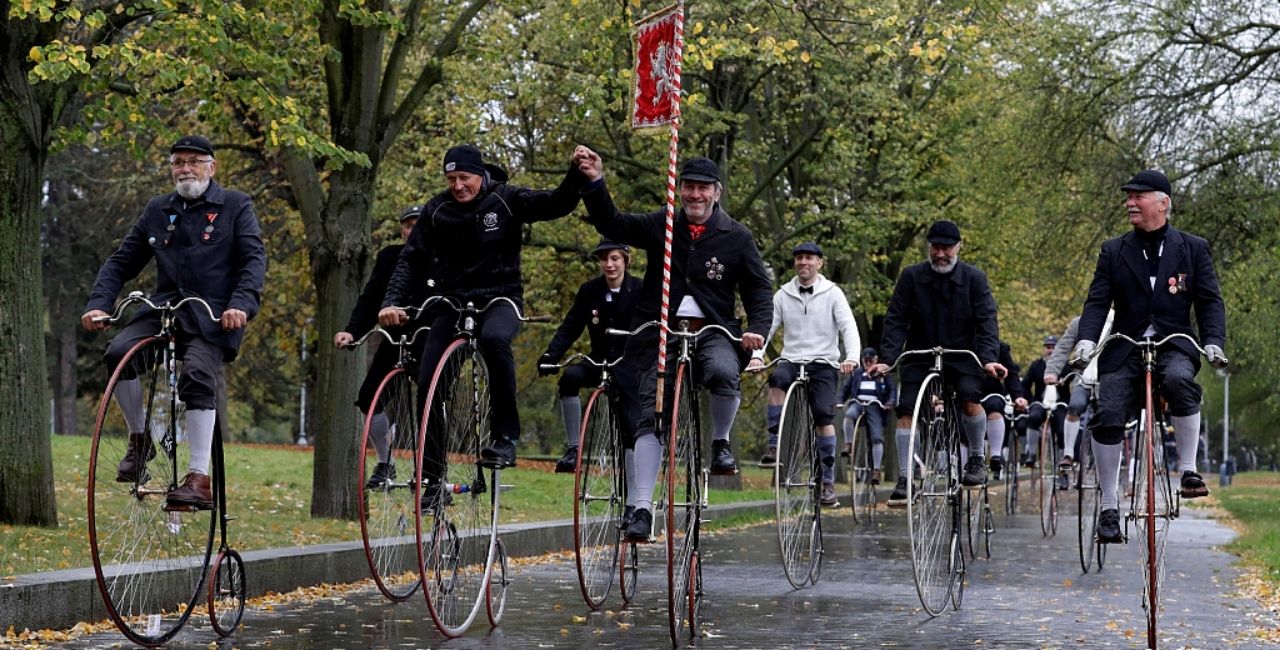
The 19th century, among many other innovations, saw the rise of the bicycle. Early models were not exactly ideal; the cycle had no pedals, and the cyclist had to push it with his feet while seated (women did not cycle in those days). 1858 was the year that pedals were added to the machine, creating an effective, if rough, ride for enthusiasts of the “velocipede”. In 1869 the iron wheels on velocipedes were replaced with wheels of solid rubber, and the term “bicycle” was used for the first time. On November 16, 1880, the Czech Velocipedists’ Association was established in a brewery in Smíchov. The young men who founded it were particularly fond of the bicycle known as the “penny farthing”, on which the front wheel is enormous, while the rear wheel is much smaller. This bicycle, also known as an “ordinary” or a “high wheeler”, gets its name from the penny and farthing coins in the United Kingdom; a side view of this cycle looks vaguely like a penny pulling a farthing behind it. The Czech Velocipedists’ Association was only the second such organization in the former Austro-Hungarian Empire, and the first in Bohemia. The first outing of the...
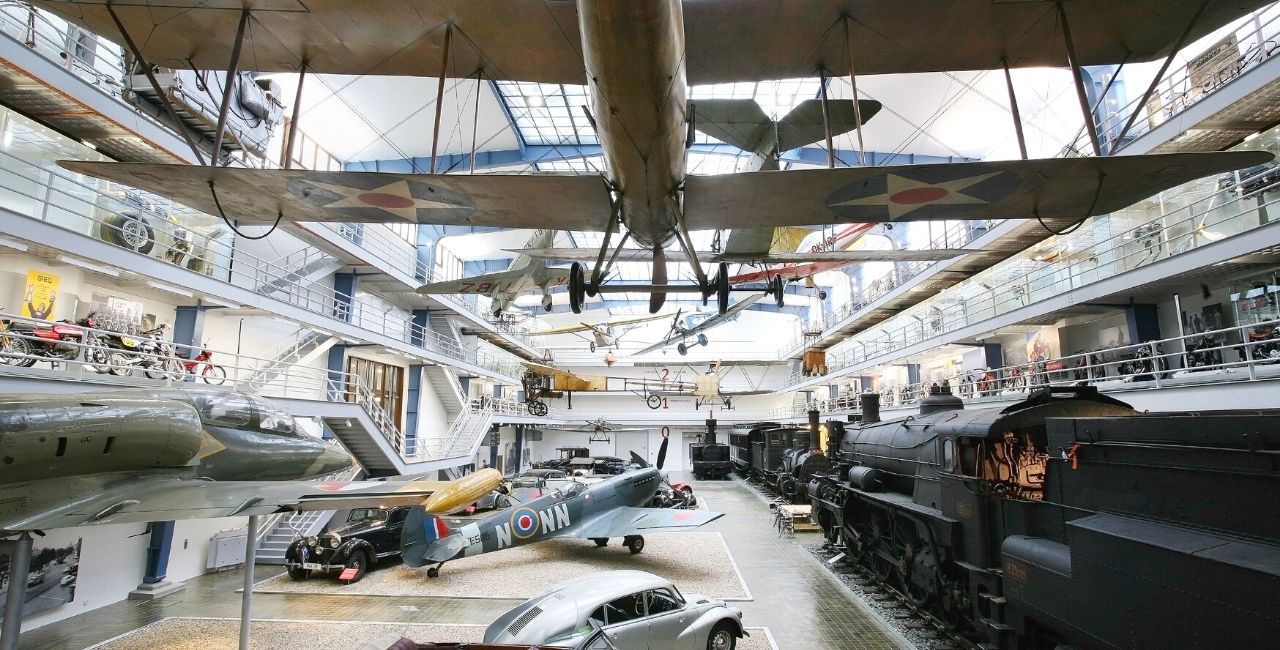
Article by Vita Cafnik, pre-school teacher at Cherry Tree, an English-speaking preschool in the heart of Vinohrady. If you are looking for ways to spend some good quality intellectual time with your kids, you can prepare your monocles and get your mustache-twisting fingers ready, as we have visited some of Prague’s museums, and found three wonderful gems, that are a joy for the whole family. Prague truly has a lot to offer culture-wise, and amongst countless museums and galleries, here are just a few that caught our attention. So if winter months give you the blues, let these places bring some color into your world. National Museum of Agriculture National Museum of Agriculture mastered the art of making its exhibitions fun for the whole family. With its interactive nature and playful science, it will charm the pickiest of visitors. The museum is worth visiting for the beautiful rooftop garden alone, and the picturesque view of the Prague that surrounds it, however, I would not recommend missing a single exhibition, as each one offers a unique and fascinating view into one of our most important inventions. You can look forward to a journey through stories of agriculture, forestry, gastronomy and food...
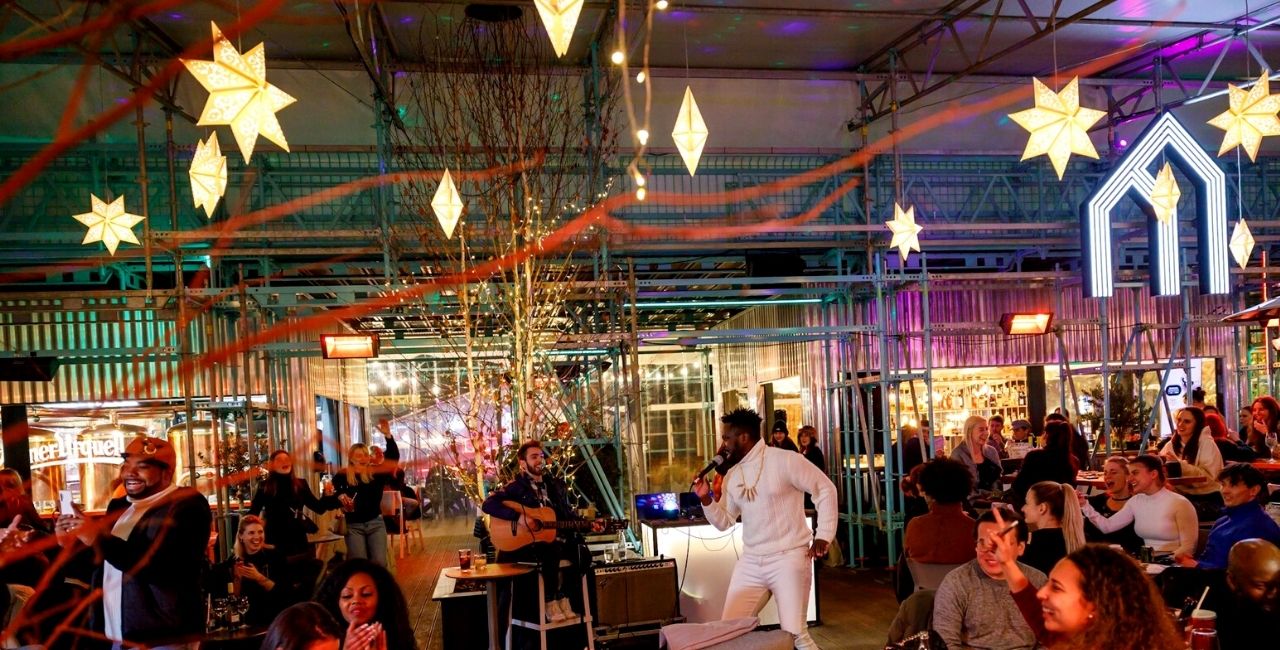
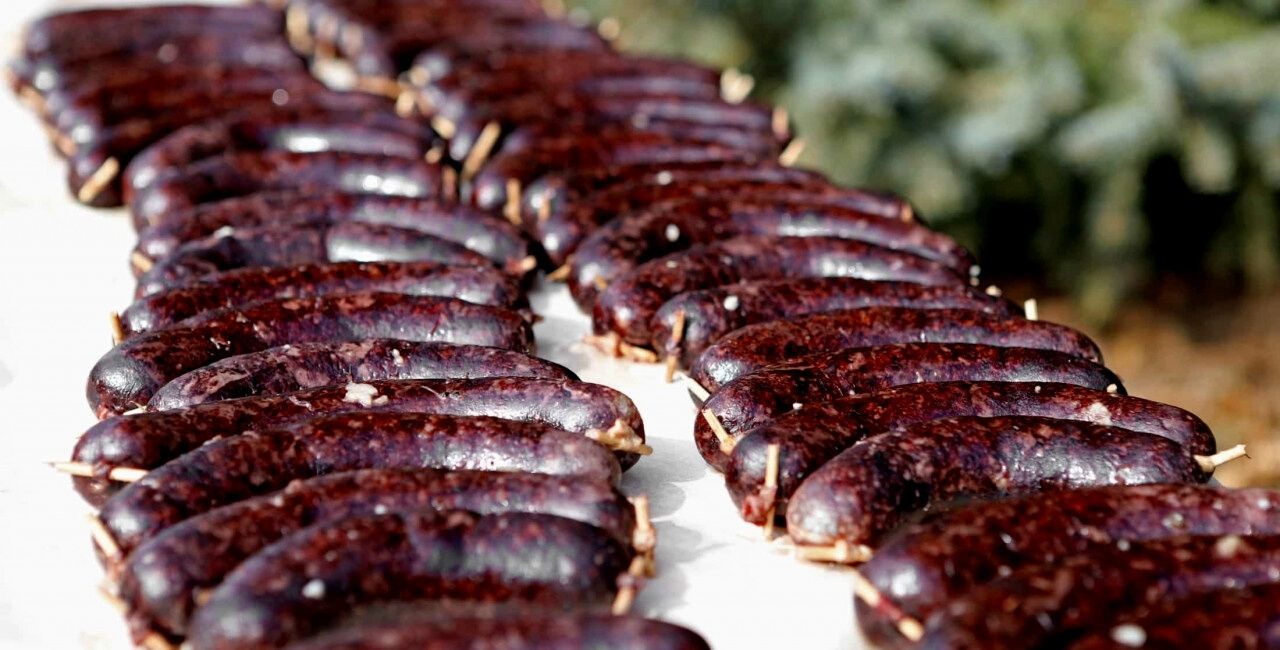
Manifesto Anděl is preparing a two-day celebration of the local carnival called Masopust. Visitors can enjoy a special program and menus from Friday, February 25th to Saturday, 26th. Quite well-known for the South American carnival vibes and lively dance waves that some of the restaurants bring on a regular basis to Manifesto, this time the happenings will highlight the Czech and Moravian traditions. On Friday, February 25, a cimbalom quartet will perform folklore music while wearing traditional embroidered costumes. During a two-hour performance by four musicians with violin, double bass, cimbalom and viol, anyone will be welcome to sing along. On Saturday, experienced tutors Jaruška and Anežka will run children’s workshops and make colorful carnival masks. Anyone who wants to dress up for the occasion should unleash their imagination and creativity. During both days of the Masopust event, the chefs from Zátiší will open a pop-up restaurant with authentic Czech specialties and an unprecedented menu at Manifesto. For the first time, our guests will be able to taste blood sausage with cabbage and butter potatoes, pork sausage, or beef goulash with dumplings. The special menu will be available until it is sold out for CZK 195 per serving (which will...
Architecture is part of our everyday life and the organization Open House Praha invites Prague residents to learn more about its architecture. English friendly walking tours around Bubeneč, Žižkov, or Letná districts are prepared for all architecture lovers. Additionally, there is also an opportunity to explore brutalist architecture built during the socialism era or usually inaccessible interiors of the Desfours Palace, a hidden gem of Prague Classicism. The walk through the Bubeneč residential area will present ten houses connected with the lives of former Jewish inhabitants. On February 13 at 2:30 p. m. participants will see houses designed by elite Czech architects: Jan Kotěra, his student Jan Krejcar and the Jewish duo Ernst Mühlstein & Viktor Fürth. The guide will disclose a lot of true gossip about people who have influenced Czech history. “We will follow the footsteps of the 1st Czechoslovakian president Tomáš Garrigue Masaryk and walk around the houses that served the family of the 1st Communist Czechoslovakian president Klement Gottwald,” says the tour guide Michal Šedivý. The Letná Plain is one of the most popular meeting places in Prague; people come here for family gatherings, big cultural events or mass demonstrations. But what is the story of...
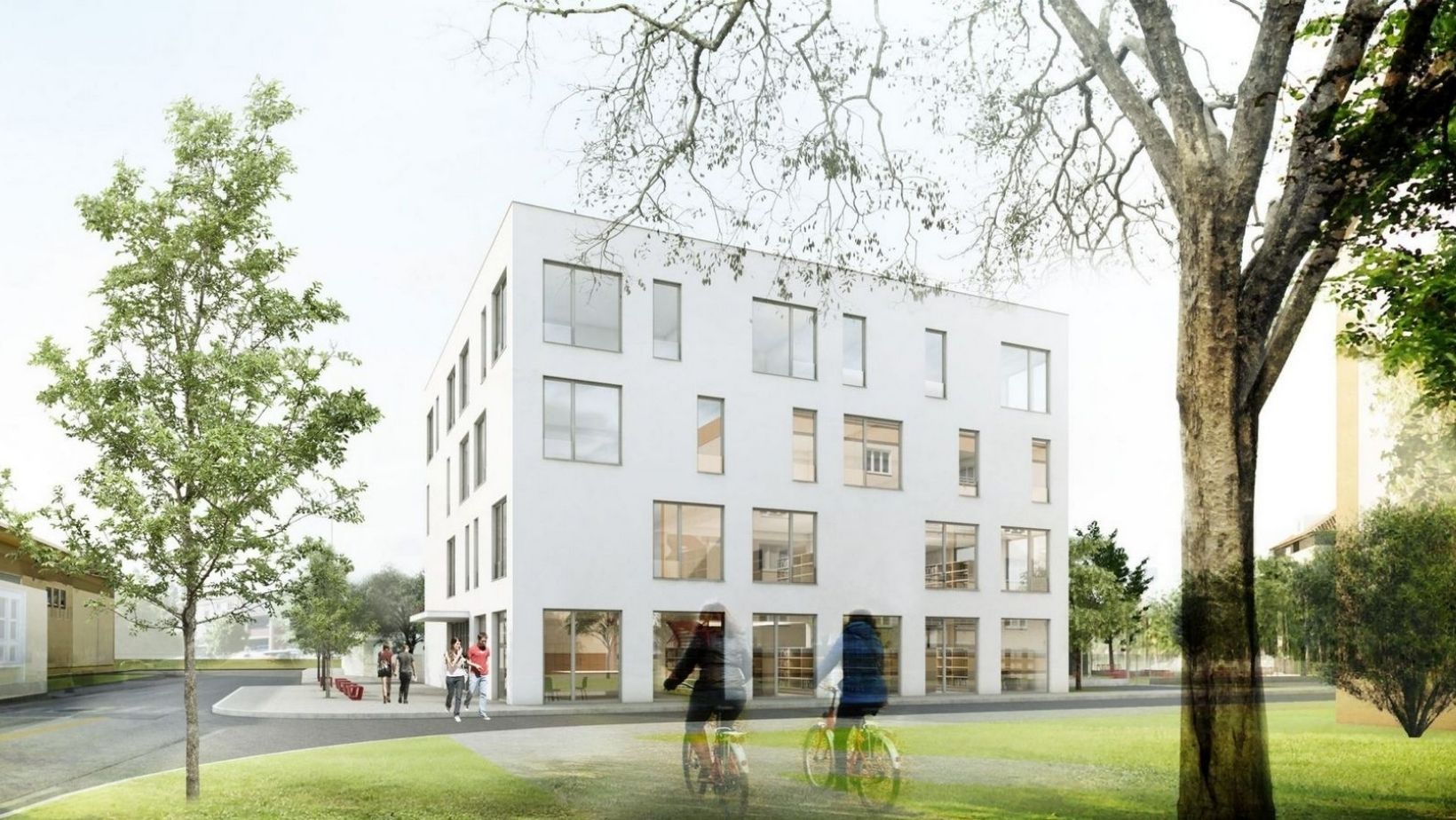
On 4 February, the Czech capital announced that the Municipal Library in Prague (MKP) will soon begin the construction of a new multifunctional building in Petřiny. The new establishment will replace the existing library building in Prague 6, which was built in the 1950s and no longer serves its purpose. Part of the building, which will be designed by architects from the monom studio and the Zavadil studio, will be a chamber hall for cultural, educational and community events and will hold the necessary equipment for so-called coworking, study or creative meetings. The library will be freely connected to the garden and there will be a terrace for outdoor seating as well as a kitchenette for preparing snacks. While the first and second floors will be dedicated to books and such meetings, the ground floor will act as a space where visitors can obtain information regarding services and events. The building will also feature a multifunctional hall on an underground level, where events such as film screenings and musical performances can be held without disturbing readers. The preparation of such a centre has dragged on for more than 10 years. The construction of the multifunctional building will cost approximately CZK 226 million and end by the autumn of 2023.
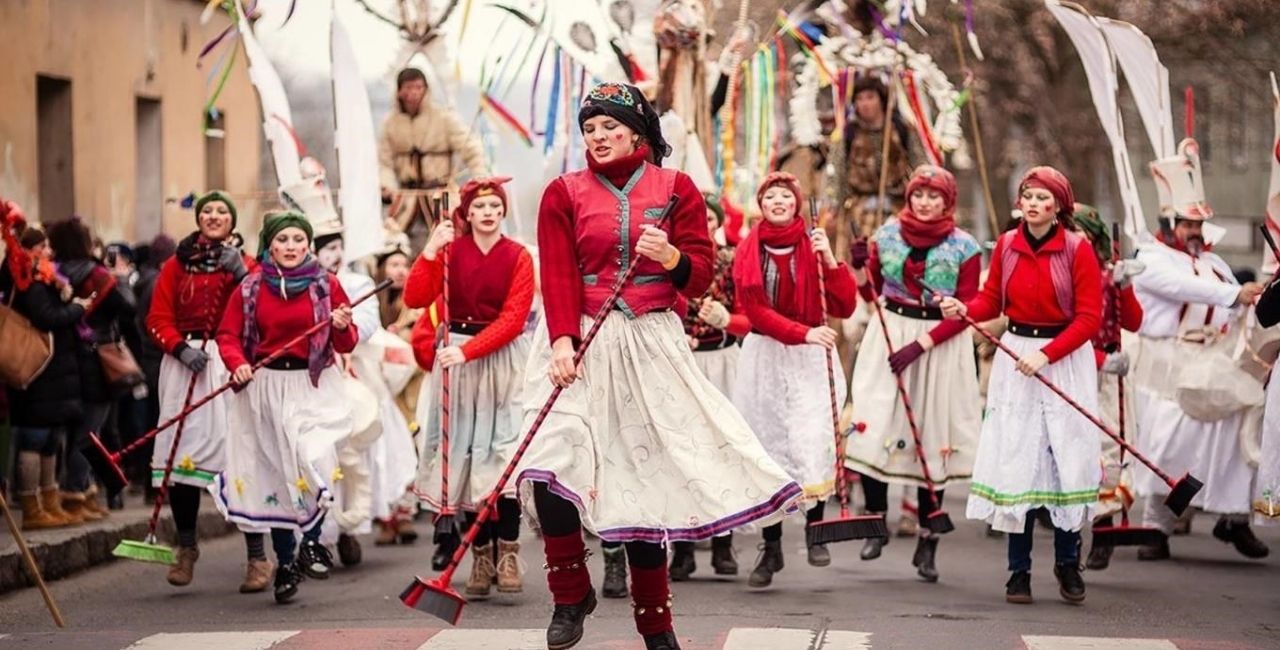
The Czech version of Mardis Gras, Masopust is celebrated in Prague each year with colourful costumes, food, drink and a fanciful parade. While Carnival is celebrated around the world from Brazil to Venice, Prague puts its own special twist on the event. Masopust, as it’s known in Czech, is a vibrant celebration that marks the end of winter and ushers in spring with a number of parties and parades full of colourful costumes throughout the city. Singing, dancing, eating and drinking are all key parts of Prague’s Masopust festivities. To take part, just put on a mask and join the fun. In 2022, Masopust Prague will take place between 25 February 2022 to Tuesday 01 March 2022. The biggest parties and celebrations take place the weekend prior to Ash Wednesday, with Shrove Tuesday being the biggest day of celebrating. The Letna Carnival Parade of Masks will be held winding its way through numerous cultural institutions, including the National Technical Museum, Letka Club, Museum of Agriculture, Letenska vodarna, Scarabeus Gallery, the Coffee Museum. Theater performances for the whole family will take place in the Letka Hall from 4:00 pm. There are also carnival exhibitions and magic performances held in the exhibition tower. The children’s choir will...
The National Theatre of Prague presents Turandot, an opera by Giacomo Puccini which is based on the eponymous commedia dell’arte play by Carlo Gozzi. The opera had its grand opening on January 23rd, 2020, and returns to the National Theatre historical building for another performance. Turandot is Giacomo Puccini’s final opera and is deemed to be the “last of the Mohicans” of the Golden Age of Italian Romantic opera. The story goes that Turandot, daughter of Emperor Altoum, has decreed that she will only marry if a suitor of noble blood can answer three riddles. If he cannot, the price shall be his head. Her most recent suitor, the Prince of Persia, is to be executed at the moon’s rising. Turandot is one of opera’s biggest blockbusters. It shows themes of passionate love and unrelenting hatred. The plot unfolds to music of extraordinary brilliance, including Nessun dorma, the most popular of all Italian tenor arias. The opera will be sung in Italian, but there will be Czech and English subtitles for the expat audience. There will be performances running throughout February, as well as a performance in March and in May. For tickets visit The National Theatre’s website for more...
This weekend (February 4-6) it will be possible to climb the seven main towers in Prague free of charge upon presentation of a school certificate. The promotion applies not only to students but also to adults, states Prague City Tourism. The following towers will be open for free admission: The Old Town Bridge Tower is the gateway to the famous Charles Bridge from the east side of the Vltava. Completed before 1380 as part of the fortifications of the Charles Bridge, it is considered to be the most beautiful Gothic gate in Europe and the most impressive example of Gothic civil engineering style in the world. The Lesser Town Bridge Tower, which stand on the opposite side of the river. Although the view from this location is entirely different, it is just as impressive. The tower was built after 1464 on the site of an earlier Romanesque structure and its design is based on the architecture of the Old Town Bridge Tower, however the originally planned sculpture decorations were never added. St Nicholas Bell Tower: a picturesque view of the Lesser Town’s buildings and square is the reward for climbing 215 steps to the 65-metre high viewing gallery of the tower adjacent to the...
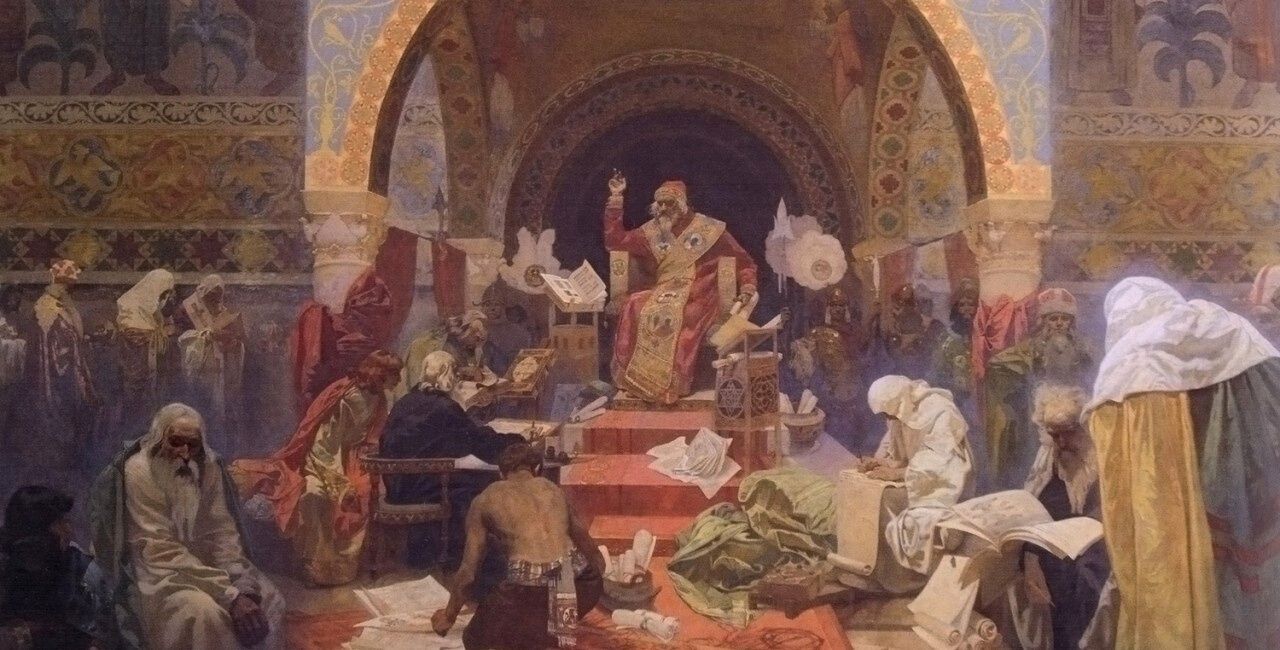
Prague will showcase the Slavic Epic by Alfons Mucha in the Savarin Palace for the next 25 years. There has been a dispute with one of the heirs to the collection, John Mucha, and it has been settled that there will be a space in the area for the family’s collection to exhibit. The developer, Welwyn, will be in charge of this operation and administration. This was decided from an agreement with the Mucha Foundation, Prague as the city and Welwyn – and was approved by Prague councilors. The collection includes twenty large canvases which were first painted in 1910. Last year they were loaned to Moravský Krumlov for the next five years, where it is currently exhibited. The next 25 years they will belong to Prague on a lease term which will be under the same conditions unless the exhibitor and the developer agree otherwise. This agreement is the conclusion on a long-standing dispute between john Mucha and the capital over the ownership of the canvases. If he decides to sign the agreement, this means that he agrees to acknowledge the city’s ownership of the artwork and withdraw any legal suits within 30 days of signing. Prague will not...
Live Nation and The Comedy Store today announce a series of shows taking place across the European continent including stopovers in Paris, Amsterdam, Prague, Copenhagen, Stockholm, and Helsinki. Described as the birthplace of alternative comedy in the UK, The Comedy Store has been a launchpad for the careers of countless stand-up stars with the likes of Michael McIntyre, Eddie Izzard, and Jimmy Carr all performing on their world-famous stage. The UK’s best-known comedy brand is now coming to Europe in a big way, bringing dazzling shows to cities around the Continent, showcasing the brightest stars of the UK stand-up scene. Fans can expect a night of pure, unfiltered comedy from the very best of the British and now European comedy circuit. Don Ward, CEO of the Comedy Store says, “After a delayed start to our European adventures, we are excited to be finally taking The Comedy Store across the Continent. These international shows will be a great addition to our existing comedy venues in Manchester and London as well as our existing UK theatre residencies.” With nearly 40 years of experience in the business and as the premier name in comedy, The Comedy Store is renowned as a breeding ground for...
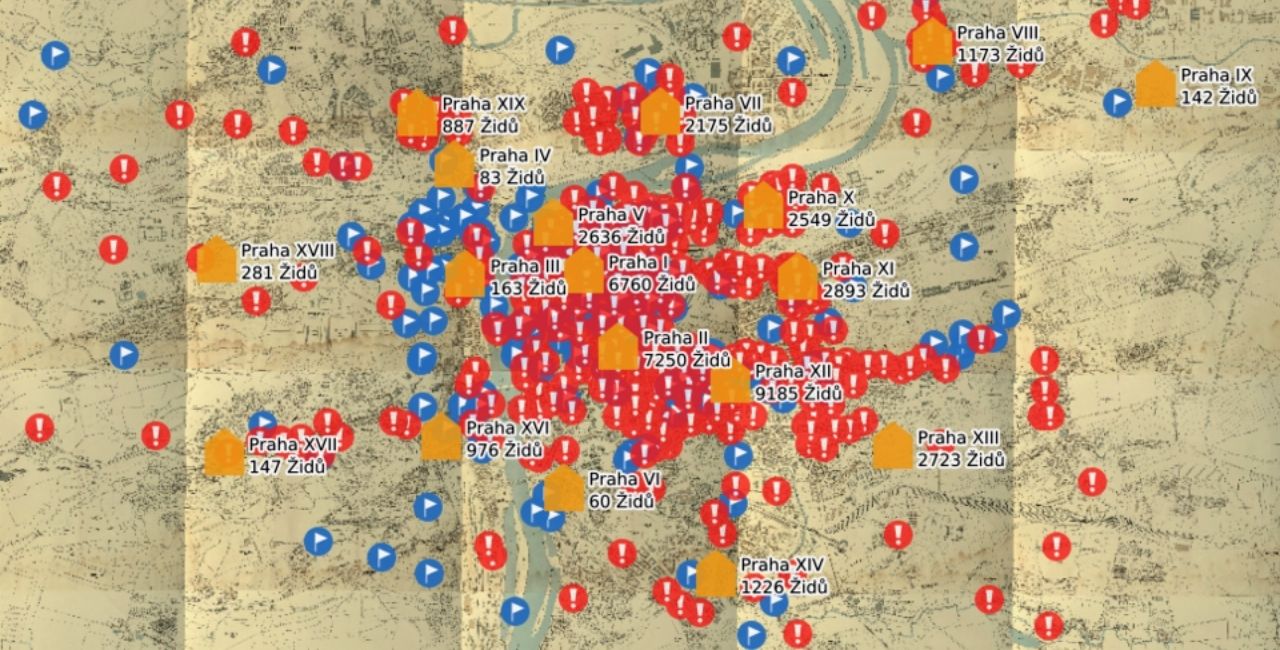
A new map app sharing stories of the 30,000 Holocaust victims from the Czech capital has also been released to mark the occasion.
If you visit the Czech countryside at the start of the year you are likely to receive an invitation to attend a zabijačka– in other words, a pig-slaughter feast; a centuries-old tradition that is still observed in many parts of the country. While for some it is a barbaric practice that has no place in the present-day, for others it is an important part of village folklore that brings people together. Why in the winter season? Historically, Zabijačka was arranged 1-2 weeks before Christmas or after the New Year. The main rule is to finish ere the start of the 40 days Fast (Great Lent). However, eating meat before Lent is not the only reason for winter slaughter. In the old days, villagers didn’t have freezers for long-term food storage. Therefore, the winter period was considered the most relevant for the longer meat preservation. This tradition was not only of practical importance but also a manifestation of respect. Slaughtering a pig was allowed only by a qualified butcher. Right after cutting the carcass, women started to prepare dishes trying to use all edible parts of the animal. The most popular dishes were blood and liver sausages, cracklings, aspic, meatloaf, traditional pork...
Don’t have an account? Register
[swpm_registration_form level=”6″]
Already have an account? Log In
How Would You Like to Promote Your Business? PR ArticleDisplay bannersVideo productionNewsletter adsJob ListingsInfluencer Marketing
Your Email
We will come back to you within 24 hours with our proporsal