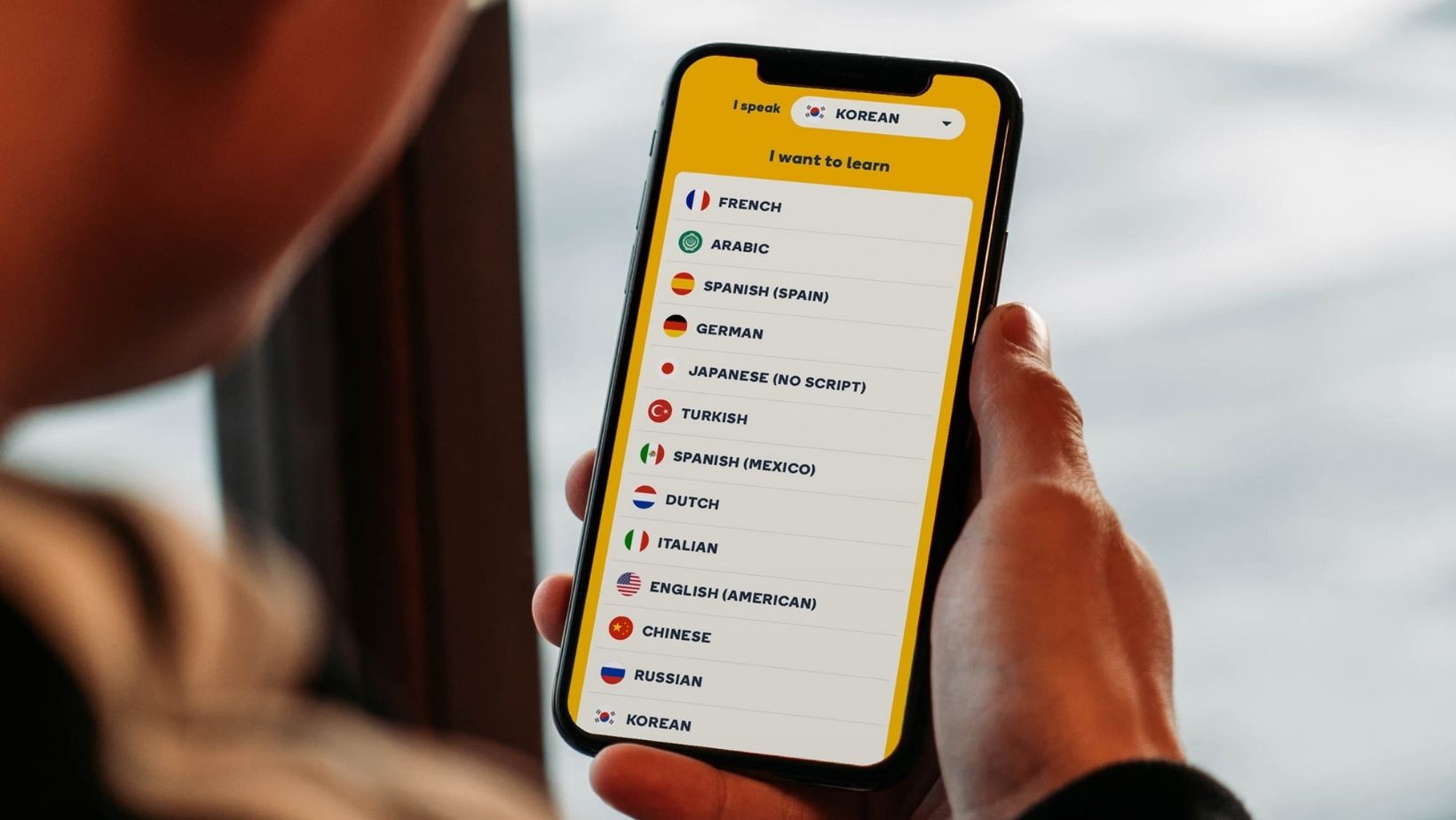
Article by Language Atelier, a language school in Prague. Languages need training and frequent use, but this is often incompatible with our schedule: how could we train our language skills if we work full time? Well, a great solution is an app on your smartphone or tablet: in this way you can spend just a few minutes studying the language and you can be daily exposed to it. You also need to find out which app fits better your needs: you have to read a lot of reviews and feedbacks about them, and this means wasting time, which you don’t have. Well, in just two minutes you can find out in our brief article which app can help you stay focused on your language goals! Please, note that some of them are both free and premium. Duolingo Operative systems: Android, iOS, iPadOS, but you can also access it via browser. Pros: 35+ languages, it includes English-Czech combination, completely free, increasing difficulty levels, you can set your daily goal to 5 minutes a day (Relaxed mode) Premium version: ad-free, offline mode, additional features Memrise Operative systems: Android, iOS, iPadOS, but you can also access it via browser. Pros: 23 languages, you can...
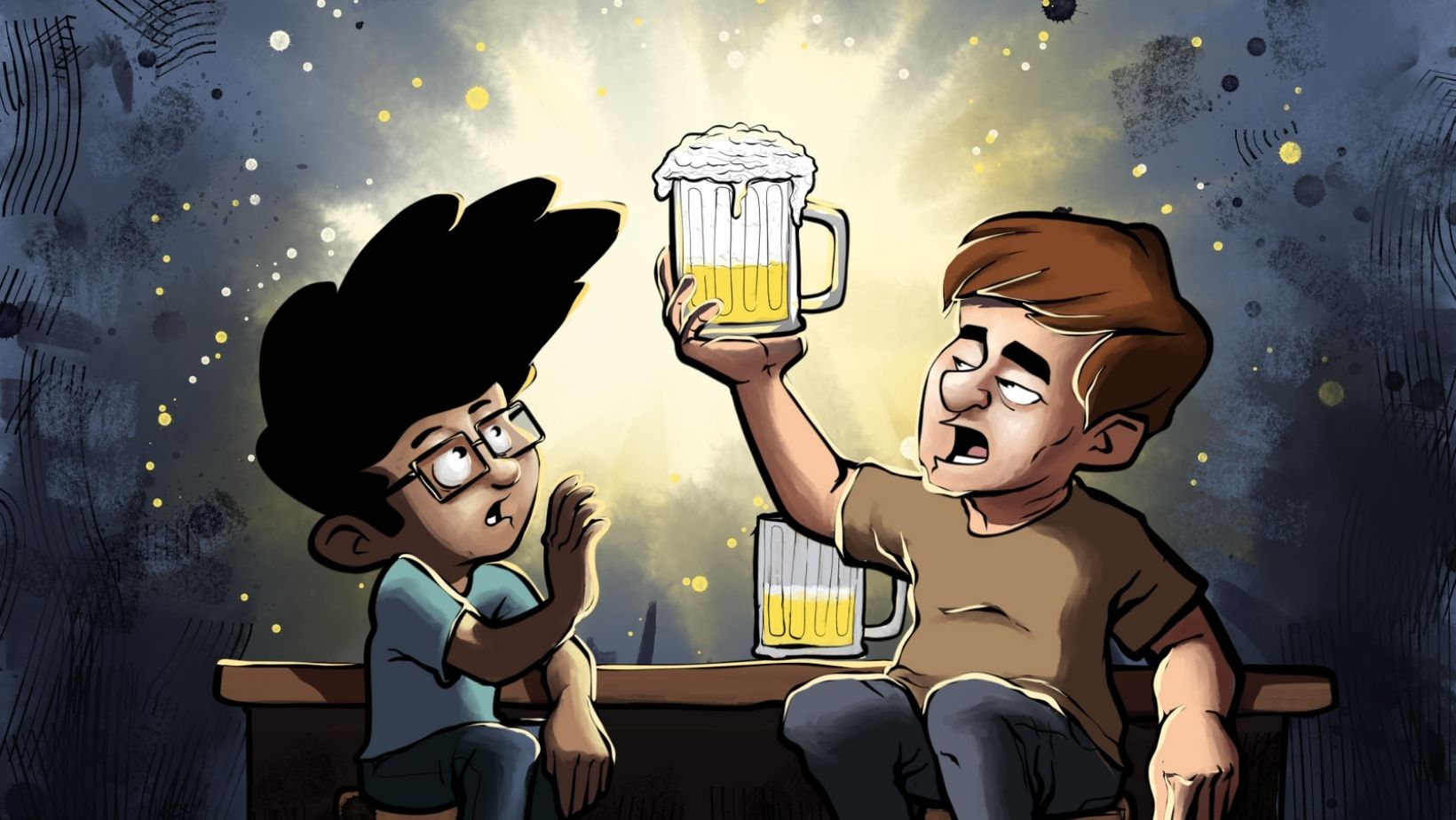
Prague Morning interviewed Soumik, the artist behind Alien in Bohemia, an ongoing art journey for Soumik where he showcases his graphic design talents through weaving relatable short stories by e-comics and photos. Alien in Bohemia’s stories are refreshingly familiar, especially to international students who come to Prague. Here’s the full-length interview. Can you introduce yourself and tell us where you came from? “I’m Soumik from Bangladesh. I came to the Czech Republic to study optics and nanostructure, and to do my master’s in this back in 2017. I had been an engineer up until that point. It was a tough school. I studied at Czech Technical University – Faculty of Nuclear Science. I didn’t have classmates, so I spent a lot of time alone.” There’s a huge contrast between what you were doing before and now. What made you transition to art? “It was a tough subject and science can be demanding. I probably thought it was going be good for me, then I realized I still have to go through a work phase. I realized I loved drawing. I used to come home from school, eat dinner, and from 9 pm till 3 am I would draw. It wasn’t...
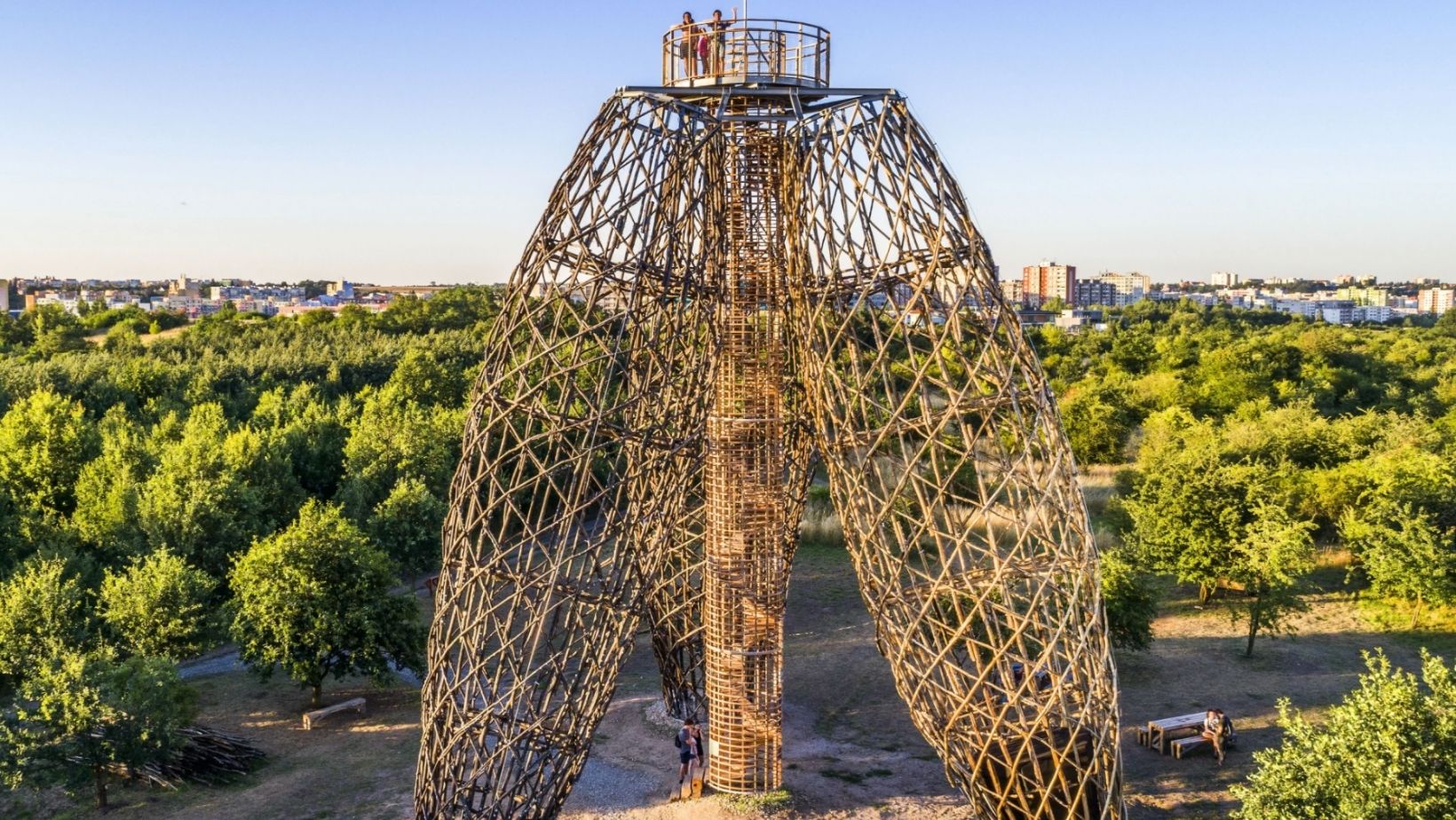
Covid-19 restrictions may impede most of us from visiting other districts in the Czech Republic, but luckily, Prague is a city with a plethora of beautiful and stunning surprises. If you’ve run out of ideas, here are some curiously pretty and interesting sites to check out for the next time you head out in the city. Blanka Tunnel ART The public installation of the Czech-Argentine artist Federica Díaze has become the dominant feature of the new relaxation zone and park in Letna. The installation is located on the concrete surface itself of the Blanka tunnel, which transforms the mere tunnel into a piece of art. Everything was created thanks to the initiative of local citizens, who have long been troubled by the view of the spacious and untreated concrete exudation of the Blanka tunnel near Stromovka in Prague. Cemetery in Dolní Břežany The Břežanský Cemetery is located on the western edge of Dolní Břežany and loosely connects to a park in the city center. It is an unconventional work that builds on the history of the village with its philosophy. Thanks to this, we will find elements belonging to Celts, Slavs, or Christians. At bird’s view, one can see that the...
Who doesn’t need some happy news these days? Just in time for the United Nation’s annual International Day of Happiness on March 20, the results of the 2021 World Happiness Report have been released—and the results will put a smile on your face, despite the ongoing pandemic that has killed more than 2.6 million people around the globe. Finland has been named the happiest place in the world for the fourth year running, in an annual UN-sponsored report. The World Happiness Report saw Denmark in second place, then Switzerland, Iceland, and the Netherlands. Data from analytics researcher Gallup asked people in 149 countries to rate their own happiness. Measures including social support, personal freedom, gross domestic product (GDP) and levels of corruption were also factored in. “We need urgently to learn from Covid-19,” said report co-editor Jeffrey Sachs, professor and director of the Center for Sustainable Development at Columbia University. “The pandemic reminds us of our global environmental threats, the urgent need to cooperate, and the difficulties of achieving cooperation in each country and globally.” Besides the happiest countries in the world, the Happiness Report also looked at the places where people are the most miserable. This year, countries like Afghanistan, Zimbabwe, Tanzania and Jordan were...
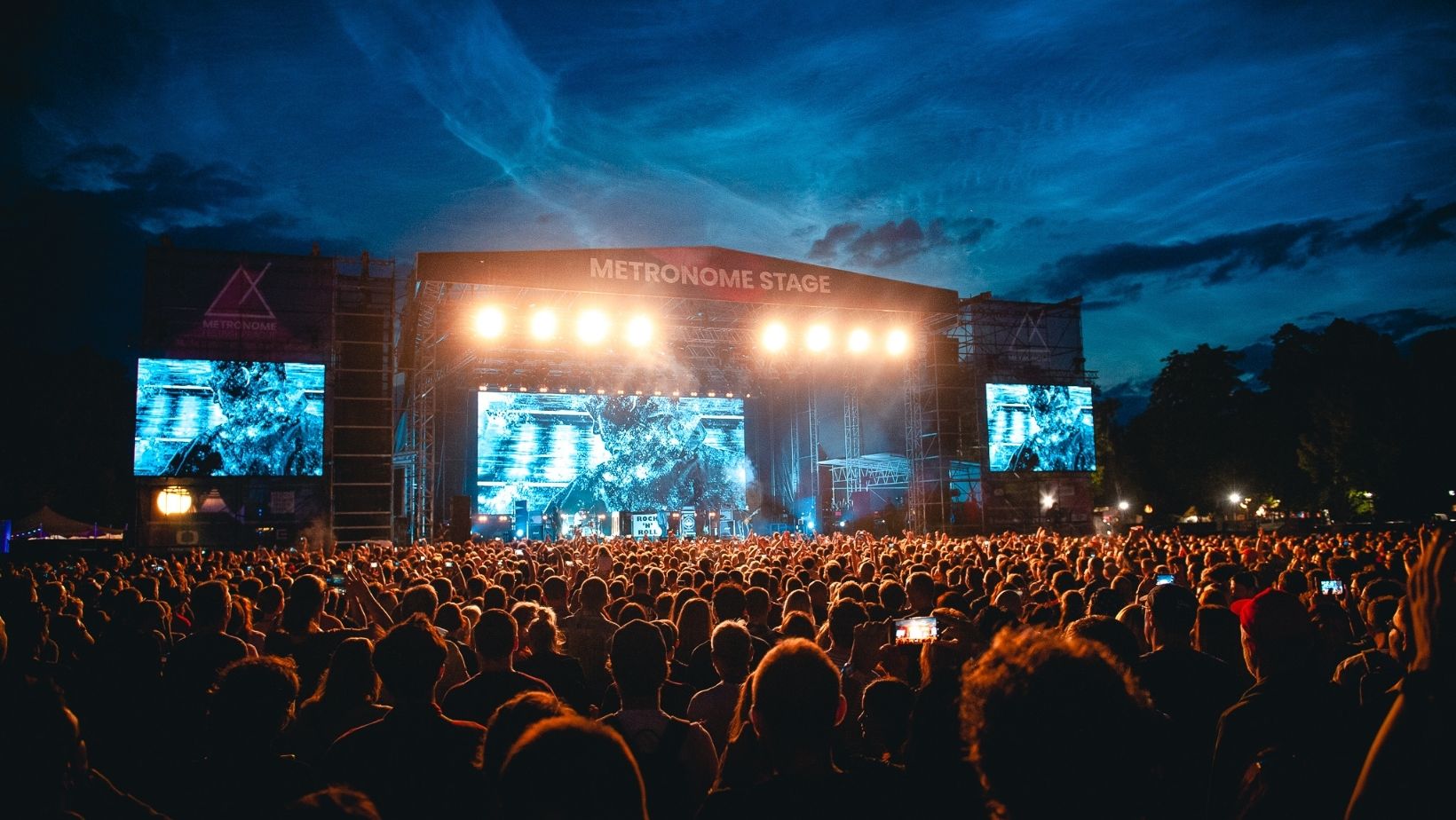
This year’s biggest open-air music event Metronome Prague Festival is postponed to 2022. This decision has been reached after a thorough and careful evaluation of the current circumstances related to the Covid-19 pandemic. “Although the situation is slowly improving, the lack of time until the originally planned June deadline makes it impossible to finalize work on such a large project. We believe the next Metronome Prague Festival will take place in all its glory June 23 – 26 next year. All the purchased tickets will remain valid,” said the organizers. A lot of large and important world events have officially been cancelled, and other events await this unpopular decision. There are several reasons for that, and they cross geographical boundaries and it is not certain how large the gathering capacities will be in each country or the hygienic requirements. “Under these circumstances, it would be irresponsible to consider holding the festival, which in five years of its existence has managed to gain a great reputation among music fans and artists. Just three months before the originally planned “start shot” it is not possible to compile a program due to these reasons.” The organizers of the Metronome festival commit to doing...
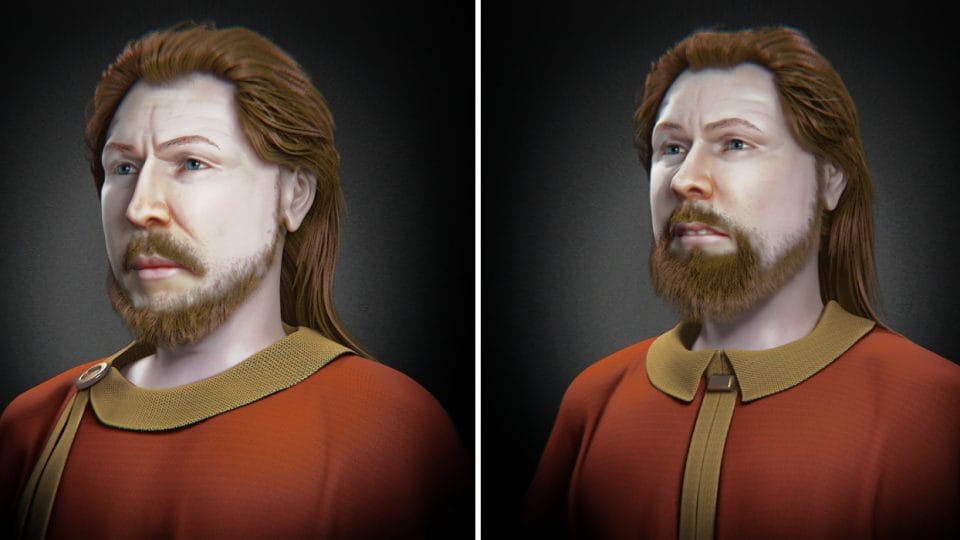
Facial recognition software has helped recreate the faces of Czech royals who died more than a thousand years ago. Researchers used radiocarbon dating and DNA analysis to identify the remains of Duke Spytihněv I and his brother, Vratislav, who died within a few years of each other in the early 10th century. The team scanned the dukes’ skulls in minute details and incorporated information about their diet, health, and mobility to render their three-dimensional likenesses. A digital result was created of each man, showing each with blue eyes and reddish-brown hair – all of which were determined through DNA analysis. The brothers were from the House of Přemyslid, a Czech dynasty which reigned from the 9th century to the start of the 14th century, controlling Bohemia, Moravia, Poland, Hungary, and Austria. They’re considered important figures in Czech history, the sons of the first Přemyslid ruler, Bořivoj I and his wife, St. Ludmila. Ruling from 894 AD until his death in 915 AD, Spytihněv I founded Prague Castle and formed important alliances to fend off invasion by the Magyars of Hungary. Vratislav I, his younger brother, took over after Spytihněv’s death and was also the father of King Wenceslas, the patron...
The Netflix production The Gray Man is due to shoot in Prague and other Czech locations this spring. Directed by Anthony and Joe Russo, The Gray Man boasts a star-studded cast headlined by Chris Evans and Ryan Gosling. Joe Russo wrote the script, based on the 2009 novel of the same name by Mark Greaney, and the script was also given a polish by regular Russo collaborators Christopher Markus and Stephen McFeely, who are co-presidents of story at AGBO and the writers on “Avengers: Endgame” and “Avengers: Infinity Wars.” The Gray Man has just begun filming in Los Angeles, with the L.A. shoot expected to run through the end of April. The action-thriller is a deadly duel between killers as Gentry (Gosling) is hunted across the globe by Lloyd Hansen (Evans), a former cohort of Gentry’s at the CIA. The Gray Man turned into a bestselling book series, and the expectation is that Gosling will continue in multiple installments. “The movie is a real mano-a-mano between those two great actors who represent two different versions of the CIA, in what it can be, and what it can do,” Anthony Russo told Deadline. “For those who were fans of Captain America: Winter Soldier, this...
There are several studies that claim that 1000 most used words in a foreign language help you understand 75% of common communication. Czech-based Flashcard app Vocabulary Miner asked 181 language lecturers whether they think it is true. It was all inspired by the 2013 British Council 1000 words campaign motivated Britons to learn 1000 words in a foreign language. According to British Council study, lack of knowledge of foreign languages opens up a social divide that a second language can bridge. Professor Webb, who studied language learning at the University of Western Ontario also suggests in the BBC article that “the most effective way to be able to speak a language quickly is to pick the 800 to 1,000 lemmas which appear most frequently in a language, and learn those”. Lecturers and teachers of foreign languages say “YES but…” Inspired by the British Council, Vocabulary Miner – the app that created unique expat Word lists, now designed word lists with 1000 most common words in combinations of Czech, English, French, Spanish and Slovak. The team behind Vocabulary Miner was curious whether the method of 1000 Word lists is approved by lecturers themselves. Vocabulary Miner asked 181 lecturers of foreign...
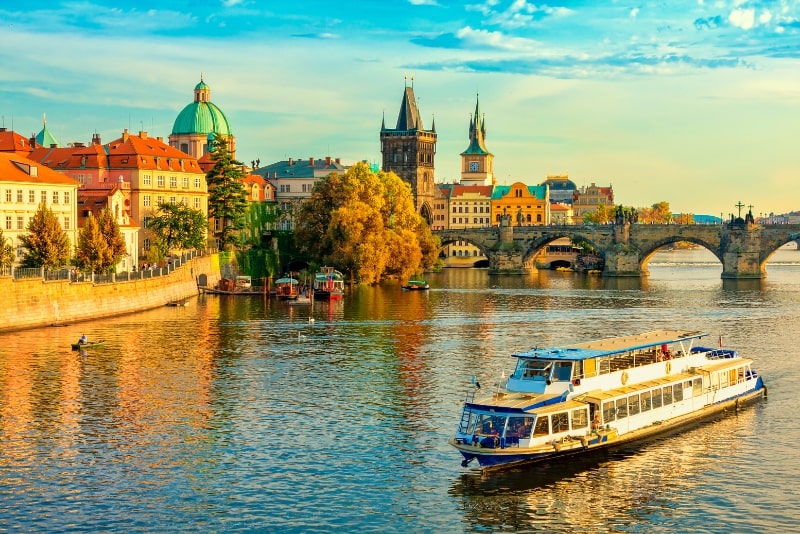
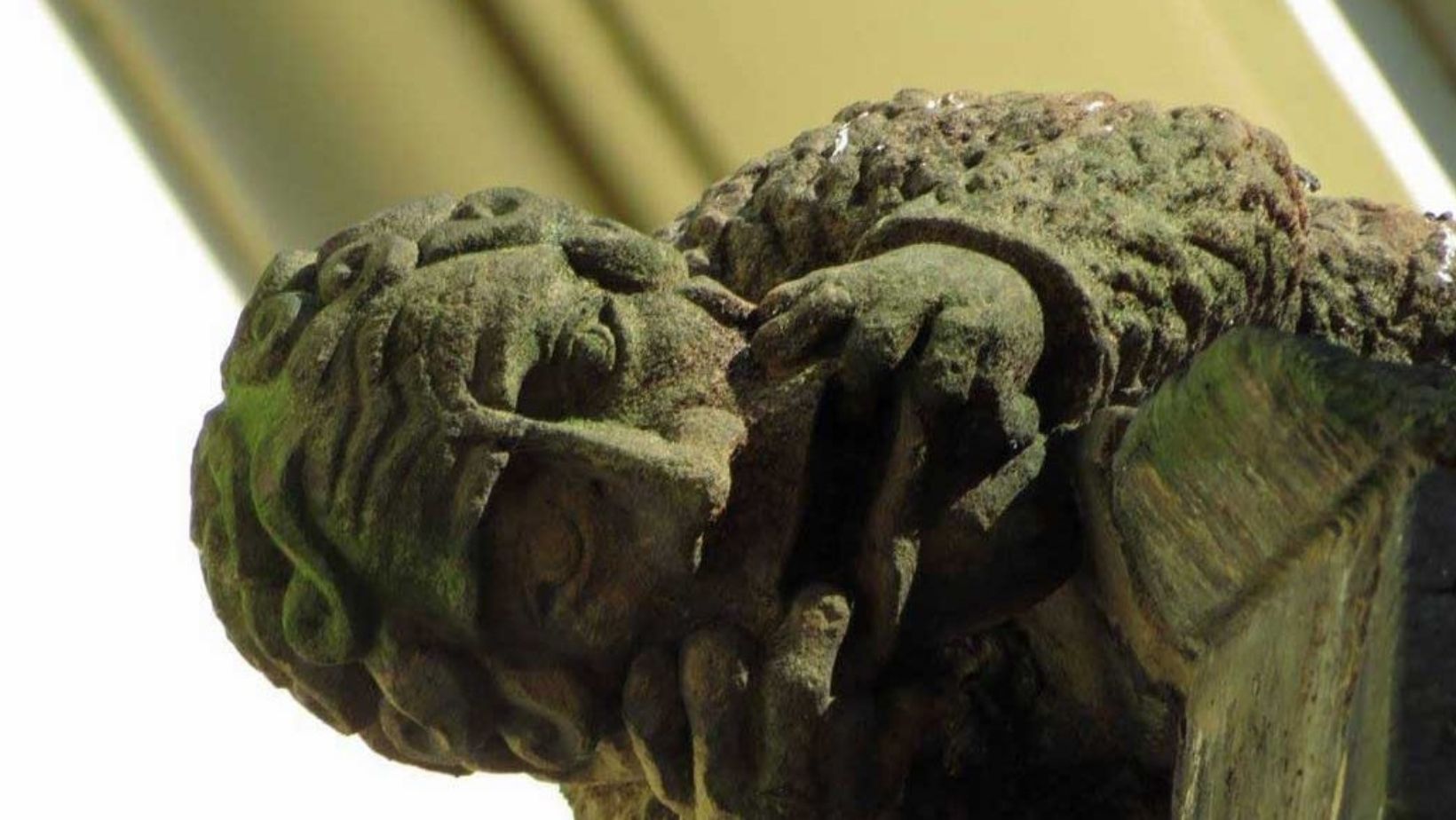
Among the names for Prague is the Magic City, and not without reason. Places connected to legends are all over the city, and throughout the centuries everyone from alchemists to vampires is supposed to have passed through the city. We have rounded up a few places that have some connections to the myths and mysteries of the city. There are many more, and we will get back the them 1. The Devil’s Column. Vyšehrad is one of the oldest parts of the city and has many curious spots. Behind the Church of Sts Peter and Paul, you can find a marble column broken into three pieces and firmly plant in the ground. The legend is that it was thrown there in anger by a devil named Zardan. A priest who served at a church at Vyšehrad — the smaller forerunner of the massive structure that now sits there — used the help of the devil on several occasions and had been condemned to hell but sought to repent. St Peter pitied him and said that if the priest could finish saying mass before the devil could carry a pillar from Rome to Vyšehrad, then the priest would be forgiven. The...
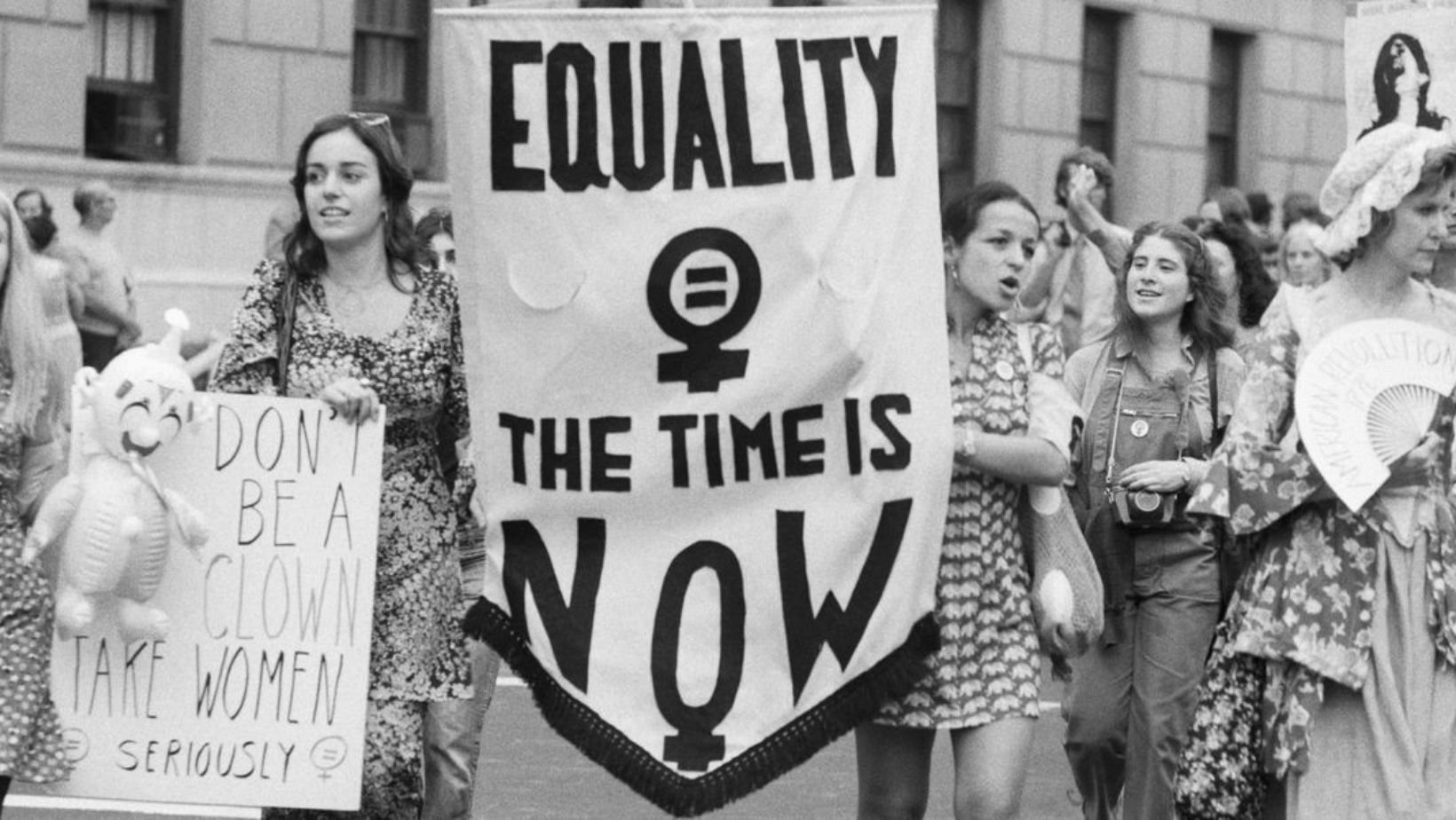
On March 8th, 2004, the Czech Republic recognized International Women’s Day (Mezinárodní den žen in Czech—commonly referred to as MDŽ for short) as a state-recognized holiday for the first time since before the Communist regime fell in 1989. Its recognition fell squarely in line with the norms of the United Nations and the European Union, the latter of which the Czech Republic would go on to join later that year. The day is approached by these supranational organizations, along with the many countries in which it is actively celebrated, as a time to bring attention to women’s achievements and promote women’s rights domestically and around the world. Its recognition passed the parliament as part of a bundle of commemorative holidays, so-called “meaningful days” (významné dni), which included a day honoring “victims of the Holocaust” and “victims of the Communist regime”. However, it was MDŽ that captured the attention of the news media. Throughout the debates in parliament over whether or not to reinstate it, and in the days leading up to its first official postsocialist celebration, national newspapers and tabloids ran a multitude of articles, editorials, opinion polls, and interviews on the topic. For example, on March 8th 2004, Mladá...
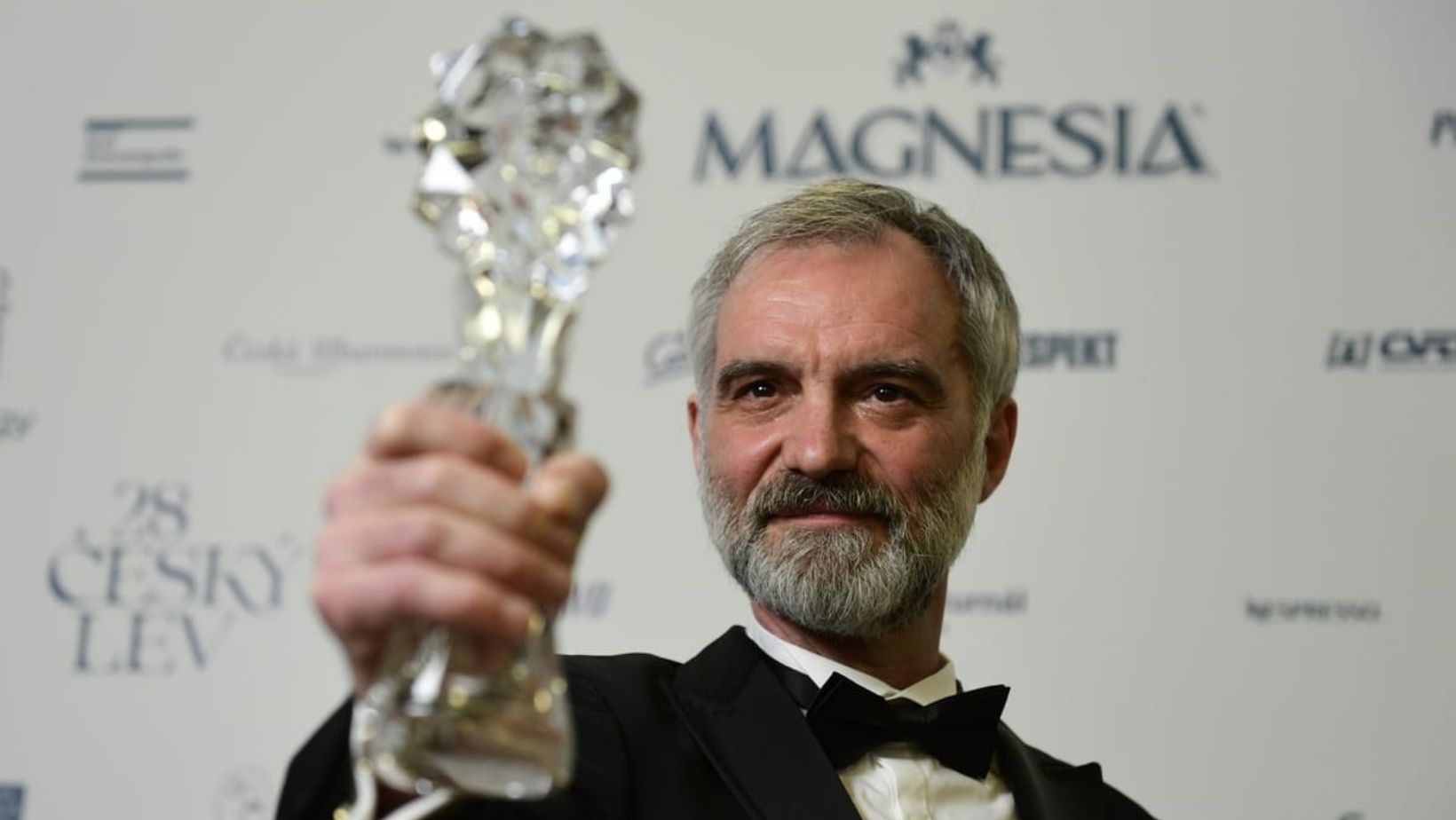
Charlatan (Šarlatán) emerged as the biggest winner of the 2021 Czech Lion ceremony, the most prestigious movie award in the Czech Republic. Charlatan is a biographical drama directed by Agnieszka Holland. Inspired by the true story of herbalist Jan Mikolášek, portrayed here by Ivan Trojan, who dedicated his life to caring for the sick, despite the immense obstacles he faced in his private and public life. Born at the turn of the 20th century, Mikolášek wins fame and fortune using unorthodox treatment methods to cure a wide range of diseases. Already a local institution in Czechoslovakia before World War II, the healer gains in reputation and wealth whether during the Nazi occupation or under Communist rule. A three-time Oscar nominee, Holland – who was recently elected President of the European Film Academy (EFA) – has directed many successful films, including To Kill a Priest (1988), Europa Europa (1990), and Washington Square (1997). The annual awards took place in Dvořák’s Hall of Prague’s Rudolfinum. The Czech Television traditionally broadcasted the ceremonial gala evening live. Main awards 2021 BEST FILM: Charlatan BEST DOCUMENTARY: Caught in the Net BEST DIRECTOR: Charlatan – Agnieszka Holland BEST ACTRESS IN THE MAIN ROLE: Magdaléna Borová in Shadow Country BEST ACTOR IN THE MAIN...
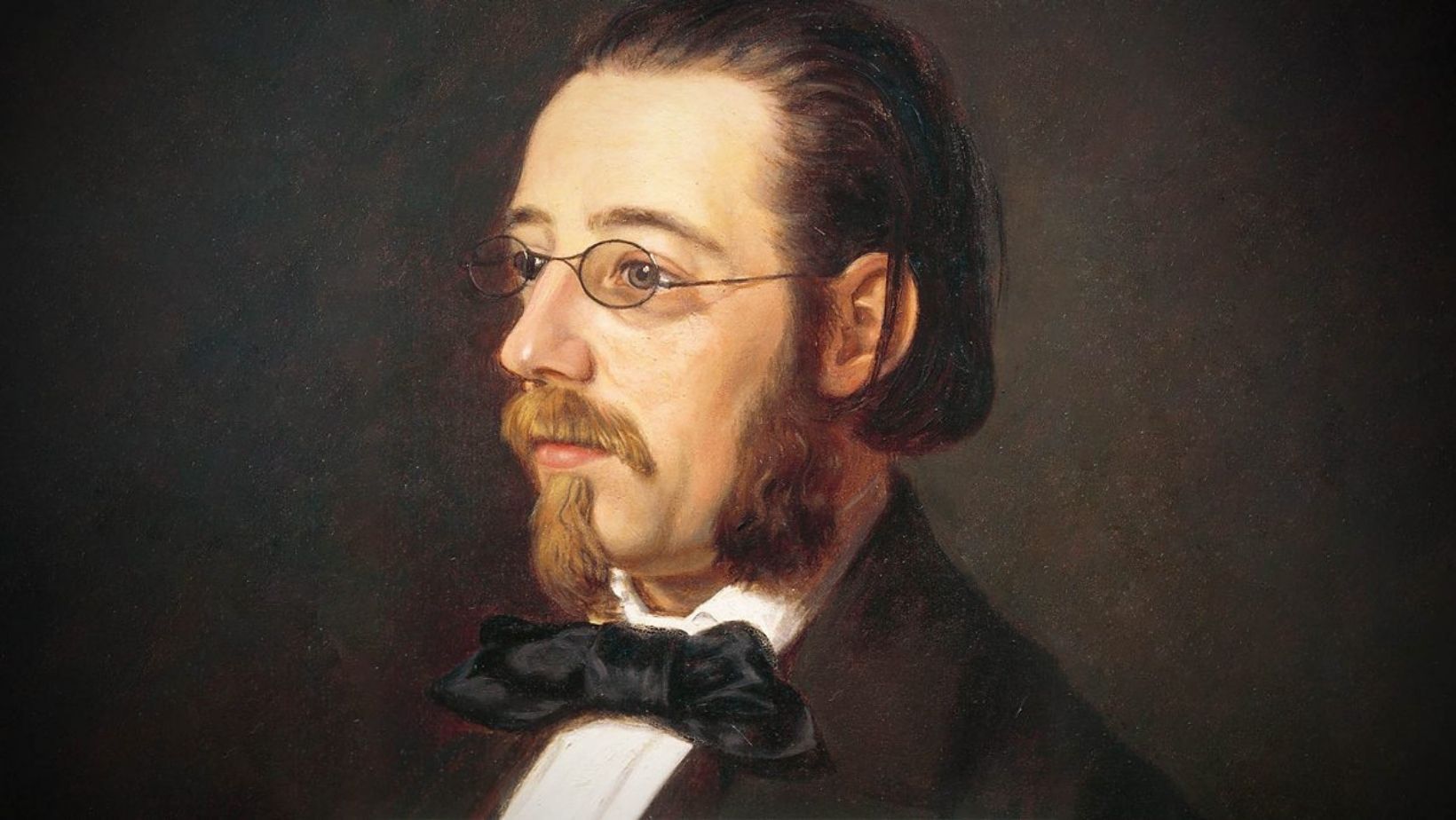
Born in Leitomischl, Bohemia (now Litomyšl) on this day in 1824, Bedřich Smetana was performing as a pianist by the time he was six years old. His childhood friend (and future wife) Katerina Kolar helped him secure piano lessons with the composer Josef Proksch. In 1840 he wrote in his diary that he aspired to be “a Mozart in composition and a Liszt in technique.” His early compositions impressed Franz Liszt enough that the Hungarian composer offered to find him a publisher. Smetana spent several years in Sweden conducting the Gothenburg Philharmonic. It was during a visit with Liszt that he was inspired to become an original Czech composer, using music to tell stories drawn from history and literature. Smetana returned home in 1861 where his second opera, Prodaná nevěsta (The Bartered Bride), became a major success and he eventually became conductor of the national opera. Even after losing his hearing due to illness, he continued composing at a prolific rate. “In these three years of deafness,” he later remarked, “I have completed more music than I had otherwise done in ten.” During this period he completed what many consider to be his greatest work, Má Vlast (My Homeland), a series of six tone...
Don’t have an account? Register
[swpm_registration_form level=”6″]
Already have an account? Log In
How Would You Like to Promote Your Business? PR ArticleDisplay bannersVideo productionNewsletter adsJob ListingsInfluencer Marketing
Your Email
We will come back to you within 24 hours with our proporsal