Travel between Prague and the Tatras region in Slovakia will soon be quicker, as a popular low-cost airline is launching a new route connecting the Czech capital with Poprad in northeastern Slovakia. Until now, the only way to travel between these two destinations was by train or coach. Currently, the only air link between Slovakia and Prague has been from Košice Airport, with daily Ryanair flights. Wizz Air plans to launch the new service in late October, with departures on Thursdays, Saturdays, and Sundays. The flight will take about one hour, making it much faster than the seven-hour train ride or the even longer bus journey. Many people from eastern Slovakia work or study in Prague. Starting in October, they will be able to make the trip for €24.99. With eastern Slovakia now gaining another direct air connection to Prague, people are wondering when a similar route will open between Prague and the Slovak capital. Ryanair recently said they are open to this idea, but need to analyse the data first. The last direct flight between the two capitals operated in 2019. At present, travellers from both Prague and Bratislava can use the flights between the Austrian capital and Prague....
Prague is a loud, heavy city. If you live here, you’re likely walking around with a tight jaw and a nervous system stuck in “fight” mode. For most people, the solution is a brutal deep-tissue massage—getting a therapist to dig an elbow into a knot until it gives up. But a growing crowd is heading to Harmony Spa for something that works in the opposite direction. It’s called Kashmiri Tantric massage. And despite what you’ve seen in movies, it has nothing to do with Hollywood’s version of Tantra. The Tantric Reality At Harmony, this is Tantra in its traditional sense: a meditative practice built entirely around touch. There is no goal. You’re not trying to reach a specific state or fix anything. It’s about being present in your own body. For people used to measuring their day by productivity, that’s often the hardest part to understand. The Full-Body Shift Kashmiri massage comes from Northern India, and it doesn’t work like a standard treatment. There’s no moving from one muscle group to another. Instead, the experience is based on continuous, close, full-body contact. The therapist’s hands stay in near-constant connection with your skin, moving in slow, flowing patterns that treat the...
A new report has named Prague one of the world’s most welcoming cities for expats, placing the Czech capital ahead of major cities such as London and Paris. The study, conducted by expat and remote worker insurance company William Russell, ranked Prague sixth globally, with a score of 7.86 out of 10. Researchers assessed cities using data from the Happy City Index and Numbeo, focusing on factors such as happiness, safety and public friendliness. According to the report, larger cities may struggle to foster a sense of community, making it harder for newcomers to build connections. The world’s 10 most welcoming cities for expats are: Zürich – 9.06 2=. Singapore – 8.97 2=. Tokyo – 8.97 Copenhagen – 8.72 Munich – 8.63 Prague – 7.86 Dubai – 7.61 Warsaw – 7.52 Seoul – 7.44 Hong Kong – 7.26 The report also ranked the most welcoming countries for expats, taking into account expat experience, migrant population size, employment opportunities for foreign-born residents, public attitudes towards immigrants, safety and visa openness. Iceland topped the list with a score of 8.94, followed by Luxembourg (8.69) and New Zealand (8.57). Australia, Switzerland, Ireland, Colombia, Czechia, Portugal and Austria rounded out the top 10. The...
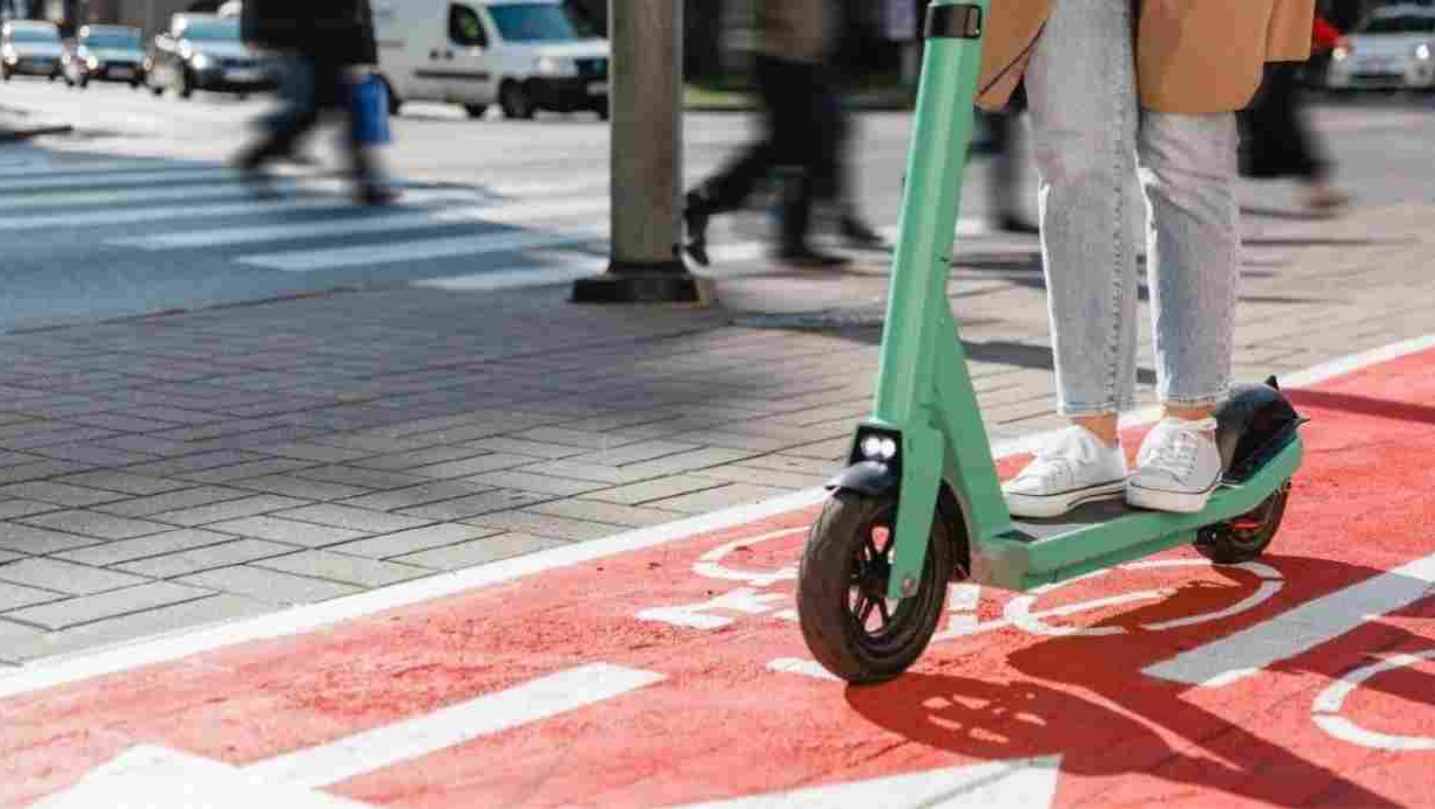
The number of traffic offenses involving scooter riders in Prague has fallen sharply compared with last year, following the disappearance of shared e-scooter services from the Czech capital. Yet police say rule-breaking remains widespread, with hundreds of violations still recorded during recent inspections. Over four days of targeted checks in June, Prague’s municipal police documented 512 traffic offenses involving cyclists and e-scooter users. Scooter riders accounted for 265 cases, while cyclists were responsible for 247. The most common violations have remained unchanged. “They continue to ride on sidewalks, ignore traffic signs and travel in the wrong direction,” police spokeswoman Irena Seifertová said. During the operation, officers issued 41 on-the-spot fines totaling CZK 18,000. Another 15 cases were referred to administrative authorities, while the remaining offenses were resolved through warnings and agreements. The inspections formed part of regular enforcement campaigns carried out across Prague. Officers from all city districts participate in the four-day operations, conducting checks at varying times and locations. Although the figures remain high, they represent a notable decline from the same period last year, when police recorded 911 violations. At that time, scooter riders were responsible for 649 offenses, and fines reached CZK 193,000. The trend was also...
After more than two years behind construction fences, one of Prague’s busiest public spaces is returning to daily life. Jiřího z Poděbrad Square, known to generations of Prague residents simply as “Jiřák,” will officially reopen today, June 17th, following an extensive renovation. The project has brought new trees, upgraded infrastructure and redesigned public areas, while also triggering heated discussions among locals over how one of the city’s best-known squares should evolve. City officials say the reconstruction was designed to make the square more resilient to rising temperatures and increasingly frequent periods of drought. Around 100 new trees have been planted throughout the area, including a new tree-lined section along Vinohradská Street intended to help reduce traffic noise and limit the spread of dust and pollutants from one of the district’s busiest roads. The renovation also replaced traditional asphalt surfaces with permeable paving capable of absorbing and retaining rainwater. Drinking fountains have been installed, children’s play elements added and the square’s fountain upgraded with more energy-efficient technology. Despite the changes, planners insist the site has retained its identity as an urban park rather than becoming a predominantly paved plaza. However, not everyone has been convinced. Among the most common concerns raised...
As the Czech Republic prepares to overhaul its social support system, Prague is introducing a new discounted public transport scheme aimed at residents with the lowest incomes. Starting in August, people receiving the subsistence component of the state’s new “super allowance” will be eligible for a 70 percent discount on monthly public transport passes, following approval by Prague city councillors on Monday. The move revives a measure first introduced during the coronavirus pandemic in 2021, when Prague offered the same level of fare reduction to residents receiving emergency assistance. That programme remained in place until the end of September last year. The newly introduced super allowance consolidates several existing welfare payments into a single benefit. It replaces the housing allowance, housing supplement, subsistence allowance and child allowance. People who applied for the updated support system by the end of last year are expected to receive their first payments in August. Until then, beneficiaries will continue receiving support under the previous arrangements. To qualify for the transport discount, applicants will need to present official proof that they receive this part of the super allowance. The confirmation can be obtained electronically and uploaded through the PID Lítačka online platform. However, the document...
Long before women in Central Europe could choose a profession, attend university, or even take the same final exams as men, one woman in Prague was fighting to change the system. Today, Eliška Krásnohorská is remembered as a writer, poet, translator and librettist. Yet her most lasting achievement may have been something far more revolutionary: helping establish the first academic girls’ grammar school in Central Europe, giving young women a path to higher education for the first time. Born in Prague in 1847 as Elisabeth Dorothea Pechová, Krásnohorská grew up in an educated but modest household. From an early age, she was determined to learn as much as possible. However, opportunities for girls were limited. While boys could continue their studies through formal institutions, women had few options beyond basic schooling. As a result, Krásnohorská educated herself. Through relentless reading and self-study, she developed extensive knowledge of literature, music and languages. Her talent emerged early. At just twelve years old, she wrote her first opera libretto for composer Karel Bendl. By the age of sixteen, she had translated Robert Schumann’s songs for Czech composer Bedřich Smetana. But writing alone was not enough for her. In the 1870s, Krásnohorská became increasingly...
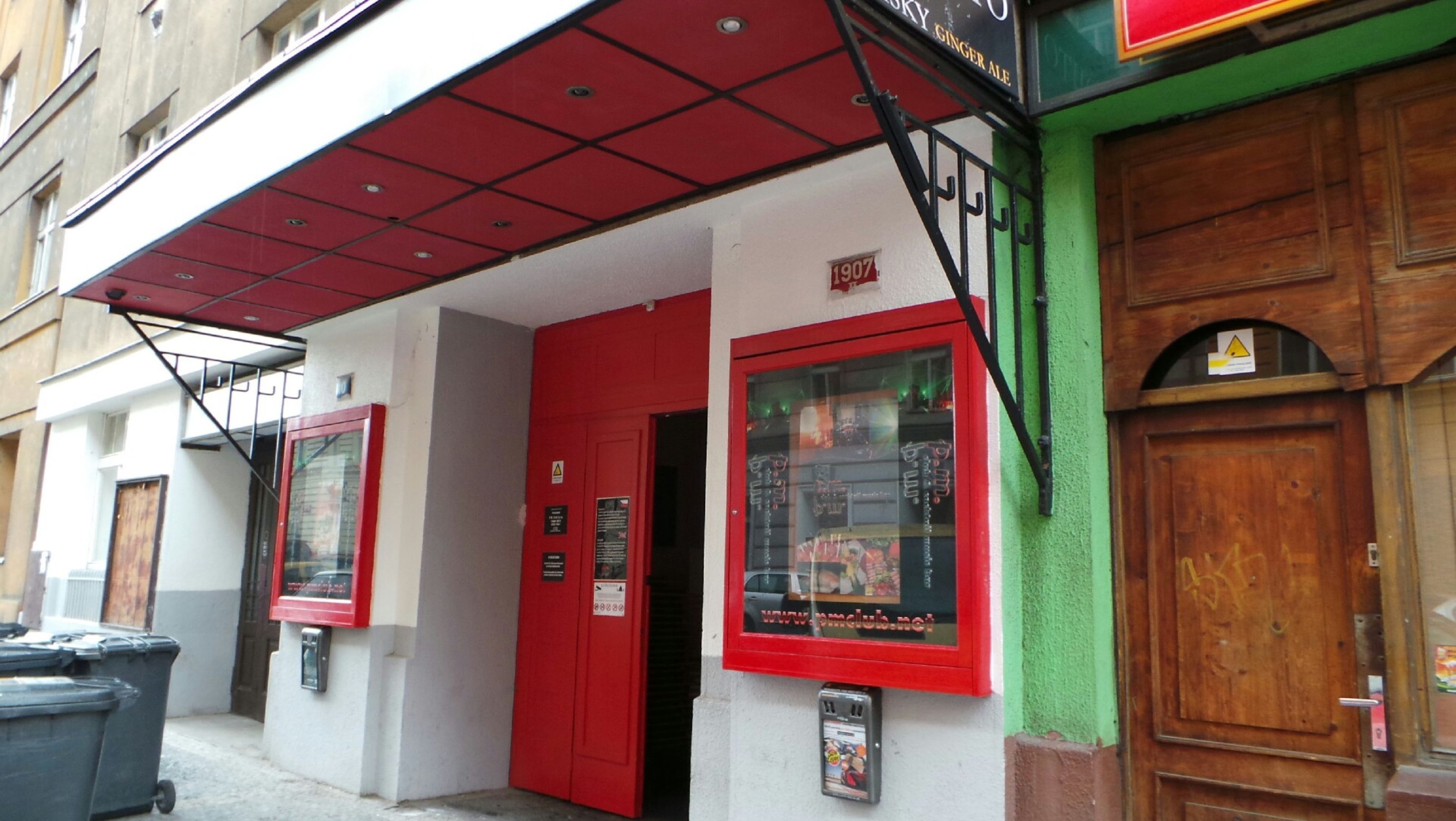
A night out in Prague ended in tragedy after a fight outside a nightclub left one man dead and triggered a murder investigation. The incident took place on Trojická Street in Prague 2 on Saturday, June 14, outside the P.M. Club, where police and emergency crews were called after reports of a mass brawl involving several people. According to preliminary information, the confrontation escalated when one of the men was stabbed in the chest. Witnesses cited by local media said the attack appeared to be aimed at the victim’s heart. Despite the swift arrival of paramedics, the man could not be revived and was pronounced dead at the scene. Police immediately sealed off the area around the club and launched a search for the person or people responsible. Forensic specialists examined the scene, documented evidence and traces left behind, while detectives began interviewing witnesses to piece together what had happened. Early reports suggest the altercation may have been sparked by a dispute over a woman. Investigators, however, have not officially confirmed a motive and caution that the circumstances surrounding the incident remain unclear. Authorities have not released the identity of the victim or provided details about potential suspects. Detectives are...
The projects are planned for Temelín, Dětmarovice and Tušimice as Prague looks to secure a role in the Rolls-Royce SMR supply chain. Czechia is preparing to build three small modular reactors as part of a wider strategy to expand nuclear power and position domestic industry inside a growing European supply chain. The planned sites are Temelín, Dětmarovice and Tušimice, while officials are also examining other possible locations, Industry and Trade Minister Karel Havlíček said after visiting Škoda JS in Pilsen with Prime Minister Andrej Babiš. Havlíček said the program should not be viewed only as a domestic energy project, but as part of a broader European nuclear effort in which Czech companies could play a major manufacturing role. “At the moment, we have three locations, and we are looking for other possible locations, but this is already a fairly decent number. Not to mention that our ambition is to be in the supply chain. This means that for us this is not just a Czech project, but at least a pan-European one,” Havlíček said. The minister said the government wants Czech industry, including Škoda JS, to capture a significant share of future SMR production, adding that components made in the...
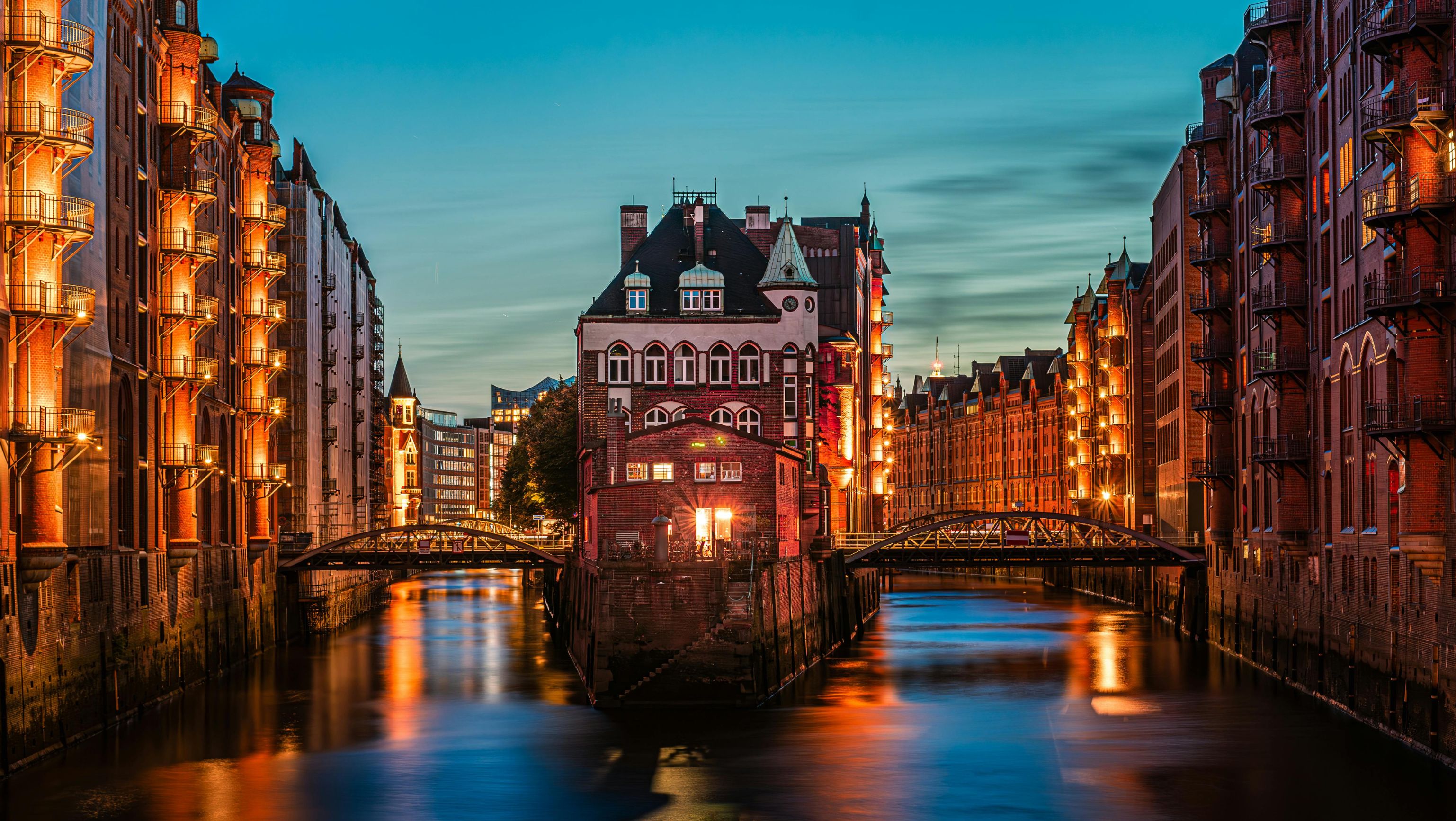
Travelers heading north from the Czech capital will once again be able to reach Hamburg without changing trains. Starting Sunday, June 14th, the regular timetable will be restored on the route connecting Prague with Berlin, Hamburg and further destinations in northern Europe. The renewed service shortens the journey between Prague and Hamburg to around six hours, roughly 40 minutes faster than before the disruption caused by infrastructure upgrades. Passengers will also benefit from a larger number of direct departures. Trains from Prague to Hamburg are scheduled to leave every two hours, beginning shortly after 6:30 a.m. and continuing until late afternoon. During the summer season, travelers will have an additional overnight option. A night train departing Prague shortly after midnight is expected to arrive in Hamburg at around 7 a.m., offering an alternative for those looking to maximize their time abroad. The reopening of the route also restores direct rail access to Kiel. The Hungaria service will once again provide passengers from Prague, as well as travelers boarding in Brno and Pardubice, with direct connections to Dresden, Berlin, Hamburg and the northern German port city. Rail links to Denmark are also returning to their planned capacity. Seasonal schedules will include...
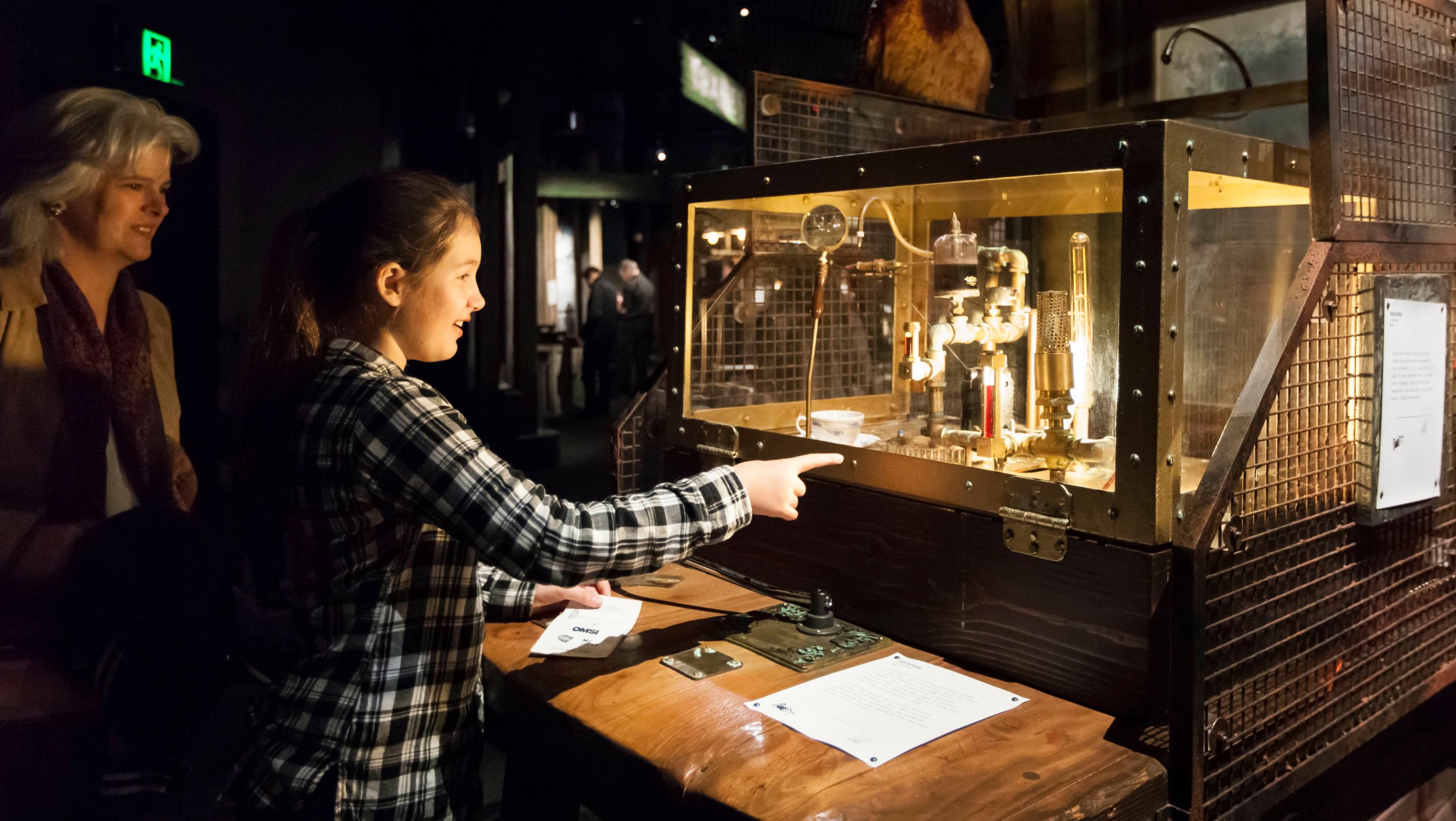
Fans of Sherlock Holmes will soon have the chance to solve a mystery of their own in Prague. Sherlock Holmes The Exhibition opens at Galerie Bílá Labuť on June 17, bringing the famous detective’s world to the Czech capital through interactive displays, original artifacts and hands-on activities. The exhibition explores how Sir Arthur Conan Doyle created one of literature’s most enduring characters and how Holmes’ methods helped shape modern detective work. Instead of simply walking through a traditional exhibition, visitors will be invited to take part in an investigation. Upon arrival, they will receive a notebook filled with clues and set out to solve a case created especially for the Prague exhibition by author and Conan Doyle biographer Daniel Stashower. The exhibition also looks at the life of Arthur Conan Doyle before Sherlock Holmes became a global phenomenon. Visitors will learn about his years as a medical student in Edinburgh, his work as a doctor and the experiences that influenced his writing. Original manuscripts, letters and illustrations will be on display. Another section focuses on the science behind Holmes’ investigations. Long before forensic methods became standard practice, the fictional detective relied on observation, evidence and logical reasoning to solve crimes....
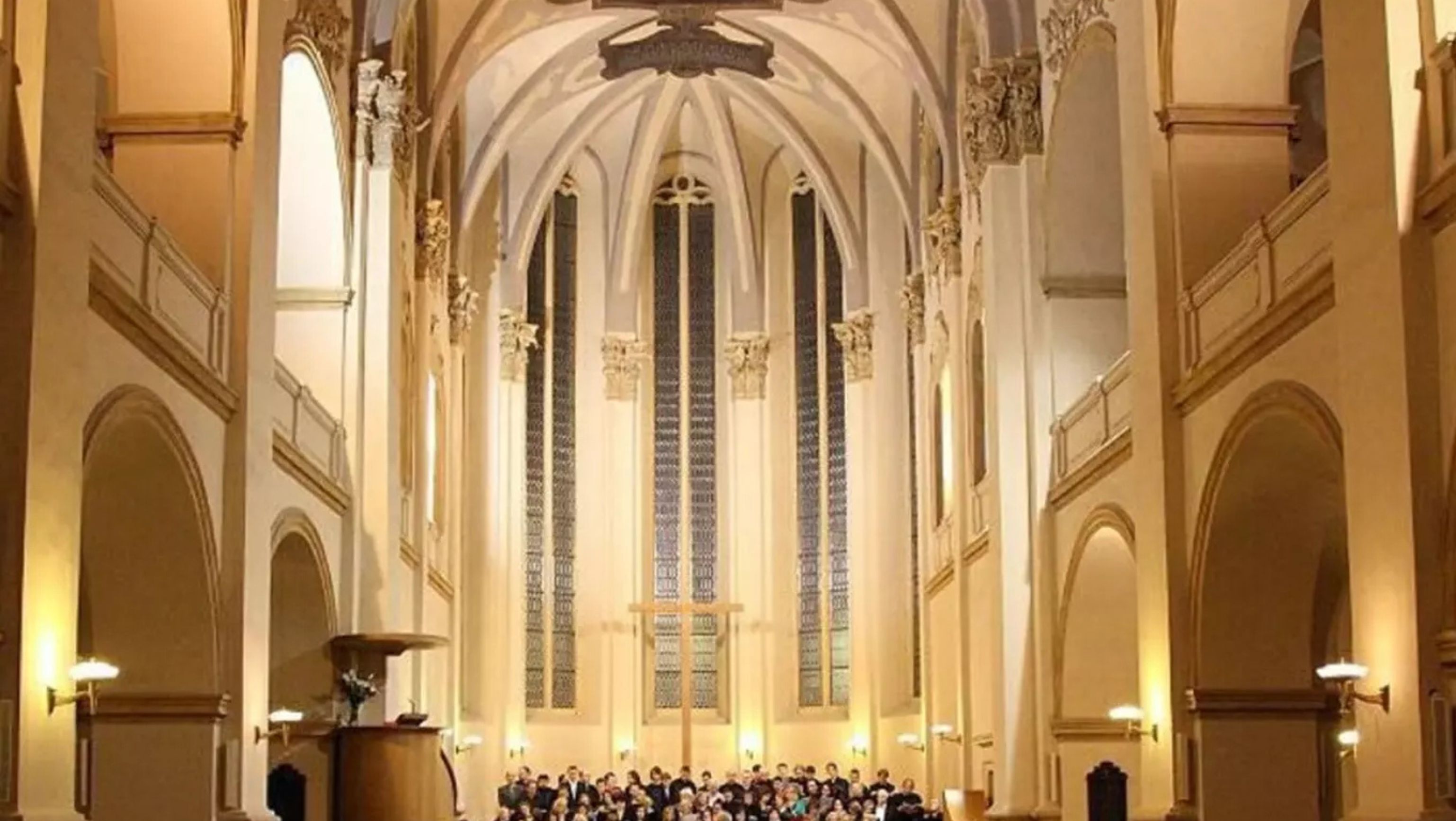
Fans of Broadway musicals, film soundtracks and contemporary choral music will have the chance to experience a different take on some of the world’s best-known songs later this month, when the Voices of Prague International Choir returns with its latest production. The ensemble’s fourth standalone concert, Broadway Lights: A Night of Musicals with Voices of Prague, is scheduled for Saturday, June 20, 2026, at Prague’s historic Evangelical Church U Salvátora in the Old Town. The performance begins at 7:30 p.m. Get your ticket here. Made up of around 40 singers representing more than 20 countries, Voices of Prague has become one of the city’s most international musical communities. Bringing together people from different backgrounds who now call Prague home, the choir uses music to bridge cultures, languages and personal stories. Under the direction of conductor Brian Dimech, the group will perform a cappella arrangements of songs drawn from Broadway productions, acclaimed films and internationally recognised pop classics. Without the use of instruments, the focus shifts entirely to the expressive possibilities of the human voice. View this post on Instagram A post shared by Voices of Prague (@voices_of_prague) Audiences can expect familiar melodies from some of the most celebrated...
Don’t have an account? Register
Already have an account? Log In
How Would You Like to Promote Your Business? PR ArticleDisplay bannersVideo productionNewsletter adsJob ListingsInfluencer Marketing
Your Email
We will come back to you within 24 hours with our proporsal