The first case of XE, a more transmittable Covid-19 variant, has been detected in the Czech Republic, the State Institute of Health announced on Thursday. The sample was identified by the National Reference Laboratory. Early indications suggest it could be around 10 per cent more transmissible than other Omicron mutations, but there is no evidence that XE is any more serious in disease severity, with all Omicron variants so far shown to be less severe. Here’s all you need to know about the XE variant: 1. The XE variant is a mutation of the BA.1 and BA.2 Omicron variant, referred to as a “recombinant.” As per the initial studies, the XE variant has a growth rate of 9.8 percent over that of BA.2, also known as the stealth variant because of its ability to evade detection. The World Health Organization has said the latest mutant may be more transmissible than the previous ones. 2. The UK Health Security Agency (UKHSA) is studying XE a mutation of the BA.1 and BA.2 Omicron strains and as of March 22, 637 XE cases had been detected in England, according to official figures. Professor Susan Hopkins, the UKHSA’s chief medical advisor, said such variants...
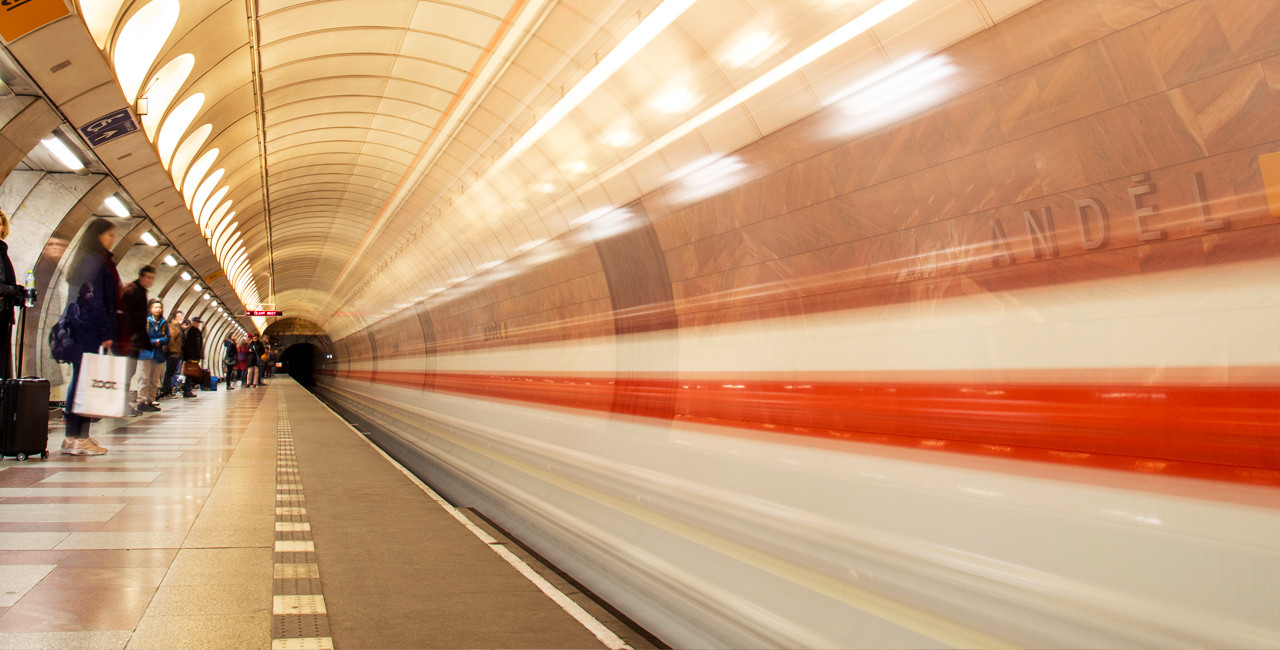
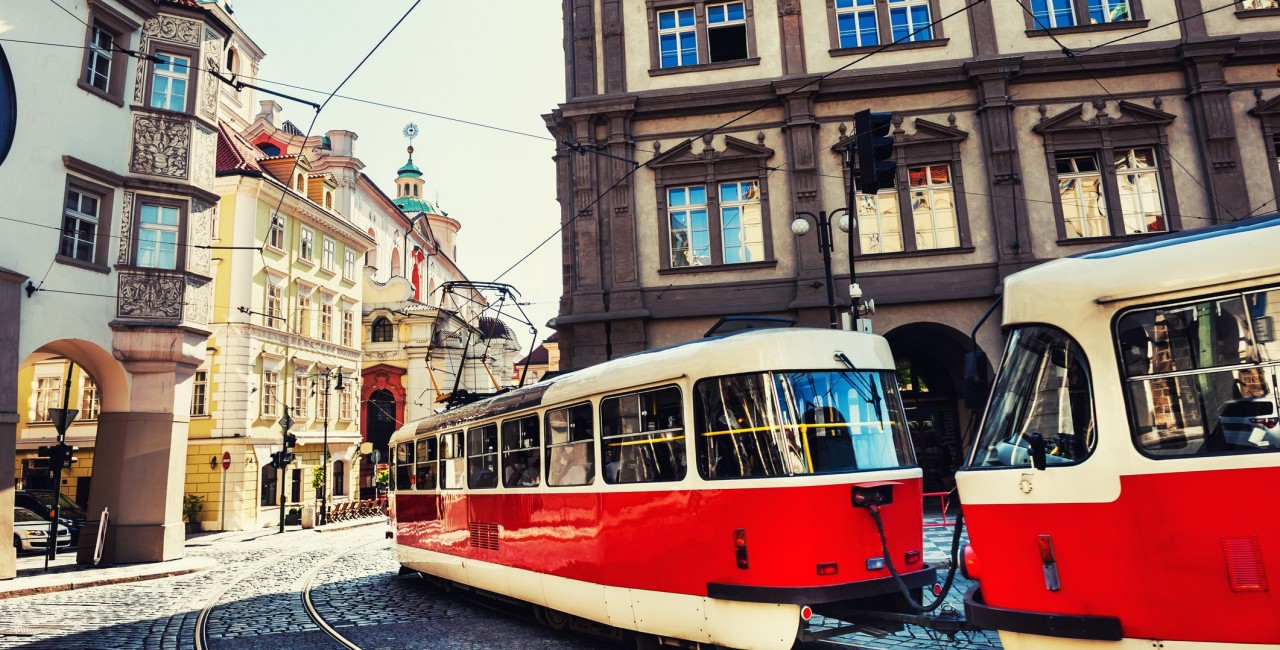
Czech operators have covered with 5G services the last section of the Prague Metro. 5G services are available also along line A between stations Dejvicka and Nemocice Motol, which was the first section covered by mobile services in 2015. As a result, the whole metro is covered with 5G. LTE services became available in more than 60 stations of the metro at the end of 2021, and the whole coverage project took three years. The operators T-Mobile, Vodafone, O2, and Cetin work in a consortium with the Prague city municipality to provide the network coverage. New metro D The construction of the first part of a new “D” line of the Prague Metro system will start on April 21. The line – which will feature driverless trains – will at first run from Pankrác to the as yet unbuilt Depo Písnice station in the south of the city before being extended later. In the first stage, the metro will be built between the stations Pankrác and Nove Dvory, then it will continue to Depo Písnice, and in the future, from Pankrac to Namesti miru. According to the City of Prague, the estimated total costs for this ambitious project will amount...
If your day doesn’t start until you’re up to speed on the latest headlines, then let us introduce you to our new morning fix. The ANO shadow government calls on the coalition cabinet for a one-off 6,000-crown bonus for the elderly, a higher parental benefit, return of scrapped reduced fares and a zero VAT for basic food products as well as capped basic food prices. The Czech Republic has granted over 269,000 special visas to refugees who have fled from the war in Ukraine and almost 3,000 visas were granted on Wednesday alone, which is 500 fewer as against a week ago. The daily number of issued visas has been falling for two weeks. The Prague Municipal Court today gave 20 years in prison to Czech Alojz Polak for terrorism as he had participated in the fighting in Ukraine on the side of separatists, but the verdict did not take effect yet, as both the prosecutor and the defence lawyer appealed it on the spot. The first case of XE, a more transmittable Covid-19 variant, has been detected in the Czech Republic, the State Institute of Health announced on Thursday. The sample was identified by the...
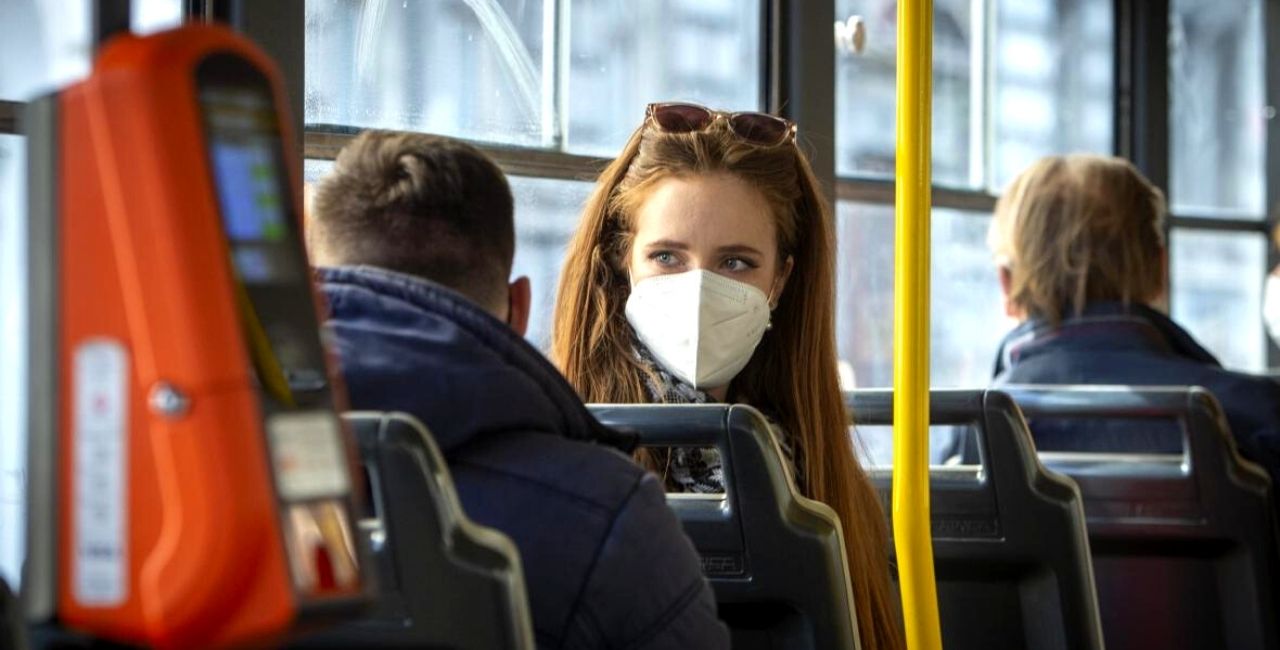
The relaxation of anti-epidemic measures in the Czech Republic is continuing. Further changes were discussed by the government today, including the suspension of the obligation to wear masks in public transport after the Easter weekend (April15-18), according to Seznam Zpravy. Respirators should remain mandatory only in medical and social facilities, and the government will still specify some mass events where masks must be worn. In addition to hospitals, surgeries and waiting rooms, a respirator is also needed in pharmacies. Health Minister Vlastimil Válek will bring the proposal next week to the Cabinet meeting. “After the Easter weekend, it is expected to get warmer and I see no reason for respirators to continue to be obligatory in public transport,” said the Minister. The spread of respiratory infections is generally related to the weather, according to experts, viruses are transmitted more from autumn to spring. Latest statistics Some 6,708 new cases of Covid-19 were confirmed in the Czech Republic on Tuesday, a fall of around one-quarter on the same day last week. The number of suspected reinfections, 1,253, was also down on the previous Tuesday. The number of tests being conducted has also been falling. The seven-day case incidence dropped to 349...
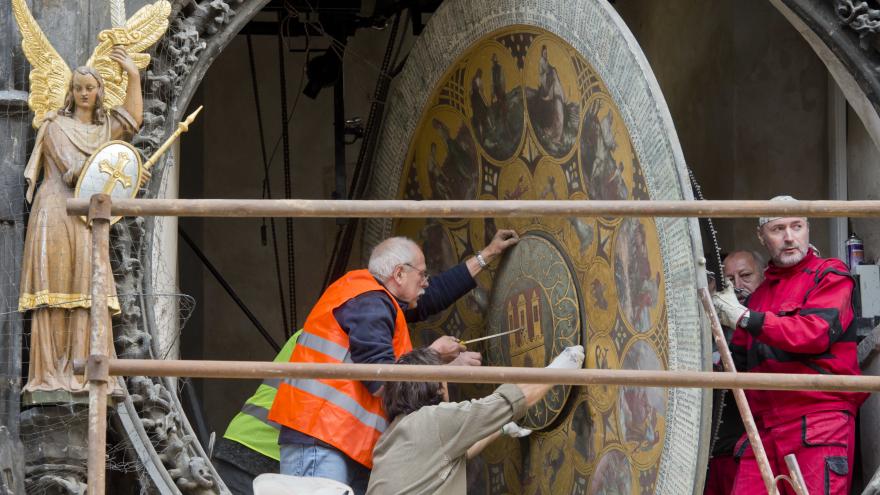
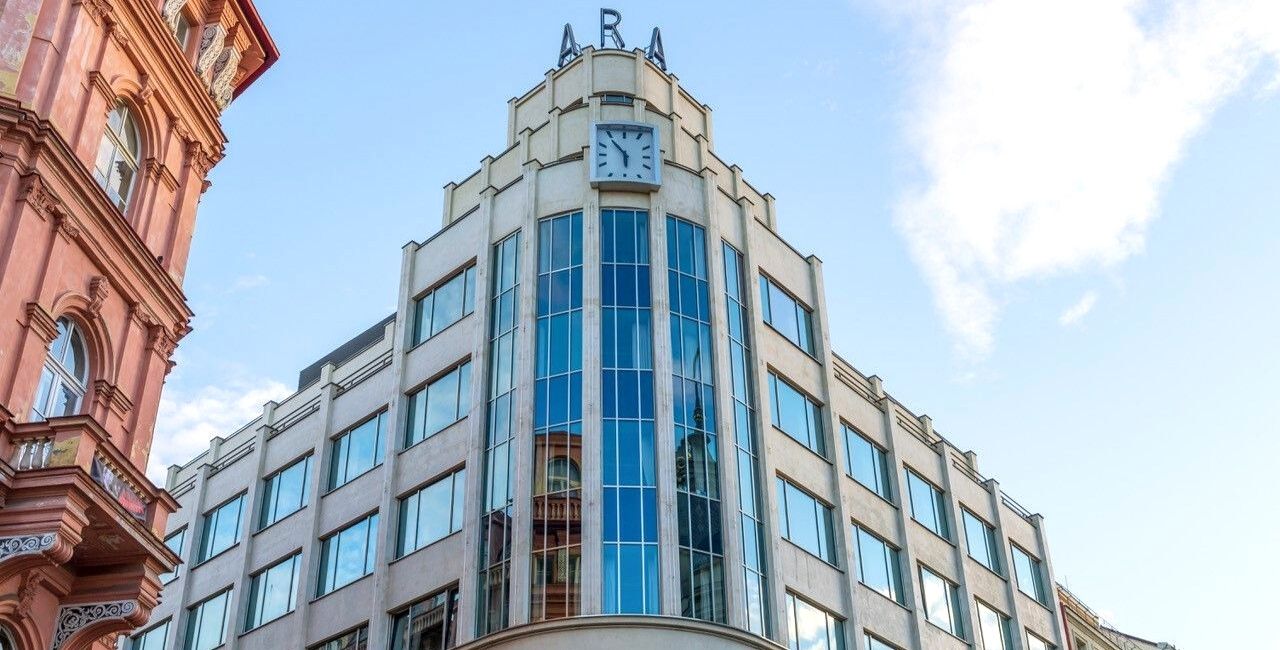
Tower clocks are a fundamental part of Prague’s landscape, bringing millions of tourists from all over the world to visit attractions such as the famed Astronomical Clock (Pražský Orloj). Did you know who is behind the restoration of most of these clocks? L. Hainz is a family business founded in 1836 by Ludvík Hainz, a watchmaker from Prague. The company has been responsible for the renovation and maintenance of roughly 80 clocks in the city, including those in St. Vitus Cathedral (Katedrála sv. Víta), St. Nicholas Church (Kostel sv. Mikuláše), Klementinum and the Astronomical Clock in Old Town Square (Staroměstské náměstí). L. Hainz has also produced and repaired over 300 antique clocks for town halls, churches, and monuments around Europe using 19th-century-old techniques. During the Austro-Hungarian Empire and up until the Second World War, L. Hainz was considered the leading maker of chronometers and watches in Prague. The business was later confiscated by the communist regime that also incarcerated some members of the family. The company was then returned to the heirs of the original owners in the 1990s. L. Hainz is still active today: it manufactures clocks in such a way as to reduce their maintenance requirements as much...
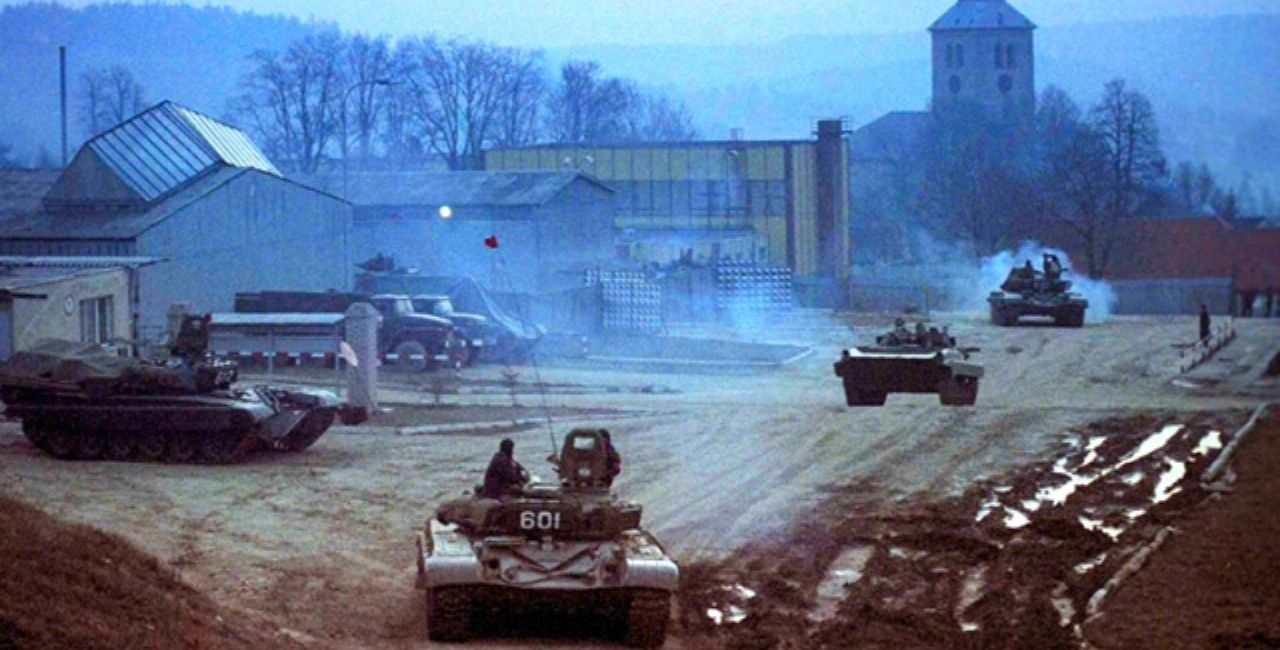
The Czech senate officially approved the proposal to designate June 25 as the official “Day of departure of occupying forces” (Den odchodu okupačních vojsk) on Wednesday. The proposal was made 30 years after the then president of Czechoslovakia, Václav Havel, issued the “Order for the departure of Soviet armed forces from the territory of Czechoslovakia” (Rozkaz k odchodu sovětských vojsk z území ČSFR). However, the day will also serve to commemorate the withdrawals of other occupying armies in the preceding history of the Czech lands. Only the President’s signature was required for the bill to enter into force. The name of the new commemorative date does not specify the affiliation of the occupation troops, so it symbolizes the end of all the occupations that the Czech people have experienced. However, the reference to the USSR is quite obvious: the initiative arose last year during the 30th anniversary of the withdrawal of Soviet troops from Czechoslovakia. Moreover, on June 25, 1991, was signed in Prague the protocol for the completion of this procedure. The plane with the last Soviet soldier left Czechoslovakia on June 27. Altogether, 7,300 Soviet soldiers and 39,000 members of their families, 1,220 tanks, 2,500 infantry fighting vehicles...
The 8th Open House Prague festival is ready for the annual celebration of Prague’sarchitecture, this time taking place on May 16–22, 2022. On the weekend of May 21–22, the festival is set to open 101 buildings and spaces across Prague for free, and starting May 16, there is also going to be an eventful accompanying program featuring lectures, discussions, and special guided tours. The full list of all open buildings is now available here “We are opening not only industrial buildings and modern buildings with various awards for quality and eco-friendly technologies but also iconic, unique constructions which represent the historical and cultural wealth of Prague. We uncover unknown or hidden cultural projects of excellent architects, artists, and craftsmen, and we present the forgotten stories of constructors, owners, and their descendants,” says festival director Andrea Šenkyříková. With tours for people with disabilities, families with children, and long-term foreign residents of Prague, Open House Prague is aimed at all members of the general public. “The festival is first and foremost a community project, and we want everyone to be able to enjoy the festival with us. That is why we welcome fellow enthusiasts-volunteers who want to help us open the city...
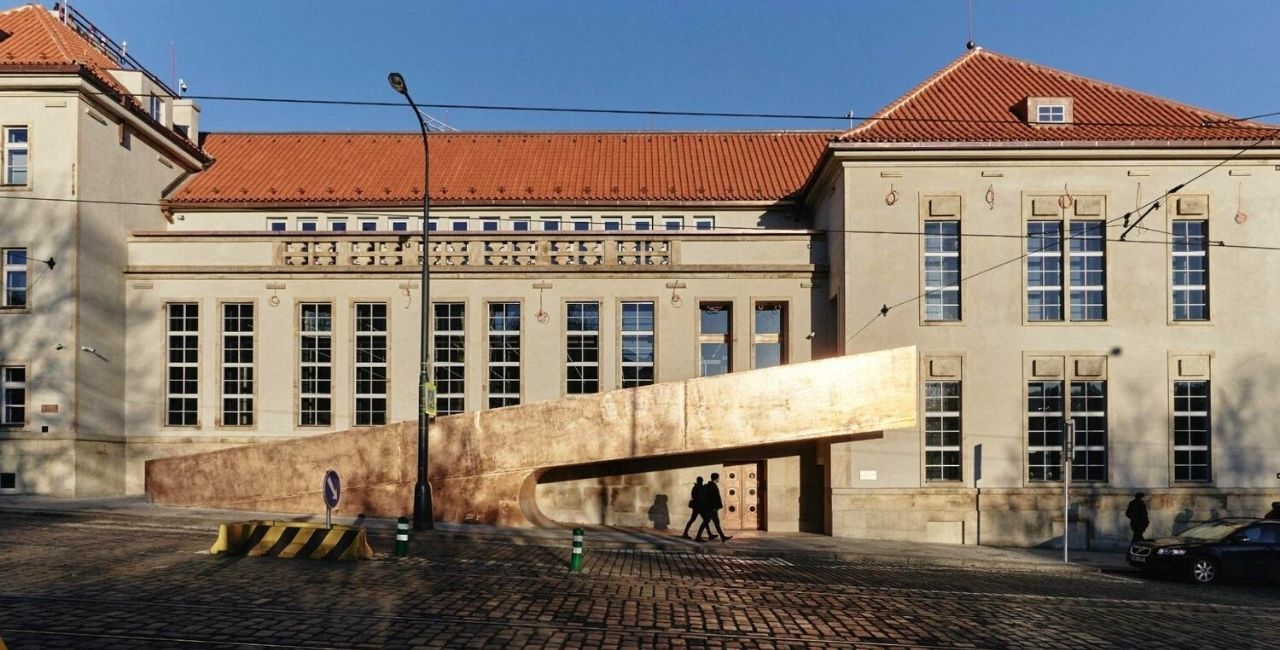
Housed in a former electrical substation, Kunsthalle Praha is sparking new creative energy in the Czech capital. Its striking inaugural group show celebrates 100 years of electricity in art. Kunsthalle Praha, a major new not-for-profit arts and culture organisation has opened its doors to the public in the Czech capital. The building housing the new institution began as the Zenger Electrical Substation in the 1930s, generating electricity for the city’s tram and trolleybus network. The station became defunct as technology evolved, but was acquired by the Pudil Family Foundation in 2015 with the intention of giving the building a new life as Kunsthalle Praha. The institution focuses on 20th-century and contemporary Czech and international art and will function as an ‘open meeting point’ where art lives but also engages a wide audience. Czech architecture studio Schindler Seko was tasked with reimagining the building as an art destination, which now comprises three large galleries, a bistro, a café and an extensive retail space. But it wasn’t without challenges. After structural issues and contamination rendered the entire interior unfit for purpose, it was gutted and replaced with a monolithic concrete structure, with the monument-protected facade kept intact. ‘It’s hard to create a good...
The Dock, a pop-up concept by Hilton Prague Old Town in the immediate vicinity of Namesti Republiky, is starting a new after work or pre-dinner experience, based on fresh fish. The 2 sizes of seafood platters are prepared by the highly professional team of cooks under Executive Chef Valerio Bussandri. “The idea behind The Dock concept is to have an informal treat for after work or pre-dinner gathering, and something easy for our guests,” said Valerio Bussandri, Executive Chef, Hilton Prague Old Town. “What we want to offer amongst usually well know fish, seafood and shellfish is a catch of the week that can quite enlarge the selection and give the opportunity to our guests to enjoy different flavors and textures. Our suppliers will inform us every week about what has been fished and we will choose what would be the best option to suit The Dock,” he adds. Most of the fish at The Dock comes from the Mediterranean Sea, while the seafood and shellfish are imported from Scotland. For the very first opening, the restaurant will receive some interesting Meagre fish and snapper. The offer consists of a seafood platter to share, accompanied by a glass of Prosecco,...
If your day doesn’t start until you’re up to speed on the latest headlines, then let us introduce you to our new morning fix. The Chamber of Deputies recognized the Great Famine (Holodomor) in Ukraine in 1932-33 as a genocide, strongly condemning this crime, mass repression and human rights violation and offering condolences to its victims’ relatives in a resolution adopted today. Ostrava has cancelled the annual celebration of its liberation anniversary that was to take place at the Red Army Memorial on April 30, in reaction to the current Russian aggression against Ukraine, Mayor Tomas Macura has tweeted. Czech local and Senate elections will be held on Friday, September 23, and Saturday, September 24, 2022. The date was set by President Milos Zeman, his office announced in a press release. The foreign ministers of the Central 5 (C5) informal group states – Czechia, Slovakia, Hungary, Austria and Slovenia – will meet in the Stirin chateau near Prague next Tuesday to discuss the situation in Ukraine faced with Russian invasion. The Czech Republic has expelled 100 Russian “diplomats” since last April. “We have prevented 100 Russian ‘diplomats’ working against the Czech Republic, the EU, and...
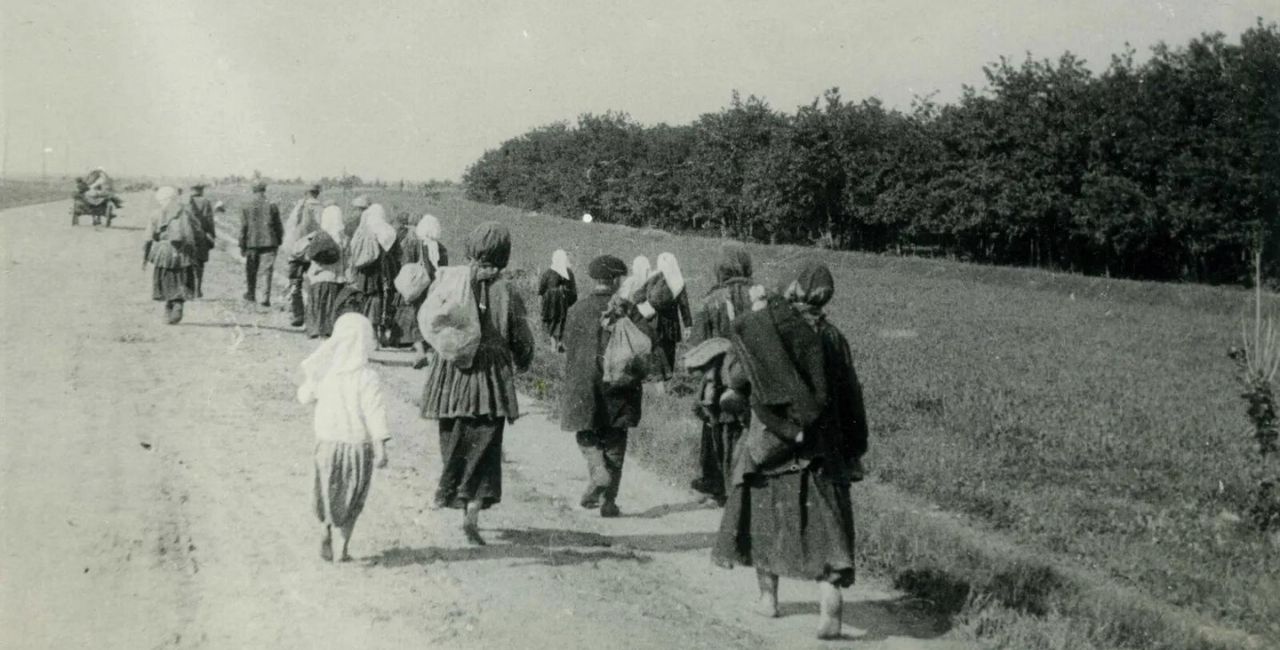
The Chamber of Deputies has officially recognized the man-made famine in Ukraine in 1932 and 1933 as genocide against the Ukrainian nation. The resolution states that in the context of the current Russian war on Ukraine the Czech lower house expresses its determination to contribute to the promotion of international principles, including identifying the perpetrators of such crimes. What is the Holodomor and what caused it? The Holodomor translates roughly to “death by hunger” in Ukrainian. It is how Ukrainians refer to the mass starvation deaths of millions in Ukraine from 1932 to 1933 under Soviet dictator Joseph Stalin. It was part of a larger famine that swept the Soviet Union as Stalin collectivized the agricultural economy by taking over small farms and prohibiting independent farmers from selling their crops. But specific policy decisions targeting Ukraine intensified the famine there, leading Ukraine and many nations to recognize the Holodomor as a genocide. It’s held that Stalin allowed Ukrainians to starve in order to quash Ukrainian resistance to the reorganization of its farms. According to the research results of the Ptukha Institute of demography and social studies, 3 million 530 thousand people died from Holodomor in 1933. In 1932, 250 thousand died from starvation, and in 1934 – about 160...
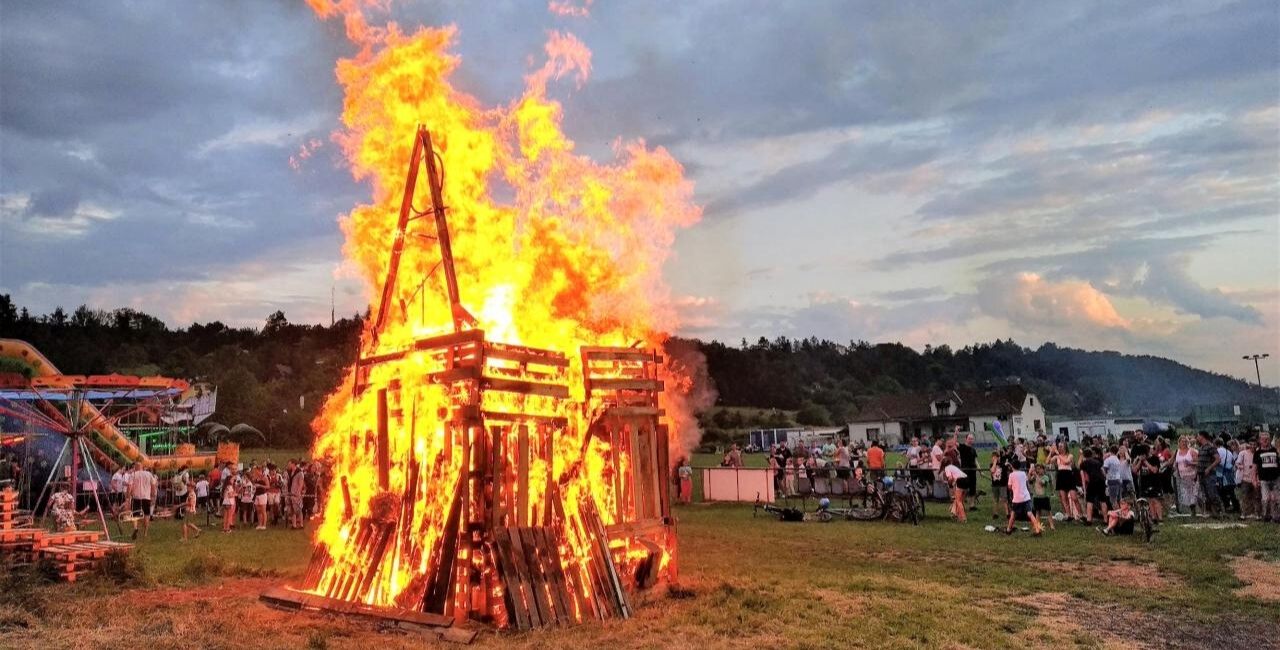
April 30th is an exciting day for Czechs of all ages who gather by fire and celebrate the arrival of spring. Witch burning (Čarodejnice), also known as the night of the witches, stems from an ancient tradition. There are many locations where this is celebrated and some involve a maypole: a tall wooden pole popular to dance around at various traditional European festivals. Outside of folk customs witch-burning night is also the second-largest satanic holiday. While it acts as the largest Sabbath for Satanic cults, in the Czech Republic it’s considered a regular and harmless family holiday. Historically, the night of April 30th has been considered magical and was originally celebrated at midnight. Like most ancient festivities, the main purpose of the event was to celebrate fertility. People also believed that on this night witches would gather together. To protect themselves from the witches, evil spirits, and demons in general, people lit fires on elevated grounds. Originally the fires were supposed to ward off everything evil, but after the Spanish Inquisition, it became specifically about burning the evil witches. Brooms that were considered unlucky would be burned and the ashes were believed to have special powers to increase the number...
Don’t have an account? Register
Already have an account? Log In
How Would You Like to Promote Your Business? PR ArticleDisplay bannersVideo productionNewsletter adsJob ListingsInfluencer Marketing
Your Email
We will come back to you within 24 hours with our proporsal