Do you need to get rid of household items you no longer use? The agency ADRA coordinates 26 charity shops across the Czech Republic, where you can give away furniture, clothes, books, electronics, toys and many other undamaged articles in exchange for a product of your choice. By recycling them instead of throwing them away, you will help the planet and at the same time support the work of ADRA. In fact, the profit from selling the donated goods will fund their charitable and humanitarian activities. ADRA (Adventist Development and Relief Agency) is an international charity and humanitarian organisation operating in more than 100 countries around the world. It has started operating in the Czech Republic in 1992 and has since assisted millions of people in more than 60 countries across different continents. The first provision of humanitarian and development aid was directed at the communities affected by the wars in Yugoslavia. The organisation has also worked to guarantee education, provide healthcare and improve living conditions of people in Africa and Asia. In addition, ADRA has intervened in most countries hit by unforeseen events, such as natural calamities and wars. Since the 1997 Central European flood, the agency has been...
Prague has been spoiled with the number of great new restaurants, bars, and cafes that have opened up in recent months, and the places listed below are no exception. Zdibský brewery Address: U Továrny 1, Zdiby The owners of the Zdibský brewery boast of self-brewed beer. Straying from established spirit standards, their motto is that beer is like sirloin — it has thousands of different recipes, yet it is a staple in every household. Their light beer is not pure gold, lending it its own original “final touch.” In the Zdibský brewery, customers can choose from four types of draft beers: Zámecké desítka, eleven Zlatý kopec, twelve Ležáček and American beer eleven Miami. These are accompanied by beer classics — pickled camembert, tartare, greaves spread or grilled venison sausage. On weekends, they serve a special lunch menu, inspired by different cuisines. You have a unique opportunity to soak up the taste of Mexico and domestic Czech classics in one locale. Restaurace u Radnice Address: Generála Šišky 6, Prague 12 Looking for a local, fairly priced lunch? This eatery in Prague Modřany is the place to visit. Fans of Czech cuisine will love it here, as the menu includes...
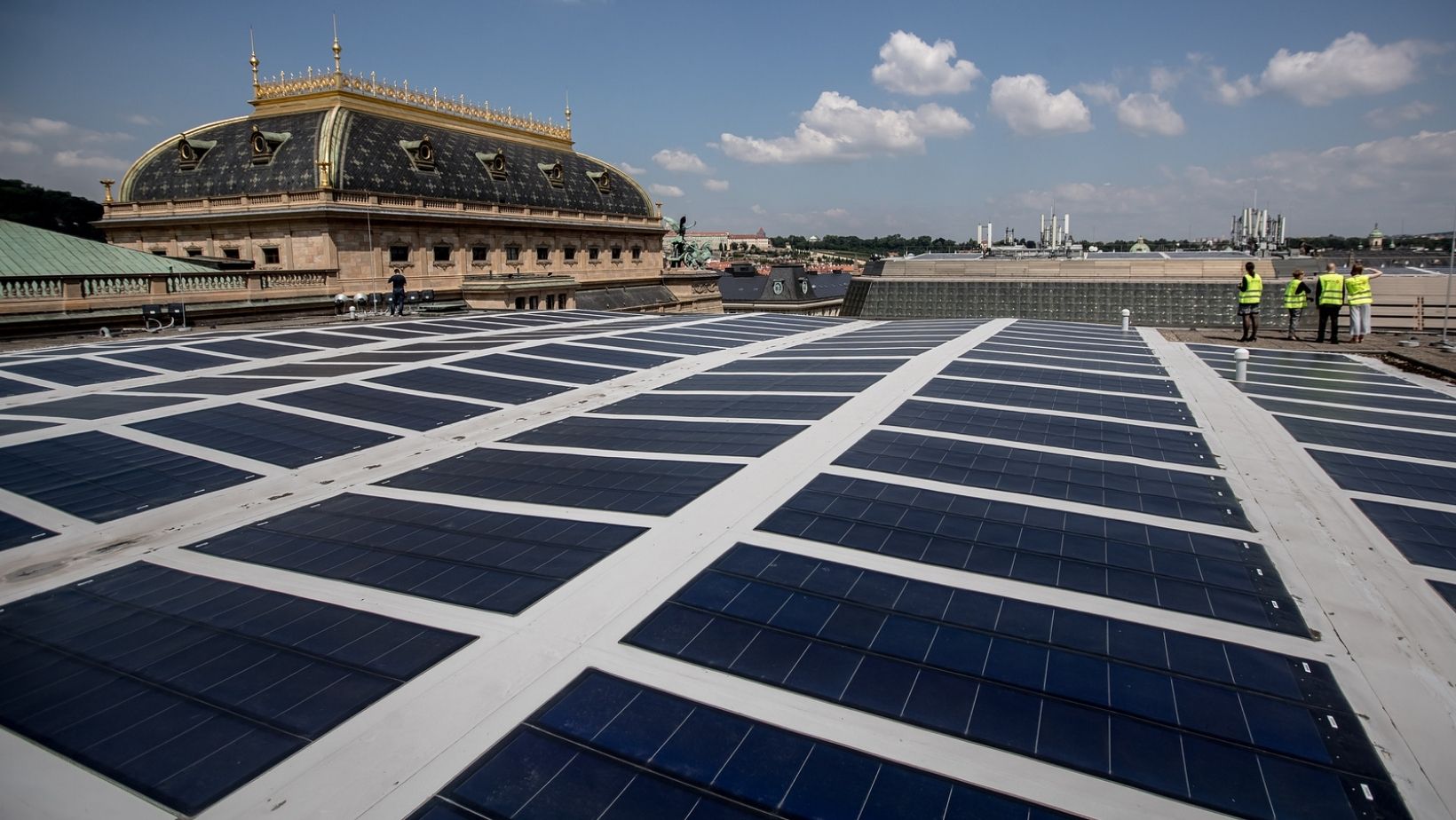
In a mission to fight the sharp rise in energy prices and strengthen Prague’s energy self-sufficiency, there are new plans in place for the municipality to help with the installation of solar panels and subsidies in the capital. According to the approved climate strategy, the city’s goal is to install panels on 20,000 Prague buildings by 2030 and gain hundreds of megawatts of power- which will be made possible through the introduction of new initiatives. Soon, a new city company called the Prague Renewable Energy Community (PSOE) will be offering a subsidy for the installation of a solar panel on their roof, and another city company – Technology of the Capital City of Prague (THMP) – will also help with the installation under advantageous conditions. Residents in Prague can start applying from 1 December. “In the case of private individuals, they will use the Green Savings grant program, and public organizations will then be able to use money from the newly established Modernization Fund,” explained the director of the newly established organization, Jaroslav Klusák. The Prague City Council has also announced the creation of a new organization for renewable energy already in its climate commitments, which should help significantly reduce...
November 11 is known as Saint Martin’s Day. What customs are observed by Czech people and what can you hear about St. Martin? There is a famous Czech proverb related to the Feast of St. Martin: Martin přijíždí na bílém koni. (English: Martin is coming on a white horse.) The reason is simple – the first half of November is the time when the first snow comes to the Czech Republic. “According to the folk saying, if St. Martin does not arrive on a white horse, but on a dark gray one, we will have constantly changing winter weather ahead of us,” said Dagmar Honsová of the Meteopress weather company. However, for many Czechs, St. Martin’s Day is primarily about good food and drinks. Traditionally, the feast consists of baked goose and St. Martin’s wine, as well as cakes made specifically for this occasion. Even though the holiday is popular across the Czech Republic, a survey conducted by Ipsos shows that St. Martin’s Day is most often celebrated by people in the South Moravian region and the Highlands region as well as by people from larger cities and university graduates. Who was St. Martin? Supposedly, Saint Martin was a kind man with...
If your day doesn’t start until you’re up to speed on the latest headlines, then let us introduce you to our new morning fix. President Miloš Zeman on Tuesday asked conservative leader Petr Fiala (Civic Democrats/ECR) to form the country’s new government. “I accepted this mandate. In the next days, I will continue negotiations with coalition partners about the final shape of the government,” Fiala informed. On Tuesday, State Prosecutor Jaroslav Šaroch sent a request to the Chamber of Deputies for the extradition of the outgoing Prime Minister Andrej Babiš (ANO) for criminal prosecution related to the Čapí Hnízdo case. Czech President Miloš Zeman, who is currently in the Military University Hospital in Prague, will be transferred from the acute care ward to a standard bed on Monday. South Moravian Governor Jan Grolich (KDU-CSL) approved a project for a new centre in the region, which will on one hand serve as a reminder of the Holocaust, and on the other promote Jewish culture among young people. Czech headline inflation jumped to 5.8% in October, the highest since October 2008, backing expectations the central bank will not let up on policy tightening after its biggest interest rate...
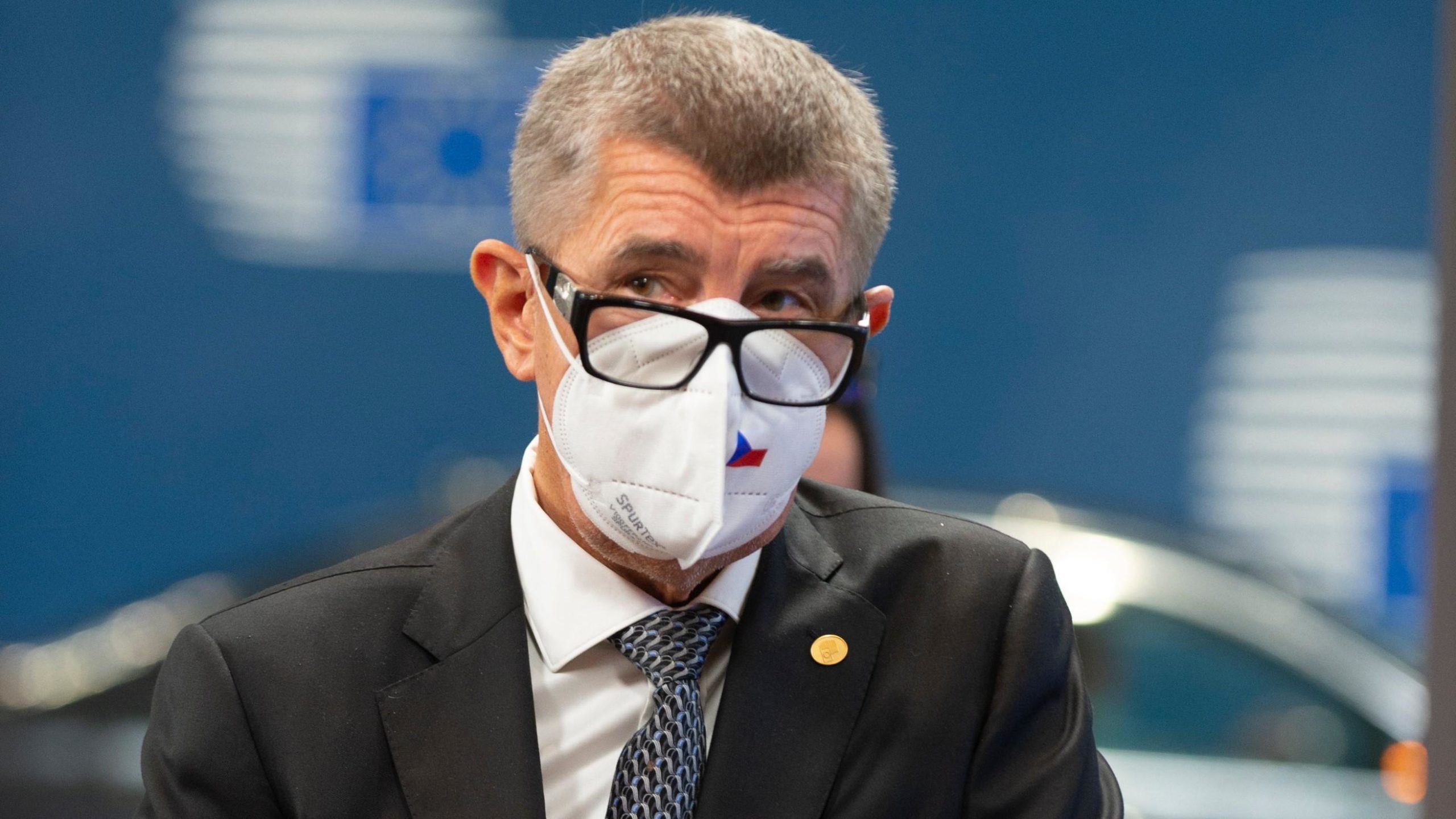
Czech prosecutors on Wednesday asked the newly-elected lower house of Parliament to lift Prime Minister Andrej Babis’s immunity from prosecution over alleged fraud involving European Union subsidies. If the lawmakers give their approval, it would allow the prosecution to decide whether Babis should be indicted for his alleged involvement in the $2-million fraud. Czech police have repeatedly recommended Babis should be indicted. Prague’s prosecution office announced the move on Wednesday. The request came immediately after the new house convened this week for the first time following October’s election. It wasn’t immediately clear when the prosecution might finish its evaluation of the case. The allegations involve a farm that received EU subsidies after its ownership was transferred from the Babis-owned Agrofert conglomerate of around 250 companies to Babis´ family members. The subsidies were meant for medium-size and small businesses and Agrofert wouldn´t have been eligible for them. Later, Agrofert again took ownership of the farm. Babis denies any wrongdoing, saying the allegations were politically motivated. His political ANO (YES) movement was defeated in the election. A coalition of five parties have signed to deal to rule together this week. Babis, who has to resign after the first parliamentary session is over,...
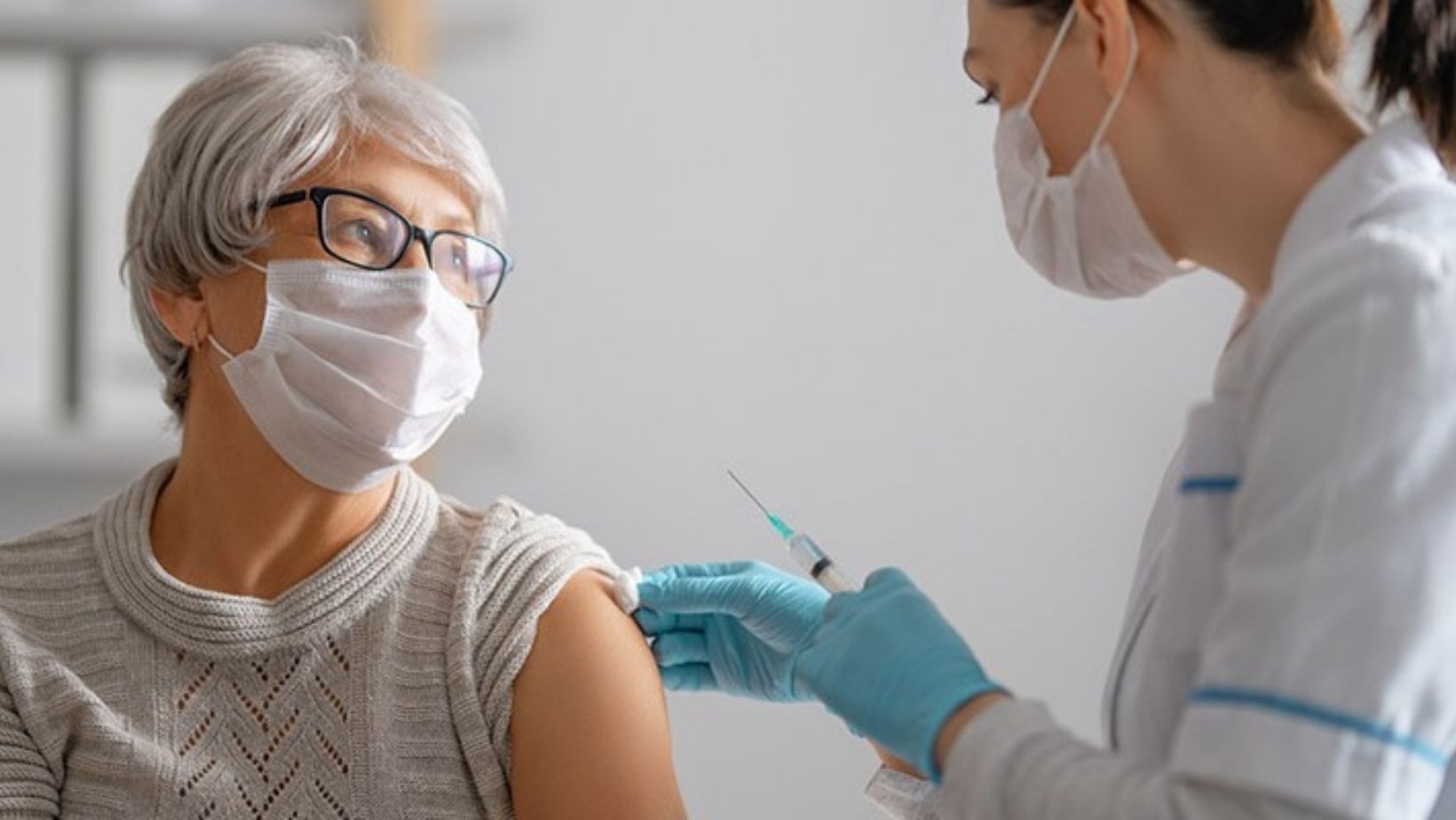
All foreigners living legally in the country will be offered vaccination free of charge, Health Minister Adam Vojtech said today. The only thing that they will have to pay for is the application of the vaccine itself. Moreover, authorities said all medical personnel in hospitals, nursing, and pensioner homes will have to get tested on a weekly basis if they’re not vaccinated from next Monday, November 15. It will also be compulsory for university students to wear respirators in teaching rooms exceeding 50 people in size, the health minister said. The Czech Republic’s infection rate rose to 558 new cases per 100,000 residents over the past seven days, more than double the figure recorded in neighboring Germany. “The situation´s not good,” Prime Minister Andrej Babis said on Wednesday. “We again appeal to everyone to get vaccinated.” Babis said more measures will be approved by his Cabinet on Friday, but didn’t give details. However, he ruled out a strict lockdown. The Czech Republic has been one of the hardest hit of the European Union´s 27 countries in the pandemic. The country has seen almost 1.84 million confirmed coronavirus infections and 31,229 deaths, 368 of them recorded in November.
According to a detailed analysis by the Institute of Health Information and Statistics, Wednesday’s new infection statistics show that from 14,539 positive tests recorded the day prior, 70.8 percent were unvaccinated, while 27.1 percent were fully-vaccinated. According to the Ministry of Health, 14,539 more cases were confirmed Tuesday, 10,299 of which were unvaccinated. There were 3,942 infected people with complete vaccination and 298 of the newly-infected received only the first dose. In people over the age of 65 who represent a risk group, infection was confirmed in 1,344 cases on Tuesday, making up about nine percent of all new cases. The unvaccinated in this age group represent a third. Seniors represent the most vaccinated group. Because they were the first to receive the vaccine and their immune systems are not in the same condition as the younger ones, many of them are no longer protected by the vaccine. On Tuesday, of the alarming number of new infections, 71% are unvaccinated. The average weekly incidence per 100,000 people is currently 558 confirmed cases nationwide. However, in the Olomouc Region, it is approaching 883 cases. In the Moravian-Silesian Region, it is at 727 cases while the South Moravian Region reports 723 cases....
Czech authorities recorded 14,539 new COVID-19 infections on Tuesday, the highest daily tally since mid-March and close to all-time highs seen in January, health ministry data showed, as a vaccinations campaign started. The figure is almost 50 percent higher than that recorded on the same day last week. It also represents an increase of around 5,000 on Monday and is the largest rise seen so far in the Covid wave currently hitting the Czech Republic. The outgoing government of Prime Minister Andrej Babis has rejected imposing a lockdown or similar restrictions despite the numbers growing steadily in recent weeks, saying vaccinations were the way to tame the fresh wave of the pandemic. The Czech Republic had 6.14 million people fully vaccinated as of Nov. 9. With 58.7% of the total population vaccinated, the country ranks below the European Union average of 64.6%, according to European Centre for Disease Prevention and Control. The latest vaccination campaign is using graphic pictures of COVID-19 victims accompanied by slogans like: “He did not find the time to get vaccinated.” Hospitalizations grew to 3,295, including 462 people in intensive care.
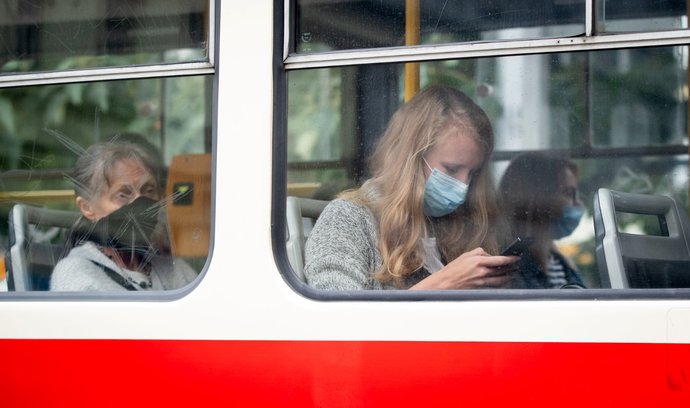
Prague hygienists inspected 15 restaurants, three cinemas and three theaters on Thursday and Saturday, initiating administrative proceedings against two restaurants for mistakes. They also checked 455 people for the necessary confirmation of infectivity against COVID-19. Six of them were fined by the police for a total of 3,000 CZK, and 11 were warned for failing to wear respiratory protection. From Monday, Nov. 1, in accordance with new pandemic measures, restaurant staff must check that their guests have a certificate of vaccination, COVID-19 in the last six months or a valid negative test. After the announcement of the new measures, the chief hygienist Pavla Svrčinová announced that general inspections would take place at the end of the week. She had previously said that normally hygienists and police will do 1,200 to 1,500 checks a week. According to her, inspectors are often indiscriminately attacked by guests and operators. After the first wave of inspections on Thursday, the hygienists said that they did not find too many mistakes in the restaurants. However, the operators complained their traffic dropped and with it sales. Prior to introducing obligatory checks for infectivity by operators of restaurants and similar establishments, visitors should have the document to submit...
If your day doesn’t start until you’re up to speed on the latest headlines, then let us introduce you to our new morning fix. Prague has been ranked as the best city in Europe for people working remotely and the fifth best in the world, according to the new study “Cities Best Facilitating Remote Work” by HR platform WorkMotion, based on remote working compliance, cost of living, civic infrastructure and liveability. The Czech Senate’s Constitutional Committee says that the upper house should not take action to suspend the powers of President Miloš Zeman unless his health state worsens. The blanket testing of children for COVID-19 at Czech schools has not considerably helped curb the epidemic, since the virus is spread in the entire population, Deputy Health Minister for health care Martina Koziar Vasakova told reporters. Year-on-year inflation rose sharply to an average of 5.7 percent in October from 4.9 percent in September. This follows from the estimates of analysts contacted by ČTK. As of Monday, November 8, Czechs who are fully vaccinated against Covid will once again be able to travel to the United States. Children under 18 do not have to show proof of vaccination but will...
About a fifth of people in the Czech Republic believe in God, although some have doubts, according to a recent survey on faith conducted by STEM/ MARK and commissioned by the Christian Maranatha non-profit organization. Overall, 35 percent of respondents stated they believe in some higher power, while 23 percent do not believe in any in God or a higher power. The survey showed that 48 percent of respondents were led to believe in God by their families. Before reaching adulthood, 57 percent of these people realized their faith in God or a higher power. According to the survey, women, people over the age of 60, and inhabitants of Moravia, in the southeast part of Czechia, are more likely to believe in God. During the Covid-19 pandemic, five percent of people changed their attitude toward faith and God — 2 percent of whom did not believe, and now they do, and 3 percent went through an opposite scenario. According to the survey, the pandemic made a fifth of respondents reflect on the meaning of life on Earth. Regarding the opinion on the Ten Commandments, 57 percent of people said they knew about them, but even without them, they say they...
Don’t have an account? Register
Already have an account? Log In
How Would You Like to Promote Your Business? PR ArticleDisplay bannersVideo productionNewsletter adsJob ListingsInfluencer Marketing
Your Email
We will come back to you within 24 hours with our proporsal