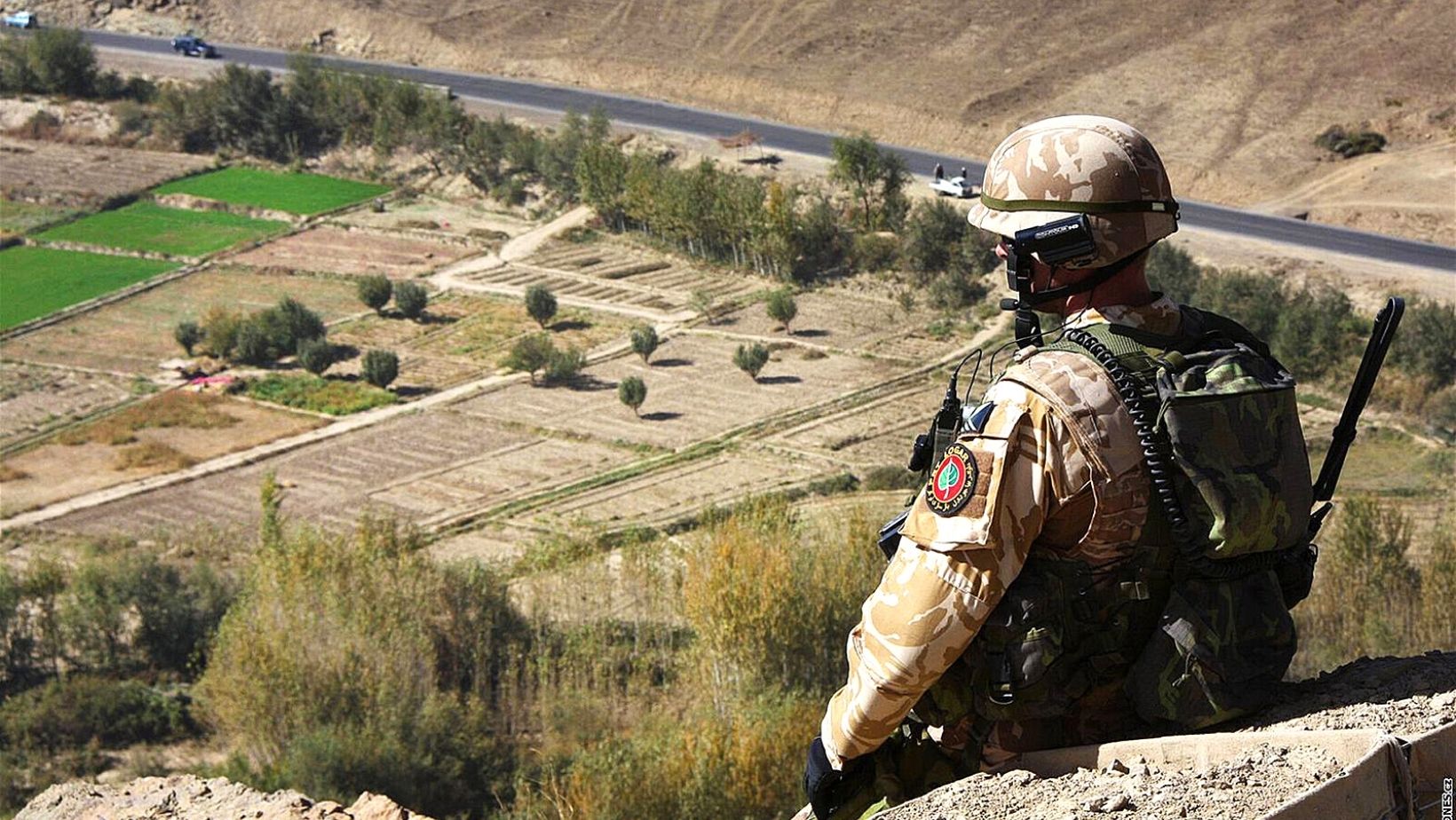
The Czech government on Friday approved a program of help for Afghans who worked with Czech troops during their deployment in NATO missions. Defense Minister Lubomir Metnar said the help meant for Afghan interpreters and their families includes their relocation, an offer of asylum and financial aid. Metnar said the goal of the program is to ensure safe and decent live conditions for them after NATO troops pull out of Afghanistan. The government´s move came days after the Czech veterans, current service members, human rights organizations and others urged the government to help resettle the Afghans because of the deteriorating security situation in Afghanistan. NATO troops are ending a deployment launched against al-Qaida and Taliban forces in the wake of the Sept. 11 attacks. President Milos Zeman asked the government on Thursday to approve the program without any delay because of fears that Afghans who worked with the Czech military could be killed by the Taliban. The Defense Ministry declined to provide further details about the program, which is classified in order to protect its recipients. Their number wasn’t given. The last Czech service members pulled out from Afghanistan in June. Since 2002, a total of 11,500 Czech soldiers were...
Who doesn’t like an amazing gastronomic experience in the open air? A number of food and drink festivals will take place in Prague in August and September – take a look at our own selection. Grill Fest Smíchovská náplavka is a traditional place for various food festivals. On Saturday, August 7, from 10:00 to 20:00, it will host the Grill Fest where you will be able to taste various grilled foods- steaks, burgers, ribs, as well as vegetarian dishes: grilled cheese, vegetables, or plant-based burgers. And the menu will also include Peruvian, Cuban and Georgian specialties. When: August 7 Where: Smíchovská náplavka, Hořejší nábřeží More details here Latino Street Food Staying at the Smíchov embankment, on August 14 you will be able to taste Mexican burritos, tacos, shredded pork, Spanish paella, Argentinian steaks, Cuban sandwiches, and much more. The festival of Latin specialties will take place between 10:00 and 20:00. When: August 14 Where: Smíchovská náplavka, Hořejší nábřeží More details here Prague Ice Cream Festival This festival is for those who have a big sweet tooth. On the last Sunday in August, the Prague Ice Cream Festival will take place from 10:00 to 19:00, offering various types of ice cream...
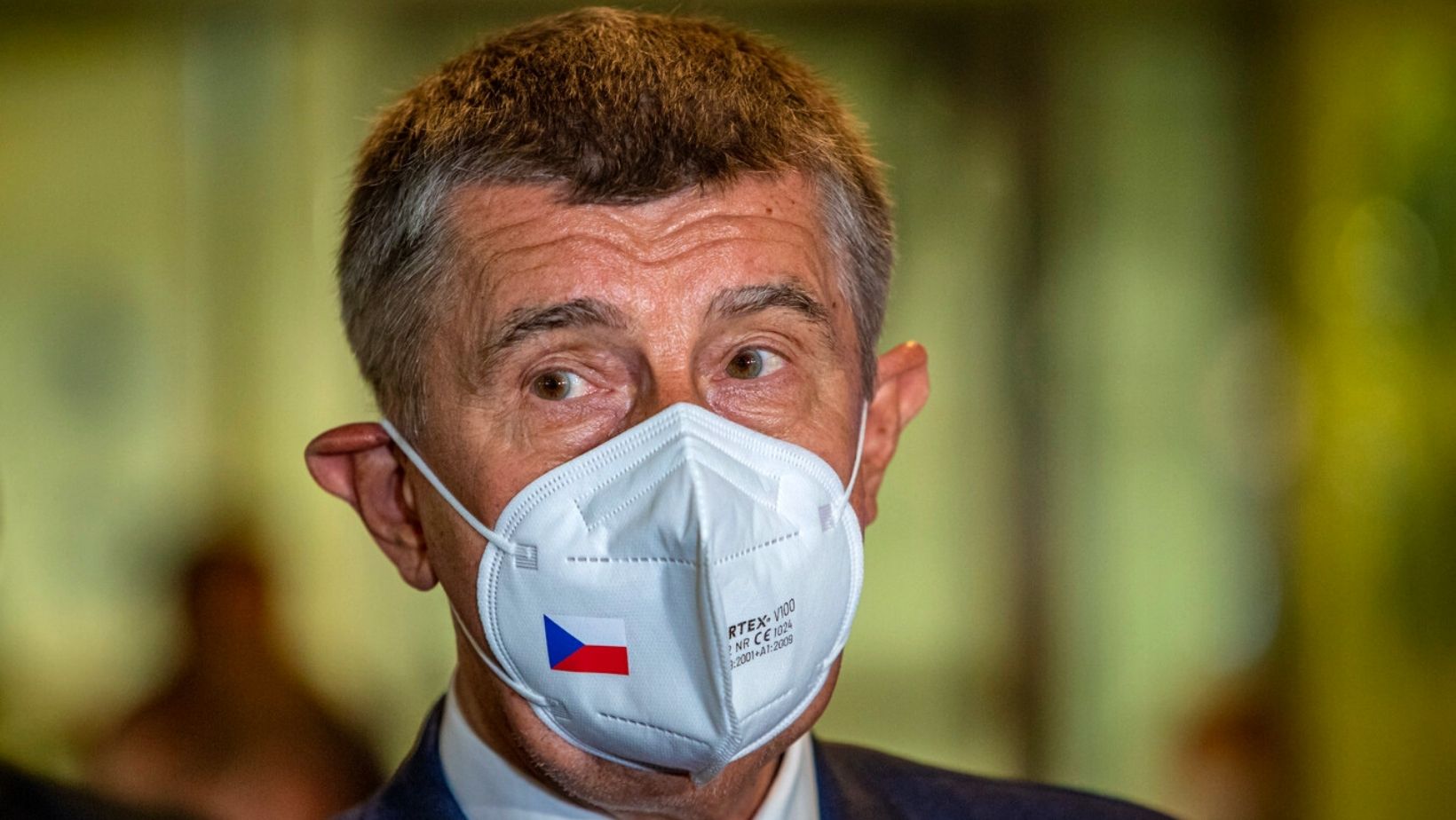
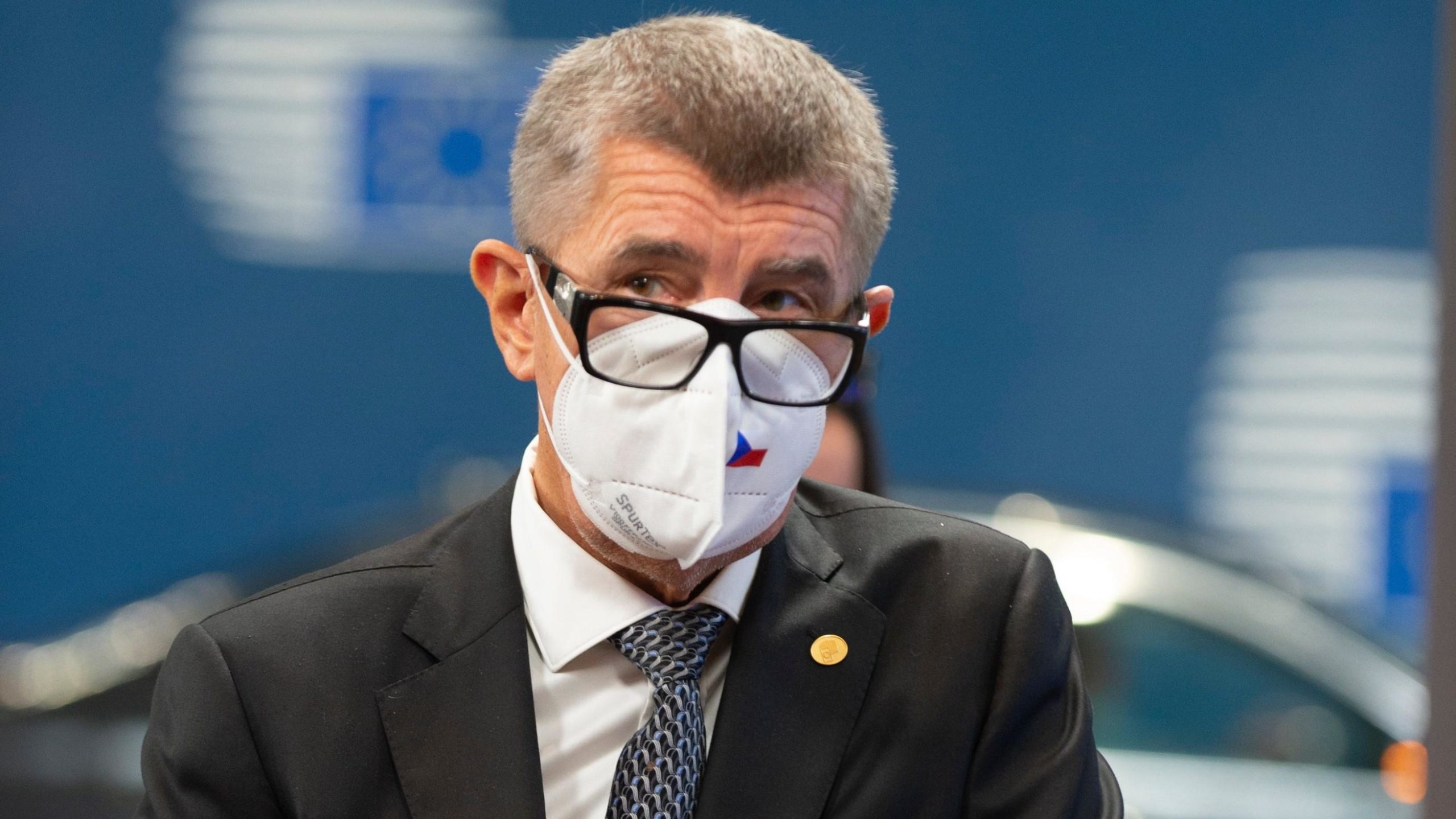
The Czech government approved on Friday offering two days of additional vacation to state employees who get vaccinated against COVID-19 as a way to spur vaccination effort, Prime Minister Andrej Babis said on Friday. The Czech Republic reported 10.19 million doses of vaccines given as of Thursday, with 4.74 million people fully vaccinated. “The aim is to have maximum vaccination, to protect ourselves against infection from abroad,” Babiš said. “This is the main task: inoculate, inoculate, inoculate.” Over 480,000 people are employed by ministries, state institutions, and linked agencies. Trinity Bank economist Lukáš Kovanda said the move would deprive the Czech economy of CZK 21.4 billion. Mr. Babiš says it will have zero impact on the state budget. Latest Some 203 new cases of Covid-19 were recorded in the Czech Republic on Thursday, 1o more on the same day last week. Children aged from six to 12 will not need to undergo a test for Covid-19 prior to returning with their parents from a country designated as high risk or very high risk in terms of infection, the Czech minister of foreign affairs, Jakub Kulhánek, said on Thursday. Organisers of large events should check that audience members are either...
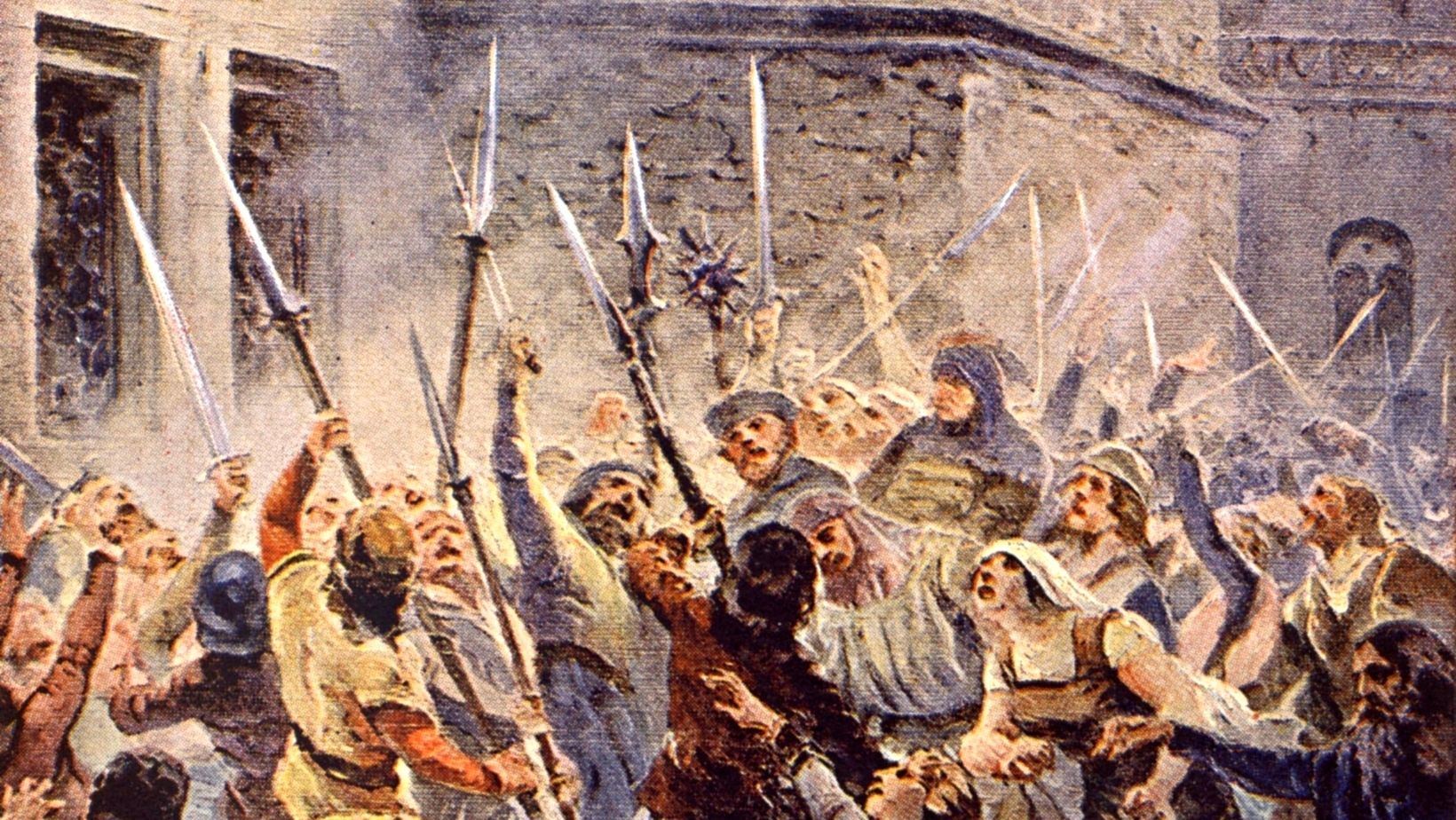
The defenestrations of Prague were two incidents in which multiple people were defenestrated (that is, thrown out of a window). The first occurred in 1419, and the second in 1618, although the term “Defenestration of Prague” more commonly refers to the second. Each helped to trigger a prolonged religious conflict inside Bohemia (the Hussite Wars, 1st defenestration) or beyond (Thirty Years’ War, 2nd defenstration). Prague Defenestration of 1419 A rector at Charles University and a preacher at Prague’s Bethlehem Chapel, Czech theologian and philosopher Jan Hus opposed many aspects of the Catholic Church in Bohemia. He notably denounced the moral failings of bishops and even the papacy from his pulpit and opposed the sale of indulgences, Church documents which supposedly shortened or terminated a soul’s stay in purgatory. Jan Hus spoke out against the pope for selling indulgences in Bohemia to raise money, which did not sit well with King Wenceslaus IV of Bohemia, who had received a share from indulgence sales. Without the King’s support, Jan Hus was eventually excommunication and fled to southern Bohemia, where he stayed in exile for two years. When the Council of Constance assembled in 1415, Jan Hus was asked to be there and present his views. But upon arrival, the Czech reformer...
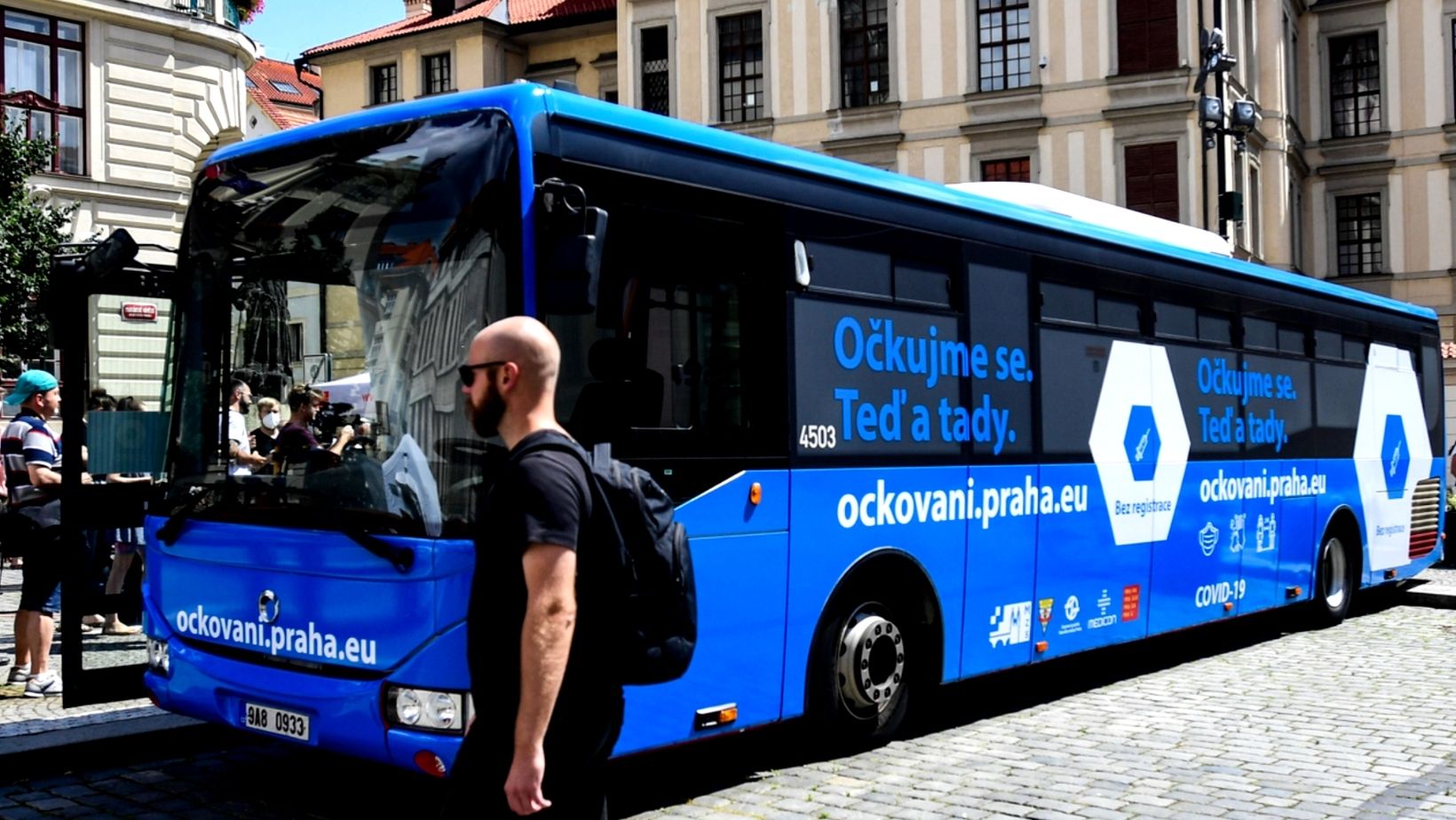
A COVID vaccination bus will visit different areas in Prague, starting on Saturday in Troja district. A single-dose or two-dose vaccine will be administered according to the client’s wishes. Those interested in vaccinations can arrive without prior registration from 9:00 to 17:00. In the coming days, the bus will also visit the embankments at Hořejší and Rašín embankments, the Olympic Festival in Stromovka, and the Prague Exhibition Grounds. The exact route and operating hours of the vaccination site can be found here. “It will be possible to vaccinate up to 300 people a day. The bus was lent free of charge by the Capital Transport Company. The bus will be dispensing the Johnson and Johnson vaccine, which only requires one shot to be fully vaccinated, and the two-dose Pfizer/BioNTech. To receive the second dose, it will be possible to get on the bus again or to be vaccinated at another vaccination center,” said Mayor Zdeněk Hřib (Pirates). Foreigners will also be able to undergo vaccination under the conditions set by the Ministry of Health of the Czech Republic. According to the mayor, the city is now seeking the opportunity to vaccinate on the bus the self-payers, as well. Latest coronavirus...
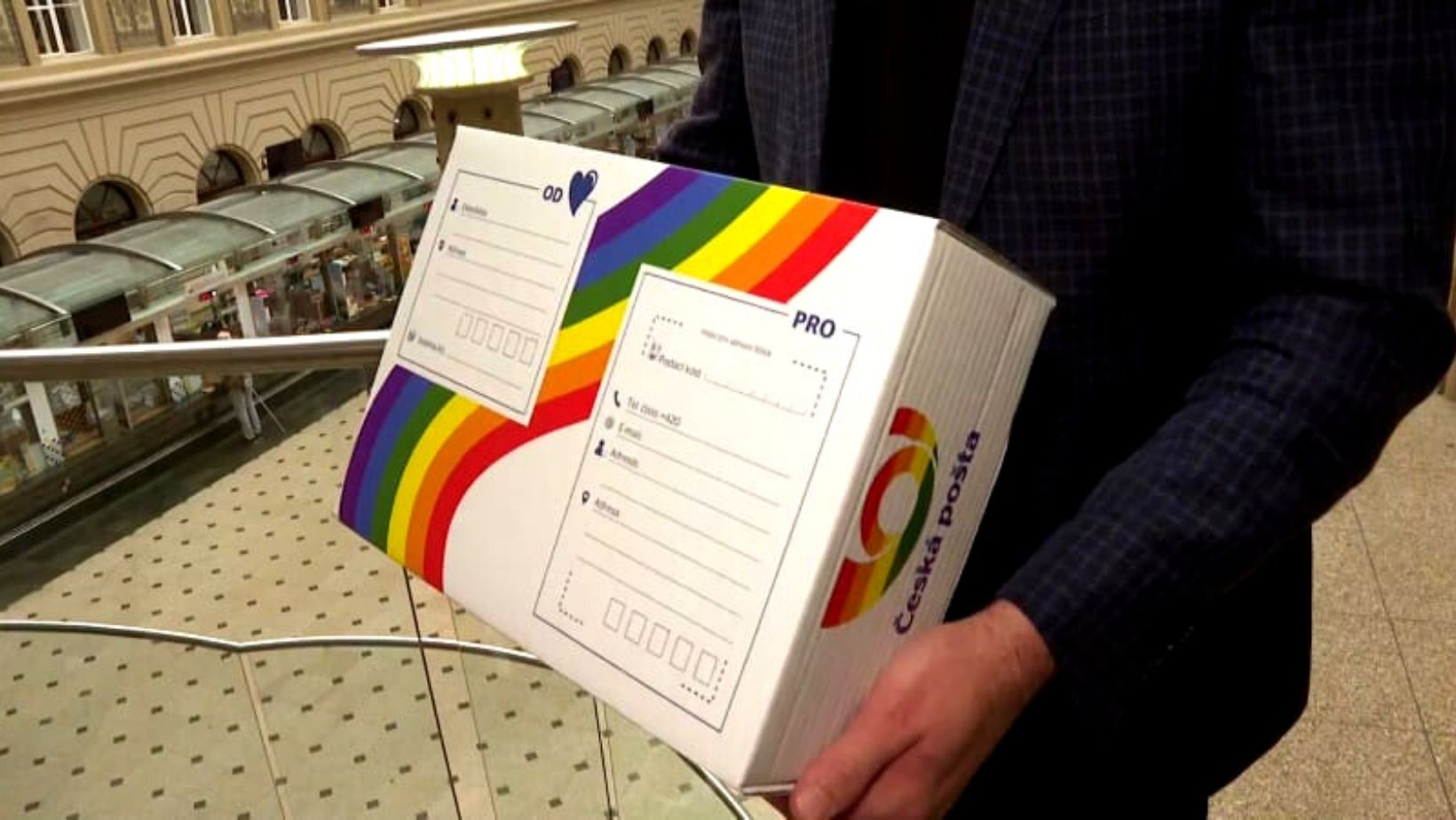
The state-owned company Czech Post has expressed support for the Prague Pride festival of lesbians and gays. The logo of the Post Office will be colored with the colors of the rainbow flag on the occasion of the August festival. Rainbow packages will also be available at the largest branches. Czech Post produced a total of 10,000 packages and calculated the costs at 250,000 CZK. The expressed support, which the post office publicly boasted about, quickly caused a stir in the public domain. “A total of 10,000 of these packages have been produced – this is a separate marketing event of the Czech Post. The amount we paid for their acquisition was 250,000 CZK. The fact that the package is rainbow-colored shows support for Prague Pride. Another form of support is the possibility to use the rainbow frame when sending postcards online,“ Matyáš Vitík, a spokesman for the Czech Post told Echo24. The rainbow package will be available during Prague Pride week at the country’s 400 largest post offices. Every customer who buys any cardboard package at the post office will receive a colored rainbow package, free of charge. “The Czech Post is proud to be a strategic partner of...
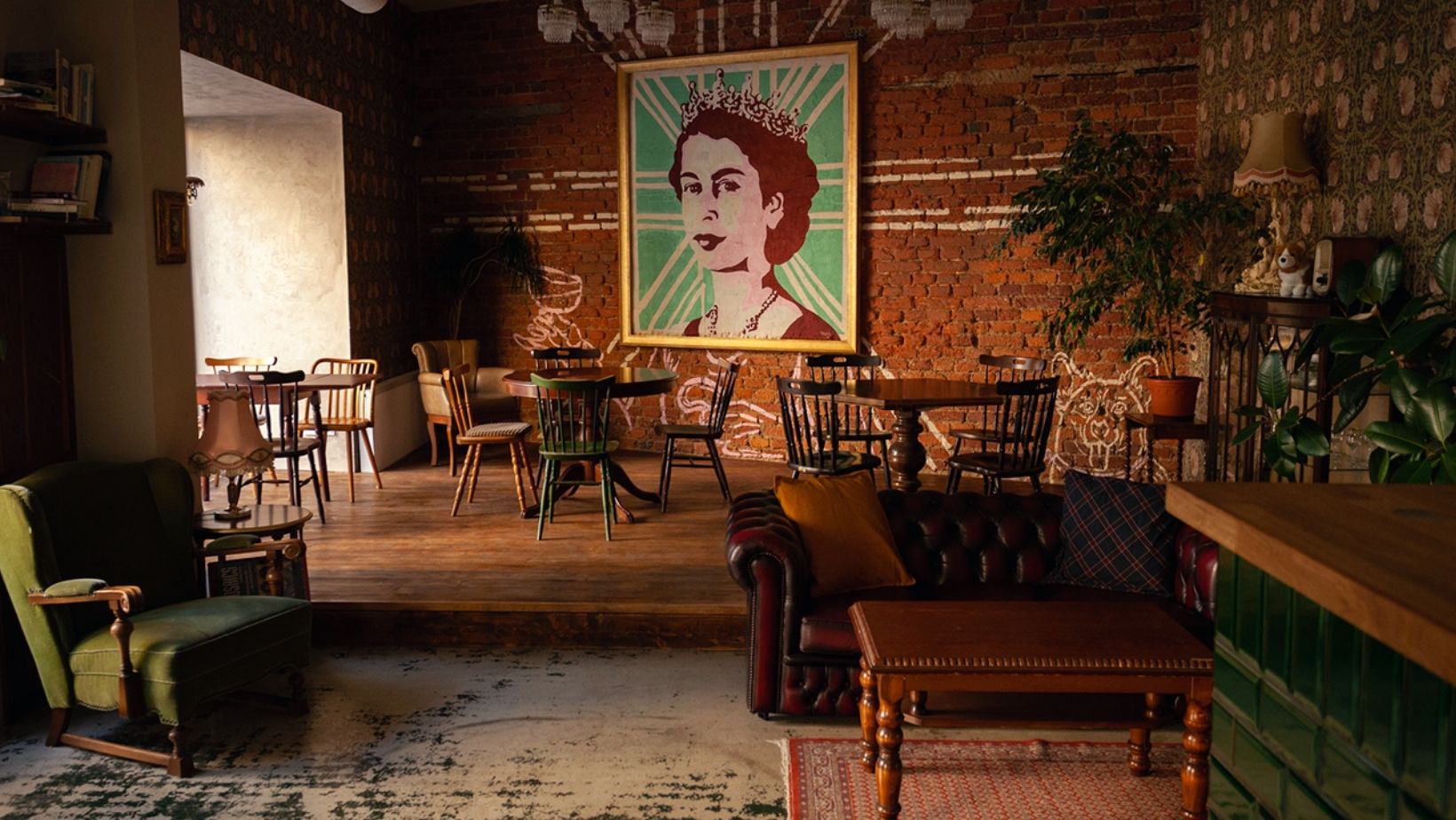
How about starting the day with a good dose of inspiration and looking around at what your competitors are doing? We’ve carefully researched the gastronomic newcomers for you and have selected the best seven representatives. Should we get started? The Flat Cafe A slice of British elegance is hidden in Prague’s Vršovice. Here, under the watchful eye of Her Majesty, you can indulge in a traditional English breakfast every morning, with a simple three-egg omelet with cheddar, or, if you prefer something “lighter”, cereal topped with yogurt. You can also stop by for an afternoon “Earl Grey” with a homemade dessert from the weekly menu, or in the evening for a glass of premium gin or a London ale. Kro bistro & bar A new addition to the “Kro family” is the Kro bistro & bar, which opened in Karlín in June. The relaxed summer atmosphere is best enjoyed in their garden with one of their signature drinks in hand and grilled chicken on a plate. Of course, that’s not the only thing they offer here, but to study their menu carefully, we recommend you go there and explore it personally. Spacious interiors, the best-grilled chicken, signature drinks, and...
Prime Minister Andrej Babiš said on Wednesday that he will propose to his government that all employees working in the state administration, including ministry employees, teachers, or policemen, who have been vaccinated against COVID-19, would receive two extra days paid leave. Babiš said the cabinet wished to motivate people to get the vaccine, recently introducing prizes and competitions for people who get vaccinated in the new “no registration needed” inoculation centres in big cities. The PM said the government would call on all ministers to grant two days off to all employees who showed a COVID-19 certificate. This would include all of those who have been vaccinated since January. He recommended that regions, municipalities, and companies follow suit. However, as economist Lukáš Kovanda tweeted, this “bonus” would cost the Czech economy more than €800 million. Interest in the vaccine is dwindling with 4.5 million of 10.5 million now being fully vaccinated and about half of the population having so far expressed interest in the jab. As a result, the pace of Czechia’s vaccination campaign is slightly below average compared to the rest of Europe. Health workers have administered more than ten million coronavirus vaccine doses in the Czech Republic since the...
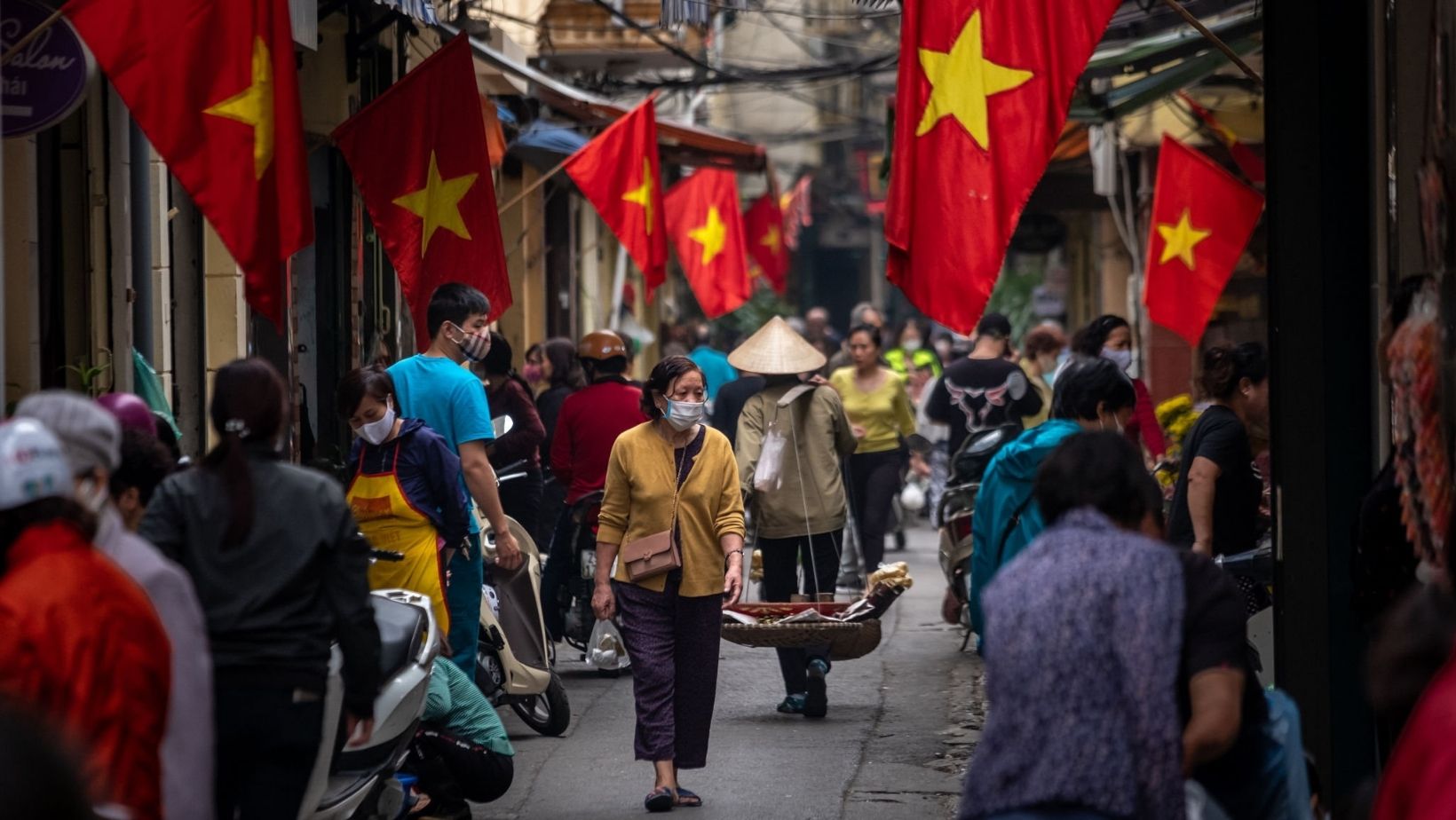
The U.K. and the Czech Republic have promised donations of 415,000 and 250,000 doses of Covid-19 vaccines to Vietnam. Britain’s donation is part of nine million vaccines it will begin delivering this week to countries around the world as the first of 100 million Prime Minister Boris Johnson pledged it would share at last month’s G7 Summit. At least 80 million doses will go to the Covax facility, while the rest will go directly to other countries. “We’re doing this to help the most vulnerable, but also because we know we won’t be safe until everyone is safe,” Foreign Secretary Dominic Raab said, as cited in a statement of the U.K. Embassy in Vietnam. Vietnam’s Ministry of Foreign Affairs announced that the Czech Republic would gift Vietnam 250,000 doses without specifying which vaccine. Vietnam has secured deals for 130 million doses so far and is in talks with other manufacturers for another 40 million shots, Minister of Health Nguyen Thanh Long said last Sunday, adding the former are expected to arrive this year and in early 2022. The government aims to vaccinate 70 percent of the country’s 96 million population by April next year. So far more than 5.2 million...
Revolut has opened its European bank to customers in the Czech Republic. Czech customers who upgrade to Revolut Bank will now have their deposits protected. Revolut, the global financial platform with more than 16 million customers worldwide, has today operationalised its European specialised banking licence in the Czech Republic. Customers who upgrade to Revolut Bank for additional services will now have their deposits protected under the deposit guarantee scheme. The upgrade process will only take customers a mere few minutes. To date, Revolut has attracted more than 300,000 customers in the country, and the fast-growing fintech is confident that deposit accounts, alongside Revolut’s wide range of products and services, will provide customers with more control, value and security than traditional banks. “Revolut is now the fastest-growing fintech company in Europe because we put the customer at the heart of everything that we do. Our product design is second to none, we have no hidden fees, and we are constantly building new and innovative financial products”, said Nik Storonsky, Chief Executive Officer of Revolut. “Launching the bank in the Czech Republic will provide a greater level of security and confidence for our customers, and will enable us to launch a host...
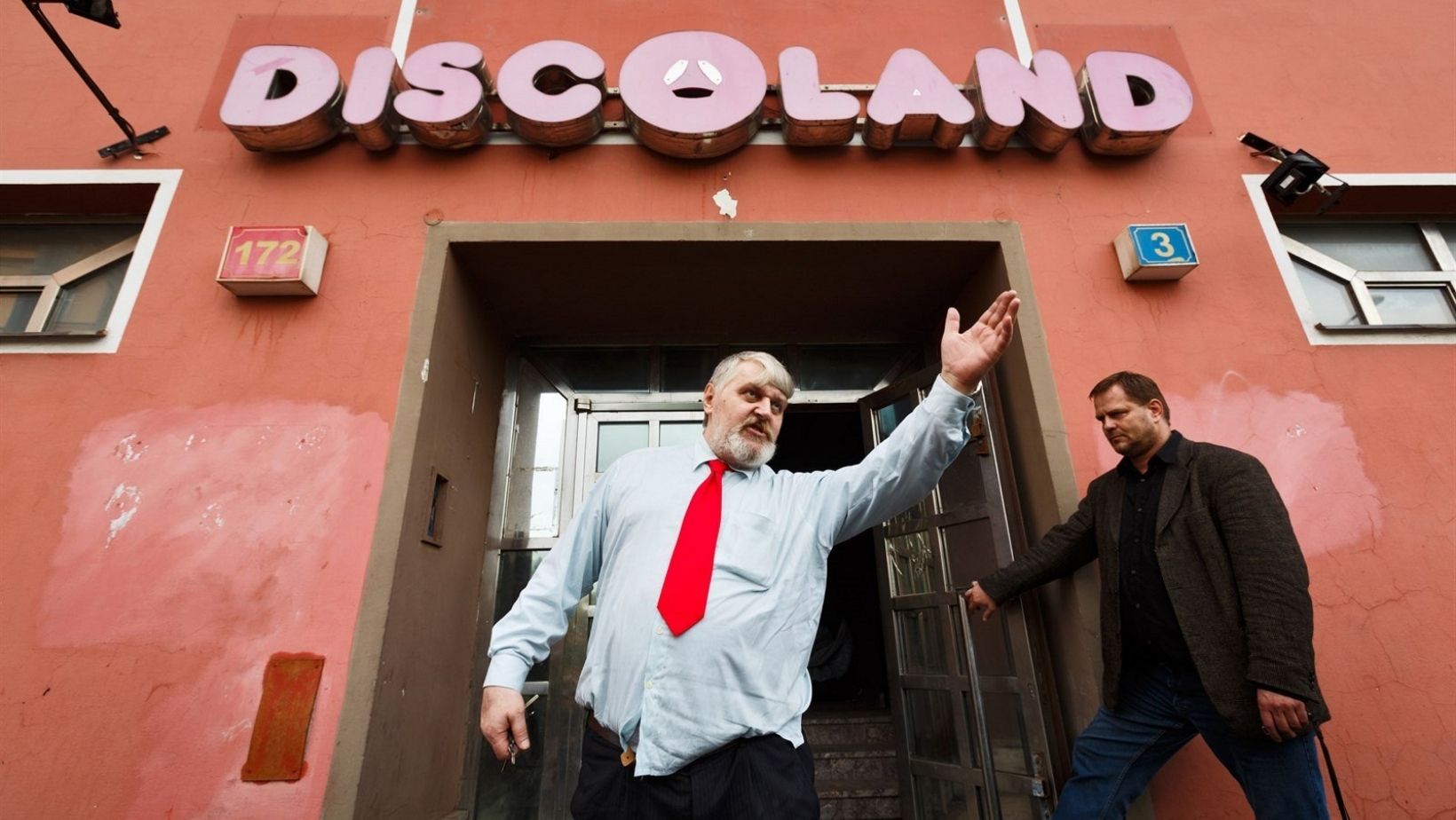
The quarter of Libeň has an interesting history, tied with many famous people. First of them is Bohumil Hrabal, one of the greatest writers in Czech history, who used to live and work on Na Hrázi St. A few metres over on Zenklova St, Operation Anthropoid (the assassination of Nazi Germany’s mastermind Reinhard Heydrich) took place during World War II. Then, after the fall of the Eastern Bloc, the whole country fell headfirst into hilariously sadly unregulated capitalism bonanza, best represented by entrepreneur Ivan Jonák and his Discoland Sylvia on Primátorská St. A large sign on the roof of the building reads “Newly opened!” as if residents of the area do not know that it is one of many other abandoned buildings and houses in the area. Once a legendary club in Libeň The owner of the building was the controversial Czech businessman Ivan Jonák. Discoland was built in 1992. At that time, the establishment was extremely famous and the celebrities of that time used to come there. Jonák himself was the infamous ‘King of the Underworld.’ He was a former garbage man, circus performer, and bouncer. The Discoland building was created thanks to his wife Ludvika, who found a...
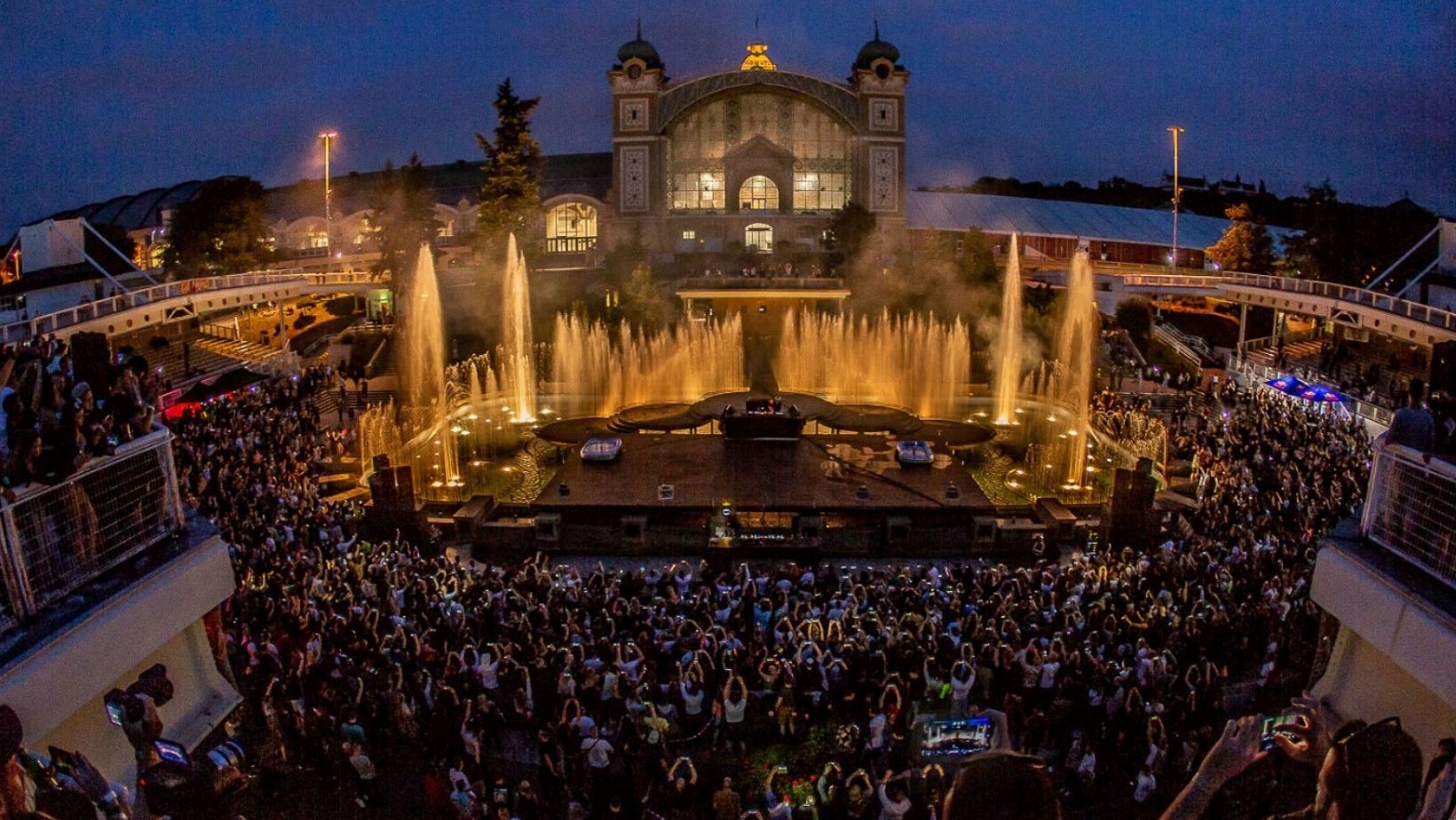
If you’ve missed heading out to listen to some of the biggest international DJs performing in Prague this year, you’re in luck. The two-day Sound Open Air festival will take place on July 29-30 at Křižíkova Fontána – Výstaviště Holešovice. Announced international headliners are Jan Blomqvist, and Monika Kruse. The headliners Berlin-based singer, songwriter, and bandleader Jan Blomqvist merges intricate, club-friendly tech-house with tuneful, melancholic pop. His songs are filled with minimal yet propulsive beats, detailed production, and yearning vocals recalling Thom Yorke. Monika Kruse is a German techno DJ/producer and record label owner, with a career in electronic music spanning more than 25 years. She played an influential role in the early Munich rave scene during the early 1990s and was among the first wave of German techno artists to tour internationally, before moving to Berlin at the end of the decade where she founded her Terminal M record label. Kruse remains a prominent fixture on the international house and techno scene, with regular appearances at major European events like Awakenings and Time Warp, and is also known for her long-term commitment to social justice via her No Historical Backspin charity that she founded in 2000. Program Thursday 30.7 at Fountain stage 17:00 – 17:45 Täino 17:45 – 18:30 Lumiere 18:30 – 20:00 Atlantik live 20:00 – 22:00...
Don’t have an account? Register
Already have an account? Log In
How Would You Like to Promote Your Business? PR ArticleDisplay bannersVideo productionNewsletter adsJob ListingsInfluencer Marketing
Your Email
We will come back to you within 24 hours with our proporsal