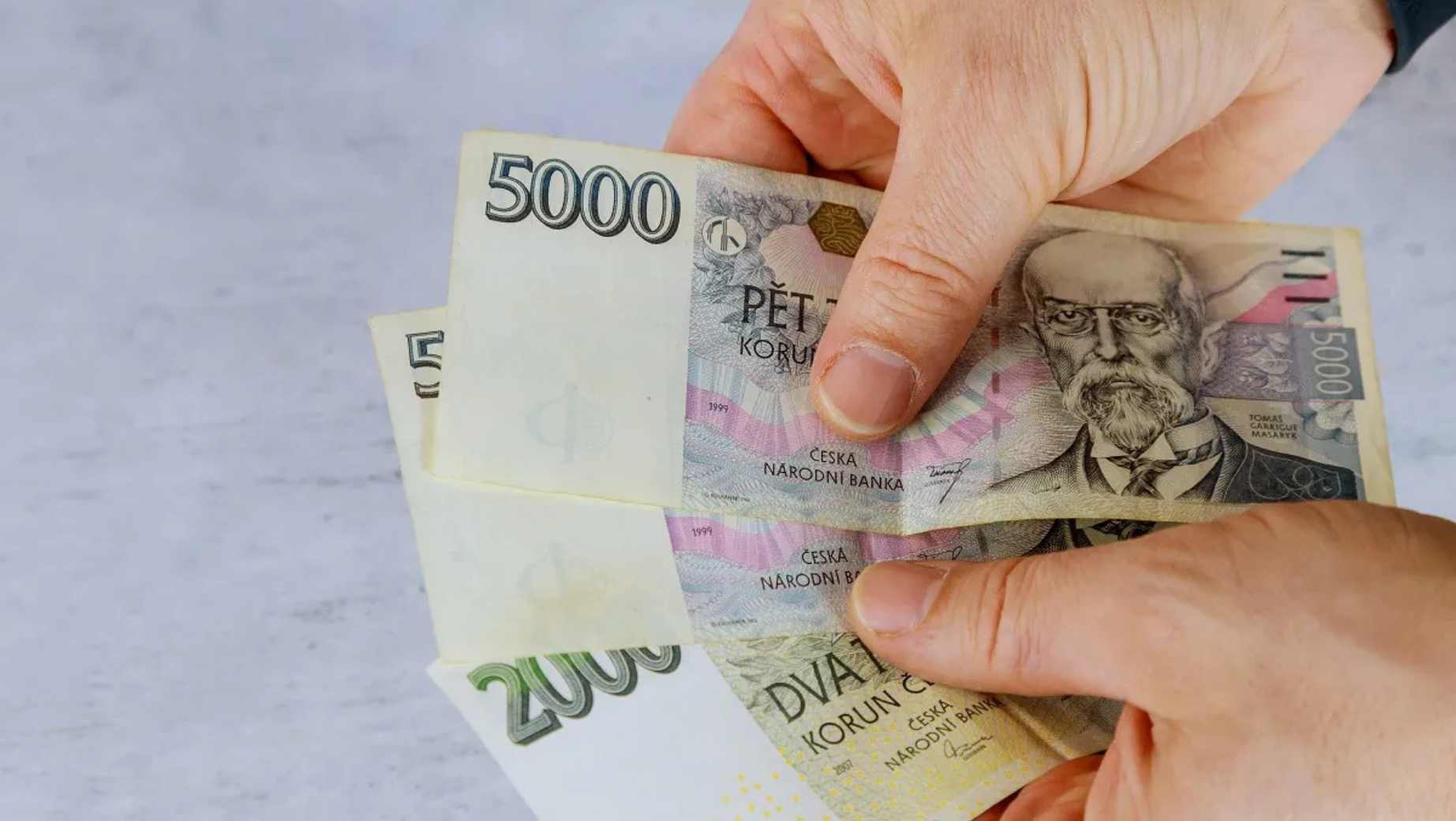
Czech inflation rose to 2.5% year-on-year in October, slightly above expectations, mainly due to higher food prices. Processed foods jumped by 4%, and overall consumer prices increased by 0.5% month-on-month. Service prices grew by 4.6%, while goods rose by 1.3%, indicating that core inflation likely reached 2.9%. Economists expect inflation to ease next year as energy prices decline. Distributors plan to cut electricity and gas prices by around 10% in January 2026, which could lower headline inflation to about 2.2%—and possibly below 2% if the government reduces regulated energy costs as planned. Still, core inflation is likely to stay above the Czech National Bank’s target, supported by household spending and expected wage hikes in the public sector ranging from 5% to 13%. The economy is projected to grow 2.6% this year and 2.7% in 2026, driven by rising investment and strong household consumption. Czech companies are increasingly investing abroad, especially in Germany, taking advantage of opportunities in its slowing economy. Interest rates are expected to remain stable next year, as steady growth and resilient consumer demand offset the effects of lower energy costs. If the EU delays the new emissions trading system (ETS2) by a year, analysts say 2027 could...
The EURO TEA EXPO, an international fair celebrating tea and its culture, will take place on November 15–16, 2025, at Fortuna Arena in Prague’s Vršovice district. The event will transform the Slavia Museum and the adjacent conference spaces into a hub for tea lovers from across Europe and Asia. Organized by experts in tea studies and supported by global tea associations, the fair will bring together tea traders, sommeliers, academics, and enthusiasts to explore the art and science of tea. This year’s theme focuses on Pu-erh tea and the Chinese province of Yunnan, the birthplace of this ancient fermented variety with a history spanning more than a thousand years. Chinese tea masters will lead guided tastings and lectures, offering insights into fermentation techniques, regional traditions, and the growing appreciation of Pu-erh in Western markets. Visitors will also discover the rituals and aesthetics of tea ceremonies, explore a curated exhibition of teaware and porcelain, and join workshops and presentations on tea production, brewing, and sustainable cultivation. Beyond China, the expo will showcase teas from Japan, India, and South America, demonstrating how tea connects diverse cultures and traditions. A special highlight will be a live demonstration of “roasted tea” by members of...
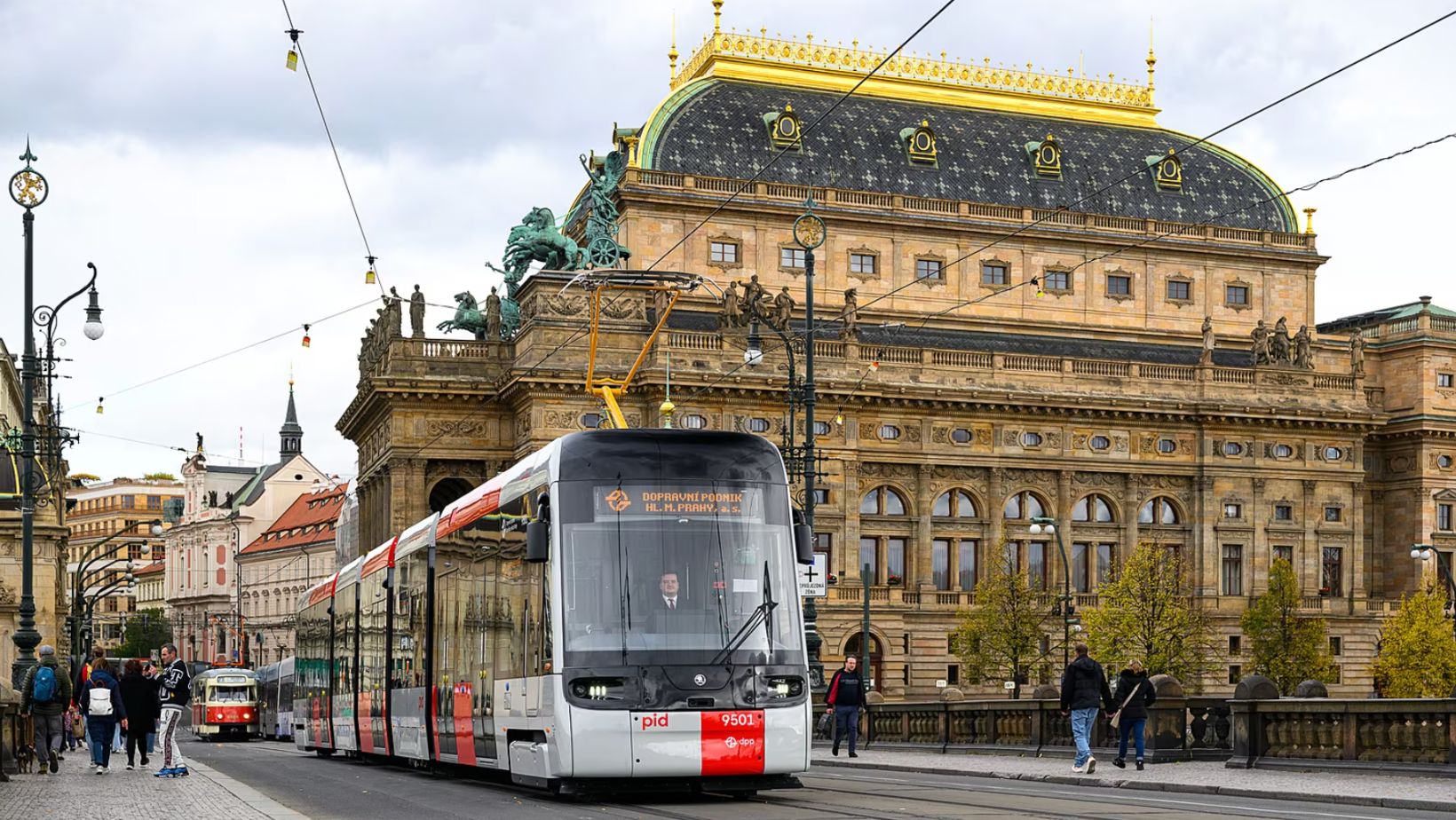
Prague is preparing for a major expansion of its tram network, aiming to double the city’s current rail lines over the next decades. According to the Prague Institute of Planning and Development (IPR), the metropolitan plan envisions up to 150 kilometers of new tram lines, linking underserved neighborhoods and relieving bus congestion across the capital. Some new lines are already in construction or final planning stages. The recent completion of the ceiling slab above the metro at Muzeum station has allowed work on the tracks that will connect Wenceslas Square with Vinohrady, strengthening central city connections. Several key suburban routes are under consideration, including lines to Bohnice, connecting through Kobylisy, and Suchdol, serving the Czech University of Life Sciences. Currently, these areas rely heavily on articulated buses, which trams could gradually replace. Another high-demand route is the southern tangent, stretching along Jeremenkova Street from Podolí to Pankrác. Additional tracks could continue from Malešice to Štěrboholy, complementing the gradual reconstruction of Metro Line C. A potential extension may reach Dlouhá mílí in Prague 6, alongside the airport line currently under planning. One of the more ambitious projects involves connecting Prague 6 and 8. Previously, a cable car over the Troja Basin...
Starting January 2026, all forms of physical punishment of children will be prohibited under Czech law. An amendment to the Civil Code declares corporal punishment unacceptable in any context. Despite the legal change, a study by Charles University found that 40% of Czech parents still consider physical punishment an appropriate disciplinary method. Experts warn that social attitudes may take time to adapt, even after the law comes into effect. The issue extends beyond families into public institutions. Vít Aleksandr Šorm, Deputy Ombudsman and Commissioner for Children’s Rights, reported that during visits to orphanages and educational facilities across the country, he observed humiliating practices and physical punishments still being used. Some children are subjected to forced kneeling and other degrading forms of discipline, practices that violate the Czech Republic’s international obligations to protect children. Investigations by the Ombudsman’s Office and the Commissioner for Children’s Rights are ongoing. Their findings will be made public in the ESO Register’s database, allowing greater transparency and accountability. Over the past decades, many studies have examined the effects of corporal punishment, and not one has found that it has a positive impact on children or their behaviour. In contrast, many have found that it has many...
The Prague City Council has approved the first step in creating a new Concept for Accessible Public Toilets. It aims to ensure that residents and visitors can find clean, accessible restrooms across the capital without barriers. The initiative is being developed by the Institute for Planning and Development (IPR Prague), following research into both local needs and solutions adopted in other major cities. “We looked into what matters most to Prague residents when it comes to public toilets and how other cities handle the issue,” said Ondřej Boháč, director of IPR Prague. “Accessibility and cleanliness came out as the top priorities.” According to urban planners, an effective public toilet network would place restrooms within roughly 300 meters of any given point. Currently, only a small portion of the city meets that standard. For now, shopping centers remain the most popular choice for restroom access, largely due to their maintenance and cleanliness. Yet, there’s a key obstacle: most of these facilities require payment. That presents difficulties not only for people in financial hardship but also for the growing number of residents who no longer carry cash. To address this, the new concept will explore different operating models — including adapting existing...
Eurowings will expand its Prague operations next summer, introducing three holiday routes connecting the Czech capital with Ibiza, Brindisi, and Faro. The airline, a subsidiary of Lufthansa Group, aims to strengthen its southern European network, focusing on seasonal leisure travel from Prague Airport. The first new connection, linking Prague and Ibiza, will begin on June 1. Flights will run once a week, every Monday, and continue through the end of September. A few days later, on June 3, Eurowings will open a route to Brindisi on Italy’s Adriatic coast. The service will operate every Wednesday until September 23. Finally, flights to Faro, in Portugal’s Algarve region, are scheduled to start on June 16, with departures every Tuesday until late September. Tickets for all three destinations are already on sale through Eurowings’ booking system. Although the airline has recently reduced some operations in Prague, its local base will continue to function. According to Raquel Krüggelerová, Eurowings’ spokesperson, the Czech capital remains “an integral part of the Eurowings network.” Would you like us to write about your business? Find out more
As in previous years, you will have a chance to meet the uniformed lamp-lighter on the Charles Bridge. From November 30 to December 23, 2025, he will light the historic gas lamps by hand each evening, beginning at around 4:00 p.m. near the Old Town Bridge Tower. Nowadays, the gas lights operate automatically, and Advent is the only time of the year when the gas lamps are lit up by a lamplighter. Street lighting in Prague dates back to 1847, which is the year when the first gas lamps were lit in this city. By 1940, nearly 9,000 gas lamps cast their bluish glow on the city. Gaslighting was used in Prague till 1985, when the eight-branched cast-iron lamps on Hradčanské square and in Loretánská street were converted for electric light. However, 2002 saw the return of gaslight to the city’s most historic areas. In 2010, gas lamps were placed on the Charles Bridge, which is the only gas-lit bridge in the world. Nowadays, you can admire romantic gaslighting on the whole Royal Route, from Powder Gate Tower to Hradčanské Square. The lamplighter Jan Žákovec is vice president of the Lamplighters’ Guild and head of the Gasworks Museum. At 205 cm, he is...
The Hilton Hotel Prague will once again host the International Charity Market, a one-day celebration of cultures, flavours, and traditions from around the world — all in support of Czech charities. Organized by the Diplomatic Spouses Association (DSA) and held under the patronage of First Lady Eva Pavlová, the event has become one of Prague’s most anticipated international gatherings. More than 40 countries will showcase national crafts, traditional delicacies, and cultural highlights, offering visitors the chance to explore a truly global marketplace. From handmade gifts and art to gourmet foods and fashion accessories, the market promises a rich mix of creativity and culture, accompanied by a welcoming international spirit. “We are excited and deeply grateful for the opportunity to help those who need our support the most,” said Adrijana Balut, Vice President of the DSA. “The International Charity Market is a beautiful day of unity, generosity, and hope. Every visitor, every purchase, and every ticket contributes to making a real difference.” All proceeds from the event, along with contributions from private sponsors, will go to Czech charitable organizations, which can apply for grant support until January 31, 2026. Last year’s market raised over 1.7 million CZK, supporting causes across the...
A historic monastery in central Prague will host the Biohacking Summit Prague 2025, bringing together leading scientists, entrepreneurs, and enthusiasts focused on improving health, performance, and longevity. The event will unite the international biohacking community with Czech innovators to explore how technology, science, and lifestyle design can redefine human potential. The summit’s agenda will span seven major topics, including personalized medicine, cognitive optimization, and healthy aging. Visitors can look forward to expert presentations, live demonstrations, tasting sessions, and displays of cutting-edge health technologies from more than thirty partner organizations. Among the key speakers are Teemu Arina, the Finnish founder of the European biohacking movement; Tim Gray from the United Kingdom, organizer of the world’s largest Health Optimization Summit; and Czech neuroscience communicators Vojtěch Hlaváček and Kryštof Jarmar from the podcast Brain We Are. In addition to the lectures, attendees can join an exclusive biohacking dinner focused on nutrient-rich cuisine and an experiential run through the Prague Castle area, designed to combine physical activity with mindfulness practices. The event underlines a growing global interest in biohacking and proactive health management. The longevity and preventive health market is currently valued at more than $63 billion, reflecting how quickly personal health innovation is...
Monitoring conducted in 2025 confirmed the birth of wolf cubs in several regions, signaling a gradual but steady expansion of the species. New litters have been documented in the Šumava Mountains, Ore Mountains, and Ralsko and Broumov regions. Particularly noteworthy are new births in Kokořínsko and Ralsko, where no successful breeding had been observed in the past five years. Researchers from the Nature Conservation Agency of the Czech Republic have confirmed that wolves are successfully settling in new habitats. In the Ore Mountains, the species has been recorded in three distinct territories, including a newly formed one in the central part of the range, where a wolf pair has established its den. Wolf presence has also been noted in the Lusatian Mountains and along Czechia’s border with Poland, suggesting natural cross-border movement and gradual population growth. Despite this progress, experts caution that roughly two-thirds of wolf cubs do not survive their first year, due to natural causes, accidents, or territorial conflicts. Ecological Impact Their return contributes to restoring ecological balance, as they help regulate populations of deer and other wild ungulates. This, in turn, supports forest regeneration and promotes greater biodiversity in areas that have long been affected by overgrazing....
A new sculpture installed on a residential rooftop in Prague’s Podolí district has become one of the city’s most talked-about installations. The artwork, created by Czech sculptor Jakub Flejšar, depicts the legendary horse Šemík in an intimate act with a mare — a provocative reinterpretation of one of Czechia’s most famous myths. The sculpture, titled “Šemík Happy End,” was installed on Tuesday atop a modern residential complex near the Podolské schody. It was commissioned by developers Jiří and Petra Šald, founders of the Villa Gallery project. The couple, who designed the building as a blend of architecture and public art, say they wanted to give the legend of Šemík a new, playful ending. Flejšar, known for combining industrial materials with strong emotional themes, said his aim was to offer an “alternative storyline” to the classic legend of Šemík — the heroic horse who famously saved Lord Horymír by leaping from Vyšehrad into the Vltava River. “We’re naturally drawn to happy endings, though life rarely follows that path,” Flejšar explained. “This sculpture is about hope, renewal, and reimagining how stories could end differently.” Since its installation, the metal piece has become a local sensation. Residents have been gathering beneath the building,...
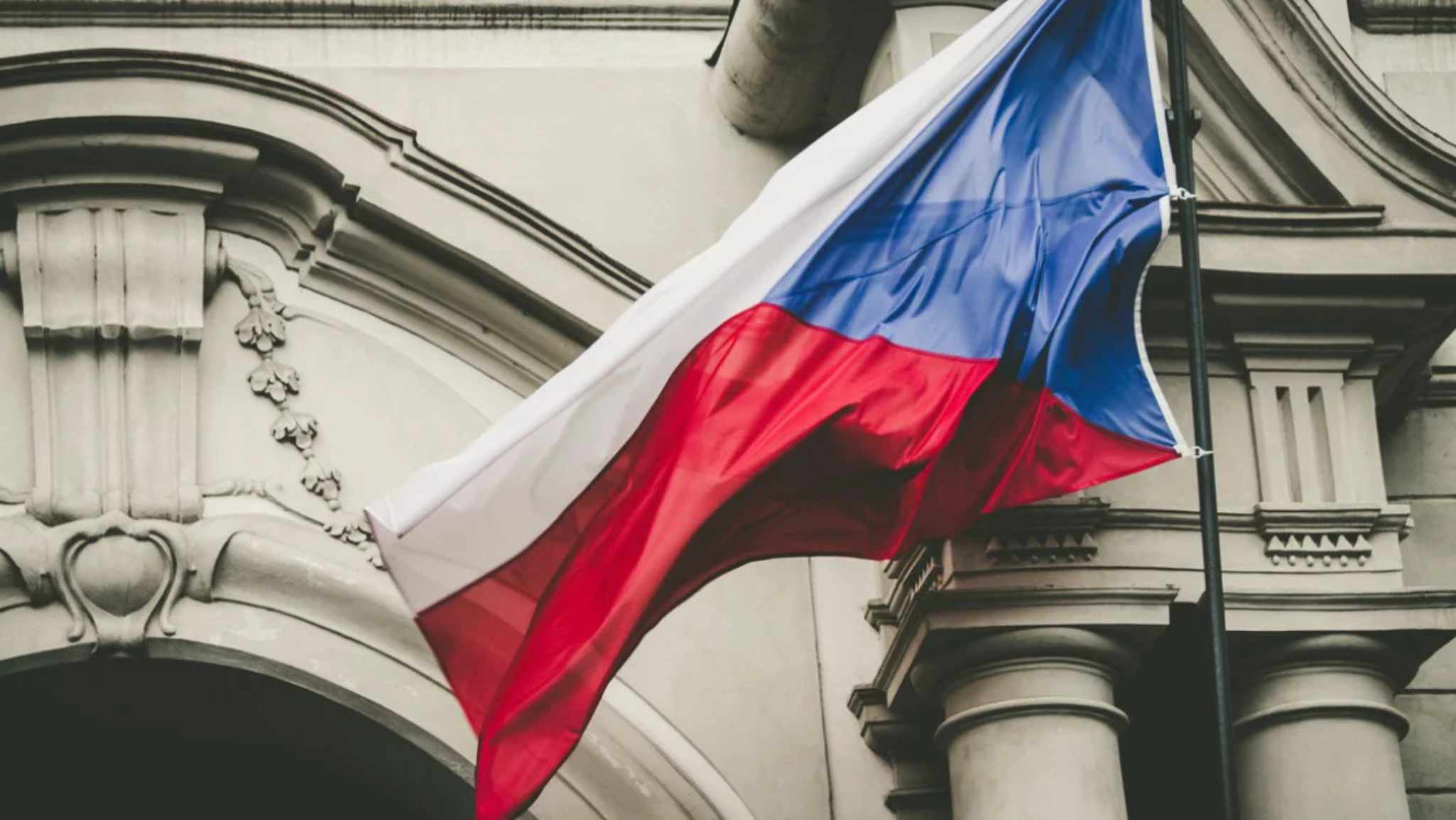
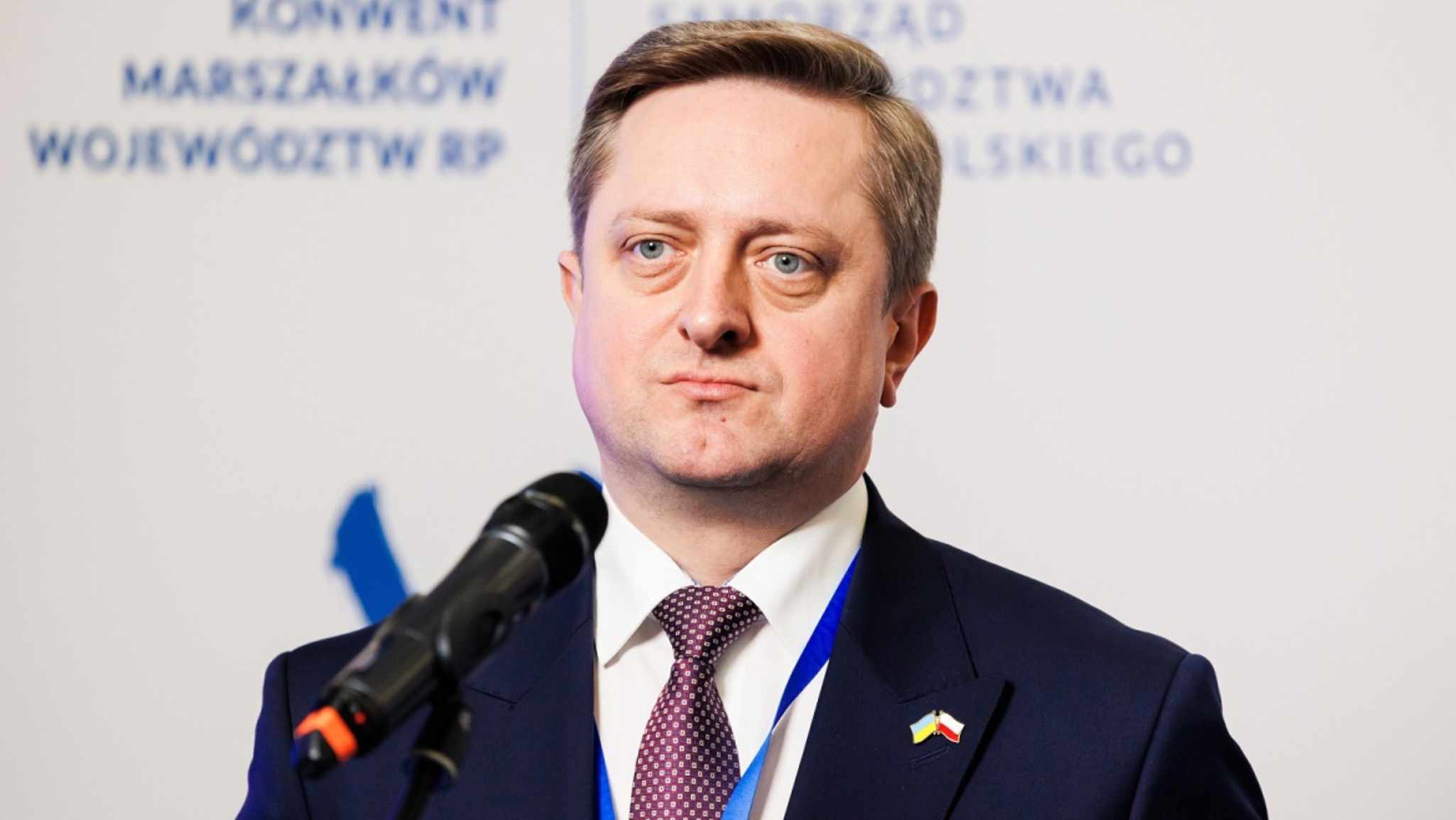
Newly elected Speaker of the Chamber of Deputies Tomio Okamura began his term by removing the Ukrainian flag from the lower house of Parliament. The flag, which had hung above the entrance since Russia’s invasion of Ukraine in February 2022, was taken down on Thursday afternoon on Okamura’s direct orders. The decision marks a clear break from his predecessor Markéta Pekarová Adamová, who had placed the flag as a gesture of solidarity with Ukraine. Okamura, leader of the far-right Freedom and Direct Democracy (SPD) party, assumed office on Wednesday after securing 107 votes in a secret ballot. Okamura’s election had been assured through a coalition agreement between ANO, SPD, and Motorists, who also secured two vice-chair positions for Patrik Nacher (ANO) and Jiří Barták (Motorists). While the Ukrainian flag is gone, three others remain flying on the Parliament building — those of Czechia, the European Union, and Israel. The Israeli flag has been displayed since the October 2023 Hamas attacks that killed more than 1,200 people. Ukrainian Flag Also Taken Down from the National Museum The removal follows a similar move by the National Museum in Prague, which recently took down the Ukrainian flag after nearly three years. It had...
Don’t have an account? Register
[swpm_registration_form level=”6″]
Already have an account? Log In
How Would You Like to Promote Your Business? PR ArticleDisplay bannersVideo productionNewsletter adsJob ListingsInfluencer Marketing
Your Email
We will come back to you within 24 hours with our proporsal