Canada, Australia, and Portugal have joined the United Kingdom in formally recognising Palestinian statehood as Israel plans to expand settlements in the occupied West Bank and intensifies its war on Gaza. In a statement on Sunday, Canadian Prime Minister Mark Carney announced the recognition of a Palestinian state and offered “our partnership in building the promise of a peaceful future for both the State of Palestine and the State of Israel”. “Recognising the State of Palestine, led by the Palestinian Authority, empowers those who seek peaceful coexistence and the end of Hamas. This in no way legitimises terrorism, nor is it any reward for it,” Carney said. He added that the Palestinian Authority provided “direct commitments” to Canada on reforming its governance; holding general elections next year, which Hamas “can play no part” in; and demilitarising the Palestinian state. At the same time, Australia announced that it was also recognising Palestinian statehood. In a statement by Prime Minister Anthony Albanese, Australia said its recognition alongside Canada’s and the UK’s was part of an international effort for a two-state solution. The Czech Republic Does Not Plan to Do So Now The Czech Republic does not plan to recognize the State of...
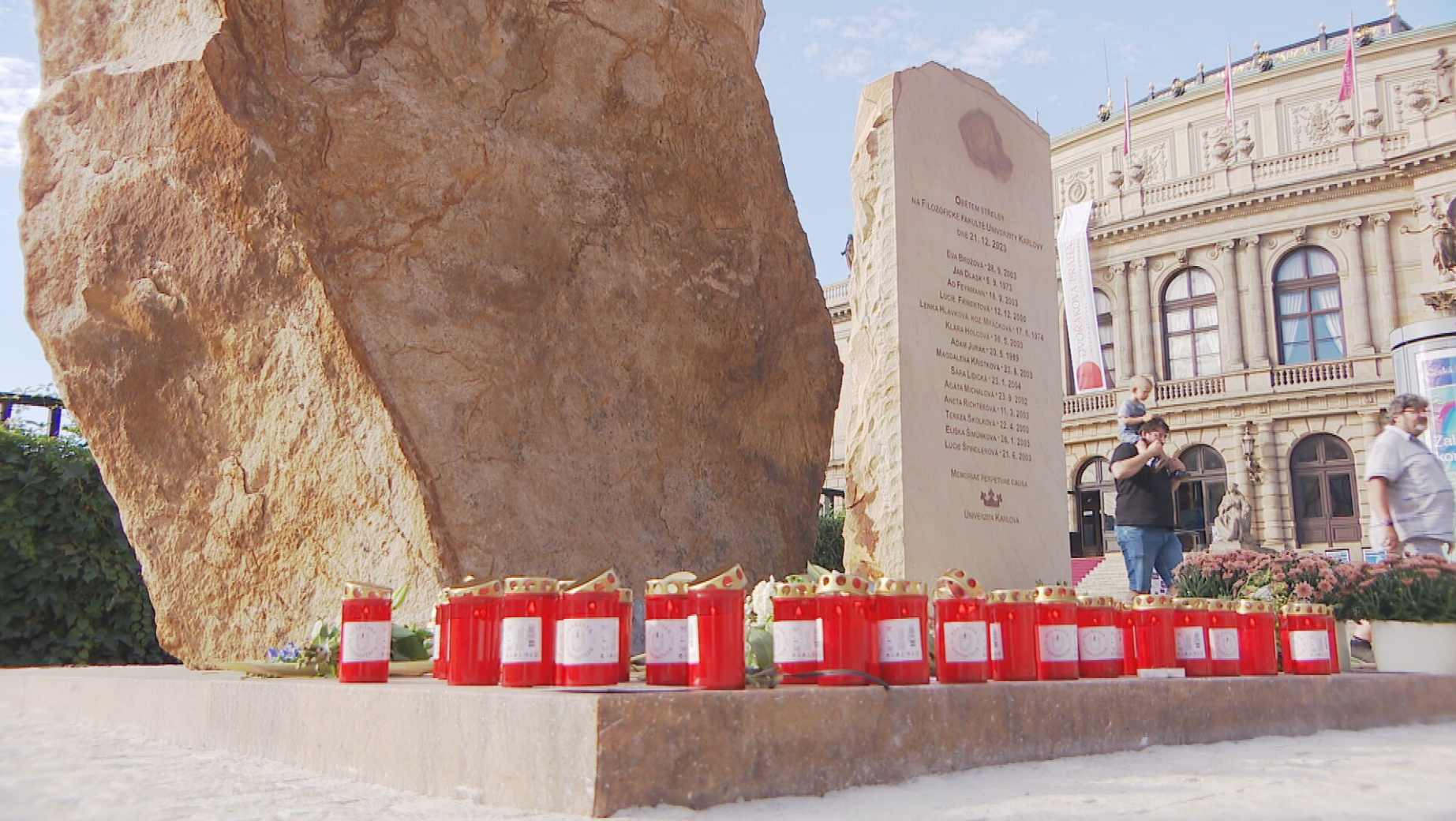
A memorial plaque engraved with the names of the victims of the shooting at the Faculty of Arts of Charles University in December 2023 was unveiled on Sunday on Jan Palach Square in Prague. The plaque completed the temporary monument erected earlier this year, with adjustments made to the surrounding area to create a space of quiet reflection. The unveiling ceremony included speeches, a remembrance concert on the steps of the Rudolfinum, and moments of silence for both relatives and the public. Among those present were Charles University rector Milena Králíčková, Faculty of Arts dean Eva Lehečková, and members of the team behind the memorial’s design. The three-meter sculpture facing the faculty building was presented in June 2024. It included a QR code linking to personal tributes on the faculty’s website. The addition of the plaque had been planned since last year, following requests from bereaved families. “The monument was always intended as a temporary memorial,” said spokesperson Bumba. “By engraving the names, and redesigning the surrounding space, we aimed to ensure it would become a dignified place for remembrance.” The December 21, 2023, shooting remained the deadliest of its kind in Czech history. Fourteen students and staff members lost...
A rainy summer left many Czech restaurants struggling, with mountain resorts and campsites reporting revenue drops of up to 30 percent compared with last year, according to data from Dotykačka. Beer sales fell by about ten percent as customers avoided outdoor terraces. Yet not all sectors of the industry are struggling. In September, as the weather stabilized, city restaurants and pubs saw customers returning. Kastner expects urban businesses to perform better through the autumn. “Events like St. Martin’s Day and the election season bring people into pubs and restaurants. They want to talk, debate, and share food,” he said. The overall outlook remains weak. Kastner predicts sector revenues will nominally match last year’s, but after inflation, they will fall by three to five percent. Since 2019, dining prices have risen more than 50 percent, while wages lag behind. As a result, Czechs now eat out two to three times a week, down from four to five just a few years ago. The average Czech spends about 4,500 crowns monthly on food and drinks outside the home. Meals Cost More—But People Still Indulge The typical lunch now costs about 200 crowns, compared with less than 140 crowns six years ago. In...
Machine Gun Kelly is set to perform in Prague on February 21, 2026, at the O2 Arena as part of his new global tour, Lost Americana. The concert will showcase songs from his latest album alongside the hits that have cemented him as one of the most distinctive names in today’s music scene. Tickets start at CZK 1,490. Pre-sales open on September 23 at 12:00 for Evropa 2, O2, and fan club members, followed by Live Nation Club pre-sale on September 24 at 12:00 and Spotify pre-sale on September 24 at 14:00. General ticket sales begin on September 25 at 12:00 through Ticketmaster and Ticketportal. The Lost Americana Tour, produced by Live Nation, marks the artist’s seventh studio album and promises the high-energy, genre-bending shows that have become his trademark. Known for blending rap, rock, and alt-pop, MGK has built a reputation as one of the most dynamic live performers of his generation. His previous Mainstream Sellout Tour filled arenas across North America and Europe, including a sold-out stadium show in his hometown of Cleveland. With more than 20 billion streams worldwide and millions of albums sold, MGK’s upcoming tour is expected to be his biggest yet, taking him to...
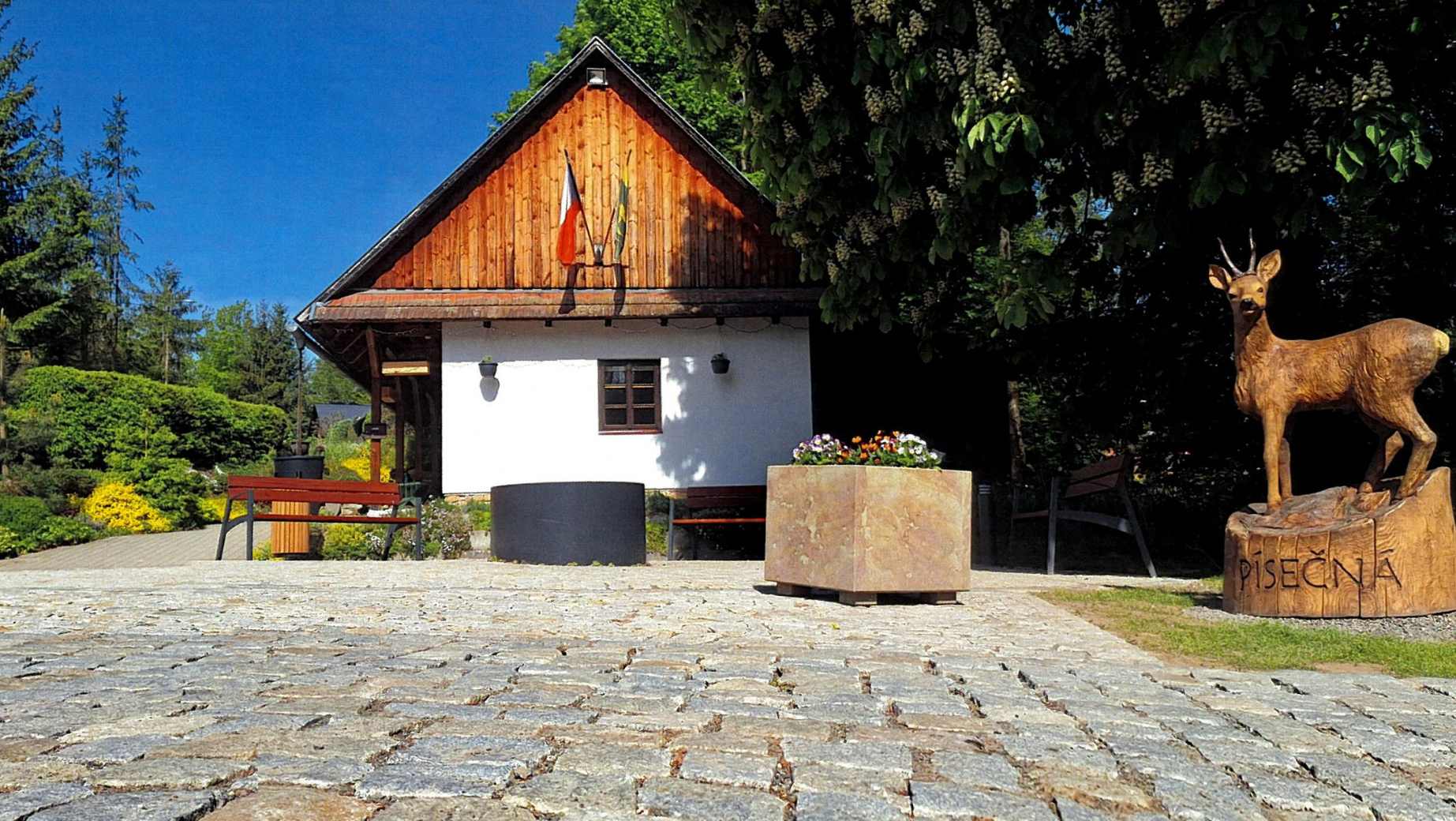
Písečná, a small municipality in the Pardubice Region, has been named Czechia’s Village of the Year 2025. The title was announced on Saturday, September 20, in Vacov, South Bohemia, which held the award last year. More than 180 municipalities across the country entered the annual competition. Thirteen of them advanced to the national final, including Písečná, which earlier this summer won the regional round and secured one million crowns in support. Písečná lies in the Ústí nad Orlicí District, just five kilometers from the town of Žamberk, below Žampach Mountain. With a population of around 585, the village has long been recognized for its cultural and community life. The jury highlighted the preservation of its traditional landscape, careful management of greenery, and consistent use of planning tools to ensure that new construction respects the original character of the village. The Competition and Its Goals The Village of the Year competition is part of Czechia’s Rural Renewal Program, established in 1995. It promotes active participation of residents in municipal life, encourages sustainable development, and supports the preservation of traditions. To qualify, municipalities must submit a development strategy. The jury evaluates not only public spaces but also community activities, local businesses, and...
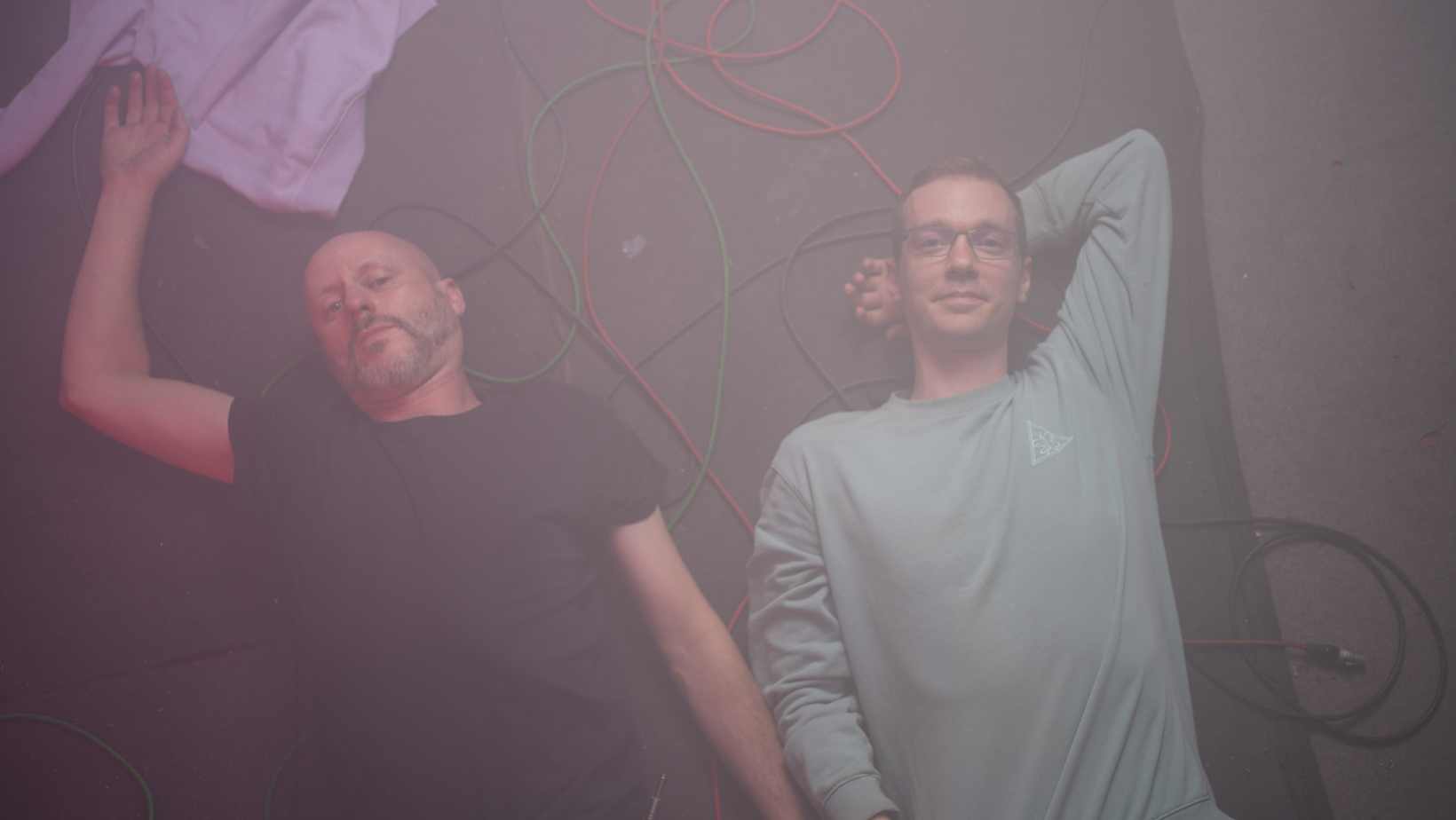
What should you know about expat music in Prague? And where can you find it? We met with Nano Tone – a Prague-based synth pop duo consisting of Carl Warwick (UK) and Jack Zagorski (US). The band burst onto the local music scene in 2019, when their song “Let’s Get Digital” aired on Radio 1, the Czech Republic’s foremost alternative radio station. You can catch them on the main stage of Prague’s Expat Culture Festival on Saturday, 27 September 2025, at Cross Club in the Holešovice district. How long have you been part of Prague’s expat music scene? Carl has been involved in the Czech and expat music scene for over 20 years. Shortly after moving here from the UK, he formed a band called Squall with two other expats. In 2002, their album How Things Work was released on Silver Rocket, a prominent Czech alt rock record label. Since then, Carl’s been in a slew of bands with expats, as well as Czechs. Jack made his debut on the local music scene as part of Nano Tone, when he replaced former member Reed Jones in 2021. How big is the expat music scene in Prague? The expat music scene...
At the end of September, the entire country belongs to the patron saint of the Czech people. They honor the memory of St. Václav on the day when he was murdered by his brother. One of the most famous monuments in the whole of Prague, and perhaps the whole of the Czech Republic, is the statue of St. Václav on Wenceslas (Václav) Square. And it’s not just because this Czech prince is watching over one of the largest squares in the Czech Republic from his saddle. Nor is it because he has witnessed, astride his horse, many of the major events in the history of this country. St. Václav is the patron of the Czech lands and the most popular saint here. His day falls on 28 September, when the Czech Republic celebrates Statehood Day. Saint Wenceslas – the patron saint of the Czech lands Wenceslas was a Czech prince who, after his murder, became a symbol of Czech statehood and a Catholic saint. He was born in 907 and was apparently murdered on September 28, 935. There are not sufficiently reliable contemporary sources for a precise reconstruction of the life of Wenceslas. His life can be reconstructed from legends...
British singer and songwriter Raye, one of today’s leading voices in pop, will perform at Prague’s O2 Arena on January 25, 2026. Known for blending pop, soul, and R&B, she will bring her acclaimed live show to Czech fans for the first time. Tickets start at CZK 1,700 plus fees. Pre-sales begin on September 23 via Europe 2 and the fan club. Live Nation Club and O2 customers will have early access on September 24 at 10:00, followed by Spotify pre-sales the same day at 12:00. General sales open on September 25 at 10:00 through Ticketmaster and Ticketportal. Raye rose to global fame with her debut album My 21st Century Blues, released in 2023, which included the hit single “Escapism.” The track topped charts worldwide, went Double Platinum in the U.S., and turned her into one of the most talked-about artists of the decade. In 2024, she swept the BRIT Awards with six wins—breaking records held by Adele and Harry Styles—and in 2025 became the first artist nominated for both Best New Artist and Songwriter of the Year at the GRAMMYs. Her career has since taken her to stages at Coachella, Glastonbury, Lollapalooza, Fuji Rock, and the Montreux Jazz Festival,...
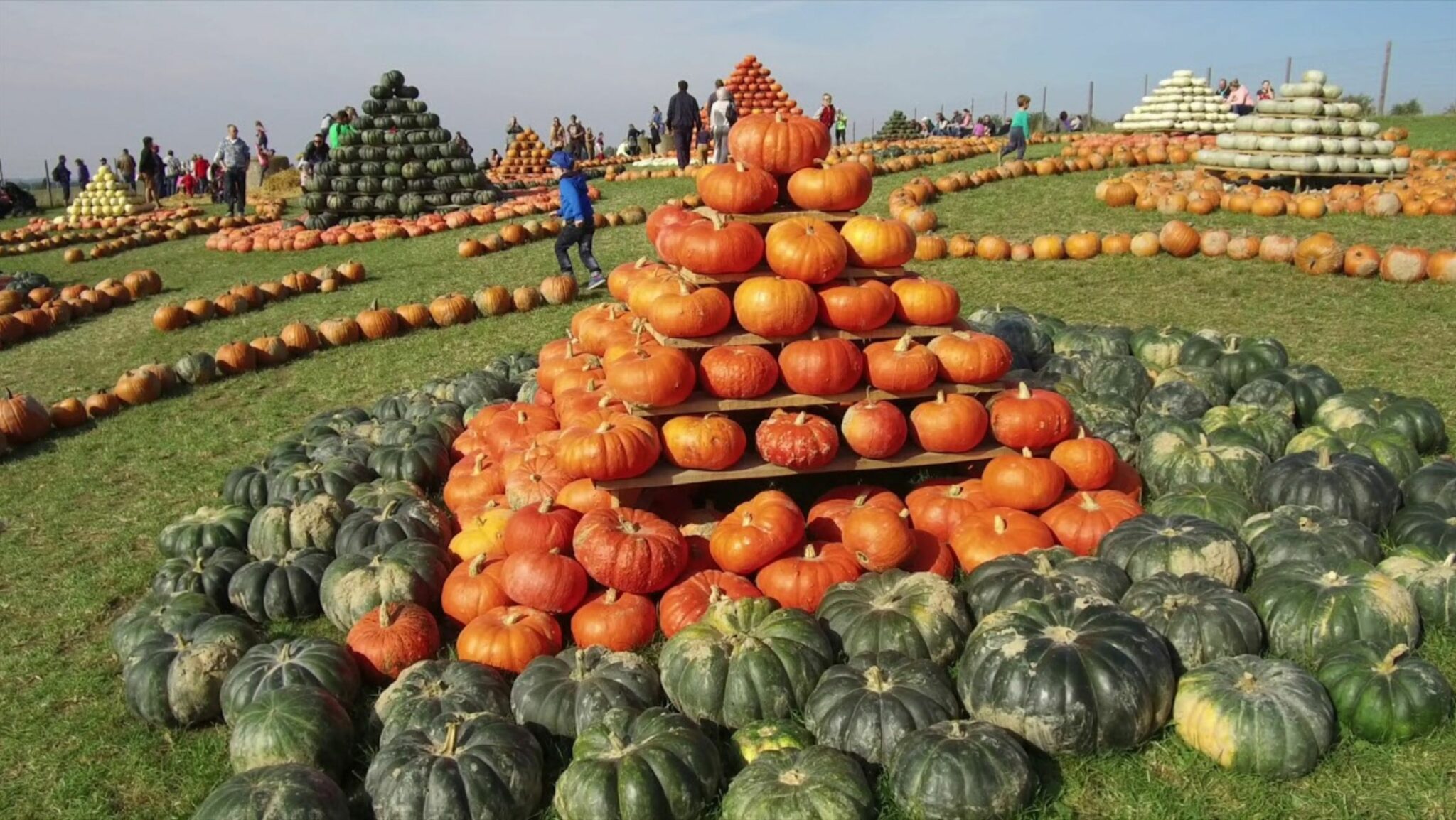
A seasonal amusement park for children, named Pumpkin World (Dýňový svět), will open in the Czech village of Nová Ves u Leštiny on Saturday, September 2o. For adults, there are plenty of pumpkin-based treats on offer: pumpkin soup, pumpkin syrups, and pancakes with pumpkin jam. Entry to the farm is only possible with a reservation, confirmed the co-owner Jaroslava Pipková. “Over the years that our pumpkin farm has been running, interest has grown so much that we couldn’t manage without reservations—there simply wouldn’t be enough space,” she explained. According to Pipková, not only families with children, but also local schools and kindergartens, regularly visit the farm. The number of visitors now reaches into the thousands. The Pipkovi family first opened their “pumpkin world” in 2010. “We decided to try growing pumpkins. It worked, so we started selling them at the market and later here on the farm. But we wanted to add something extra so people had a reason to come, so we created the pumpkin world,” Pipková recalled. The farm’s large garden has since become the stage for this “orange world.” “Over time, word spread, people kept coming, and now we can’t skip a single year,” she said with...
The legendary screening series with English subtitles is launching its 5th season at Prague’s iconic Aero cinema. Since 2019, the project has welcomed more than 7,500 viewers, from curious expats to VIP guests like British ambassador Matt Field or Czech actor and director Jiří Mádl. This year’s opening night on September 25 features The Ride (Jízda) introduced by Janek Rubeš from Honest Guide. Get your tickets here. Started five years ago by three Czech enthusiasts, Some Like It Czech has become a cultural ritual for Prague’s international community. Every month, a hand-picked Czech film is screened with English subtitles and a witty introduction by cultural insiders. The idea? To make sure Czech humor, history, and habits aren’t lost in translation. “Movies are the best shortcut to understanding the Czech soul. We want our audience to get the jokes, the context, the quirks — and to have a great night out,” says one of the organizers Anna Šenfeldová. This crash course in Czech culture kicks off with The Ride, a 90s road movie by Oscar-winning director Jan Svěrák (watch the trailer)— and a personal favorite of Janek Rubeš, who will be at cinema Aero in person to introduce it. Known...
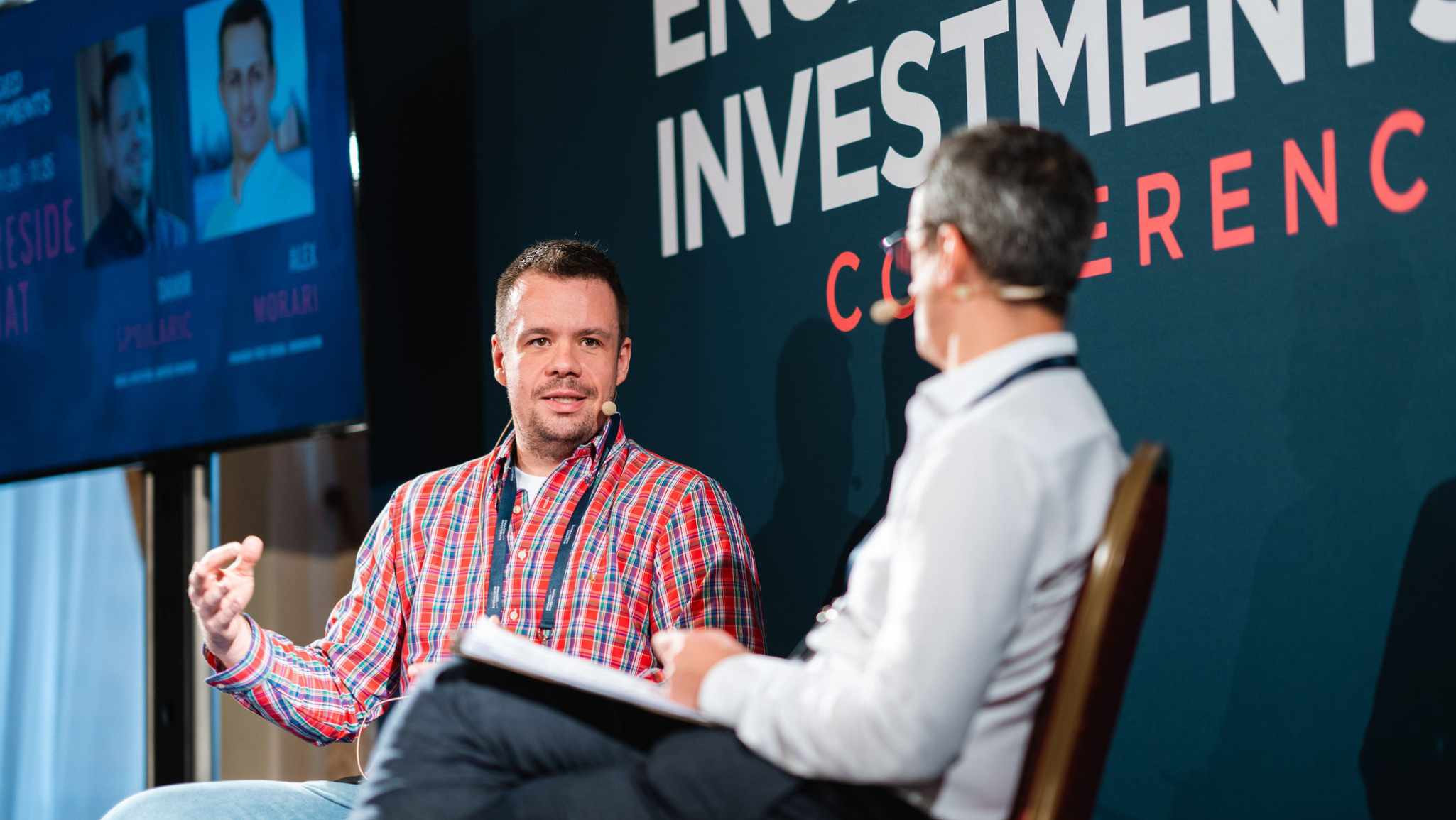
Prague’s National House Vinohrady will host one of Central Europe’s largest startup and investment gatherings this autumn. The Engaged Investments Conference 2025, organized by DEPO Ventures and J&T Ventures, will take place on October 22–23 and bring together hundreds of investors, founders, and innovation leaders from across the continent. The event is part of Czech Startup Week and will focus on critical infrastructure, deep tech, and the future of artificial intelligence. “The mission of Engaged is to foster cross-border startup investments and strengthen the early-stage venture capital ecosystem in Central and Eastern Europe. Last year, we welcomed 400 participants from 20 countries. This year we expect a third more,” said Eliška Vámošová, Director of Engaged Investments. AI, Deep Tech, and Critical Infrastructure The opening day will feature panel discussions on deep tech, defense technologies, AI, and other fields that are reshaping the global venture capital market. On the second day, 50 startups from Central and Eastern Europe, from early angel stage to Series A, will pitch their projects to investors. The day will also be open to all founders eager to connect with potential partners. International and Local Voices Speakers will include Jack Wang of Project A (a €1.2 billion...
On Saturday, September 27, Výstaviště Prague will host the 10th anniversary of Heroes’ Day, an annual event dedicated to civil protection, integrated rescue services, and public safety. The program runs from 11:00 a.m. to 5:00 p.m. across the lower grounds of Výstaviště and Křižík Pavilion B. This year’s highlight is the premiere of the Humanitarian Aid Material Base, presented to the public in full for the first time. The Humanitarian Aid Material Base is a large-scale system designed to provide emergency accommodation, clothing, food, hygiene, medical care, psychosocial support, and other essential services during crises. Its construction is led by the Fire Rescue Service of Prague, in cooperation with the Prague Emergency Medical Service, the Police of the Czech Republic, the Prague Municipal Police, Prague City Hall, and the Czech Red Cross. Visitors can explore the base in two ways: Guided Tour – A one-hour experience for groups of up to 20 people, including access to normally restricted sectors. Open to adults and children aged 10+. Self-Guided Tour – No registration required. Staff will be available to answer questions, and visitors can use printed guides or QR codes for detailed information. Suitable for families with children. Displays of rescue service...
Don’t have an account? Register
Already have an account? Log In
How Would You Like to Promote Your Business? PR ArticleDisplay bannersVideo productionNewsletter adsJob ListingsInfluencer Marketing
Your Email
We will come back to you within 24 hours with our proporsal