Despite a rise in available jobs, the Czech Republic’s unemployment rate remained unchanged at 4.3% in April, signaling structural mismatches in the labor market. The unemployment rate in the Czech Republic stayed at 4.3% in April, the same as in March, according to data released by the Czech Labour Office (Úřad práce ČR) on Monday. While the overall number of people without work fell slightly, the labor market remains under pressure from sectoral imbalances and low demand in key industries. By the end of April, 318,540 people were officially unemployed, down by about 3,600 compared to the previous month. However, the number of registered job vacancies increased by 4,046 to 95,798. Compared to April 2023, the unemployment rate has risen by 0.6 percentage points, up from 3.7%. Economists had predicted that unemployment would drop slightly due to seasonal hiring in agriculture and construction. Instead, stagnation in other sectors, especially manufacturing, appears to have offset those gains. Regional Disparities Persist The Ústí nad Labem Region reported the highest unemployment rate in April at 6.6%, followed by the Moravian-Silesian Region (6%) and the Karlovy Vary Region (5.4%). On the opposite end, Prague recorded just 3.1% unemployment. While unemployment rose slightly—by 0.1 percentage...
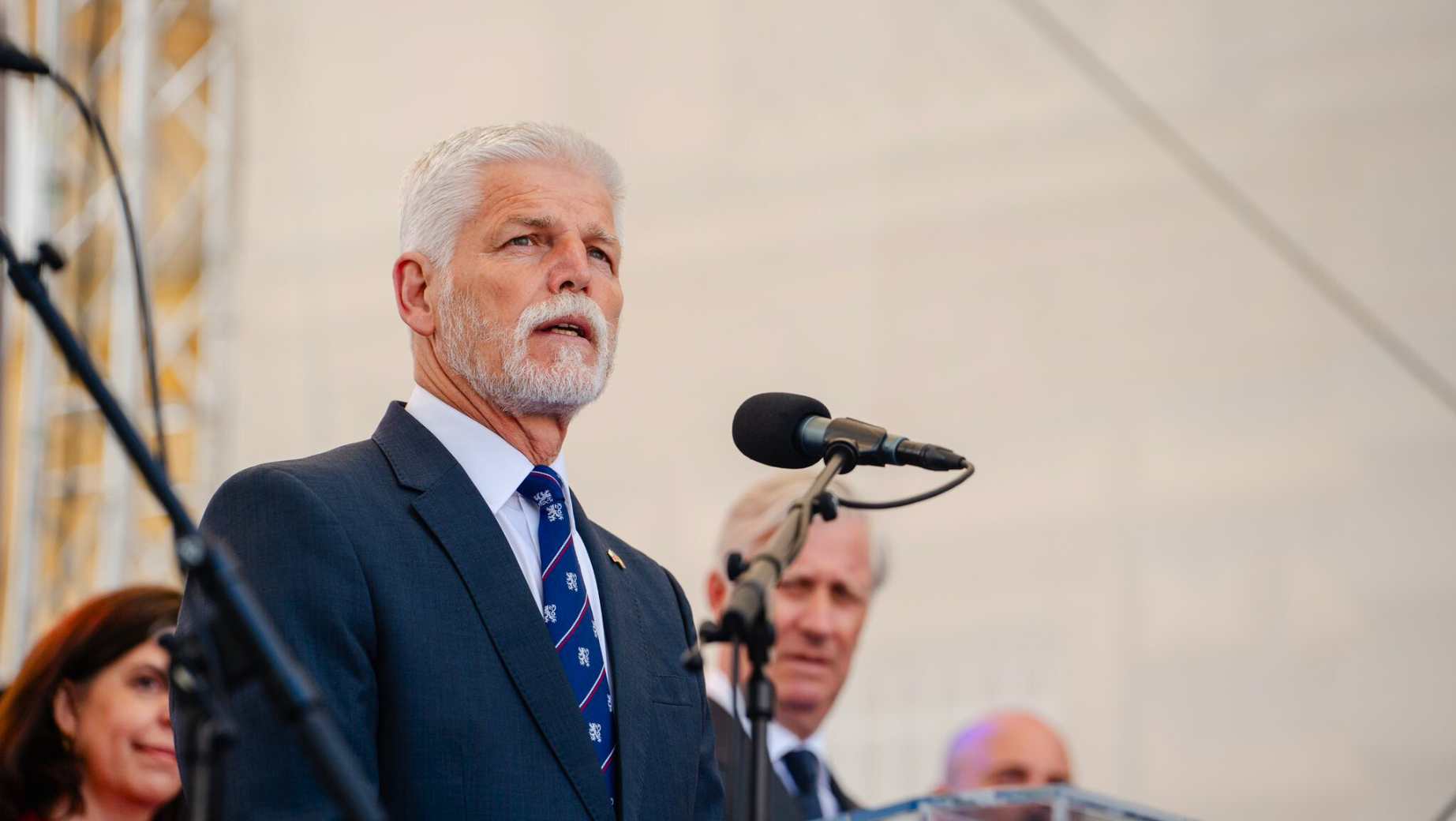
Czech President Petr Pavel used an address on VE Day to remember all soldiers who died in the Second World War, including Soviet troops, but insisted that Russia’s history does not excuse its modern-day aggression, comparing its recent behavior to Nazi Germany. Ahead of a commemorative concert marking the 80th anniversary of the end of the Second World War, Czech President Petr Pavel warned that modern-day Russia is displaying behavior reminiscent of Nazi Germany and called on citizens to vote for parties committed to national and democratic security. “Unfortunately, today’s Russia behaves in some respects as Nazi Germany once did,” Pavel said on Thursday. “It does not respect international law, it respects the right of the strongest, it has invaded a sovereign country and has been waging an aggressive war for more than three years,” referencing Russia’s invasion of Ukraine. Pavel also paid tribute to those who fought against fascism and imperial aggression during the Second World War, including Soviet soldiers, but emphasized that honoring their sacrifice does not extend to defending the present-day Russian regime. “It does not mean respect for today’s Russia at all,” he said. In a message posted to social media earlier in the day, Pavel...
In the second half of last year, the Czech Republic recorded the highest household electricity prices in the entire European Union, when adjusted for purchasing power. This comes from new data released by Eurostat on Tuesday. Using Purchasing Power Standards (PPS) – a metric that levels out price differences between countries – Eurostat calculated that Czech households paid 41 PPS per 100 kilowatt hours of electricity. That figure was the highest in the EU, followed by Cyprus (35.70 PPS) and Germany (35.23 PPS). PPS is used to ensure a fair comparison between countries by accounting for local income levels and cost structures. This approach shows the real burden of electricity prices on households, not just nominal costs. At the opposite end of the spectrum, Malta reported the lowest electricity price for households at 14.33 PPS per 100 kWh, followed by Luxembourg (15.39 PPS) and Hungary (15.45 PPS). Electricity Prices Rise 11.8% in Czechia Year-on-Year Alongside having the highest adjusted prices, the Czech Republic also saw the second-steepest year-on-year increase in electricity costs, with prices rising 11.8% in the second half of 2023. Only Portugal experienced a greater jump, at 14.7%. According to Eurostat, the rise is attributed to higher grid...
Forget everything you know about traditional business conferences. No stiff suits, no stale coffee, no sterile hotel ballrooms. On June 11, 2025, Holešovice Market in Prague will transform into a high-energy hub of ideas, ambition, and connection as Forbes Czech Republic launches the country’s largest-ever business festival. For the first time, a business event with a festival feel—already popular abroad—is landing in Czechia. Instead of stiff schedules and formal panels, the day promises lively talks, casual networking, and a setup that feels more like a summer festival than a traditional conference. Set across four themed stages – Legendary, Forbes 30 Under 30, Longevity, and People & Work – the event promises an entire day of inspiration and engagement. More than 120 speakers and around 3,000 participants are expected to take part—including CEOs, founders, and up-and-coming voices from across the business world. The event aims to create space for real conversations and informal connections, far from the usual conference routine. “There are already too many soulless conferences where people count the minutes until the coffee break,” said a Forbes Czech Republic spokesperson. “This is about energy, real dialogue, and creating a space where big ideas feel at home.” Beyond the main...
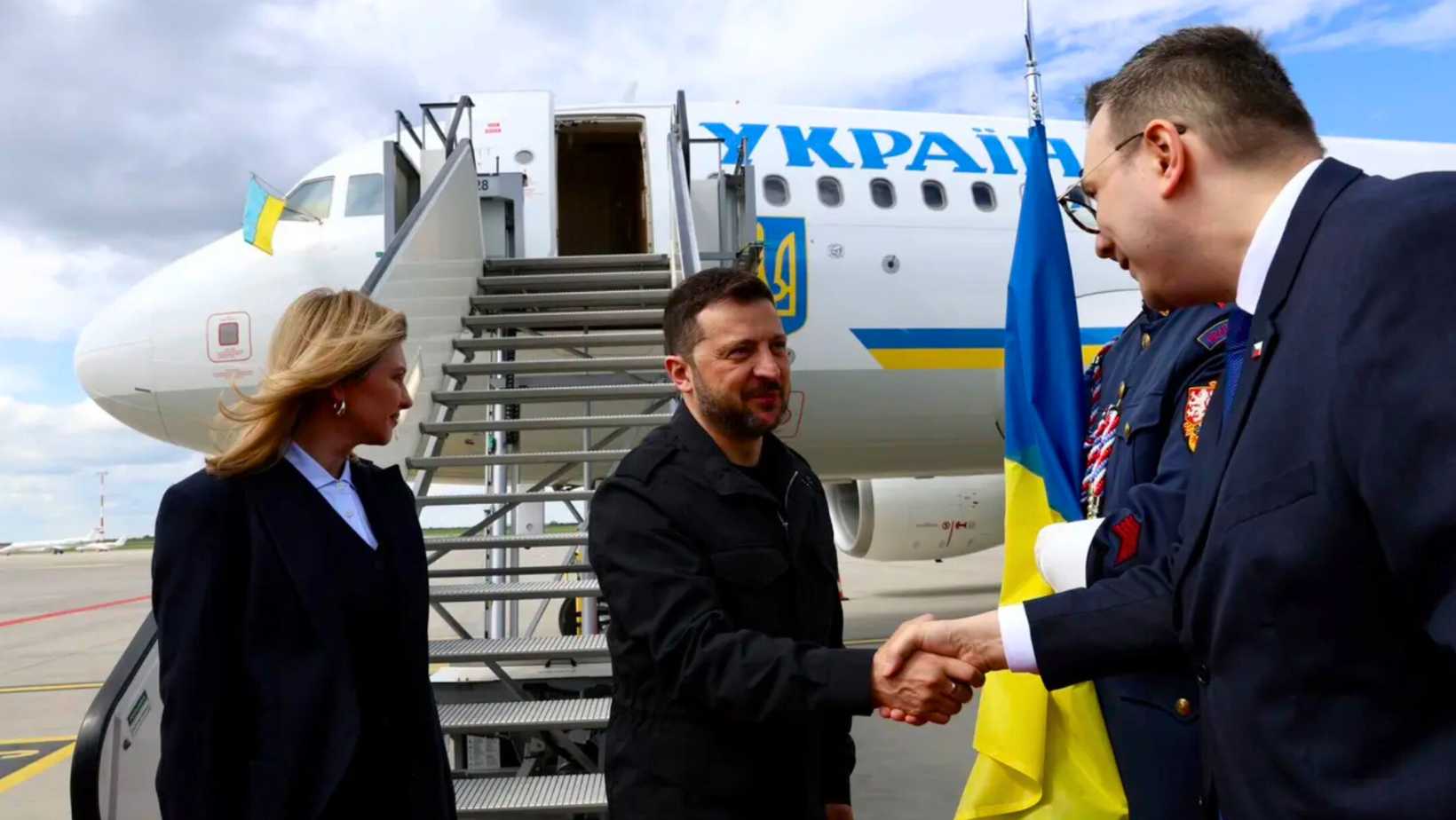
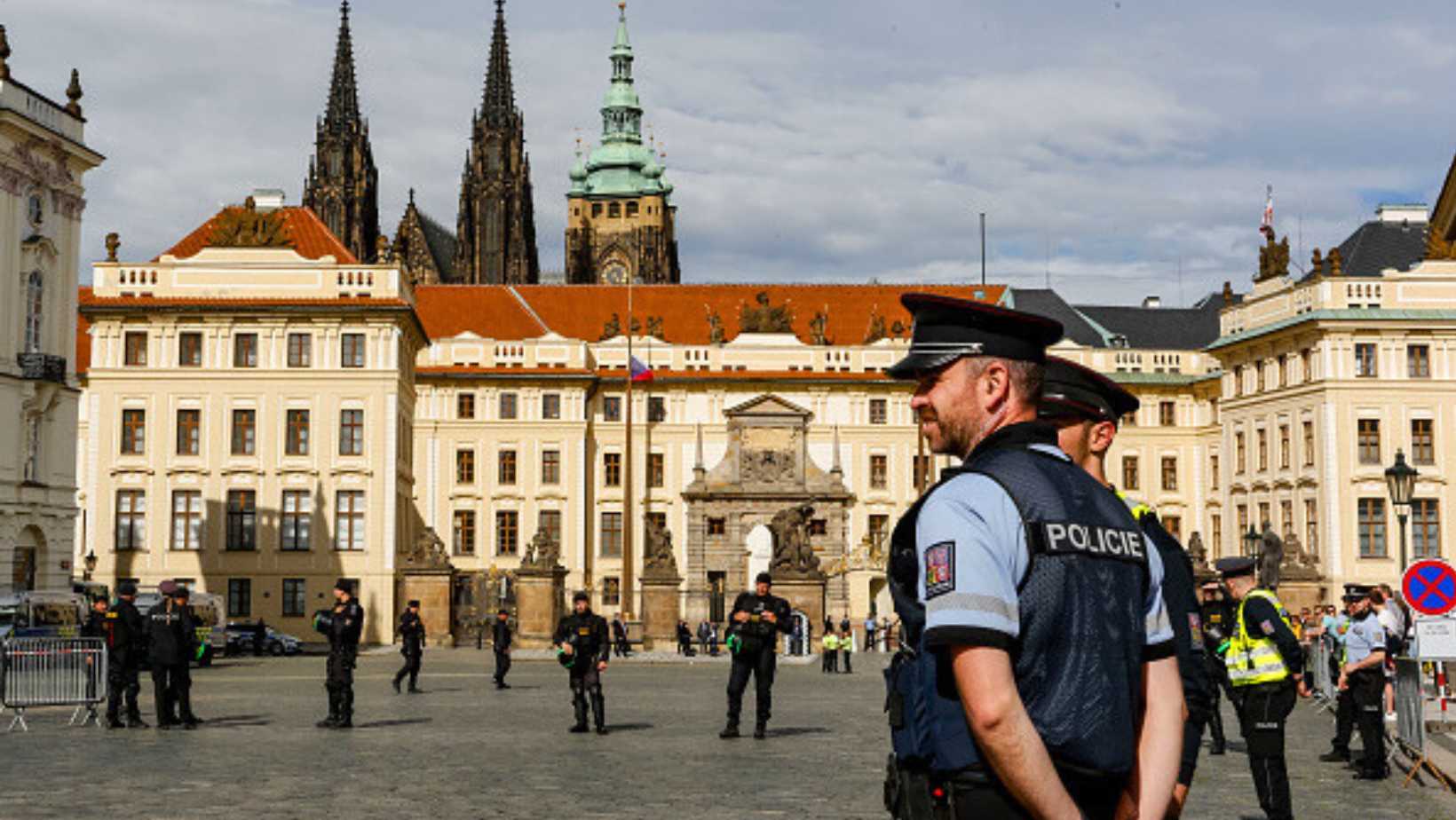
Ukrainian President Volodymyr Zelensky is back in Prague today. His arrival has led to the closure of Prague Castle and extra police patrols across the area. Czech President Petr Pavel is expected to meet with Zelensky during the visit. Zelensky last visited Prague in July 2023, during his first trip abroad after the war in Ukraine began. That visit was also kept quiet until the last minute for security reasons — and this one is no different. Prague Castle is shut to the public from 11:00 a.m. to 4:30 p.m. All ticket offices, gardens, museums, and visitor centers are closed for the entire day. Zelensky is expected to meet not only with President Pavel but also with Prime Minister Petr Fiala and Foreign Minister Jan Lipavský. His wife, Olena Zelenska, is also in Prague with her own separate schedule. According to Czech Radio’s Radiožurnál, all signs point to Zelensky arriving today, though no official confirmation has been given. Police spokesperson Ondřej Moravčík said the visit would not affect weekend traffic but gave no further details. The Castle will partially reopen after 4:30 p.m., but parts of the first and second courtyards will stay closed, said Castle spokesman Vojtěch Šeliga. During...
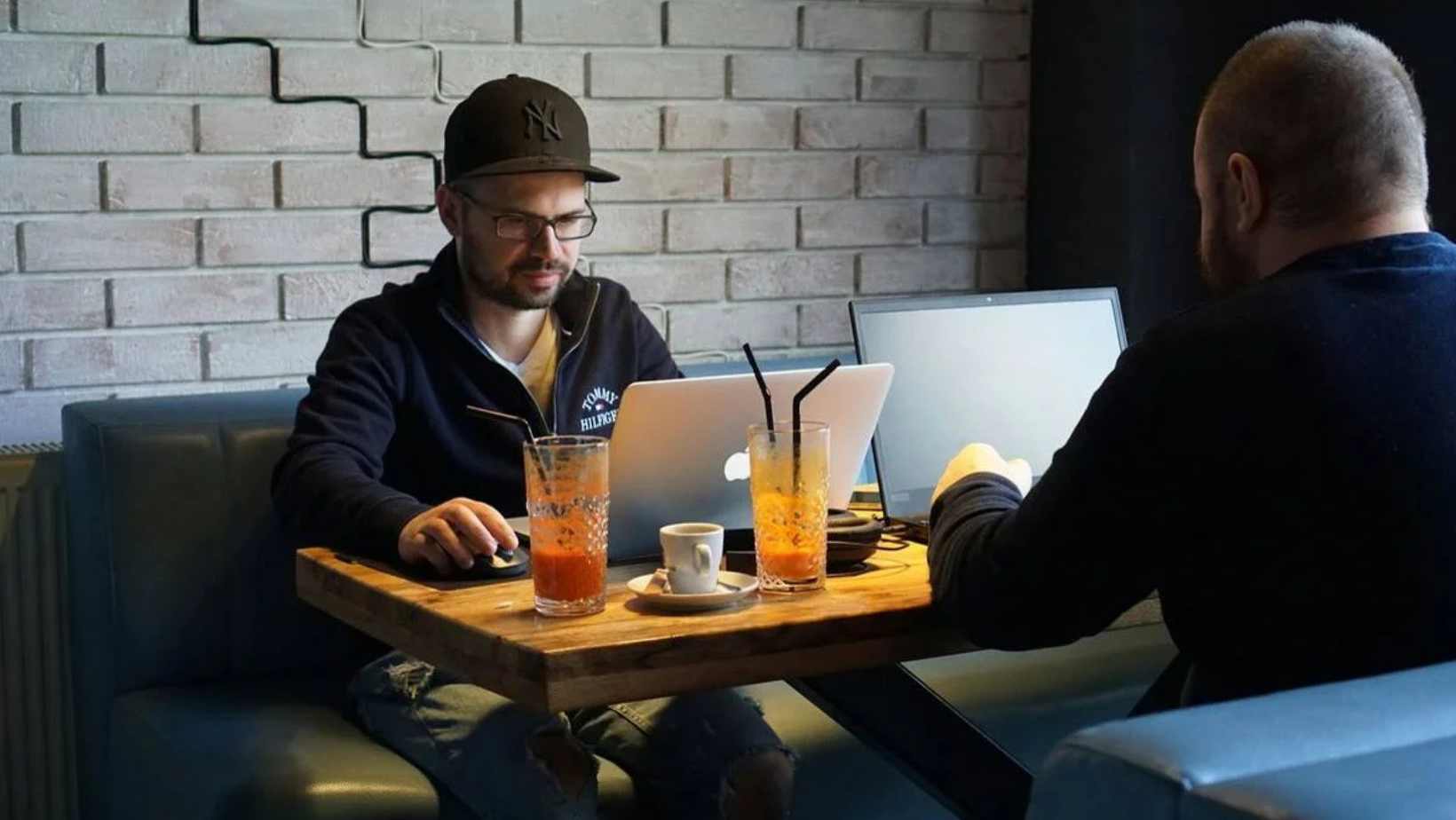
YouTubers and influencers in the Czech Republic who earn over CZK 50,000 a year and reach a large audience will now be required to register with the country’s media watchdog. The Radio and Television Broadcasting Council (RRTV) announced the new rules following its meeting on Thursday. According to the updated interpretation, content creators who publish at least 52 videos per year on one platform, achieve a minimum of 500,000 views annually, and earn more than CZK 50,000 from their online content must register with RRTV. The council says this requirement applies only to creators whose content serves the general public with the purpose of informing, entertaining, or educating, and whose activity is comparable in reach to television broadcasting. The rule does not apply to schools, cultural institutions, or other non-commercial entities. Institutions such as museums, libraries, theaters, or public administration bodies are generally considered exempt, as they do not operate with a commercial objective. The requirement to register was originally introduced last autumn in connection with the EU Audiovisual Media Services Directive, which aims to enhance child protection online and set consistent rules for commercial content across member states. RRTV stated that the registration requirement is part of aligning Czech...
The Czech Republic is taking concrete steps to support its growing startup ecosystem with the introduction of a new startup law. This initiative, driven by the Ministry of Industry and Trade, seeks to address several challenges faced by emerging businesses, from financing gaps to regulatory obstacles, and aims to establish a clearer framework to help startups thrive. Drawing inspiration from Spain’s successful model, which has been in place since 2022, the Czech government hopes to bring about similar growth. Deputy Minister of Industry and Trade, Štěpán Hofman, highlighted that one of the key goals is to define what exactly constitutes a startup. By doing so, the state will be able to implement tailored conditions to promote faster growth, increase investments, and improve the long-term chances of success. “We are considering allowing pension funds to enter into risky investments, such as start-ups,” Hofman explained. This would address the frequent financing gap that hinders startup growth in the country. Addressing Employment and Bureaucratic Challenges Another significant aspect of the law is its focus on improving employment and bureaucratic conditions. Current employment practices and invoicing regulations are often seen as inadequate for startups, sometimes even encouraging informal labor practices. The new legislation aims...
In growing frustration with the government, parts of the Czech police force are preparing for mass resignations on July 1, citing critical conditions that have worsened under the current administration, according to a report by Echo24. Martin Červenka, vice chairman of the Trade Union of Security Forces and commander of the Písek Police, stated in an interview with CNN Prima News that the security forces have been treated as political toys in the run-up to the elections. “Politicians do not perceive the extreme urgency of the situation. The elections are approaching, so there will be promises of what will be done after them. No one will deal with the fact that we cannot wait a day in the security forces,” he said. According to Červenka, the government has taken the situation from a “very serious” to an “extremely critical” state in just one election cycle. Červenka reported that one group of officers plans to resign en masse on July 1, while another group is considering going on sick leave to address “health ailments,” a tactic previously used by police forces in Poland. “I’m terribly sorry and angry, but I completely understand them,” Červenka said, expressing regret but also support for their...
Czechia had delivered another 400,000 rounds of large-callibre ammunition to Ukraine by the end of April through its international initiative, Defence Minister Jana Černochová announced in Czech Television’s debate programme on Sunday. Funding for the programme is secured until the autumn, she added. The Czech Republic has so far invested one billion crowns in the initiative. Last year, with the support of its allies, it supplied Ukraine with approximately 1.5 million pieces of artillery ammunition of various calibres. Černochová confirmed that one billion crowns had been allocated from the state budget but declined to provide additional details, citing security concerns related to military intelligence. According to Černochová, new countries are joining the Czech ammunition initiative, with Belgium among those pledging participation. Czech Foreign Minister Jan Lipavský had earlier said Canada, Norway, Denmark, and the Netherlands provided new funding to support the effort. Lipavský stated that the initiative significantly reduced Russia’s artillery advantage in Ukraine. The Czech Republic aims to supply Ukraine with 125,000 rounds monthly throughout 2025. When asked whether this year’s delivery totals will exceed last year’s figures, Černochová said she preferred not to tie herself to specific numbers. She stressed that the initiative’s future will depend heavily on...
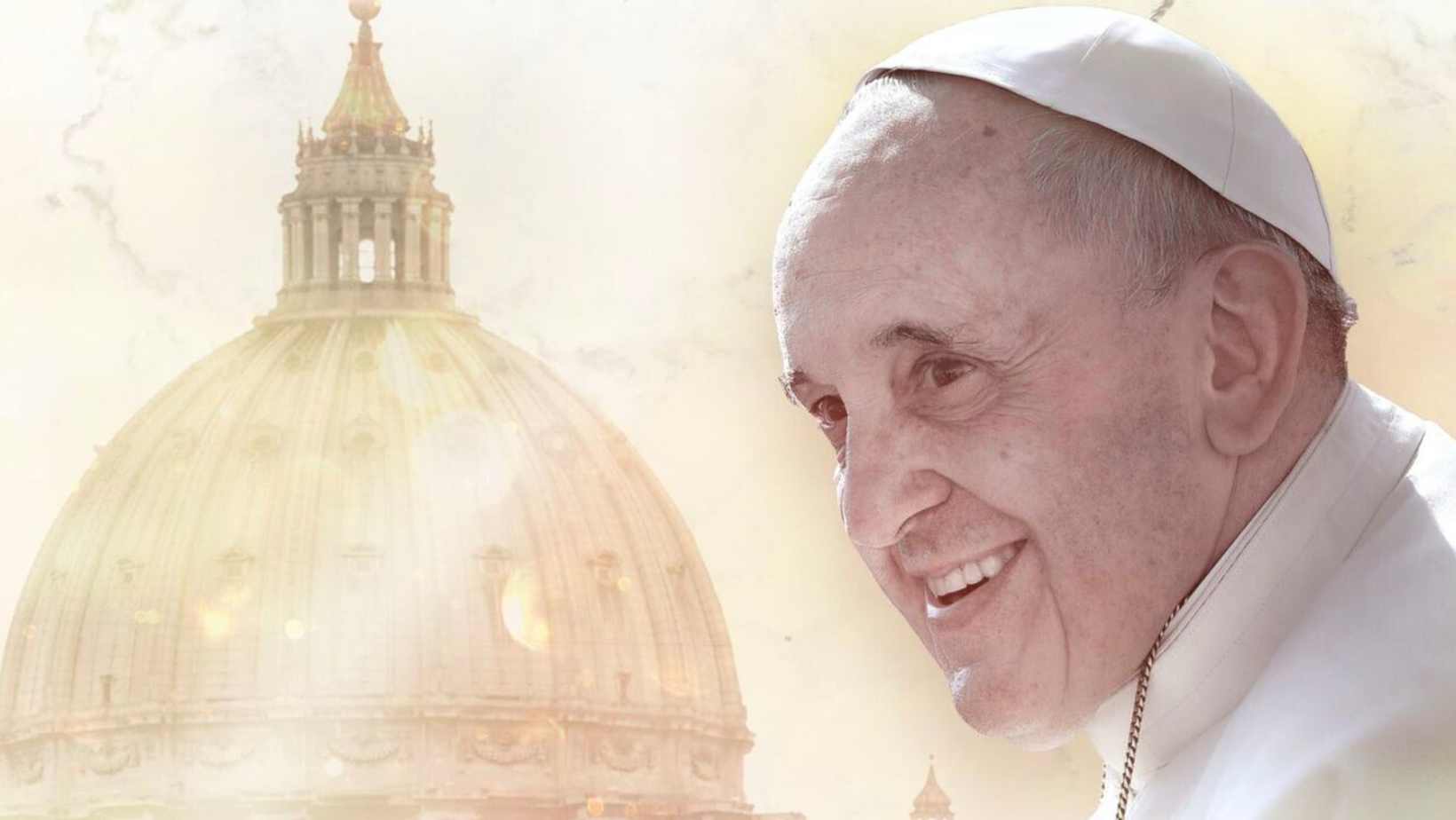
Czech political leaders expressed deep respect and condolences following the death of Pope Francis, who passed away Monday morning at the age of 88. Across the political spectrum, tributes highlighted his humility, compassion, and efforts to modernize the Catholic Church for the 21st century. “He was a man of deep faith who worked tirelessly to reshape the Church so it could better fulfill its mission in today’s world,” said Prime Minister Petr Fiala (ODS), who met Francis in June 2022 at the Apostolic Palace in the Vatican. “He showed concern for those facing injustice and radiated humanity and humility.” Foreign Minister Jan Lipavský echoed that sentiment, calling Francis “a voice of compassion, justice, and hope in a troubled world.” He added: “My sincere condolences to the faithful and to all who were inspired by his words and actions. Honor to his memory.” Minister for European Affairs Martin Dvořák (STAN) praised Francis for trying to guide the Catholic Church into the modern era with integrity. “He honestly sought to ensure the Church entered the 21st century with dignity,” he said. Andrej Babiš, leader of the opposition ANO movement, remembered Francis as a symbol of humility and unity. “I admired his effort...
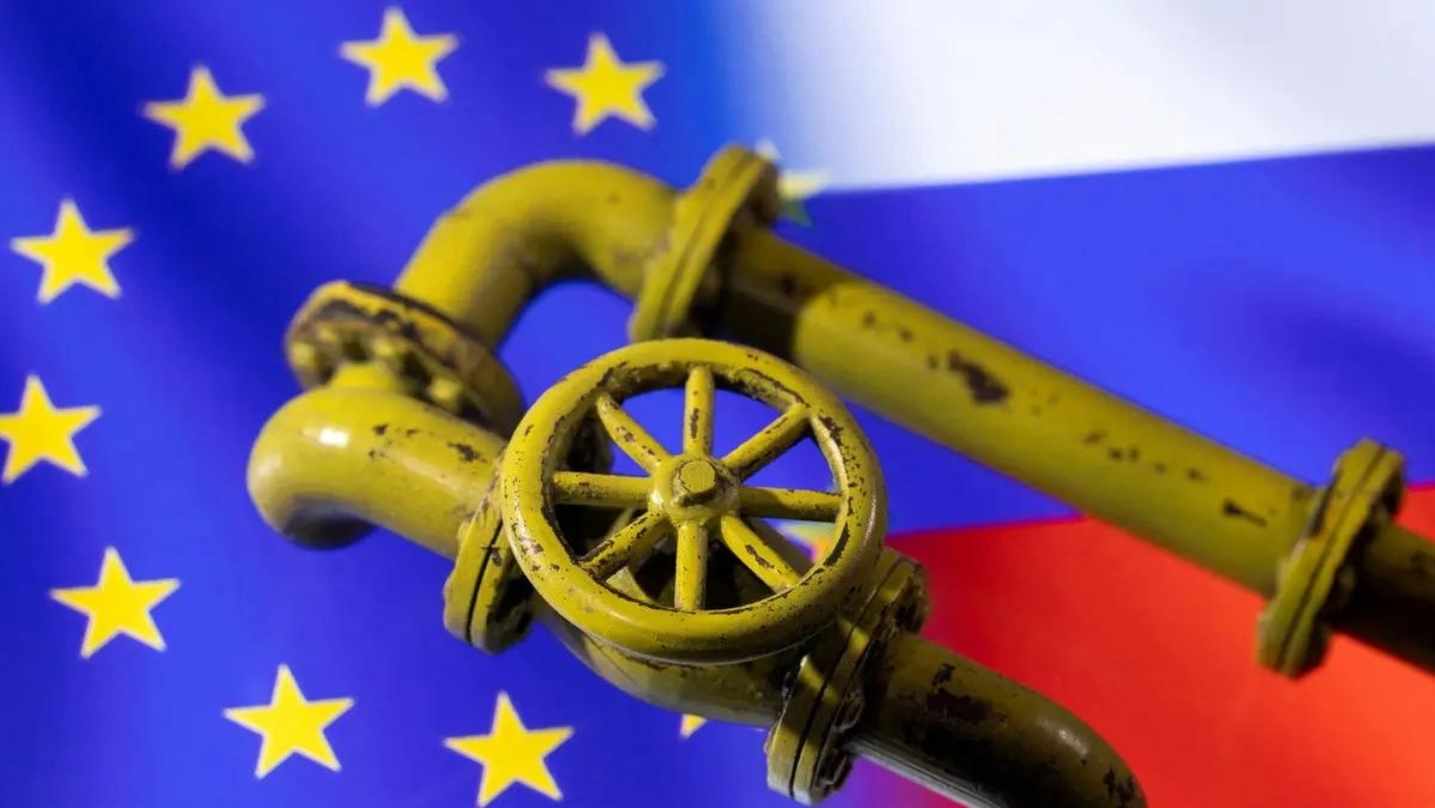
For the first time in more than 60 years, oil from Russia will no longer flow into the Czech Republic. Instead, the country has officially completed its transition to the Western TAL oil pipeline, making it fully independent from Russian crude. The first increased delivery of non-Russian oil has successfully arrived from a tank farm in Trieste, Italy, to the Central Oil Tank Farm in Nelahozeves, where it will continue on to the Litvínov refinery. The announcement was made Thursday by Prime Minister Petr Fiala, Finance Minister Zbyněk Stanjura, and Jaroslav Pantůček, General Director of MERO ČR, the state-owned company managing oil transit infrastructure. “We’ve taken another important step towards energy independence,” said Prime Minister Fiala during a press conference in Nelahozeves. Thanks to the expanded pipeline, the Czech Republic can now receive up to eight million tons of oil per year through Western routes—enough to meet the full demand of local refineries. “This is the first time we’re using the increased capacity of the TAL pipeline under live operations,” said Pantůček. “The oil arrived yesterday from Trieste, and this afternoon, MERO ČR will begin transporting it to its owner, Orlen Unipetrol, for processing in Litvínov.” The move follows a...
At first glance, it sounds like progress paused. This year’s Equal Pay Day in the Czech Republic fell on March 25, marking the 65th day into the year — a symbolic reminder of how much longer women must work to earn what men made in 2024 alone. That figure translates into an 18% gender pay gap, one of the widest in the European Union. The issue took center stage last month at the Equal Pay Day 2025 Conference in Prague, hosted by Business & Professional Women CR (BPWCR), an organization that has long been at the forefront of gender equality advocacy. The event gathered corporate leaders, policymakers, and researchers to confront a familiar but stubborn reality: Czech women continue to earn less — even when qualifications and roles are the same. The next event will be on 26. and 27. March, 2026. Here is the link to buy tickets. A Reversal in Progress The pay gap had narrowed in previous years, dipping to 15% in 2021, thanks in part to government interventions like minimum wage hikes and targeted raises in female-dominated fields such as education and healthcare. But those improvements, experts warn, were short-lived — temporary fixes rather than structural...
Don’t have an account? Register
Already have an account? Log In
How Would You Like to Promote Your Business? PR ArticleDisplay bannersVideo productionNewsletter adsJob ListingsInfluencer Marketing
Your Email
We will come back to you within 24 hours with our proporsal