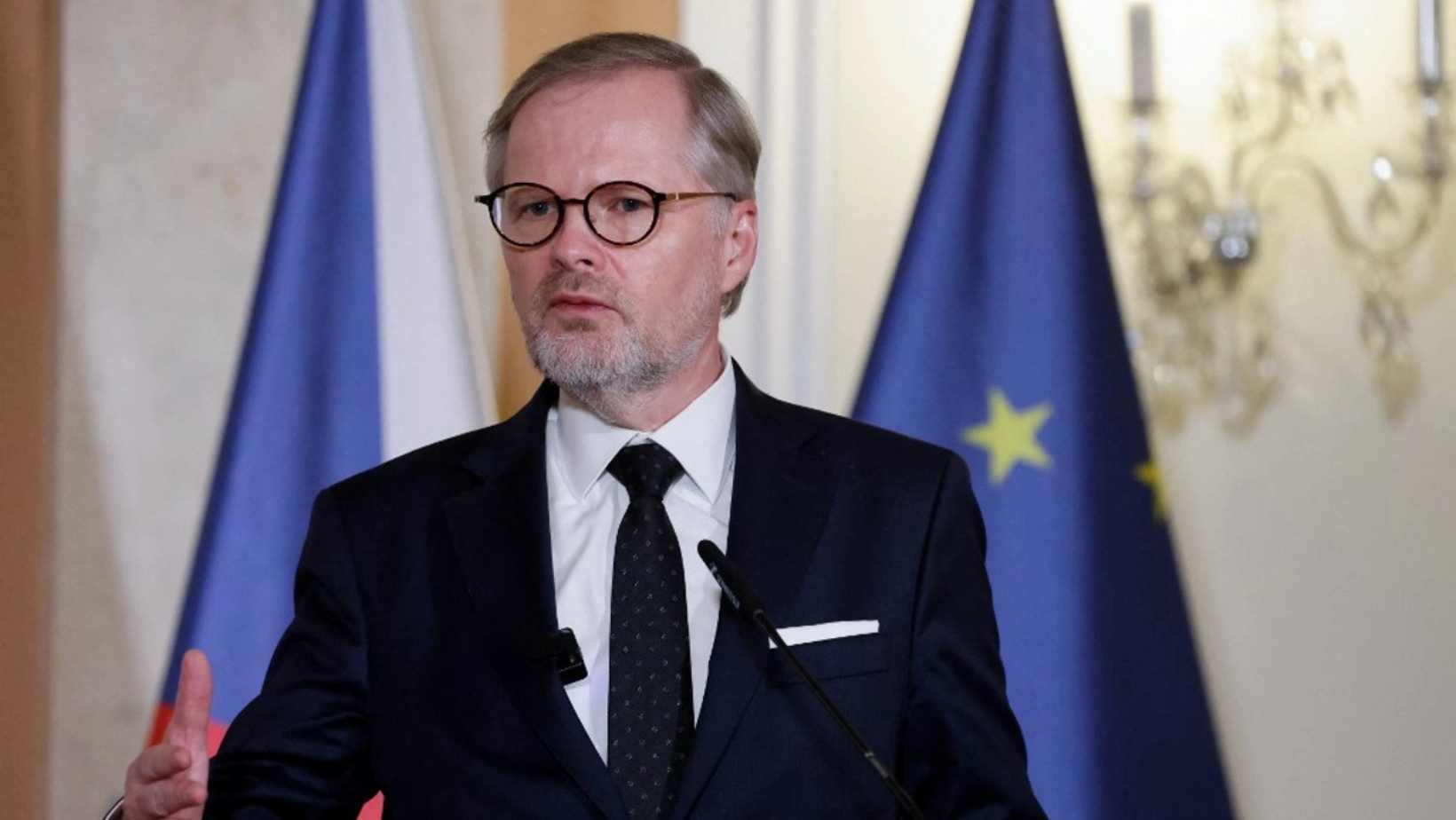
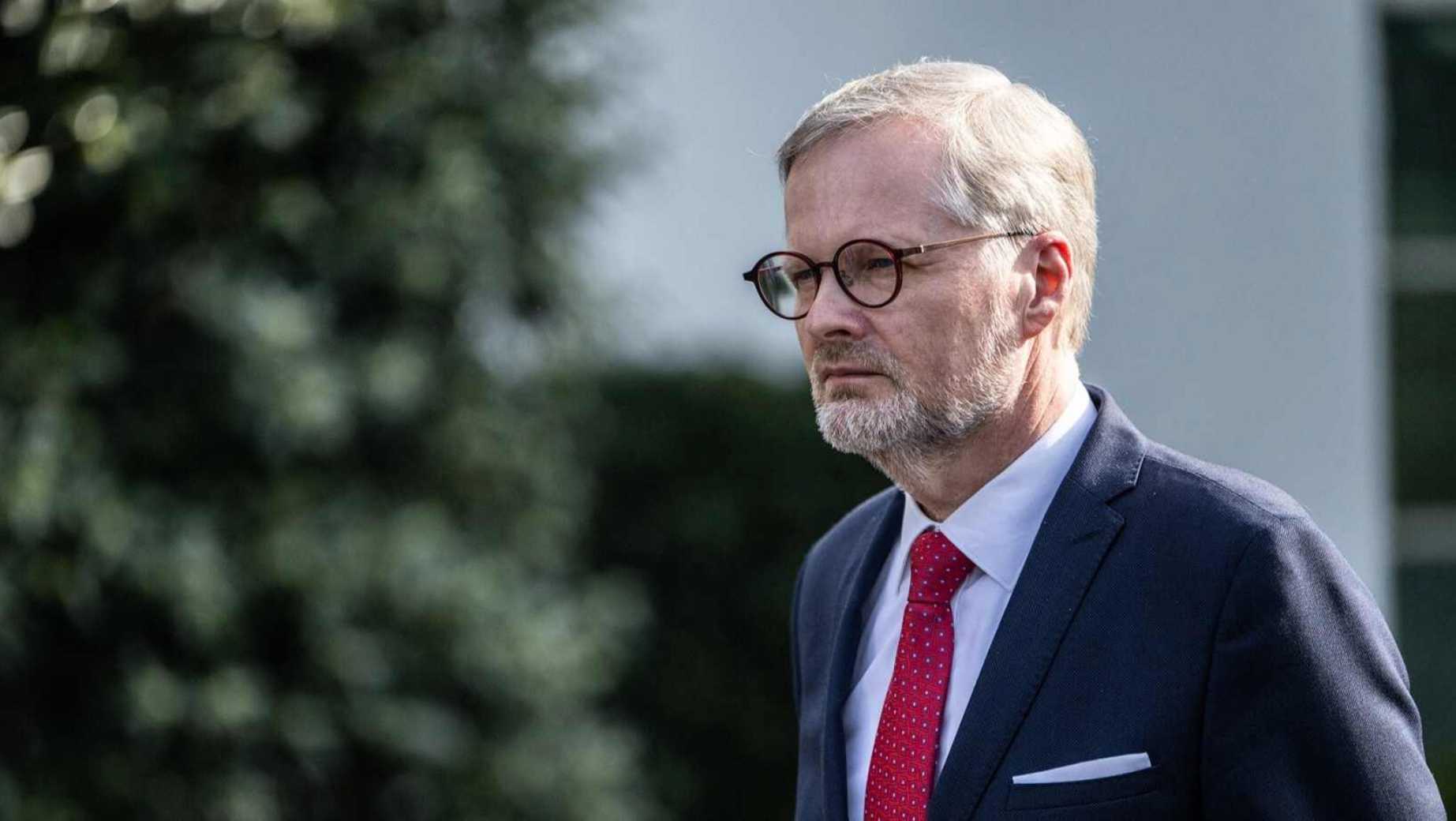
According to the Prime Minister and the latest economic index, Czechia is flourishing, even as Poland and Romania begin to close the gap. According to data released by the Prosperity and Financial Health Index, Czechia now boasts the ninth healthiest economy in the European Union. GDP and consumer spending are on the rise, inflation has been tamed, debt levels remain stable, and Czech companies are steadily returning to domestic ownership. While such progress might prompt celebrations and counter the narrative of an imminent takeover by Asian economies, there’s an important caveat: even though GDP and consumption are increasing, our pace is slow compared to other nations, where growth is notably swifter. “Czechia is doing well. Both GDP and consumer spending are growing,” Prime Minister Petr Fiala stated on the FLOW program. His remarks were meant to boost the morale of citizens—many of whom, he believes, are reluctant to spend due to a gloomy outlook. He also dismissed claims that the government’s consolidation measures have squeezed the budgets of low-income households. In fact, real wages are rising, and the government recently reduced the VAT rate on food from 15% to 12%, a welcome move given that groceries are the largest expense...
Shoppers in the Czech Republic are feeling the strain of yet another rise in food prices, even as overall inflation has eased. While the country’s inflation rate dipped to 2.8%, grocery bills continue to climb, with the cost of everyday essentials seeing sharp increases since the start of the year. Data from the Czech Statistical Office shows food prices have jumped nearly 5% compared to last January. The rise is particularly steep in dairy products, with butter now selling for 61 crowns per package, up from 44 crowns a year ago—a 40.5% increase. Eggs have also become noticeably more expensive, surging 24.6%, while meat prices across all categories are up as much as 10%. Agricultural analyst Petr Havel notes that while food prices are still rising, the hikes are less severe than in previous years. He attributes the recent increase in meat and egg prices partly to stricter animal welfare regulations, including the ongoing phase-out of cage farming. Not all products are getting more expensive. Potato and sugar prices have fallen by more than 20%, thanks to a current sugar surplus. However, vegetable prices are expected to keep rising until April due to seasonal factors. Barring any major disruptions, overall...
The Czech Chamber of Deputies voted to lift the immunity of Freedom and Democracy Party leader Tomio Okamura, allowing police to proceed with criminal charges related to his party’s controversial election posters. Okamura is suspected of inciting hatred and discrimination. In the runup to last year’s elections to the European Parliament, the SPD billboards sparked controversy. One targeting the EU migration pact featured a man with dark skin wielding a bloody knife and wearing a bloody shirt along with the message: “Deficiencies in health care can’t be solved by importing ‘surgeons’. ‘Stop the EU Migration Pact!’” The SPD chair claims the ad was “truthful” and a reaction to Government moves which he believes will mean migrants will start “flooding” the Czech Republic. He also said he considers the affair to be an attack on freedom of speech and an attempt to silence him. Because one report of a crime was filed against the ad by a TOP 09 politician, Jiří Pospíšil, Okamura said it was an attempt to “criminalize” the opposition. Another SPD ad in last year’s campaign featured a graphic of two Romani boys smoking cigarettes. Artificial intelligence had obviously been used to generate the image. The message read:...
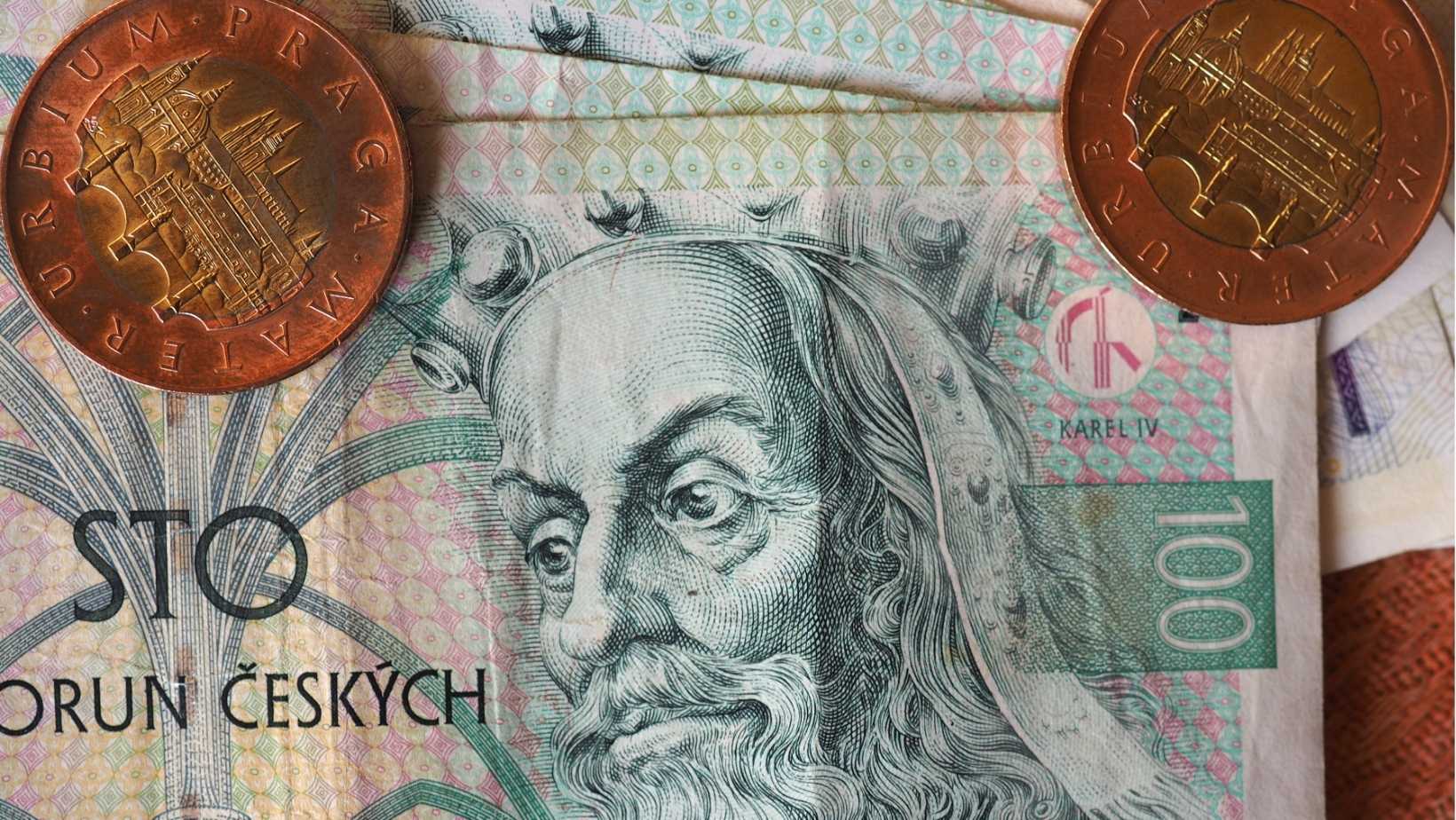
The Czech Statistical Office confirmed that inflation in January was 2.8%, mainly driven by rising food prices. Consumer prices rose 2.8% year-on-year in January, slightly lower than in December. Prices also increased 1.3% compared to the previous month, mainly due to higher costs in food, alcohol, and tobacco. December’s Christmas discounts had temporarily slowed inflation, but food prices are now rising again. At the end of last year, agricultural producer prices jumped 8.1%, adding pressure on food costs. Compared to last year, food prices were almost 5% higher, while housing prices grew more slowly, up 1.3%. Prices of goods increased 1.7%, while services became 4.7% more expensive. The cost of rent also rose, driven by higher property prices. Despite some price relief in services, inflation remains high, particularly in the food sector. The Czech National Bank (CNB) is expected to continue cutting interest rates, but only at meetings when new forecasts are released. The next cut is likely in May, with the final one in August, bringing rates down to 3.25%. Inflation is expected to rise slightly to 2.7% this year, possibly exceeding 3% in the middle and later months. The CNB forecasts inflation to average 2.4%, but food prices...
Tech billionaire Elon Musk on February 9 called for shutting down U.S.-funded media outlets Radio Free Europe and Voice of America. Responding to comments by U.S. Special Presidential Envoy for Special Missions Richard Grenell, Musk wrote on X: “Yes, shut them down. Europe is free now (not counting stifling bureaucracy). Nobody listens to them anymore. It’s just radical left crazy people talking to themselves while torching $1B/year of US taxpayer money.” “Radio Free Europe and Voice of America are media outlets paid for by the American taxpayers. It is state-owned media. These outlets are filled with far left activists,” Grenell reportedly said on Feb. 9. “I’ve worked with these reporters for decades. It’s a relic of the past. We don’t need government paid media outlets.” Both Elon Musk and Richard Grenell have voiced strong opposition to government funding of media organizations, arguing that taxpayer money should not be used to support these outlets. Musk, as head of the Department of Government Efficiency (DOGE), has criticized federal payments to media organizations like Politico, the Associated Press, and The New York Times, deeming them inefficient uses of taxpayer funds and moving to eliminate them. Similarly, Grenell, as Trump’s special mission envoy, has publicly condemned government...
The Czech Republic’s consumer price inflation eased less-than-expected in January after rising to a 1-year high in the previous month, flash data from the Czech Statistical Office showed on Thursday. Consumer prices climbed 2.8 percent year-over-year in January, slower than the 3.0 percent rise in December. The expected inflation rate was 2.6 percent. Energy prices, including automotive fuels, decreased 2.4 percent from last year, which was largely attributed to the slowdown in inflation. Inflation based on services slowed to 4.7 percent from 5.0 percent. On the other hand, the annual price growth in food, alcohol, and tobacco accelerated to 4.8 percent from 2.7 percent. On a monthly basis, consumer prices moved up 1.3 percent. Final data will be published by the Czech Statistical Office on February 12. Would you like us to write about your business? Find out more
The Czech Senate has passed a law that effectively bars Russian nationals from obtaining Czech citizenship. The legislation, titled Lex Ukraine, primarily focuses on extending temporary protections for Ukrainian refugees, with provisions targeting citizenship for Russians included as amendments. Under the new law, applications for Czech citizenship from Russian nationals will only be considered after the Russia-Ukraine war ends. The law also requires Russian citizens to renounce their Russian citizenship before becoming Czech citizens. All pending citizenship applications from Russians will be frozen. Exceptions are made for minors, asylum seekers, and opponents of the Russian regime. However, the law does not clarify how Russians seeking citizenship must prove their status as dissidents. The legislation also introduces criminal penalties for “unauthorized cooperation with a foreign state,” a provision critics argue could be used for political repression. The law was supported by only 21 of the Senate’s 73 members. However, since dissenting senators did not propose amendments, the legislation is considered approved. It now awaits the president’s signature, which is expected to be a formality given his earlier comments that he is not opposed to the measure. Human rights advocates and members of the Russian community in the Czech Republic have criticized...
58% of Czechs disagree with the government’s policy to support Ukraine, claims a new survey. Czech interest in the ongoing war in Ukraine has declined as public disapproval of the government’s policy of supporting Kyiv grows, local media reported on Wednesday. According to a survey conducted by the Centre for Public Opinion Research (CVVM), 43% of people expressed interest in supporting Ukraine in the ongoing war with Russia in the last quarter of 2024, a 14% decrease from the beginning of last year. Meanwhile, disapproval of the Czech government’s actions in support of Ukraine has grown to 58%, the highest level since the beginning of the Russian war on Feb. 22, 2022. According to the survey, interest in Ukrainian developments has grown significantly in tandem with a growing interest in politics in general and, to a lesser extent, with increasing educational attainment or even age. The survey also highlights attitudes toward international responses to the conflict. Nearly three-quarters of respondents (73%) believe that the global community should apply diplomatic pressure on Russia. Additionally, 49% support isolating Russia politically and economically, 45% back financial aid to Ukraine, and 42% agree with providing military equipment. However, only 11% of Czechs would endorse...
Andrej Babiš, leader of the ANO movement, told Echo24 that if he is elected to government, he intends to implement a 100% tax on real estate purchases by foreigners from non-EU countries who do not actively occupy the properties. He cited Spain as a model for this policy. Babiš argued that the tax should apply not only to houses and apartments but also to land, as foreigners often buy property and land using dubious funds. According to him, this move would ensure that non-EU buyers are discouraged from using Czech property as an investment tool without contributing to the local community. The tax would affect nationals from countries such as the UK, Ukraine, Belarus, and Russia. Babiš emphasized that the goal of his proposed tax policy would be to collect taxes effectively and reduce them where possible. He criticized the current Czech government, led by Prime Minister Petr Fiala (ODS), for what he described as ineffective tax collection and increasing tax rates. Spain has already introduced a similar proposal, with Prime Minister Pedro Sánchez announcing plans to impose a tax of up to 100% on real estate purchases made by non-EU citizens who do not plan to live in the...
Russia will no longer be able to ‘blackmail’ the Czech Republic, Prime Minister Petr Fiala told reporters. The Czech prime minister said Tuesday his country no longer needed to import Russian oil, following the completion of an expansion of the Transalpine Pipeline (TAL) from Italy. The contract to expand the pipeline was signed in May 2023, more than a year after Russia’s invasion of Ukraine led to sanctions on Russian energy imports. “The construction of this expansion has now been completed. Russia can no longer blackmail us and we have a guarantee that we can completely supply ourselves with oil from the West,” Prime Minister Petr Fiala told reporters. TAL brings oil from the Italian port of Trieste to southern Germany, where it connects to the IKL pipeline to the Czech Republic. The expansion has doubled oil capacity for the EU and NATO member to eight million tons a year. Finance Minister Zbynek Stanjura said the expansion cost 1.5 billion Czech koruna ($61 million) and was financed by state-run oil transit company Mero. The country has already completely weaned itself off Russian natural gas. The Czech Republic gets most of its oil via the Druzhba pipeline from Russia, launched in...
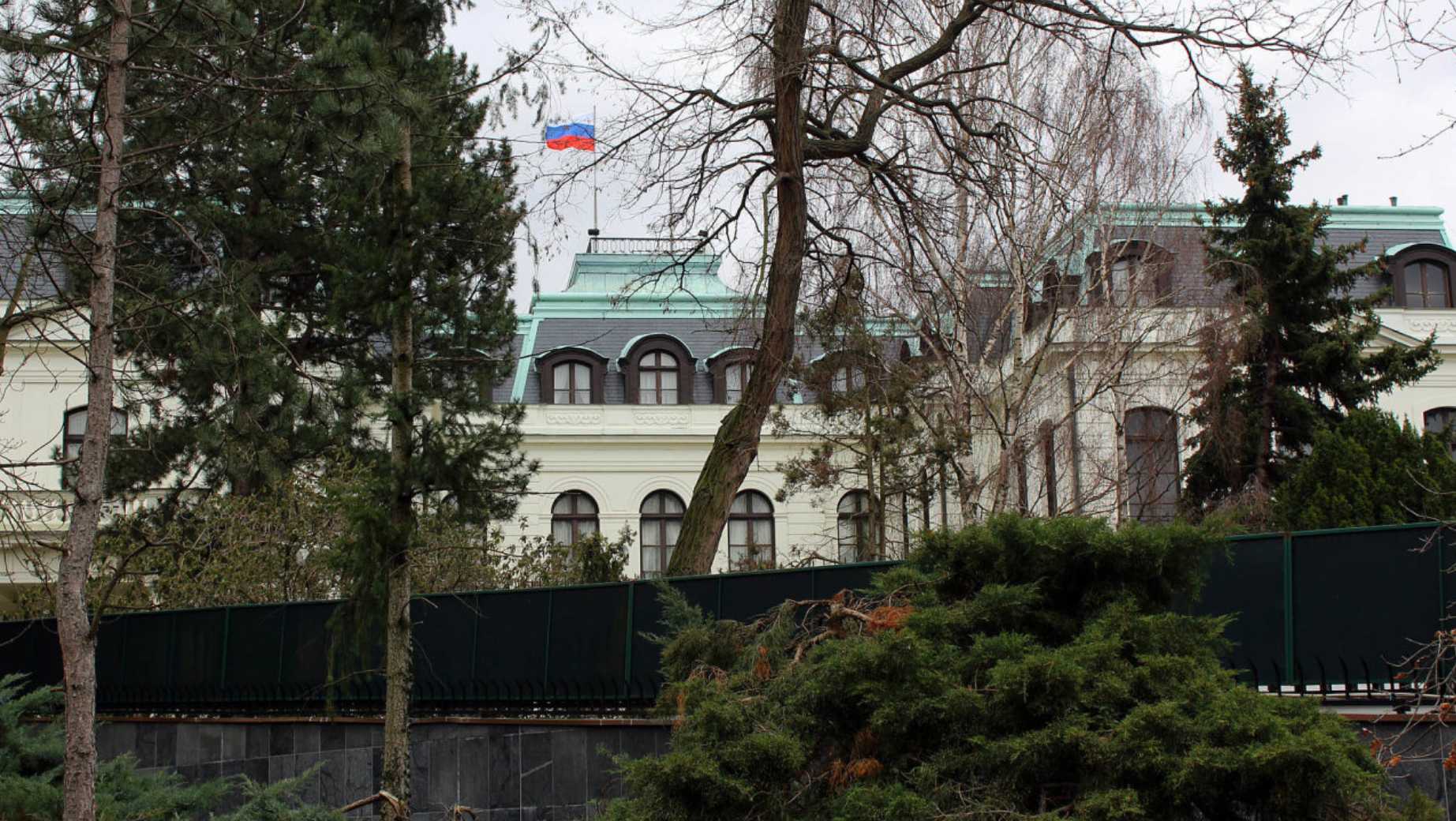
The Russian Embassy in Prague has introduced a new type of visa targeted at Czechs who align with what Russia describes as “traditional Russian spiritual and moral values.” However, Czech Foreign Ministry spokesperson Daniel Drake has criticized the initiative, calling it part of Russia’s “information war against the West.” Russia’s New “Humanitarian Support” Visa The visa, valid for 90 days, was established under a decree by Russian President Vladimir Putin. According to the Russian Embassy, the visa is open to citizens of countries included on a specific list. These nations, Russia claims, promote “destructive neoliberal ideological positions that contradict traditional Russian values.” The list includes countries such as the Czech Republic, Austria, Germany, Bulgaria, and Spain. Applicants do not need to demonstrate knowledge of the Russian language, history, or legal system. However, they must provide a criminal record certificate, which must be apostilled or legalized, translated into Russian, and notarized. The embassy notes that the notarization can be completed by a Russian consular official or a certified notary in Russia. Additional Requirements for Residency For those seeking temporary residence, additional documentation is required. This includes proof from the Ministry of Internal Affairs that the applicant does not use narcotics and...
The Czech Republic is prepared to discuss raising defense spending and 3% of gross domestic product may be a realistic level to reach within several years, Prime Minister Petr Fiala said on Wednesday. The government said this week the NATO member country spent more than the NATO benchmark of 2% of GDP on defense last year for the first time in two decades, but incoming U.S. President Donald Trump has said NATO countries should spend 5%. As of 2025, some NATO members like Italy, Canada, or Spain have not even reached the current 2% target, though the number of allies that do has risen to 24 last year. According to NATO estimates, Poland spent the greatest portion of its GDP on defense (4.12%) in 2024, followed by Estonia (3.43%) and the U.S. (3.38%). Last February, Trump sparked international outrage by saying he would urge Russia to do “whatever the hell they want” to NATO member countries failing to meet defense spending criteria, in a declaration indicating his disregard for the alliance’s collective defense principle. Trump is not the only top official to call for an increase — NATO chief Mark Rutte likewise said last month that “we are going to...
Don’t have an account? Register
Already have an account? Log In
How Would You Like to Promote Your Business? PR ArticleDisplay bannersVideo productionNewsletter adsJob ListingsInfluencer Marketing
Your Email
We will come back to you within 24 hours with our proporsal