The Israeli Foreign Minister, Gideon Saar, is set to visit the Czech Republic on Thursday, marking his first official foreign trip since assuming the role. During his visit, Saar will engage in talks with his Czech counterpart, Jan Lipavský, focusing on the ongoing conflict in the Middle East and exploring opportunities for bilateral cooperation. In addition to discussions with Lipavský, Saar is scheduled to meet with Senate Speaker Miloš Vystrčil (ODS) on Thursday afternoon. Gideon Saar, the leader of Israel’s New Hope Party, assumed the position of Foreign Minister less than a month ago. Despite his previous opposition to Prime Minister Benjamin Netanyahu, Saar has joined the current government, initially serving as a minister without portfolio before stepping into his new role. Strengthening Israel-Czech Relations The Czech Republic has been a steadfast ally of Israel, consistently voicing support on the international stage. For example, the Czech government opposed a UN General Assembly resolution in September calling for an end to Israeli occupation of Palestinian territories within a year. Prague also blocked a joint EU statement advocating for a ceasefire in the conflict with Hezbollah, citing Israel’s right to self-defense. Czech officials, including President Petr Pavel, Prime Minister Petr Fiala (ODS),...
Europe must be tough on US President-elect Donald Trump if it wants to prove something to him and persuade him to help Ukraine, said Czech Foreign Minister Jan Lipavský during his visit to Kiev. “If we, as Europe, want to prove something to him, maybe to convince him of something, we need to be tough too,” Lipavský said, adding that Ukraine is “tough”. “Ukraine is so tough that it was not three days, even not three months – and I am sure it wonʼt be two years – until Russia is able to subjugate it. So I expect toughness,” added Lipavský. At the same time, the minister emphasized the need to wait for the final composition of Trump’s administration. “We know many names, we hear some speculations. Some names have even been dropped. We need to wait.” The Czech foreign minister says it will be necessary to convince Trump’s team that the war is not just about Russia and Ukraine, that it is a global affair that affects food security and security in the Indo-Pacific region. “Now, with North Korean soldiers attacking also the Ukrainian army. So it is something we need to be able to explain and to act...
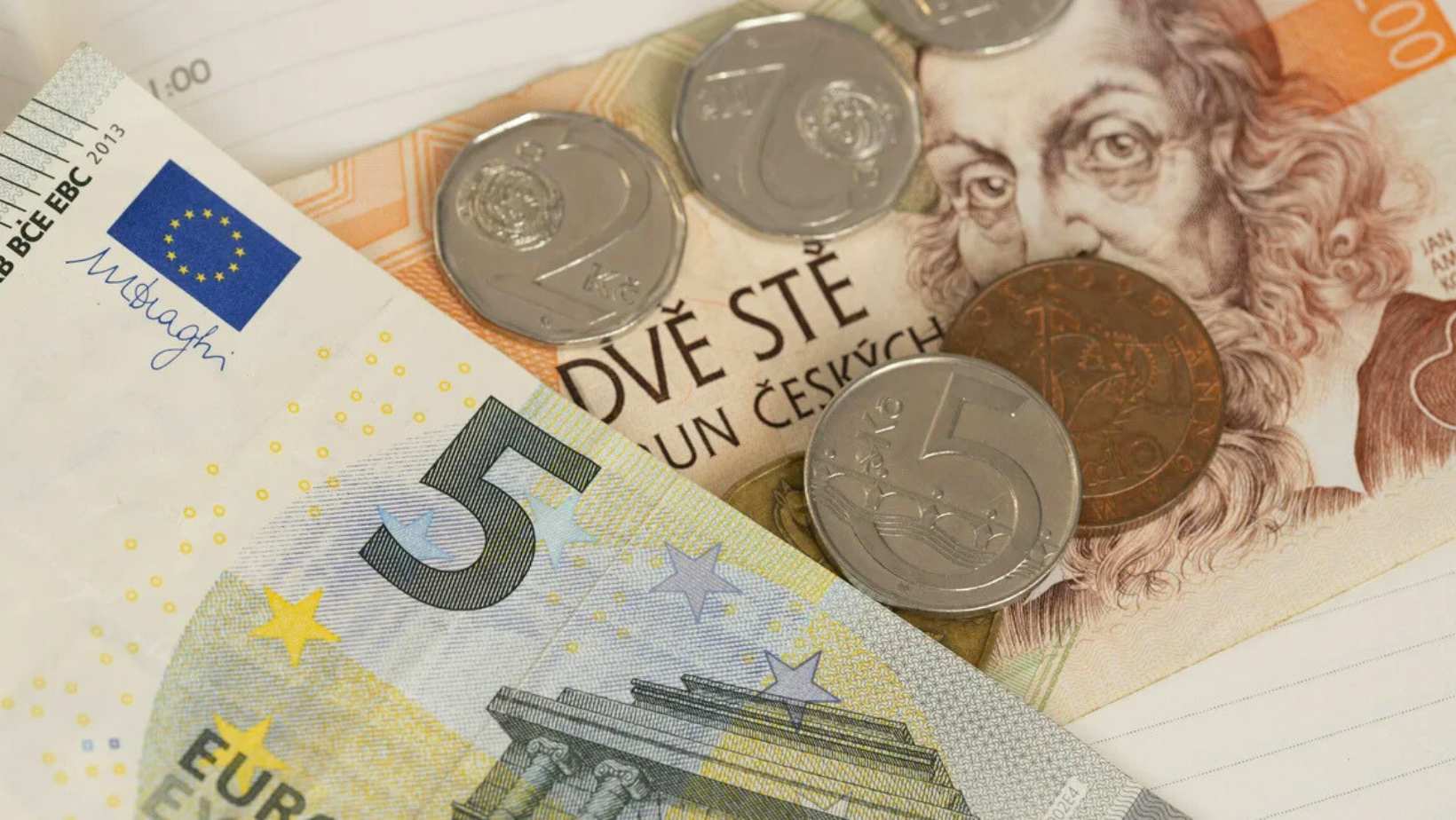
The Czech government is evaluating whether the country is ready to adopt the euro, following an assessment prepared by the National Economic Council of the Government (NERV). This unpublished analysis, obtained by the Czech media outlet E15, explores the potential benefits, drawbacks, and risks of transitioning to the European currency. However, economists have not yet endorsed entry into the European Exchange Rate Mechanism (ERM II)—a necessary precursor to adopting the euro. The decision will likely be left to the next administration. A Strategic Review of Readiness In February, Prime Minister Petr Fiala’s cabinet reviewed a report from the Ministry of Finance and the Czech National Bank assessing the fulfillment of the Maastricht criteria and the Czech Republic’s economic alignment with the eurozone. Subsequently, NERV was tasked with delivering a detailed analysis tailored to the country’s specific economic conditions. Economist Mojmír Hampl, a member of NERV and one of the report’s authors, said to E15: “This wasn’t about whether to adopt the euro, but whether we should enter the ‘anteroom’—ERM II. The consensus was that the government must first set a concrete adoption date. You don’t enter the anteroom without intending to step into the living room.” No Immediate Steps Expected...
The Czech Republic and Poland have been called out for breaching EU laws, following a landmark ruling by the European Court of Justice on November 19. The court found both nations guilty of violating EU citizens’ rights by barring foreigners from joining political parties, a move that restricts their ability to run in local and European elections under the same conditions as nationals. Under current Czech law, foreigners—including citizens from other EU member states—are prohibited from joining political parties or movements. While this may surprise some, this policy persists even in 2024, despite the Czech Republic’s status as a liberal democracy. This rule affects not only non-EU citizens but also Slovaks and other long-term EU residents, raising questions about fairness and inclusivity in Czech political life. Limited Participation in Political Life A skeptic might ask: why would a foreigner want to join a Czech political party? The answer lies in how political influence works. Without party membership, foreigners lack the tools to engage fully in municipal and European elections, despite having the legal right to vote and run for office. This poses a paradox: EU residents in the Czech Republic can stand for election but must do so as independents....
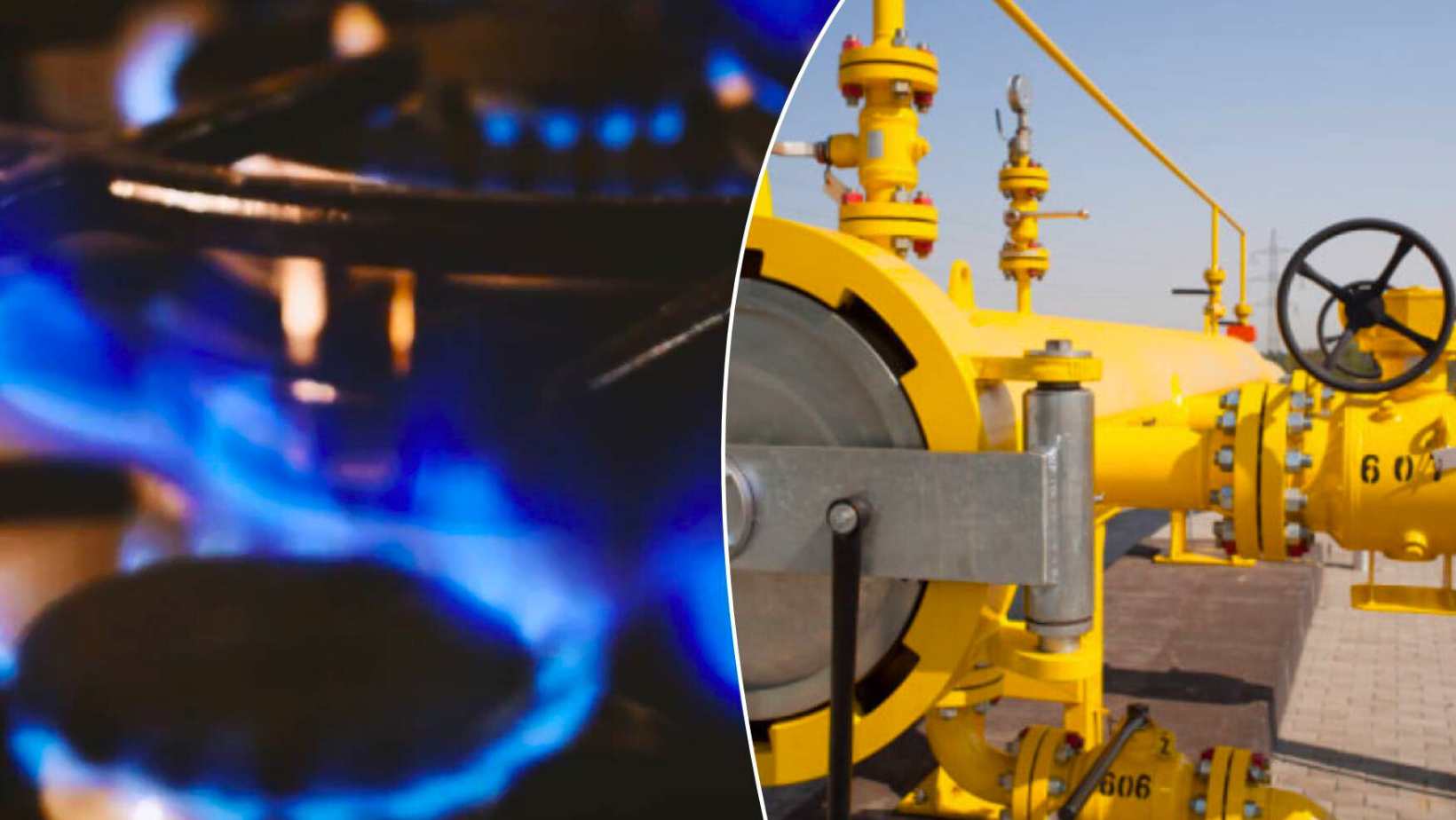
Gas imports to the Czech Republic from Russia have soared in recent weeks, with over 95% of November’s supply coming from Slovakia, marking a significant shift in the country’s energy sourcing. Until recently, most gas entered the Czech Republic through Germany, but the rising cost of German transport fees and the lower market price of Russian gas have made Slovakia the preferred route, according to Net4Gas transport statistics. Russian Gas: The Cheapest Option for Czech Traders Gas supplies from Russia to the Czech Republic sharply declined after the Russian invasion of Ukraine in February 2022, with imports dropping to nearly zero for much of that year. However, since last autumn, Russian gas has made a slow but steady comeback. While earlier this year, 55% of gas imports arrived from Germany, this balance shifted dramatically in November, with gas from Slovakia accounting for more than 95% of the supply. On a single day in November, over 151 gigawatt hours of gas passed through the Lanžhot border point with Slovakia, while only 5 gigawatt hours flowed through the Brandov entry point from Germany. Analysts Explain the Trend The price advantage of Russian gas is a key driver behind this shift. Germany imposes...
The latest data on producer prices in agriculture indicates a potential increase in food prices in the coming months. However, despite this uptick in agricultural costs, experts do not anticipate a return to the widespread high inflation seen in previous years. In October, agricultural producer prices saw a 2.4 percent year-on-year increase, marking the first growth in 17 months. “The period of price declines in agriculture has ended for now. This shift was initially observed in meat prices, and now the downward trend in plant-based products has also halted. Food producer prices—and subsequently, retail prices—have started to rise,” explained Petr Dufek, Chief Economist at Creditas Bank. Radomír Jáč, Chief Economist at Generali Investments CEE, also pointed to the expected rise in food prices. “The trends in the food industry reinforce expectations that food prices for final consumers will continue to increase, potentially accelerating toward the end of the year. In general, food prices will likely be one of the key drivers of inflation in the Czech economy as 2023 ends,” he said. Despite these rising costs, analysts pointed out that price growth in the industrial sector remains weak, and the construction industry is not seeing dramatic increases either. “Construction prices...
Prime Minister Petr Fiala (ODS) recently claimed that his government is the most successful in the history of the Czech Republic. Speaking on the holiday edition of Questions of Václav Moravec, Fiala expressed his intention to lead the coalition in the 2025 elections, seeking another term as prime minister. According to Fiala, significant progress requires continuity. “Four years were not enough,” he stated. “I need eight years. Then we will achieve salaries comparable to those in Germany, along with world-class universities and leading companies. Czechia will no longer be just an assembly plant.” His ambitious vision, reported by Novinky, aims to bring the country’s economic standing closer to that of its wealthier neighbors, Germany and Austria. Current Wage Disparities The comparison between Czech and German wages starkly highlights the gap. According to Eurostat, the average gross annual salary in Germany exceeded €50,000 (approximately 1.2 million CZK) in 2022. This equates to a monthly salary of around 100,000 CZK. By contrast, the Czech average is barely half that figure, placing it below the European average. Fiala acknowledged these challenges but remained optimistic, emphasizing the importance of continued reforms and investment. “We’ve started the transformation, but real results take time. It’s a...
Czech real retail sales have gained pace, growing similar to periods of prime economic expansion. The results slightly surpass market expectations, and robust spending suggests that price pressures remain a viable concern rather than a distant memory. Real retail sales fly high Real retail sales in September increased by 5.6% YoY and by 0.2% MoM, excluding motor vehicles. In the motor vehicles segment, sales added 0.9% YoY and 0.6% MoM. Sales of non-food goods picked up by 0.4%, while sales of food lost 0.1%. Internet sales continued to dominate as the main contributor to real retail sales annual dynamics, increasing at a double-digit pace since the beginning of the year. Sales in specialized stores of pharmaceutical and medical goods added 9.8% YoY, in cosmetics 9.7% YoY, and clothing and footwear 6.7%. Culture, sport, and recreation saw 3.7% more sales than in the previous year, while sales in household goods stores fell by 2.0%. The Czech consumer has continued to support the economic rebound, which will likely be reflected in the 3Q GDP breakdown when available. The increase in real retail sales of 5.6% annually is stronger than the 4.7% average recorded between 2016-19 when the economy expanded by 3.5% on...
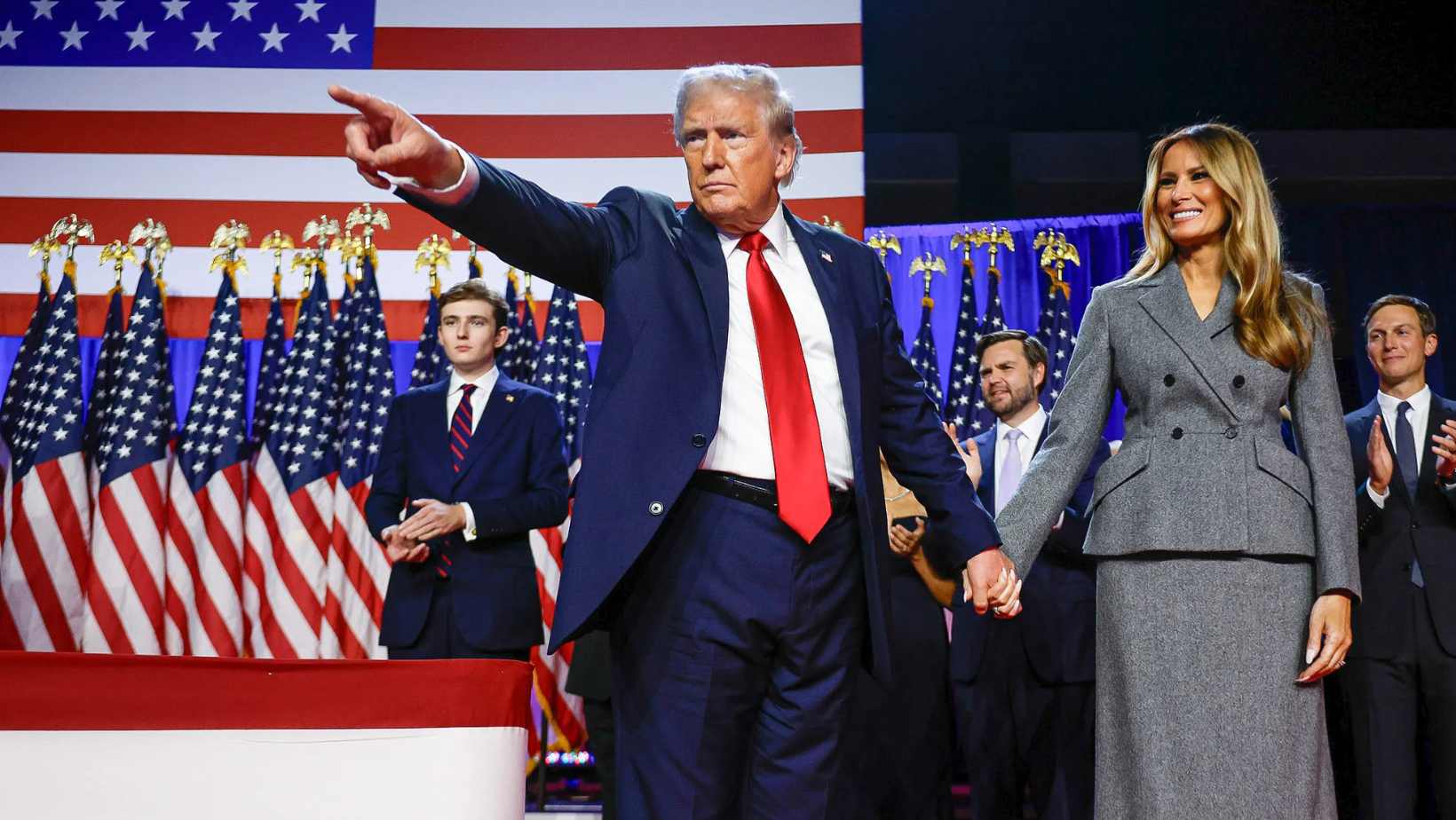
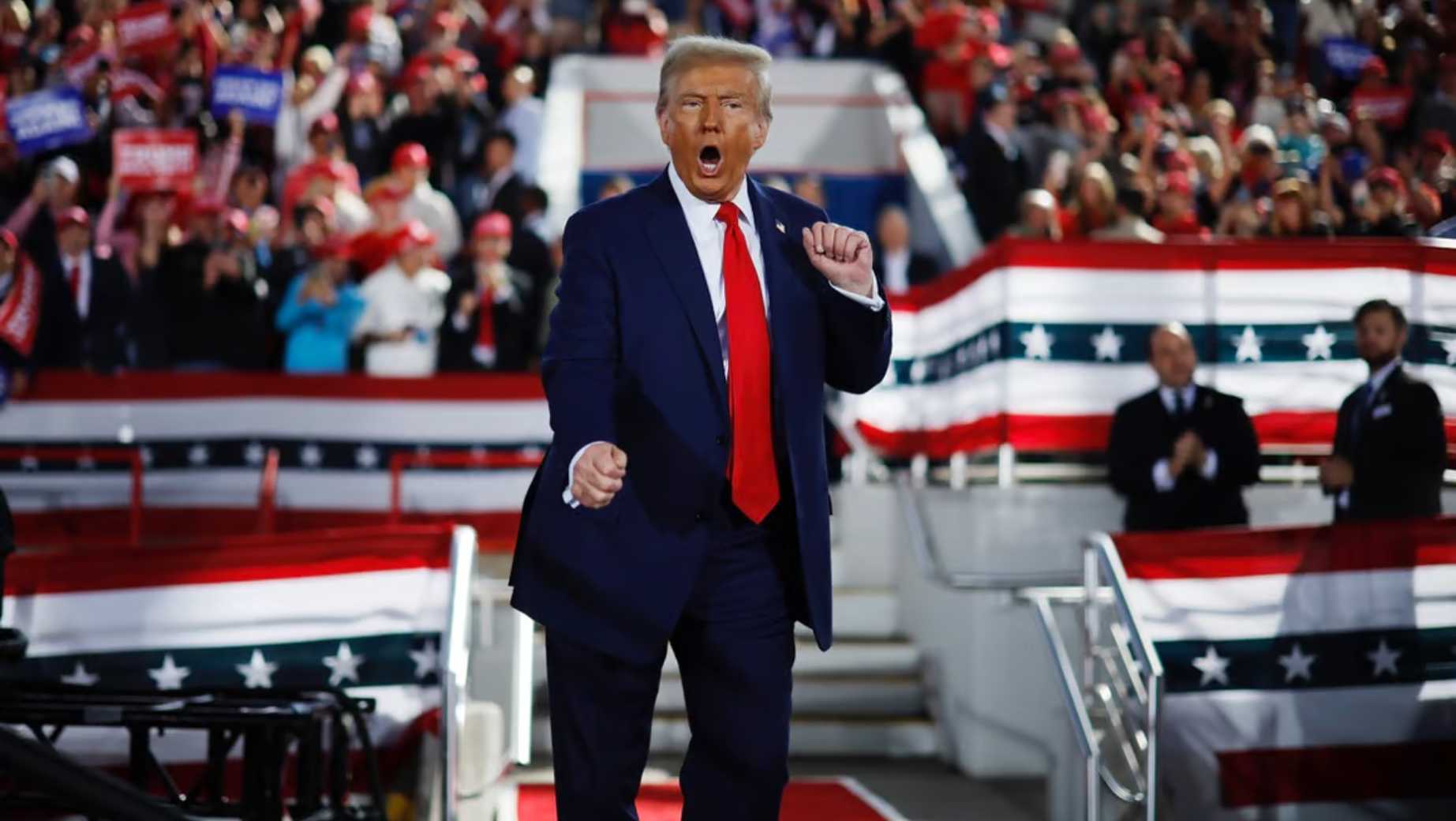
With Donald Trump back in the White House, the Czech Republic is preparing for a potential shift in U.S.-Czech relations. Czech politicians and experts are weighing the likely economic, political, and security impacts of Trump’s return, with particular concerns over the U.S.’s support for Ukraine and the implications of Trump’s protectionist trade policies. Political Concerns: U.S.-Czech Ties and Ukraine Support Czech politicians have voiced apprehensions that Trump’s presidency may bring uncertainty to Czech-American relations. Key figures, such as Czech Foreign Minister Jan Lipavský, are raising questions about how Trump’s approach could influence America’s stance on Ukraine amidst Russian aggression. While Lipavský concedes that certain aspects of Trump’s policy might align with Czech interests, there is significant concern about a potential reduction in U.S. support for Ukraine, which could have ripple effects across Europe. Trump’s view of Europe has often been blunt, once likening it to a “little China.” This phrase hints at a possible shift in America’s relationship with Europe, including the Czech Republic, with many across the continent left wondering how his foreign policy choices might impact their nations. Push for European Independence in Defense Member of the European Parliament Ondřej Kolář believes that Trump’s victory could serve as...
As Donald Trump secures his return to the White House, the global financial markets are bracing for impact. His victory has already sent economic ripples across the world, with the Czech crown emerging as one of the hardest-hit currencies globally. The Czech currency ranks among today’s biggest losers, joining the Mexican peso and Hungarian forint in significant declines. On the flip side, the Russian ruble has defied the trend, strengthening amidst the Trump-driven market shifts. For some world currencies, Trump’s presidency would spell even more turbulence. The Hungarian forint, for instance, stands particularly vulnerable. Hungary’s economy depends heavily on China for electric battery production and Germany for its automotive industry—two sectors likely to feel the strain of Trump’s trade policies. Tariffs could place Hungary in a squeeze, damaging the forint further. Ironically, the biggest challenge to Hungarian Prime Minister Viktor Orbán’s re-election bid in 2026 might not be domestic politics but Trump’s foreign policy. The Czech crown faces a similarly uncertain future. Much like Hungary, the Czech Republic relies on open international trade, which may face hurdles under Trump’s tariff-heavy agenda. Any barriers to this flow could directly undermine the Czech economy, with the crown likely to continue its downward...
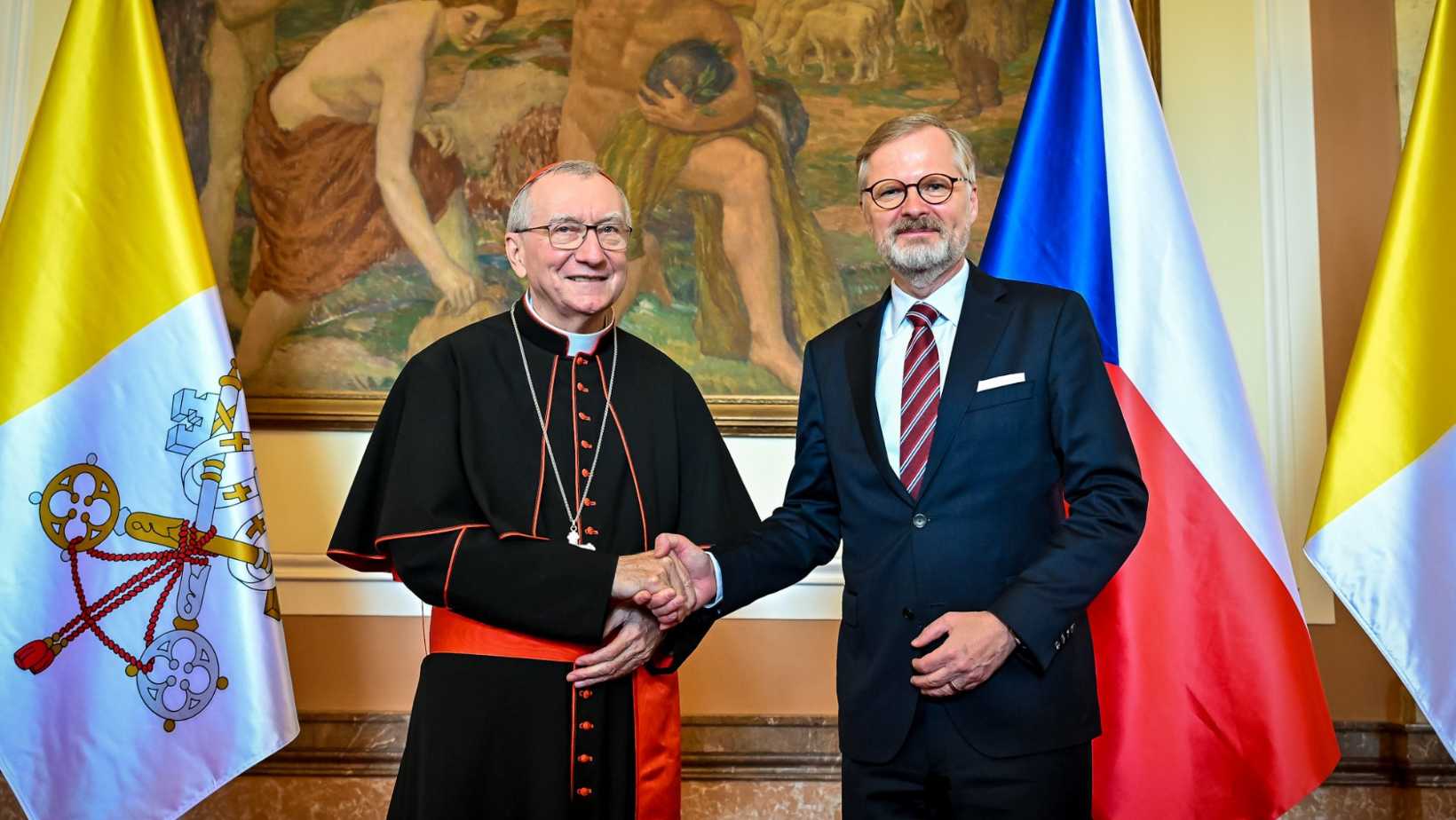
The Czech Republic signed a treaty with the Vatican, ensuring religious freedom and recognising Catholic marriages. It needs parliamentary approval to take effect. The Czech Republic signed a treaty on Thursday regarding its relations with the Vatican, becoming one of the last European Union countries to do so. The document was signed Thursday in Prague by conservative Prime Minister Petr Fiala and the Vatican secretary of state, Cardinal Pietro Parolin. Fiala called it a “balanced” document that “fully respects our legal order.” The full text was not expected to be made public until after the treaty is ratified. Among its provisions, the country guarantees the freedom of thought, conscience, and religious belief and recognizes Catholic marriages. It also gives a legal ground for the Catholic Church to provide religious services in hospitals, prisons, military, and police forces. To come into effect, the document still needs to be approved by both houses of Parliament and ratified by President Petr Pavel. The Vatican has signed a similar treaty with 25 EU member states and a total of 64 countries worldwide, the Czech government said. Fiala’s coalition government, sworn in following the 2021 general election, said in its policy statement that it was ready to...
The Slovak Ministry of the Interior has reached a settlement with former Czech Prime Minister Andrej Babiš, resolving a long-standing dispute over his alleged involvement with the communist-era State Security (StB). The case revolved around Babiš’s unauthorized registration as a StB agent, which he has consistently denied. On October 11, 2024, the Bratislava IV Municipal Court approved the settlement, which acknowledged that Babiš was wrongly listed as an StB agent under the code name “Bureš” with registration number 25085. According to the agreement, Babiš did not knowingly cooperate with the StB. As part of the settlement, Babiš has agreed not to pursue any further claims for damages or compensation against the Slovak state. He also pledged to withdraw complaints filed with the European Court of Human Rights and waived all financial claims related to the case. Ministry spokesperson Matej Neumann stated, “Andrej Babiš has agreed not to seek financial compensation, and he will also withdraw all pending complaints.” The ministry chose to settle after evaluating the legal and financial risks associated with continuing the lawsuit. Two external legal analyses commissioned by the Ministry of the Interior indicated a high likelihood of losing the case, which could have resulted in substantial...
Don’t have an account? Register
Already have an account? Log In
How Would You Like to Promote Your Business? PR ArticleDisplay bannersVideo productionNewsletter adsJob ListingsInfluencer Marketing
Your Email
We will come back to you within 24 hours with our proporsal