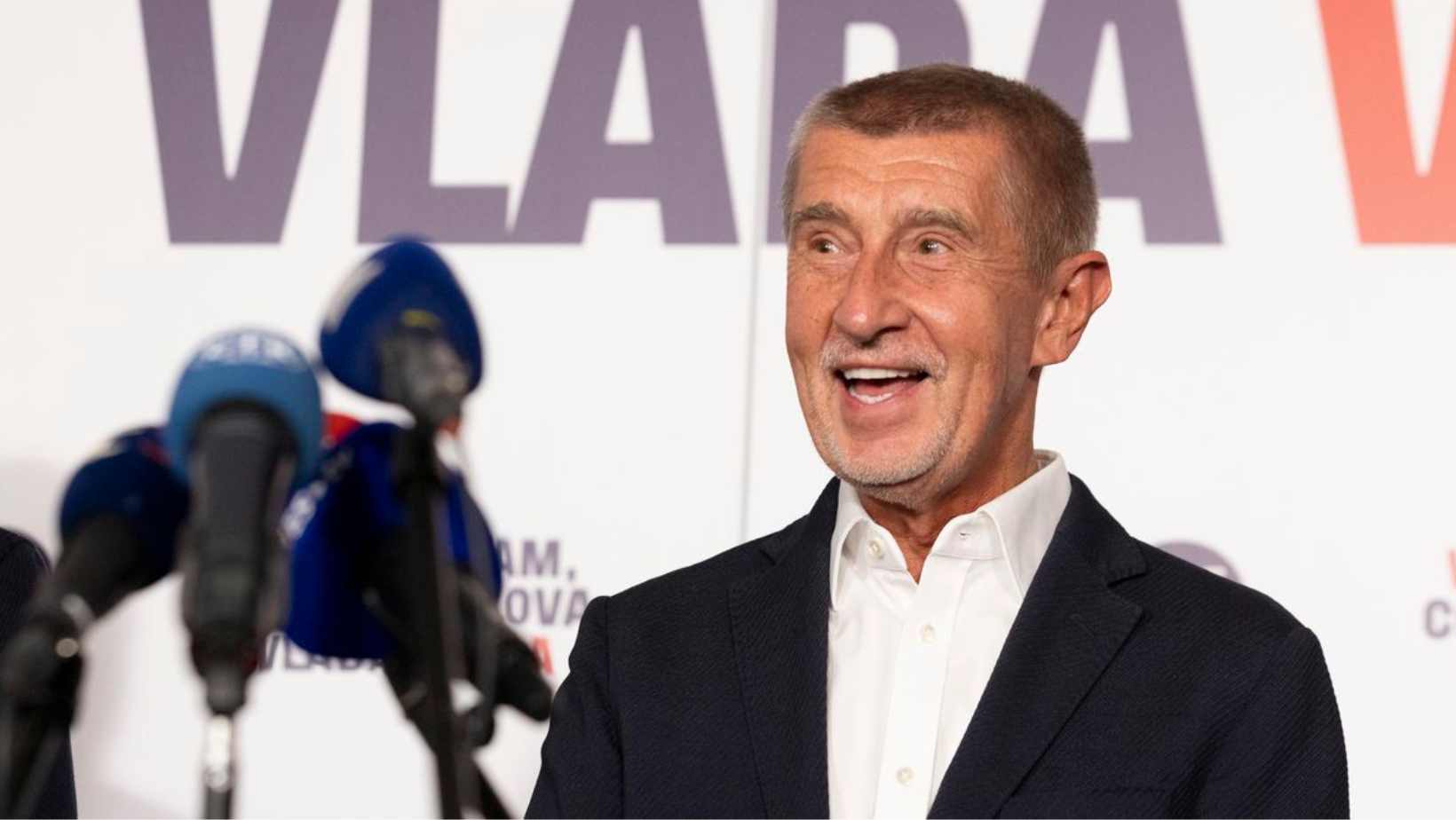
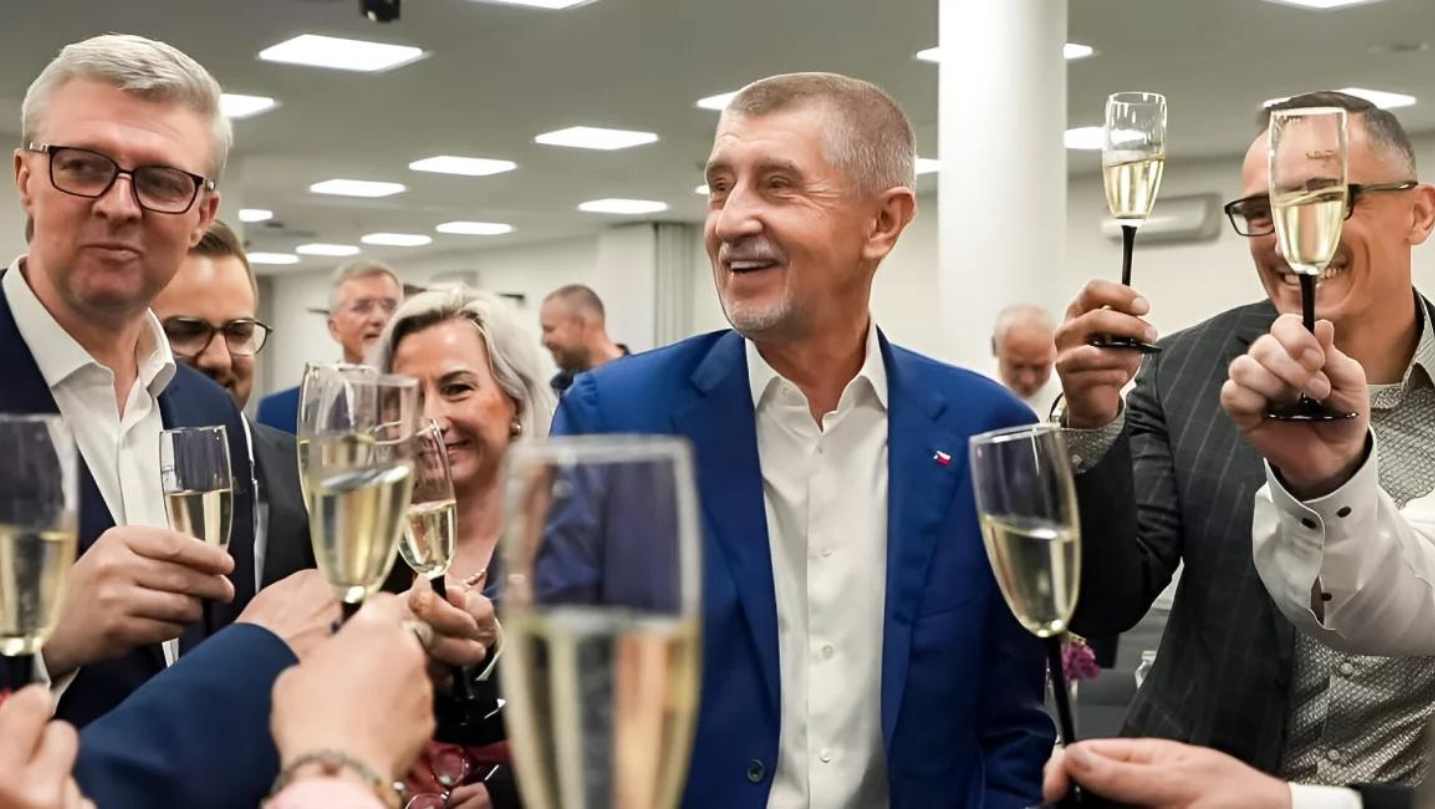
The main opposition party dominated Czech regional elections and was ahead in the first round of voting for Parliament’s upper house, according to results released Saturday. With almost all the votes counted, the ANO (YES) movement led by former populist Prime Minister Andrej Babis won 10 of the 13 regions contested in the election on Friday and Saturday, the Czech Statistics Office said. The result reflected a stable support for ANO, which also won 10 regions in 2020 and nine in 2016, and a boost for Babis ahead of next year’s general election. ANO also has the most candidates advancing to the runoffs for 27 seats in the 81-seat Senate. The top two finishers in each district will face each other in a head-to-head vote next weekend. With ballots from 99% of stations counted, ANO had 19 candidates advancing to the runoffs. The Czech Statistics Office said five candidates reached the 50% threshold to win seats outright, leaving 22 seats to be decided in runoffs next week between the top two finishers in each race. The outright winners included two candidates from ANO, one from the Christian Democrats, a member of the governing five-party coalition, an independent representing the coalition...
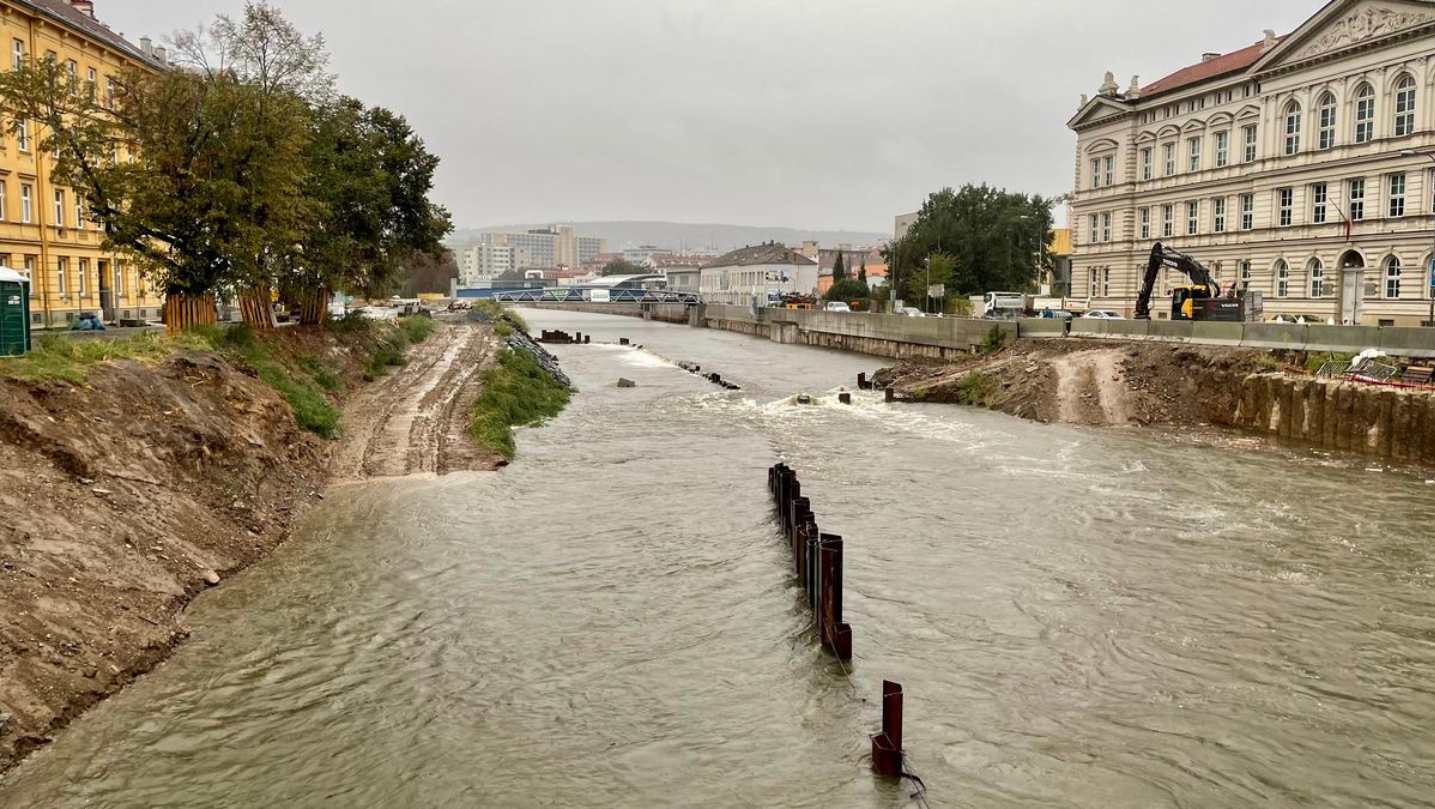
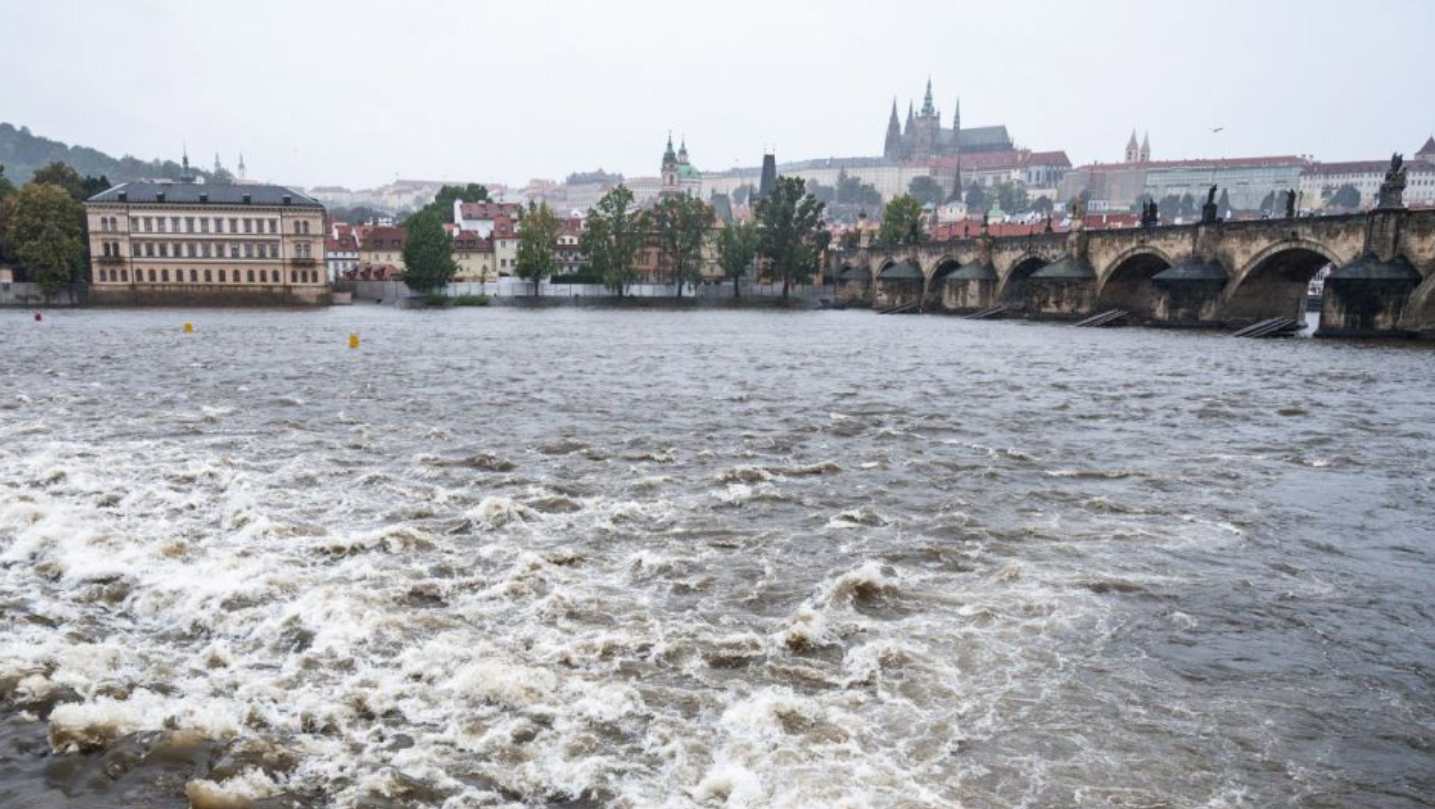
On Thursday afternoon, Czech Prime Minister Petr Fiala met with European Commission President Ursula von der Leyen, along with the prime ministers of Poland and Slovakia, and the Austrian Chancellor, in Wroclaw, Poland. The leaders discussed financial aid for European countries hit by devastating floods, with the Czech Republic set to receive €2 billion from EU funds. The meeting, which aimed to address the severe flood damage across Central Europe, was attended by Slovak Prime Minister Robert Fico, Polish Prime Minister Donald Tusk, Austrian Chancellor Karl Nehammer, and von der Leyen. The Prime Minister of Romania had also been invited but was forced to decline due to ongoing flood recovery efforts in his country. Financial Support Agreed in Wroclaw “In Wroclaw, we agreed that the EU will release €2 billion (CZK 50 billion) from cohesion funds to assist the Czech Republic,” Fiala announced on the social media platform X (formerly Twitter). In total, Central European countries will receive €10 billion (CZK 250 billion) to help mitigate the aftermath of the floods. Ursula von der Leyen highlighted the critical need for financial resources to restore the damaged landscapes and infrastructure. She explained that the European Solidarity Fund would be used primarily...
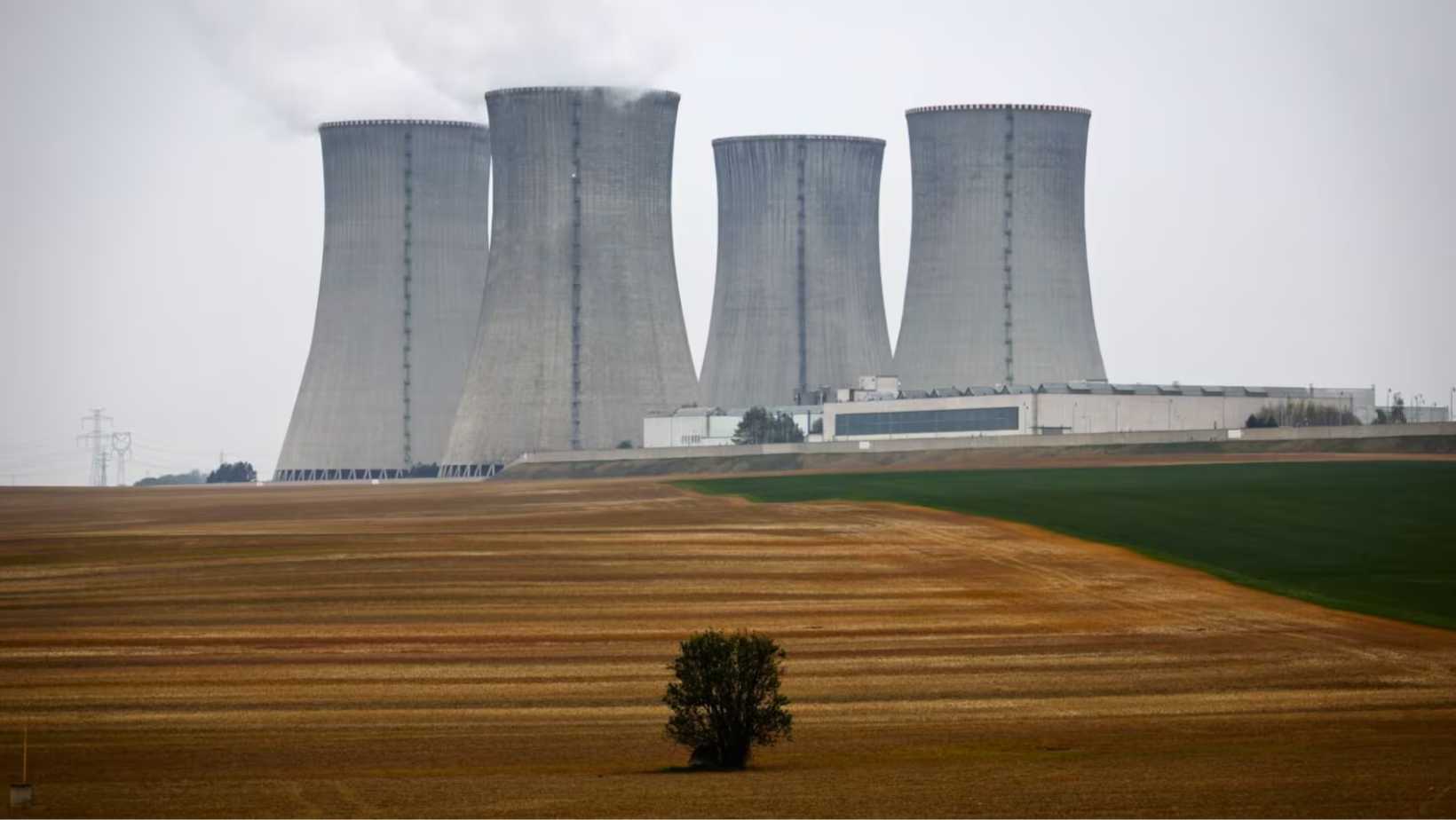
The Czech Republic has chosen UK firm Rolls-Royce SMR after assessing seven potential technology suppliers for its proposed small modular reactor programme. The Ministry of Trade said that the applicants were approached “on the basis of their potential suitability for placement in the Czech Republic … Rolls-Royce SMR emerged as the best company with which ČEZ (the Czech nuclear power company) wants to establish a strategic partnership”. The government will now carry out a “safety assessment of the British company” as was done for those who bid for the recent large nuclear units contracts – involving the Ministry of the Interior, Security Information Service, ÚZSI, Military Intelligence and other key institutions to ensure it complies with the state’s security requirements. The first small modular reactor (SMR) is planned by ČEZ at a site near the existing Temelin nuclear power plant in the 2030s, “before the start up of the new large Czech nuclear unit which is planned for before 2040”, the ministry said. ČEZ is also looking at other sites suitable for SMRs, including Tušimice and Dětmarovice where survey and monitoring work is taking place to see if they are suitable nuclear sites. Prime Minister Petr Fiala said: “Small modular...
The floods of 2002 represent a natural disaster that caused the most damage in Czechia in modern history. The Czech National Bank’s 2002 annual report assessed the impact on GDP and inflation as small, with the floods not significantly affecting the Board’s decision. The macroeconomic impacts, including fiscal ones, were deemed unlikely to be substantial. The report envisaged a slowdown in real GDP growth of between 0.2 and 0.3 percentage points in 2002 while providing an additional positive impulse for the next year, roughly of the same magnitude but with a positive sign. The recent floods seem less damaging than the devastating event of 2002 in terms of economic cost, yet more severe than the 2013 floods. At the same time, several factors prevented higher losses compared to previous floods. Meteorologists provided early warnings, which proved to be very accurate. The individual river basins responded by releasing dams to accommodate the massive water influx. The infrastructure was better prepared than at any time before. Insured losses from this year’s floods are about to reach CZK 17 billion, according to the first estimates of the Association of Insurance Companies. Approximately half of the damages are incurred by households and the other...
Despite having the lowest unemployment rate in the European Union, the Czech Republic struggles to create favorable conditions for its workers. According to the latest Prosperity and Financial Health Index, the country ranks 18th out of 27 EU members, reflecting a range of issues such as low labor market flexibility and a significant gender pay gap. One key factor contributing to this poor ranking is the limited availability of part-time work in the Czech Republic. Many employees lack the option to work flexible hours, a stark contrast to countries like the Netherlands, where 24% of employees can choose when and where they work through options such as flexitime or teleworking. In the Czech Republic, only 14% of employees enjoy such flexibility. The nation also performs poorly regarding gender pay equality, placing among the worst in the EU for the gender pay gap. Three Years of Decline in Labor Market Conditions The Czech labor market has been deteriorating for three consecutive years. In 2022, the country held the 15th position among EU members for labor market conditions. However, the latest analysis shows it has slipped to 18th place. Countries like the Netherlands, Austria, and the Nordic nations, including Denmark, lead in...
The unemployment rate in the Czech Republic remained stable at 3.8 percent in August, unchanged from July. This is slightly higher than last August’s rate of 3.6 percent. However, the number of job vacancies rose for the first time since March, with an increase of 1,221 month-on-month, according to the latest data from the Labour Office of the Czech Republic. The Labour Office notes that a stable unemployment rate is typical for the summer months, as employers tend to avoid major staffing changes during the holiday season. By the end of August, 3,232 people had started new positions in educational institutions, making education the sector with the highest number of new employees. The wholesale trade, catering, and hospitality sectors followed but with a significantly lower number of new hires. “At the end of August and the beginning of September, we always see an influx of recent graduates and young people registering with the employment office. In August, they made up four percent of all job seekers, the same proportion as in 2022 and 2023,” said Daniel Krištof, Director-General of the Labour Office. Krištof emphasized that school leavers and young people who did not get into further education or secure a...
The Czech opposition party, ANO, is the favorite to win local elections across the country later this month, new polling has found. According to a survey by the Kantar CZ and Data Collect polling agencies for Czech Television (ČT), the party of former Czech prime minister, Andrej Babiš, is expected to amass up to nearly half of the vote in some regions. In second place in several regions is Prime Minister Petr Fiala’s “Spolu” coalition comprising his Civic Democratic Party (ODS), KDU-ČSL, and TOP 09. Support for the ANO movement is strongest in the Moravian-Silesian region in the east of the country where 49.5 percent are expected to vote for the party. Similarly, in neighboring Olomouc, the ANO garnered 45 percent, while in the northwest region of Ústí, Babis’ party enjoys support of 47 percent. Other regions with high opposition support include Zlín at 43.5 percent and Central Bohemian and Vysočina, both at 41.5 percent. The party’s support is weakest in the South Bohemian region, with just 13.5 percent of decided voters backing it. Regional elections in Czechia are due to be held on Sept. 20-21 when all 675 seats in the country’s 13 regional councils are to be contested....
Müller, a prominent German retail chain known for its drugstores, toys, and other consumer goods, is preparing to expand further east. The company plans to open its first store in Slovakia this year, with the Czech Republic likely to follow. However, entering the Czech market won’t be easy, as it is already dominated by established players such as dm, Teta, and Rossmann. The recent entry of the Polish drugstore chain Hebe has further intensified the competition. In mid-August, Müller announced its intention to continue expanding into Slovakia, where it has already registered a dedicated internet domain. “Müller has successfully operated in neighboring countries like Austria and Hungary for many years, and also has positive experience in Slovenia and Croatia, making it well-prepared for its entry into Slovakia,” the company stated. However, the company’s ambitions appear to extend beyond Slovakia. Müller has posted a job opening on its website for an expansion manager for both Slovakia and the Czech Republic. Many in the Czech retail industry expect Müller to enter the Czech market soon, although the company has not confirmed when this might happen. Zdeněk Skála, managing director of analytics firm Skála a Šulc, agrees. “While the market is saturated with...
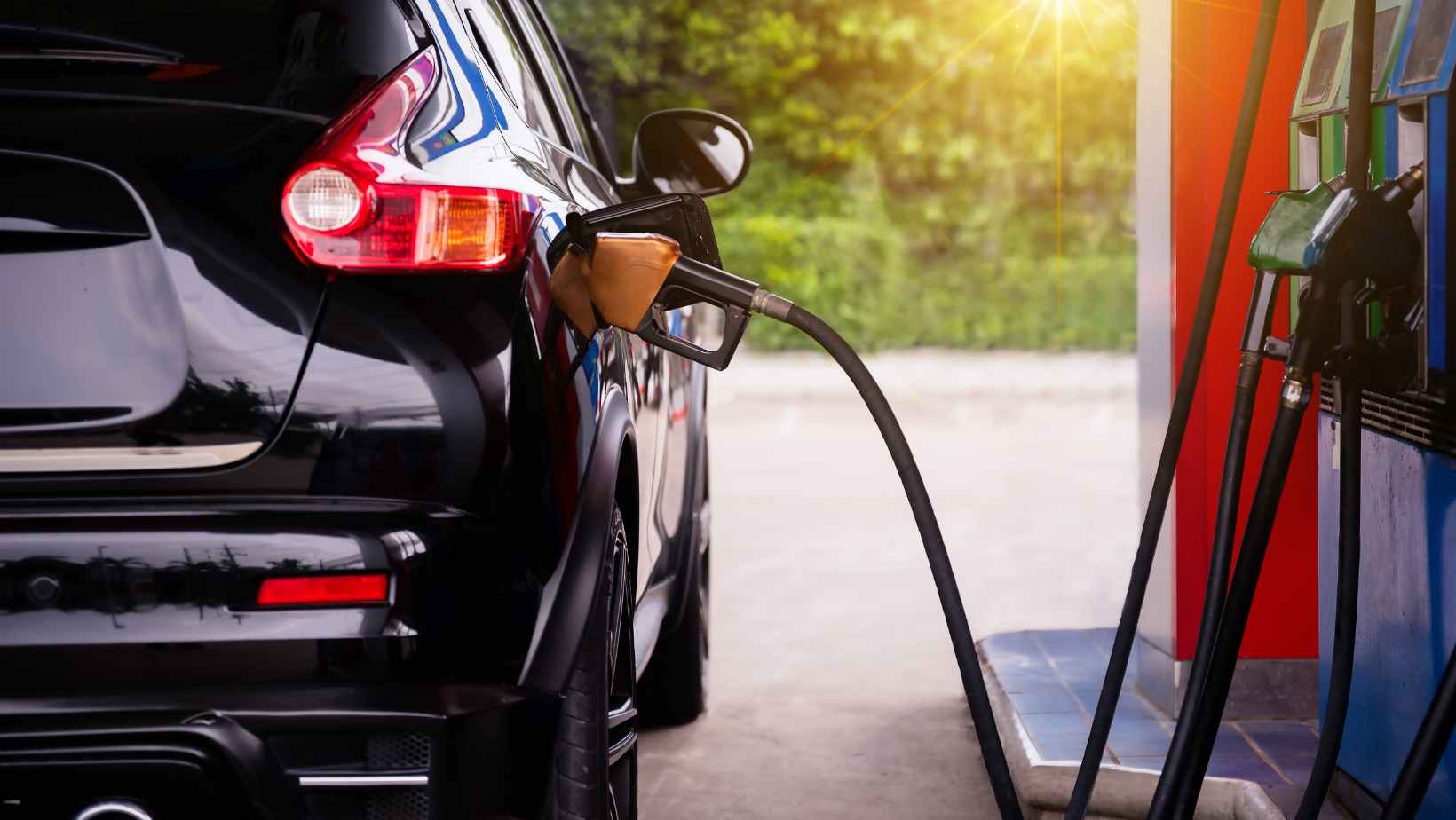
Fuel prices in the Czech Republic have dropped to their lowest levels since February, with petrol priced between 35 and 38 crowns per liter and diesel even a crown cheaper. This decline has led to an unexpected trend: Polish drivers are now crossing the border to fill up in the Czech Republic, taking advantage of the more affordable prices. The town of Zlaté Hory in Jesenice, located just a short distance from the Polish border, used to see only a few cars a day at its petrol stations. Most of these were Czech vehicles heading to Poland to refuel, as prices were more favorable there. However, the situation has changed dramatically. Petrol stations in Poland, such as those in Chalupki near Ostrava, now charge nearly three crowns more per liter compared to Czech prices. As a result, Czech vehicles have disappeared from Polish stations, while cars with Polish license plates are becoming a common sight at Czech border petrol stations. “Since prices have risen in Poland, they are coming here to fill up,” noted the operator of a petrol station in Zlaté Hory. Economist Lukáš Kovanda attributes the lower fuel prices in the Czech Republic to two key factors. “Firstly,...
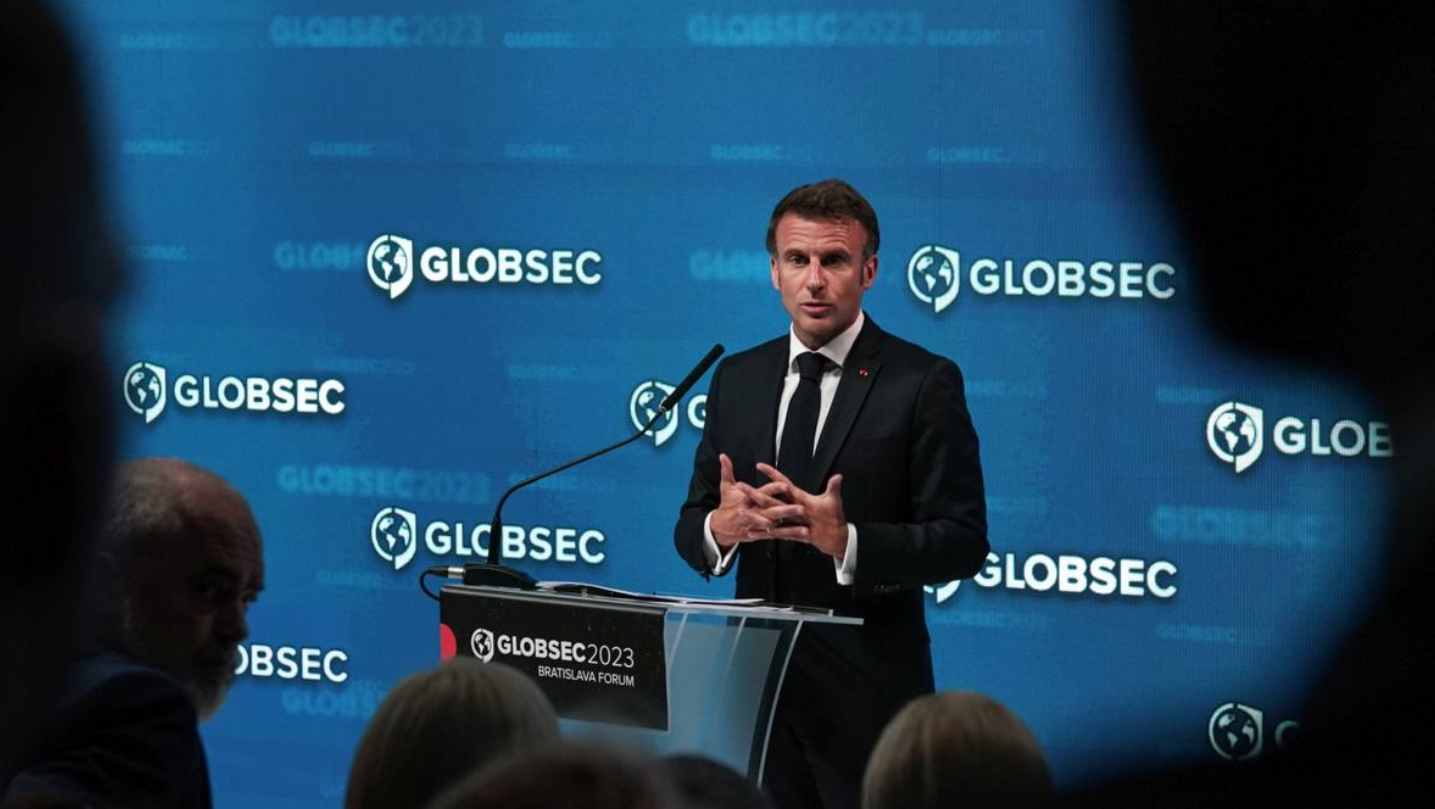
Around ten prime ministers and presidents and 20 defence and foreign ministers from Europe, the Middle East and south-east Asia are coming to Prague this week for the Globsec international security conference. The event will now be held in Prague from August 30 to September 1. About 2,000 guests from more than 60 countries are expected to attend the conference. “Globsec is a significant international conference contributing to the cultivation of dialogue on international and security policy questions, which is very needed in today’s world,” Pavel stated, adding he is looking forward to the Prague Forum, which “will highlight its Central European dimension”. The 2023 edition of Globsec hosted French President Emmanuel Macron, and the forum has long been the highest-profile international event in Slovakia. “The rich history and the strategic significance of Prague turns it into an ideal place for support of international dialogue and spreading of the constructive voice of Central Europe,” Globsec’s founder and president Robert Vass was quoted as saying by Czech media. The conference is also supposed to see the establishment of a centre under the leadership of General John Allen, formerly US President Barack Obama’s adviser on the fight against the Islamic State, Vass...
The Czech Republic will use some of the interest earned on Russian assets frozen in the European Union to buy hundreds of thousands more artillery shells for Ukraine. Western countries blocked about $300 billion worth of sovereign Russian assets after Russia launched its full-scale invasion of Ukraine in February 2022. EU countries are taking the interest earned on the assets -which include bonds and other securities bought by the Russian central bank – and putting it into an EU fund to aid Ukraine as it fights the Russian invasion. EU governments agreed in June to use 1.4 billion euros ($1.5 billion) in profits generated by the assets to buy arms and pay for other kinds of support to Ukraine. The Czech Defence Ministry said some of that money would be used for an effort it has been leading to buy artillery ammunition for Ukraine around the world, funded by Western partners. “Thanks to proceeds from frozen Russian finances, released by the European Union, we will be able to supply several hundreds of thousands of large-calibre ammunition rounds to Ukraine,” minister Jana Cernochova said. The ministry did not give further details but said deliveries would be made “in the coming months”,...
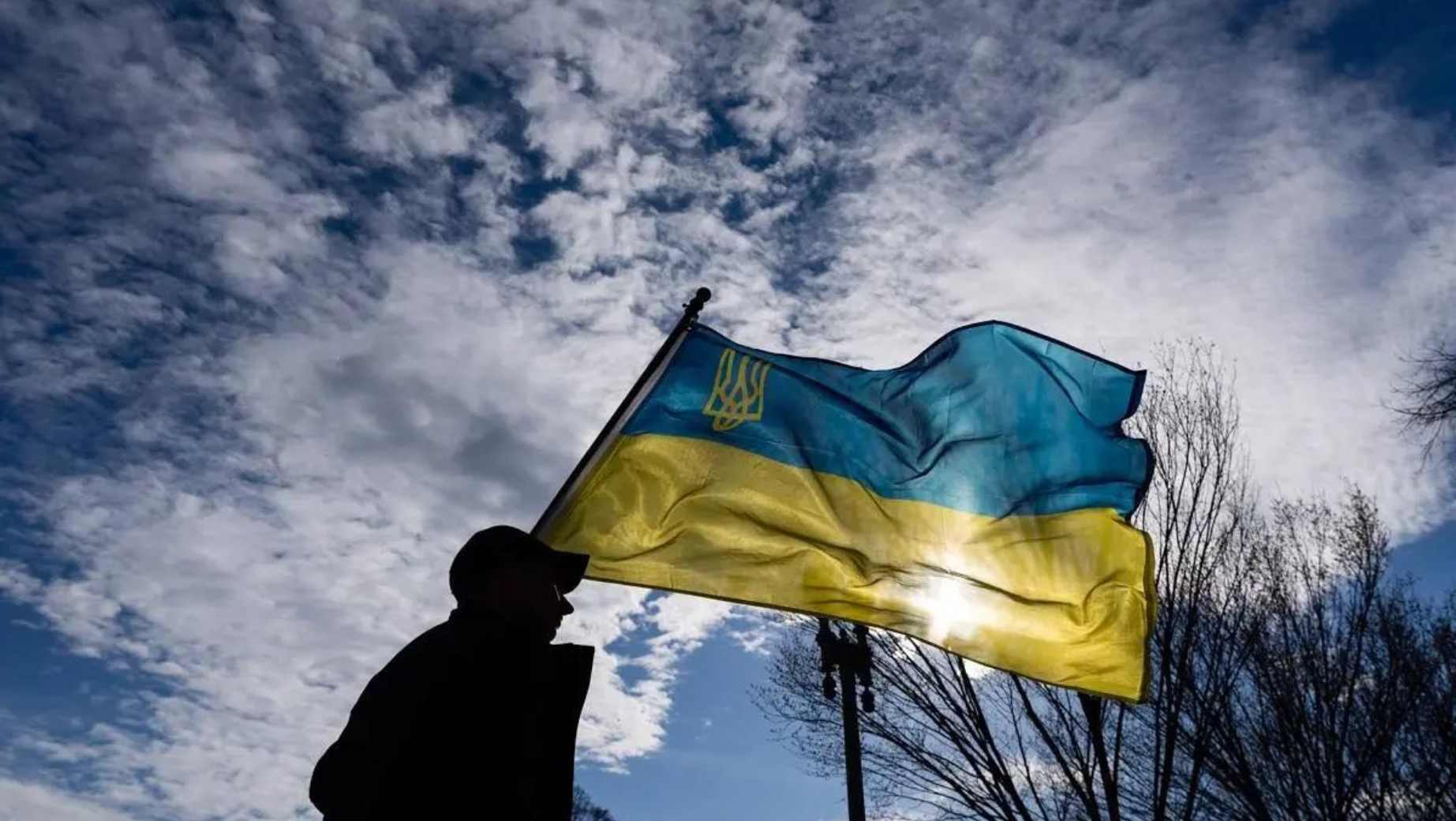
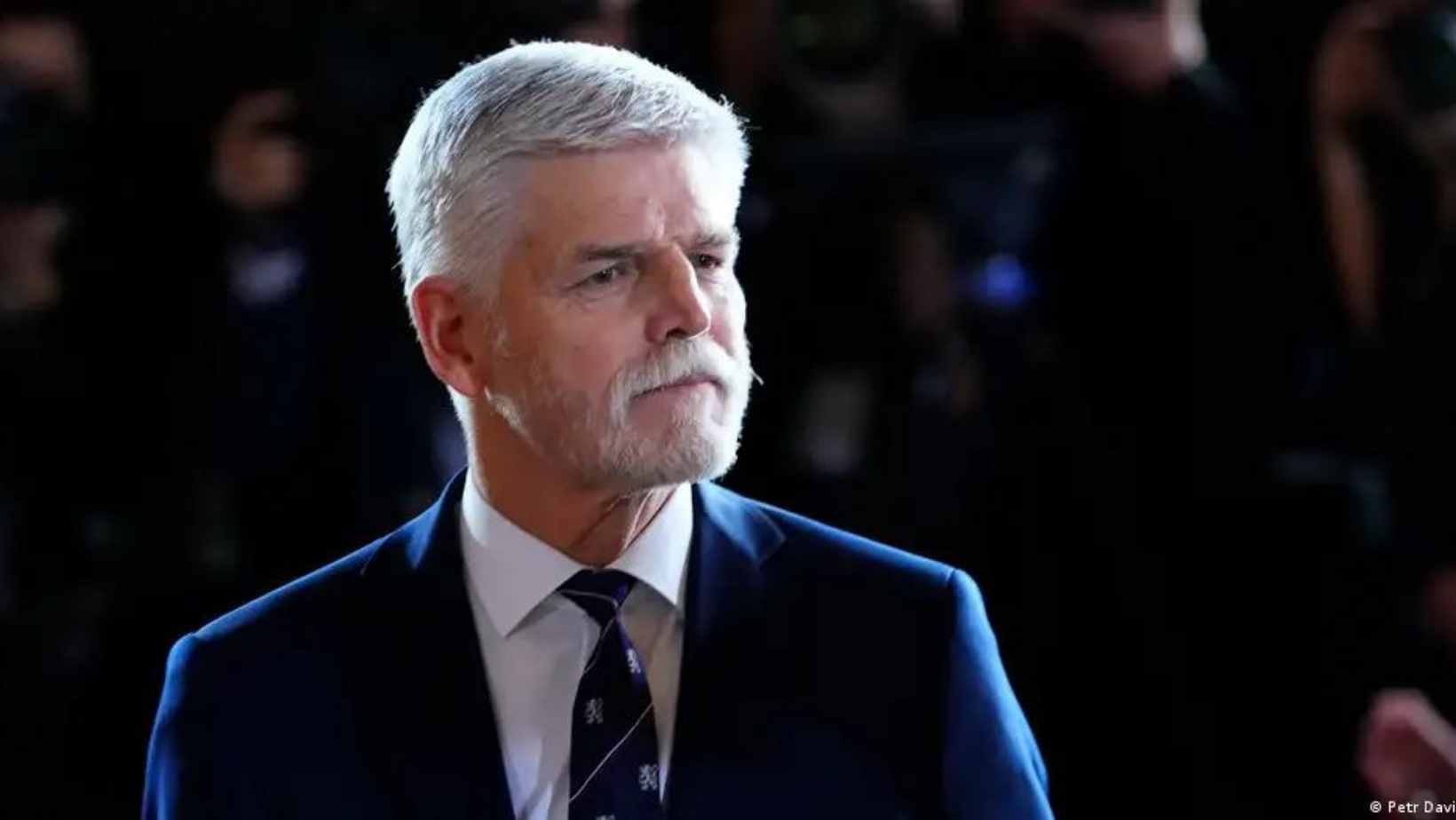
Czech President Petr Pavel believes that Ukraine’s NATO accession should not depend on regaining full control over all its territory. “If there is a demarcation, even of some administrative border, then we will be able to recognize this administrative border as a temporary state border and allow Ukraine to join NATO with the territory it will control at that moment,” he explained. Pavel mentioned an example of Germany which joined the Alliance in 1955, even though a part of its territory was occupied by the Soviet Union until 1990. “So I think that there is both a technical and a legal decision which will allow Ukraine to join NATO without dragging it into the conflict with the Russian Federation,” Pavel said, adding that it would only be possible after the start of negotiations between Kyiv and Moscow. He stressed that democratic countries should treat Russia-occupied territories of Ukraine only as temporarily occupied. The July NATO summit in Washington ended with the launch of the Ukraine Compact, a security framework signed by 32 allies. The countries affirmed Kyiv’s “irreversible” path toward membership, though Ukraine did not receive any definitive news about its future accession. President Volodymyr Zelensky, who has repeatedly called...
Don’t have an account? Register
Already have an account? Log In
How Would You Like to Promote Your Business? PR ArticleDisplay bannersVideo productionNewsletter adsJob ListingsInfluencer Marketing
Your Email
We will come back to you within 24 hours with our proporsal