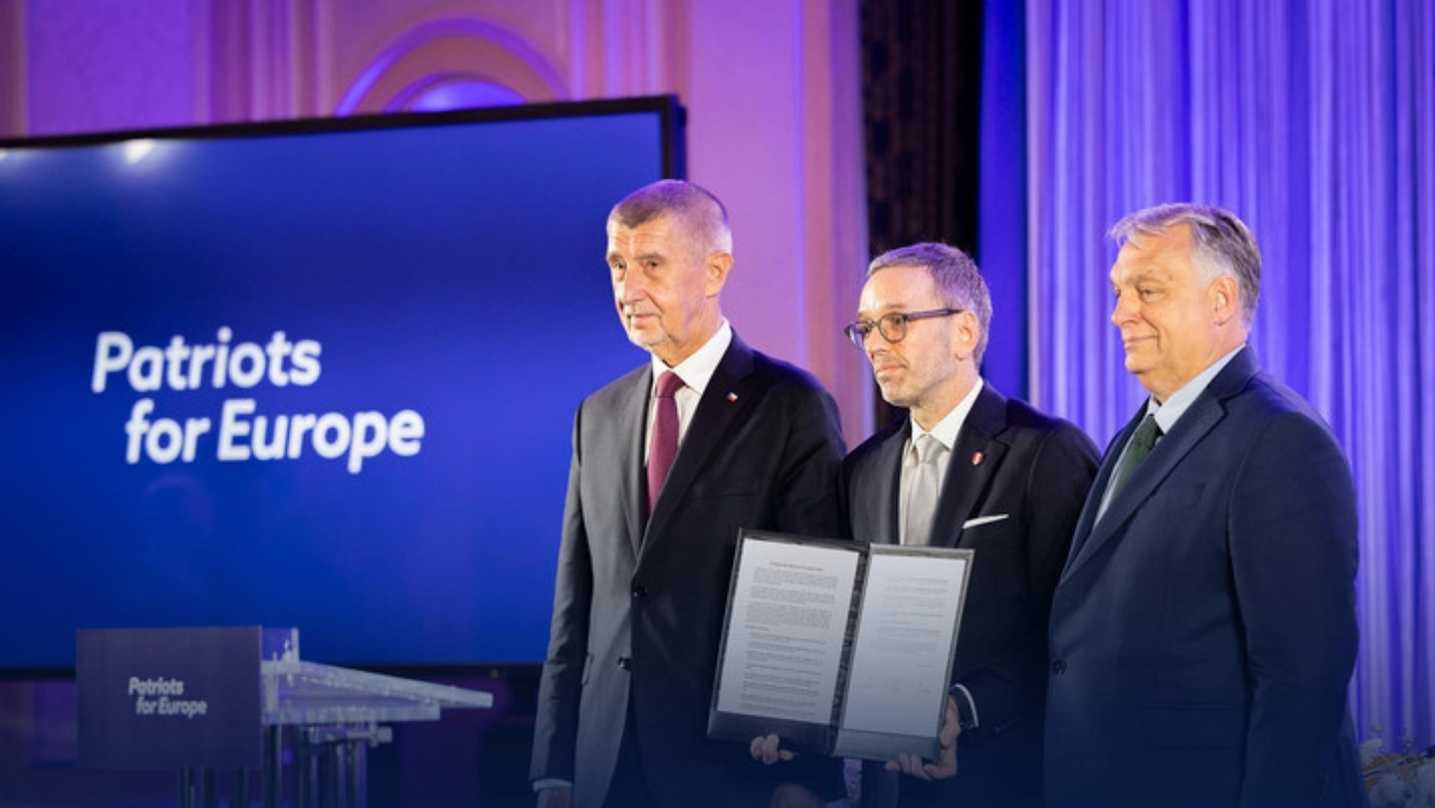
Austria’s Freedom Party (FPÖ), Czechia’s ANO, and Hungary’s Fidesz have formed a new right-wing coalition, the parties’ respective leaders announced at a joint press conference in Vienna on Sunday. Hungarian Prime Minister Viktor Orbán, former Czech Prime Minister Andrej Babiš, and Austrian opposition leader Herbert Kickl said the new alliance would hopefully entice others to join and become the largest nationalist political group in the European Parliament. “Today we are creating a political formation that will ‘forge ahead’ and very quickly become the strongest grouping and largest faction of the European right,” Orbán said. The Hungarian prime minister expects this to happen within days, and then the “sky will be the limit.” Orbán pointed out that the situation in Europe is clear, that European politics must change and change is needed in Europe. He underlined that in 20 of the 27 EU member states, parties that promised change to the citizens won the European Parliament elections. The Hungarian leader revealed the parties had adopted the Patriots’ manifesto, which summarizes the ideals and goals around which they are organizing their work. According to Orbán, the European economy is in crisis, its weight is diminishing and the threat of terrorism and migration...
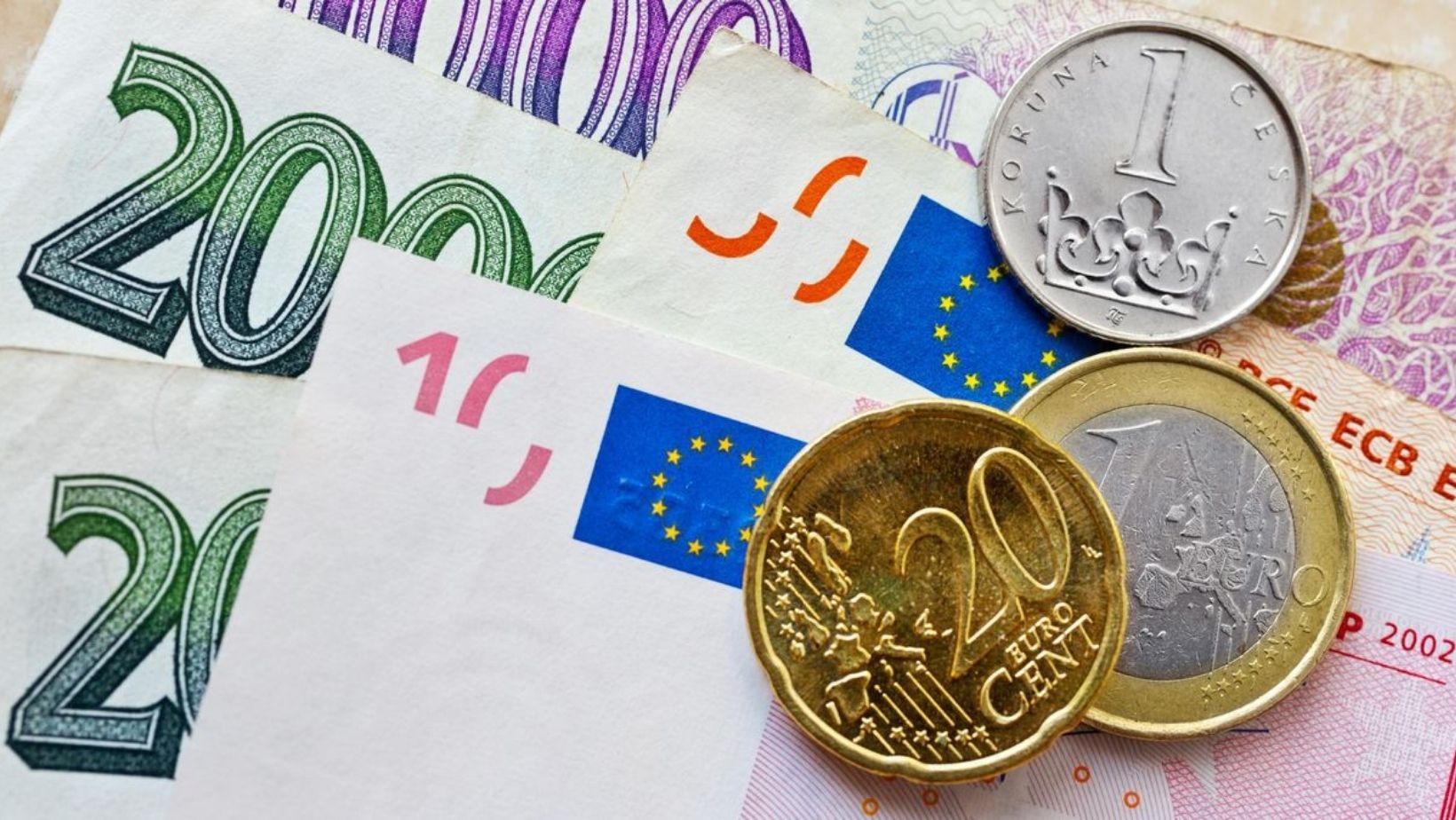
The Czech Republic meets only one of the four criteria required to join the eurozone and adopt the euro, according to the European Commission’s (EC) Convergence Report 2024. The report, released on Wednesday, highlights that the Czech Republic fulfills the criterion for long-term interest rate convergence but fails to meet the standards for price stability, healthy public finances, and exchange rate stability. The Commission expects progress on the criterion of healthy public finances. The EC assessed six European Union (EU) member states that have not yet adopted the euro but have pledged to do so eventually. These countries include Bulgaria, Hungary, Poland, Romania, and Sweden, along with the Czech Republic. None of these nations currently meet all the criteria, including Poland and Hungary. Before joining the eurozone, candidate countries must participate in the ERM-2 exchange rate mechanism. Among the six evaluated nations, only Bulgaria is currently a member of ERM-2. Denmark, another EU member that does not use the euro, was not assessed by the Commission. Denmark has a permanent exemption from the Maastricht criteria and is not obliged to adopt the euro. When the Czech Republic joined the EU in 2004, it committed to adopting the euro. However, the...
Lunch in Prague used to be the most expensive experience in the Czech Republic two years ago. However, the first five months of this year show a significant change. In May, the capital city fell to fifth place in terms of the most expensive lunches in the country. The Central Bohemian region, partly due to its proximity to Prague, now leads with an average lunch price of CZK 208. Pardubice, the Ústí Region, and South Bohemia have also surpassed Prague, where the average lunch costs CZK 198. “In the South Bohemian Region, there’s less competition between restaurants, and the purchasing power of Austrians and Germans who cross the border to eat there also increases, leading to higher restaurant prices,” said economist Lukáš Kovanda. These figures come from Pluxee, the largest benefits provider in the Czech Republic, formerly known as Sodexo Benefits. Lunch prices have hit record highs in the past. In December 2023, average lunch prices were the highest ever, with a meal in the Central Bohemian Region costing CZK 214 on average and CZK 201 in Prague. This led many Czechs to bring lunch from home to heat up at work. “Inflation and rising prices caused about 30 percent...
American chipmaker ON Semiconductor Corporation (onsemi) is investing up to $2 billion to expand its factory in the Czech Republic. Onsemi and the Czech government announced the new investment in its existing factory in the Czech town of Roznov pod Radhostem on Wednesday. The investment is the biggest in the country since the split of Czechoslovakia in 1993. Czech Prime Minister Petr Fiala said the investment would multiply the plant’s current output, which is 10 million chips per day. The company, based in Scottsdale, Arizona, said the number of jobs created in Roznov will increase to 3,000 from the current 1,700. Onsemi plans to build a silicon carbide manufacturing facility that would give greater efficiency to semiconductors, which are critical computer components. Onsemi supplies chips that go into electric cars and help with driver-assistance systems like cameras and sensors. Its silicon carbide chips also help extend the range of electric vehicles. Onsemi is “one of the only companies in the world” with the ability to manufacture semiconductors that use silicon carbide, according to the press release. Silicon carbide is a “critical material for high-power, high-temperature applications, and is extremely difficult to produce,” it says. Silicon carbide chips are more expensive...
Authorities in Czechia have recently launched a new portal called ‘Work in Czechia‘ aimed at attracting foreign talent to bolster the skilled labor market. This initiative aligns with the European Institute for Innovation and Technology’s (EIT) Deep Tech Talent Initiative, which seeks to upskill one million individuals in deep tech fields by 2025. The country has been actively inviting foreign professionals with the skills and ambition needed to contribute to an economy that highly values these attributes. This initiative reflects similar recruitment efforts undertaken from Scandinavian countries in Europe. Further emphasizing this strategic alignment, Czechia, according to a statement on the website, is coordinating with other European nations that are actively recruiting tech experts. The portal is available in Czechia.EU, provides a comprehensive guide for foreign professionals, covering all aspects of life and work in the country. This includes detailed information on visa and immigration procedures, as well as tips for cultural engagement. The head of the CzechInvest agency, Jan Michal, highlighted that the platform offers numerous opportunities, particularly in the technology sector. It also provides essential guidance on navigating the visa process, further facilitating the integration of international talent into Czechia’s workforce. “The website provides foreign talents with a...
Czech inflation slowed more than expected in May, to a headline rate of 2.6% year-on-year following a surprise jump to the top end of the central bank’s tolerance band in the previous month, likely keeping the path clear for further interest rate cuts. Year-on-year inflation eased from 2.9% recorded in April and was below a Reuters poll forecast of 2.8%. The lower-than-expected figure weighed on the crown, which eased past 24.70 per euro for the first time in a week. On a monthly basis, consumer prices were flat. Grocery prices were the main contributing factor, with the price of flour and eggs, for example, dropping significantly (by 23.5 percent) compared to last May. Fruit and meat also got cheaper, 6.7 and 5.8 percent respectively. Following the previous inflation surprise and after data in recent weeks showing a building recovery in consumer demand and real wage growth, markets have scaled back bets on the pace of Czech National Bank (CNB) rate cuts this year. The bank, which targets inflation at 2% with a tolerance band of 1 percentage point above or below that, has cut its key two-week repo rate by 175 basis points to 5.25% since December, including cuts of...
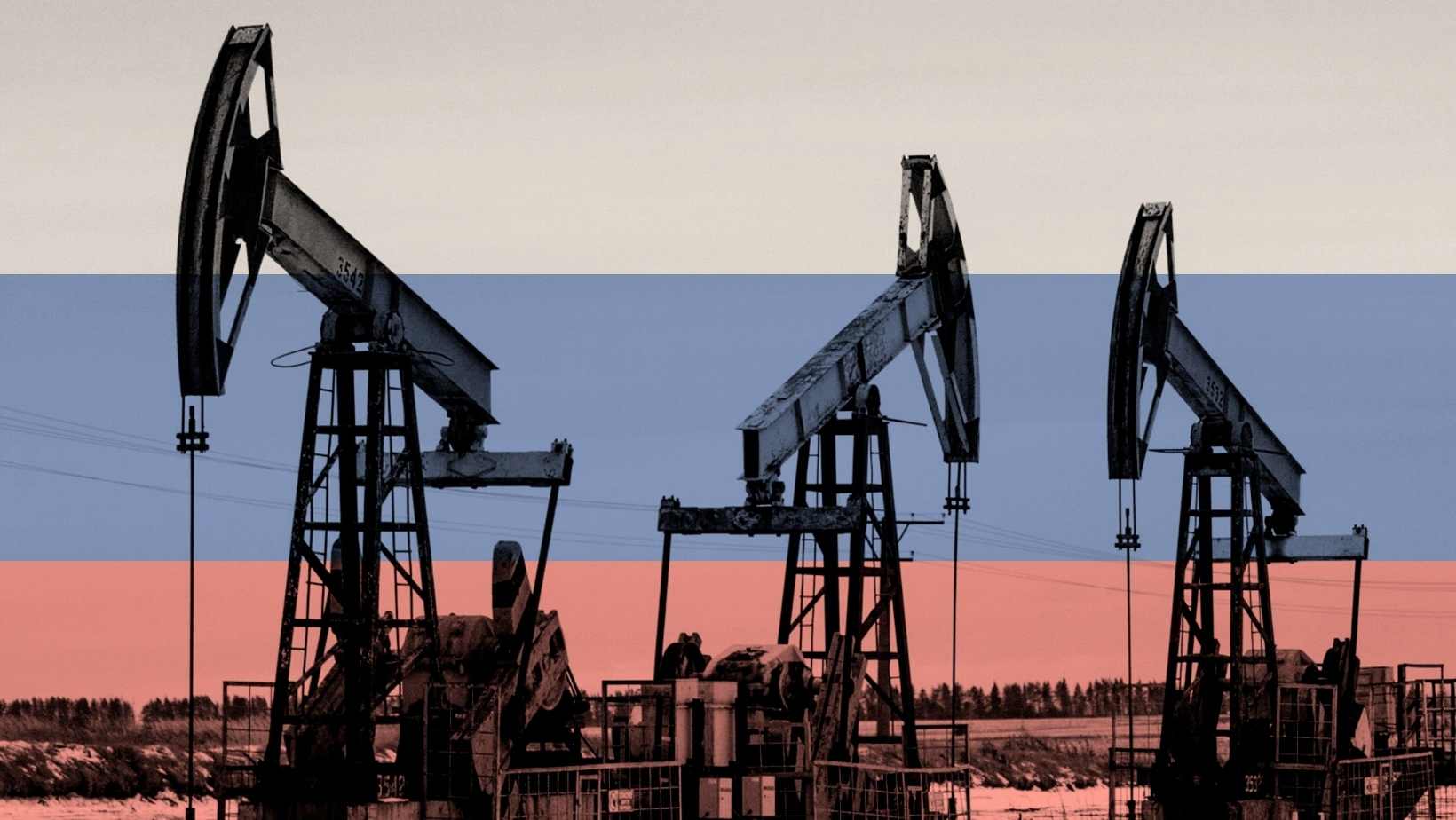
The Czech Republic will end its dependence on Russian oil by mid-2025 thanks to an expansion of the Transalpine Pipeline (TAL) from Italy, Prime Minister Petr Fiala said Tuesday. TAL brings oil from the Italian port of Trieste to southern Germany, where it connects to the IKL pipeline taking it to the Czech Republic. The pipeline extension will double capacity for the EU and NATO member to eight million tons when it becomes operational next year. The country has already wean itself off Russian natural gas completely in the wake of Moscow’s invasion of Ukraine. “Work on the expansion of the TAL pipeline has started, which means we will shake off the dependence on Russian oil after 60 years,” Fiala told reporters during a visit to the state oil company Mero in Nelahozeves, north of Prague. “We expect full launch in the first half of 2025 at the latest,” he said. The Czech Republic gets most of its oil via the Druzhba pipeline, launched in the 1960s when the country was part of Czechoslovakia, which was controlled by the Soviet Union. Shortly after Russia invaded Ukraine in February 2022, the European Union imposed a ban on most oil imports from...
Czech average wages grew by 4.8% year-on-year in real terms in the first quarter, the statistics office said on Tuesday, the first increase in over two years as inflation eased back to the central bank’s target range. The real increase was higher than analysts’ median forecast of 4.1% and the Czech National Bank’s prediction of 4.2%. Nominal wages increased by 7.0% year-on-year to begin 2024. Central bank policymakers are closely tracking changes in wages as they navigate an easing policy started last December that has delivered 175 basis points in cuts to the key two-week repo rate, which stands at 5.25%. Markets are watching for signs the central bank may slow its easing pace, after it cut in 50-basis-point steps at the past three meetings. Worker wages fell consecutively in real terms for nine straight quarters to the end of 2023, as a surge in prices in the past few years pushed inflation to double digits. “After nine quarters there was thus a turnabout, although in some economic activities – (like) industries – the wage of the employees has not increased in real term,” Jitka Erhartova, the head of the statistics office’s labour unit, said. Inflation fell to the central...
Prague has recently been ranked as the fourth richest region in Europe, surpassing cities like Berlin, Brussels, and Paris based on Gross Domestic Product (GDP) per capita. However, does this metric accurately reflect the lives of Prague’s residents? According to a Eurostat survey, Prague’s GDP per capita in 2022 was 207 percent of the European average. This means the city’s economic output per person is significantly higher than in many other regions. GDP per capita measures the total economic output divided by the population. In 2022, the Czech Republic’s overall GDP per capita was over CZK 634,000, while Prague’s was nearly CZK 1.5 million. Pavel Sobíšek, chief economist at UniCredit Bank, explains that regional GDP is measured based on where businesses are registered, not necessarily where they operate. With over 660,000 entities registered in Prague, many conduct activities elsewhere. Additionally, GDP figures are adjusted for purchasing power parity, which considers the lower cost of living in the Czech Republic but may not fully account for Prague’s higher living costs. Sobíšek recommends looking at net income per capita for a more accurate comparison. This measure shows Prague’s economic advantage as more modest compared to other regions. Vladimír Kermiet from the Czech...
Food prices are still on the rise, with some vegetables increasing by up to ten percent. Retailers seem to be reverting to their old pricing strategies after the VAT cut, says Trinity Bank’s chief economist Lukas Kovanda. Another wave of price hikes is hitting the market. This trend is not only visible in food prices but is also impacting overall inflation. “The main contributor to inflation in April was higher food prices. They rose by 1.7 percent, driven mainly by increases in pork, poultry, vegetables, dairy products, bakery items, and chocolate. Among alcoholic beverages, wine prices rose the most,” explained David Marek, chief economist at Deloitte and advisor to the president. Data from the Czech Statistical Office shows rising prices for rice, flour, meat, and fish. While food items became cheaper early in the year due to a VAT reduction from 15 to 12 percent, many prices have since increased significantly. From January to April, rice prices went up by 6.7 percent, flour by 6.9 percent, and salmon fillets by 4.5 percent. Soft curd saw an 8.8 percent rise, and lard jumped by 9.8 percent. There were also notable price fluctuations in vegetables and fruits. Prices for lemons, carrots, and...
The Czech Republic is among the countries most targeted by Russian hybrid activities, according to a recent study by NATO. Alongside Estonia, Germany, Latvia, Lithuania, Poland, and Britain, the Czech Republic faces a significant threat to its security from Russian interference. NATO expresses deep concern over Russia’s use of sabotage, disinformation campaigns, violence, and cyber attacks. Recent events underscore this threat. In the UK, authorities charged two individuals suspected of ties to Russian intelligence for planning attacks on Ukrainian-affiliated businesses. In the Czech Republic, investigations into the Vrbětice warehouse explosion reveal Russian involvement. Moreover, a network dubbed “Voice of Europe” has been exposed for attempting to influence politicians and activists. Similar incidents have occurred across Europe. In April 2024, British authorities charged two individuals with aiding Russian intelligence in planning an arson attack on a facility storing aid for Ukraine. Meanwhile, in Poland, a man was arrested for allegedly spying for Russia and plotting to assassinate the Ukrainian president. In Germany, two arrests were made for planning physical attacks to disrupt German aid to Ukraine. Estonian officials have accused Russia of hybrid operations targeting the Baltic states, including facilitating refugee influxes to pressure EU and NATO borders. Allegations include jamming...
Czechia’s seasonally-adjusted unemployment rate remained unchanged month on month at 2.9% in March, Eurostat, the European Union’s (EU) statistical office, reported on Friday. This is the lowest result in the EU, Eurostat wrote, adding that the same unemployment rate was also recorded in Poland. The number of unemployed decreased to 515,000 in March from 516,000 in February, Eurostat pointed out. The general level of unemployment in the EU lay at 6 percent in March, a decrease by 0.1 percent when compared to February. On the other hand, Greece and Spain maintained the highest unemployment rates; with more than one in ten people who are able registering for employment. Eurostat estimates that 13.258 million persons in the EU, of whom 11.087 million in the euro area, were unemployed in March 2024. Compared with February 2024, unemployment decreased by 74 thousand in the EU and by 94 thousand in the euro area. Unemployment by sex In March 2024, the unemployment rate for women was 6.4% in the EU, stable compared with February 2024, and the unemployment rate for men was 5.7%, down from 5.8% in the previous month. In the euro area, the unemployment rate for women was 7.0%, stable compared with...
Don’t have an account? Register
Already have an account? Log In
How Would You Like to Promote Your Business? PR ArticleDisplay bannersVideo productionNewsletter adsJob ListingsInfluencer Marketing
Your Email
We will come back to you within 24 hours with our proporsal