The Czech Republic’s consumer price inflation eased more-than-expected in January to the lowest level in nearly three years, largely due to a sharp slowdown in utility costs along with a continued fall in food costs, data from the Czech Statistical Office shows. Consumer prices climbed 2.3 percent year-over-year in January, much slower than the 6.9 percent rise in December. Meanwhile, economists had expected inflation to slow to 2.9 percent. Further, this was the weakest inflation since March 2021, the agency said. The annual price growth in utilities eased markedly to 3.1 percent in January from 16.8 percent in December. The decline in prices of food and non-alcoholic beverages deepened to 3.9 percent from 0.3 percent. Meanwhile, transport charges rebounded 0.4 percent after a 0.2 percent drop seen in December. On a monthly basis, consumer prices rose 1.5 percent in January, versus an expected increase of 2.0 percent. The monthly upturn was mainly attributed to higher utility costs, especially electricity charges.
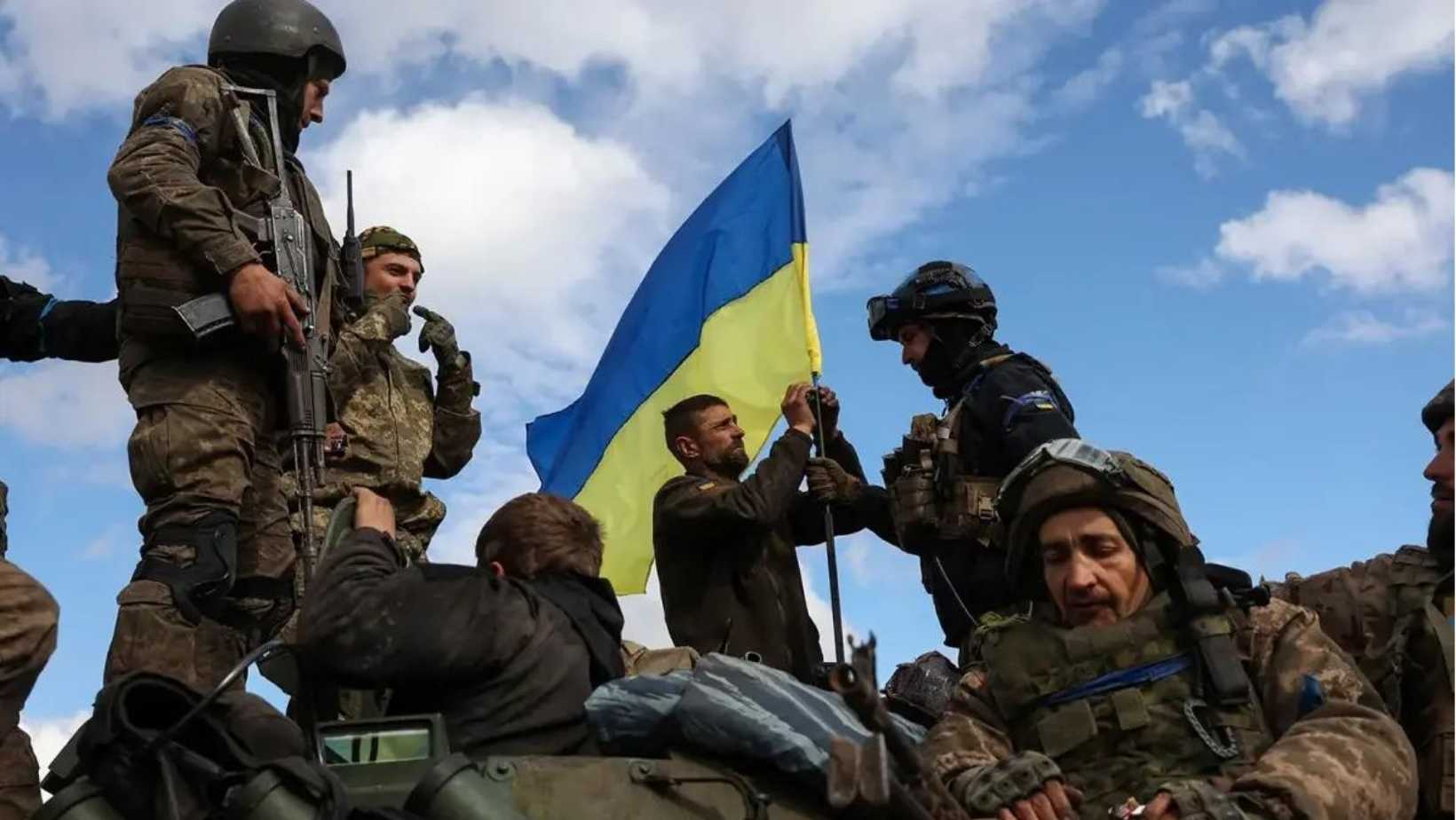
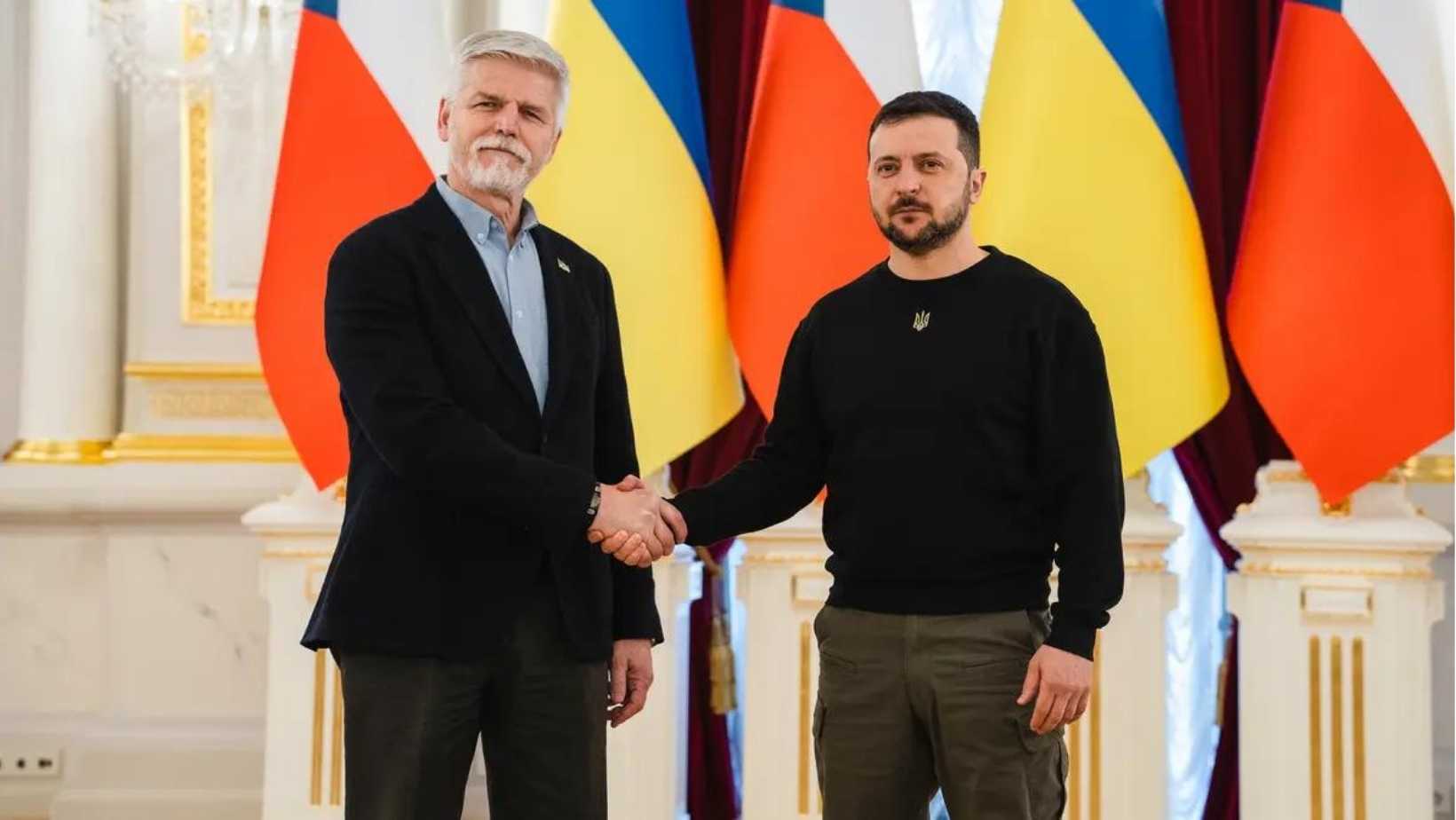
The Czech Defence Ministry and local industry have identified 800,000 units of available ammunition that could be delivered to Ukraine within weeks, if funding are secured. Ukraine desperately needs artillery ammunition to fend off Russian forces. Although the EU has promised to deliver one million rounds by March, it failed due to low production capacity. The Czech Republic is, therefore, exploring the possibility of buying ammunition from outside the EU. “Our Defence Ministry and our companies in the defence industry, through their contacts, have an overview of where equipment and ammunition are available,” Pavel said during a press briefing in Munich, where he attended the Munich Security Conference. According to Pavel, the Czechs have identified a significant amount of 155mm NATO-standard artillery shells and the 122mm calibre often used in the former Soviet Union. “As far as I know, our companies have identified, variously around the world, up to 500,000 NATO 155mm calibre rounds and up to 300,000 122 mm calibre rounds,” Pavel said. “In cooperation with our partners, mainly from Denmark, the Netherlands and Canada, we are raising the financial resources to cover the transaction. And then we will transport the equipment and ammunition to Ukraine through our resources,”...
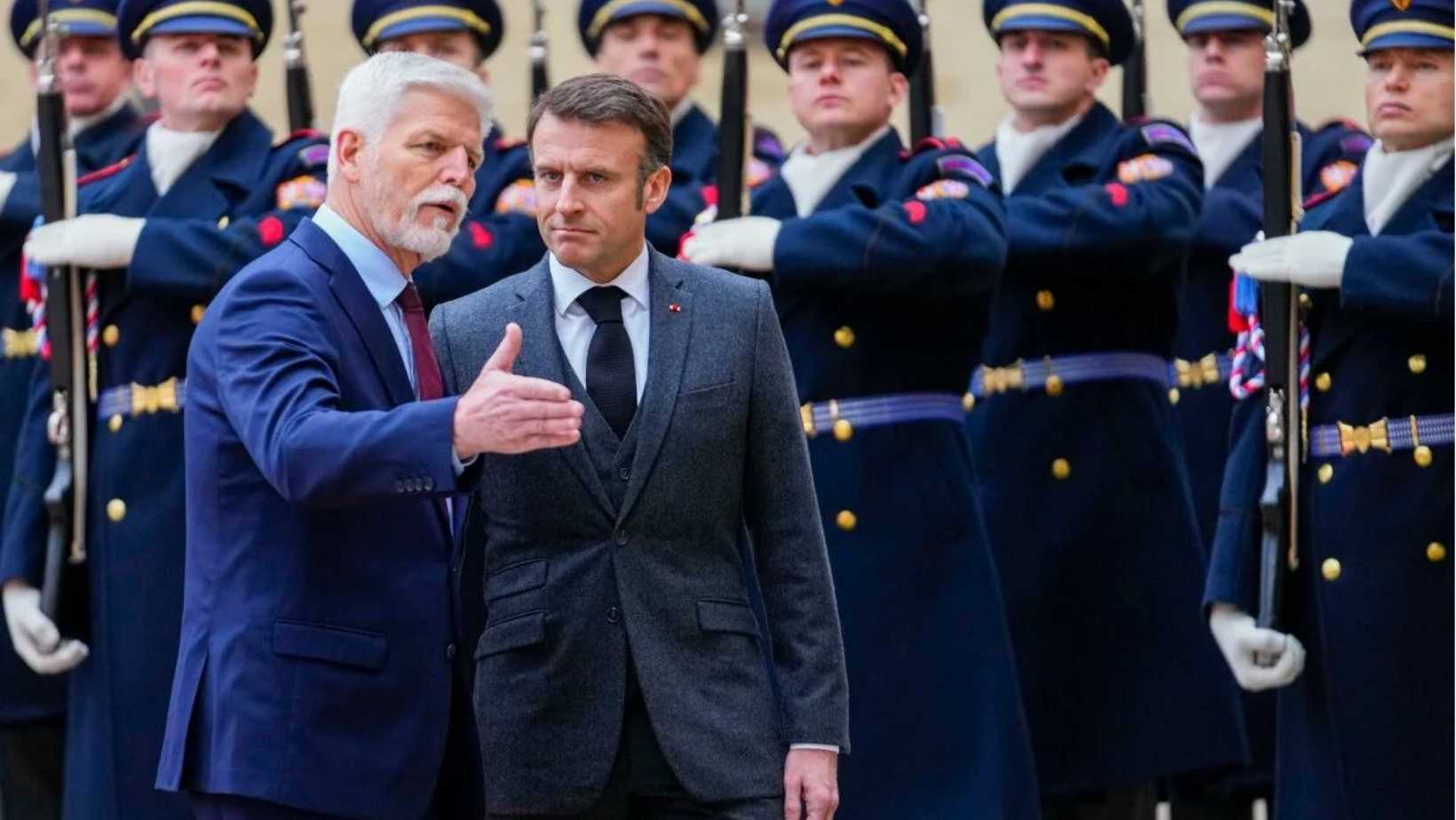
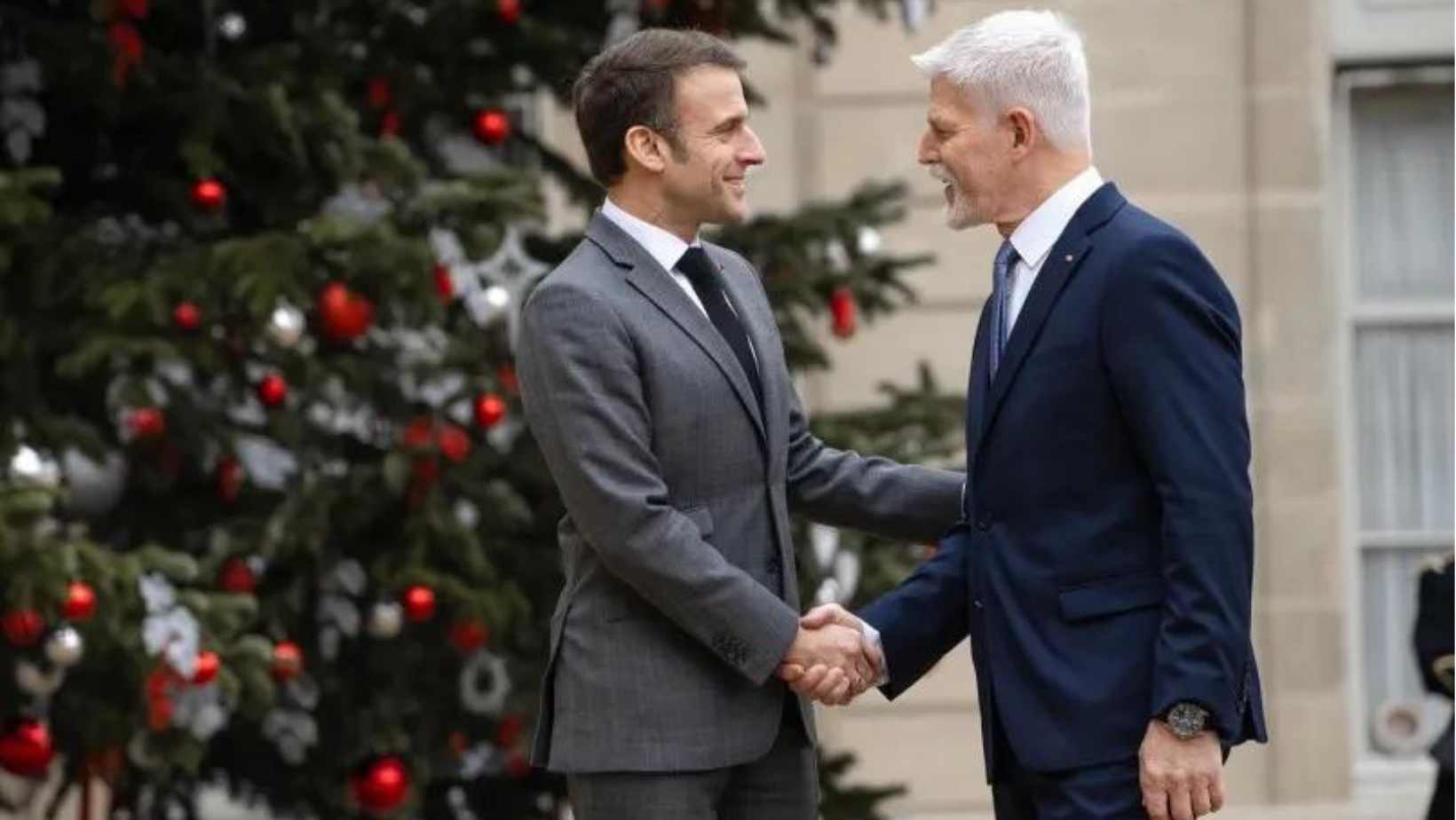
French President Emmanuel Macron will visit the Czech Republic on Tuesday, March 5th. This was reported today by Czech Television and confirmed by the Czech ambassador in Paris, Michel Fleischmann. This upcoming visit marks Macron’s third official trip to the Czech Republic since 2018. His most recent visit took place in October 2022, when he attended the European Political Community’s Prime Ministerial Summit and the subsequent informal European Council Summit at Prague Castle. In October 2018, he commemorated the 100th anniversary of the founding of the Republic with a visit to the country. Last December, President Pavel met with Macron at the Elysee Palace in Paris. Following the meeting, President Pavel remarked on the close ties between the Czech Republic and France, highlighting their shared positions on issues like the war in Ukraine, the Middle East situation, energy security, and EU enlargement. Macron’s upcoming visit underscores the ongoing diplomatic cooperation between the two nations.
A Prague court on Wednesday acquitted for the second time former Prime Minister Andrej Babis of fraud charges in a $2 million case involving European Union subsidies. Babis had pleaded not guilty and repeatedly said the charges against him were politically motivated. The prosecution can still appeal the verdict. It had requested a three-year suspended sentence and a fine to be paid by the populist billionaire. Prague’s Municipal Court previously acquitted Babis and Nagyova last year in January. In September, Prague’s High Court canceled the lower court’s decision and ordered the case to be retried at the same court. The case centered around a farm known as the Stork’s Nest, which received EU subsidies after its ownership was transferred from the Babis-owned Agrofert conglomerate of around 250 companies to Babis’ family members. Later, Agrofert again took ownership of the farm. The subsidies were meant for medium- and small-sized businesses and Agrofert wouldn’t have been eligible for them. The conglomerate later returned the subsidy. Babis’ former associate, Jana Nagyova, who signed the subsidy request, was also acquitted. Judge Jan Šott said what they did was not considered criminal. Babi has become part of the country’s opposition after his populist ANO centrist...
The four-day workweek is gaining traction across Europe, with Germany leading the charge through a nationwide pilot program involving dozens of companies. While this trend might seem alluring, the Czech Republic finds itself at a crossroads, unprepared for full-scale implementation due to unique economic and cultural factors. Currently, enjoying a four-day workweek remains a rare privilege in the Czech Republic. Only a handful of companies offer it, and even then, with obstacles. “This benefit comes with demanding performance targets,” warns Dagmar Rottová, sales director at Citfin. Psychologist Jan Lašek echoes this concern, highlighting the potential strain on “memory, attention, and overall concentration” under a condensed schedule. Additionally, industries like construction and service sectors seem ill-equipped for such a shift. “It’s simply impossible for us,” says a café and bakery owner. “We’re open seven days, and hiring more staff wouldn’t be financially viable.” Official recognition or government-led trials are absent in the Czech Republic. The perceived limited applicability, primarily benefiting office workers, further complicates matters. “Sales, dealerships, and call centers are some roles where this system might work,” confirms Rottová. For Jiří Halbrštát, a labor market expert, success hinges on “internal company adjustments, like boosting productivity or automating tasks, to maintain...

An EU effort to impose sanctions on Israeli settlers attacking Palestinians in the West Bank has stalled due to objections from Hungary and the Czech Republic, diplomats say. The two staunch allies of Israel made clear in an EU committee on Thursday they were not ready to let the proposal go forward for now, said four diplomats, speaking on condition of anonymity about internal EU deliberations. Some said a compromise may be found later to let the measures proceed, possibly after more EU sanctions on Hamas, the Palestinian militant group responsible for the Oct. 7 attack on Israel that triggered the current Middle East crisis. While much international attention has focused on that cross-border assault from Gaza and Israel’s subsequent war there, European officials have also expressed increasing concern about rising violence against Palestinians in the West Bank. The United States and Britain have expressed similar concerns and have already imposed sanctions on several settlers they say are responsible for violence. EU foreign policy chief Josep Borrell said in December he would propose similar measures. But EU sanctions require unanimity among member states and the bloc has yet to find agreement – a reflection of broader divisions on the Middle...
Former Czech Prime Minister Andrej Babiš lost his final appeal in Slovakia Wednesday in a case concerning allegations that he collaborated with communist-era secret police in what was then Czechoslovakia. Babiš, who was born in Slovakia, was suing the Institute for National Memory, which holds parts of his secret police files following the division of Czechoslovakia into the Czech Republic and Slovakia in 1993. In a decision on February 1 but only published Wednesday, Slovakia’s Constitutional Court, the highest court in the land, upheld the rulings by lower courts dismissing the case. Some of the files were destroyed, but the institute said those that still exist contain evidence that Babis was an agent under the code name “Bures” from 1982. Babiš has vehemently denied that. The regional court in the capital, Bratislava, originally rejected the lawsuit in 2018, but the Constitutional Court ordered a retrial, saying the institute could not be sued and the respondent should be the Slovak Interior Ministry. The regional court dismissed the case again in 2022, followed by a similar ruling from the Supreme Court in September last year. Babiš challenged that with a complaint filed with the Constitutional Court whose verdict completed the case. Babiš...
European Affairs Minister Martin Dvořák (STAN) won’t appoint a commissioner for euro adoption, Prime Minister Petr Fiala of the Civic Democrats said on Tuesday evening after a special meeting of coalition government leaders. Fiala stated that legislative issues related to the Czech Republic’s potential entry into the mechanism or the eurozone would be evaluated by the Legislative Council of the Government by October. The previous day Mr. Dvořák had announced that he was naming economist Petr Zahradník in that position. Other coalition parties criticized the minister for this move, as the government hadn’t agreed on filling the position of the national coordinator for euro introduction since 2017. Government leaders the Civic Democrats are the only grouping in the five-party coalition opposed to the adoption of the single European currency at present. “We have specific tasks, deadlines, and responsibilities. I was surprised that after 20 years, there are still no analyses of the euro adoption’s impact on the legal or constitutional order. Thanks to today’s government meeting results, this gap will be addressed,” Dvořák stated to ČTK. He also mentioned on the social network X that Zahradník is an excellent expert, regardless of whether his role is called a commissioner or...
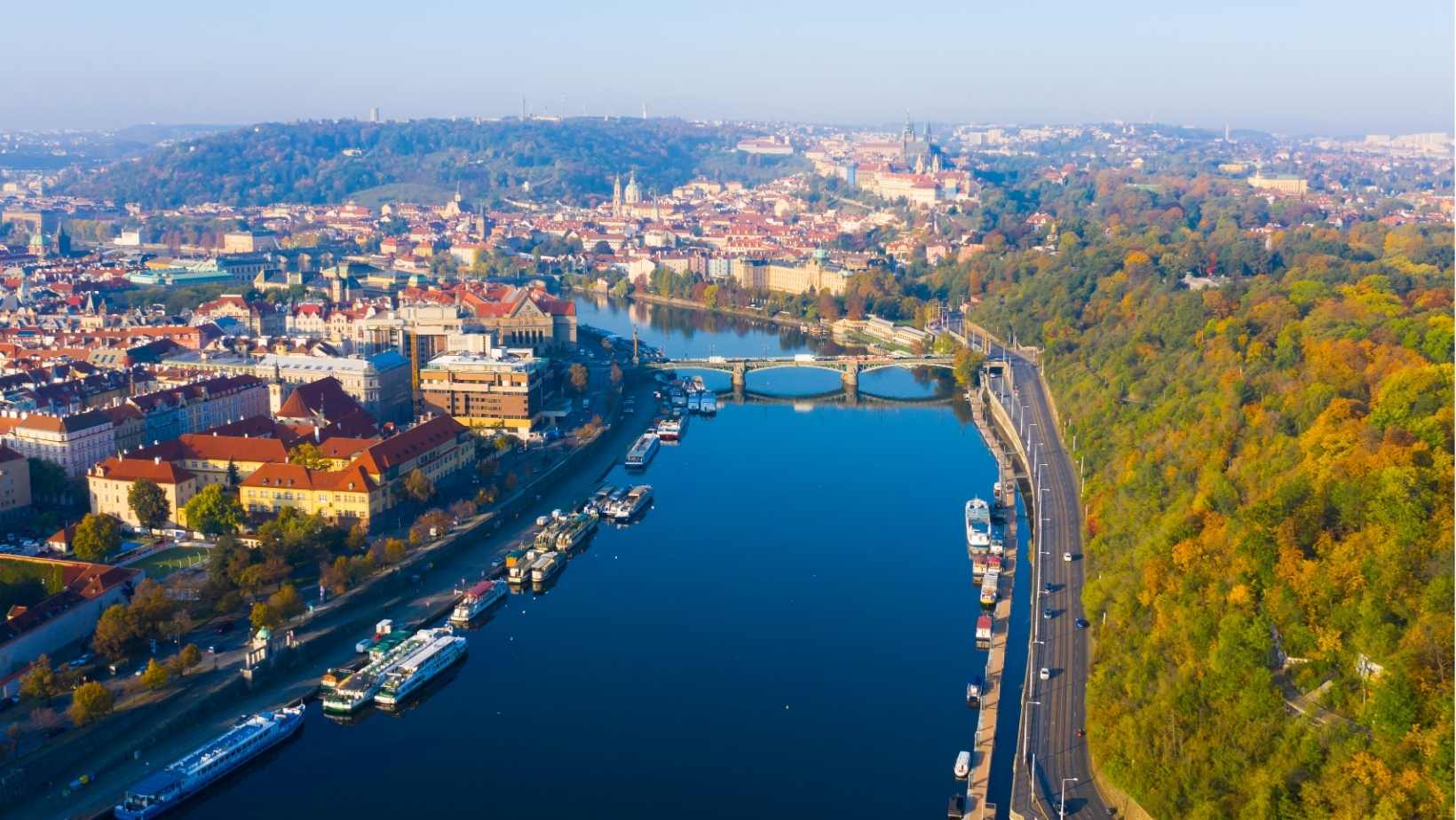
US Secretary of State Antony Blinken is expected to attend an informal meeting of NATO foreign ministers in Prague in May, Seznam Zprávy reported. The news site said the size of the event was reflected in the CZK 100 million budget that had been set aside for it. The gathering will be the biggest NATO event in Prague since a summit in 2002 and comes as Czechia marks 25 years of membership and the alliance marks 75 years of existence. The foreign, defense, and interior ministries are set to contribute financially to the event. “We are operating with a budget of CZK 100 million, although the final amount is yet to be determined,” stated Foreign Ministry spokeswoman Mariana Wernerová to Seznam Zprávy. The Czech Foreign Ministry highlighted the nation’s commitment to NATO’s political cohesion, emphasizing the meeting’s symbolic importance in today’s global security context. “The decision to join the Euro-Atlantic structures and the subsequent anchoring of the Czech Republic in NATO represents one of the most historically important steps in the Czech Republic’s independent history. Its significance is truly appreciated today,” the ministry noted. The meetings will take place at the Czernin Palace, the Foreign Ministry’s seat, and at Prague...
Czech Minister for European Affairs, Martin Dvořák (STAN), has appointed economist Petr Zahradník as the national commissioner for joining the European Exchange Rate Mechanism (ERM II) and adopting the euro. Renewing the position of the national coordinator for the euro has been under discussion within various government parties, spurred by President Petr Pavel’s New Year’s speech regarding the potential adoption of the common European currency. While the ruling parties – STAN, KDU-ČSL, TOP 09, and Pirates – are supportive, the Civic Democrats hold a negative stance. Zahradník, a specialized economist and analyst focusing on the European Union, has been appointed to encourage a public debate on the benefits and risks of adopting the euro, according to Dvořák’s press release. The new commissioner’s primary responsibilities include engaging in expert discussions on meeting the Maastricht criteria, monitoring and analyzing economic aspects of eurozone entry, and providing expert support to Dvořák. The minister’s press office states that the position is established for an indefinite period without additional financial costs, as Petr Zahradník already serves as an adviser to the minister. Dvořák expressed optimism, stating, “I believe that thanks to the new commissioner, we will be able to address main objections from the professional...
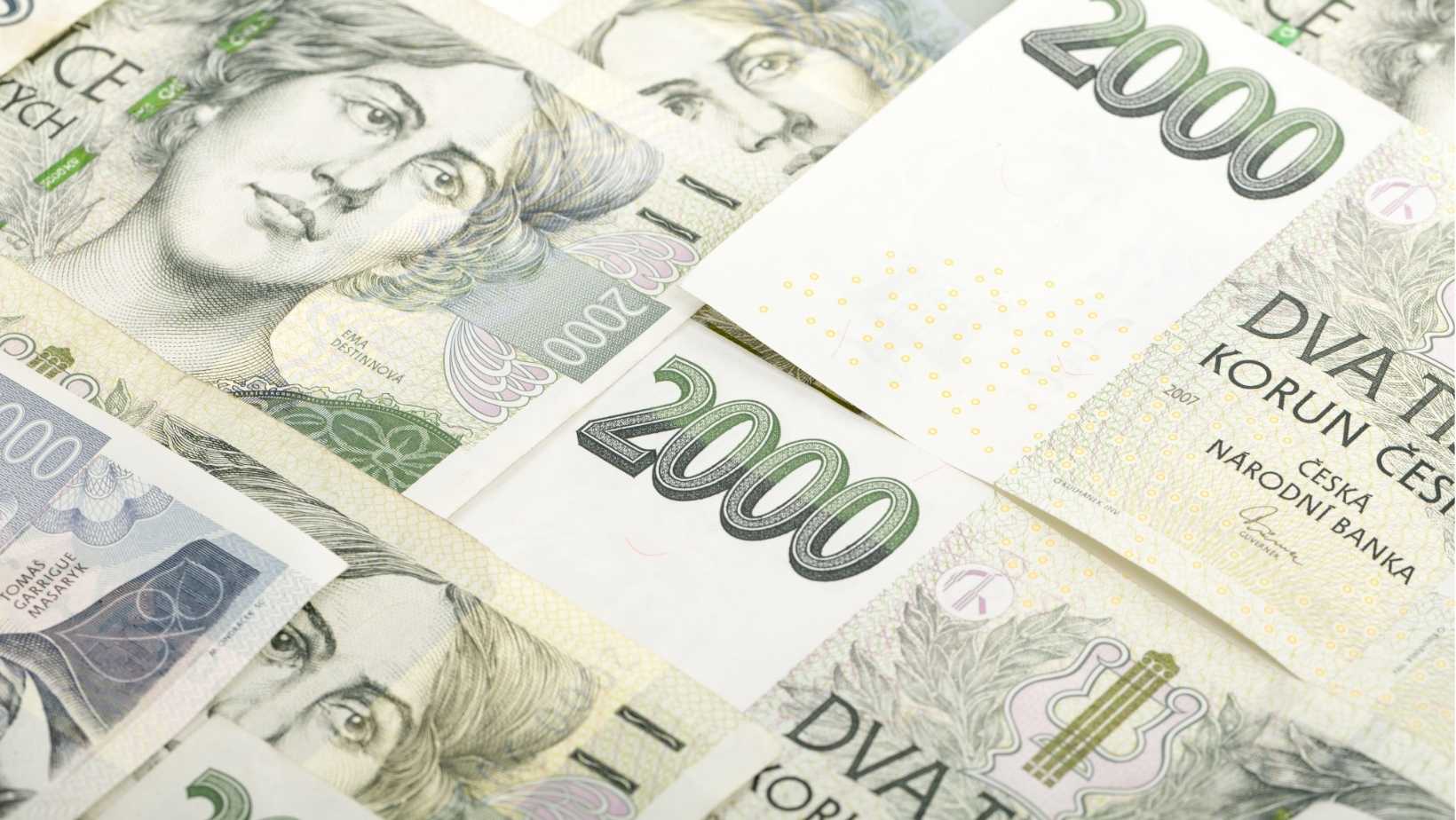
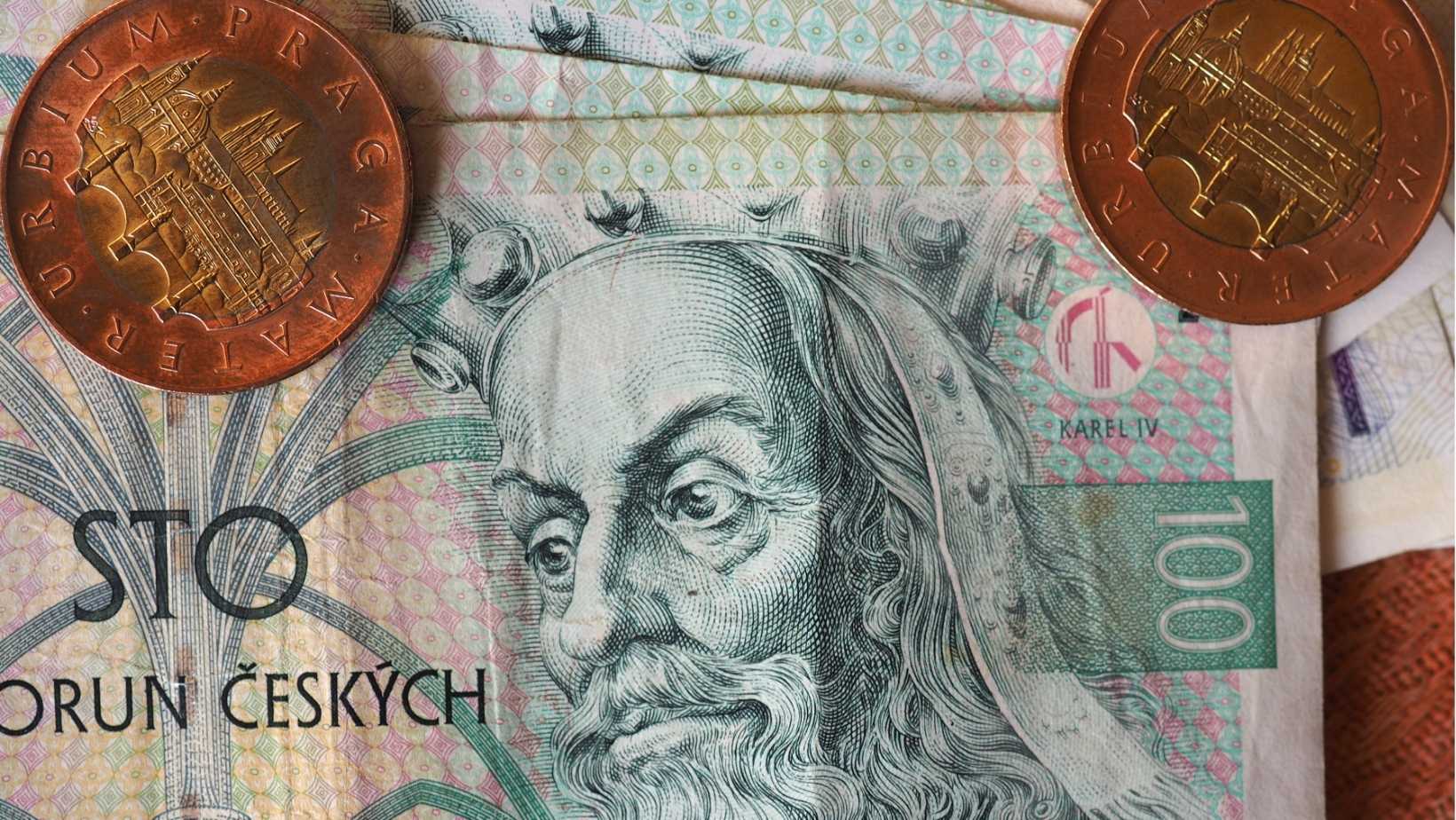
At the close of trading on Friday, February 2, the Czech koruna weakened against the euro by 14 halers, reaching 24.97 crowns per euro, marking the lowest level since May 2022. Senior Czech central banker Jan Frait said he was prepared to back at least a 50-basis-point cut next week and may favour an even larger move, raising the prospect of the bank discussing bolder monetary easing than market predictions. Analysts highlight that the koruna’s decline is attributed to the overall instability in global financial markets and the news of a Czech economic recession. This downward trend commenced at the end of November last year, accumulating a loss of 71 halers over two months. It’s worth noting that the Czech crown reached its peak strength against the euro in July 2008, with an exchange rate of 22.86 crowns per euro. Its lowest point was in April 1999 when one euro was equivalent to 38.46 crowns.
The Czech government said Wednesday it plans to build up to four nuclear reactors instead of one as the country tries to become more energy-independent and wean itself off fossil fuels. Prime Minister Petr Fiala said the decision to seek more reactors could reduce the price per reactor by up to 25%. The timing and locations are not yet decided. Three companies including U.S. firm Westinghouse, France’s EDF and Korea’s KHNP originally submitted bids to build one reactor at the Dukovany nuclear power station. It should become operational by 2036. As part of their bids, the companies had also submitted unbinding offers to build three more nuclear reactors. In a surprise move, the government announced that Westinghouse’s bid didn’t meet the conditions of the tender, and only EDF and KHNP have been asked to submit new, expanded bids in April. Industry and Trade Minister Jozef Sikela said an assessment of the bids should be completed by the end of May. The Czech Republic already relies on six nuclear reactors to generate more than a third of its electricity. Besides four in Dukovany, state-controlled power company CEZ operates two 1,000-megawatt reactors at the Temelin plant. Unlike its western neighbors Austria and...
Don’t have an account? Register
[swpm_registration_form level=”6″]
Already have an account? Log In
How Would You Like to Promote Your Business? PR ArticleDisplay bannersVideo productionNewsletter adsJob ListingsInfluencer Marketing
Your Email
We will come back to you within 24 hours with our proporsal