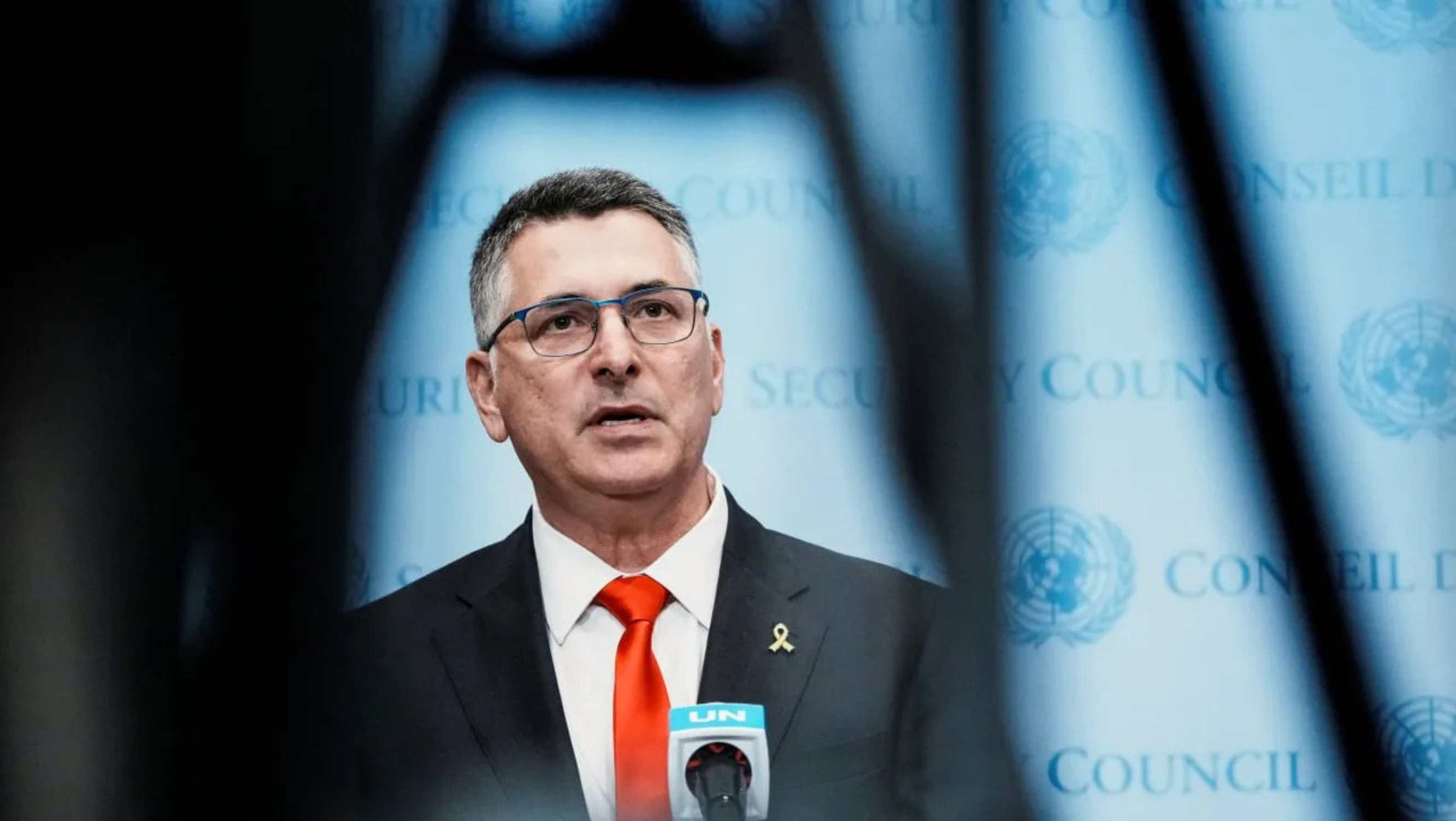
Israel’s Foreign Minister Gideon Sa’ar touched down in Prague on Tuesday for a two-day diplomatic visit, with the bulk of his schedule packed on Wednesday. Sa’ar is set to meet Czech Foreign Minister Petr Macinka of the Motorists party, followed by a separate audience with President Petr Pavel. Beyond the bilateral talks, Sa’ar will take part in a Czech-Israeli business forum attended by dozens of Israeli companies. The visit builds on months of diplomatic momentum. Macinka publicly announced Sa’ar’s upcoming trip last week, but the groundwork was laid well before that. Sa’ar had already visited the Czech Republic in January, and Macinka traveled to Israel in mid-April in return. That April trip produced a concrete outcome: the two ministers agreed to establish a joint commission aimed at deepening trade and cooperation between the two countries, with a specific focus on healthcare and cybersecurity. Wednesday’s meetings in Prague are expected to pick up where those talks left off, according to the Czech Foreign Ministry. The agenda will also address broader regional tensions. Both sides plan to discuss the ongoing crises across the Middle East and how those developments are shaping policy within the European Union. Would you like us to write...
The Czech government has stepped away from earlier expectations that the country could adopt the euro by 2030. After a cabinet meeting on May 11, Prime Minister Andrej Babiš said the government would no longer commission annual reports evaluating whether the country meets the conditions to join the eurozone. “There is no reason to revisit the issue every year. This government does not intend to adopt the euro,” Babiš said, adding that the decision should be left to a future administration in the early 2030s. The reports had been prepared jointly by the Czech Ministry of Finance and the Czech National Bank. They tracked the country’s progress toward meeting the economic conditions required for euro adoption and assessed how closely the Czech economy aligns with the eurozone. Those evaluations consistently pointed to strong economic ties with eurozone countries, particularly in trade and manufacturing. At the same time, they highlighted ongoing gaps in wages and prices, as well as structural differences that could affect how the Czech economy responds to external shocks. The country’s reliance on industry, for instance, makes it more sensitive to fluctuations in global demand than many eurozone economies. The decision to abandon the reports drew criticism from...
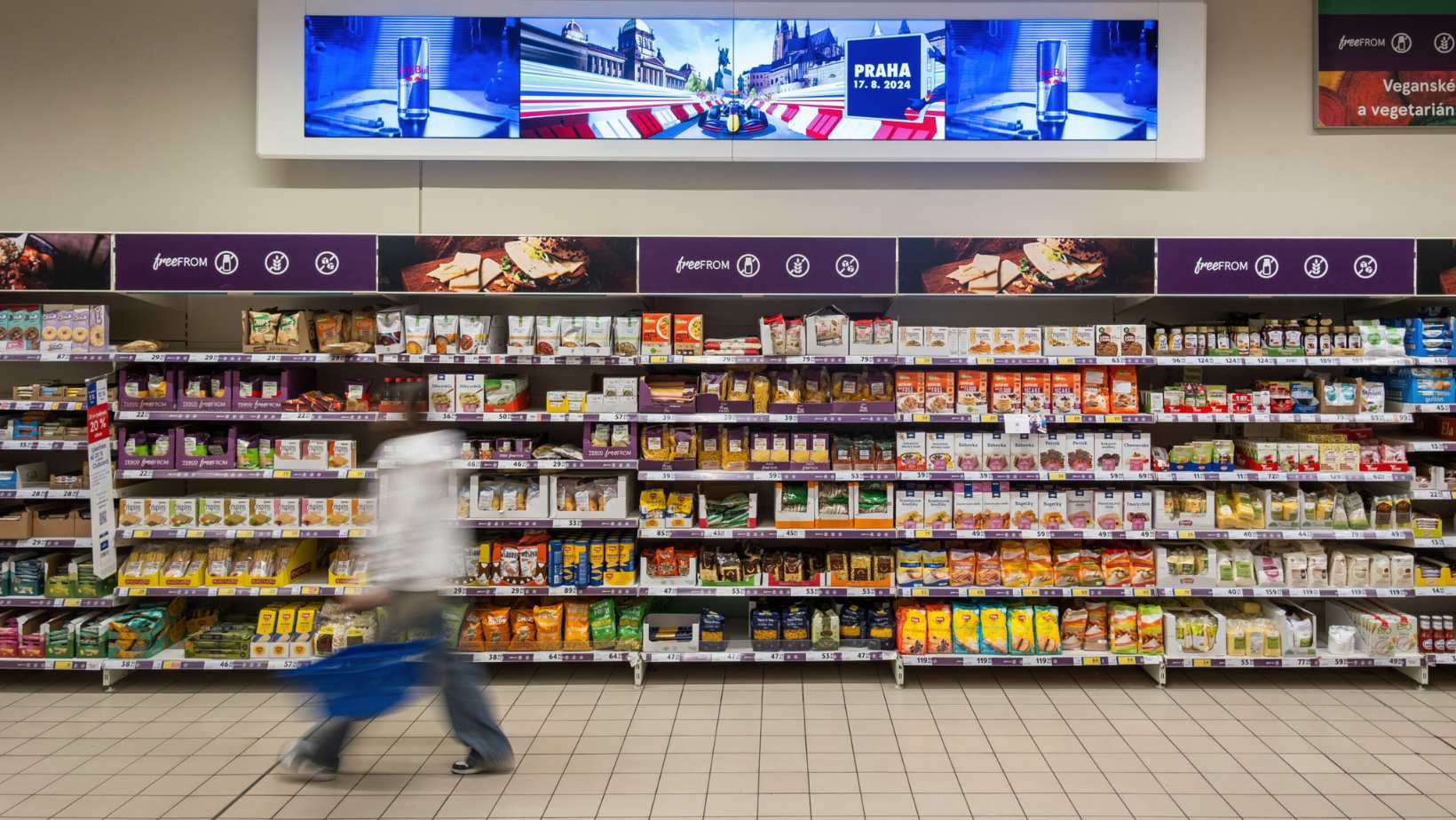
Despite headline inflation holding below two percent at the start of 2025, Czech households are feeling a very different reality. A new survey by Ipsos found that nearly two-thirds of households — 65% — are spending more each month than they were a year ago, with food prices and a broad rise in the cost of goods leading the way. The findings point to a growing divide along income lines. Among households earning up to 30,000 Czech crowns per month, nearly one in three respondents — 29% — reported a significant jump in expenses. In households earning above 70,000 crowns, that figure drops to just 8%. “Most households are dealing with rising costs, but the pressure is hitting those with lower incomes hardest,” said Jaroslav Ondrůšek, chief analyst at Home Credit. Women and people between the ages of 45 and 53 are also among those reporting the steepest increases. Where the Money Is Going Respondents were clear about what is driving their costs up. Nearly two-thirds pointed to food as the primary factor. Around 42% cited a general rise in the price of goods, while 40% named higher energy, transportation, and service costs as the main pressure on their budgets....
The Czech Republic is often presented as the country with the lowest level of poverty in the European Union. According to data from Eurostat, around 11.5 percent of people were at risk of poverty or social exclusion last year, compared to an EU average of 20.9 percent. This places the country ahead of neighbors such as Germany, Austria and Poland. In Germany, the share stood at 21.2 percent, while Austria reported 18.8 percent and Poland 15 percent. Slovakia recorded 16.7 percent. At first glance, the figures suggest a strong position. The Czech Republic has ranked near the top of this indicator for years, reinforcing the image of a country with relatively low inequality. Yet economists and social analysts say the data does not fully capture how people actually live. The Eurostat indicator defines poverty as earning less than 60 percent of the national median income. In practical terms, that threshold was about 19,090 crowns per month for an individual in the Czech Republic last year, and 24,817 crowns for a single parent with a young child. The measure also considers whether households can afford basic needs such as heating, holidays or unexpected expenses. But critics argue the method focuses too...
Former Czech Justice Minister Pavel Blažek has been charged amid an ongoing criminal investigation into a controversial bitcoin donation accepted by the Ministry of Justice during the previous administration. Detectives from the National Headquarters for Organized Crime launched criminal proceedings on Monday against three more people linked to the case, prosecutors said. The newly charged suspects are Blažek, a senior figure in the Civic Democratic Party, his former deputy Radomír Daňhel, and Brno lawyer Kárim Titz, who represented programmer Tomáš Jiřikovský, the man who donated the bitcoins to the state. In a press release on Monday, the Chief Public Prosecutor’s Office in Olomouc said the three are accused of abuse of authority by an official and legalization of proceeds from crime. According to prosecutors, the alleged abuse of power relates to an official exercising authority in breach of the law with the intention of giving someone else an illegal advantage. The money laundering allegations concern the transfer of assets believed to be proceeds of another person’s criminal activity, as well as alleged attempts to make it substantially harder to determine the origin of those assets. If convicted, the accused face prison sentences of between 5 and 12 years. The criminal...
Ukrainian President Volodymyr Zelenskyy met Czech Prime Minister Andrej Babiš in Yerevan on Sunday, marking their first in-person talks since Babiš took office in December. The meeting took place on the sidelines of the 8th European Political Community (EPC) Summit, bringing together European leaders at a key moment for the continent’s political coordination. Zelenskyy thanked the Czech people for what he described as “tremendous and heartfelt support” for Ukraine since the beginning of Russia’s full-scale invasion. Both leaders discussed bilateral relations between Ukraine and the Czech Republic, with Zelenskyy noting potential opportunities to deepen cooperation in several areas. A significant part of the talks focused on Ukraine’s path toward European Union membership and the next steps in its ongoing accession process. EU integration remains one of Kyiv’s strategic priorities, and Czechia has been among the countries consistently supporting Ukraine’s European aspirations. The meeting comes just one day before the EPC Summit, scheduled for today, May 4, under the theme “Building the Future: Unity and Stability in Europe.” The summit will gather nearly fifty heads of state and government, along with leaders of international organizations, to discuss Europe’s shared challenges and long-term priorities. It will be co-chaired by Armenian Prime Minister...
The cost of employing workers across the European Union rose again in 2025, with differences between countries continuing to stretch. New figures from Eurostat show that employers now pay nearly five times more for an hour of work in the bloc’s most expensive country than in its cheapest. Across the EU economy, the average hourly labor cost reached €34.9 last year. Within the eurozone, where 20 countries share the single currency, the average stood higher at €38.2. Both figures marked an increase from 2024, when costs were €33.5 and €36.8 respectively, reflecting steady upward pressure on wages and employer contributions. The divide between member states remains stark. Bulgaria recorded the lowest hourly labor cost at €12, followed by Romania at €13.6 and Hungary at €15.2. At the other end of the scale, Luxembourg topped the list at €56.8 per hour. Denmark and the Netherlands followed, with costs of €51.7 and €47.9. Labor costs in Europe are made up of wages and additional expenses paid by employers, mainly social security contributions. These non-wage costs account for roughly a quarter of total labor expenses across the EU, at 24.8 percent, and slightly more in the eurozone at 25.6 percent. Their share varies...
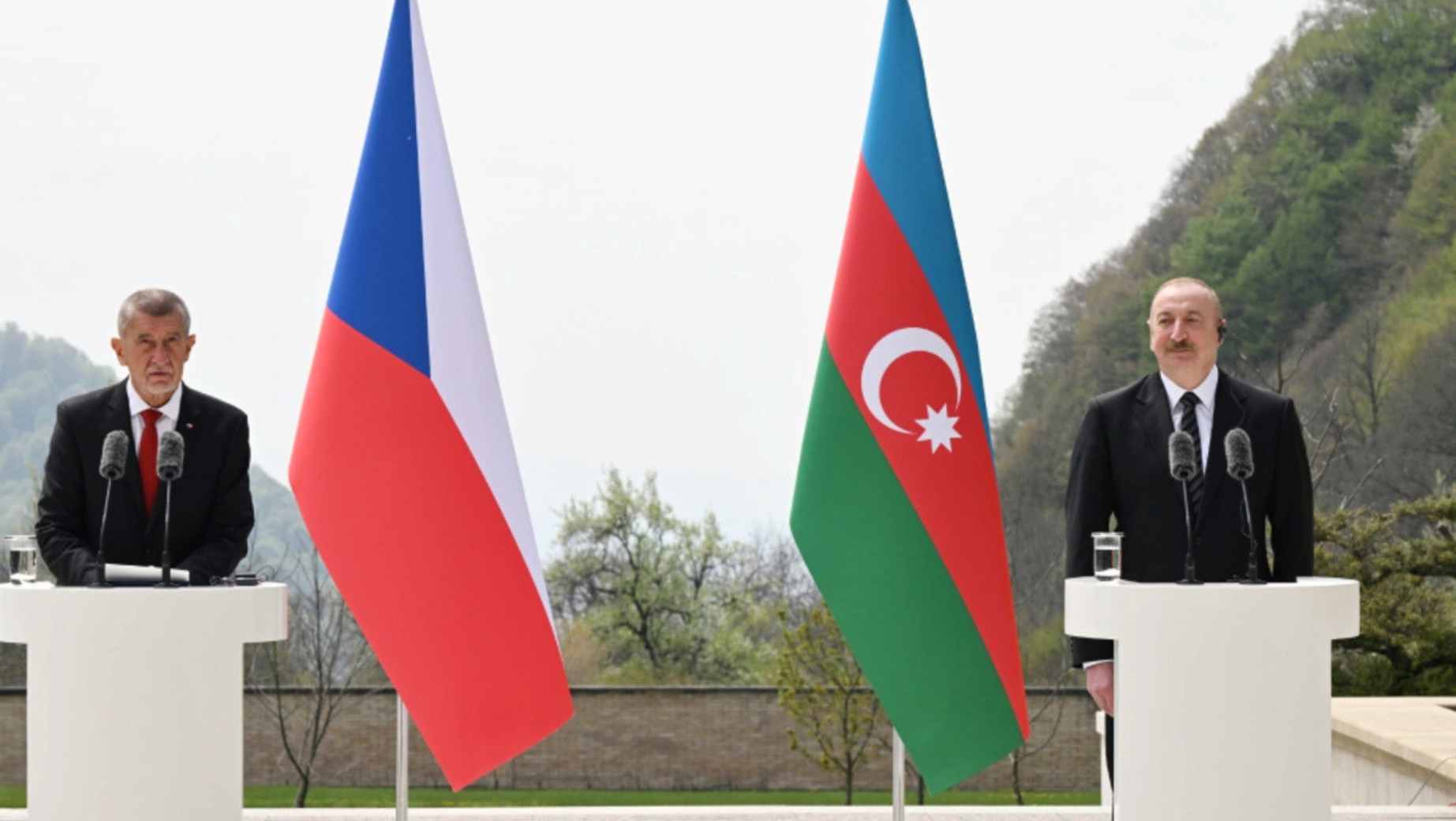
The proposed long-term agreement would see Prague secure up to 2 billion cubic meters of gas annually starting later this decade. The Czech Republic is moving closer to a significant new energy agreement with Azerbaijan, aiming to import up to 2 billion cubic meters of natural gas per year as part of efforts to diversify supply sources. Industry and Trade Minister Karel Havlíček said during a visit to Azerbaijan that deliveries could begin between 2028 and 2029. While the contract has not yet been formally signed, Havlíček indicated that negotiations are advanced and the deal is effectively promised. Prime Minister Andrej Babiš also confirmed that the Czech energy group ČEZ is actively seeking additional gas supplies as the government seeks to secure long-term energy stability. The planned imports would represent a notable share of Czech demand. According to the Energy Regulatory Office, the country consumed 7.2 billion cubic meters of gas last year, a rise of 6.5 percent compared to the previous year. Currently, Norway remains the Czech Republic’s main supplier, while liquefied natural gas (LNG) shipments are largely sourced from the United States. Havlíček said the annual cost of Azerbaijani gas could reach around 20 billion Czech crowns, depending...
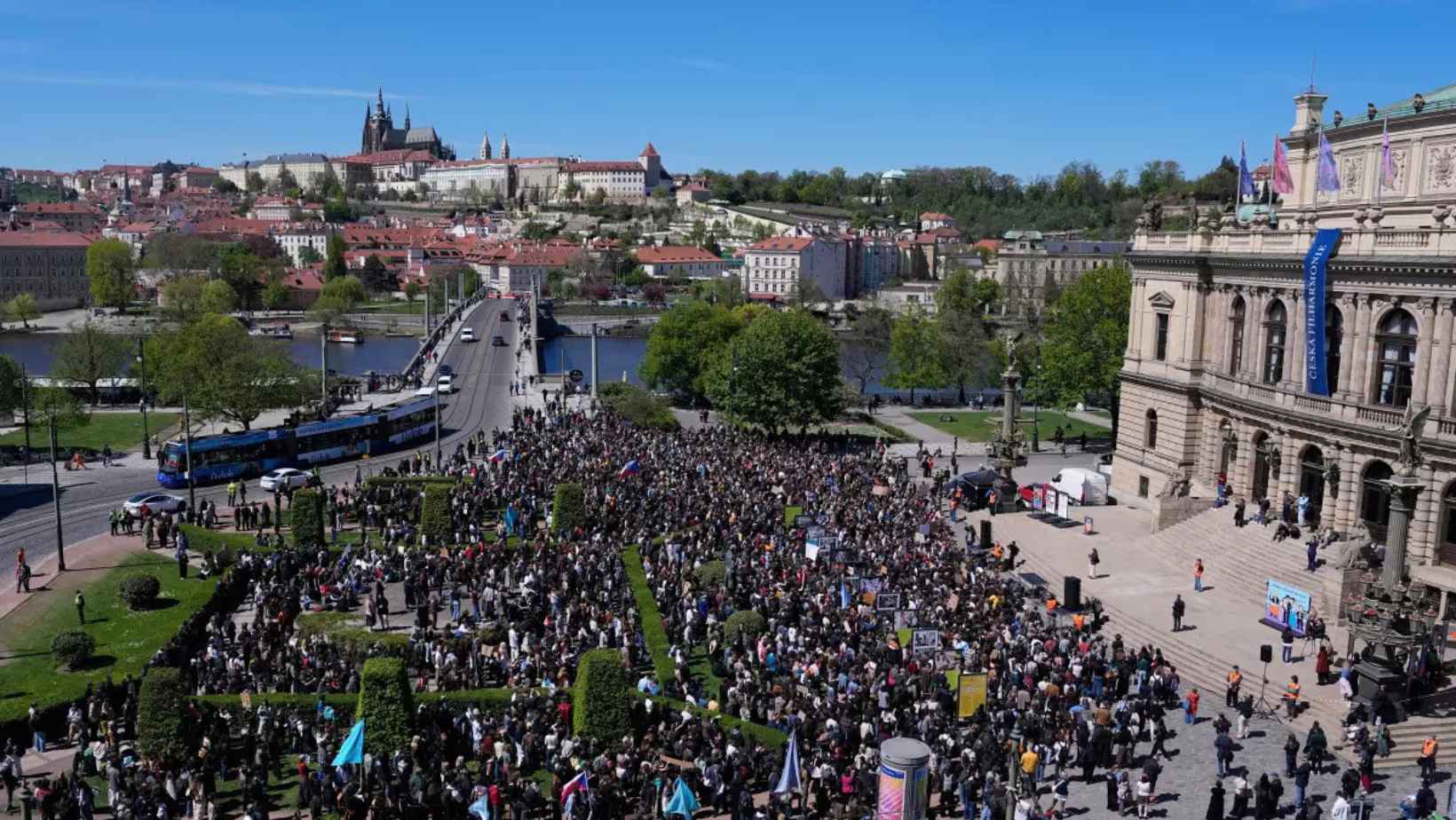
Thousands of high school and university students marched through the Czech capital on Wednesday to protest a government plan to overhaul — and reduce — funding for public radio and television. “We won’t let you take the media,” protesters chanted as they moved through the city. Smaller demonstrations were also reported in other parts of the country. The new coalition government led by Prime Minister Andrej Babiš has drafted a proposal to scrap the licence fees currently paid by households and businesses. Under the plan, public broadcasters would instead be funded directly from the state budget — a shift critics say could undermine their independence. The draft legislation would also cut overall funding. Czech Television (ČT) would receive about CZK 5.7 billion annually, down from roughly CZK 6.7 billion, while Czech Radio (ČRo) would see its budget fall to just over CZK 2 billion from CZK 2.5 billion. Media unions have warned they are ready to strike if the government proceeds. The proposal still requires approval from both the cabinet and Parliament and could take effect next year. Press freedom groups across Europe have raised concerns that the changes go beyond a technical funding adjustment. Several organisations, including the European...
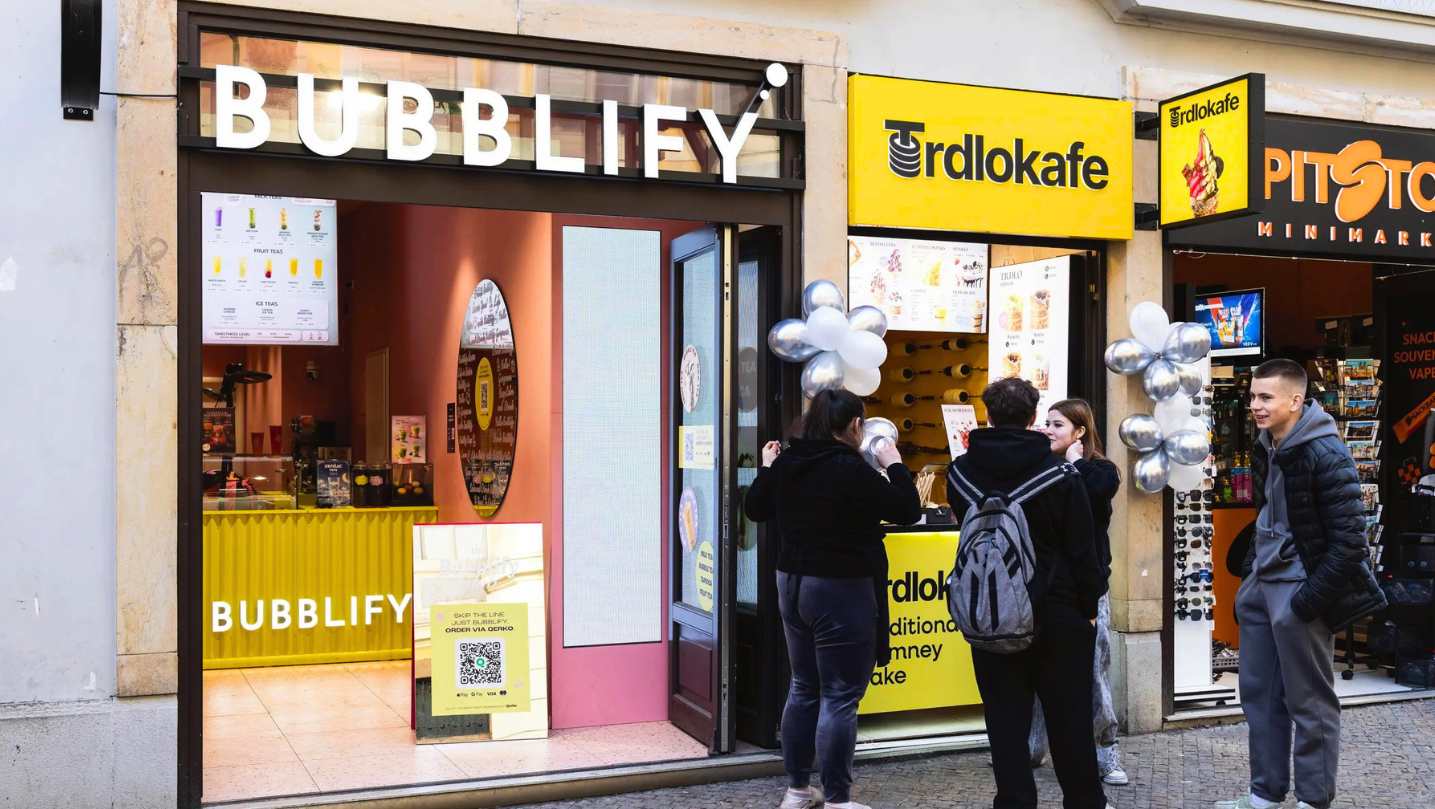
The Czech franchise group behind brands such as Trdlokafe and Bubblify is facing mounting financial and legal pressure, raising concerns among investors and business partners. The company, Twist, which once promoted plans to expand across Europe, has entered 2026 dealing with debt proceedings, store closures, and the loss of its Prague headquarters. Two creditor-led insolvency cases have been launched this year against companies within the group. Landlords, including major shopping centers such as Nový Smíchov and Harfa, are among those seeking repayment, alongside suppliers and contractors who claim outstanding invoices. Several outlets, including locations in central Prague, have shut their doors in recent months. Company representatives describe the closures as part of a broader effort to eliminate underperforming sites while opening new ones elsewhere. But some franchise operators tell a different story, saying they were not informed in advance about closures or operational changes affecting their businesses. At one site near Můstek operations have reportedly been transferred to another company under a management agreement, even though the original franchise holder remains listed as the owner. Such arrangements have added to confusion within the network and raised questions about transparency. According to available information, Twist has struggled to meet rent obligations,...
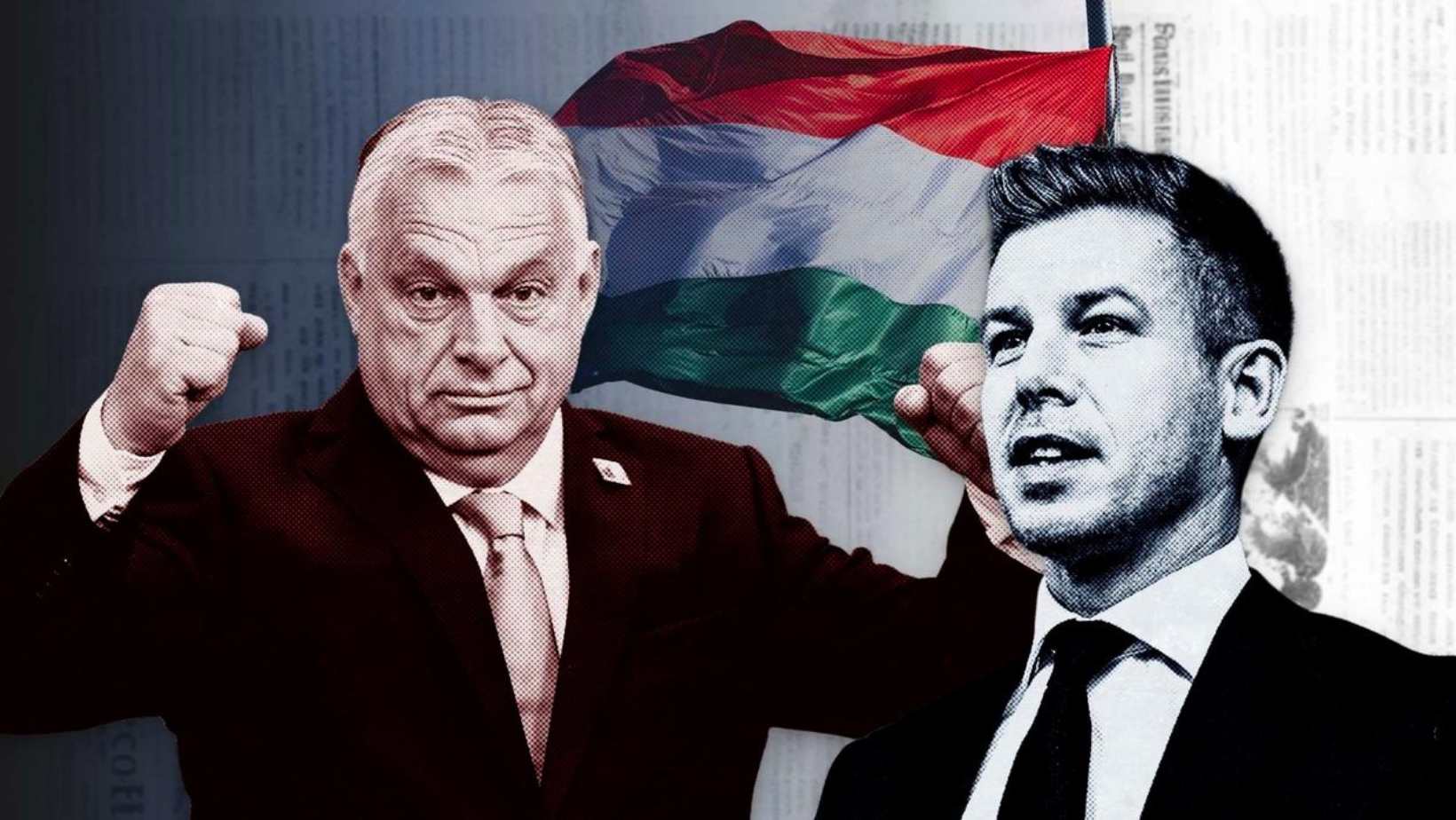
Czech political leaders have responded swiftly to the outcome of Hungary’s parliamentary elections, where longtime prime minister Viktor Orbán was defeated by opposition leader Péter Magyar and his Tisza movement. The result, which signals a major political shift in Central Europe, has drawn a mix of cautious optimism, concern, and political messaging from across the Czech spectrum. Prime Minister Andrej Babiš, who had previously supported Orbán ahead of the vote, congratulated Magyar shortly after the results became clear. He acknowledged that the Hungarian leader had secured the trust of voters and said he respected the outcome. Babiš added that he looked forward to future cooperation with Hungary’s new government, signaling a pragmatic approach despite his earlier backing of Orbán. President Petr Pavel welcomed the result more openly, framing it as a victory for democratic principles. He pointed to the high voter turnout as a sign of strong civic engagement and said the outcome showed that “democracy has won.” Pavel also described the shift as positive news for Europe and praised Orbán for conceding defeat after 16 years in power, a gesture he said contributed to political stability. Foreign Minister Petr Macinka struck a more cautious tone. He described Orbán as...
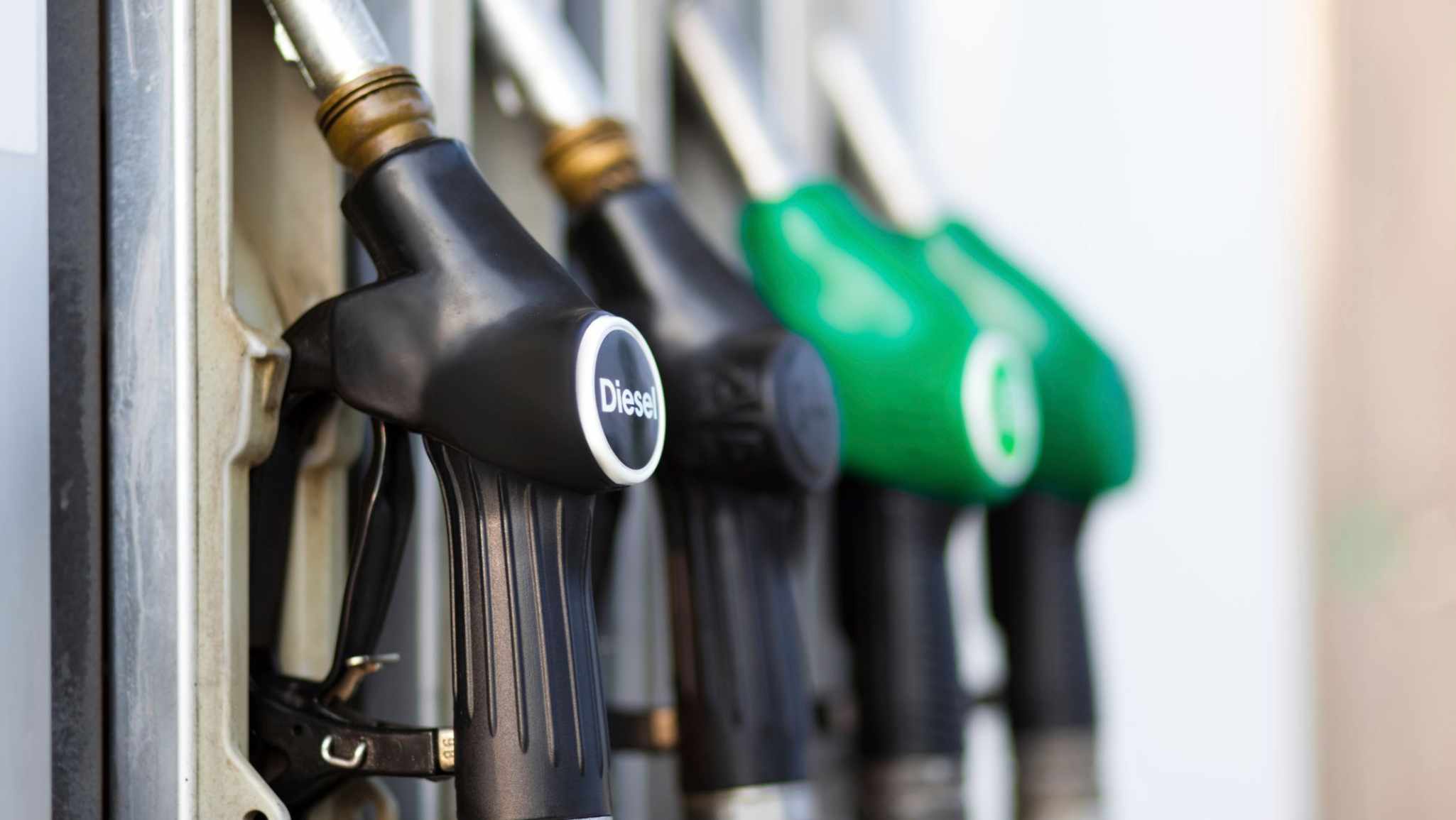
The price of diesel fuel in the Czech Republic has reached its highest level in four years, APA reports. The average price of one liter of diesel fuel at petrol stations in the country is 48.39 crowns (just under €2). The price of gasoline has also reached its highest level in 3.5 years. A liter of Natural 95 petrol sells for an average of 41.63 crowns (approximately €1.7). The government announced late last week that it would cap fuel distributors’ margins and cut excise duty on diesel starting Wednesday. Retail margins for both petrol and diesel will be limited to a maximum of 2.50 crowns per litre. Excise duty on diesel will be reduced by 2.35 crowns per litre, from the current 9.95 crowns. The tax on petrol will remain unchanged at 12.84 crowns per litre. Following reports that Egypt, Pakistan and Turkey have drafted a proposal that calls for a 45-day ceasefire and the reopening of the strait, oil prices dipped slightly Monday despite Israel’s attack on Iran’s South Pars natural gas field and Iran’s retaliation with missile fire on Israel and other Persian Gulf countries. President Donald Trump has given Iran a deadline of 8 p.m. EDT on...
Don’t have an account? Register
Already have an account? Log In
How Would You Like to Promote Your Business? PR ArticleDisplay bannersVideo productionNewsletter adsJob ListingsInfluencer Marketing
Your Email
We will come back to you within 24 hours with our proporsal