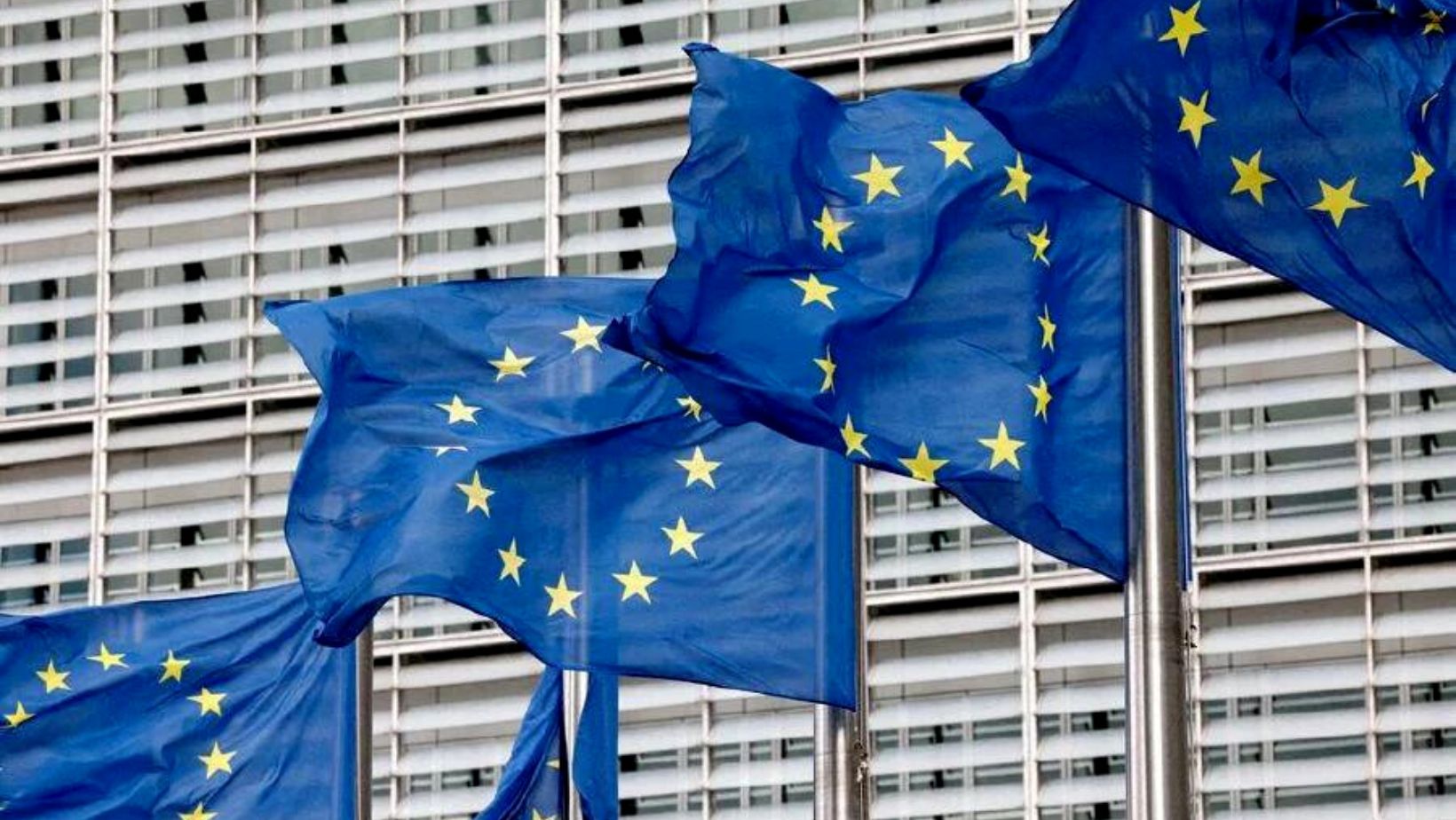
“The Fourth Reich will be created, encompassing the territory of Germany and its satellites, i.e., Poland, the Baltic states, Czechia, Slovakia, the Kyiv Republic, and other outcasts,” said Dmitry Medvedev, former president of Russia and a staunch supporter of the war in Ukraine. This was the fourth of a list of 10 predictions Medvedev made for 2023, which he shared on Twitter. Medvedev’s economic predictions Several of his other predictions related to economic and financial concerns, including that “Oil price[s] will rise to $150 a barrel, and gas price will top $5.000 per 1.000 cubic meters.” He also claimed that “all the largest stock markets and financial activity will leave the US and Europe and move to Asia.” He further stated, “The Bretton Woods system of monetary management will collapse, leading to the IMF and World Bank crash. Euro and Dollar will stop circulating as the global reserve currencies. Digital fiat currencies will be actively used instead.” Medvedev’s predictions for Europe When it comes to European relations, Medvedev claimed that the UK will rejoin the European Union, leading to its downfall. “The EU will collapse after the UK’s return,” he said. “Euro will drop out of use as the former EU currency.” He...
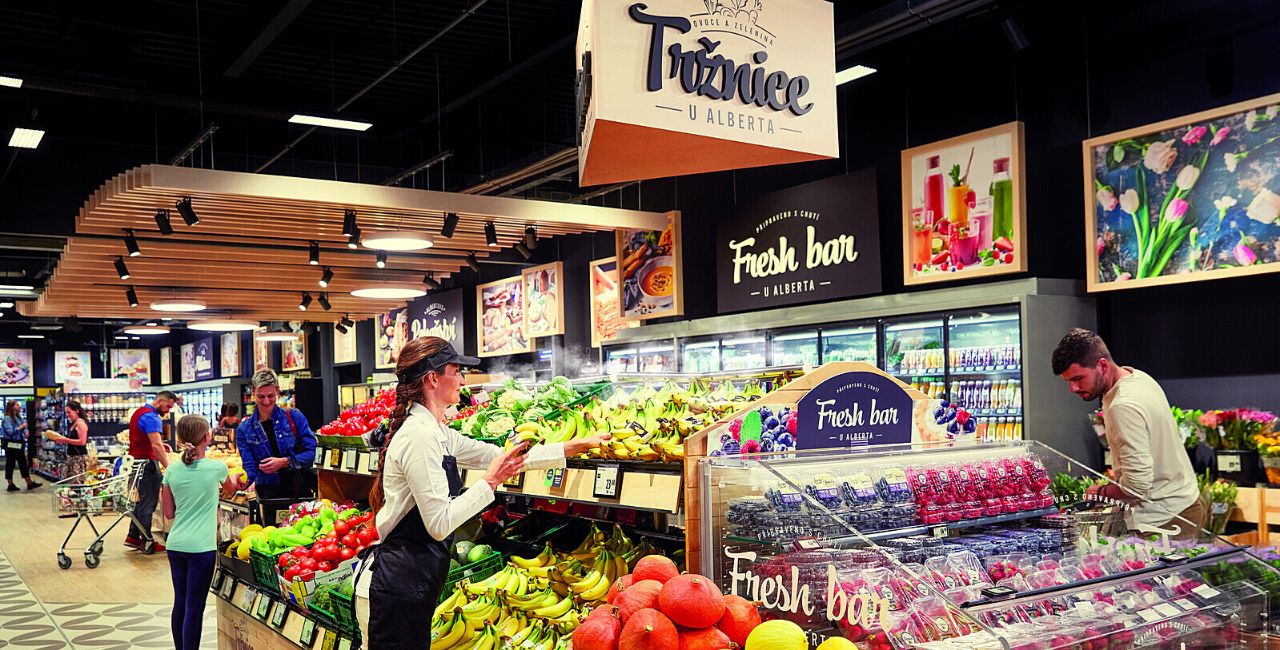
Czechia may produce much of its own food, but that has not stopped the country from seeing a dramatic increase in food prices. On top of the usual suspects such as rising energy prices, part of the problem for Czechs is that a substantial amount of domestically produced food is exported abroad. Food prices rose by more than a quarter in the Czech Republic in October. This was not only due to soaring energy prices but also partly because Czech stores copy prices in Germany, which has also seen an explosive growth in food prices this year. The data shows just how bad food inflation in Czechia has become. The country experienced the largest percentage rise in sugar prices in Europe; the second-largest in vegetable oils; and the third-largest price increase in butter, milk, and bread. Part of the problem is that Czech producers continued to export many of these commodities abroad, creating a shortage at home and keeping prices high. The situation the country finds itself in reveals some of the downsides of free trade and globalization, in which companies and producers can often profit more by selling key products abroad rather than selling domestically. The increase in the price of sugar...
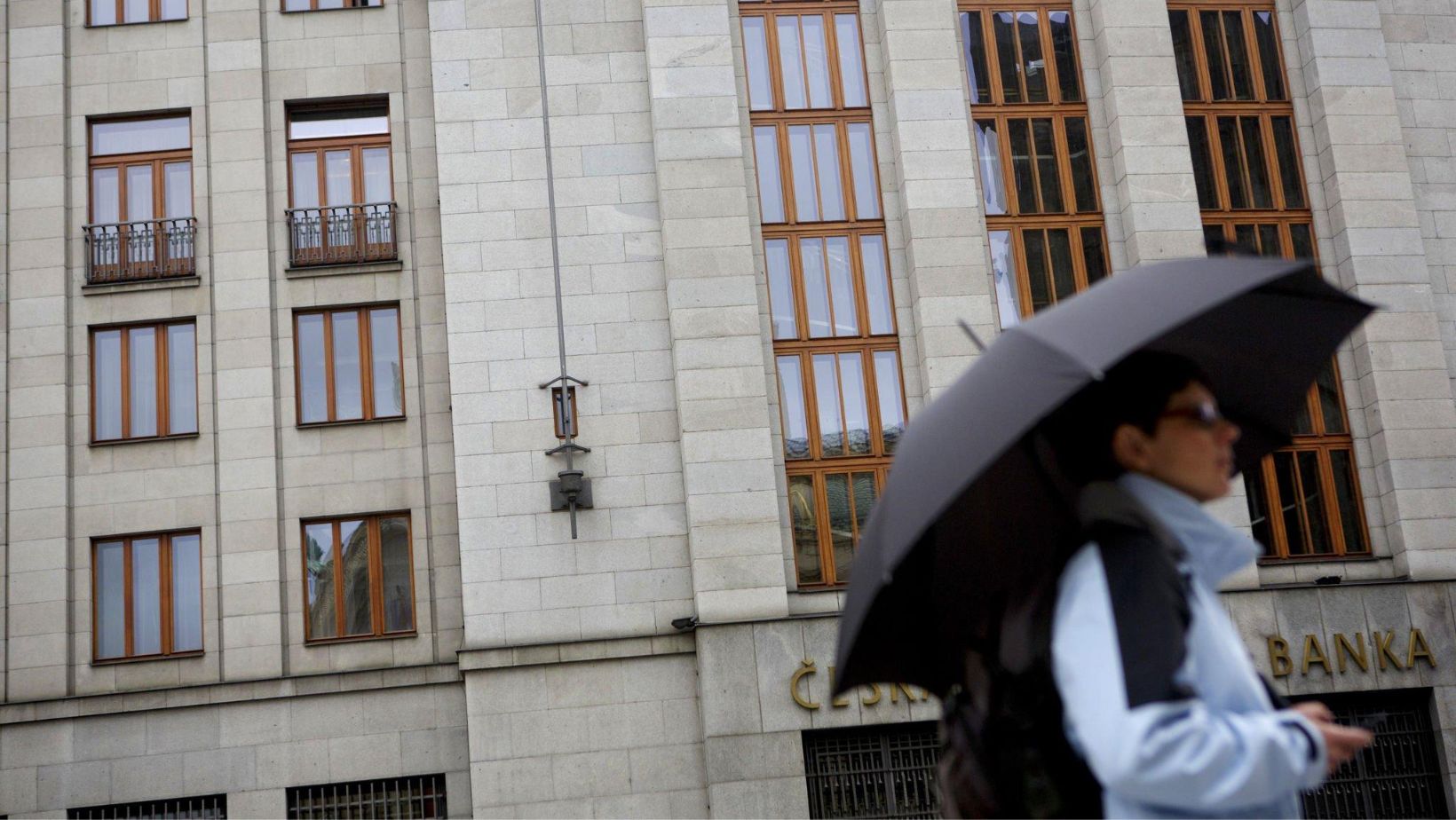
The Czech National Bank (CNB) has received strong incoming impulses after inflation in the country surged to 16.2% in November after slowing down to 15.1% in October 2022. Prices were also seen to be rising month-on-month as inflation peaked up by 1.17% after falling by 1.44% in October. Food and housing costs made the most contribution to inflation. Inflation may reach 16.9% in 2022. Interestingly, inflation was projected to be 19.8% in 2022 without pricing in the effect of the energy savings tariff introduced by the government this year. However, even with this tariff and other measures to lessen the contribution of high energy prices, it seems that prices are accelerating no matter what measures are taken. Inflation is not going to stop as large companies have already announced heavy price increases for next year. Utility rates, especially on heating, are expected to be raised dramatically by double digits next year, commented Martin Marsovsky, chief manager of Finmex Academy. The second impulse came from the Federal Reserve (Fed) of the United States that raised its interest rates to 4.5% from 4.0%, slowing down its highly aggressive rate hike trajectory. The Fed has already raised its interest rates by 75 basis points...
The salaries of senior Czech politicians will increase by approximately 12.7% from January, according to a decision by the Labor and Social Affairs Ministry that has been published in the Law Digest. These salaries have been frozen for three years; the salaries remained unchanged in 2021, and in early 2022, a planned rise of about 6% was cancelled as part of cuts in government spending at a time of high inflation and an energy crisis. The monthly gross salary of a member of parliament, either deputy or senator, will go up by CZK 11,600 to CZK 102,400. The president will receive a salary of CZK 341,200 per month, an increase of CZK 38,500. The prime minister and the heads of both houses of parliament will earn CZK 274,800 a month each (up CZK 31,000). The deputy heads of the Chamber of Deputies and the Senate will have a monthly salary of CZK 195,300 (up CZK 22,100). A deputy prime minister will get CZK 236,000 per month (up CZK 26,600), MPs who chair parliamentary committees, commissions or delegations will get CZK 144,100 (up CZK 16,300), and deputy chairs will get CZK 123,200 (up CZK 13,900). The financial compensation that politicians receive...
The Czech EU Council Presidency would like energy ministers from across the Union to agree to cap gas at €188 per megawatt-hour (MWh) in Brussels on Monday. Negotiations over a maximum price to cap the sale of gas to help households with skyrocketing energy bills have long been on the table, and following a recent back-and-forth, 15 EU states now want to set the market correction mechanism at €160 per MWh. But Germany “wants a price gap that would be unworkable,” said a senior EU diplomat so to reach a compromise, the Czech EU presidency is aiming for a cap at around €188 per MWh. To adopt an EU gas price cap, qualified majority voting is possible, though consensus is preferred. Also under discussion are the gas price cap’s activation and deactivation conditions. In its latest proposal, the Czech EU presidency also strengthens rules for the mechanism’s automatic termination, which would be triggered if gas consumption rises, an emergency situation in an EU country or a massive interruption of LNG imports to Europe. “Everybody knows that we need an emergency brake,” an EU senior diplomat said. Together with the market correction mechanism, cross-border solidarity principles and a faster-permitting process for renewable energy...
The US Senate has approved the nomination of investor Bijan Sabet for the post of US ambassador to the Czech Republic. Sabet said his priorities would be to follow Václav Havel’s legacy of protecting human rights and media freedoms and to develop US-Czech security cooperation, including supporting negotiations on the Czech purchase of US F-35 fighter jets. The last American Ambassador in Prague was Stephen King, at the end of 2020 he announced that he would relinquish this position when the new President Biden takes office. Since then, the post of US Ambassador to Prague has been vacant. King was the ninth U.S. ambassador to the Czech Republic. He took over the office in December 2017 from lawyer Andrew Schapiro, with whom President Miloš Zeman did not have a good relationship. “We are pleased that President Biden has announced his intention to appoint Bijan Sabet as Ambassador to the Czech Republic. This demonstrates the strong friendship between the United States and the Czech Republic. The nomination must now be approved by the United States Senate,” said the US Embassy in Prague on Twitter. Sabet, 53, is co-founder and partner of Spark Capital since 2005, which deals with venture capital. He...
Around 30% of Czech households may fall into poverty next year as a result of the sharp increase in energy prices and rising housing costs. Despite caps approved by the government, housing costs could account for up to 34% of their monthly income, according to an analysis by PAQ Research based on data from the Czech Statistics Office (CZSO) on household energy consumption. Households with children, or the poorer half of them, are expected to be hit the hardest. Calculations show that the number of families with children whose housing expenses will account for more than 30% of their income will increase. Currently, this affects 23% of people, but after the New Year, the proportion could rise to 31%. A quarter of families will be left with less than CZK 3,000 per person a month, or CZK 100 per day, after paying for food and housing. November inflation rate at 16.2 percent The inflation rate rose to 16.2 percent year-on-year in November, up from 15.1 percent in October, the Czech Statistics Office reported. The inflation was driven by higher costs of housing, food and non-alcoholic beverages, alcoholic beverages and tobacco. Meanwhile, prices slowed down in the areas of transport, recreation...
Inflation accelerated again in November and would have been at a new record high without government measures. Prices will rise further but the key question is the January number. “This is heading towards 19% in our estimates. Even so, this will not be a reason for the central bank to hike rates. However, the risk is a later rate cut than our forecast,” states ING. Inflation is back Consumer prices rose by 1.2% month-on-month in November, a re-acceleration from the 1.4% decline in October. Of course, in the previous month, the main reason for the fall in prices was the introduction of government measures against high energy prices. Thus, inflation has rather returned to the normal of recent months. Month-on-month growth was mainly driven by higher prices of housing, food and clothing. By contrast, the only item that fell in November, as we expected, was fuel. In year-on-year terms, consumer prices rose by 16.2% in November, which was 1.1pp higher than in October. The higher year-on-year figure is partly due to the comparative base from last year when VAT on energy prices was waived. In terms of year-on-year contributions to the CPI, only energy prices and transport prices showed a...
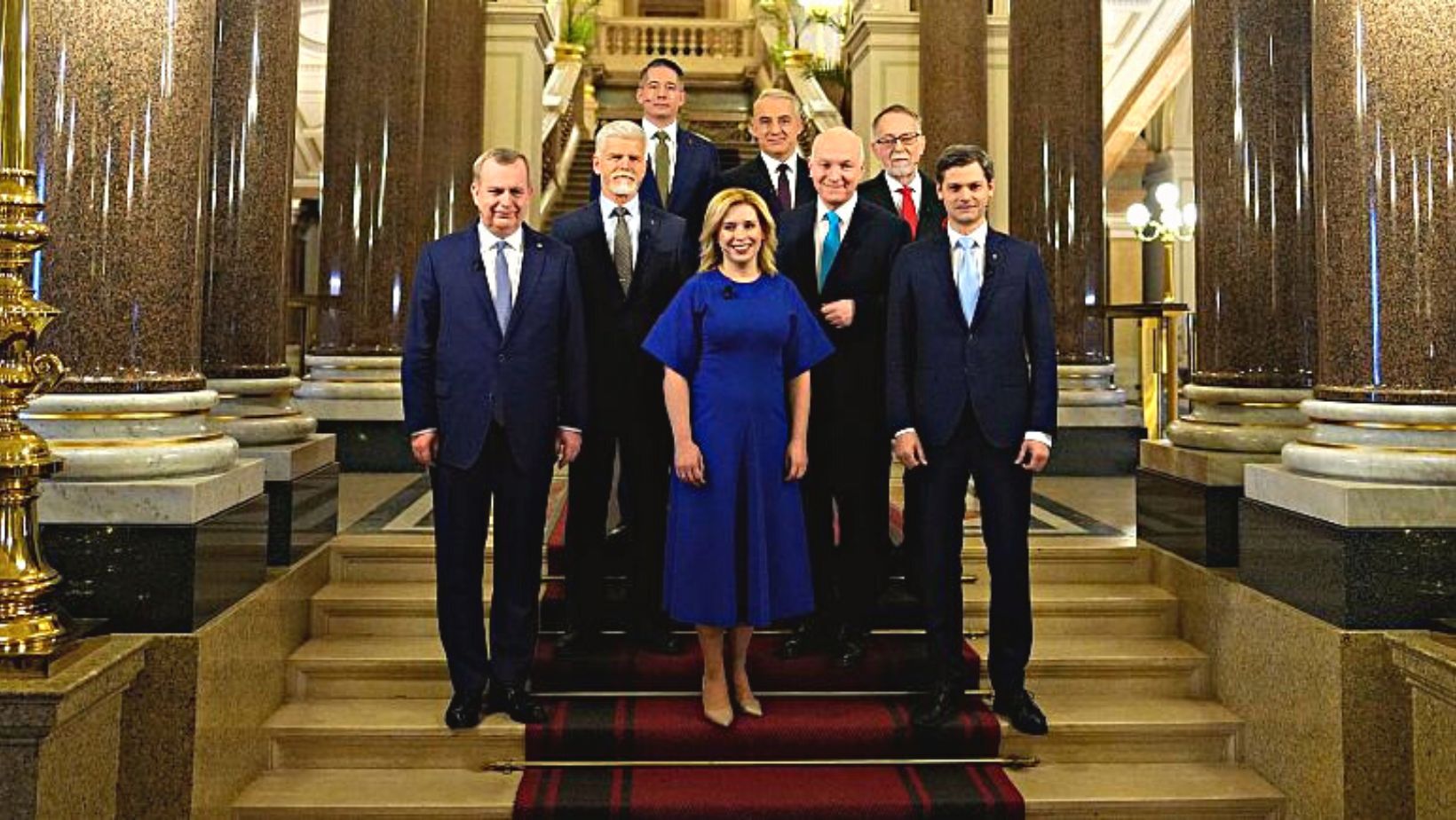
Danuše Nerudova is the leading candidate for the Czech presidency for the first time, currently polling at 28%, ahead of Andrej Babis (26.5%) and Petr Pavel (23.5%), according to the latest poll from the Median agency released yesterday. It is an improvement of 13 percent from the October poll. Support for the other two leading candidates has increased over the past month as well, but not so markedly – opposition leader and former prime minister Babis (ANO) is polling 4.5% higher than in the previous poll, and retired general and former NATO and Czech military official Pavel is up 1%. In the previous Median poll, Pavel was the most popular. Both Nerudová and Pavel would beat Babiš if the two faced each other off in a second round of the elections. However, many voters remain undecided. “This is why it is not appropriate to clearly predict which of the candidates will eventually advance to the second round,” said the report from Median. Danuše Nerudová was born in Brno in 1979 into a family of computer technicians. She is the eldest of four siblings. Her expertise is in the field of international taxation and tax policy. She has contributed and led...
The Czech Republic is not ready to meet the criteria for joining the Eurozone and the government should refrain from setting a date for adopting the euro, for now, a document presented by the finance ministry and the Czech National Bank says. The Czech Republic, one of the seven EU countries that do not use the common EU currency, committed to adopting the euro when it joined the bloc in 2004, though it is up to member states to decide on the date for introducing the euro. But “the Czech Republic is very unlikely to meet the benchmarks of any of the Maastricht criteria in 2023,” the document presented Wednesday writes. In November, Prime Minister Petr Fiala confirmed to journalists that “the country will not adopt the euro under his current government. For me, it is really a question of what is beneficial for the Czech Republic and Czech citizens. During the term of the government I have the honour to head, the adoption of the euro will not be a topical issue”. He added that experts also differed on the benefits of adopting the common European currency. Speaker of the TOP 09 and the lower house Pekarová Adamová said...
Danuse Nerudova, the former Mendel University in Brno rector, is gaining on her rivals in the battle for the Czech presidency, according to a November poll conducted by the Ipsos agency. Andrej Babis, the populist billionaire and opposition leader, remains in the lead for the first round with 29.7%, followed by former general Petr Pavel with 25.3%, but Nerudova has climbed to 25%. This raises the possibility that Pavel could be knocked out of the run-off, or even that Babis could be eliminated and the second round could be between two centrist candidates backed by the governing coalition. Babis has widened the gap over Pavel when compared to the previous polls, but it is Nerudova who appears to be making the most significant gains. Pavel’s past in the pre-1989 communist military has been increasingly discussed in the media following historian Petr Blazek’s relentless efforts to depict Pavel as allegedly not disclosing all there is to say about his elite training in the final years of the communist regime, which the historian argues indicates that he was destined for a career as a spy. Pavel’s outstanding post-1989 career – which includes commanding posts in several missions abroad as well as serving as Czech army chief and...
Unemployment in the eurozone has dropped to a record low, at 6.5 percent in October, the EU’s Eurostat statistics office said Thursday. The reading — the lowest since Eurostat started compiling jobless figures in April 1998 — was an indicator that the economies of the 19 EU nations using the euro had bounced back after the Covid pandemic. The seasonally adjusted unemployment rate was markedly less than the 7.3 percent recorded a year ago. Data from the Czech Statistics Office indicates that unemployment in Czechia lay at 2.1 percent, compared to 2.2 percent in September. The country has had one of the lowest unemployment rates in the EU for several years now. Eurostat estimated that, for the entire 27-nation European Union, 12.95 million adults were unemployed in October — or 6.0 percent of the active population — with 10.87 million of them in the eurozone. While all OECD economies, with the exception of former EU member Britain, have recovered to their pre-pandemic size, global headwinds are stalling the recovery. The eurozone is likely to tip towards recession within weeks, according to the European Commission. Inflation is running hot, despite falling back in the latest reading on Wednesday, at 10 percent...
Don’t have an account? Register
[swpm_registration_form level=”6″]
Already have an account? Log In
How Would You Like to Promote Your Business? PR ArticleDisplay bannersVideo productionNewsletter adsJob ListingsInfluencer Marketing
Your Email
We will come back to you within 24 hours with our proporsal