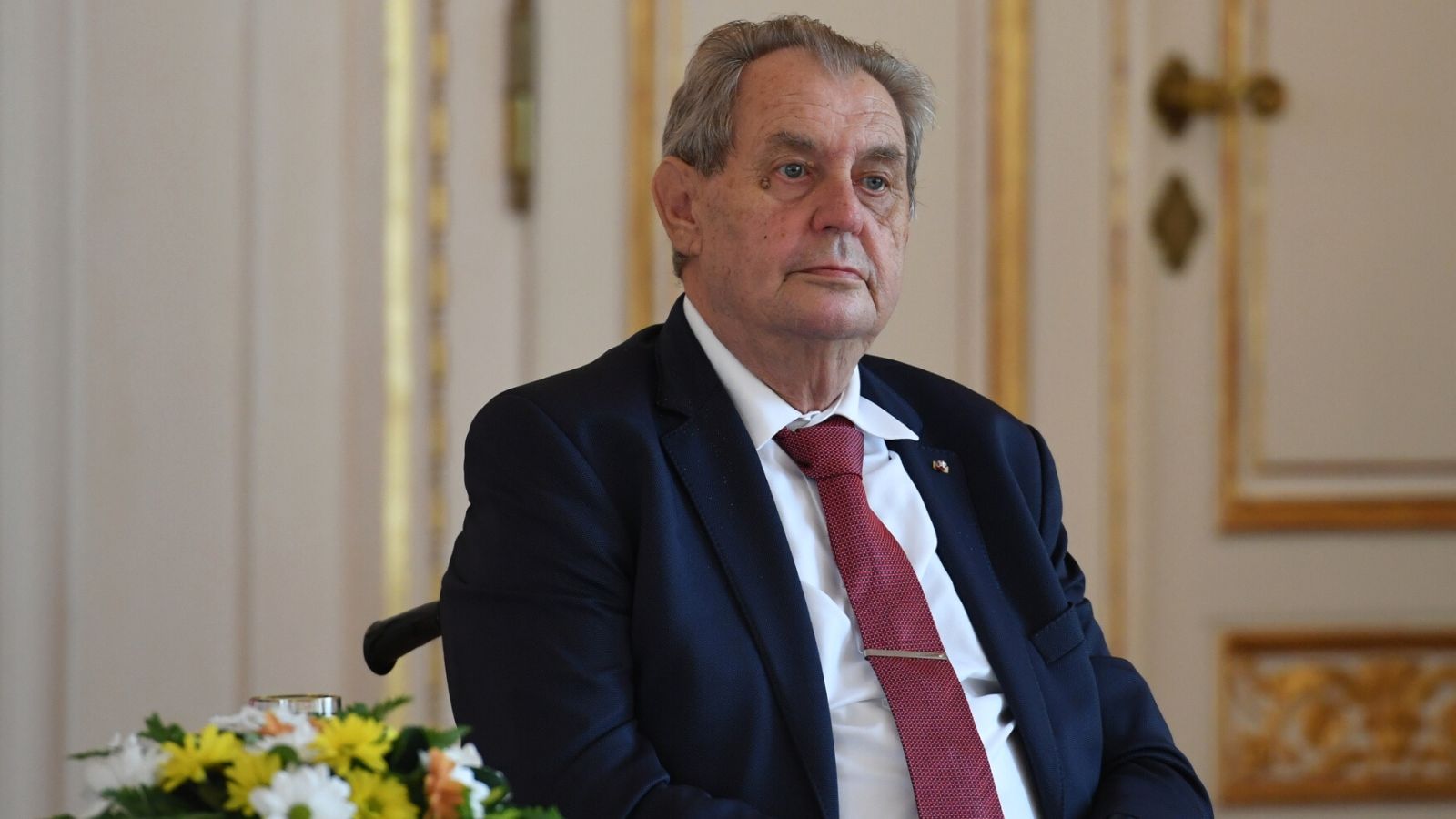
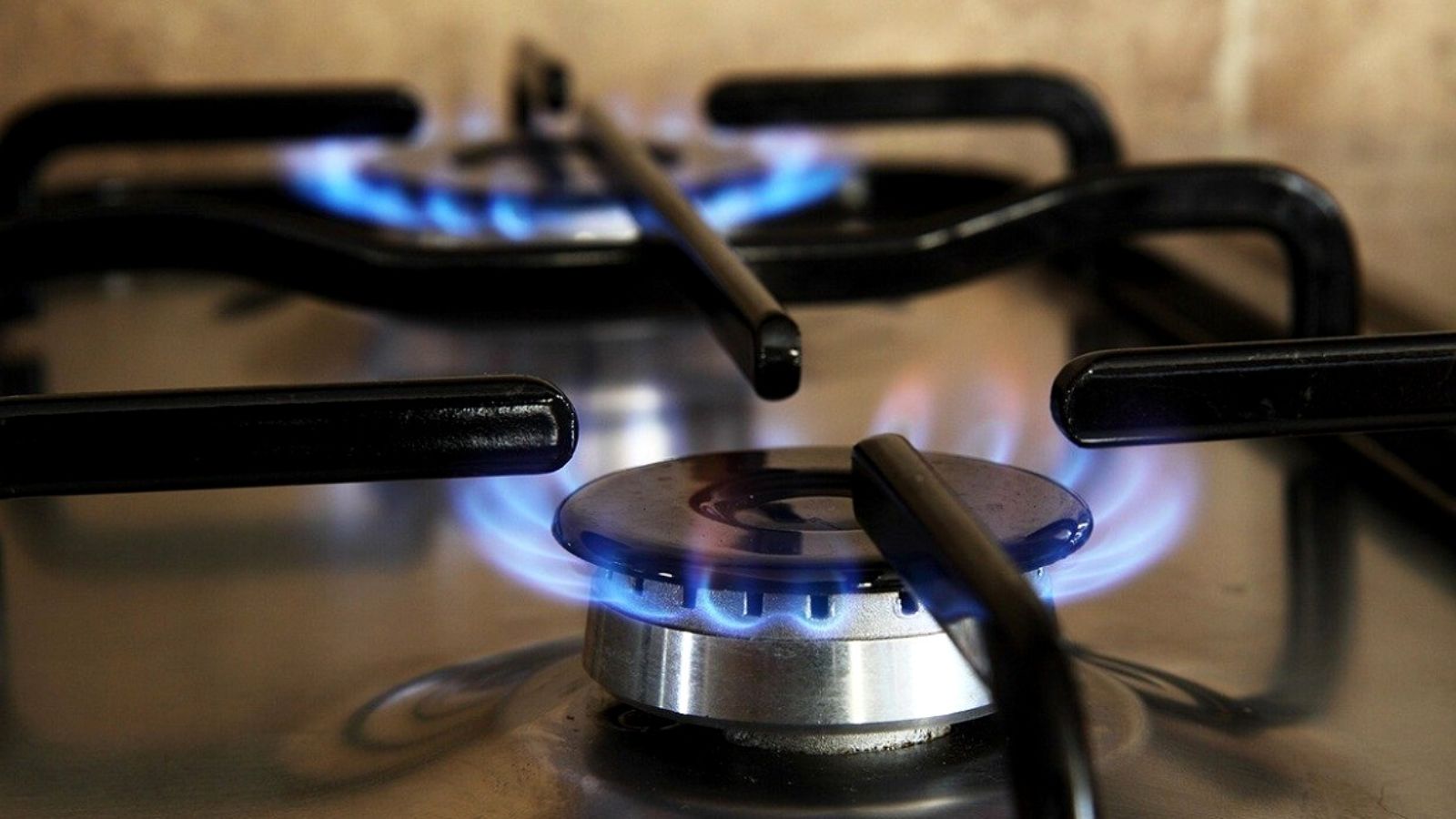
Despite the war with Ukraine and central banks printing trillions of euros in dollars in recent years, Czech President Miloš Zeman believes the primary cause of the energy crisis is “green fanaticism.” “Whether it’s called the Green Deal or whatever, I’m afraid. However, I won’t be here anymore when we find out where the green madness will take us. The abolition of cars with internal combustion engines will lead to the advent of far more demanding electromobility. The biggest consumers of electricity will be electric cars with a short range and a high price,” said Zeman while receiving Czech ambassadors at Prague Castle on Tuesday. According to Zeman, the solution to the energy crisis is not to succumb to the Green Deal and to pursue a sovereign foreign policy. He considers it crucial that issues affecting the country’s sovereignty continue to be voted on unanimously in the European Union. Zeman considers cooperation in the Visegrad Group beneficial. According to him, it is foolish to question it. The V4 prevented, for example, the mandatory introduction of migration quotas a few years ago. “I condemn the attacks coming from some in Brussels against Poland and Hungary,” he noted. “Let’s not play superpower. Let’s not look at the central issues of our foreign policy...
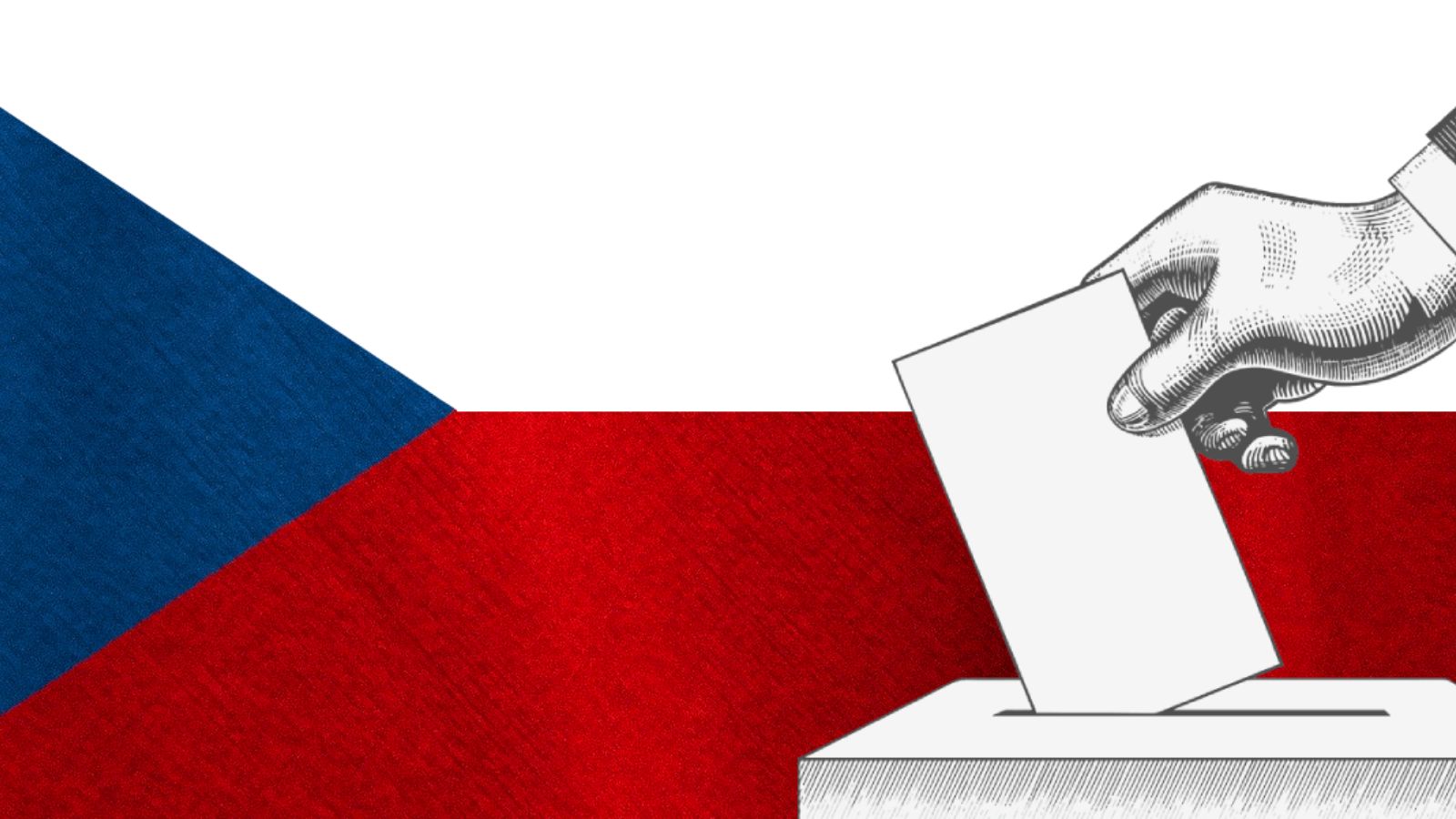
European Union citizens with at least temporary residence in the Czech Republic are eligible to vote in this year’s local elections on the 23rd and 24th of September. Czech local elections are held every four years, allowing residents to select regional municipal councillors. In Prague, voters will have the chance to elect the new mayor as well as city councillors and members of the city’s district councils. These elections have direct consequences on the day-to-day lives of Czech residents, directly influencing a host of local issues including decisions on transportation, urban development and tourism. Foreigners voting for the first time should register at the local municipal office of their permanent residence to be added to the voter list. Only adults aged 18 or above are eligible to vote. On election day, voters will need to bring an ID card or passport to the polling station. Completed ballots will be placed in an envelope provided by the electoral commission and dropped in a sealed ballot box. Czech municipal elections use a proportional electoral system, where each voter has as many votes as there are councillors – 65 in Prague – which can be distributed across candidates of all political parties. Councillors...
The Czech Republic, which holds the European Union’s rotating presidency, is considering whether to call an emergency energy summit for the bloc to tackle soaring power prices, including discussing price caps, a government minister said on Wednesday. The EU is facing a surge in energy prices to record highs, leaving governments scrambling to find ways to help households and businesses feeling the impact. “The market has gotten out of control to a certain extent, market volatility stops reacting to good news and only bad news accumulates and pushes prices up,” Czech Industry Minster Jozef Sikela was quoted by CTK news agency as saying on Wednesday. “It is a problem in all of Europe, and of course if you have a European market and European problem, then the easiest solution can be found on the European level.” Sikela said setting a maximum price on the European level would be one possible measure, and that the Czech Republic would support this if the EU decided to look at this. Europe is facing a sharp rise in power bills driven by sky-rocketing gas prices, as war in Ukraine and European sanctions on Russia heighten concerns over the security of gas supplies. The Czech...
By attacking Ukraine, Russia gained nothing and lost virtually everything, said Czech President Miloš Zeman, considered one of the Kremlin’s biggest EU friends before the war. Zeman made the comment on Tuesday at a meeting with Czech diplomats at Prague Castle. He said Russia had suffered economic, human, material and reputational losses since invading Ukraine. Putin attacked Ukraine due to NATO’s surrender in Afghanistan, Zeman said, citing the explanation offered by Israeli President Yitzhak Herzog. The Czech president told the diplomats that practically everybody in Czech politics believed the war in Ukraine was Russian aggression. He said he fully supported supplying arms to the Kyiv government and praised the welcoming of Ukrainian refugees to Czechia. The central European country has welcomed some 400,000 people to date. Zeman said he believed Czechia would contribute to the reconstruction of Ukraine but said a long war of attrition could be expected. The government has already stated its ambition to lead the reconstruction efforts and has established a channel for Czech companies to participate. Until the war in Ukraine forced him to change his position, Zeman was considered one of the Kremlin’s greatest friends in the European Union. Notably, he advised Ukrainians to take...
The Czech government will hand out state aid to ensure people do not spend more than 30% of their income on housing including energy amid soaring gas and electricity prices, Prime Minister Petr Fiala said on Wednesday. The contribution for housing will complement the 66 billion crowns the government aims to distribute in the form of a subsidised energy tariff over the 2022-2023 heating season, Fiala said. The government will also waive fees for subsidising renewable energy. “People will pay maximum 30% of their income on housing, including payments for water and energy,” Fiala told a news conference. “The government is prepared to cover all costs of housing above 30% income through a housing contribution.” The cap for spending on housing including energy will be 35% in the capital Prague, Fiala said. Energy has been among drivers of Czech inflation, which has been running at three-decade highs of 17.5% year-on-year in July. Fiala did not put any figure on the expected size of the aid to keep the costs under the cap. The government planned to run a fiscal deficit of 4.5% of gross domestic product before raising the central budget gap by 2 billion euros, or around 0.7% of...
To start with, Volodymyr Zelensky was careful not to blame Russians for a war Vladimir Putin started. Appealing to them and speaking in his native Russian, he asked: ‘Do the Russians want war?’ He called on them to rise up to make Putin listen. But this did not happen. Zelensky appears to have decided that they do, in fact, want war. So he has now said that western countries should ban all Russian citizens from entering their countries on the grounds that ‘the population picked this government and they’re not fighting it’. His foreign minister Dmytro Kuleba said Russians ‘must be deprived of the right to cross international borders until they learn to respect them’. His idea is gathering momentum with Lithuania, Latvia, Estonia, and the Czech Republic, who have already banned the issue of all kinds of visas to Russians. Other countries such as Belgium, Denmark, Malta, the Netherlands and Slovakia are refusing to give visas to most Russian citizens – with exceptions for family members, students and workers. Finland has called on the EU to adopt a common stance and stop granting Schengen visas immediately. Czech foreign minister Jan Lipavský is proposing an EU-wide travel ban on Russian passport...
French prosecutors have opened an investigation into Czech billionaire and former Prime Minister Andrej Babiš, on suspicion of money laundering related to his purchase of villas in the south of France. France’s National Financial Prosecutor’s Office (PNF), which is responsible for scrutinizing serious economic and financial crime, launched its proceedings in February 2022, according to Le Monde, after the businessman was mentioned in the Pandora papers — a massive leak of documents that exposed how the rich and powerful use offshore companies to hide their wealth. According to the documents, the former Czech leader failed to disclose a series of shell companies used to buy a multimillion-euro French property. Babiš denied he had done anything wrong or illegal and said that the revelations were targeting his reelection campaign, which later failed. French investigators are now focusing on how Babiš acquired his €14 million property in the billionaire haven of Mougins, which was purchased via a Monaco-based company owned by an offshore entity in the U.S. The entire setup was allegedly hidden from French authorities and could constitute money laundering and a tax evasion scheme, Le Monde reported. Karel Hanzelka, a spokesman for Babiš’s group Agrofert, said that “all our transactions took place in a perfectly...
Unemployment in the Czech Republic rose to 3.3 percent in July from 3.1 percent in June. At the end of the seventh calendar month, over 240,000 people were looking for a job. On average, there are 0.8 applicants per vacant position in the Czech Republic. The Labor Office of the Czech Republic published the data on Monday, according to which the July increase in unemployment is an expected seasonal fluctuation. At the end of July, there were 240,706 applicants for employment in the records of employment offices. It was 9,397 more than in June and about 31,500 less than last July. At the end of this year’s first holiday month, there were 313,250 vacancies offered by employment offices. This is 6,150 fewer than there were available in June. This comes after pre-summer hiring in hospitality and tourist-focused jobs naturally slowed once the season started. In a year-on-year comparison, the number of vacant positions fell by almost 45,000. According to the Labor Office, the increased unemployment in July is due to slowed hiring during company-wide summer holidays as well as the arrival of school graduates into the labor market. “The development in the coming months will depend on the course of the war conflict in...
Inflation in Czechia reached 17.5 percent year-on-year in July, up from 17.2 percent the previous month, according to official data published on Wednesday. The price of foodstuffs and energy increased the most. Compared to June, prices rose 1.3 percent, which was the mildest month-on-month increase since February. Prices of electricity and natural gas rose by 33.6 percent and 59.8 percent, respectively. In the housing section, prices of electricity rose by about a third, natural gas by 59.8 percent and solid fuels by 41.1 percent. The annual growth of fuel and oil prices was lower than in June, rising by 43.6 percent. Prices of rents rose by almost five percent, water by 5.3 percent and sewage by 6.4 percent. Heat and hot water rose by almost a fifth. The Czech economy is facing a combination of exceptionally strong inflation pressures causing escalating broad-based price growth. Inflation in the domestic economy continues to hit new long-term highs in rapid succession. Consumer prices are being pushed up by rising costs, reflecting domestic and foreign factors, including higher energy prices, and growth in the margins of domestic producers, retailers and service providers amid a still solid income situation of households. Inflation will peak at...
Two years ago, the COVID-19 health crisis triggered a surge in remote working as most countries had to follow strict safety measures to keep businesses going. But now that most of these measures have lifted and life has gone back to “normal,” many companies are still transitioning their once-in-office roles to either entirely or partially remote ones. A recent study from employment site Indeed found that the number of global job listings with a remote component has soared since the beginning of the pandemic, nearly tripling from an average of just 2.5 per cent in January 2020 to almost 7.5 per cent in September 2021. Data scientists at careers site Ladders believe remote work is here to stay, with a full quarter of all professional jobs to be available remotely by the end of the year. “This change in working arrangements is impossible to overhype. As big as it is, it’s even bigger than people think,” said Ladders CEO Marc Cenedella. “Hiring practices typically move at a glacial pace, but the pandemic turned up the heat so we’re seeing a rapid flood of change in this space. It’s really rather amazing”. But while much of the world seems to be rapidly embracing...
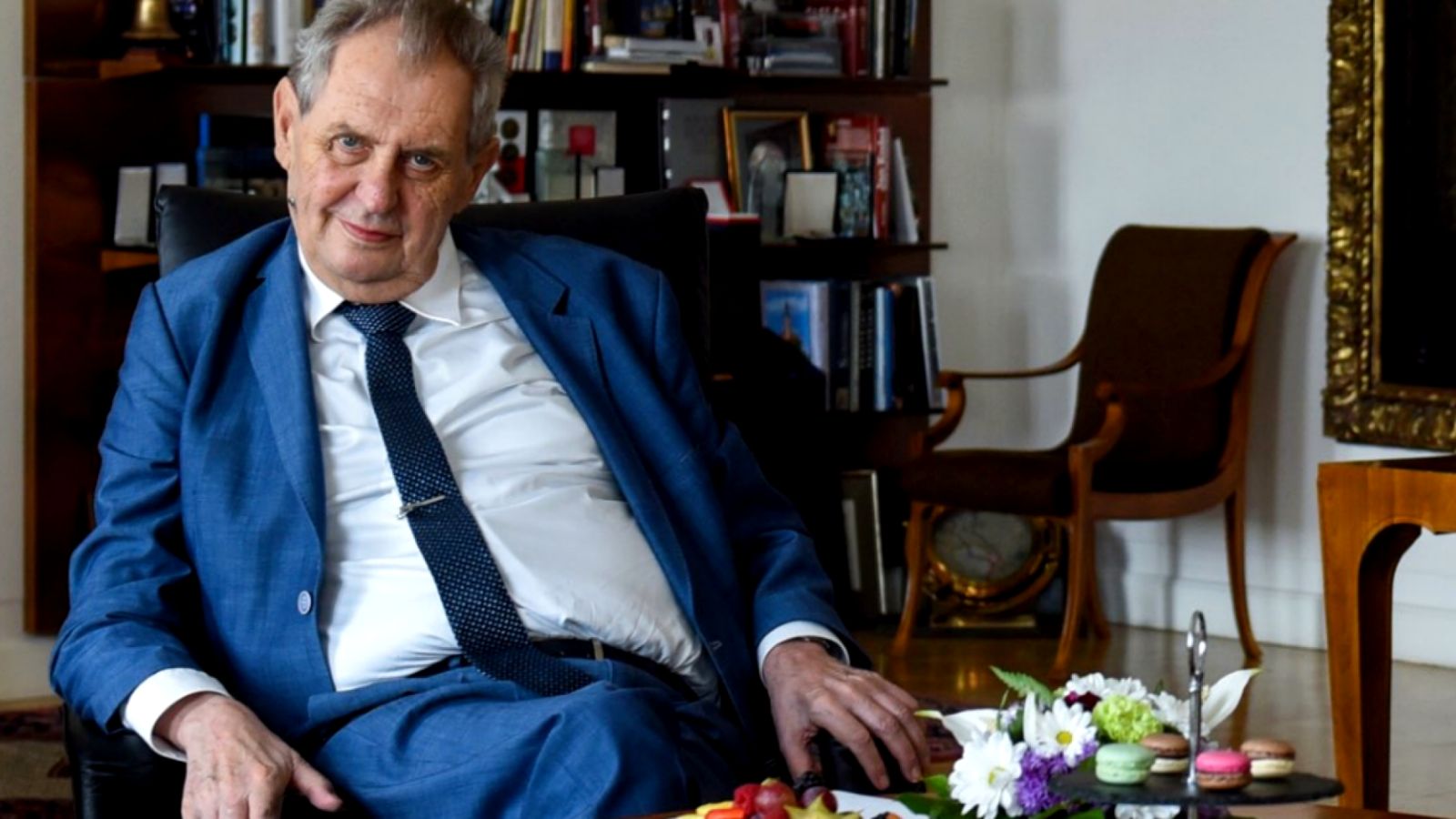
President Miloš Zeman signed the law introducing the so-called Savings Tariff, which is supposed to help households reduce their bills for electricity, gas and heat. This year, Czechs will probably receive a subsidy for expensive energy costs of only around CZK 2,000. The Minister of Industry, Jozef Síkela, initially spoke of up to CZK 16,000 for gas and electricity. It appears as though the current administration will not be able to follow through on this, however… The energy-saving tariff will take the form of a subsidy from the state budget intended for energy suppliers, who will then reduce payments to households by this subsidy. Following the imminent adoption of the law, the government will regulate the details, such as the amount of the allowance. The government could set aside 30.6 billion crowns for the cost-saving tariff. Of this amount, 3.6 billion crowns will be distributed among households with domestic boilers, which were not originally included in the support program. Gas and electricity traders are supposed to reduce bills or deposits by the received subsidy. They will have to indicate this on the bill. The support will not apply to weekend properties and recharging electric cars. Owners’ associations and cooperatives will...
On Wednesday, US President Joe Biden appointed US investor Bijan Sabet as Ambassador to the Czech Republic. It was announced by the White House in a statement, along with other names of candidates for ambassadorships in other countries. The nomination still needs to be approved by the US Senate. The last American Ambassador in Prague was Stephen King, at the end of 2020 he announced that he would relinquish this position when the new President Biden takes office. Since then, the post of US Ambassador to Prague has been vacant. King was the ninth U.S. ambassador to the Czech Republic. He took over the office in December 2017 from lawyer Andrew Schapiro, with whom President Miloš Zeman did not have a good relationship. “We are pleased that President Biden has announced his intention to appoint Bijan Sabet as Ambassador to the Czech Republic. This demonstrates the strong friendship between the United States and the Czech Republic. The nomination must now be approved by the United States Senate,” said the US Embassy in Prague on Twitter. Sabet, 53, is co-founder and partner of Spark Capital since 2005, which deals with venture capital. He directed his investments in Internet networks. He was...
Don’t have an account? Register
Already have an account? Log In
How Would You Like to Promote Your Business? PR ArticleDisplay bannersVideo productionNewsletter adsJob ListingsInfluencer Marketing
Your Email
We will come back to you within 24 hours with our proporsal