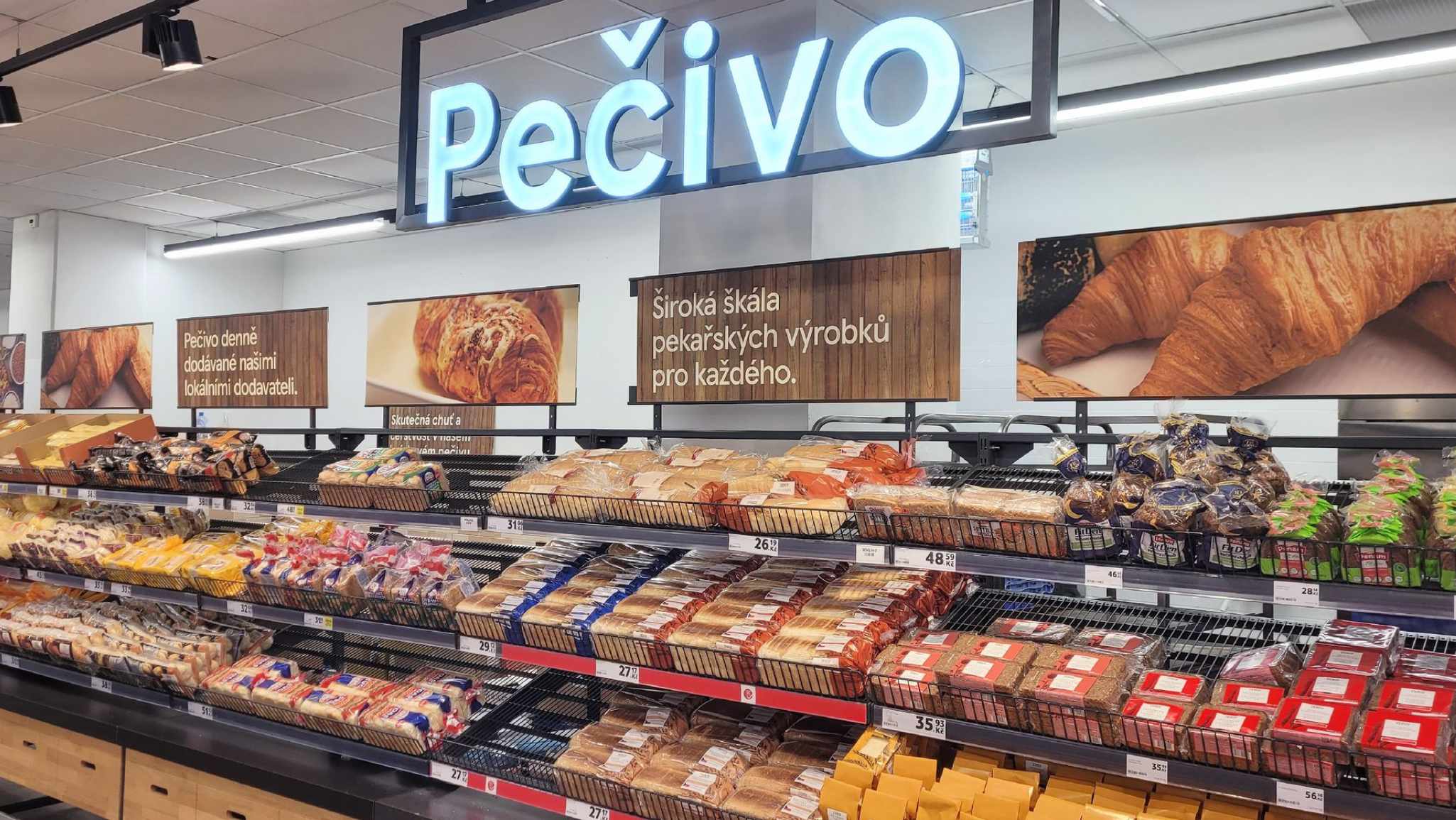
Rising fuel costs caused by the war in the Middle East are starting to ripple through Czech retail, with food prices expected to climb in the coming months. Experts predict that bottled water and bread could be the first items affected. Tomáš Prouza, president of the Trade and Tourism Association, said the increase in fuel prices will eventually affect food costs because it raises expenses across the supply chain. “We are not anticipating an immediate jump in prices, but a gradual increase is likely if fuel costs continue to rise”. Retail chains including Penny Market, Lidl, and Tesco are closely monitoring the situation but are not planning any immediate price adjustments. Tesco spokesperson Lucie Luchková confirmed that the supermarket will maintain current prices, even for its delivery service, as contracts with carriers were finalized in advance. Bottled water and baked goods are likely to be among the first products to see price increases, according to Penny Market spokesperson Markéta Smutná. These items are fast-moving and often sold in large volumes, making them particularly sensitive to cost fluctuations. Online grocery platform Košík.cz has factored potential fuel price changes into its delivery pricing. “We are not considering a general rise in delivery...
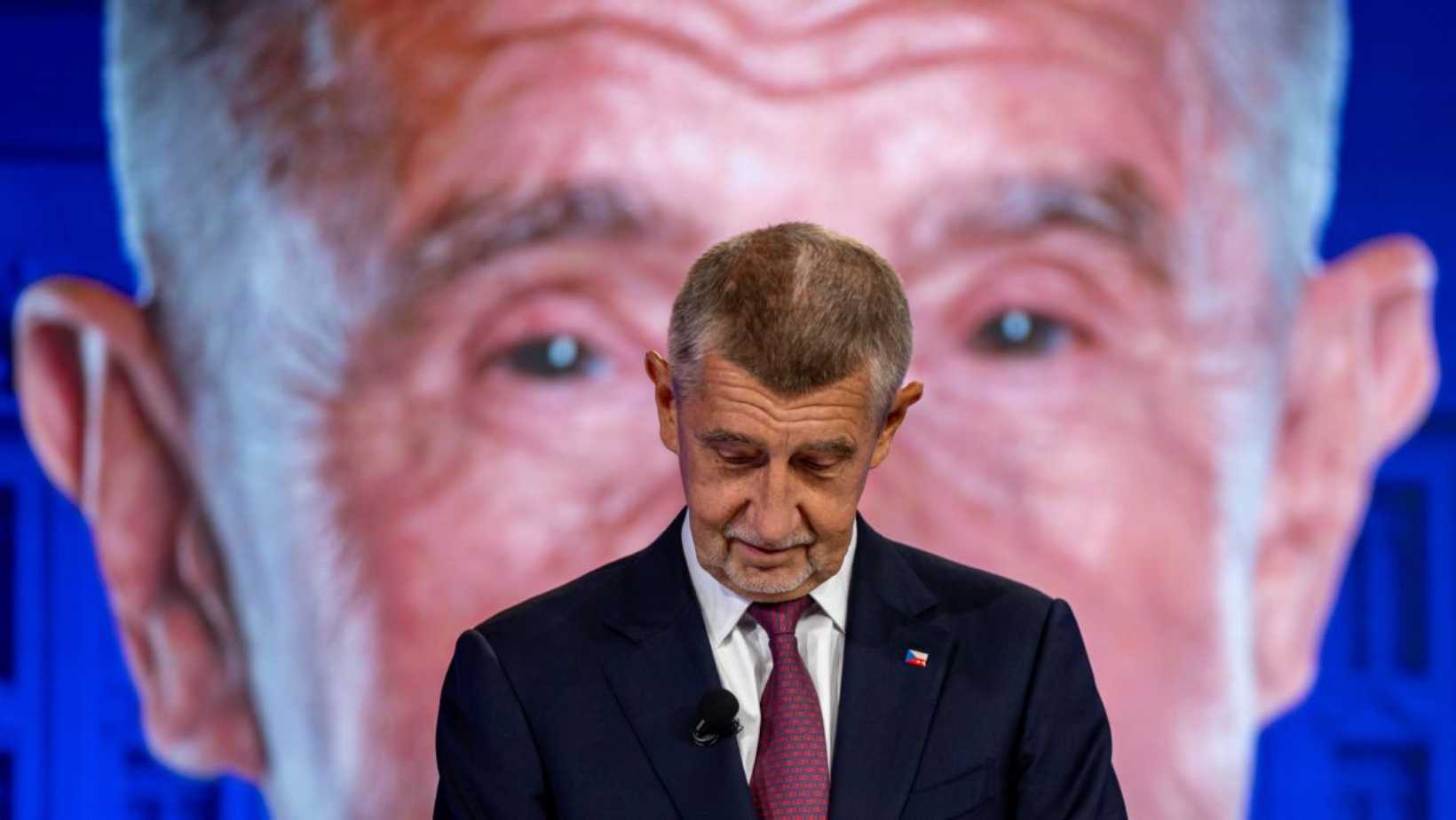
The Czech government has moved to cap fuel prices and slash diesel taxes in an effort to curb rising costs due to the ongoing international energy crisis, announcing a system that will see the state set maximum daily prices for fuel across the country. Prime Minister Andrej Babiš said the intervention follows concerns that fuel retailers were charging excessive margins, despite earlier pressure from the government to bring prices down voluntarily. Under the new system, the Ministry of Finance will determine a maximum fuel price each day, applying to all gas stations nationwide. Officials estimated that diesel, if the cap came into force on Thursday, would currently be capped at 46.43 Czech crowns per liter, or around €1.89. “We monitored the margins and at the beginning of the conflict they were within the norm, but gradually they became excessive,” Babiš said, adding that negotiations with distributors had only partially reduced prices. “We decided to intervene.” The government will also introduce a cap on retailer margins, setting the maximum allowable profit at 2.50 crowns (€0.10) per liter for both petrol and diesel. Alongside the price controls, ministers approved a targeted tax cut on diesel fuel. Excise duty will be reduced by...
The topic of publicly funded contraception has resurfaced in Czech political discourse after ODS MP Eva Decroix raised the issue on social media. She argued that health insurance coverage for contraception could prevent unintended pregnancies and reduce the number of abortions. Decroix suggested that coverage could initially focus on young women and students, highlighting the financial barrier contraception presents. “Do you know that most abortions are performed by women who already have one or more children? Do you know that 84 percent of people support women’s right to decide about their own pregnancy? I believe contraception should be covered, at least in the first step for young girls and students, by public health insurance,” she wrote on Facebook. Currently, Czech women generally pay for contraception themselves unless prescribed for medical reasons. A three-month supply typically starts at around 400 CZK. Amnesty International Czech Republic has long advocated for contraception to be included under public health insurance. Health Minister Open to Targeted Support Health Minister Adam Vojtěch of the ANO party emphasized that public health insurance is primarily intended to cover medical care and treatment, rather than universal contraception. However, he expressed willingness to consider targeted support. “Where contraception is indicated...
Czechia has secured most of its share of European recovery funding, but with a fixed deadline approaching, the hardest part may still lie ahead. The European Commission has released another €614 million to the Czech Republic, bringing the total received under the bloc’s post-pandemic recovery program to roughly 70 percent of the allocated funds. The payment, equivalent to about 15 billion Czech crowns, reflects progress on a range of projects, from cleaner transport to energy savings. The funding is part of the European Union’s Recovery and Resilience Facility, designed to help member states rebuild after Covid-19 while pushing their economies toward digital and environmental goals. For the Czech Republic, the total allocation stands at €8.75 billion, or more than 220 billion crowns. The latest tranche was tied to concrete outcomes. Authorities reported thousands of newly registered electric vehicles, a growing network of charging stations, and improved insulation in tens of thousands of homes. Investments have also reached rail infrastructure, university programs, and parts of the public administration system. Changes to regulations have supported the expansion of solar energy, while the rollout of 5G networks has continued. Companies have also benefited from digital upgrades backed by the program. Still, these steps...
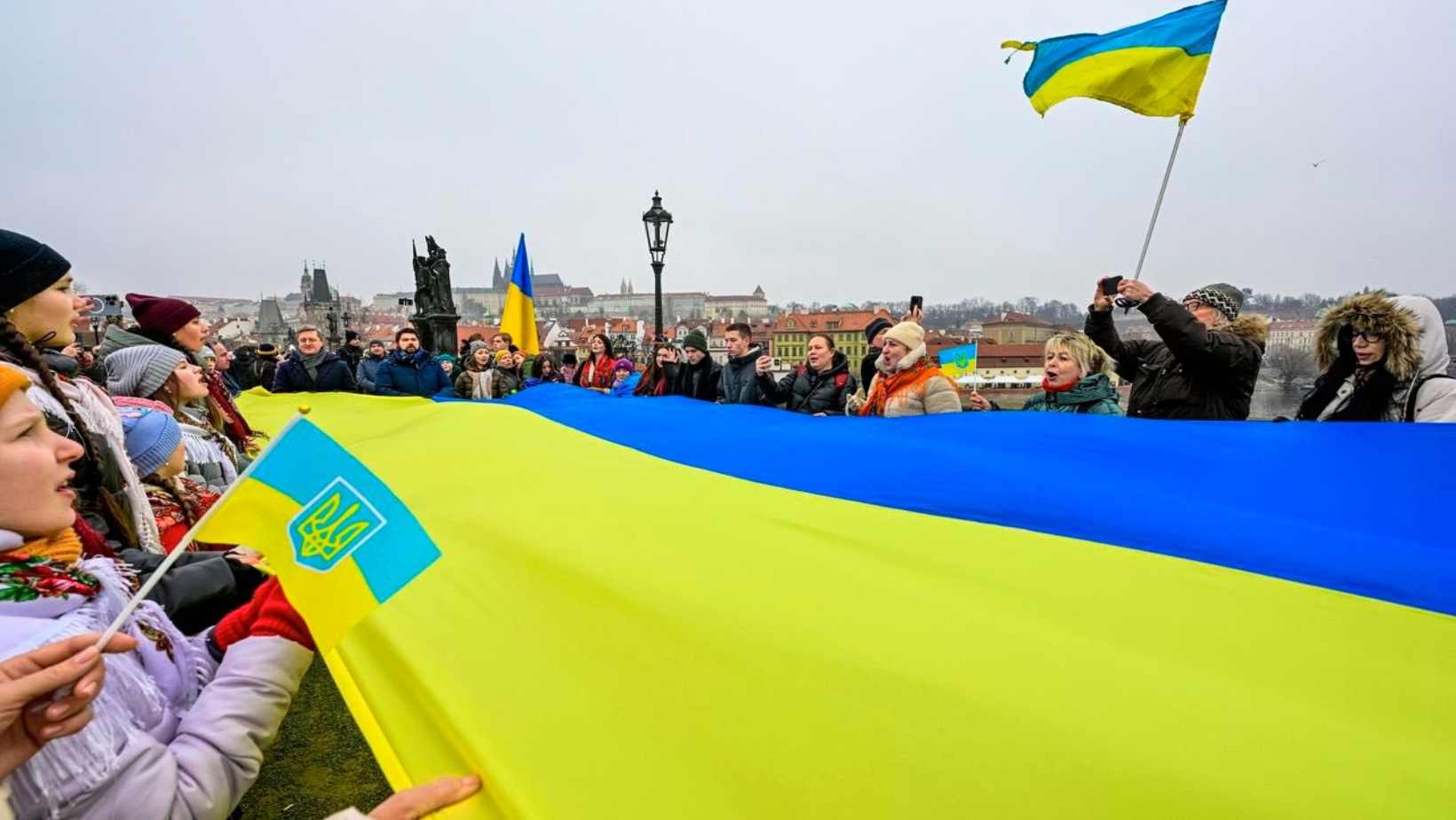
The Czech Republic plans to review the conditions for temporary protection of Ukrainian refugees after 2027, considering restrictions for working-age men and residents of western regions. The final decision must be approved by the EU. Interior Minister Lubomír Metnar stated that in the future, protection might not extend to working-age men or to people arriving from the western regions of Ukraine. However, such changes cannot be adopted at the national level – the decision must be agreed upon within the European Union, where the temporary protection mechanism operates. Currently, Prague is negotiating with other EU countries, trying to find a common approach. Temporary protection has already been extended by the EU until March 2027 and allows Ukrainians to legally reside and work in EU countries. At the same time, the Czech Republic has accepted the largest number of refugees per capita among all EU countries – over 401,000 people, and about six thousand more arrive every month. The authorities warn that the country’s capabilities are at their limit, which increases pressure on the need to review the current rules. One of the discussed options is the introduction of a geographical criterion, according to which protection would not apply to people...
The Czech government has approved a draft law aimed at modernizing the system for residence permits for foreigners, with a new digital platform expected to speed up applications and administrative procedures starting in 2029. The legislation, submitted to the Chamber of Deputies, introduces an electronic information system that will manage the issuance and revocation of residence permits. Officials say the reform should streamline communication between foreigners and authorities while improving the accuracy of records. According to the Ministry of the Interior, the law itself will not change the main conditions required to obtain residence permits. Instead, the goal is to simplify procedures and strengthen oversight through digital administration. If adopted, the new system would allow foreigners to create personal online accounts beginning in January 2029. Through these accounts they would communicate with state authorities, submit residence applications and receive official documents electronically. Officials say the digital platform should also help authorities manage the growing number of administrative cases related to foreign residents. The Interior Ministry reports that the number of applications submitted by foreigners is rising each year. In addition to new residence permits, authorities process more than 630,000 administrative cases annually, including address changes, registration numbers and travel document...
Czech lawmakers approved the 2026 budget, keeping defence at 1.7% of GDP despite NATO and President Petr Pavel’s calls to reach the targets outlined by the US following a push from the Trump administration to aim for 5% of total spending. Czech lawmakers approved the country’s 2026 budget Wednesday, allocating 1.7% of GDP to defence despite pressure from the US and President Petr Pavel to meet NATO targets. The lower house voted 104-87 to allocate almost 155 billion CZK for the Defence Ministry. The spending would inch above 2% only if funding for defence-related projects at other ministries is included. NATO members committed in 2014 to spend at least 2% of GDP on defence. At the 2025 Hague summit, under pressure from the Trump administration, the alliance agreed to invest 5% of GDP by 2035. This further breaks down to 3.5% on core defence requirements and 1.5% on defence- and security-related spending. Prime Minister Andrej Babiš said the state budget is strained and that there are other priorities, including healthcare. According to Babiš the country inherited a budget deficit from the previous government that prevents increased defence spending. Earlier this month Pavel, a retired army general, urged lawmakers to increase...
Fuel prices in the Czech Republic have jumped sharply in recent weeks, driven by global market tensions, supply disruptions, and rising demand from drivers. Diesel has surged by more than six crowns per liter since late February, approaching 40 crowns, while gasoline prices have increased by roughly three crowns. According to CCS data, a liter of diesel now costs an average of 39.20 crowns. Since the outbreak of the Middle East conflict at the end of February, diesel has risen about 6.10 crowns, while Natural 95 gasoline averages 36.36 crowns, up approximately 2.75 crowns over the same period. After a joint U.S. and Israeli strike on Iran, North Sea Brent crude briefly surged to $120 per barrel before falling back to around $90. Market nervousness persists, keeping Czech fuel prices unstable. In response to rising prices, the Ministry of Finance has started monitoring fuel sellers’ margins. Stations will regularly report pricing data to authorities. Finance Minister Alena Schillerová stated, “Rising purchase prices on the stock exchange cannot justify disproportionate margin increases.” The outlook remains unpredictable. Factors such as the planned shutdown of the Schwechat refinery in Austria may reduce fuel availability in Central Europe. Operators are focused on short-term procurement,...
A large share of households in the Czech Republic would struggle to manage financially if their income suddenly stopped, according to a new survey by the polling agency Ipsos for ČPP Servis. Research conducted in February found that nearly six in ten Czechs would have to sharply reduce spending within three months of losing their income. For many, the situation would become difficult far sooner. About half of respondents said they would face serious financial strain within the first month without earnings. The findings underline how limited emergency reserves remain for much of the population. Only a quarter of people reported having savings sufficient to cover more than six months of expenses. At the other end of the scale, 12 percent said they have no financial reserves at all. The study also sheds light on how people store their money. Those who do manage to save tend to keep funds in accounts that are easy to access rather than in long-term investments. Nearly 40 percent said they hold most of their savings in savings accounts. Another 14 percent rely mainly on standard checking accounts, which traditionally offer minimal interest and often fail to keep pace with inflation. Investment products remain...
The wage gap between men and women in the Czech Republic remains one of the largest in the European Union, according to newly published data from the European statistical office Eurostat. The figures show that women in the Czech Republic earn on average 18.5 percent less than men, placing the country second worst in the EU for gender pay inequality. Only Estonia records a wider difference, where women earn 18.8 percent less than men. Across the European Union, the average pay gap stands at 11.1 percent, meaning the Czech figure is significantly higher than the bloc’s overall level. Some European countries report far smaller differences. In Belgium, the gap is just 0.7 percent, one of the lowest in the EU. Meanwhile, Poland records a difference of 4 percent, while the gap reaches 15.6 percent in Germany and 15.7 percent in Slovakia. The situation is unique in Luxembourg, where women earn slightly more than men. The country reports a negative pay gap of –0.8 percent, making it the only EU state where male salaries are on average lower. Private sector shows wider differences Pay inequality is generally higher in the private sector across the EU. Most countries use transparent salary tables...
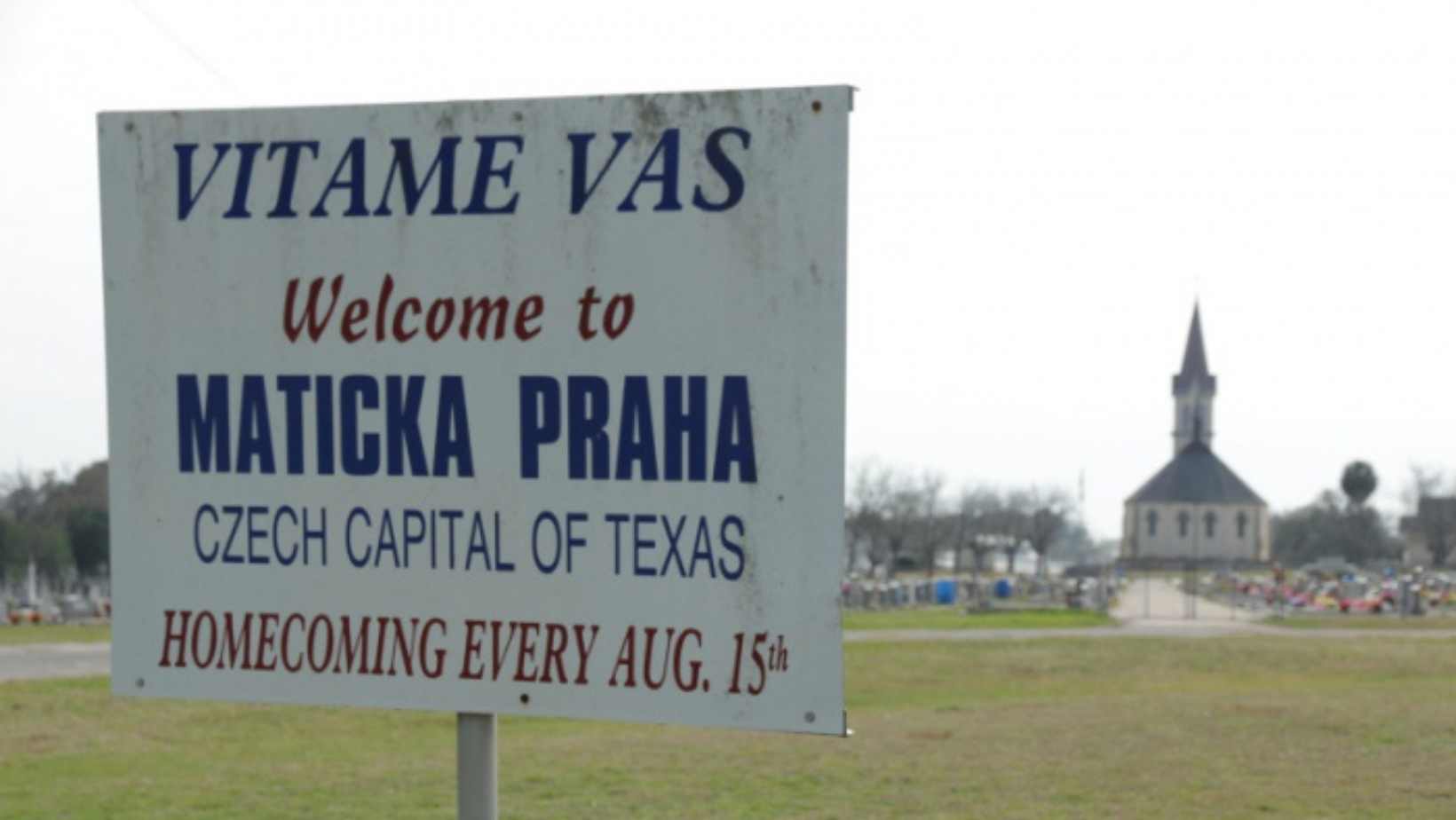
The Czech Republic is preparing to sign its first formal cooperation agreement with an American state, choosing Texas as its partner. The memorandum will be signed next week during a visit to the United States by Industry and Trade Minister Karel Havlíček. The agreement will establish a structured partnership between the Czech Republic and Texas, the second-largest and second-most populous state in the United States. It will also mark the first time Prague has concluded this type of memorandum with an individual U.S. state. The signing is expected to take place in Austin, the Texas capital, during the South by Southwest (SXSW) festival, where Havlíček will meet Texas Governor Greg Abbott. The minister’s trip to the United States is scheduled for March 9–15 and will also include meetings in Washington. According to the Czech Foreign Ministry, the partnership reflects long-standing historical and cultural links between the two regions. Texas is home to the largest community of Americans who claim Czech ancestry. Czech migrants began settling there in the 19th century, leaving a lasting mark on local culture and traditions. These historical ties have been reinforced by military cooperation. Since 1993, the Czech Army has worked with the Texas National Guard...
The Czech Republic’s consumer price inflation moderated unexpectedly in February to the lowest level in more than nine years, preliminary data from the Czech Statistical Office showed on Wednesday. Consumer prices climbed 1.4 percent year-over-year in February, slower than the 1.6 percent increase in January. Economists were looking for a stable increase of 1.6 percent. Further, this was the weakest inflation rate since October 2016, when prices rose only 0.8 percent. The annual price growth in food, alcohol, and tobacco softened to 0.4 percent from 1.3 percent, while the decline in energy prices eased slightly to 7.8 percent from 7.9 percent. Data showed that inflation based on services slowed to 4.5 percent from 4.7 percent. On a monthly basis, consumer prices edged down 0.1 percent, while prices were expected to rise by 0.1 percent. The final data for the month of February will be published on March 10. Would you like us to write about your business? Find out more
Don’t have an account? Register
Already have an account? Log In
How Would You Like to Promote Your Business? PR ArticleDisplay bannersVideo productionNewsletter adsJob ListingsInfluencer Marketing
Your Email
We will come back to you within 24 hours with our proporsal