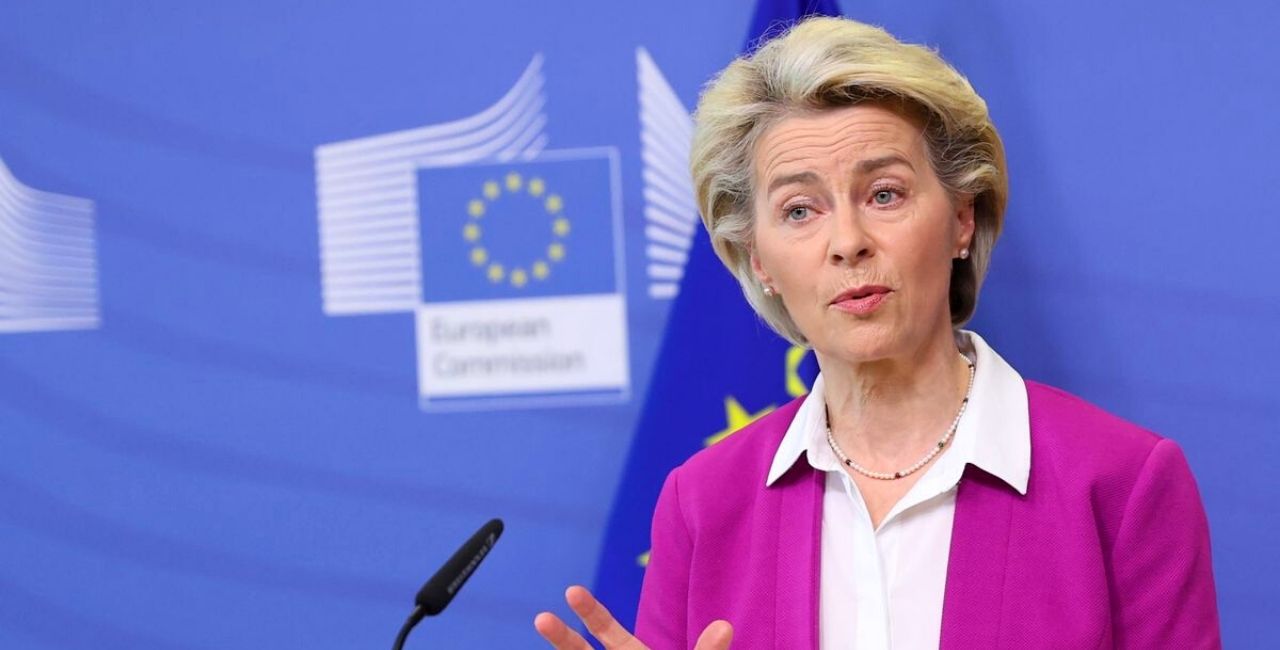
After all-day talks lasting into the early hours of Tuesday, the European Union agreed on the sixth embargo package against Russia, while Hungary scored a major diplomatic success as it got the exemption on pipeline oil deliveries it requested. Charles Michel, the president of the European Council, which provided the institutional framework for the summit, announced the success of the negotiations shortly after midnight. The punitive measures are effective immediately, with two-thirds of Russia’s oil exports to the European Union expected to be affected. French authorities explained that 90 percent of Russia’s oil imports would disappear by the end of the year. Russian oil exports to the EU account for a quarter of the European Union’s total oil imports — they were worth $108 billion (€99 billion) to the Russian economy in 2021 alone. The most controversial element of the sanctions package was the embargo on oil imports from Russia, which was rejected by the Hungarian government. Since top-level EU decisions require unanimity, Hungary was the only member to veto the entire sanctions package. Less loudly and without waving a veto, Slovakia and the Czech Republic did not fully support the oil embargo either, as these two countries, like Hungary, also rely heavily...
The Czech Telecommunication Office (ČTÚ) has prepared a proposal to regulate the Czech mobile phone market, news site Lupa.cz reported on Monday. In its analysis, the regulator argues that retailer mobile service prices, especially when it comes to mobile data, are disproportionately higher than the EU average; collusion, and high wholesale prices (even higher than retail ones) make it impossible for virtual operators to offer competitive tariffs. According to the CTU, a new and fourth nationwide operator, will not enter the market until the end of 2024. “Data wholesale offers not only do not allow access to voice services, which currently still require most customers but also in the case of the theoretical possibility of their integration into one SIM, do not allow the replication of tariffs for MVNOs, “admits the CTU. The Czech mobile operator market is currently composed of three major providers – O2, T-Mobile, and Vodafone. The Office is therefore again proposing to regulate the wholesale market, including the possibility of directly setting maximum prices for the services that network operators sell to virtual machines. This is the CTU’s third attempt to regulate the mobile market in a short time. The first analysis was rejected by the...
The Czech central bank will probably need to raise interest rates again next month, possibly above 6%, if new data confirm persistent inflation risks, according to Governor Jiri Rusnok. The Czech National Bank has lifted borrowing costs by a cumulative 550 basis points in eight steps since June last year. The latest move this month brought the benchmark rate to 5.75%, the highest since 1999. Rusnok said on Sunday that the rate-setting panel will debate how economic data compare with the bank’s latest forecast at the next policy meeting on June 22, which will be his last before his term ends. There is a “very high” probability that rates will rise again if inflation pressures develop as outlined in the bank’s spring projections, the governor said in a debate on public television. Since the forecast was published, data showed consumer prices growing an annual 14.2% in April, more than the central bank expected. When asked whether the benchmark rate will rise above 6% next month, Rusnok said: “It may happen.” The Czechs are experiencing the fastest inflation in nearly three decades as Russia’s invasion of Ukraine drives up energy and raw-materials prices. While the key manufacturing industry grapples with component...
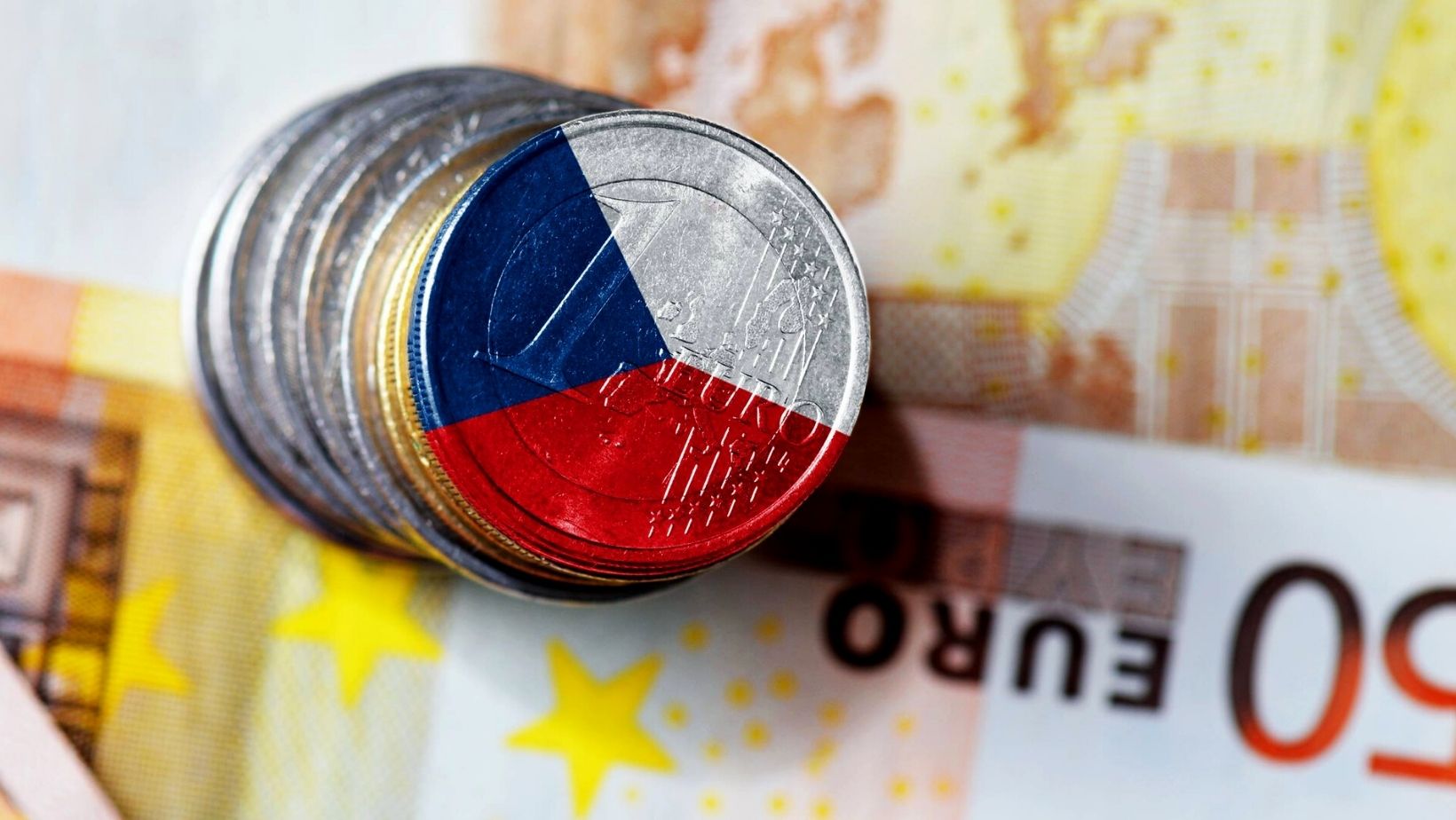
The Chamber of Deputies Speaker Markéta Pekarová Adamová recently claimed that because inflation in the eurozone is lower than the 14.2 percent currently seen in the Czech Republic, it is a mistake that we do not have the euro. You would have thought that everyone would have already gotten it by now, but here it is again… Why open a discussion about its introduction again? For the TOP 09 party, it is nothing new under the sun. They are just looking out for their traditional sheep before the municipal elections in Prague. The proposal is harmless because we, as probably all the eurozone members know, do not meet the relevant criteria, but fine, let’s have the debate. First, according to the Eurostat methodology, we do not have inflation of 14.2 percent but 13.2 percent. Moreover, at the end of the table, I find that Switzerland has, by far, the lowest inflation at 2.2 percent. Switzerland, with its certainly completely backward anti-Western orientation, still sticks to the Swiss franc and its monetary policy, and does not want to join the EU. By the way, the Baltic countries are at the forefront of the inflation table with us and have had the euro for...
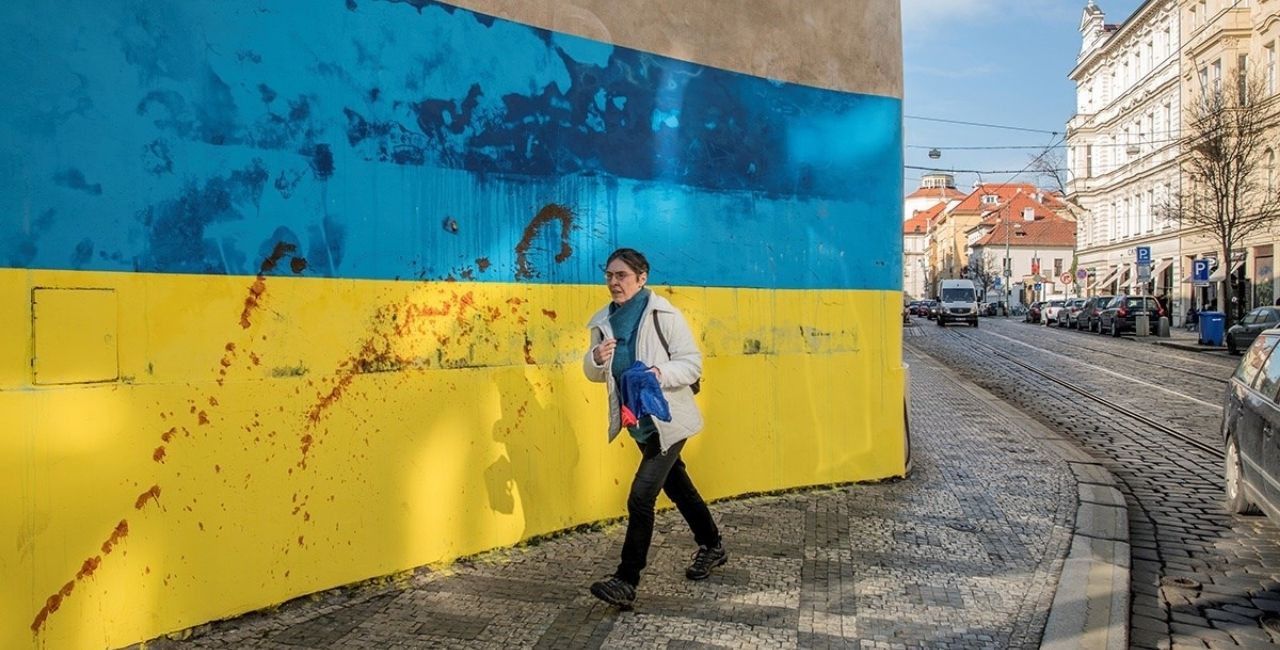
Since the start of the war in Ukraine on February 24, nearly 348,000 Ukrainians have left the country and fled to the Czech Republic. According to InfoMigrants, tens of thousands of Ukrainian refugees in the Czech Republic have filled vacancies that were earlier difficult to fill. Data from the Czech employment offices has revealed that among those who stayed in the Czech Republic, about 50,000 Ukrainian refugees found jobs in sectors that were in dire need of workers. Now, those who do not work there risk losing welfare benefits as proposed by the government. In March, the Senate of the Czech Republic approved a bill to offer special humanitarian benefits to Ukrainian refugees. The document was quickly signed by the President of the Republic. Meanwhile, the Ministry of Labour and Social Affairs of the Czech Republic announced that payments for refugees will start on March 21, 2022. In addition, the Czech Movarian Confederation of Trade Unions (ČMKOS) warned against recruiting Ukrainian refugees as cheap labour. It was reported that one of the proposed changes is controversial when it comes to health insurance in Ukraine, which will be free only for adults for the first 180 days, thus linking health care...
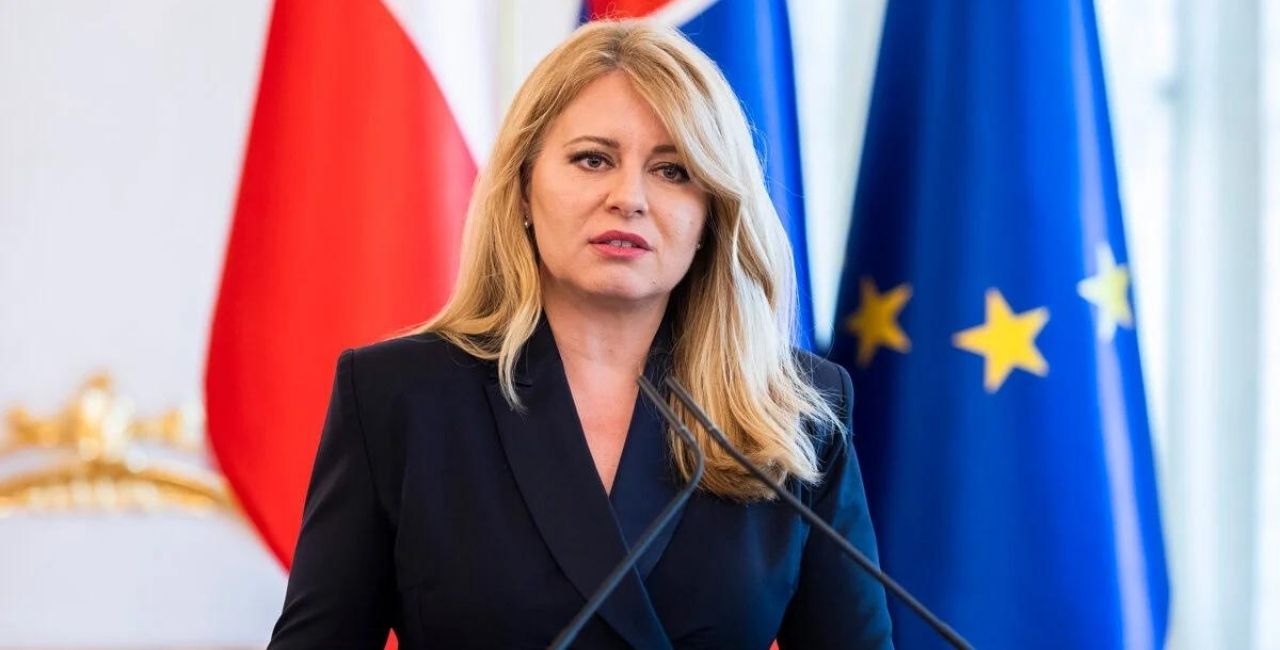
Slovak President Zuzana Čaputová will meet with her Czech counterpart Milos Zeman at the Prague Castle on Friday, the spokesman for the Czech head of state, Jiri Ovcacek, told TASR on Monday. The Slovak President’s spokesman, Martin Strizinec, has confirmed both the visit and the meeting, adding that Čaputová will travel to the Czech Republic to commemorate the 80th anniversary of the assassination of Deputy Protector Reinhard Heydrich by Czechoslovak paratroopers during the Nazi occupation of the Czech lands in WWII. Celebrations will include a reconstruction of the event in Prague’s Libeň district, as well as a ceremonial gathering in the National Museum. The reconstruction of the assassination in Libeň will take place after 10:30 am – the time when parachutists Jozef Gabčík and Jan Kubiš attacked Heydrich’s vehicle. Military aircraft flyovers, including a World War II-era Hawker Hurricane, will take place above the Anthropoid memorial in Libeň after which a commemorative act will be held, the Czech News Agency writes. The two events are a part of a much wider range of commemorations that will be taking place across the Czech Republic during the anniversary. Čaputová paid her first official visit to the Czech Republic in 2019. The Slovak...
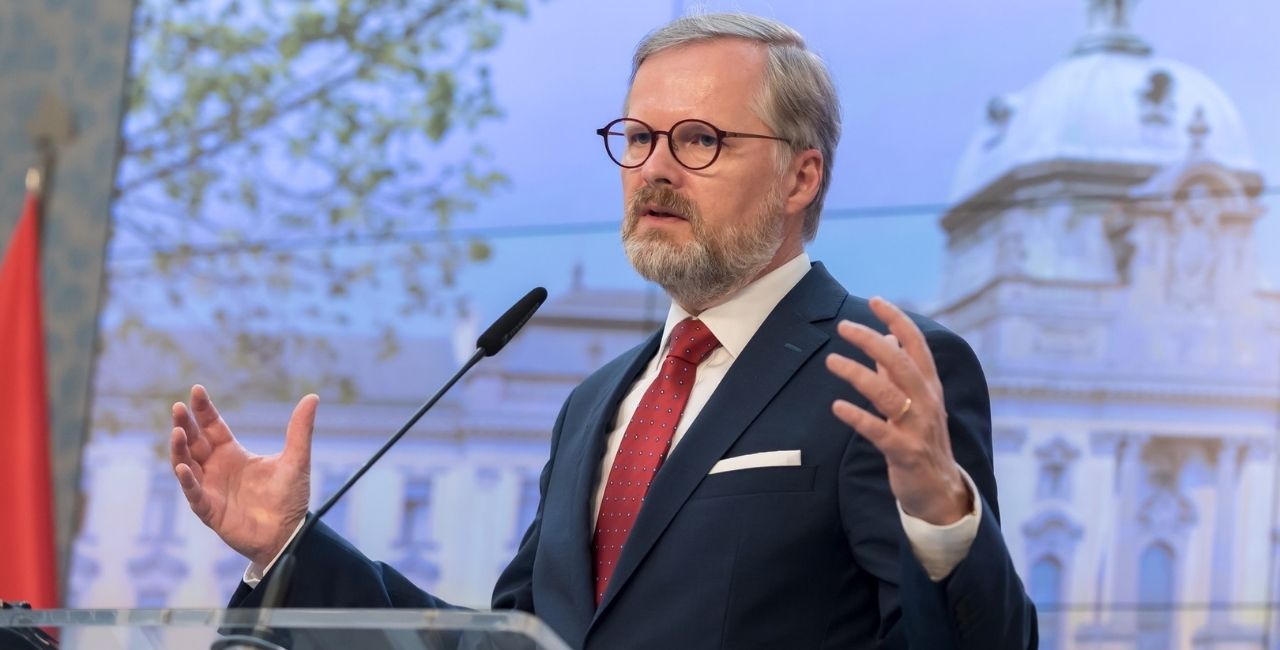
The Czech Republic should spend 2 percent of its GDP on defense in 2024, which demonstrates Czech meeting its 2-pecent spending goal a full year before it originally planned, Czech Prime Minister Petr Fiala stated after Saturday’s meeting with an expert team that included President Miloš Zeman. “The expert team of the president of the republic, with the participation of the prime minister, discussed economic issues and foreign policy with an overlap with the energy and food crisis,” said Jiří Ovčáček, the presidential spokesman. Fiala reiterated that he would represent Zeman at the June NATO summit in Madrid. The participants also talked about the issues of the upcoming Czech presidency of the Council of the EU, the Russian aggression in Ukraine, and energy security. “We would like one of the topics to be Ukraine’s post-war reconstruction, which of course presupposes a peaceful situation in Ukraine,” the prime minister noted. He also identified energy security and the energy policy of the entire Czech Republic as crucial issues. According to Fiala, even those European countries that did not initially subscribe to their alliance commitment of 2 percent of GDP have recently been discussing increasing defense spending. According to him, neutral Austria also plans...
Prices in restaurants are continuously rising. Due to more expensive operations, many restaurants have risen in price by ten to twenty percent in recent months and are preparing to increase further. According to the data available at Aktuálně.cz, before the coronavirus pandemic, the average spend on a restaurant receipt was 50 crowns lower than it is now. Rising prices are also reflected in restaurant attendance. “Practically every week, we receive information from suppliers about rising raw material prices by e-mail,” describes Filip Hausknecht from the Bistro Strecha, which employs homeless people or people after serving a sentence. “Our restaurant has set very low prices from the beginning, and especially margins because one of our goals was to offer plant food at affordable prices. In today’s situation, however, this is unsustainable and we, therefore, plan to raise prices by about eight to ten percent in the coming weeks,” he continues. Roman Meixner, manager of the Prague restaurant Pivo Karlín, speaks similarly. “Since the beginning of the year, due to various factors, it had to increase by about ten percent. We will probably only feel the outflow of customers caused by inflation and the consequent rise in prices,” he notes. The average...
Nearly hours after NATO Secretary-general Jens Stoltenberg confirmed Finland and Sweden submitted their application to join the military alliance, the Czech Republic and Germany were the first NATO members to approve the accession. Notably, after the announcement, the Czech Republic’s government has unanimously approved NATO membership for Finland and Sweden. Taking to Twitter, Czech Prime Minister Petr Fiala said he believes both the Chamber of Deputies and the Senate will pass the accession, as governing parties hold the majority in both chambers of the parliament. The Government of the Czech Republic has unequivocally approved the NATO admission of Sweden and Finland. Now both the Chamber of Deputies and the Senate need to do so as well. However, I do not expect any complications. — Petr Fiala (@P_Fiala) May 18, 2022 Meanwhile, Berlin said that it remains confident that both the countries will be able to join NATO despite objections raised by other member countries. Notably, Berlin was pointing fingers at Turkey, which blocked the assession. Government spokesperson Christiane Hoffmann told reporters in Berlin wants Sweden and Finland to join the alliance as soon as possible. “The German government remains confident that all NATO members will support this entry, that it can take place...
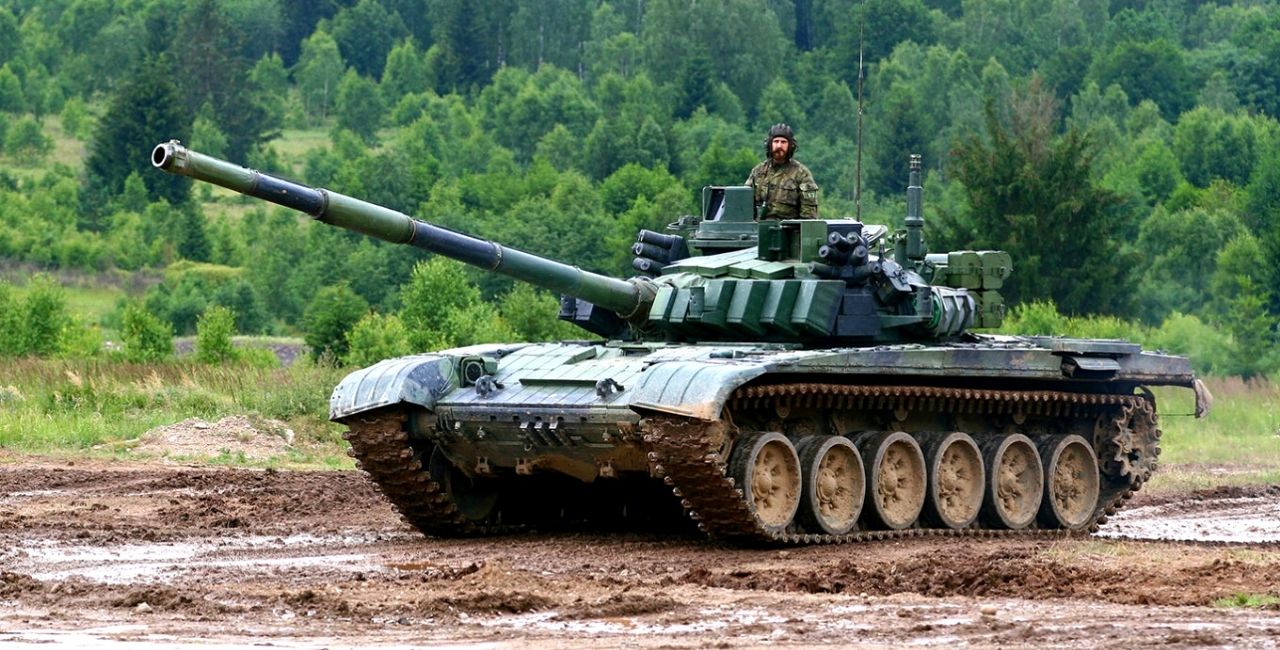
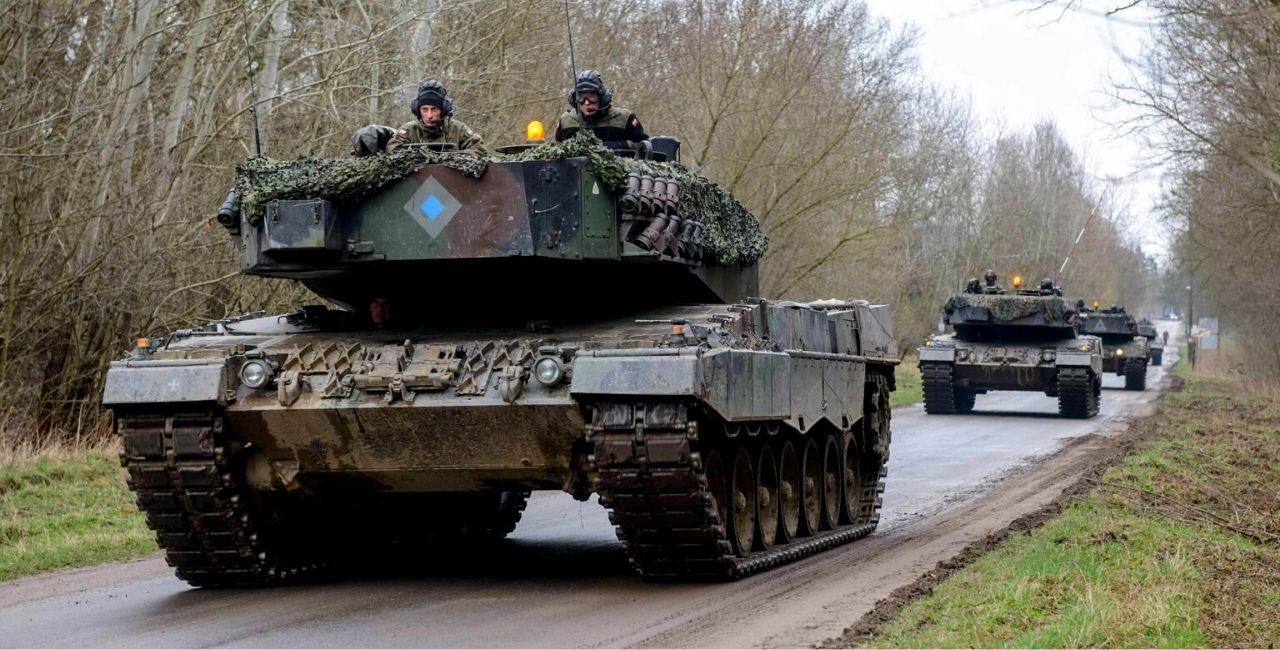
Germany will give the Czech Republic 15 Leopard 2 tanks, the German defence ministry said, part of a “ring exchange” program under which Berlin aims to help countries pass their stocks of Soviet weaponry to Ukraine to help it fight Russia. The ministry said it would pay for the transaction and train the Czechs to use the Leopard 2 A4 tanks. The Czechs have existing stocks of old Soviet tanks with which Ukrainian soldiers are already familiar. “The exchange is another good example of how we are helping Ukraine in its brave fight against Russian aggression,” said Defence Minister Christine Lambert. “The Czechs deliver heavy weapons, and we fill the resulting holes with Leopard tanks.” Czech Defense Minister Jana Cernochova said the move showed Germany’s appreciation of her country’s military help to Ukraine. The Czechs have given Ukraine Soviet-era heavy weapons worth at least €124 million. Prague has not disclosed the exact equipment, though local media reports suggest it had sent Soviet-made T-72 tanks and other heavy technology to Ukraine. The Czech Republic also talked to Germany about purchasing up to 50 more new Leopard A7+ tanks. Zelenskyy says the war will be long in nightly address Ukrainian President Volodymyr...
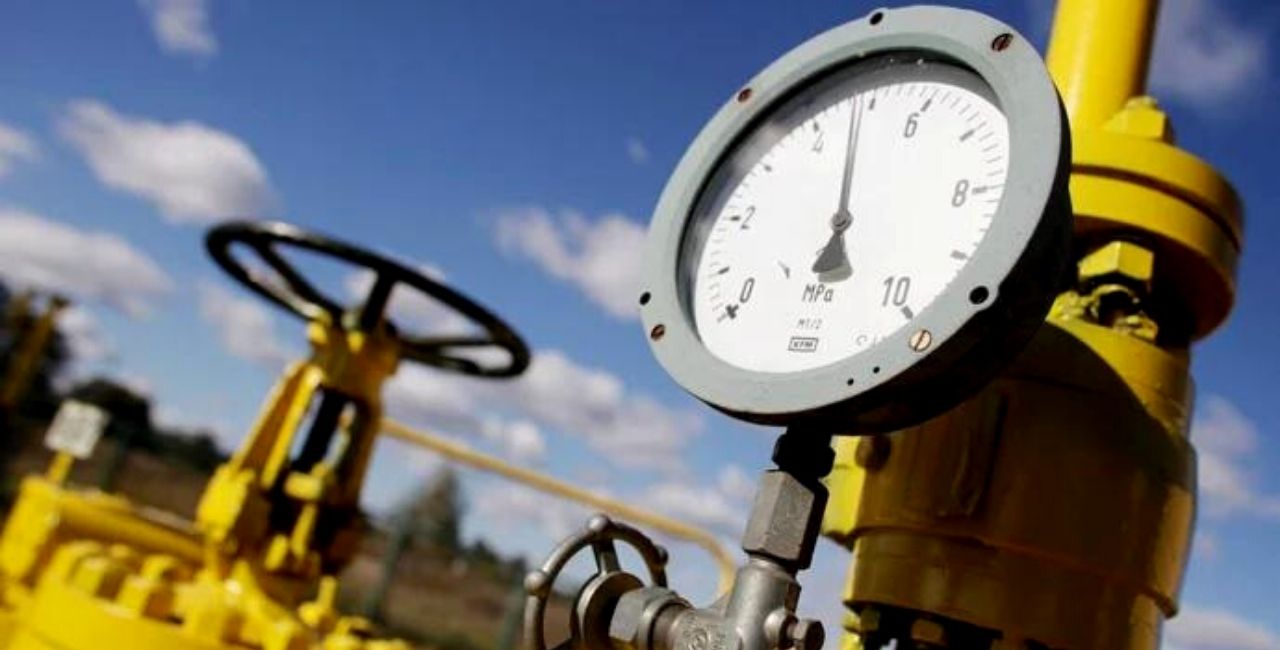
Should Russian gas supplies be halted, Czechia has sufficient reserves to last until the end of the summer, the country’s Industry Minister Jozef Síkela has claimed. Czech gas reserves are growing rapidly and had exceeded 1.287 billion cubic meters by Thursday morning, and domestic gas storage tanks are now almost 40 percent full, the minister revealed. “Compared to consumption in previous years, if supplies from Russia are stopped, current stocks should last at least until the end of the summer,” Síkela affirmed. Czechia Prime Minister Petr Fiala also confirmed the current capacity status Czech gas reserves. “Today, the tanks are already 40 percent full, and that’s a huge shift, and it’s the most ever at this time of year. We will reach at least 80 percent of the tank capacity before the start of the winter season,” said Fiala. According to Síkela, current gas reserves have more than doubled from last year. The growth rate of stocks is among the highest in Europe. Deliveries to the Czech Republic are smooth, and the storage tanks are filling at a rate of over 25 million cubic meters per day. This corresponds to approximately twice the daily consumption in the summer. The suspension of gas supplies...
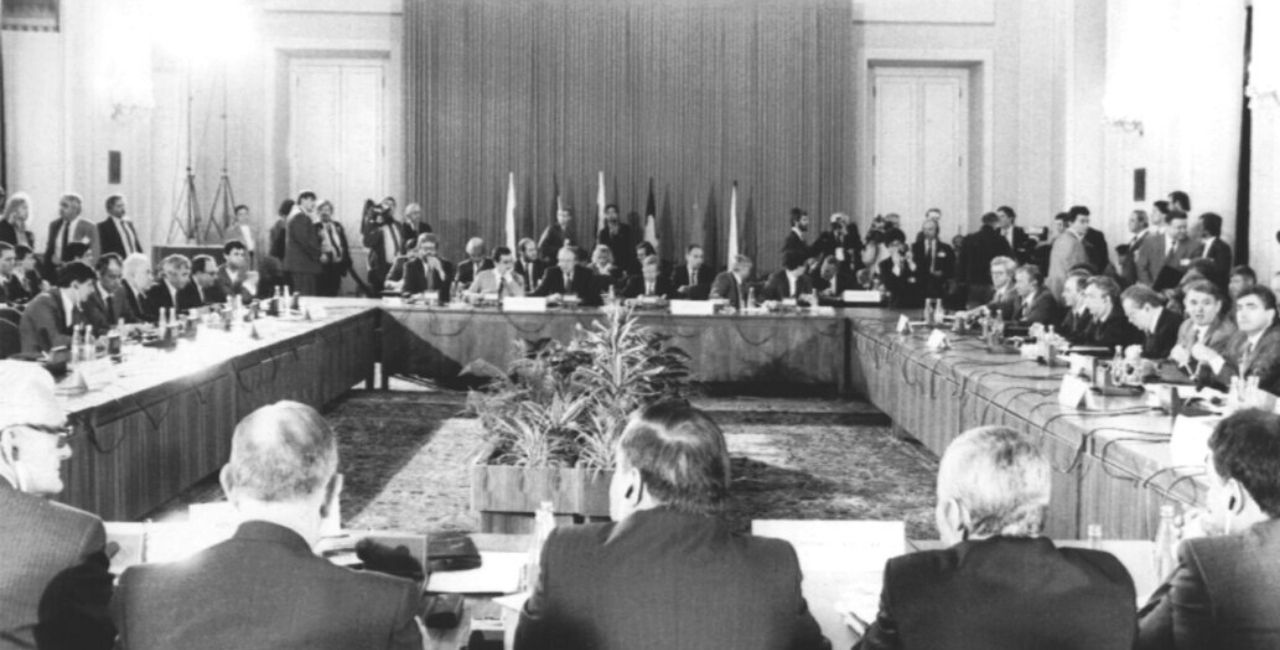
On this day in 1955, the Soviet Union and seven of its European satellites signed a treaty in Warsaw, Poland, establishing the Warsaw Pact, a mutual defense pact dominated by Moscow. Its initial members, besides the Soviet Union, were Albania, Bulgaria, Czechoslovakia, East Germany, Hungary, Poland and Romania. Albania was expelled in 1962 because Nikita Khrushchev, the Soviet leader, held that the Albanians had strayed too far from the Soviet orbit, turning to China for support. Formation of the Warsaw Pact was triggered by the rearming of West Germany and its inclusion in NATO, which was seen by the Kremlin as imperiling its interests. West Germany had joined NATO nine days earlier, on May 5. The introduction to the treaty cited “Western Germany, which is being remilitarized, and her inclusion in the North Atlantic bloc, which increases the danger of a new war and creates a threat to the national security of peace-loving states.” Like NATO, the Warsaw Pact focused on the need to maintain a coordinated defense among its member states. When the Kremlin decided to use military force to put down anti-communist revolts in Hungary in 1956 and in Czechoslovakia in 1968, the Soviet hierarchy justified its actions...
Don’t have an account? Register
Already have an account? Log In
How Would You Like to Promote Your Business? PR ArticleDisplay bannersVideo productionNewsletter adsJob ListingsInfluencer Marketing
Your Email
We will come back to you within 24 hours with our proporsal