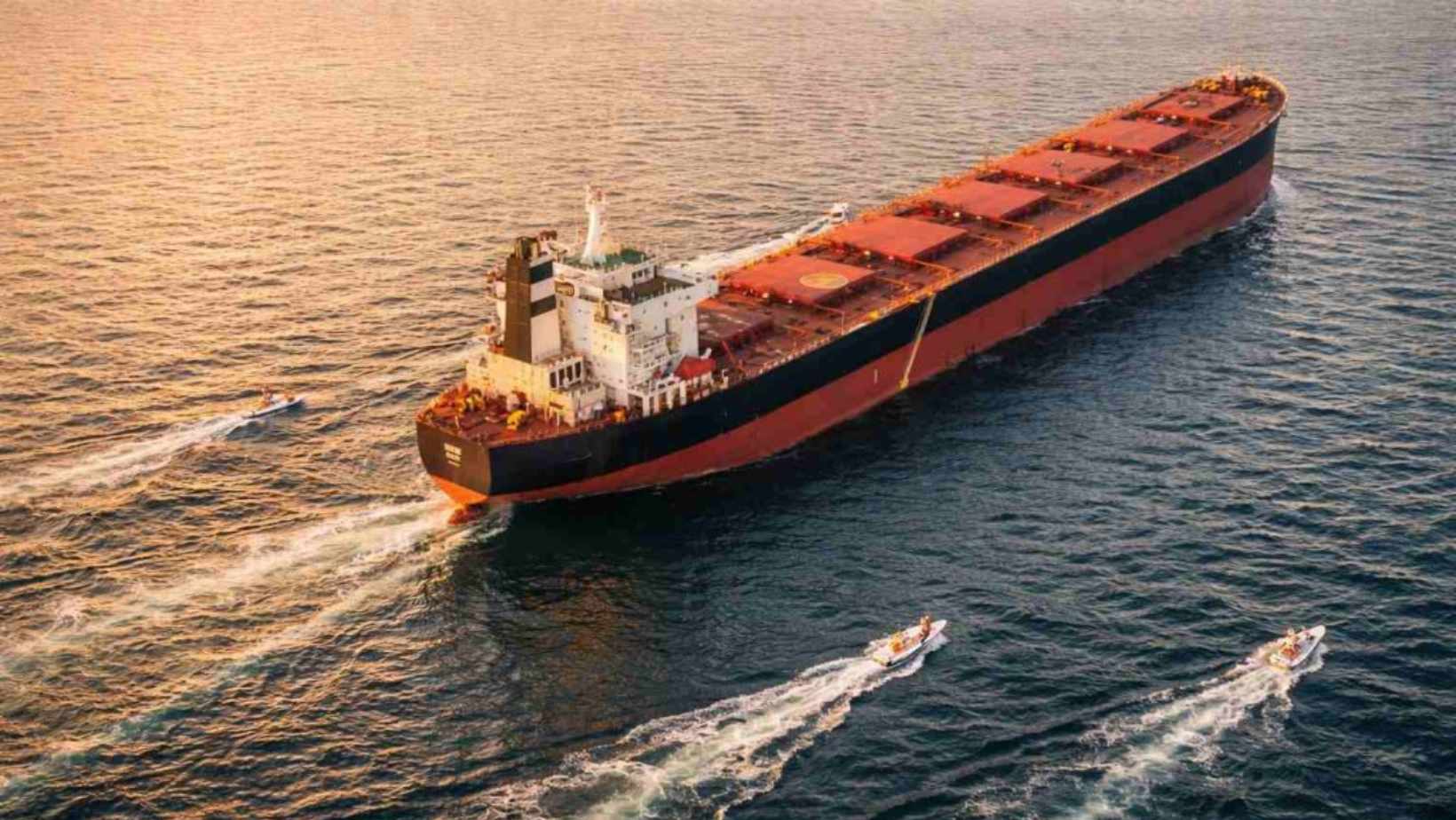
European gas prices surged this week after liquefied natural gas production in Qatar was halted and shipping routes in the Strait of Hormuz were disrupted. While several EU countries face potential supply pressure, Czechia is not directly exposed to the current outage. At the Dutch TTF hub, the benchmark for European gas trading, prices climbed sharply. On Tuesday morning, gas rose by 26 percent to more than €56 per megawatt-hour. By midday, April contracts exceeded €64 per MWh, marking a rise of roughly 45 percent since the start of the week. The escalation follows attacks on energy infrastructure in the Middle East. On Monday, the Qatari state energy company QatarEnergy suspended LNG production after drones struck its Ras Laffan industrial complex and a power facility. Iran also targeted oil installations in Saudi Arabia, forcing parts of a refinery operated by Saudi Aramco to halt operations. Shipping traffic through the Strait of Hormuz — a key corridor for global energy exports from Qatar and the United Arab Emirates — has been blocked since the weekend. The disruption immediately affected commodity markets. On Monday alone, European gas prices jumped by as much as 50 percent. Qatar supplies roughly 10 percent of Europe’s...
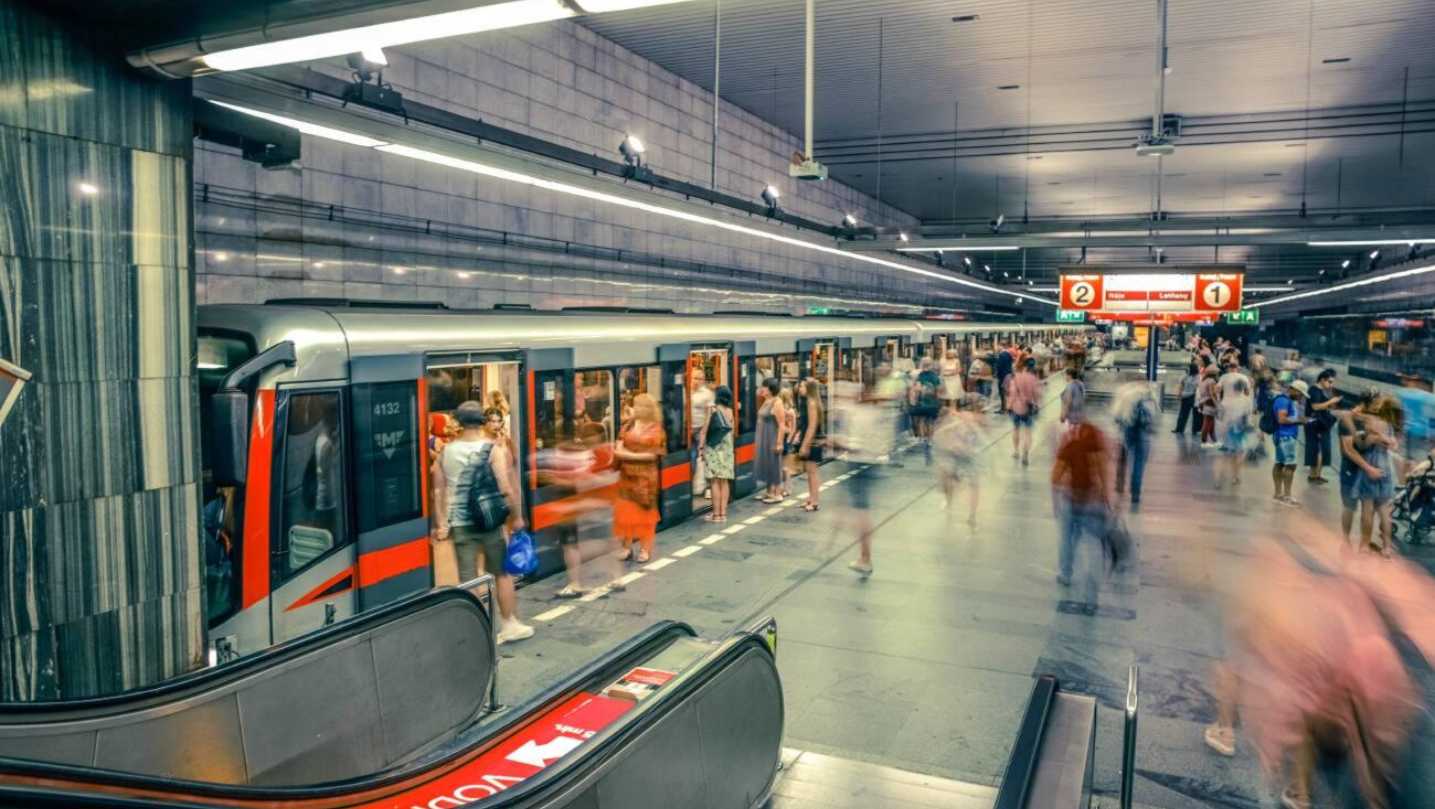
Commuting in Czechia is often treated as routine. But when measured in economic terms, the daily trip to and from work represents a substantial annual loss for employees. If a worker spends one hour a day commuting, the value of that time — calculated using the national median wage — reaches roughly CZK 57,000 per year. The figure is based on data from the Czech Statistical Office and a model originally applied in the United States. An analysis published by Investopedia, drawing on calculations by MyPerfectResume and data from the U.S. Census Bureau and the Bureau of Labor Statistics, estimated that the average American worker effectively “loses” about $8,150 annually due to commuting time. That equals more than CZK 165,000 at current exchange rates. The method is straightforward: multiply the total hours spent commuting each year by the average hourly wage. In the United States, workers spend around 223 hours annually traveling to and from work. Applying the same framework to Czech conditions produces similar results in terms of time. According to the Czech Statistical Office, around 70 percent of Czech employees commute, and about 60 percent of them rely on a car for at least part of the journey....
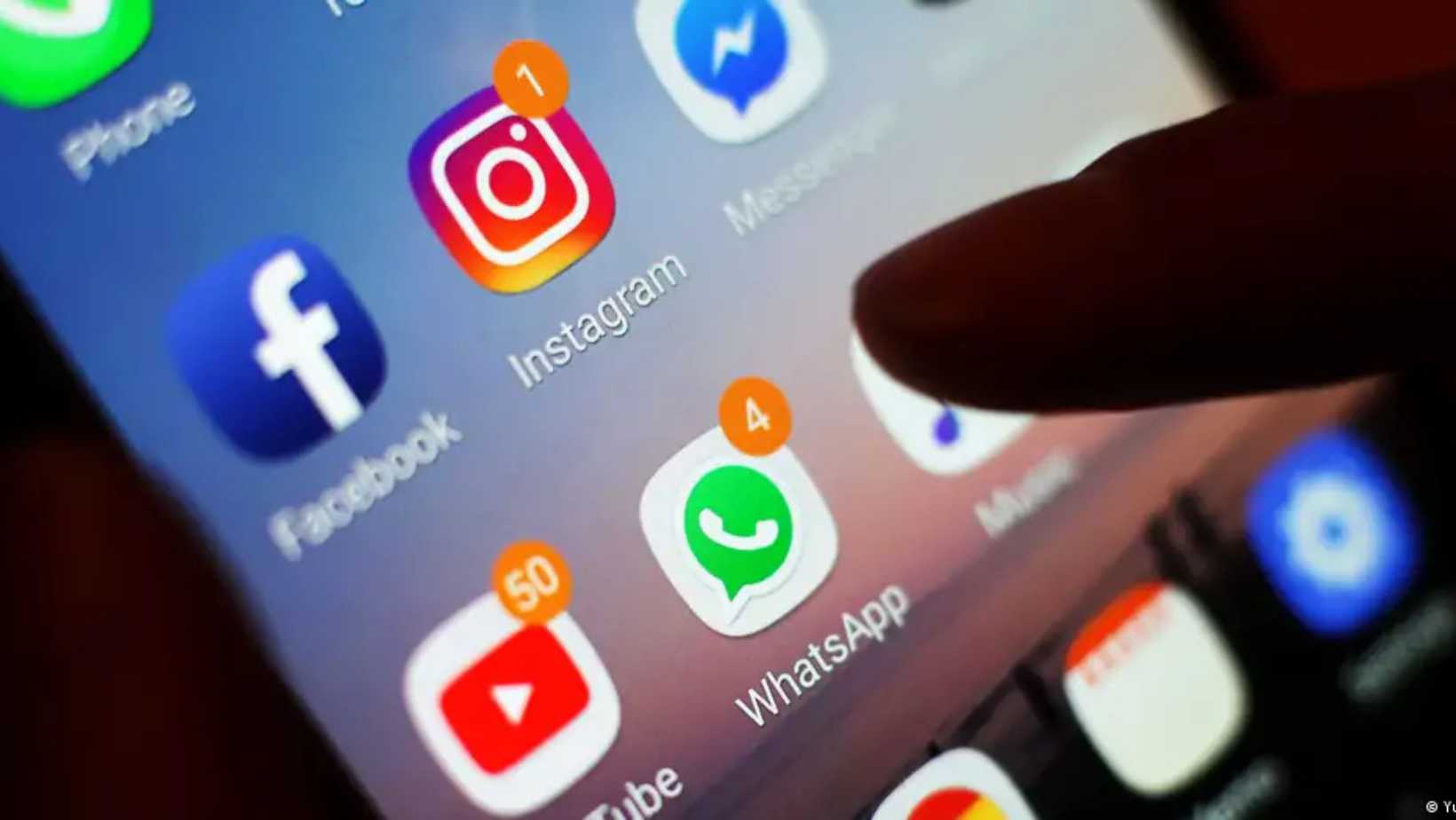
Several countries are tightening rules on children’s access to social media. Australia barred users under 16 late last year. France recently approved a law targeting children under 15. Similar steps are under discussion in Denmark, Slovenia, Greece, Turkey and Britain. The European Parliament has also urged stricter limits. UNICEF has warned that bans alone may not solve the problem and could create new risks if not combined with education and parental guidance. The Czech government may now follow this trend. Prime Minister Andrej Babiš said Sunday he supports restricting social media access for children under 15. He cited expert warnings about mental health risks and online harm. According to him, protecting minors must take priority. Industry and Trade Minister Karel Havlíček confirmed that discussions are underway. Experts, regulators and platform operators are involved. The government wants to avoid delays and could present a proposal later this year. Havlíček argues that excessive social media use is increasingly affecting children’s daily lives, including mental health and school performance. Not everyone is convinced. Alexandr Vondra, an MEP from the Civic Democrats, said the idea deserves debate but raised privacy concerns. Any restriction, he noted, must respect fundamental rights while remaining technically workable. Hours...
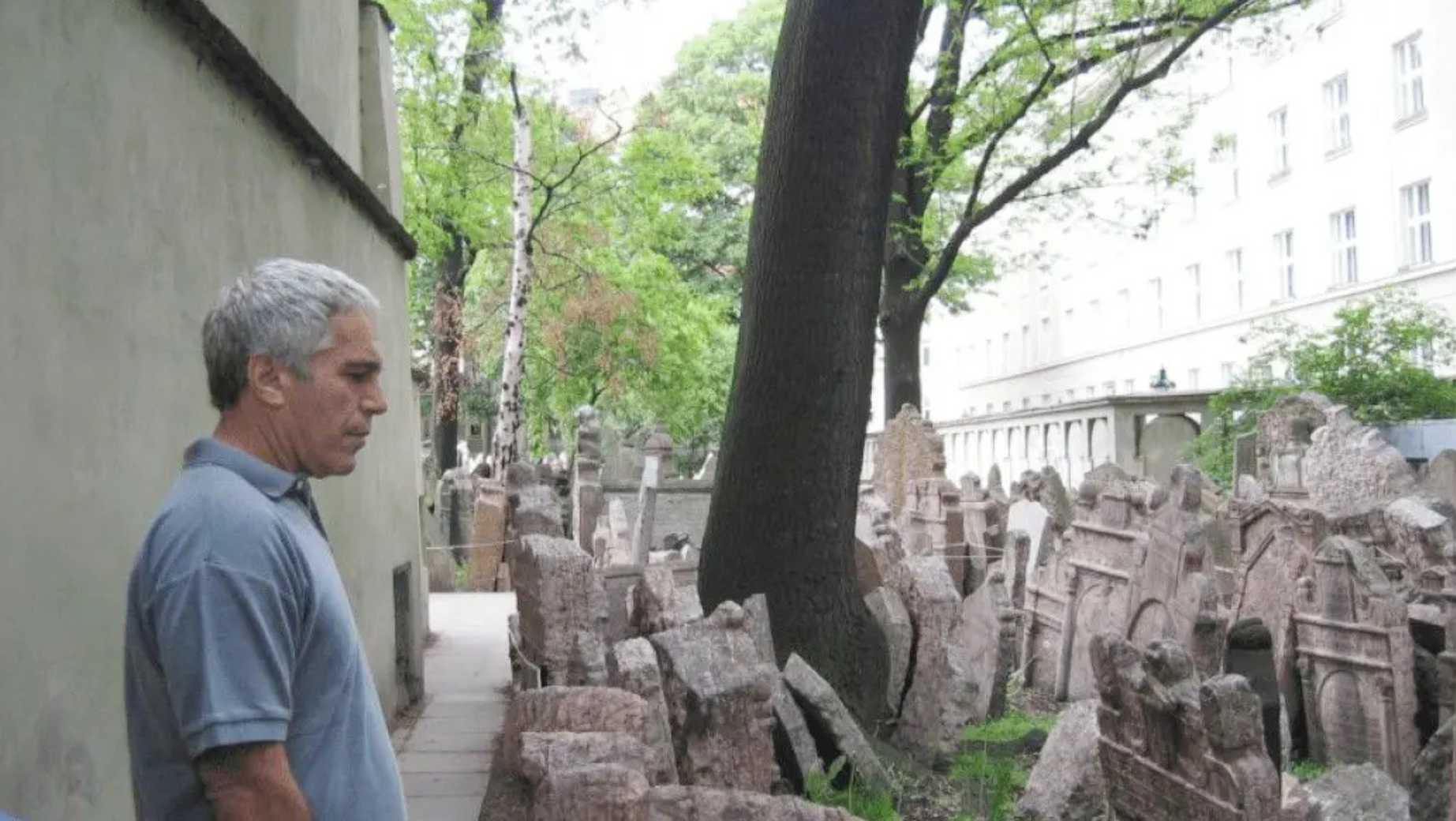
Newly published documents from the U.S. Department of Justice in the Jeffrey Epstein case contain references to the Czech Republic, raising questions for Prague politicians and authorities. Former Czech Foreign Minister and current MP Jan Lipavský (ODS) has publicly asked Prime Minister Andrej Babiš (ANO) whether Czech authorities are investigating potential connections and protecting possible victims. The DOJ’s massive document release, totaling more than three million pages, 180,000 photos, and 2,000 videos, details Epstein’s life and criminal activities. It includes emails, messages, calendar entries, statements, and other evidence collected during investigations into the convicted sex offender. According to Seznam Zprávy, iDNES.cz, and Novinky.cz, some materials indicate Epstein had direct contacts with Czech women and girls, and even stayed in Prague multiple times. Lipavský specifically asked Babiš whether the government is aware of Epstein’s visits, whether Czech victims might exist, and whether local security services will open an official investigation. He also questioned if the government plans to cooperate with international partners to ensure proper protection for potential victims. Epstein in Prague: Hotels, Photos, and Property Talks According to the documents, Epstein’s visits to Prague included stays at the Marriott Hotel and trips to notable sites such as the Old Jewish...
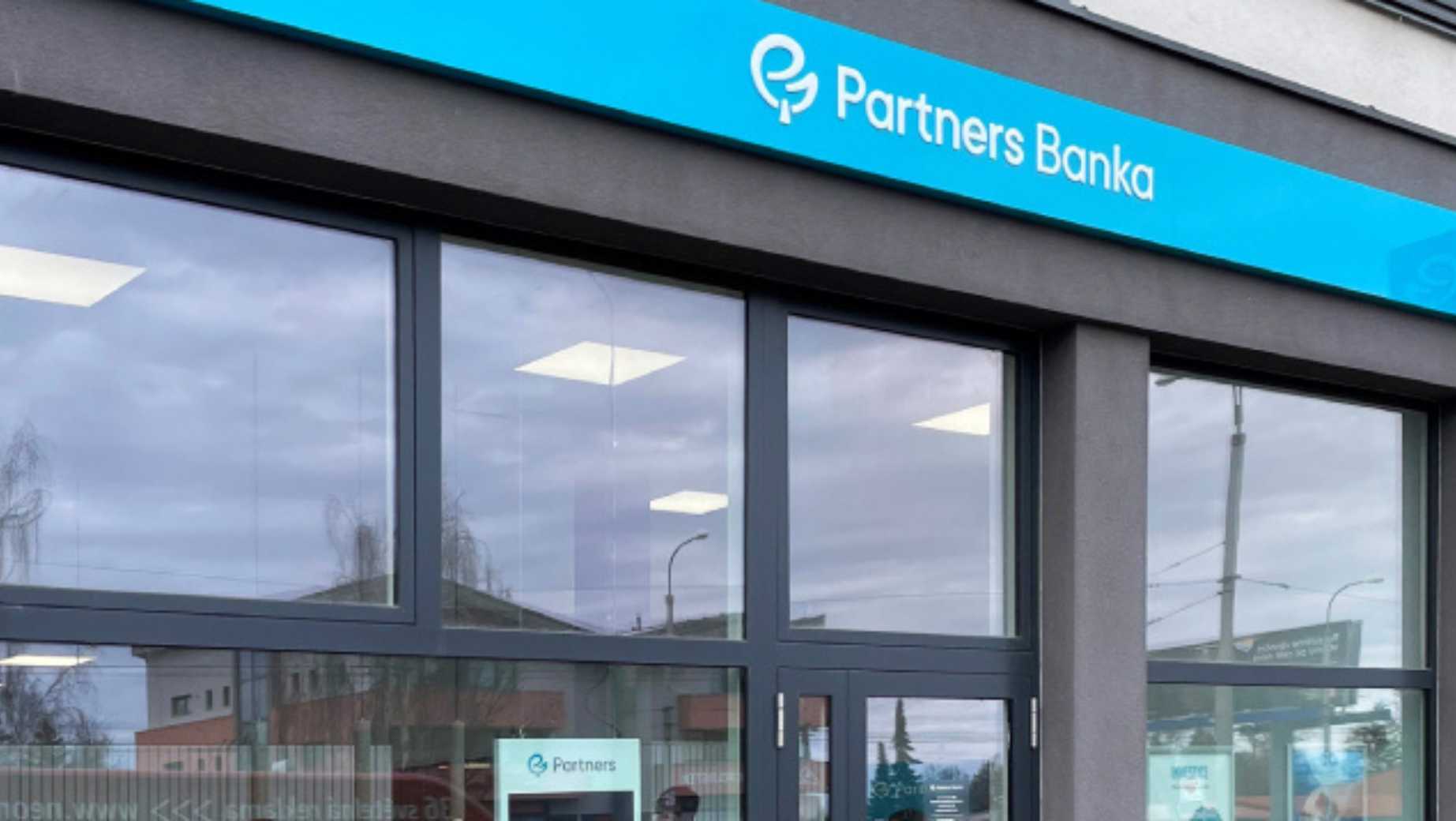
A Czech financial institution is stepping deeper into the foreign-exchange market, introducing a multi-currency account designed to compete with fintech platforms such as Revolut. Partners Banka now allows clients to hold and manage several currencies within a single account without extra fees. The bank says the goal is to simplify everyday international payments while keeping exchange costs predictable. Unlike some digital competitors, the service is integrated into a standard current account. Clients can activate or remove currencies as needed. Transactions show the exchange rate before confirmation, and conversions are processed immediately. The account currently supports 15 currencies, including the euro, U.S. dollar, and British pound. For card payments abroad, the bank applies the European Central Bank reference rate without markup for 31 currencies. That includes major currencies as well as regional ones such as the Polish zloty. How the Exchange Model Differs From Revolut The Czech bank relies on a fixed ECB reference rate updated daily and applied continuously. Revolut, by contrast, uses a live interbank rate that changes constantly. While Revolut usually offers that rate without markup during weekdays, extra charges may apply over weekends. Limits also differ. Partners Banka says it does not cap foreign-currency card payments at...
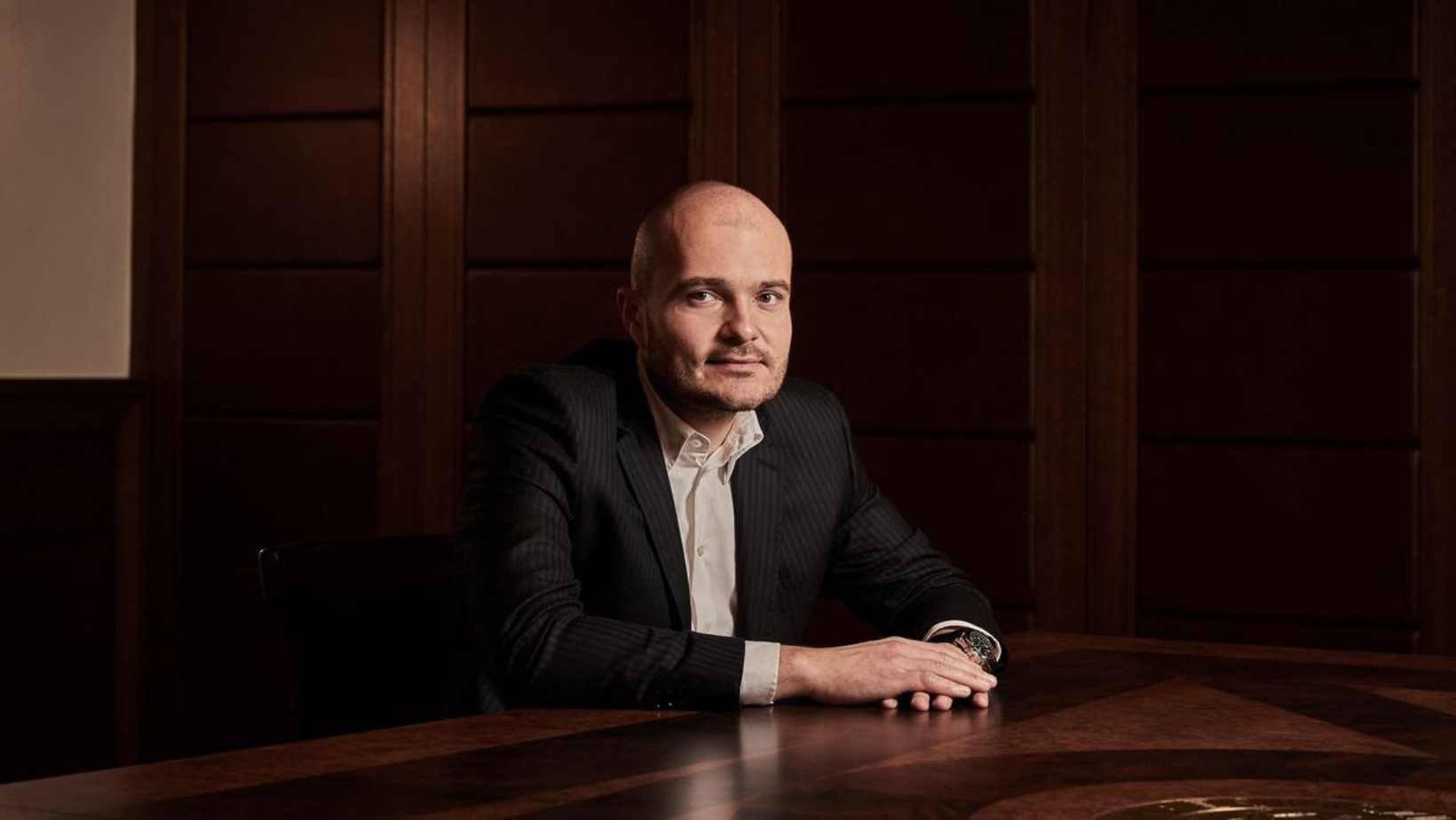
Owner and CEO of the regional weaponry conglomerate Czechoslovak Group (CSG) Michal Strnad has become the richest Czech following CSG’s IPO on the Euronext bourse in Amsterdam last week. The January 23 IPO became the “world’s largest defence IPO ever recorded both in terms of amount raised and market capitalisation,” according to Euronext. CSG’s IPO was among the largest since the beginning of 2025 in terms of money raised of €3.8bn, surpassing IPOs of tech companies such as CoreWeave, Klarna or eToro, and behind just Chinese battery producer CATL and US health group Medline. The CSG stocks gained rapidly on January 23 before steading to around €33 per stock on the third trading day this week, which is a 32% growth on the €25 per stock IPO value. With the current market valuation of approximately €32bn CSG has also moved ahead of the majority-state-owned energy utility ČEZ to top the Czech list of the most valuable companies. Bloomberg estimated Strnad’s fortune to amount to $37bn, making him also the world’s third richest man below 40 years of age behind Mark Mateschitz, one of Red Bull’s inheritors and Lukas Walton, grandson of Walmart’s founder Sam Walton. The estimate also makes Strnad,...
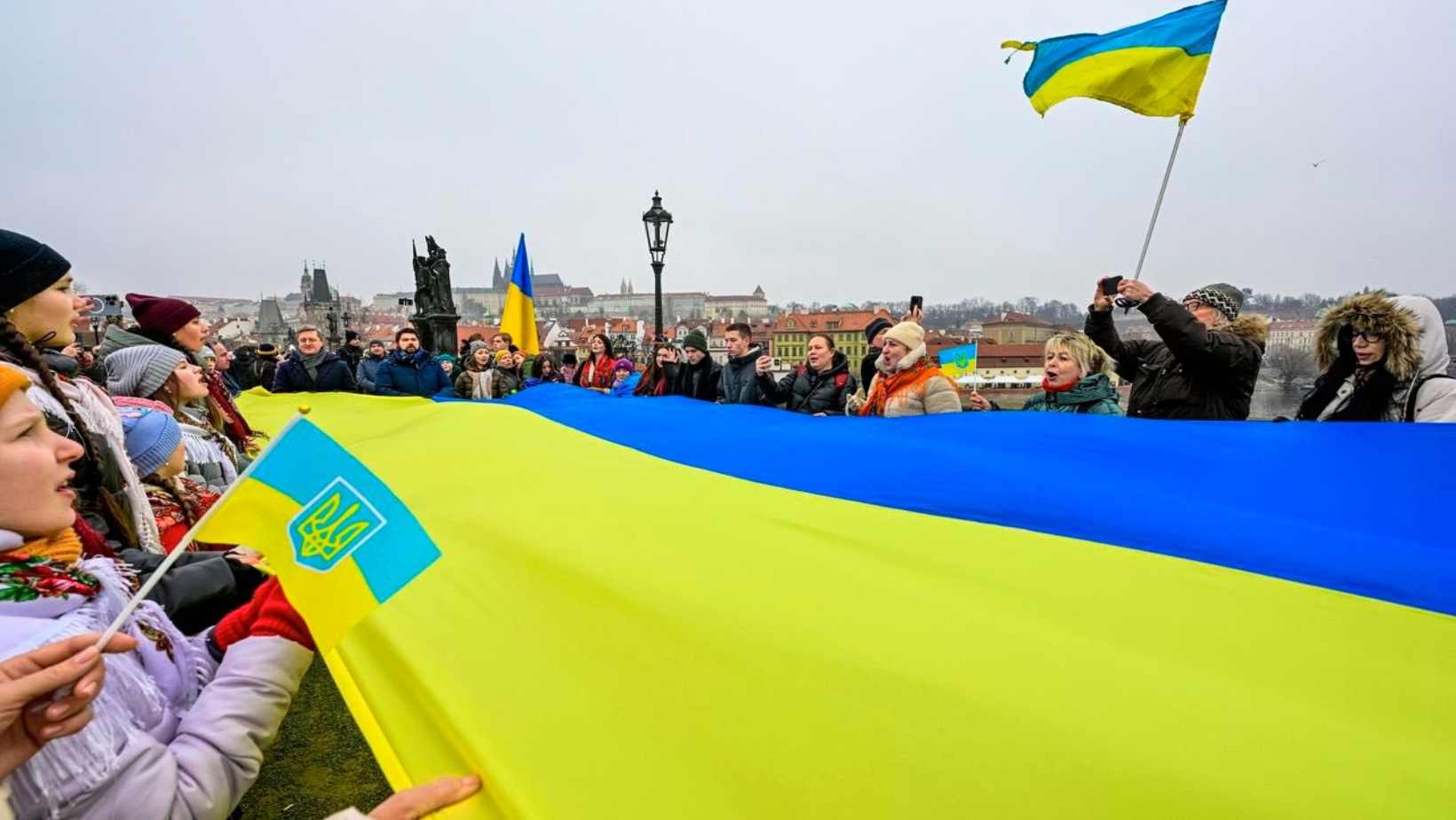
A Ukrainian flag displayed on the Charles Bridge over the weekend has drawn sharp criticism from Czech politician Tomio Okamura, who called the event a “provocation against the Czech people”. The Ukrainian Embassy in Prague organized the display to mark Ukraine’s Unity Day. A multi-meter flag was unfurled on the historic bridge, with over a hundred attendees singing both Ukrainian and Czech national anthems, observing a moment of silence for war casualties, and carrying the massive banner across the structure. Participants also chanted slogans in support of a free Ukraine and against Russia’s war. Ukrainian Ambassador Vasyl Zvarych addressed the crowd, thanking Czechs for their support. He highlighted recent fundraising efforts, which raised millions of crowns for generators to help communities affected by attacks on Ukraine’s energy infrastructure. Okamura, leader of the Socialist Party (SPD) and Speaker of the Chamber of Deputies, posted on social media that such public displays on historic Czech landmarks are unnecessary provocations. He argued that the event challenges Czech citizens who are critical of the influx of Ukrainian migrants and emphasized that respect for local symbols must be unconditional. He also mentioned speaking with Foreign Minister Petr Macinka about potentially preventing similar gatherings on historic...
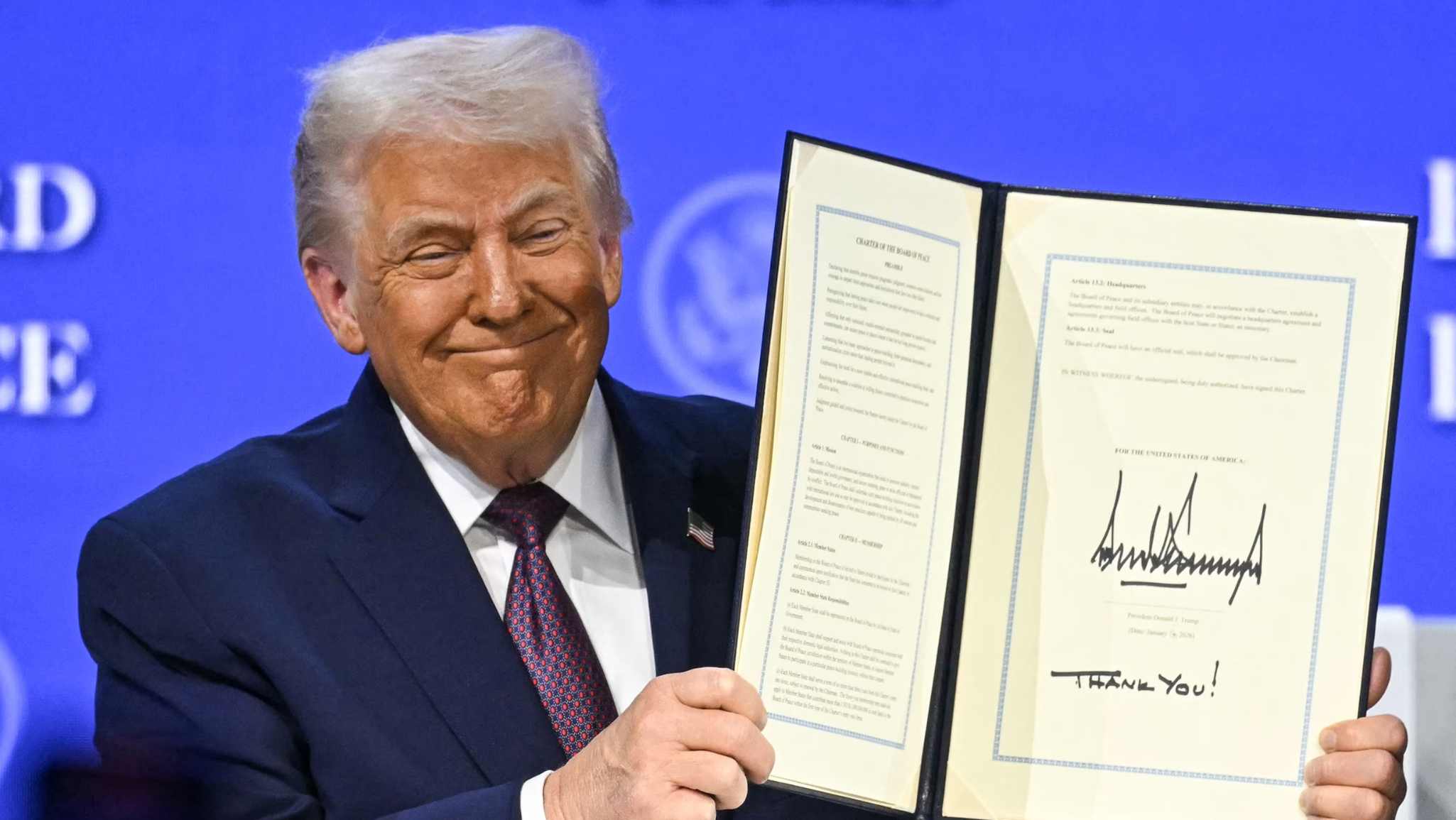
The Czech Republic has received an invitation to join a newly created Peace Council launched by former US president Donald Trump. Czech authorities say no decision has been made and that any response will depend on a detailed review of the council’s structure and obligations. President Petr Pavel said Prague should not comment on possible membership until it fully understands the council’s mandate, powers, and rules. Speaking during a visit to the Olomouc region, Pavel stressed that the proposal raises several open questions that must be answered first. According to the president, long-term participation in the Peace Council would require a financial contribution of one billion US dollars, roughly 21 billion crowns. He also noted that Trump has appointed himself as head of the body, with veto authority over its decisions. “It will be necessary to assess what purpose such a council would serve, under what conditions it would operate, what powers it would have, and how decisions would be made,” Pavel said. Only after that, he added, would it make sense to take a public position. A government spokesperson said the cabinet will wait for an official assessment prepared by the Ministry of Foreign Affairs before taking any further...
Czech Prime Minister Andrej Babiš drew international attention after telling reporters he bought a globe for 15,000 crowns to locate Greenland during a discussion on global security. Speaking at a press conference, Babiš addressed renewed debate over Greenland following U.S. statements about the Danish autonomous territory. He said the globe was large enough for him to see Greenland clearly and later shared a video referencing the purchase on social media. The comment spread quickly online and was reported by foreign outlets. German tabloid Bild highlighted the remark, framing it as a lapse during a serious geopolitical discussion. Russian state daily Izvestia also covered the story, writing that the Czech prime minister had bought a globe in order to search for Greenland. In Latvia, news portal BB ran a similar report. View this post on Instagram A post shared by Andrej Babiš (@andrejbabis) The remarks followed comments Babiš made earlier at a conference on foreign affairs. He said the Czech Republic could not claim to support Greenland and added that perhaps someone might want to buy it. He said Prague preferred any outcome to be resolved within existing alliances. Babiš then referred to strategic missile trajectories. He said a missile launched...
The Czech government has decided not to sell L-159 light combat aircraft to Ukraine, according to Tomio Okamura, leader of the far-right SPD party. The decision follows a briefing by the defence minister, who told the cabinet that the Czech army would need to retain the jets. Okamura criticised Ukraine’s proposal to purchase the aircraft, which President Petr Pavel publicly supported last weekend. Former prime minister Andrej Babiš said on Monday that no final decision had been taken, but confirmed that the defence ministry had advised against the sale. Okamura argued that replacing the L-159s would cost Prague more than it would earn from selling the domestically produced aircraft to Ukraine. President Pavel has defended the proposal, saying Ukraine’s interest represents an opportunity for the Czech defence industry. During a visit to Ukraine last week, he said selling four of the Czech military’s 24 L-159 jets would not weaken the country’s defence capabilities. The disagreement highlights a broader foreign policy divide between the Ukraine-friendly president, a former NATO general, and the new populist-led government, which has been more critical of EU policies on military support for Kyiv. Shortly after taking office, Babiš was urged by Pavel to pursue a “constructive”...
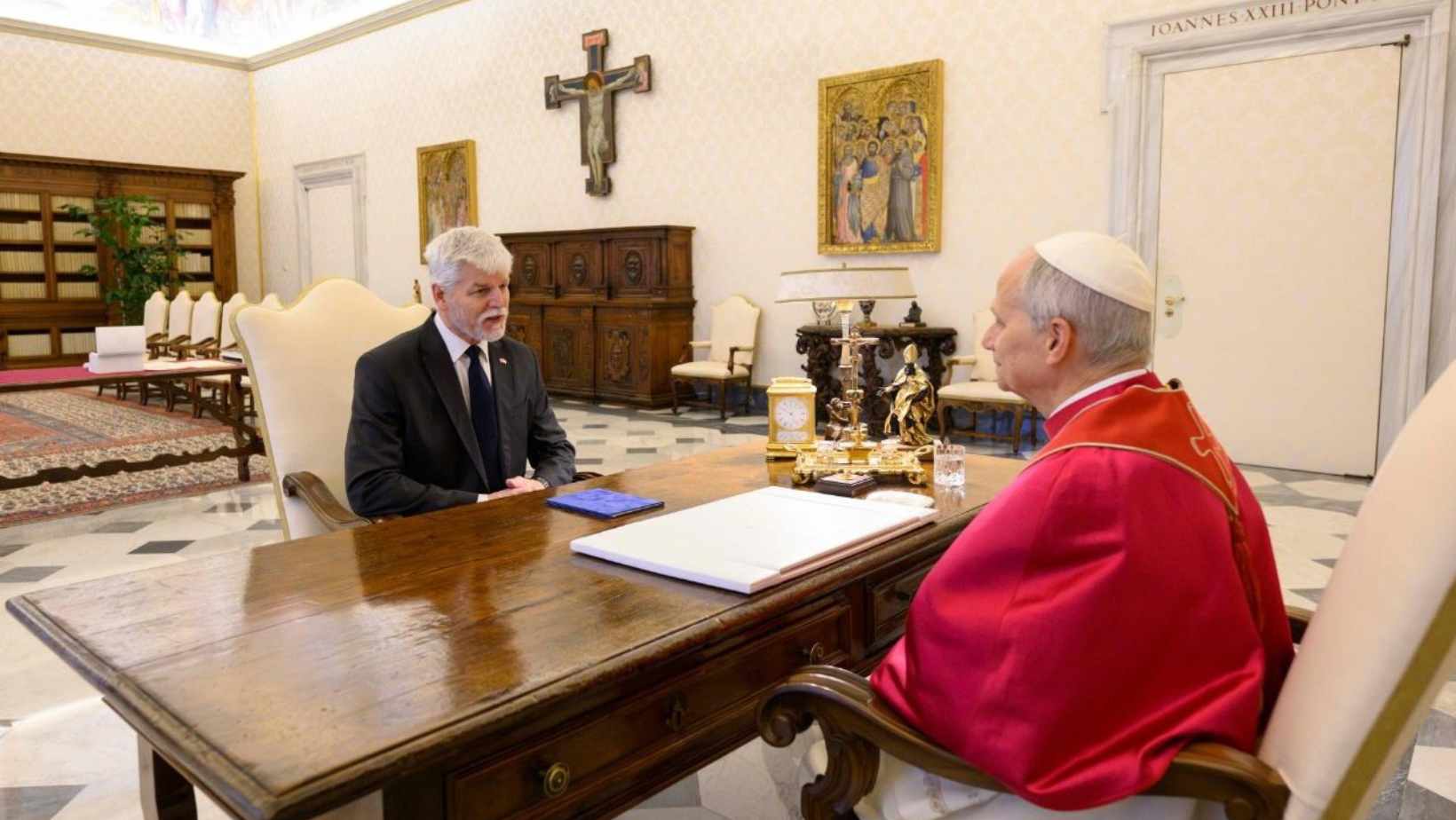
Pope Leo XIV received the President of the Czech Republic, Petr Pavel, in the Vatican on Monday morning. According to a statement released by the Holy See Press Office, the President subsequently met with Cardinal Pietro Parolin, the Holy See’s Secretary of State, accompanied by Archbishop Paul Richard Gallagher. “During the cordial discussions at the Secretariat of State,” the statement said, “appreciation for the good diplomatic relations between the Holy See and the Czech Republic was renewed, and the intention to further strengthen them was reaffirmed.” It added that the discussions focused on issues of common interest and on several socio-political matters of a regional and international nature, with particular attention to the ongoing conflicts, “underscoring the importance of an urgent commitment to peace and to the recovery of the principles and values that underpin international coexistence.” Topics included also relations between Europe and the United States, global challenges, and sexual abuse within the Catholic Church. This was President Pavel’s first visit to the papal residence since the election of the new pontiff last year. He planned to invite Pope Leo XIV to visit Czechia, a trip no pope has made since Benedict XVI in 2009. Would you like us...
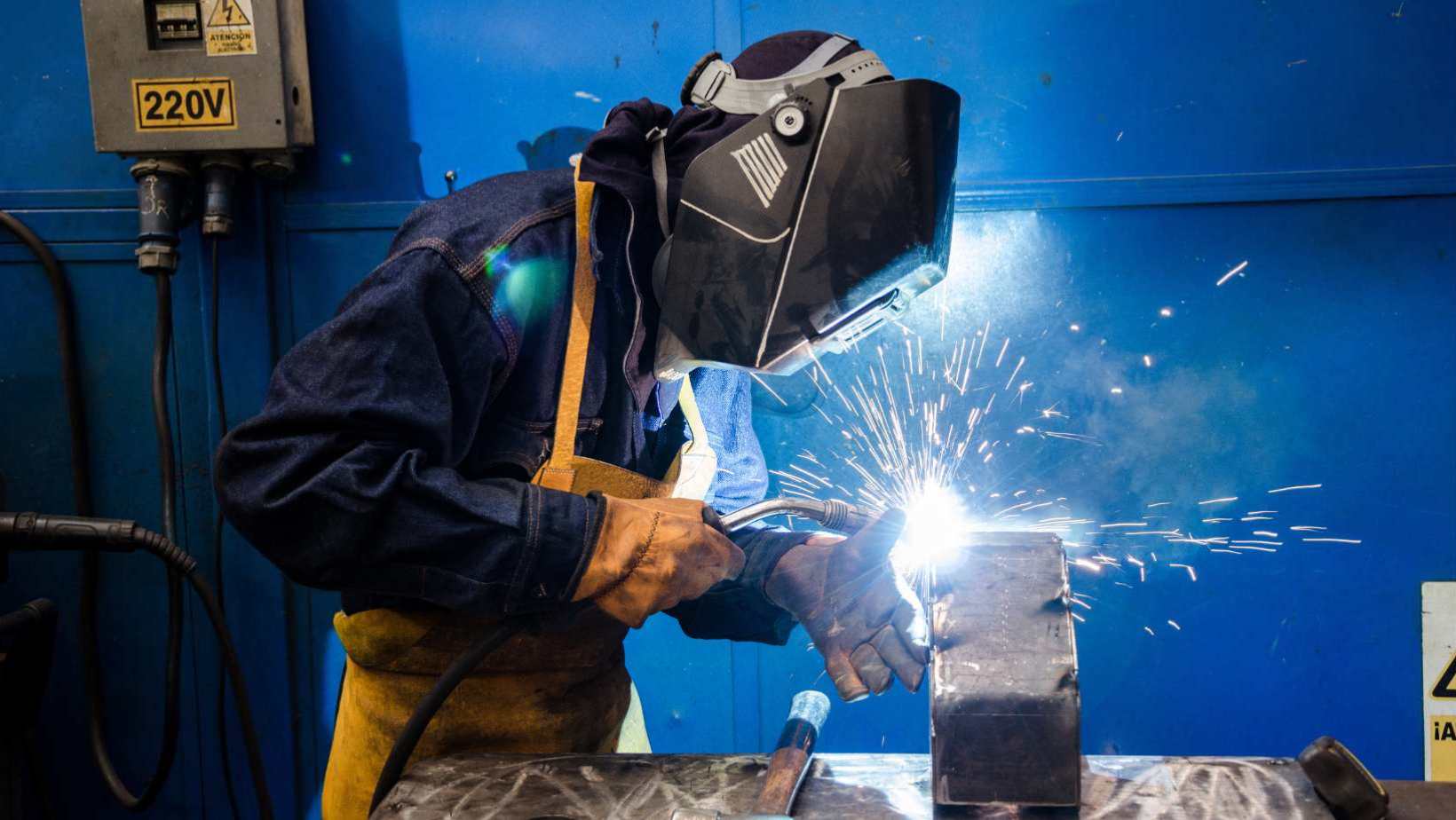
The Czech economy has entered 2026 facing one of the tightest labor markets in its modern history. Employment is at a record high, unemployment remains close to the floor, and yet employers across the country say they cannot find enough people to keep operations running. Over the past two years alone, the workforce has expanded by roughly 200,000 people. Almost all of that growth has come from abroad, with Ukrainian workers playing a central role. What was once seen as a temporary fix has become a structural pillar of the economy. Without foreign labor, many companies say they would already be forced to cut production or services. A demographic dead end Behind the shortage lies a problem that cannot be solved quickly. The pool of domestic workers is shrinking as the population ages and fewer young people enter the labor market. At the same time, demand for goods and services continues to rise. Construction firms, restaurants and social-care providers are among the sectors already working at full capacity, with orders piling up faster than they can be completed. Managers describe a simple reality: there is work, but no one left to do it. The result is higher costs, longer delivery...
Don’t have an account? Register
Already have an account? Log In
How Would You Like to Promote Your Business? PR ArticleDisplay bannersVideo productionNewsletter adsJob ListingsInfluencer Marketing
Your Email
We will come back to you within 24 hours with our proporsal