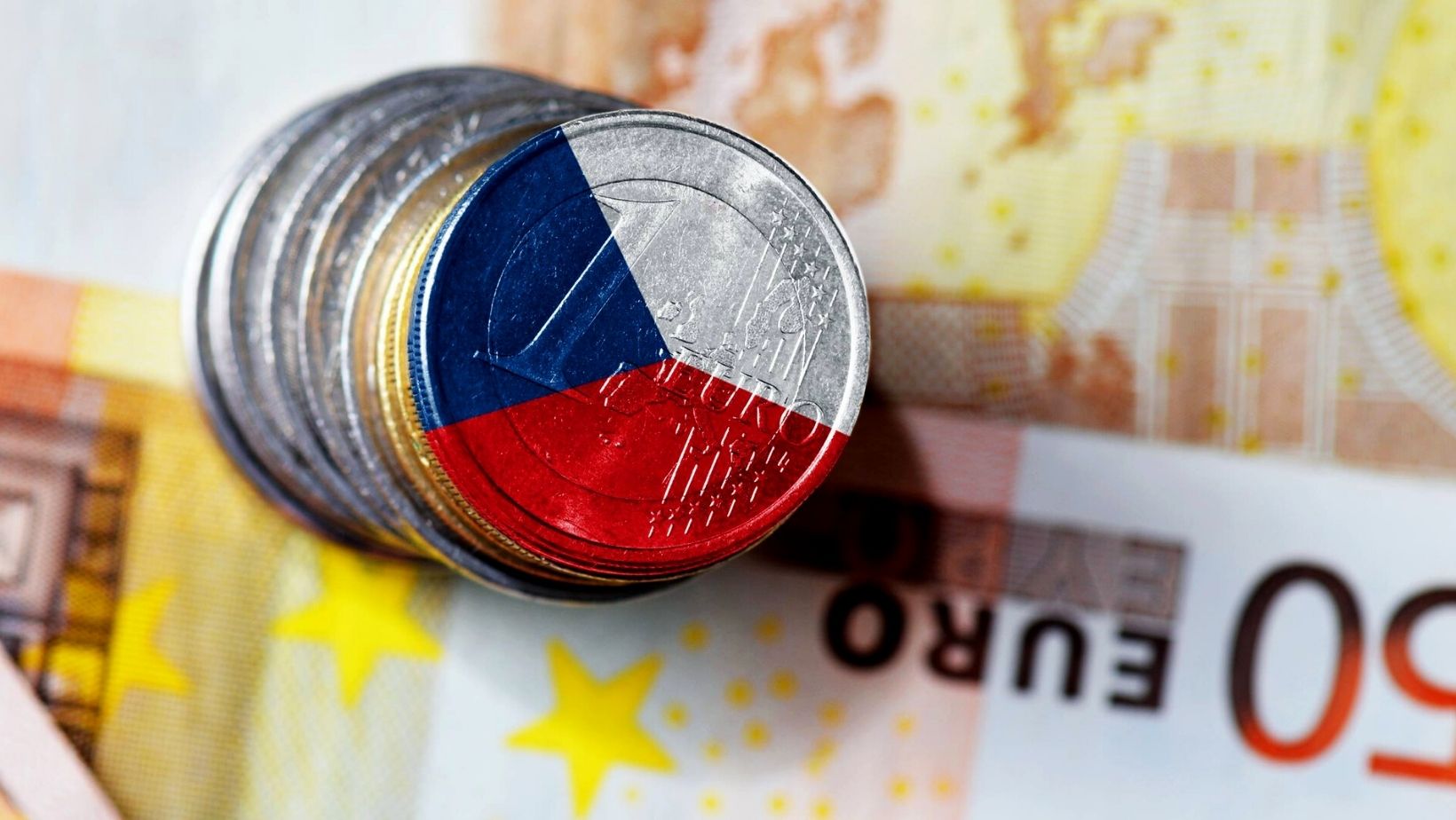
The potential adoption of the euro would further increase the benefits resulting from Czech Republic’s trade links with the euro area countries, according to an analysis conducted by the Czech National Bank. On the other hand, Czech Republic’s adoption of the euro currency would bring risks arising from the loss of the Czech National Bank’s independent monetary policy and the stabilizing role of the koruna’s exchange rate. Czech’s central bank divided its assessment into three groups: low-risk, neutral and high-risk indicators for adopting the euro. The document points out that the economic level of the Czech Republic measured as GDP per capita in purchasing power parity approached the euro area average in 2020. However, the convergence of price and wage levels did not progress significantly. That is a factor against the early adoption of the euro. The Czech National Bank also pointed out to the role of the euro in Czech companies, which use the common currency more and more. Other low-risk indicators include the high level of economic activity of the Czech population and the low unemployment rate. The analysis considers, for example, the extent of financial intermediation, private sector indebtedness, and the structure of financial assets and liabilities of non-financial corporations...
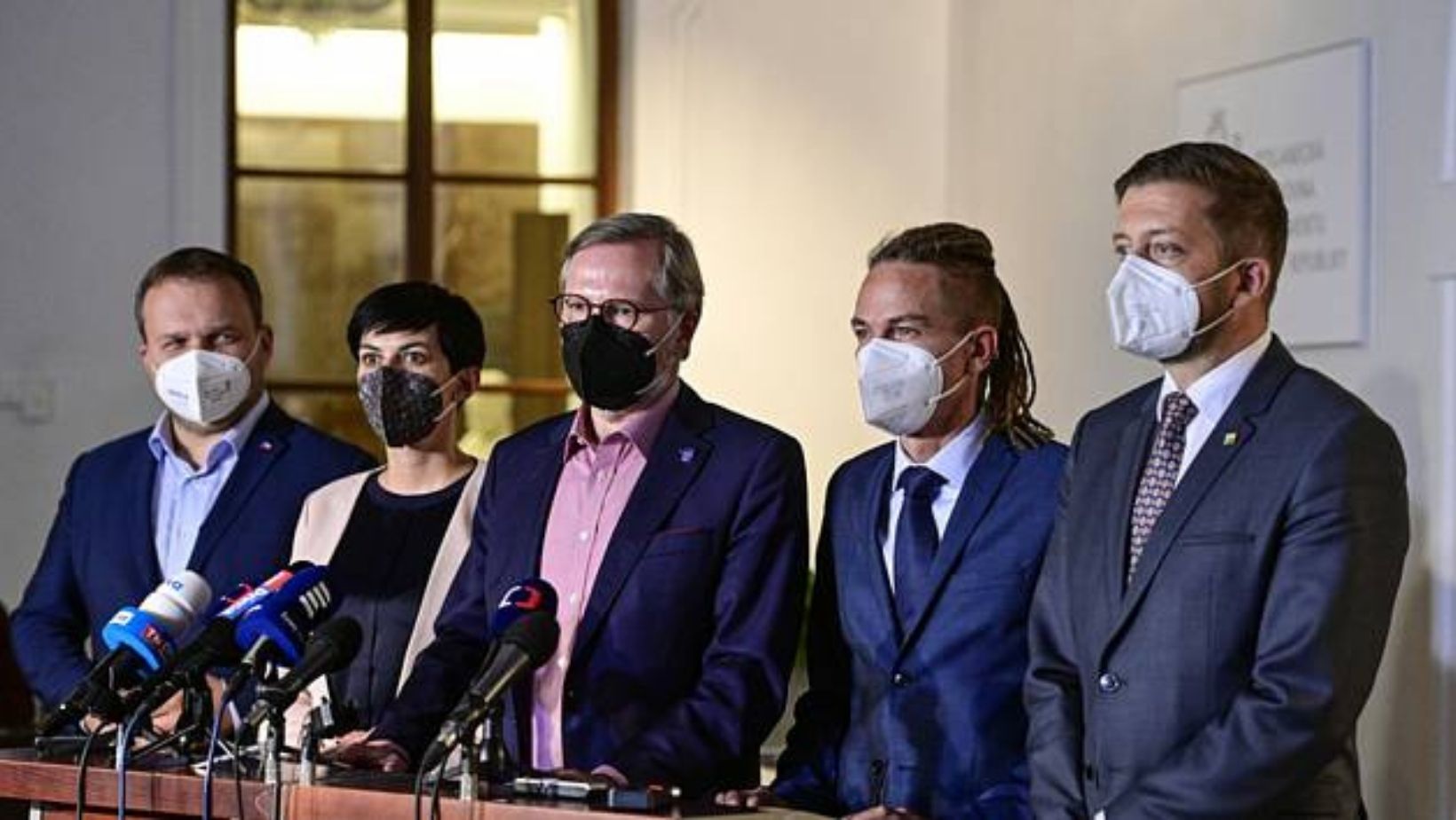
The future government said it will immediately cancel the current health ministry’s measures for mandatory COVID-19 vaccination from March 2022 for people over 60 and doctors, nurses and police officers as soon as it assumes power. It said it would do so immediately after it assumes power. “The future health minister will cancel this order, we do not agree with that,” said Marian Jurečka, leader of KDU-ČSL party (EPP) that is expected to be part of the future governing coalition. According to Jurečka, the current caretaker government has not used all the available tools to motivate people to get vaccinated. “We will not impose mandatory vaccination for specific age groups. Regarding certain professions, we want to hear from representatives of the unions,” Jurečka told Czech Television. The future government is worried that police officers, healthcare professionals and other crucial workers would quit their job rather than get vaccinated. Still, the caretaker government is convinced that such a step is necessary in the current situation. According to the current Social Affairs Minister Jana Maláčová, the plan of the future government to cancel the mandatory vaccination order is “boundless populism”. “In social services, vaccination against hepatitis is mandatory, but against COVID, it...
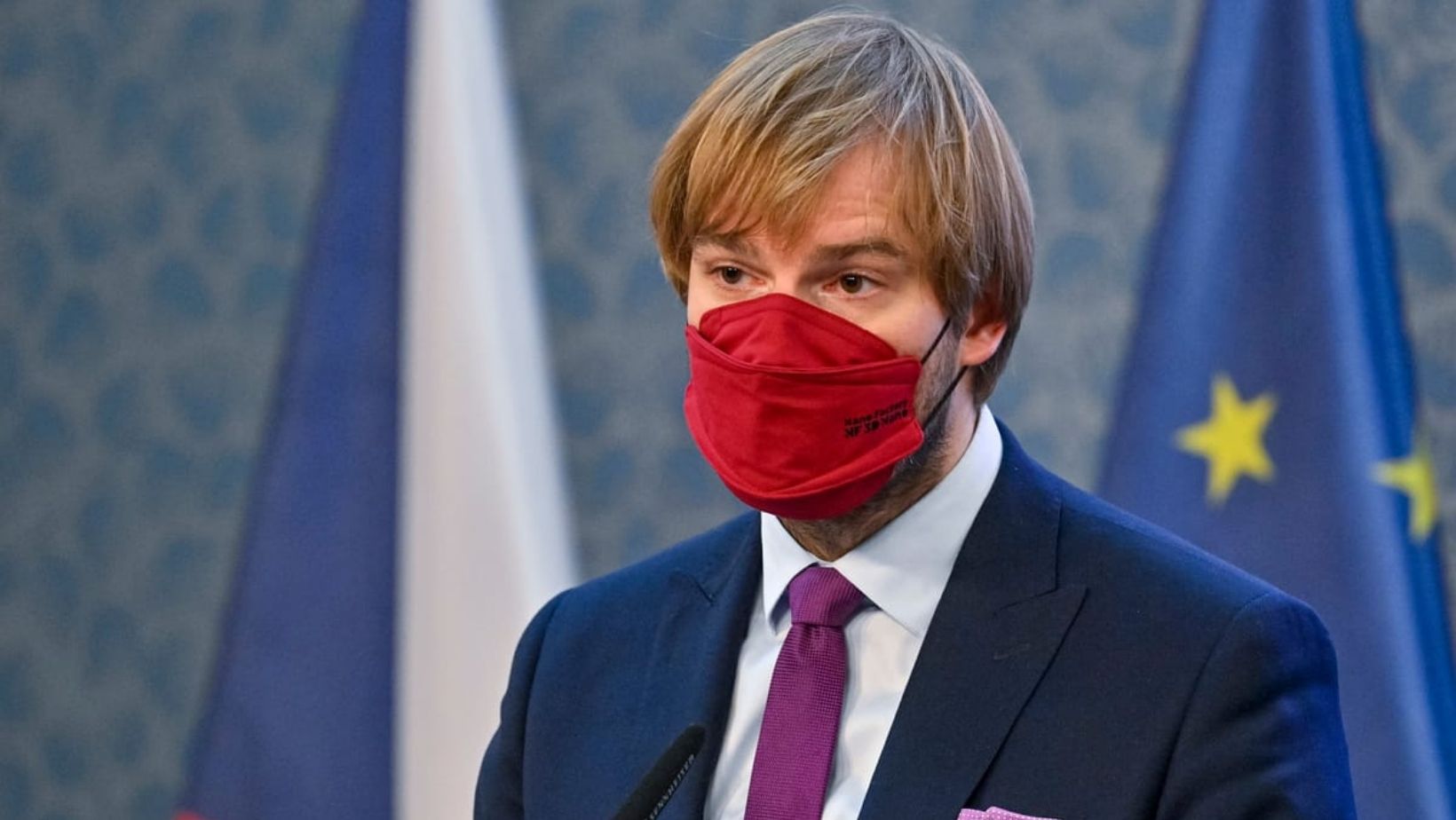
The outgoing Czech government is planning to order a vaccine mandate for people aged 60 and over and for some professional groups, Health Minister Adam Vojtech said on Friday. But it’s unclear whether the measure will be enforced by his successor. Vojtech said his ministry will issue the order next week making vaccination mandatory for the 60 plus age group, as well as medical personnel, police officers, firefighters and medical students. The order would be meant to become effective in March – but it might not work out like that. Prime Minister Andrej Babis’ current administration will be soon replaced by a new government formed by five parties that won October´s parliamentary election, led by Prime Minister designate Petr Fiala. The new government is expected to formally assume its responsibilities later this month. The coalition, and its designated health minister, Vlastimil Valek, oppose a vaccination mandate for the elderly and can cancel it as soon as it takes power. So far, only 59.6% of Czechs have been fully vaccinated. According to the latest poll released on Friday, almost 20% of Czechs are against vaccination. The infection rate was 1,135 new cases per 100,000 residents over the past seven days on...
Eurostat published at the beginning of November, data about the general and youth unemployment for September 2021 in both the Eurozone and the European Union. Eurostat, based on ILO (International Labour Organisation) definitions, specify unemployed persons all those people aged between 15 and 74 who: – are without work; – are available to start work within the next two weeks; – and have actively sought employment during the previous four weeks; The unemployment rate is an indicator that measures the numbers of unemployed people as a percentage of the labor force. The labor force is defined as the total number of unemployed people plus those in employment. The youth unemployment rate is defined as the number of people aged between 15 and 24 as a percentage of the labor force of the same age. In September 2021, the euro area recorded an unemployment rate of 7.4%, down from 7.5% in August 2021 and 8.6% in September 2020. On the other hand, the European Union recorded an unemployment rate of 6.7% in September 2021, down from 6.9% in August 2021 and 7.7% in September 2020. Regarding youth unemployment, in September 2021, 2.815 million under-25s were unemployed in the EU and 2.307...
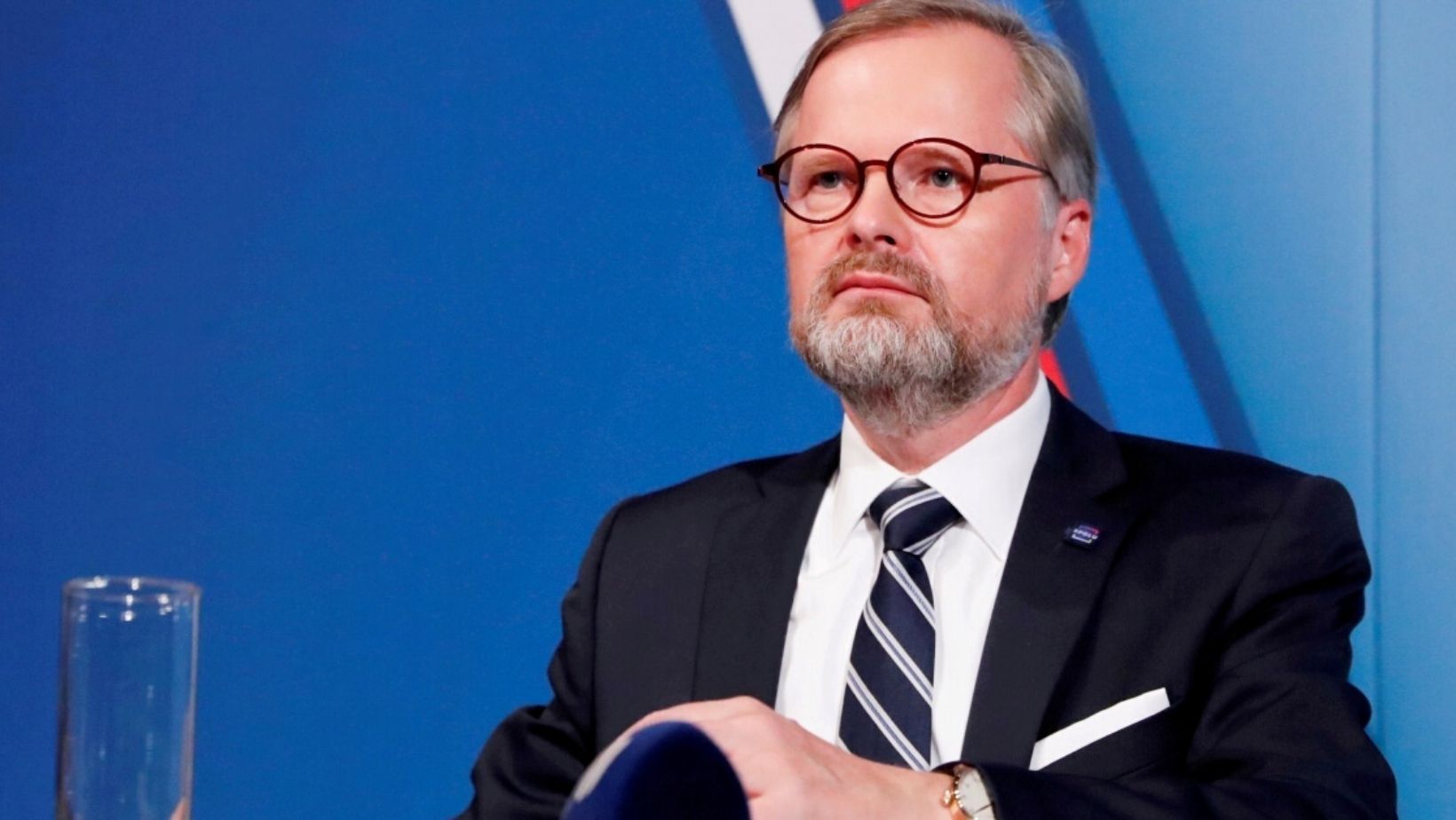
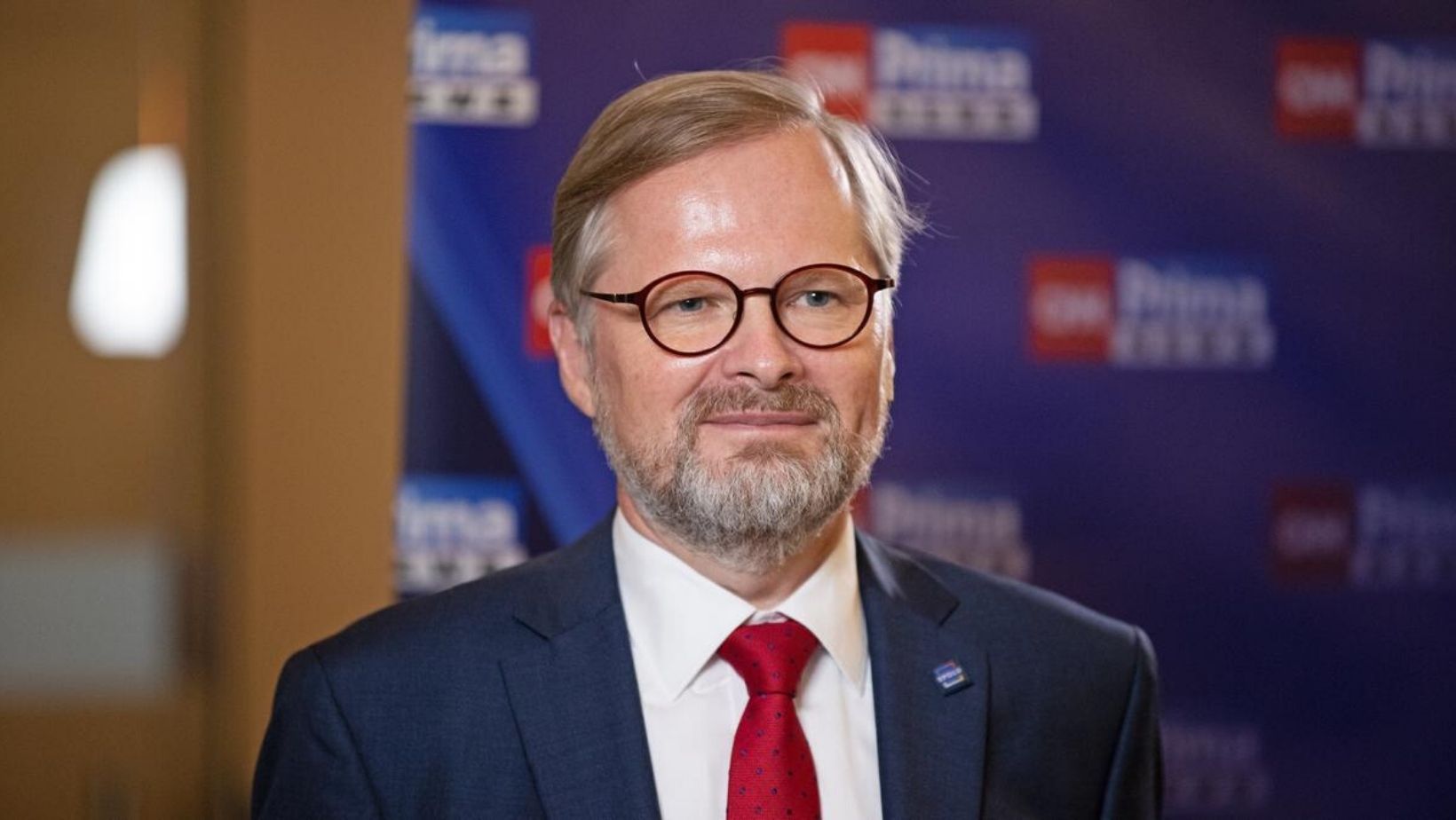
Petr Fiala, who was appointed Czech prime minister on Sunday, is a James Bond fan who entered politics after becoming the country’s first political science professor following the fall of communism. The bespectacled, bearded man who carefully guards his privacy is on the biggest mission of his life after leading the centre-right Together alliance to a narrow election win in October. “I am James Bond in fact,” he once went so far as to say in an interview. “Bond can shoot well and so can I. He also speaks many languages and is well-educated, and I hope I fulfill that too,” Fiala said. Together — Fiala’s right-wing Civic Democrats (ODS), the smaller centrist Christian Democrats and centre-right TOP 09 parties — defeated the populist ANO movement of outgoing billionaire prime minister Andrej Babis. “We have brought the Czech Republic a chance for a better future. This is a change, we are a change, you are a change,” Fiala told his supporters after the vote. Fiala, a 57-year-old literature fanatic and former amateur footballer, started out in politics as a science adviser to the prime minister in 2011 and then a year later became education minister. He only became a lawmaker...
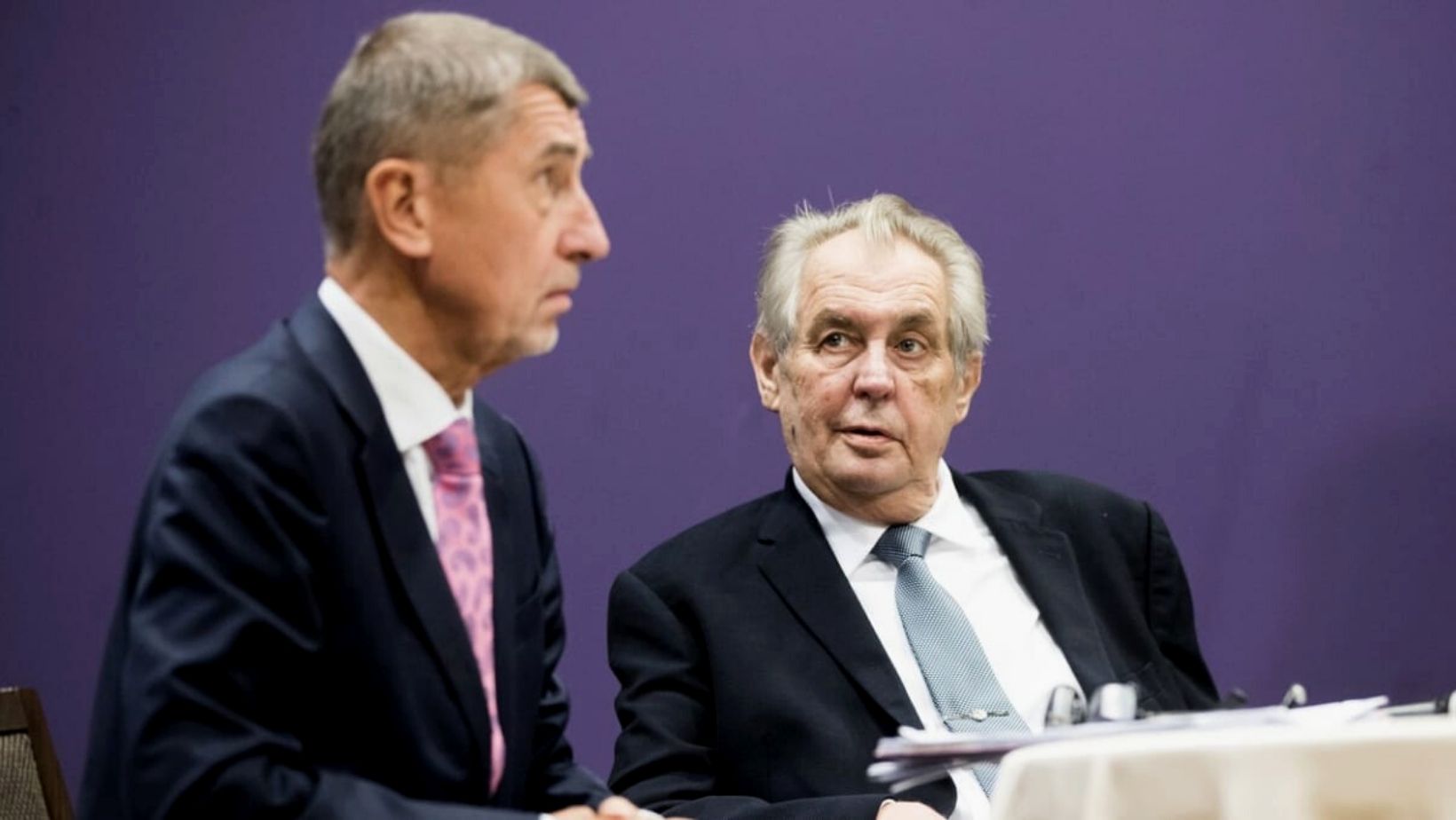
Prime Minister Andrej Babiš (ANO) has admitted that he is considering the possibility of running in the 2003 presidential elections. In response to a question on his Facebook page, however, he said his decision would depend on whether he received a sufficient number of citizens’ signatures. Under Czech law, a candidate needs to receive the necessary support from lawmakers (at least 10 senators or 20 lower house deputies) or citizens (at least 50,000 signatures). The ANO party has 72 seats in the Chamber, so fulfilling that condition would not present a problem. “President Zeman would like me to run for the post,” Babiš said last week, adding that the ANO movement wants to have a candidate for the presidential elections. Zeman is confident that he will be able to serve the rest of his term until 2023, despite his unstable health conditions: “I assume that I will fulfill my duties for a year and a half and then I will retire as a happy pensioner,” he said in the interview. Among other potential candidates, bookmakers have singled out General Petr Pavel, former chairman of the NATO military committee, as well as former presidential hopeful Jiri Drahos, Pavel Fischer, and ex-Prime Minister...
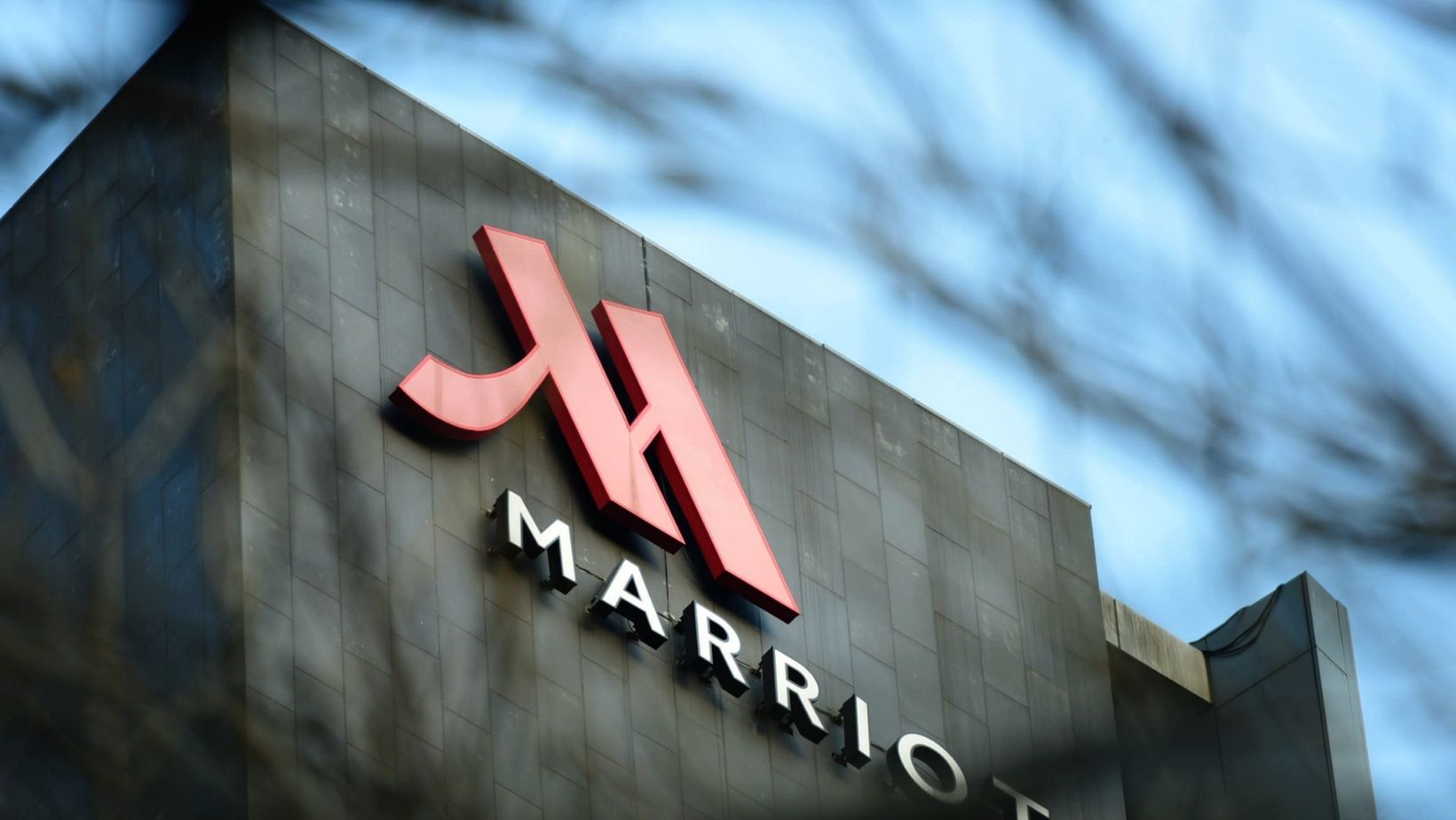
The Marriott hotel in Prague declined to host a conference of activists and leaders from China’s Uyghur diaspora this month, citing “political neutrality,” an email shared with Axios shows. Why it matters: The Chinese government has condemned the World Uyghur Congress, which has attempted to rally global attention to the genocide in Xinjiang, China. The decision to reject the conference reflects China’s growing ability to extend authoritarian control beyond its borders by making clear to corporations that crossing the party’s red lines will be bad for business. The World Uyghur Congress consists mainly of Uyghurs living in exile and advocates for the rights of those who remain in the Xinjiang region in western China, where upwards of one million people have been held in internment camps. About 200 delegates from 25 countries gathered in Prague from Nov. 12-14 to elect the organization’s new leadership and hold discussions with politicians, academics and civil society representatives from around the world. The Prague Marriott Hotel declined to host the conference. Melissa Froehlich Flood, Marriott’s senior vice president for global corporate communications, told Axios the hotel would be “contacting the group to apologize, as the hotel’s response was not consistent with our policies.” How it...
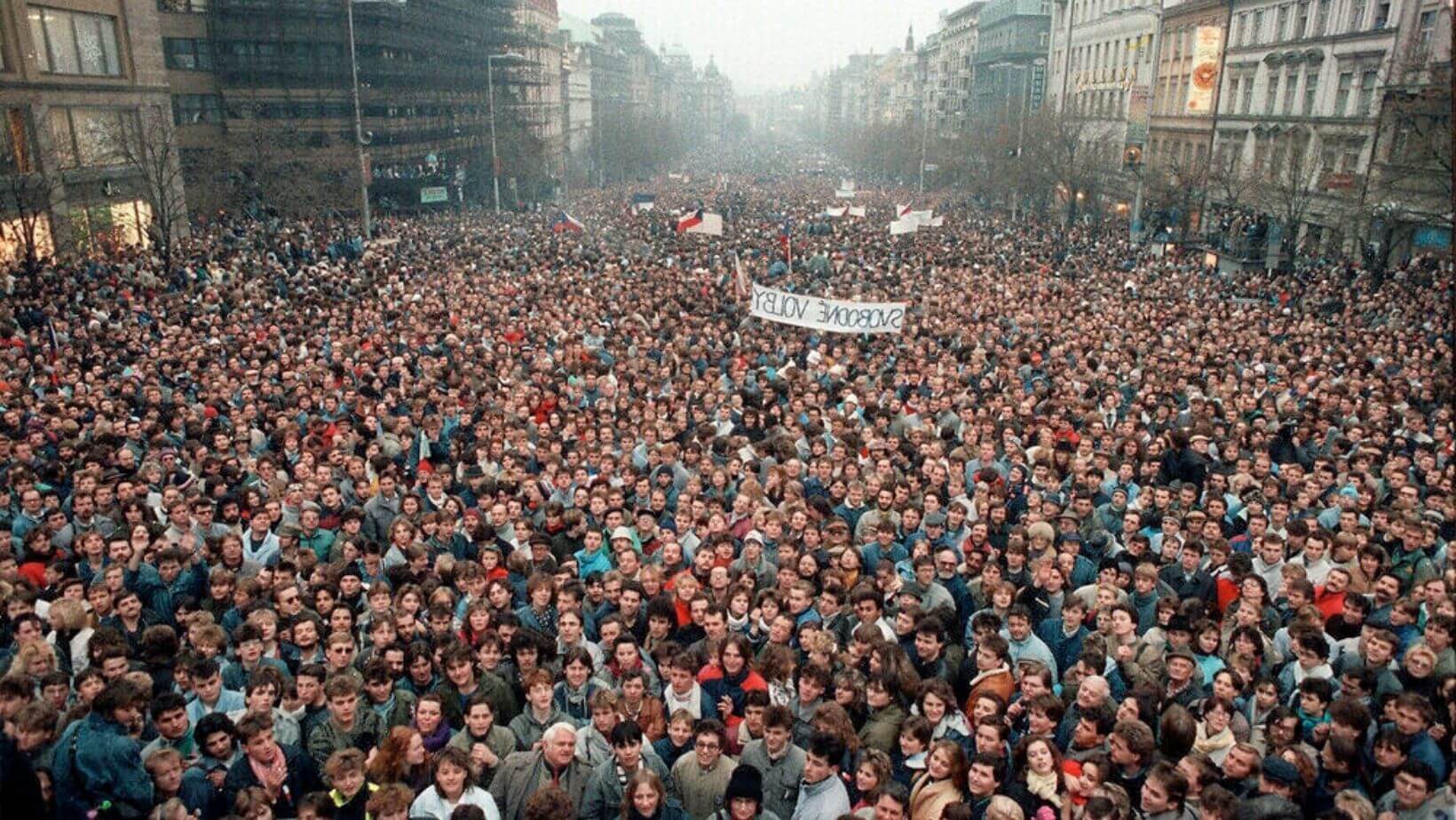
“The fall of communism had a global character. Neither our students nor our dissidents defeated communism. Instead, it collapsed like any similar ill-conceived attempt to suppress human freedom by force,” said former Czech President Václav Klaus. At the Hlávka’s dormitory, where the Nazis arrested students on Nov. 17, 1939, and took them to a concentration camp, Klaus said that trampling on the memory of brave students 50 years later had become the last straw. “We, to whom Nov. 17, 1939, has never ceased to speak to, we who have actively experienced the events of November 1989, we begin to worry that times that we thought could never return are coming back,” said Klaus, who is a strong critic of coronavirus measures. Klaus said that today, a utopia is being imposed on people again, which claims to be based on science. “Again, in the name of the alleged higher goals, the freedom of the individual is to be sacrificed. As in the sad times of the past, present generations are asked for sacrifices that would allegedly hinder the epidemic and help the rise of temperature on our planet in a few centuries,” he noted. Klaus has also been known for rejecting theories...
Czech President Milos Zeman will appoint centre-right opposition leader Petr Fiala as the new prime minister on Nov. 26 following last month’s election, Fiala said after meeting the president on Wednesday. The Together group led by Fiala and a coalition of the progressive Pirate Party and the centrist Mayors won a parliamentary majority in the Oct 8-9 vote and pledged to replace the outgoing government of Prime Minister Andrej Babis. The new administration will take power amid a renewed surge in Czech coronavirus infections, which on Tuesday hit an all-time daily high of over 22,000. Babis said on Wednesday the government would bar non-vaccinated people from access to public events and services from next week. Fiala, 57, a political science professor and leader of the centre-right Civic Democrats since 2014, said his team would reveal its own proposals to fight the pandemic. A spokesman for Zeman, who has been in hospital since Oct. 10, said the president expected to be discharged soon and confirmed the Nov. 26 date. Fiala told reporters he expected the full cabinet to be appointed within three weeks. He said the new team would cut the 2022 budget deficit, currently projected at 377 billion crowns ($16.91...
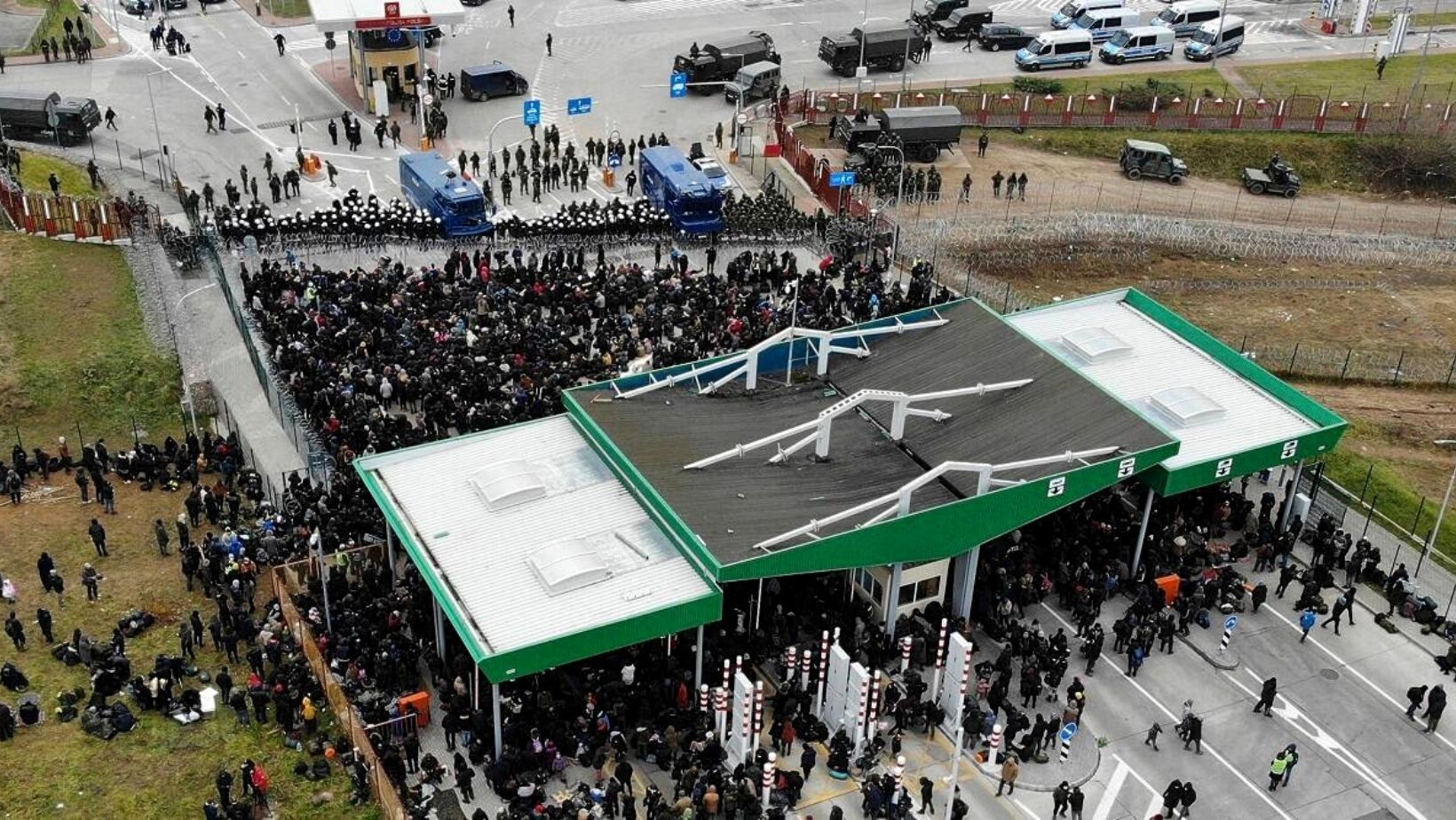
The Czech Republic is the next country to announce open support for Poland in the struggle against the migration crisis at the border with Belarus. Czech Foreign Minister Jakub Kulhanek discussed the situation on the Polish-Belarusian border with Polish Foreign Minister Zbigniew Rau on Sunday. Kulhanek noted that the Visegrád Four foreign ministers would meet on Monday to further discuss the situation on the Polish-Belarusian border. Kulhanek intends to repeat his offer of aid during the meeting and was in favor of additional sanctions against Belarus. The Czech foreign minister was also supported by the deputy leader of the Mayors and Independents (STAN) party Vieslav Michalik who declared that the Czech Republic “would show our neighbors that we are not cowards.” Jakub Kulhanek, along with Andrej Babiš’s entire cabinet, has recently resigned. The new cabinet will be formed by the leader of the right-wing Civic Democratic Party (ODS) Petr Fiala. On Saturday, the ODS parliamentary club called for the dispatchment of Czech police officers to the Polish-Belarusian border. ODS believes that the Czech government should support any decision that EU institutions will make concerning Belarus. I spoke with my Polish colleague @RauZbigniew. We discussed the dire situation on Poland-Belarus border. I...
The outgoing Prime Minister Andrej Babiš shared that President Miloš Zeman would like him to run for the presidential post. However, that is for the ANO movement, which Babiš is the leader of, to decide, the PM said in an interview with Blesk daily. “The president would like me to run for the post,” Babiš said, adding that the ANO movement wants to have a candidate for the presidential elections, which will be held in 2023. At the same time, Babiš confirmed that he did not plan to return to his business activities. When asked by the media, he said that the president’s wish was not new information. Zeman reportedly told him of his wishes on October 10, when they spoke after the elections. According to Babiš, the parliamentary elections were not an equal fight, as two big coalitions, consisting of five parties, opposed the ANO movement. “Five parties defeated us,” he said, naming the pandemic, the media and the Pandora Papers case as the decisive issues that led to the ANO’s defeat. The prime minister now wants to consolidate the movement he founded and, for example, establish a shadow government. “We will be in opposition, and we will see how we do,” Babiš...
The mix of parties now working to form the next Czech government spans the spectrum from conservative to liberal, but all appear to share a commitment to the democratic principles espoused by founding President Vaclav Havel. And that, says a former Havel aide, could be bad news for China and Russia. Havel, the erudite playwright whose writings and dissident activities helped undermine communism in Europe, “would be quite pleased” with the state of his country following last month’s parliamentary election, said Jiri Pehe, who advised the former Czech president in the late 1990s. Havel died in 2011. The election unseated populist billionaire Andrej Babis as prime minister and left his coalition partners, the Social Democrats and the Communist Party, out of parliament altogether. Babis formally submitted his resignation to President Milos Zeman on Thursday, clearing the way for Petr Fiala, head of the Civic Democratic Party and a leading figure in the winning five-party coalition, to begin forming a new government. Pehe says he expects the incoming coalition, despite its philosophical differences, to adopt a foreign policy that aligns with the strongly pro-human rights, pro-democratic ideals of his former boss. “At least for the next four years,” Beijing and Moscow...
Don’t have an account? Register
Already have an account? Log In
How Would You Like to Promote Your Business? PR ArticleDisplay bannersVideo productionNewsletter adsJob ListingsInfluencer Marketing
Your Email
We will come back to you within 24 hours with our proporsal