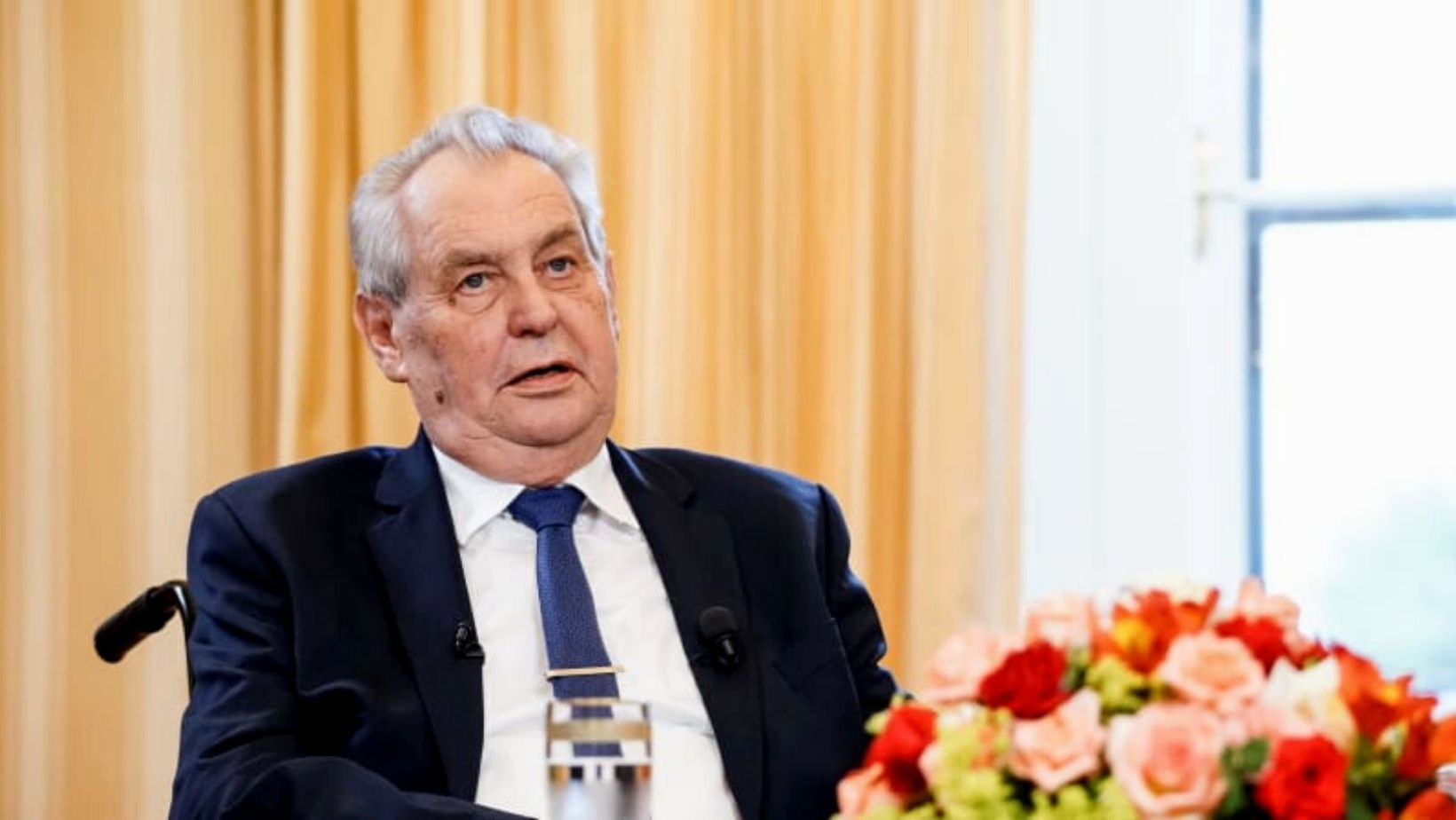
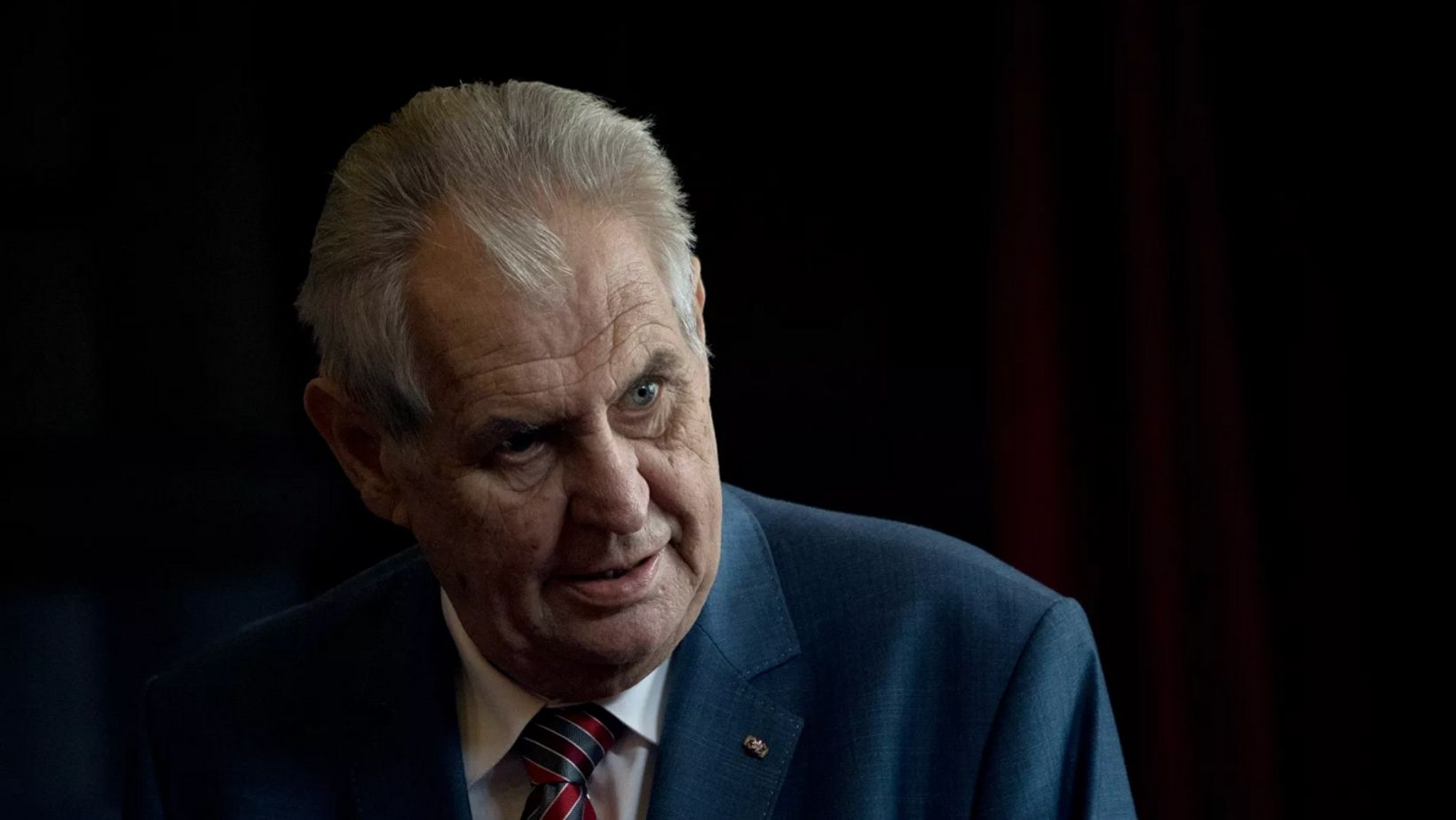
Czech President Milos Zeman, commenting on a Hungarian law that bans LGBT material from schools, told a television interview on Sunday that he finds transgender people “disgusting”. Mr. Zeman then remarked that if he was younger, he would convene a giant demonstration of heterosexuals in Prague, which would allegedly be attended by millions of people. “I can understand gays, lesbians, and so on. But do you know who I don’t understand at all? The transgender,” Zeman said. “If someone undergoes a sex-change operation, he commits a crime of self-harm. Every operation is a risk. And these transgender people are really disgusting to me,” he added. Zeman commented made the comments in response to a question about a dispute in the EU over a controversial Hungarian law banning LGBTQ references in school materials. The law has already been condemned by 17 countries of the European Union, but the Czech Republic is still silent. According to Zeman, these countries “should not interfere in the affairs of Hungary”. The letter doesn’t name Hungary explicitly, but the country is the clear target, after its parliament passed a bill that bans portrayals of homosexuality or of transgender people in content shown to minors. “A member state makes laws...
The Russian veterinary and phytosanitary service have banned the import of feed and its ingredients from the Czech Republic, the Russian news agency TASS announced. The Czech Ministry of Agriculture responded today by announcing that feed in the Czech Republic is produced per European Union regulations and is safe. “This decision was made by the Office based on unsatisfactory results of an inspection of Czech companies that are authorized to supply feed and additives to Russia,” said Rosselchoznadzor (Federal Service for Veterinary and Phytosanitary Surveillance). In its report, it also states that the inspections focused on confirming the guarantees to which the Czech State Veterinary Administration undertook that the relevant establishments would meet the requirements of the Eurasian Economic Union. “The results of the joint work of the Rosselkhoznadzor and the Veterinary and Food Service of the Republic of Belarus have shown that the competent authority of the Czech Republic does not carry out systematic inspections of establishments exporting feed and feed additives to the Eurasian Economic Union. According to the Russian veterinary and phytosanitary service, the Czechs also, among other things, “do not carry out a full-fledged investigation into detected irregularities” and the Russian-Belarusian inspection found “several violations” in...
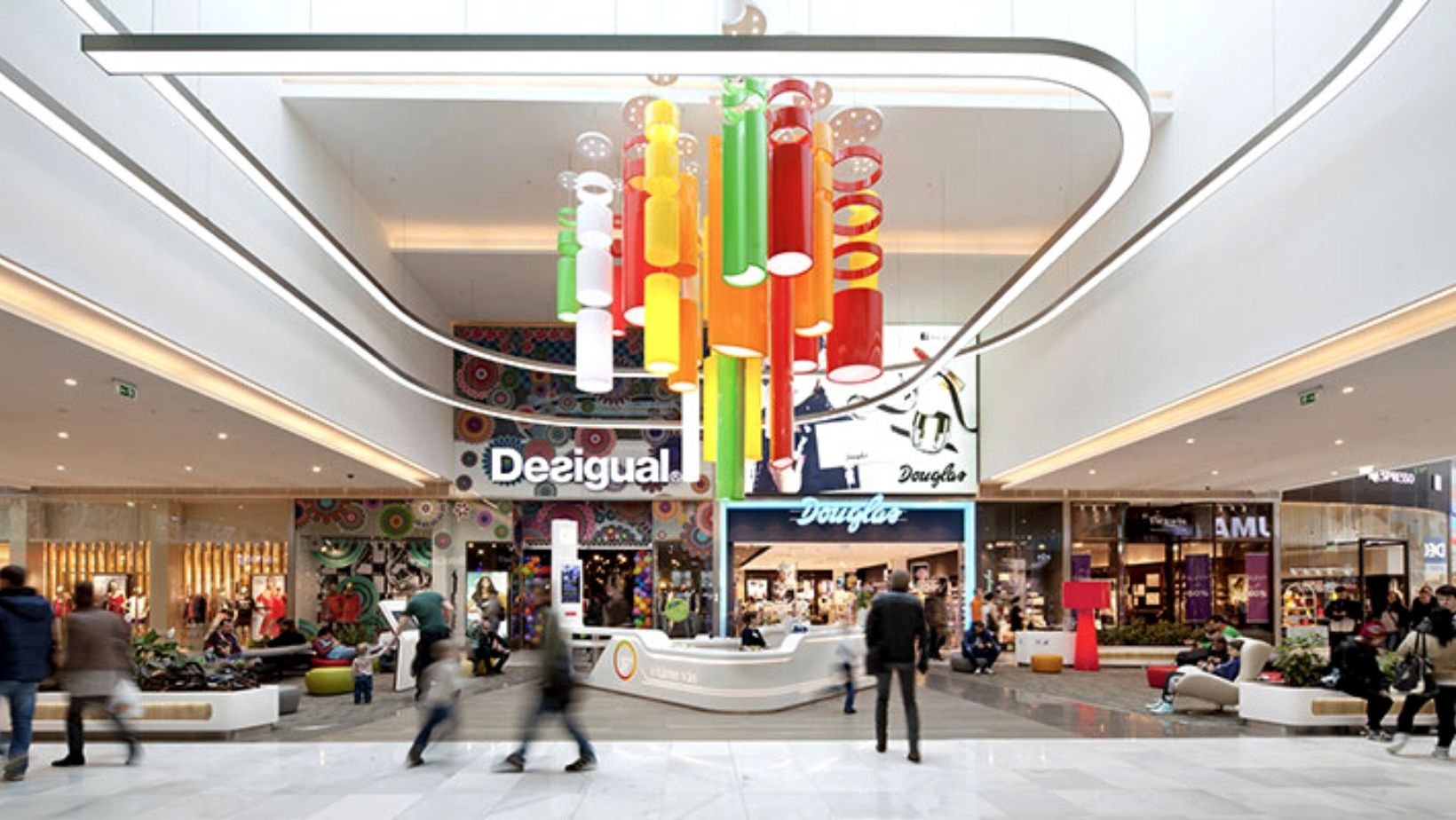
Regardless of the problems that the measures related to the coronavirus crisis have brought to the retail segment – with shops in the Czech Republic closed for 234 days, the longest period in all of Europe – new brands keep coming to the local market. Nine of them have arrived or will arrive during the first half of the year, the most prominent one of them being Ireland’s Primark fashion chain whose shop opening was expected with a great deal of anticipation. This year’s first half has been the strongest in the past three years: six brands arrived in the country during the same period last year, and eight the year before. Some of the shops opening now are ones whose launch was postponed due to the pandemic: Primark, Cinemax, and Mr. Jeff were waiting for the situation to stabilize and allow the start of operations. “Retailers are well aware of the enduring potential of Prague’s centre, which has always been and will always be a sought-after tourist destination – and this major part of the local purchasing power will return as soon as it can. The local people’s purchasing power is growing too. The Czech Republic remains the perfect...
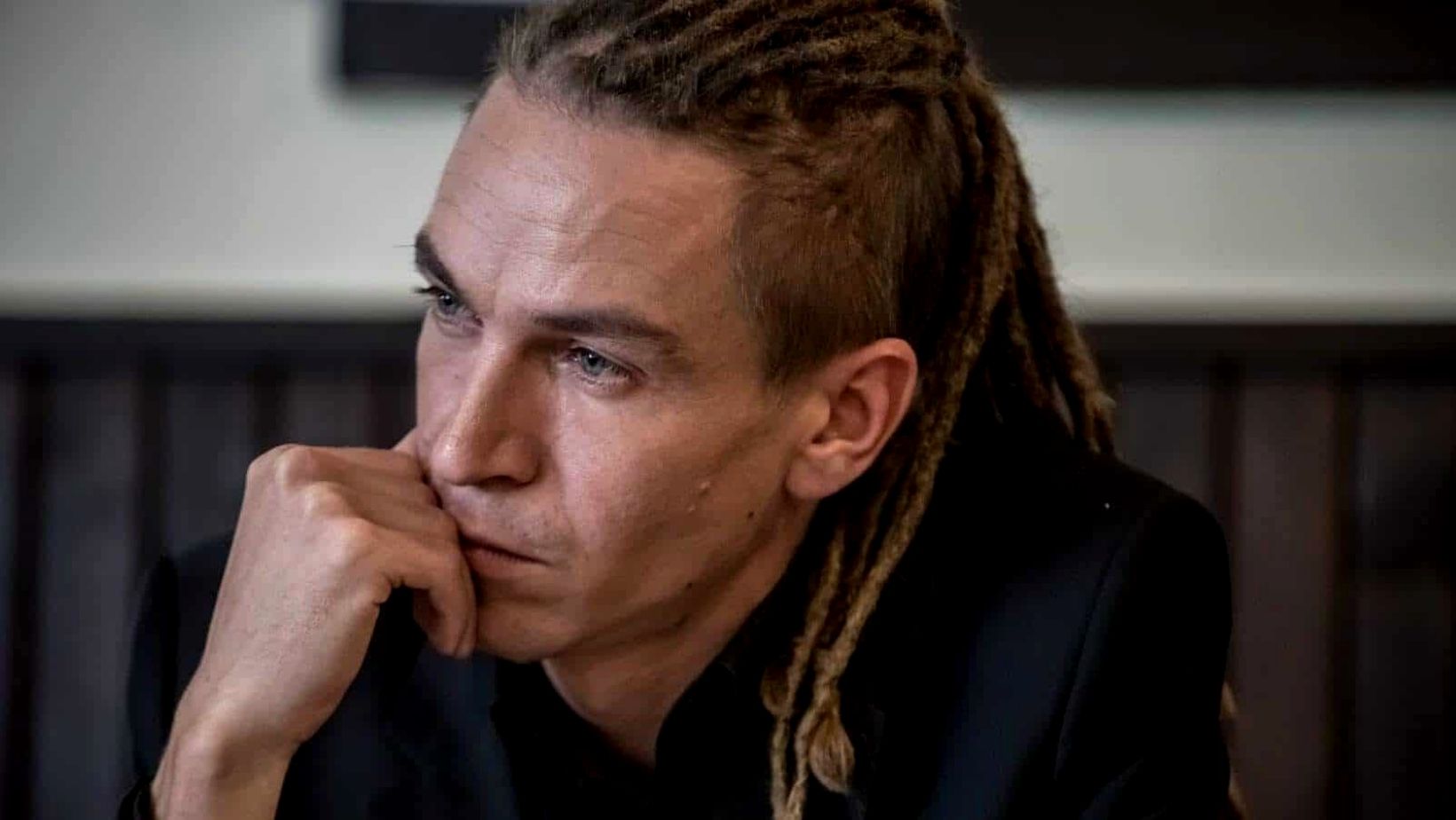
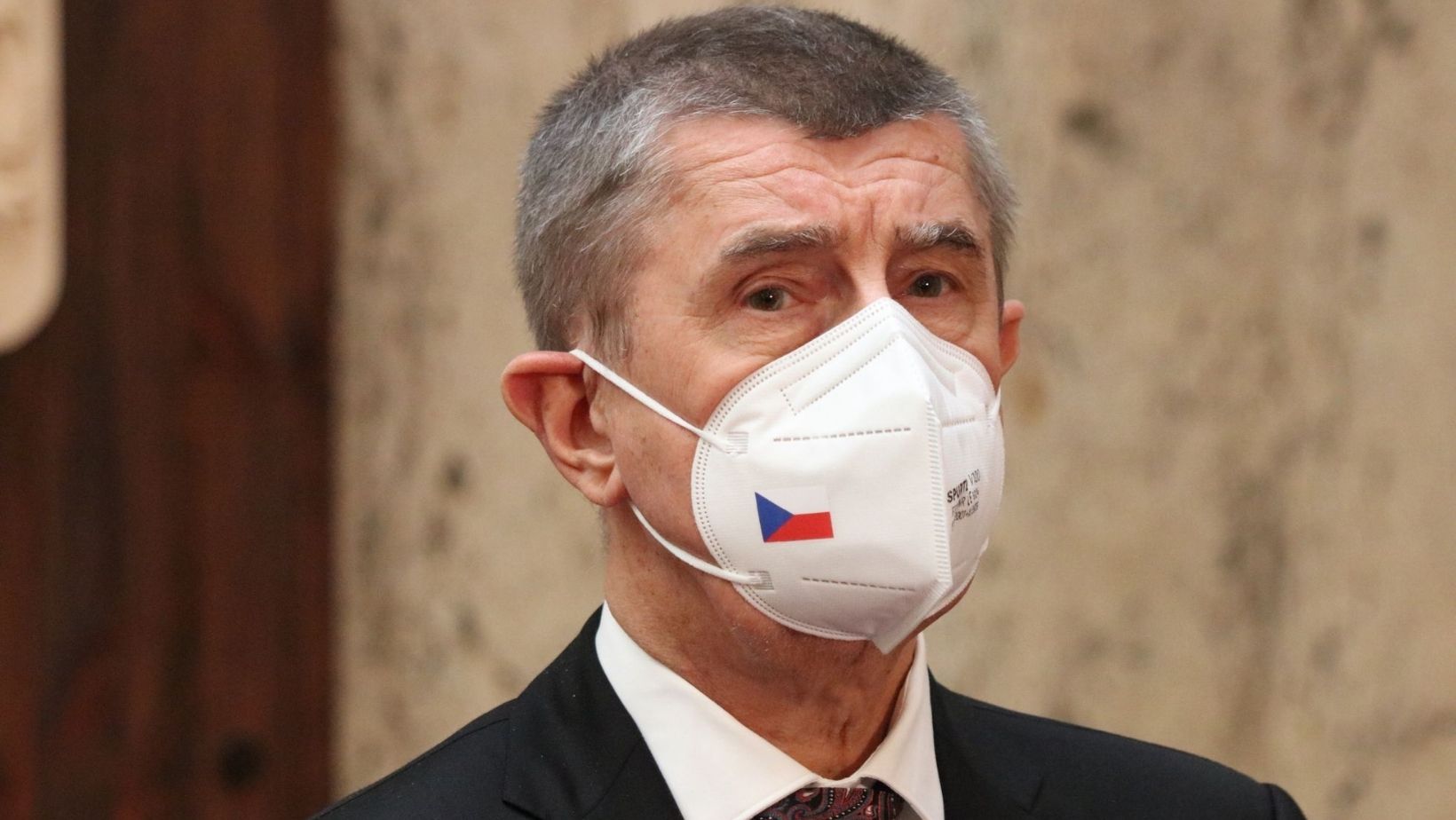
Less than four months before elections, polls suggest Ivan Bartos – the 41-year-old is chairman of the Pirate Party – could end up as prime minister, heading a coalition of mayors and independents to oust PM Andrej Babis. For Czechs, a Pirate victory in the Oct. 8-9 vote would reflect an electorate that has grown weary of the pandemic and allegations of corruption and cronyism. But for the European Union, there’s broader significance: It would loosen political ties with Poland and Hungary after they clashed with Brussels over rule-of-law abuses. “This is not a smart or pragmatic position for us,” Bartos said in an interview in Prague last week. “We’re more on the same wavelength with France and Germany, which defend core European values, freedoms, and democracy.” For Bartos, shifting his country closer to the European mainstream is crucial, otherwise, the Czech Republic could be “left behind in a slow group” of nations resisting closer political integration. “You can’t just stomp your feet in the face of Germany and France,” he said. It’s also time to unite foreign policy, now a victim of a tug-of-war between the pro-Russian president and the rest of the administration, he said. There’s a long way to go...
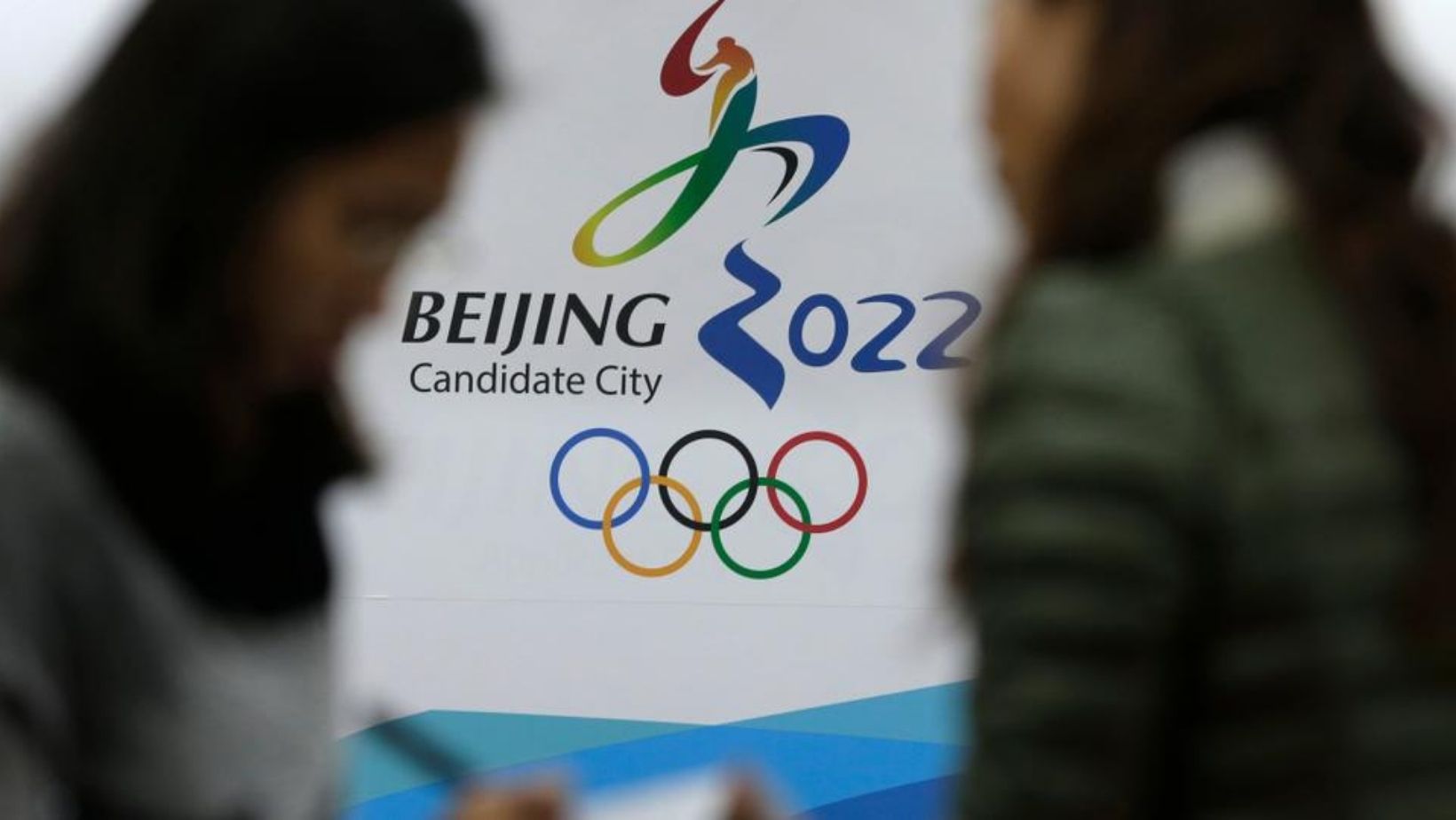
The Czech Senate called on politicians not to attend next year’s Winter Olympics in China in order to avoid legitimizing the continuing human rights violations in the country. The Chinese embassy in Prague has already condemned this appeal. According to the Upper House, Czech politicians should express their disapproval of the Chinese regime’s approach to Tibetans and Uighurs, but also to Taiwan and Hong Kong. In a resolution, senators pointed to the experience of the 2008 Beijing Summer Olympics, when the Chinese government, contrary to its commitment to hold the Olympics in a free and open manner, restricted the free movement of athletes and journalists, said committee chairman Pavel Fischer. The Czech Senate claimed that China “abused” the Beijing Olympic Games “to further suppress human rights and freedoms, which was also reflected in massive repression against minorities. In the territory of China, there are massive violations of human rights and freedoms, genocide and crimes against humanity, ethnic discrimination, suppression of cultural, religious and political identity,” the Senate stated. Senator Michael Canov openly opposed the political boycott. According to him, Czech athletes deserve political support on the spot, however, Senator Chairman Zdeněk Nytra refused the argument. “I doubt that our athletes...
If the elections to the Czech Chamber of Deputies took place in May, the coalition of Pirates and STAN (Mayors and Independents) would win with 26 percent of the vote ahead of the Spolu coalition (ODS, TOP 09, KDU-ČSL) with 21.5 percent. According to the election model of the Kantar CZ agency, the ANO movement of current Prime Minister Andrej Babiš would end up in a third-place with 20 percent. Together with the Freedom and Direct Democracy (SPD) with ten percent and the Communist Party of Bohemia and Moravia (KSČM) with 5.5 percent, the Oath movement, led by the former head of the Organized Crime Unit, Robert Šlachta, would have enough vote to enter the Chamber of Deputies. Compared to the April survey, it gained an additional 2.5 percentage points. “The ANO movement and SPD movements mainly collect voters among non-voters and partly also among Pirates,” said Kantar analyst Ondřej Ryboň about the shift. As in the April survey, the governing Czech Social Democratic Party (ČSSD) would end up outside the lower house with three percent and only after the grouping of Tricolour, Party of Free Citizens, and the Freeholder Party of the Czech Republic, which, according to the model,...
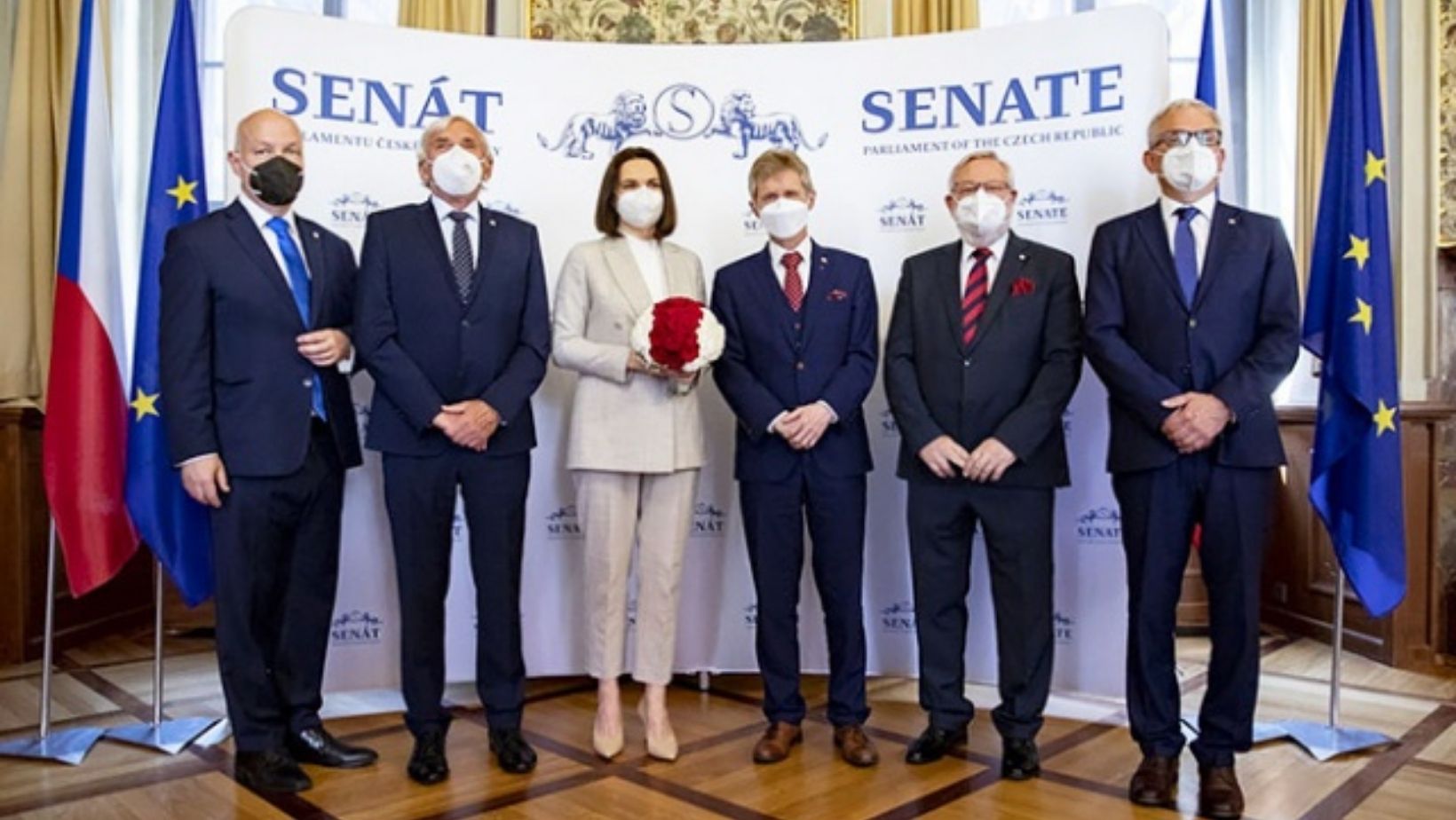
Tikhanovskaya will have meetings with Czech President Milos Zeman and Prime Minister Andrej Babis on Tuesday. The Czech Senate is receiving leader of the Belarusian opposition Svetlana Tikhanovskaya, who is visiting the country until June 10, as the Belarusian president, Senate President Milos Vystrcil, who invited her to the country, told reporters on Monday. Tikhanovskaya will have meetings with Czech President Milos Zeman and Prime Minister Andrej Babis on Tuesday. She will also be received by Foreign Minister Jakub Kulhanek and will speak to the Senate on Wednesday. “The Belarusian presidential elections that were held in August 2020 were not free, fair, or legitimate. So, the Senate invited Svetlana Tikhanovskaya as its main guest to the Czech Republic. I see it the way that the Czech Senate and I personally consider her to be the Belarusian president,” he said. On Monday, Tikhanovskaya had the first meeting with the Senate leadership. Vystrcil also added that they spoke about the Czech Republic can possibly help the democratic forces in Belarus. Belarus held presidential elections on August 9, 2020. According to the Central Election Commission’s official results, incumbent President Alexander Lukashenko won by a landslide. His closest rival in the race, Svetlana Tikhanovskaya,...
According to the Senate Security Committee, Miloš Zeman is not fit to hold the office of President of the Republic. The Senate will decide on this proposal to remove Zeman as head of state next week. According to the constitution, his possible verdict on Zeman’s incompetence to hold the presidency would have to be confirmed by the House. According to Fischer, in his statements, Zeman showed, among other things, from the Vrbětice case that he is disoriented, miscites the constitution and interprets reality in a way that confuses consequence with cause. “It is not acting in accordance with its promise, it is in violation of the Charter of Fundamental Rights and Freedoms towards the media,” said the chairman of the committee. “Miloš Zeman is not able to exercise the function of President of the Republic. He is disoriented at many times, acting without coordination with the government,” said Fischer. “We are witnessing that our constitutional order is no longer enough for a president who is disoriented, quotes the constitution incorrectly, does not remember that he is not the head of the police, or, for example, interprets reality in a way that confuses cause and effect,” Fischer added. “Based on the information...
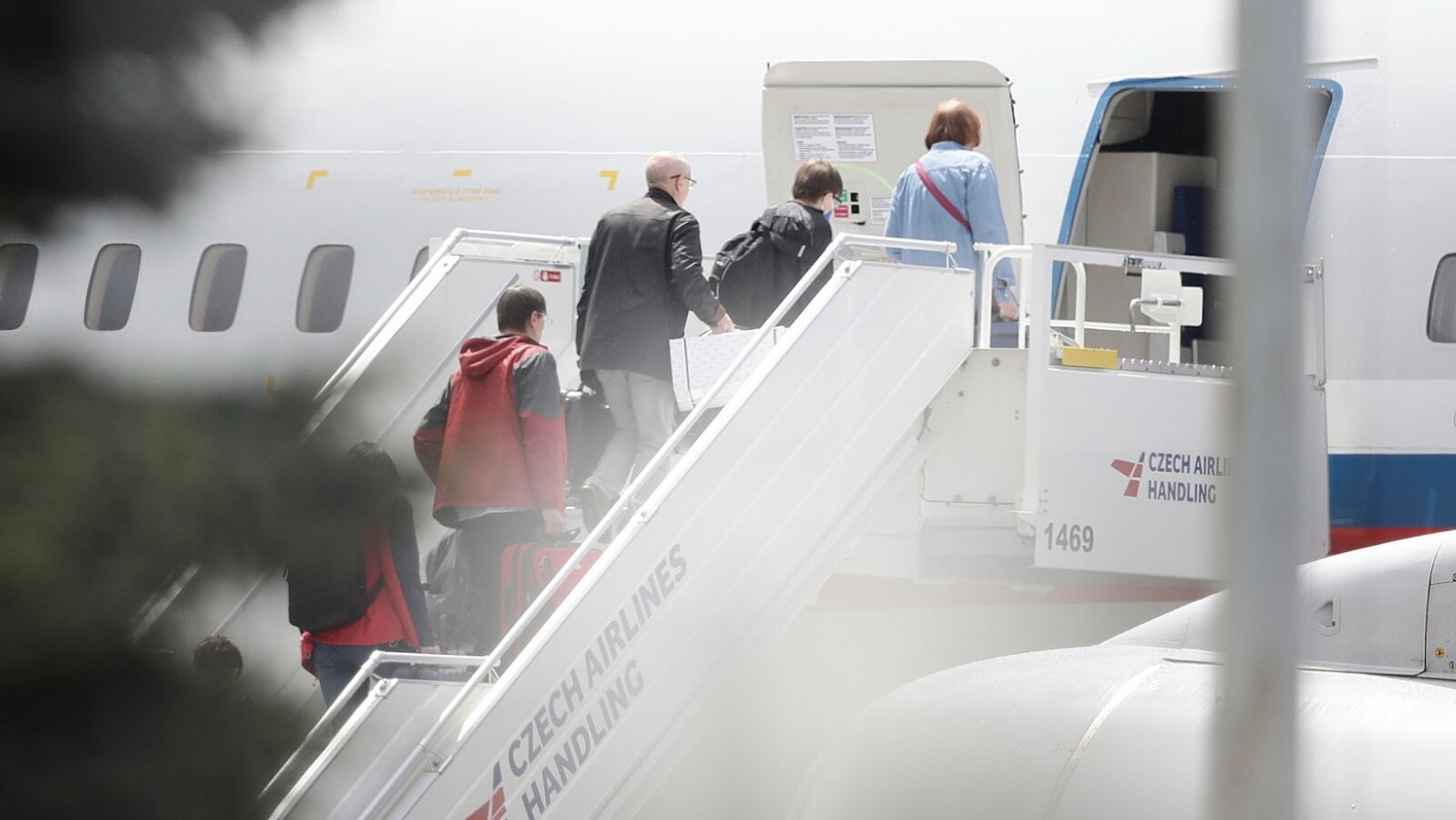
Fifty-four employees of the Russian Embassy in the Czech Republic laid off by the Czech government have left the country on Saturday. “The first group of 54 employees of the Russian Embassy in Prague laid off on the initiative of the Czech side, accompanied by their family members, left the territory of the Czech Republic,” he said. The second group of embassy employees and their families is set to leave the Czech Republic on May 31. Earlier, Russia and the Czech Republic agreed on bringing to parity the number of their staff in diplomatic missions in both countries’ capitals. Each embassy will have seven diplomats and 25 administration and technical employees, as well as 19 employees hired locally. On April 17, the Czech authorities claimed that Moscow was involved in the 2014 explosions at the Vrbetice depots in the country’s east, which killed two people. Subsequently, Prague expelled 18 Russian embassy employees, branding them intelligence officers. The Russian Foreign Ministry protested against the move and declared 20 employees of the Czech Embassy in Moscow personae non gratae. Permanent Representative of the Czech Republic to NATO Jakub Landovsky said on Sunday that the republic would discuss the 2014 blast at the...
Sales prices of older flats in the Czech Republic at the end of the first quarter rose by an average of 22.5 percent year on year to CZK 80,367 per sqm. The most expensive was Prague (CZK 104,103 per sqm), the cheapest was the Ústí nad Labem region (CZK 25,819 per sqm), according to the company Bezrealitky. “Even a year with coronavirus did not stop the growth of prices of older housing. Records and major milestones fell across the country. Older apartment in Prague is selling for more than CZK 100,000 per sqm. This is the price at which it was possible to buy apartments in mid-2018. For the first time, prices in Brno exceeded CZK 70,000 per sqm, “said Hendrik Meyer, director of Bezrealitky. After Prague, the most expensive flats were in the South Moravian Region (CZK 70,923 per sqm) and the Central Bohemian Region (CZK 58,705 per sqm). The cheapest Ústí nad Labem region was followed by the Moravian-Silesian region (CZK 33,145 per sqm) and Vysočina (CZK 34,036 sqm). Year-on-year, prices rose the most in the Liberec Region, by 57.1 percent. In the Ústí nad Labem Region they increased by 42.8 percent, in the Hradec Králové Region they...
The State Security Council has decided to suspend the operation of Belarusian airline Belavia in the Czech Republic. The last flight will be checked in on Wednesday, May 26. Minister of Transport Karel Havlíček (ANO) announced it on Wednesday following the forced landing of a Ryanair plane in Minsk to arrest the journalist Raman Pratasevich, a key foe of authoritarian Belarusian President Alexander Lukashenko. In a video posted online, the detained blogger, Roman Protasevich, 26, said he was in good health, being held in a pretrial detention facility in Minsk, and acknowledged having played a role in organising mass disturbances in the capital last year. The European Union agreed Monday to impose sanctions on Belarus, including banning its airlines from using the airspace and airports of the 27-nation bloc. “Belarusian President Alexander Lukashenko must pay a bitter price for forcing a commercial flight to land in Belarus in order to detain a dissident journalist on board,” German Foreign Minister Heiko Maas said on Tuesday. “What Lukashenko did could hardly be more perfidious. More than 170 passengers’ lives were endangered to detain a journalist,” Maas said at a news conference with his Czech counterpart Jakub Kulhánek (ČSSD). “We won’t tolerate that one...
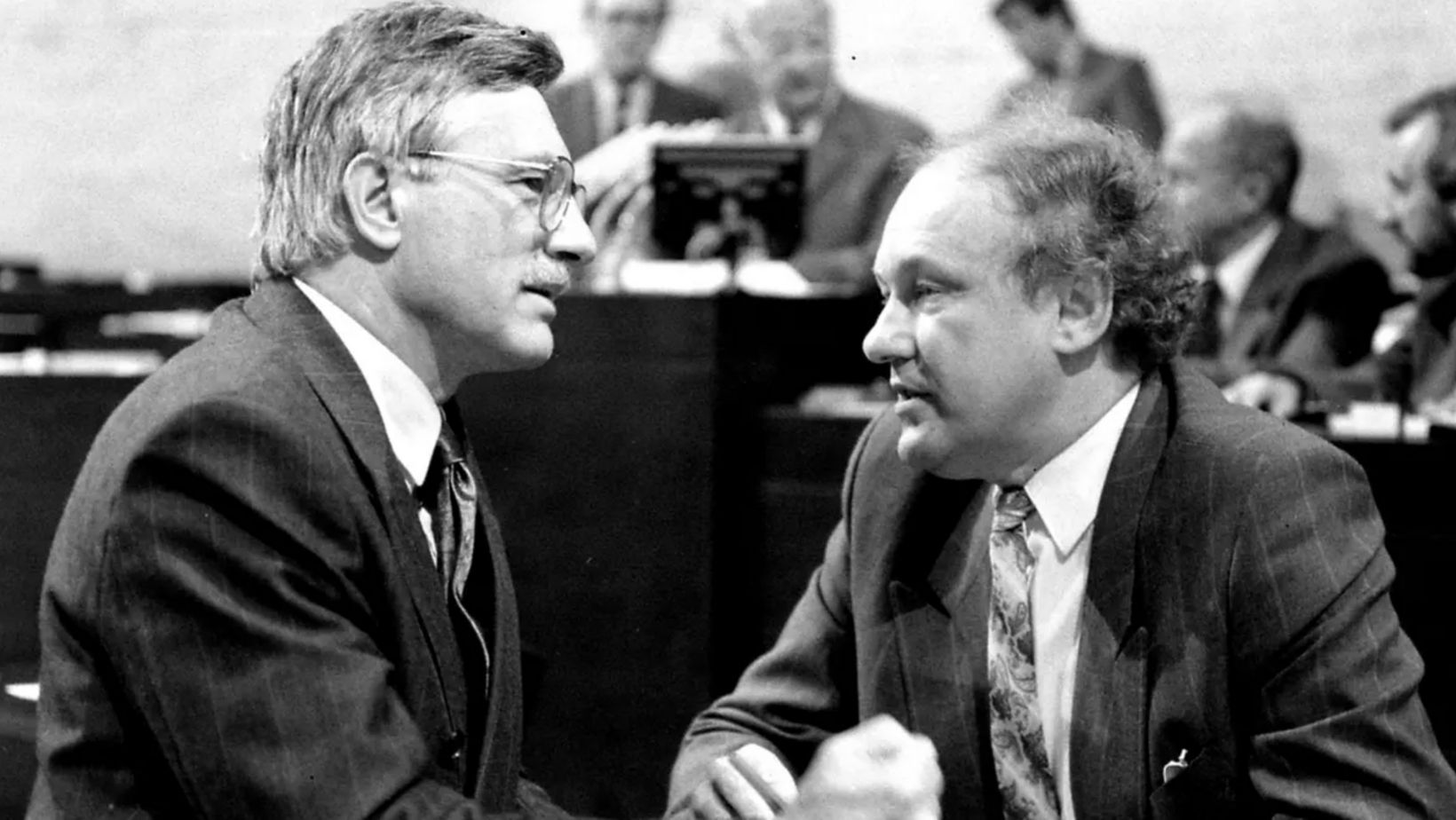
In 1989, Czechoslovakia secretly lent $ 1.3 billion to the Soviet Union, the newspaper Hospodářské noviny reported on Tuesday. The newspaper refers to documents from the National Archives, found in collaboration with the Aktualne.cz, the weekly Respekt and the anti-corruption organization Observation Post. The loan was arranged by the Czechoslovak Ministry of Finance, headed at the time by Václav Klaus. The money was lent on the basis of an agreement reached by the Czechoslovakian Communist government of Ladislav Adamec. It became part of a multi-billion dollar Russian debt, only part of which was ever repaid. According to Hospodarske Noviny, the idea of the loan was Zdeněk Rachač, an official of the Ministry of Finance. Klaus became Minister of Finance after the Velvet Revolution and the fall of the Communist regime when the Adamec government was replaced by the one led by Marian Calfa. Klaus told Hospodářské noviny he was unaware of any such covert loan. However, there is a letter from December 1989 in which Klaus was warned against sending the loan to Russia by the then director of the Czechoslovak Commercial Bank (ČSOB). Under the government of Prime Minister and current president Milos Zeman, Falkon Capital bought about two-thirds...
Don’t have an account? Register
Already have an account? Log In
How Would You Like to Promote Your Business? PR ArticleDisplay bannersVideo productionNewsletter adsJob ListingsInfluencer Marketing
Your Email
We will come back to you within 24 hours with our proporsal