The Czech Republic’s economic level, which is based on the current purchasing power parity of a country, will rise to 88 percent of the average of 19 euro area countries next year. The Czech Republic is thus getting closer to Italy in this regard and is better off than Poland, Hungary, Slovakia, Portugal, and Spain. Last year, the Czech gross domestic product (GDP) per capita in relation to the euro area was also at 88 percent, but this year it will probably fall to 87 percent. The Czech Ministry of Finance pointed out that, according to estimates, GDP per capita in current purchasing power parity decreased last year due to the effects of the pandemic in all monitored countries except Lithuania. The largest decline in GDP was recorded in southern European countries with a greater focus on tourism, especially in Spain, France, Portugal, and Italy. “Although GDP per capita in terms of current purchasing power parity in the Czech Republic probably fell last year, the relative economic level vis-à-vis the euro area might have risen slightly to 88 percent. It could be around this level in 2021 and 2022 as well,” said the Ministry of Finance. According to the Ministry’s...
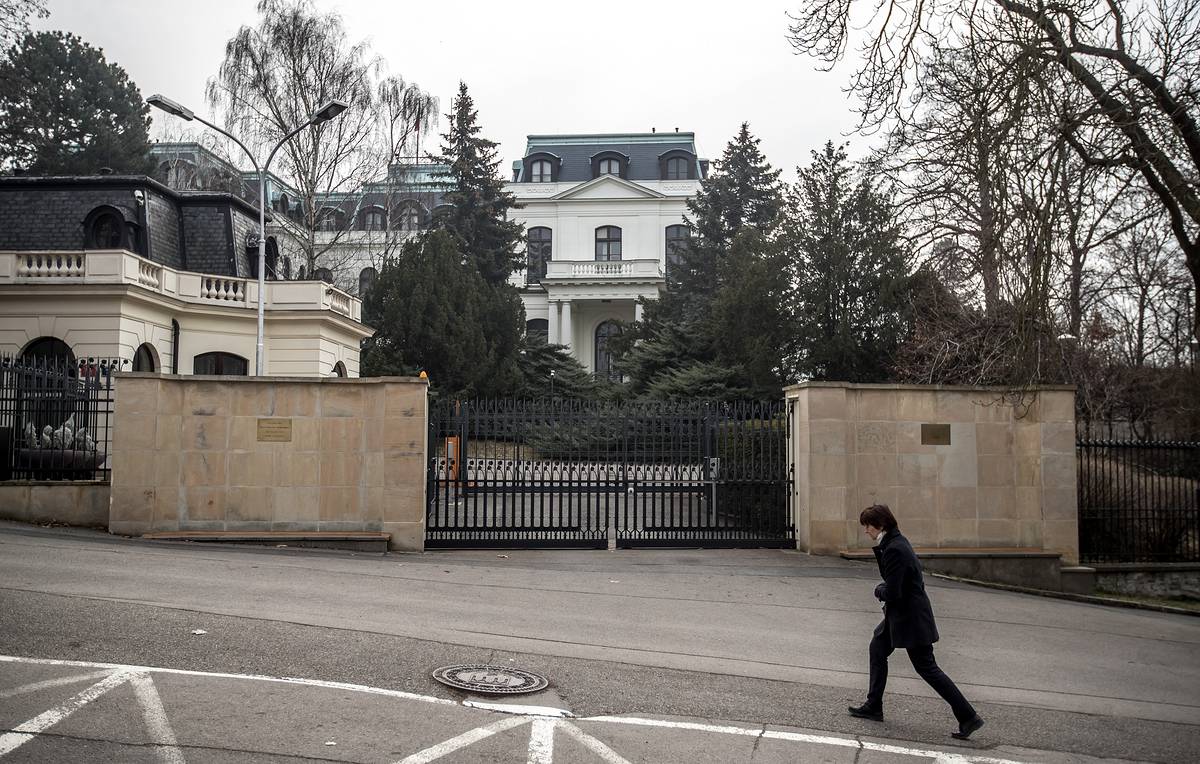
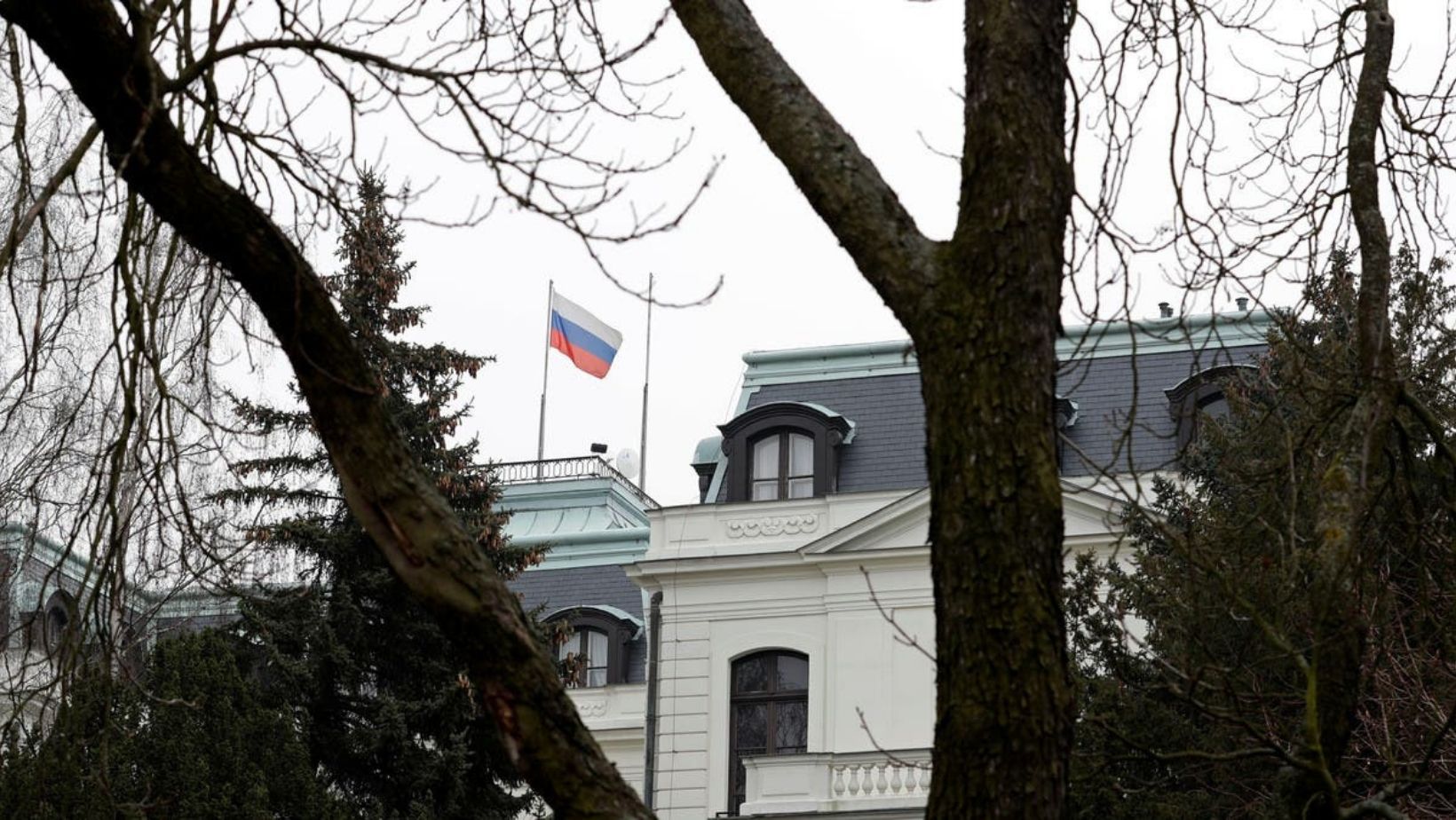
The decision was made amid a sharp escalation of relations between Russia and the Czech Republic, following the expulsion of 18 Russian Embassy employees and accusations of Russian intelligence’s involvement in explosions at arms depots in 2014. Prague authorities demand that Russian Embassy vacate an area of 5,000 square meters, currently occupied by the diplomatic mission. Before 1968, the mentioned area was a part of the adjacent Stromovka Park in Prague 7. “The Prague city council called on the Czech government to hold negotiations in a bid to bring the Russian Embassy territory to the state that preceded the Warsaw Pact forces invasion in 1968,” he tweeted. According to the Czech media, the area in question is about 5,000 square meters. The city authorities plan to plant trees and flowers in this area, as it was prior to August 1968, when a soviet military camp was deployed there. Czech Prime Minister Andrej Babis and First Deputy Prime Minister Jan Hamacek on Saturday announced the expulsion of 18 employees of the Russian embassy in Prague, who were allegedly “officers of Russian special services.” The move came in the context of the newly leveled circumstance of the 2014 blast at the ammunition depot...
Russia on Sunday expelled 20 Czech diplomats in retaliation for a slew of diplomatic expulsions by Prague and gave the affected Czech diplomats just over 24 hours to leave the country, the RIA news agency quoted the foreign ministry as saying. Prague had on Saturday ordered out 18 Russian diplomats, prompting Russia to vow on Sunday to “force the authors of this provocation to fully understand their responsibility for destroying the foundation of normal ties between our countries”. The October 16, 2014, blast in Vrbetice, in the eastern Czech region of Zlin, set off 50 metric tons of stored ammunition, killing two people. Two months later, another blast of 13 tons of ammunition occurred at the same site. Czech Prime Minister Andrej Babis said the attack had been aimed at a shipment to a Bulgarian arms trader. “This was an attack on ammunition that had already been paid for and was being stored for a Bulgarian arms trader,” he said on Czech Television. Bulgarian prosecutors charged three Russian men in 2020 with an attempt to kill arms trader Emilian Gebrev, who was identified by Czech media as the same individual. Reuters was unable to reach Gebrev for comment. Czech police...
Russia’s Ministry of Foreign Affairs said on Sunday it would take tough retaliatory measures against the Czech Republic over Prague’s expulsion of 18 Russian diplomats on what Moscow said were unfounded and absurd grounds. The Czech Republic expelled 18 Russian embassy staff on Saturday over the suspected involvement of Russia’s intelligence services in a 2014 ammunition depot explosion that killed two people. “We will take retaliatory measures that will force the authors of this provocation to fully understand their responsibility for destroying the foundation of normal ties between our countries,” the ministry said in a statement. “The Czech Republic took the Russophobe line of the US by expelling Russian diplomats. This step was completely unfounded and had no relation to the 2014 events,” said the Head of the Russian State Duma Committee on Foreign Affairs Leonid Slutsky. “Prague is well aware what follows such ‘tricks’,” added Russian Foreign Ministry Spokeswoman Maria Zakharova. French and British Support Speaking about the latest developments in the Czech Republic, Britain’s Foreign Secretary Dominic Raab said: “The UK stands in full support of our Czech allies, who have exposed the lengths that the Russian intelligence services will go to in their attempts to conduct dangerous...
The Czech Republic’s Deputy Prime Minister and Interior Minister Jan Hamacek plans to discuss the incident in the country’s Vrbětice at the EU foreign ministers’ meeting on Monday. “I have tasked our representatives in the EU and NATO to inform our allies about the Vrbětice case. I will speak about this on Monday at the EU foreign ministers’ meeting,” Hamacek said. The tensions between Moscow and Prague escalated after Prime Minister Andrej Babis claimed the Russian special services were involved in the Vrbetice ammunition depot blast that killed two people in 2014. Russia stressed that such accusations were absurd and promised to respond in kind to the expulsion of diplomats. “The Czech Republic took the Russophobe line of the US by expelling Russian diplomats. This step was completely unfounded and had no relation to the 2014 events,” said the Head of the Russian State Duma Committee on Foreign Affairs Leonid Slutsky. “Prague is well aware what follows such ‘tricks’,” added Russian Foreign Ministry Spokeswoman Maria Zakharova. Britain stands in ‘full support’ Britain stands in “full support” of the Czech Republic which has exposed the lengths Russian intelligence services will go to, foreign minister Dominic Raab said on Sunday after Prague expelled 18...
The Czech Republic “has apparently decided to close its embassy in Moscow” by expelling 18 Russian diplomats, the Interfax news agency quoted an unnamed diplomatic source as saying on Saturday. The Interfax news agency cited Vladimir Dzhabarov, first deputy head of the upper house’s international affairs committee, as saying Prague’s claims were absurd and Russia’s response should be proportionate. The Czech Republic is expelling 18 Russian diplomats over suspicions that Russian intelligence services were involved in an ammunition explosion in 2014, Prime Minister Andrej Babis and Foreign Minister Jan Hamacek said earlier on Saturday. He added that President Milos Zeman, who is known for his pro-Russian views, has been informed about the development and has “expressed absolute support for us.” Hamacek said the staff identified as secret service personnel would be ordered to leave the Czech Republic within 48 hours. Separately, Czech police said on Saturday they were searching for two men carrying various passports, including Russian ones in the names of Alexander Petrov and Ruslan Boshirov. Those names were the aliases used by two Russian military intelligence officers who British prosecutors charged with the attempted murder on British soil of Russian spy Sergei Skripal. Skripal and his daughter Yulia were...
The coronavirus pandemic has helped to accelerate CzechInvest’s efforts in recent years. Despite the crisis, there is a rising trend in the share of investments with high value-added, i.e. investments focused on technology and research and development in strategic sectors. In 2020, this involved two-thirds of all investments arranged by CzechInvest, whereas only one-fifth of new projects in 2018 fulfilled the criterion of high value added. A quarter of last year’s projects are smart, i.e. localized so that they benefit the given regions, particularly those that are structurally disadvantaged. Near 80% of the arranged investments comprise expansions of companies that are already operating in the Czech Republic. The situation here thus also mirrors international trends. “In 2020, we arranged 27 new investment projects in which the companies have pledged to invest CZK 13.5 billion in the coming years. Despite a certain decline associated with the coronavirus pandemic, investors remain interested in placing their projects in the Czech Republic. Furthermore, we anticipated a lower number of projects due to the stricter conditions arising from the amendment to the Investment Incentives Act. So, we are all the more pleased that in spite of these facts, two-thirds of the arranged investments will bring...
The Czech Republic respects the agreement of the ministers of defense and foreign affairs of NATO states on the withdrawal of troops from Afghanistan and is ready to do its part, confirmed Lubomír Metnar, Czech minister of defense. As NATO reports, the drawdown will commence on May 1st. “We cannot continue the cycle of extending or expanding our military presence in Afghanistan, hoping to create ideal conditions for the withdrawal and expecting a different result,” said US President Joe Biden in his ardent speech on Wednesday. He declared that “it is time to end the forever war” and promised that US troops would leave Afghanistan by September 11th. All NATO members, including the Czech Republic, followed suit and made a statement, in which they pronounced they would start removing troops next month. “In light of… recognizing that there is no military solution to the challenges Afghanistan faces, Allies have determined that we will start the withdrawal of Resolute Support Mission forces by May 1”, was stated in the press release of the alliance. “NATO Allies and partners will continue to stand with Afghanistan, its people, and its institutions in promoting security and upholding the gains of the last 20 years....
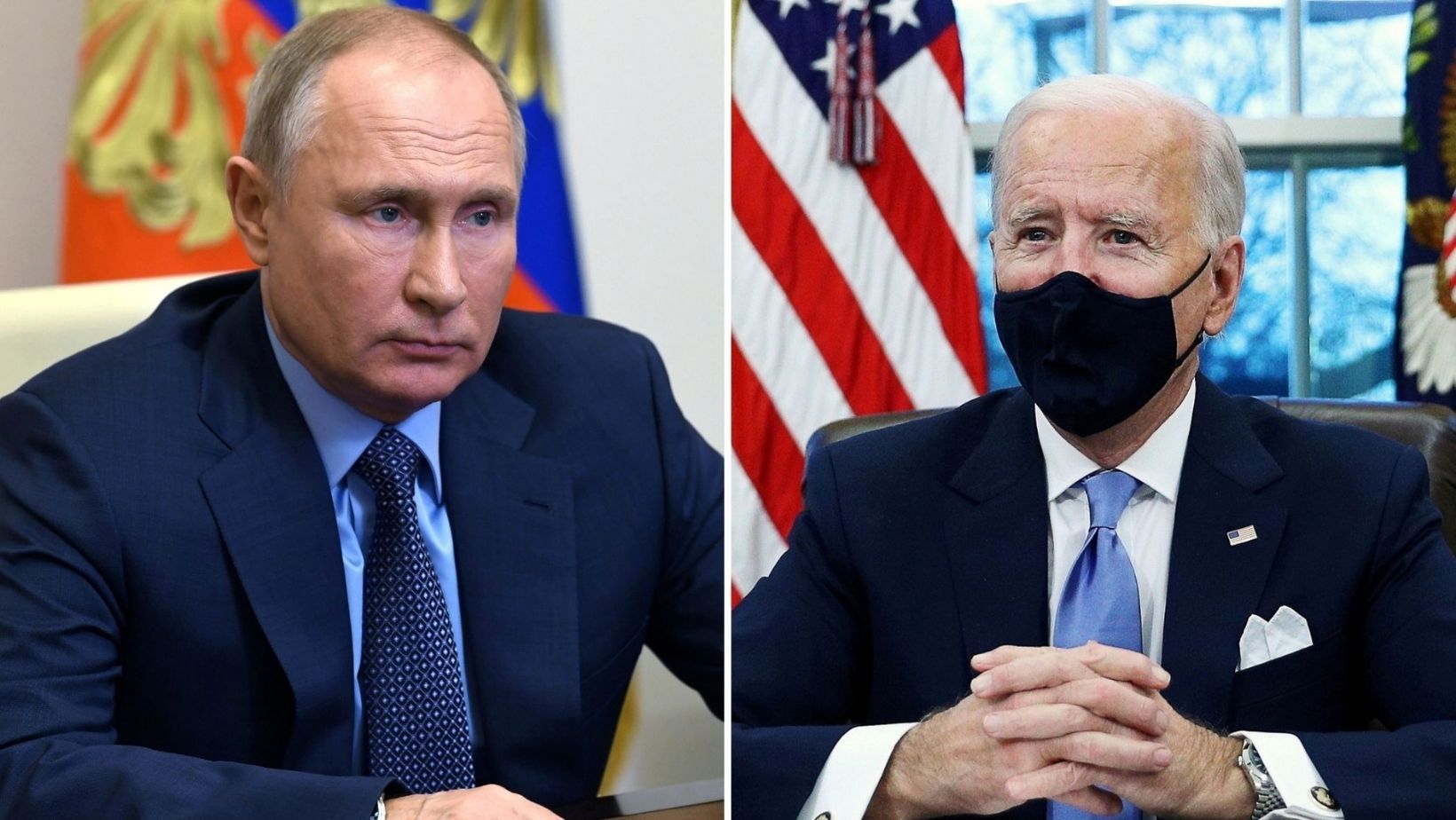
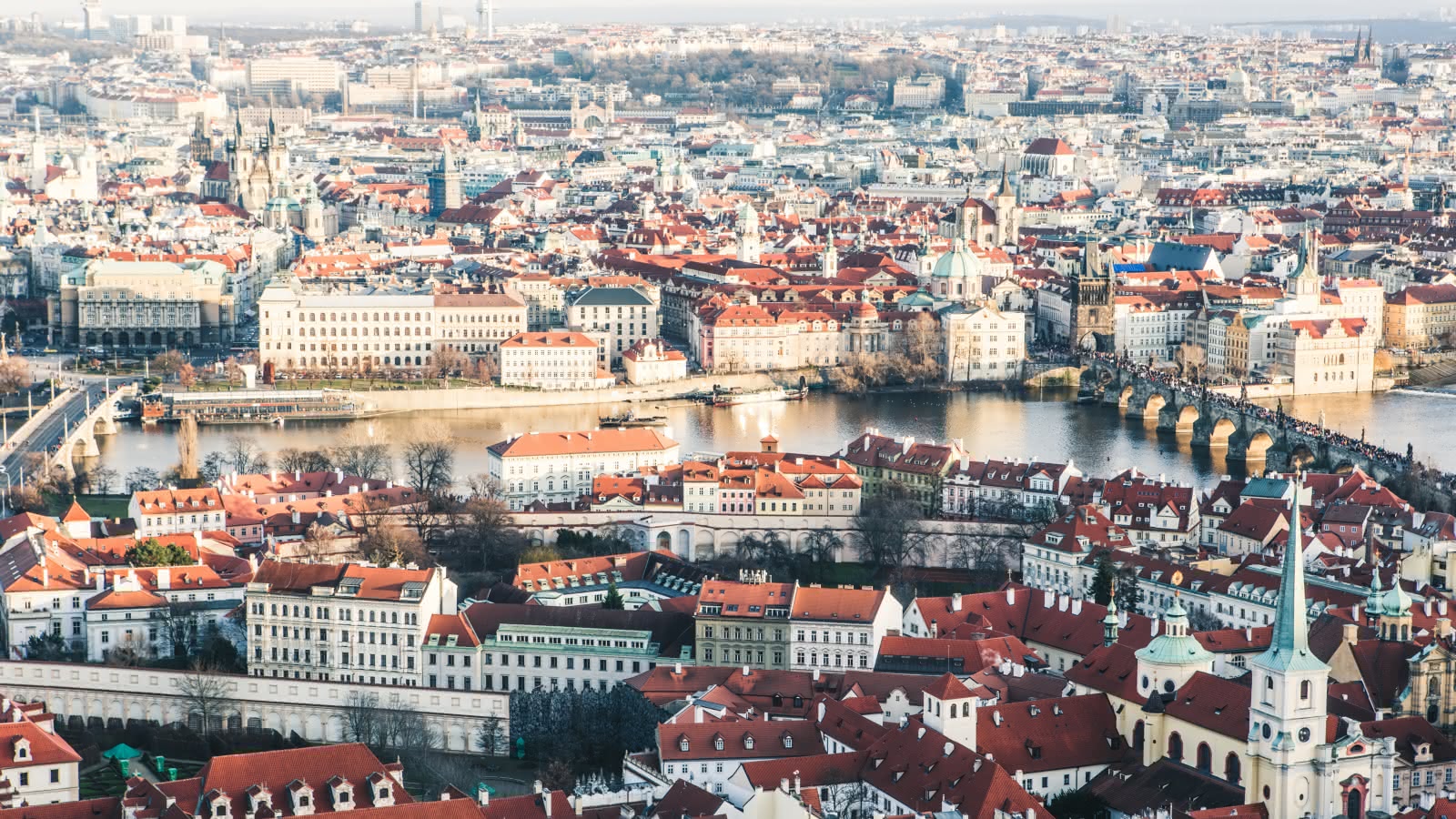
On Tuesday, Russian and US Presidents Vladimir Putin and Joe Biden held their second telephone conversation since the American leader assumed office. Both leaders discussed in detail the state of bilateral relations and a number of international issues, the Kremlin press office reported. The Czech Republic is offering Russia and the US to hold the first meeting between Vladimir Putin and Joe Biden in Prague, Interior Minister Jan Hamáček said on Twitter on Wednesday. “I have instructed our [Czech] ambassadors in Washington and Moscow to offer Prague as a possible meeting place,” he said, adding that in his opinion, Prague would be a good venue for the summit as the Czech capital already hosted similar summits in the past. Hamacek reminded that on April 8, 2010, a meeting between Dmitry Medvedev and Barack Obama, who served as presidents of Russia and the US at the time, was held in Prague. The White House also informed that Biden proposed holding a personal meeting with Putin “in a third country” in the coming months and “considering the possibility of holding a personal meeting at the highest level in the foreseeable future”. Meanwhile, Kremlin Spokesman Dmitry Peskov noted that it is still “too...
The International Monetary Fund (IMF) has offered a worsening outlook for the Czech economy for this year, with the IMF now expecting growth of 4.2 percent, while last autumn, it expected an increase of 5.1 percent. Slovakia will also perform significantly worse, as the IMF has downgraded its growth outlook for gross domestic product (GDP) for this year to 4.7 percent from the autumn forecast of 6.9 percent. The spring meeting of the IMF and the World Bank (WB) is being held in Washington this week, but only virtually due to the pandemic. The fund’s executive director, Kristalina Georgieva, indicated last week that the IMF was preparing to improve its global outlook, citing large-scale stimulus measures in the United States and continued vaccinations against COVID-19. According to the fund, the global economy will show 6 percent growth this year, while in the autumn, the fund expected growth of 5.2 percent. Among other things, the spring outlook shows that inflation in the Czech Republic will fall this year, but will still be higher than in many other European countries. For example, in Slovakia, which is a member of the eurozone, the fund estimates it at about half the level of Czechia....
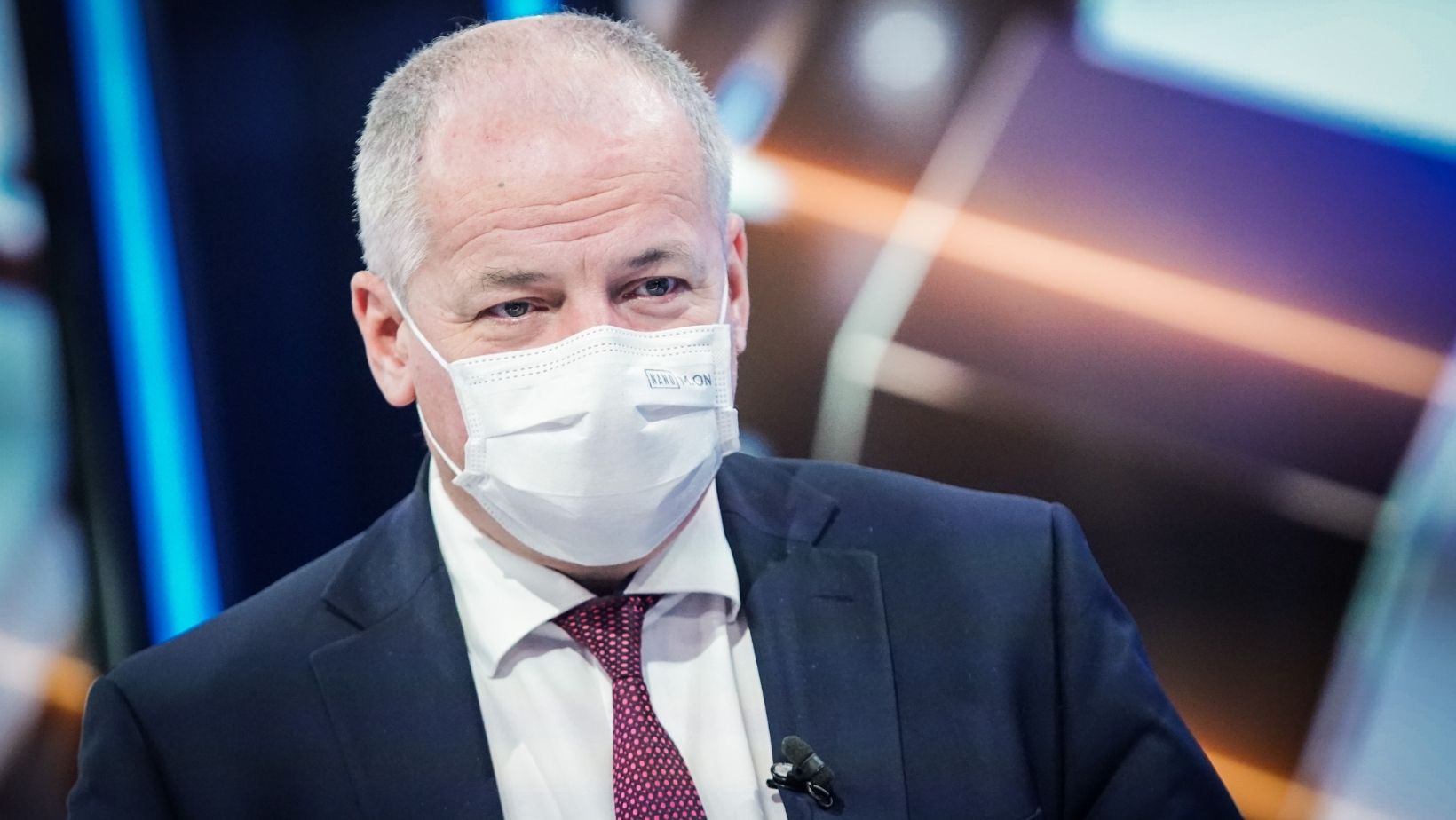
Former Czech Minister of Health Roman Prymula became an external consultant for Agel group, a private healthcare provider owned by Tomáš Chrenek. Agel group confirmed cooperation with Prymula to Czech Television. Prymula told the broadcaster that he would not comment on his private activities. Agel comprises the Avenier company, which currently distributes vaccines of the American firm Moderna and has also won the tender for the distribution of vaccines from the American corporation Johnson & Johnson. Avenier may be in charge of the distribution of the Russian vaccine Sputnik V as well. The possibility of cooperation between the Czech firm and the Russian pharmaceutical sector was mentioned by Roscongress, a development institution which serves as a platform for the promotion of Russian national interests beyond its borders. “The potential partner for the execution of the delivery, distribution, and vaccination by the drug Sputnik V is the company Avenier, a.s.,” was stated in a Roscongress press release back in March. According to Czech Radio, technical specifications of the Russian vaccine were discussed by the Czech embassy in Moscow. Nonetheless, Martin Nesrsta, representative of Avenier, denied the possibility of distribution of Sputnik V by the company. “Usage of any coronavirus vaccines is...
The Czech Communist Party’s leadership has voted to withdraw support for the minority cabinet led by Prime Minister Andrej Babis, two senior party sources told Reuters on Tuesday. The vote means that Babis’s coalition government loses its parliamentary majority six months ahead of an election but does not pose an immediate threat to its survival. The Communists are not formally part of the ruling coalition but have lent it their support in parliament. With the election looming, they have sought to distance themselves from the cabinet, which has refused to back some of their requests, such as a reduction in military spending. A spokeswoman for the Communist Party said that chairman Vojtech Filip would meet Babis on Wednesday to discuss their future relationship. Even if Communist lawmakers support any future vote of no-confidence, the coalition – comprising Babis’s ANO party and the Social Democrats – might still survive as opposition parties have spoken against toppling it so near to an election. They also fear such a move would hand power to President Milos Zeman to appoint a new government. Zeman wants to speed up a tender for a new nuclear power station and says Russia should be invited to take...
Don’t have an account? Register
Already have an account? Log In
How Would You Like to Promote Your Business? PR ArticleDisplay bannersVideo productionNewsletter adsJob ListingsInfluencer Marketing
Your Email
We will come back to you within 24 hours with our proporsal