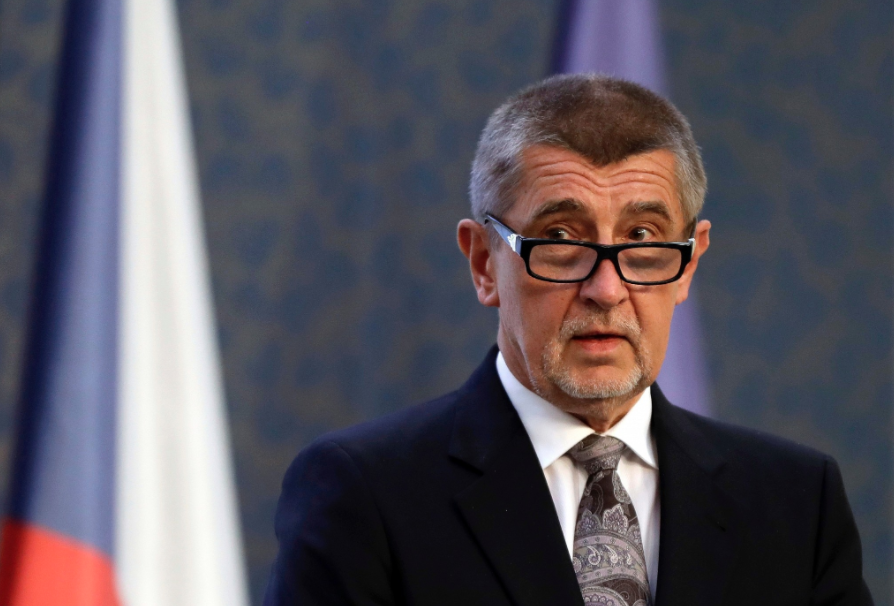
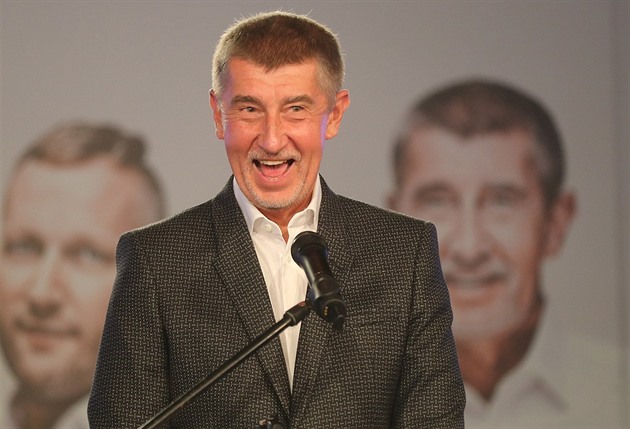
Czech Prime Minister Andrej Babiš’s younger son claims he was forcibly detained in Crimea by his father’s associates at the time of the investigation of the Stork’s Nest affair. Babiš Senior has been intermittently under investigation since 2015 wherein the prime minister was accused of concealing his ownership of the Čapí Hnízdo (Storks Nest) farm and attached convention centre in order to illegally obtain €2 million in EU subsidies meant for small businesses. Čapí Hnízdo was owned by Agrofert, a Prague-based conglomerate holding company owned by Andrej Babiš, which would have been ineligible for the small business subsidies. In 2007 ownership of the property was transferred to a small anonymous company which was able to apply for the subsidies, but it was later revealed that the shareholders in the new company were Babiš Junior and his sister Adriana; Babiš Senior’s partner – now his wife – Monika; and Monika’s brother Martin Herodes. A brief interview with Seznam reports that Babis’s son, who is also named Andrej, was coerced into traveling to Crimea on a vacation that turned into an “abduction.” He said he had spent some time in a psychiatric institution in the past. Babiš Jr. also revealed that he...
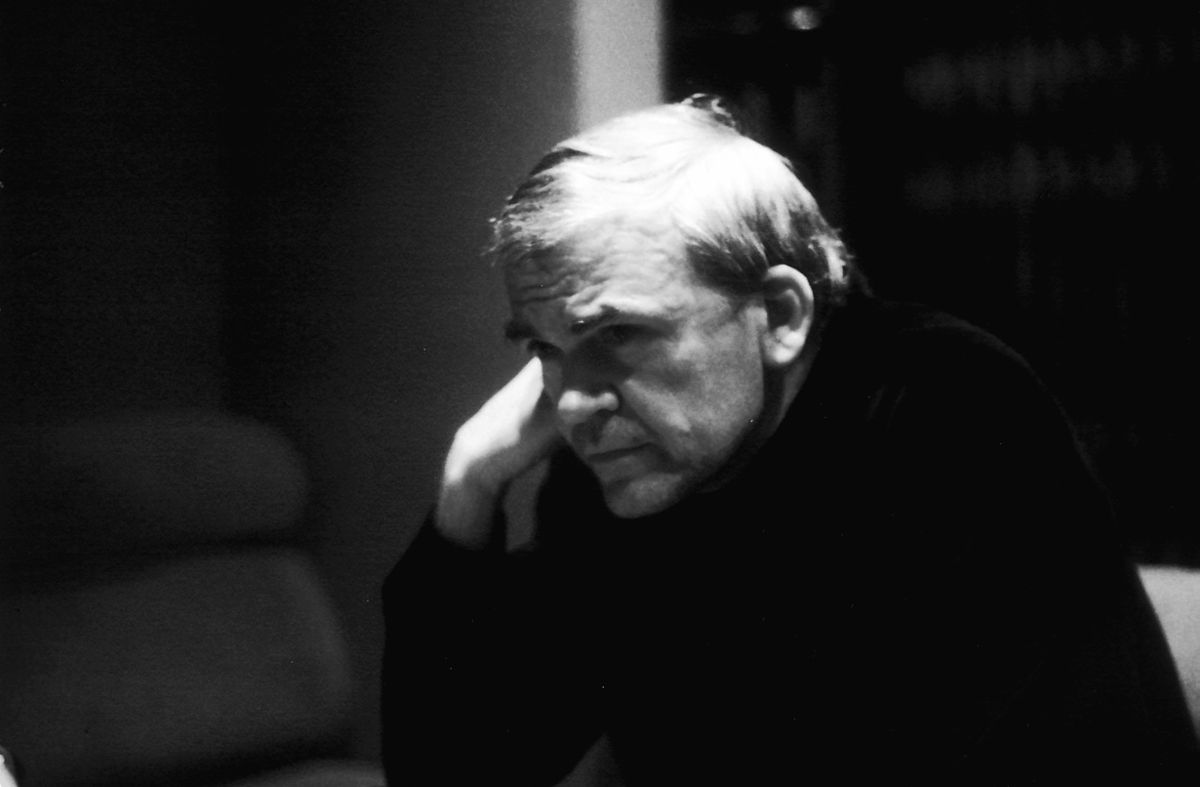
AGENCE FRANCE-PRESSE Czech Republic Prime Minister Andrej Babis said on Saturday he had proposed restoring writer Milan Kundera’s Czech nationality, stripped from him by the country’s former communist regime nearly four decades ago. Kundera, whose novel “The Unbearable Lightness of Being” was turned into a 1987 film starring Daniel Day-Lewis, became a naturalized French citizen after emigrating when he was prevented from publishing in his native country. “He really deserves to have his citizenship again,” Babis told Czech CTK agency in Paris where he was attending a commemoration of the 1918 armistice to end WWI. Kundera, now 89, and his wife Vera, were stripped of their nationality in 1979 by the communist regime of then Soviet-era Czechoslovakia. They emigrated to France in 1975. The author’s “The Book of Laughter and Forgetting” published in 1979 explored how citizens lived under the regime. His own life had been under surveillance by the StB secret police. His first novel “The Joke” — his take on the one-party state — led to a ban on his publishing at home. Kundera, born in 1929 in Brno, maintained a complex relationship with his homeland even after the Velvet Revolution in 1989 ended one-party rule in Prague....
The October share of unemployed people declined to a new all-time low of 2.8%. This should be this year’s low, but some space for a decline next year might be possible due to structural changes in the labour market Previous figures from the Czech Labour Office reported an unemployment rate of 3% for September and 3.1% for August. The lack of labour market capacities in terms of job vacancies remained substantial, but it increased just slightly from 316,000 to less than 317,000. The lack of employees motivates companies to look for an alternative solution, which is reflected in a higher offer of part-time jobs. According to the Czech Statistical Office, the number of employees working part-time has increased by 20,000 year-on-year in the second quarter of this year. They are usually pension-age workers around 65, or younger in the 25-29 age group. The lowest unemployment rate in October – 1.8 percent – was recorded in the Pardubice Region. The South Bohemian and Plzeň regions had jobless levels of 1.9 percent while in Prague it was 2.0 percent. At the other end of the scale, 4.4 percent of the workforce in the Moravian Silesian Region and 4.3 percent in the Ústí nad Labem...
Next week the government will discuss the non-accession to the UN Global Compact for Safe, Orderly and Regular Migration, Foreign Minister Tomáš Petříček (CSSD) told the press. Prime Minister Andrej Babiš (ANO) said that the treaty blurs the distinction between legal and illegal migration, and Petříček also had reservations about the document. The United States withdrew from the treaty last year, and Austria and Hungary also refused to sign it. The government was debating the document today and instructed the Foreign Minister to prepare the materials for the final resolution next week. According to Petříček, it is clear that the cabinet will not support the pact. The Foreign Minister also told reporters that the government must submit its decision to the Chamber of Deputies by November 15. “We do not like, for example, the ambiguous distinction between illegal and legal migrants, the ambiguity of social rights, or the fact that the compact does not mention the forced return of illegal migrants,” Petříček said in a press statement. In his opinion, the Czech Republic should definitely retreat from the pact. “I believe that we can, and it will be up to the Czech government to duly defend our position so that...
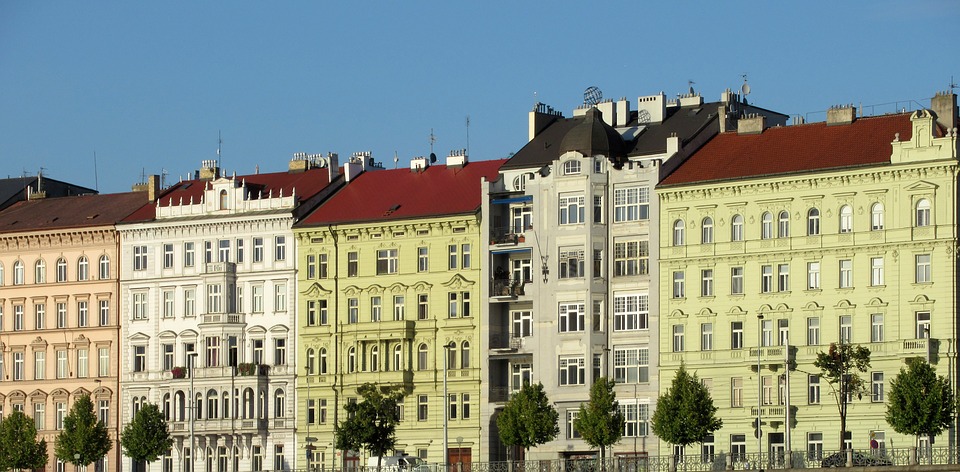
In recent years, Prague has seen a huge surge in the number of people offering their rooms or apartments for rent. Over the past five years, Airbnb and other similar platforms are estimated to have increased their offer 20-fold. A quarter of the apartments in central Prague are listed on sites such as Airbnb, say city officials, who blame the services for helping fuel a 50 percent jump in property values since 2013. Residents have petitioned the local government to boost oversight of short-term rentals, and increased regulation of Airbnb Inc. was a central issue in October municipal elections. Candidates pledged to raise taxes, tighten rules, and limit the number of nights flats can be rented each year. Airbnb says it welcomes regulation and insists it’s helped reduce prices for visitors while offering a more personalized experience than staying in a hotel. Some economists caution that politicians should be careful in regulating the services. Airbnb and smaller rivals have helped fuel a tourist boom that pumps $5 billion a year into the Czech economy. That’s little consolation for Czechs who’ve seen the median cost of housing surge to 11 times the country’s average annual salary, the highest level in Europe, according to consulting...
The lower house of the Czech Parliament began debating a bill that could give same-sex couples the right to marry. The bill was drafted by a group of lawmakers across the political spectrum. It is supported by the coalition center-left government of Prime Minister Andrej Babis. The amendment follows a country-wide debate led by the Jsme fér (We Are Fair) campaign, promoting the fair treatment of same-sex couples. 67% of Czechs support marriage equality while 97% of Czech gays and lesbians want the chance to get married. A number of European nations have legalized same-sex marriage, most recently Austria, but the Czech Republic could become the first post-Communist member of the European Union to do so. The Czech Republic has been allowing gay and lesbian couples to enter registered partnerships since 2006. Unlike neighboring Poland and Slovakia, the Czech Republic is one of Europe’s most secular societies and religious groups have a relatively weak voice. Author: red
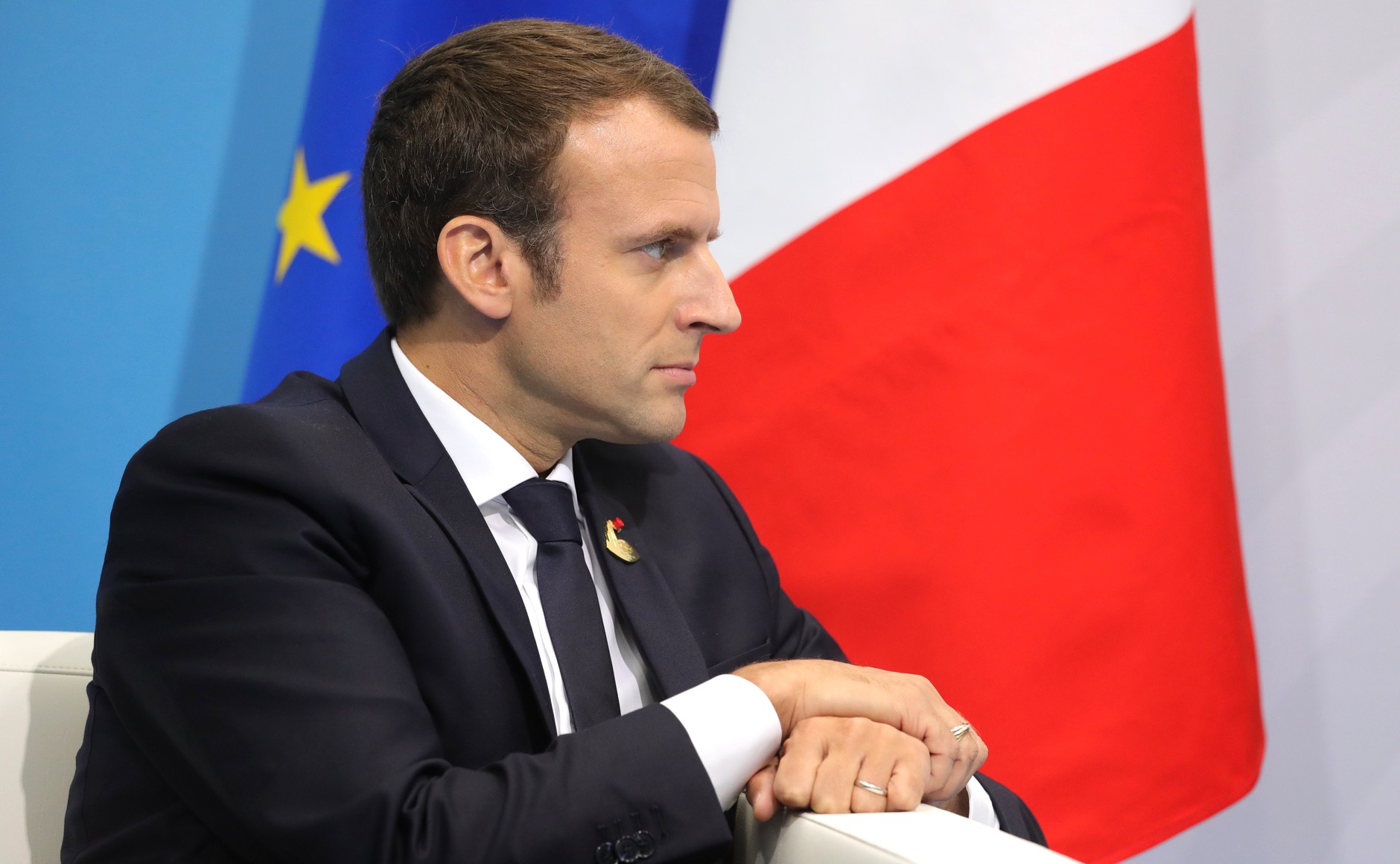
French President Emmanuel Macron will come to the Czech Republic on October 27th following his visit to Slovakia. The French head of state will meet with Czech President Miloš Zeman and Prime Minister Andrej Babiš. The day before, Macron will be in Bratislava meeting with their Slovakian counterparts Andrej Kiska and Peter Pellegrini. Macron will arrive in Prague on the same weekend as the conclusion of the celebrations of the 100th anniversary of Czechoslovakia. On Saturday, October 27th, the historic National museum will officially be reopened and the Slovak-Czech exhibition will be launched. Babiš has invited a number of statesmen, but a list of confirmed names has not yet been published by the Czech government. The Czech Army have previously stated that on Sunday, October 28th, there will be a gala parade attended by US Secretary of Defence James Mattis at Vítkov Kiska. The AFP notes that the Czech Republic and Slovakia together with Poland and Hungary are creating the so-called “Visegrad Four” (V4), which is against the EU’s stance on receiving refugees. The French President has not yet visited Poland and Hungary. Author: Holly Webb
Jan Čižinský of Praha sobě, received the most preferential votes in the city of Prague. In talks to form the government in Prague are three groups: the citizen’s movement Praha sobě, the Pirates and the Spojené síly alliance (TOP 09, STAN and others). The parties are in negotiations and looking at how to align their agendas. The City hall is split, with the ODS having 14 seats, ANO who was last, having 12, and the rest having 13 each. Now the main point of contention is the post of mayor: Jan Čižinský of Praha sobě, should be the leader due to the largest share of preferential votes he received. Although ANO scored in 11 big cities, its loss in the Czech capital has soured the party’s victory. Meanwhile, both the Social Democrats and the Communists – for the first time since 1990 – failed to win a seat to the assembly. In an interview with Czech Radio, political scientist Jiří Pehe said: “I think that Andrej Babiš is deeply unhappy with the results because he spent CZK 130m, which is almost four times more than some other parties did. And he spent CZK 50m only in Prague, which is CZK 5m more than the Civic...
The Czech prime minister’s ANO emerged the strongest party in nationwide municipal elections on Saturday, winning in all regional capitals except two including Prague. It was the first popular test for the minority government formed in July. The quadrennial municipal vote may carry more weight this time as local budgets have helped to keep the overall Czech fiscal balance in surplus in the past two years. “When we look at the regional big cities, in 2014, we had nine victories and now we may have 11. As for the districts, in 2014 we had 13 wins and now we have 17,” Babiš told the news server Seznam. “I think our citizens see that the Ano movement is moving our country forward. To the top of Europe.” With 60 percent of the votes counted, the ANO of Andrej Babis came in third with 15.9 percent in Prague, where it won four years ago. ANO’s coalition partner in the minority government, the Czech Social Democratic Party (CSSD), looked on course to have no member on the Prague city assembly for the first time ever as the oldest Czech party fared poorly across the country. Author: red
The rent of an average apartment in the capital city could cost you more than the average monthly salary. Problems with high rental prices are experienced not only by students but also young families with children, who are additionally hindered by landlord’s unwillingness to rent property to young families. In addition, landlords take advantage of the high demand associated with the beginning of the university semesters. Young people coming to study in the capital desperately need a place to live, and are then subject to extremely high rental prices, often exceeding 12,000 CZK for a room. Students often prefer to share an apartment as it saves money. Likewise, a student of barely twenty-years of age hardly earns enough to pay rent in the city. Demand exceeds supply here, and people are often so desperate that they don’t even take into consideration the price. And if you want to live for less, you’re out of luck. On a social networking site, one twenty-year-old girl who was looking for a home with her partner stated that she did not want the monthly rent to exceed 11,000 CZK. Scroll down, and in response, many had commented on how “ridiculous” this request was, and...
Prague’s retailers can look forward to significantly higher sales to Chinese shoppers as the National Day of the People’s Republic of China on October 1 kicks-off the Golden Week of holidays. Some 705 million Chinese are expected to travel during this time, with 6 million going abroad. Fashion Arena Prague Outlet, the most well-known outlet center in the country, expects a 75% increase in the number of Chinese customers during the Golden Week compared to the norm. Last year, Chinese citizens spent CZK 1.9 trillion on travel during the Golden Week. Every Other Chinese Citizen Plans a Trip Currently, China has a population of 1.4 billion and remains the most populous country in the world. If there are several national holidays strung together in the People’s Republic of China (PRC), hundreds of millions of people take the opportunity to travel, the effects of which are felt far beyond the country’s borders. The Golden Week is a popular time for vacations outside China and according to a China National Tourism Administration report, 705 million Chinese took a longer trip at this time. “The higher-earning classes of Chinese that visit Europe enjoy our culture and fashion. Fashion Arena Prague Outlet has recorded...
The French embassy in Prague and France’s government agency in support of employment have launched a campaign offering French people to seek jobs in the Czech Republic where hundreds of French firms operate. The campaign has been recently highlighted by the Le Parisien daily. The seminar is been organized on the outskirts of Paris and its main goal is convincing French unemployed to move to the Czech Republic. The joint campaign underlines growing desperation at President Macron’s failure to bring about a significant reduction in unemployment, which stands at 9.1 percent. Potential applicants can find information about the life and work in the Czech Republic on the websites of the embassy and the Work in Czechia campaign, which describe the beauties of the country and say that over 4,200 French have settled there so far. According to data released by Eurostat, the Czech Republic has the highest job vacancy rate in the EU (5.4% in the second quarter of 2018), the lowest unemployment rate in Europe (3.1% in August), and Prague had an unemployment rate of 1.7% in 2017. Author: red
Don’t have an account? Register
Already have an account? Log In
How Would You Like to Promote Your Business? PR ArticleDisplay bannersVideo productionNewsletter adsJob ListingsInfluencer Marketing
Your Email
We will come back to you within 24 hours with our proporsal