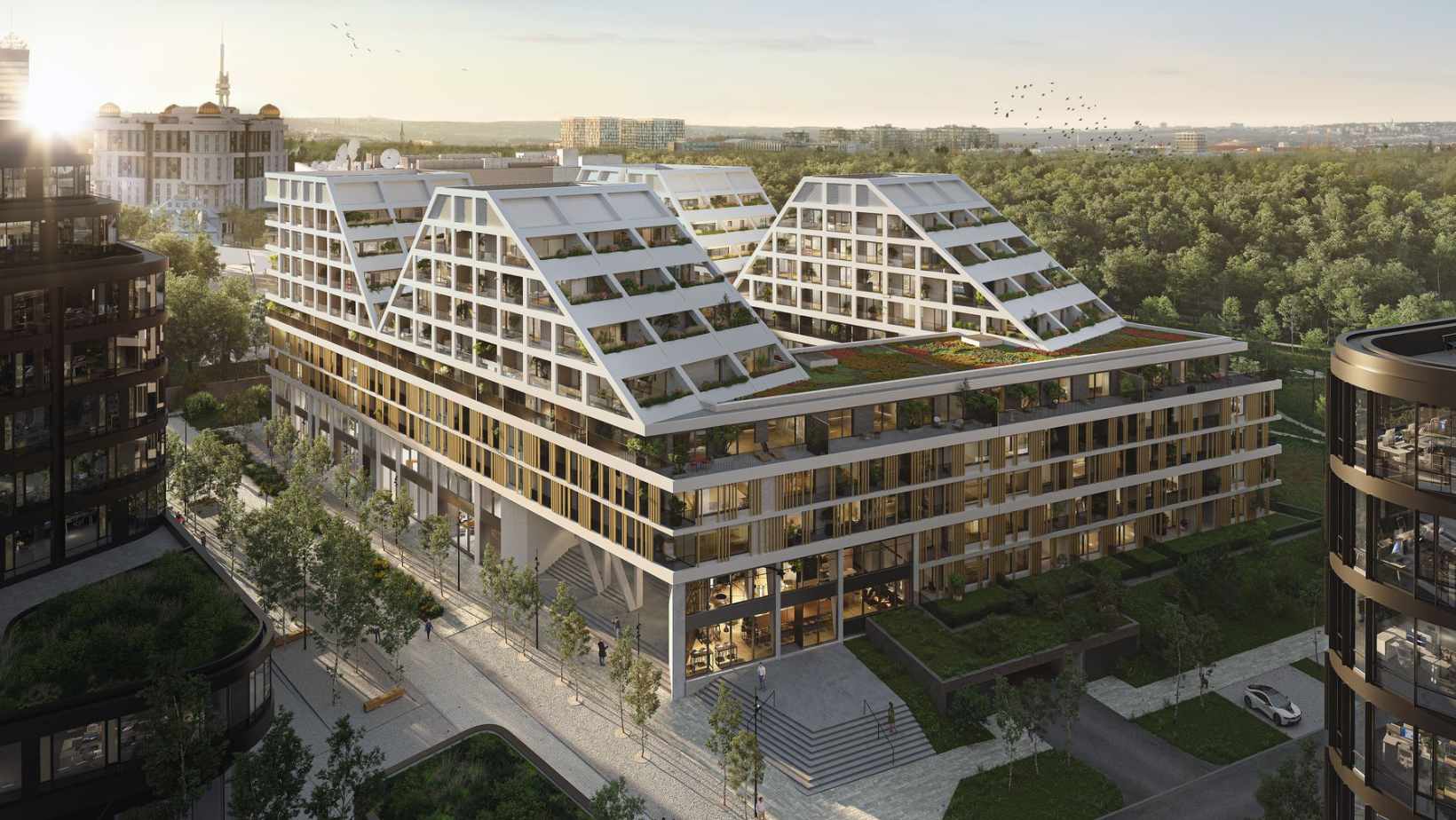
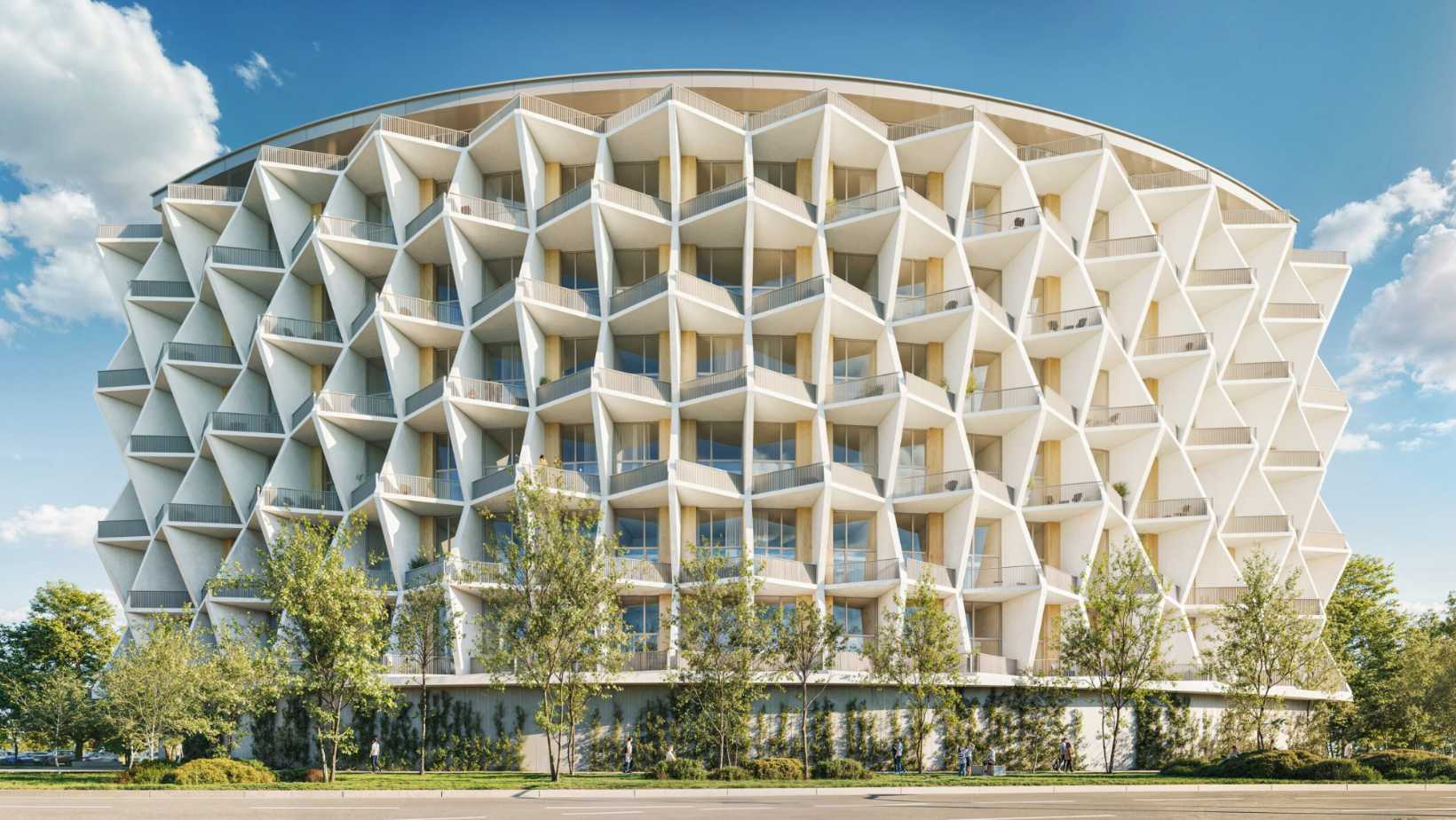
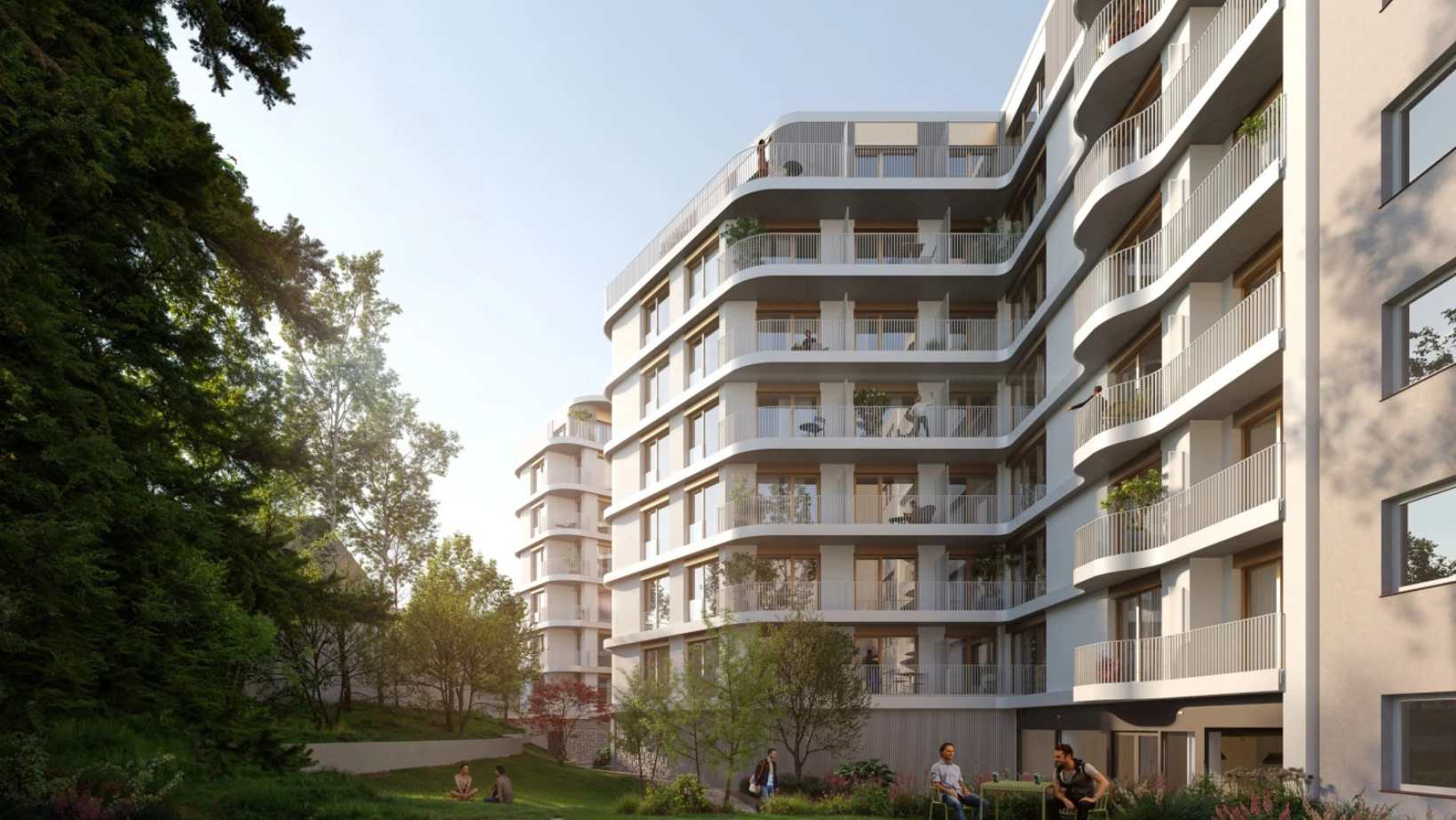
In Prague, the trend toward smaller apartments continues to dominate the real estate market, and the City Lofts Chodov project is responding to this demand with style. The development, known as City Lofts Chodov, is scheduled for completion with units available for occupancy in the last quarter of 2027. The seven-story building on Litochlebské náměstí, is designed with a segmented, crystalline facade that separates individual balconies and provides privacy for residents. While the exterior differs from typical Prague apartment buildings and may attract mixed opinions from architectural observers, it shares geometric qualities reminiscent of Prague’s historic cubist structures, though on a larger scale. Interior Layout and Design Apartments are planned with an industrial-inspired interior, allowing future residents to customize the space. The project includes penthouse units measuring up to 120 m², each featuring a terrace extending along the full length of the apartment. All units face south and include large floor-to-ceiling windows to maximize natural light. Residents will be able to access doors via QR code, summon elevators automatically, and enter the garage using license plate recognition. Location City Lofts Chodov is located within a five-minute walk of the Opatov metro station, with nearby bus stops providing additional public transport...
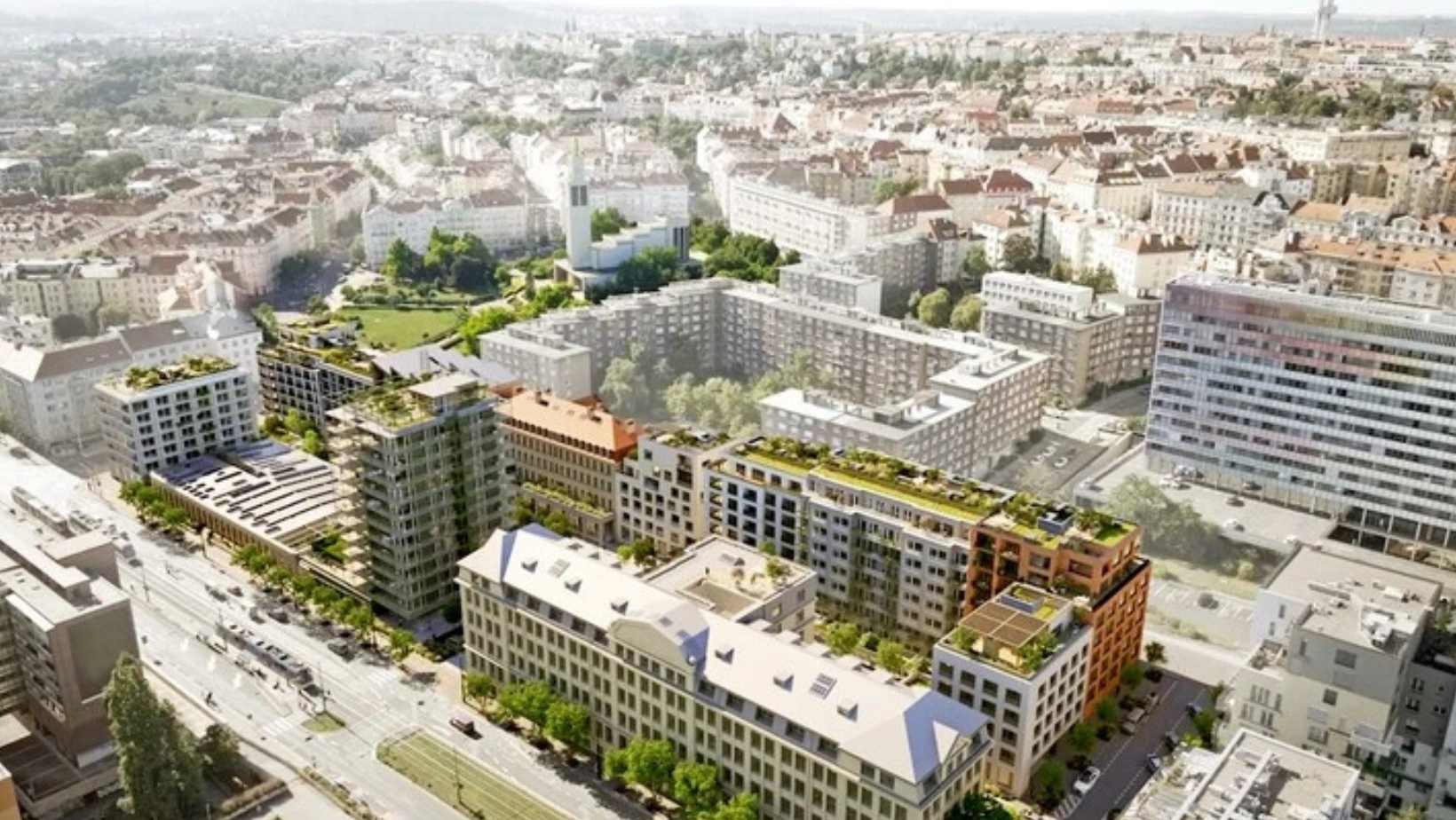
A new housing project called Near Living will introduce 212 modern apartments to Prague’s Palmovka neighborhood. Developed by the investment group Fidurock, the project breaks ground this September and is slated for full completion by the end of 2027. Conceived by Ian Bryan Architects, Near Living offers a clean, contemporary profile thoughtfully segmented into smaller volumes. The new development will feature a range of apartment configurations—from compact one-room units with kitchenette (1+kk) to three-room layouts (3+kk). Beneath the residences, underground parking will accommodate vehicles, while aboveground spaces will include a communal garden accessible to all residents. Construction’s main structure, or “rough completion,” is expected in the final quarter of next year. Final approvals will follow roughly a year later, paving the way for move-in readiness by late 2027. Palmovka isn’t the only area experiencing growth. Prague also sees development momentum on Rohanský Island and in the city center. “NEAR Living represents a key moment for our entire group, but we did not want to inform the public before we had all the necessary permits and could officially start construction,” says David Hauerland, Managing Director of Fidurock. “This is our first major development project with a building permit. Details on layouts,...
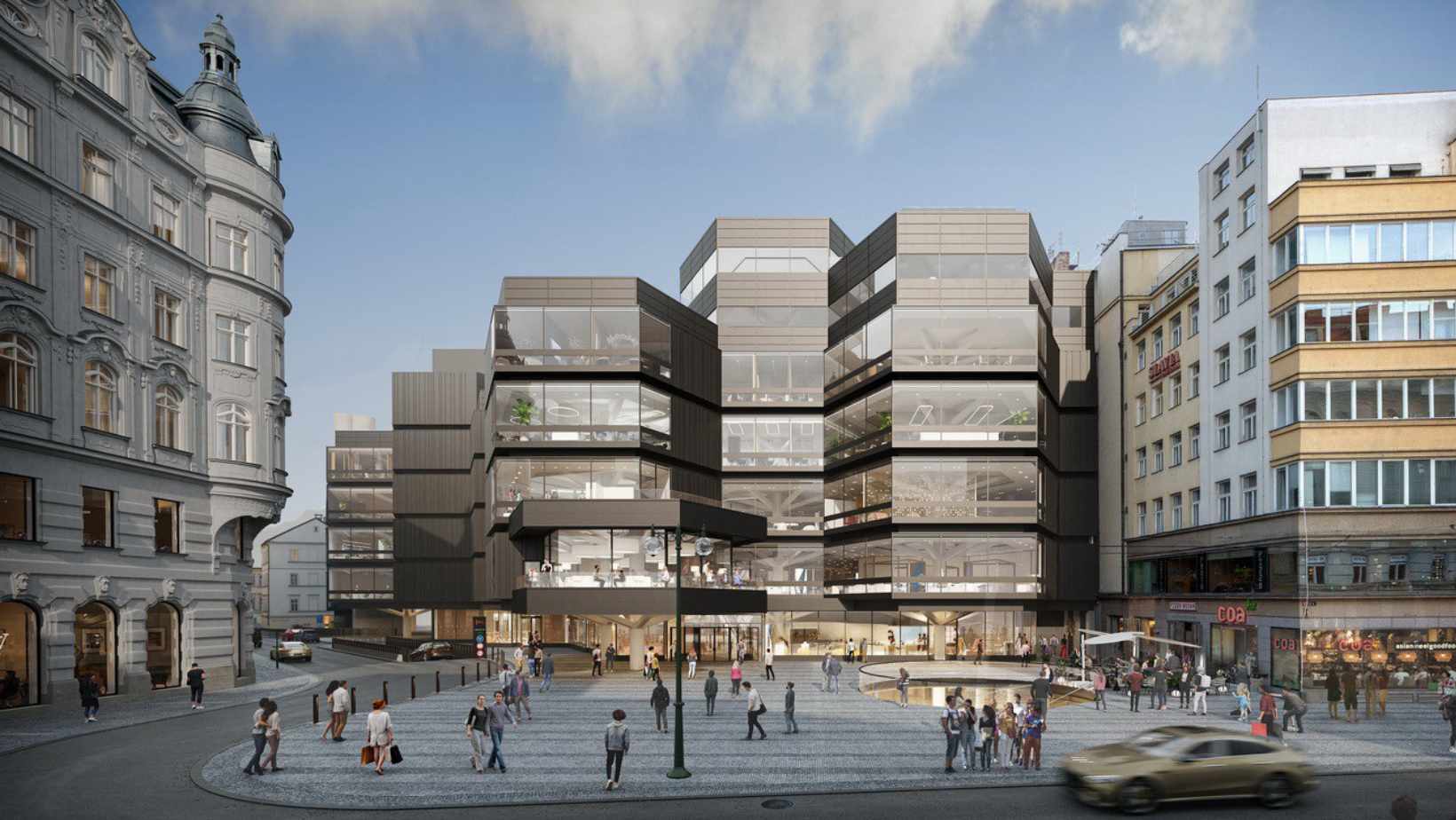
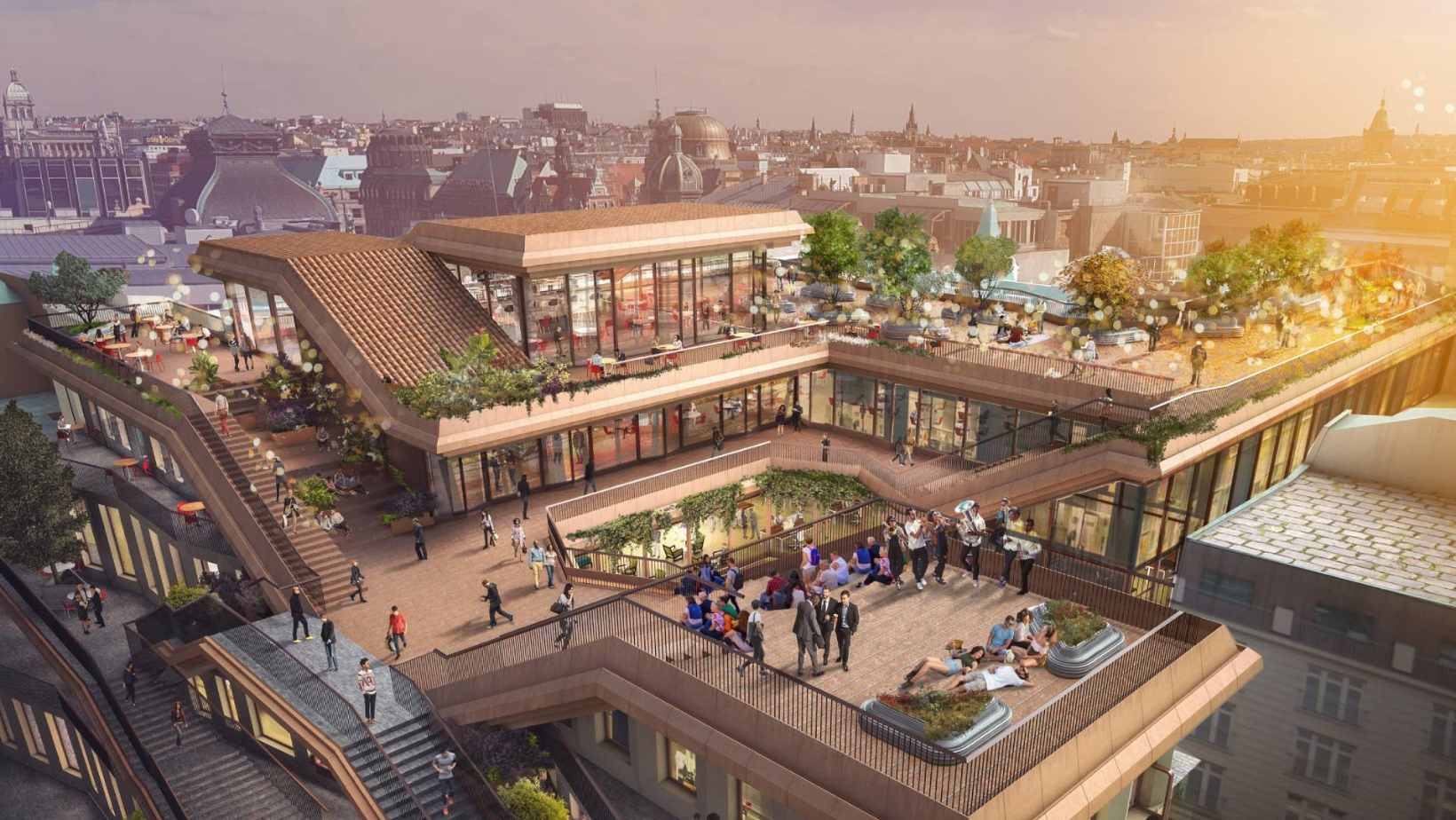
The transformation of a hidden courtyard behind Wenceslas Square has taken a decisive step forward. Developer Crestyl has secured a final zoning permit for the Savarin Project, paving the way for construction to begin in 2026 and for the site to open to the public by 2029. The redevelopment will connect Wenceslas Square with Na Příkopě, Jindřišská, and Panská streets, creating an open, accessible route through the city block. At its center will be a restored Baroque riding school, surrounded by a landscaped square with cafés, restaurants, and public seating. The design, by London-based Heatherwick Studio, marks the architecture firm’s first completed project in continental Europe. “This project is a matter of the heart for us,” said Crestyl CEO Simon Johnson. Public spaces will feature arcades, roof gardens, and leisure zones. Plans also include a multipurpose cultural hall, an art gallery—potentially housing the Slav Epic—and a barrier-free entrance to the Můstek metro station. One of the gastronomic highlights will be Time Out Market with around fifteen dining outlets, alongside retail spaces and a courtyard restaurant. The Savarin project’s first stage was completed last year with the full renovation of the Baroque Savarin Palace, which began in late 2021. The work...
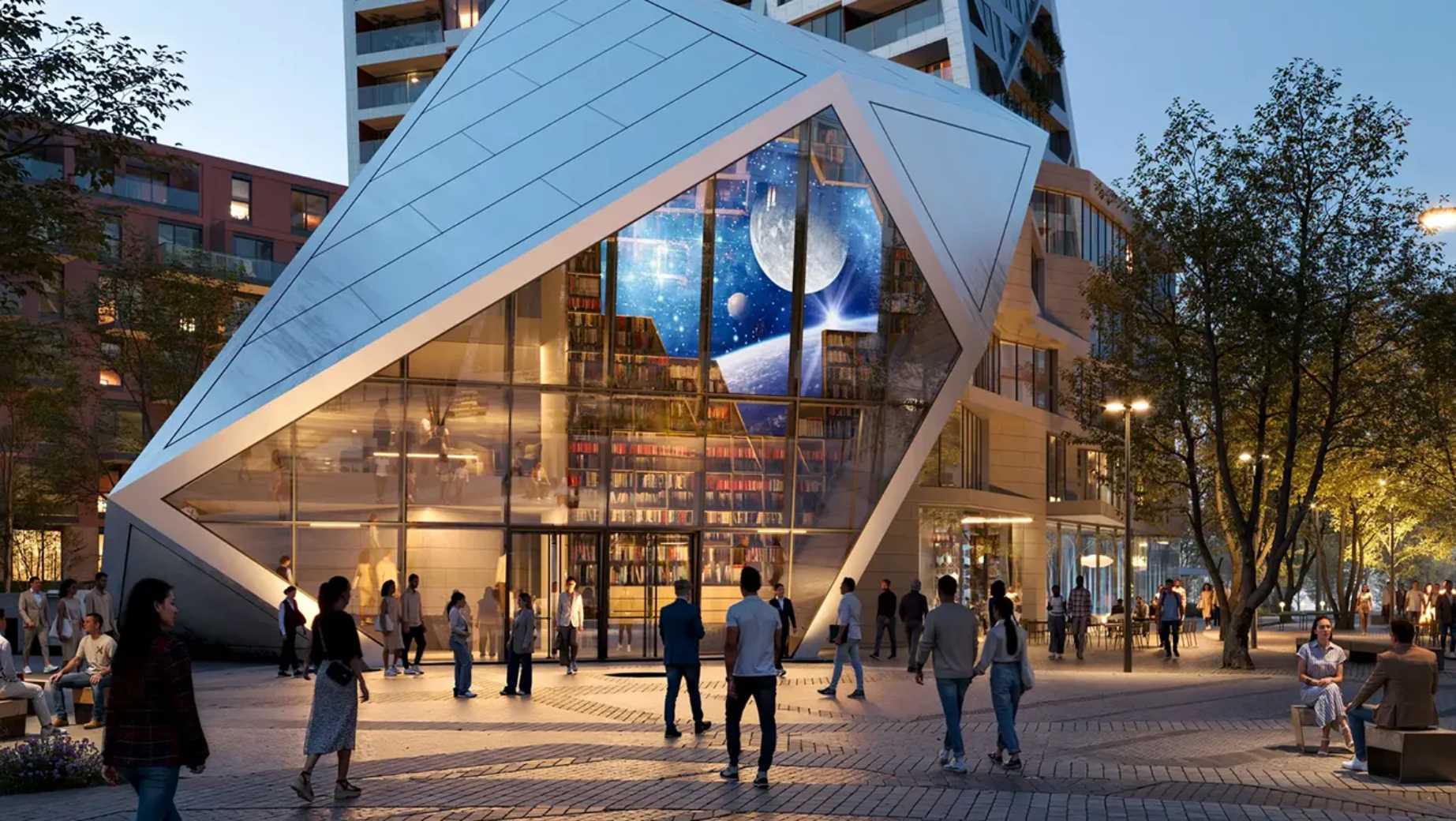
Plans are moving forward for one of Prague’s most talked-about architectural proposals: Revoluční 30, a modern apartment complex that would appear to “hover” above a centuries-old baroque building. In an international architectural competition involving more than 80 studios from all over the world, an independent jury selected the design by the Czech-French duo Peer collective and Studio Muoto from the top six finalists. If completed, the project would add a minimalist residential block with an open arcade at ground level, located directly above the preserved baroque structure. The design also introduces a publicly accessible walkway connecting Revoluční Street to the nearby Novomlýnská Water Tower — a space the developers hope will revive an overlooked corner of the city. The proposal is still in its early stages, with discussions underway between the developer, city officials, conservation experts, and local residents. The developer has also suggested transforming the baroque building — currently used by the Prague Services company — into a cultural or educational centre. This would depend on agreement with the city, which owns the property. Location and history The completion or renovation of the Revoluční and Lannova corner area was already considered after World War II. At the site of Revoluční 30, there used to...
Czechia faces a housing shortage of roughly half a million apartments, with industry experts warning that housing construction needs to almost double to meet demand. Kamil Jeřábek, CEO of Wienerberger s.r.o., says the country should be building at least 60,000 new units annually for the next 15 years to match Western European housing availability. Current figures show that only about half that number are completed each year. Between 2006 and 2024, Czechia completed an average of 32,600 apartments annually. This falls well short of demand, contributing to rising prices and declining accessibility for buyers and renters. By comparison, Western European countries average 525 housing units per 1,000 people, while Czechia has just 484 – a shortfall of around 40 units per 1,000 residents. Jeřábek notes that interest rates remain a key barrier to homeownership. Buyers often consider 3.5% the “trigger point” to enter the market, but although the Czech National Bank has lowered its base rate to that level, banks are still offering mortgages closer to 4.5%. “We do not expect a significant drop this year, but rates could approach 4% early next year,” he said. Internal figures from Wienerberger’s Porotherm and Tondach brands suggest demand for building materials remains...
Coworking spaces in Prague have seen sharp expansion, with total shared office space now exceeding 144,000 square meters – a 9% increase year-on-year, according to a new analysis by Knight Frank. What was once a marginal offering on the office market now makes up nearly 4% of the city’s modern office space, and the trend is far from slowing. “Coworking offers a hybrid solution that fits post-pandemic work habits,” says Lenka Šindelářová, Head of Research & Consultancy at Knight Frank. “It brings together flexibility, community, and professional facilities. Companies benefit from the ease of leasing, scalable space options, and added services — especially in locations with strong transport links and high-quality amenities.” New Players and Projects Over the past 12 months, five major coworking centers have opened in Prague. WorkLounge launched two new locations: Žižkov (3,000 m²) and Dejvice (1,540 m²). Scott & Weber added Idea Hub (4,100 m²) and NR7 (4,630 m²), while Regus unveiled Signature OFFY (1,000 m²) in Prague 4. Looking ahead, more openings are already planned. Among the largest are Regus Lighthouse (1,500 m²) in Prague 7 and Dva Domy (1,000 m²) in Prague 8. Scott & Weber also plans to open PK8 (3,991 m²) in...
Hi! My name is Alexandra Kurbanova. I’m a licensed real estate agent based in Prague. For the past seven years, I’ve been helping foreign clients sell and buy property throughout the Czech Republic! Selling real estate in a foreign country can feel overwhelming, especially if you don’t live here full-time or don’t speak Czech. Many people come to me with the same thought: “I assumed it would be simple. List the apartment, find a buyer, done. But it turned into a major headache.” Let me walk you through the five most common mistakes I see again and again, and what you can do differently. This isn’t theory — it’s based on real-life experience from dozens of deals. Mistake 1: Pricing based on listings or guesswork Many sellers look at what similar properties are listed for online or try to calculate how much the price has increased since they bought the apartment. Here’s what actually happens: Online platforms often show properties that haven’t sold Some listings sit there for months without a single inquiry Owners focus on advertised prices rather than actual sale prices Another mistake is overpricing because of renovations. Of course, it’s natural to want to get that money back. You’ve invested time and...
As Prague faces mounting pressure to expand affordable housing, city officials are focusing on three metro-connected development zones—Letňany, Nové Dvory, and Palmovka—with plans to build approximately 12,000 city-owned apartments. The most ambitious site is in Letňany (Prague 18), where the city is negotiating the acquisition of state-owned land. This project, described by Hlaváček as a prime example of “positive cooperation between the state and municipality,” could support 7,000 to 8,000 new apartments. Located on metro line C, the area is also being zoned for a hospital and technology hub, and there are talks of extending tram lines from Vysočany to Kbely to improve connectivity. The second project, in Nové Dvory (Prague 4), sits adjacent to a metro station and involves land owned by a municipal transport company. Here, the city envisions a mixed-use development: residential buildings, a school, sports facilities, and possibly a cultural venue—tentatively dubbed “Minor 2”, modeled after the successful children’s theatre. Around 2,000 apartments are expected in this location. The third development site is Palmovka (Prague 8), where the city owns approximately two-thirds of the land. The area, long seen as problematic, is now slated for a full transformation. The plan includes a school, a kindergarten, and...
After seventeen years of planning, Prague has approved the largest zoning plan change in its history, unlocking the long-awaited transformation of the former Žižkov Freight Station into a major residential district. At Thursday’s meeting, city councillors voted to rezone the 23-hectare brownfield, paving the way for construction of up to 20,000 new homes. The area, dormant since it ceased operation nearly three decades ago, is finally set for redevelopment. This change follows lengthy negotiations between the city and multiple investors. A key condition was the signing of contribution agreements, where developers commit to financing public infrastructure and amenities based on the size of their projects. So far, deals have been struck with all major players, securing roughly CZK 1.4 billion for the city. Among the most prominent investors is Sekyra Group, owned by billionaire Luděk Sekyra, which plans to build 3,000 apartments across three phases under the Žižkov City project, just south of the old station building. According to CEO Leoš Anderle, the project’s investment volume will be around CZK 25 billion, matching the scale of the developer’s other major ventures in Smíchov and Rohanský ostrov. “We want to build traditional city blocks like we did in Smíchov. We’ve launched...
Airbnb listings in Prague are bouncing back as travel restrictions ease, approaching levels not seen since before the pandemic. But the resurgence has brought a new shift: the rise of professional property managers, raising fresh concerns about the impact of short-term lets on the city’s already strained housing market. According to new figures from Prague’s Institute for Planning and Development (IPR), the number of active Airbnb listings has increased more than fivefold since hitting a low in 2021. While the platform hasn’t yet returned to pre-Covid levels, growth is steady. As of summer 2024, around 9,000 apartments were listed across the city. From Spare Rooms to Full-Time Business IPR data shows that around 3,000 Airbnb hosts operate in Prague. Yet two-thirds of them – so-called “single hosts” – control just 20% of the listings. The bulk of Airbnb properties are now in the hands of hosts with multiple listings. In fact, hosts managing five or more units now account for more than half of all short-term rentals in the city. “Airbnb has become increasingly commercial, and in Prague the trend is especially stark,” says Jan Sýkora, a housing analyst at IPR. “Back in 2019, the average host managed two properties....
A major new residential district is set to rise in Letňany, Prague, with the potential to deliver up to 50,000 apartments. The project, announced on Tuesday by Deputy Mayor Alexandra Udženija (ODS), is positioned as a key part of the city’s strategy to address its growing housing crisis. City officials insist that the city—not private developers—must take charge of the development. Prague faces a severe housing shortage, and according to Udženija, at least 9,000 new apartments should be constructed annually to meet demand. Yet progress remains slow, hampered by bureaucratic delays and a city administration still dependent on national government approval for housing initiatives. “We are trying to act as quickly as possible,” said Adam Zábranský (Pirates), the city’s housing councilor. He indicated that ongoing talks with the state could result in a conditional land transfer, with the expectation that a portion of the housing stock would be reserved for affordable and social rentals. Most of the land in Letňany targeted for this development is state-owned, but key private stakeholders, including major landholders like PPF and Kaprain, also control substantial plots. A deal between the city and the state is therefore critical to move the project forward. Deputy Mayor for...
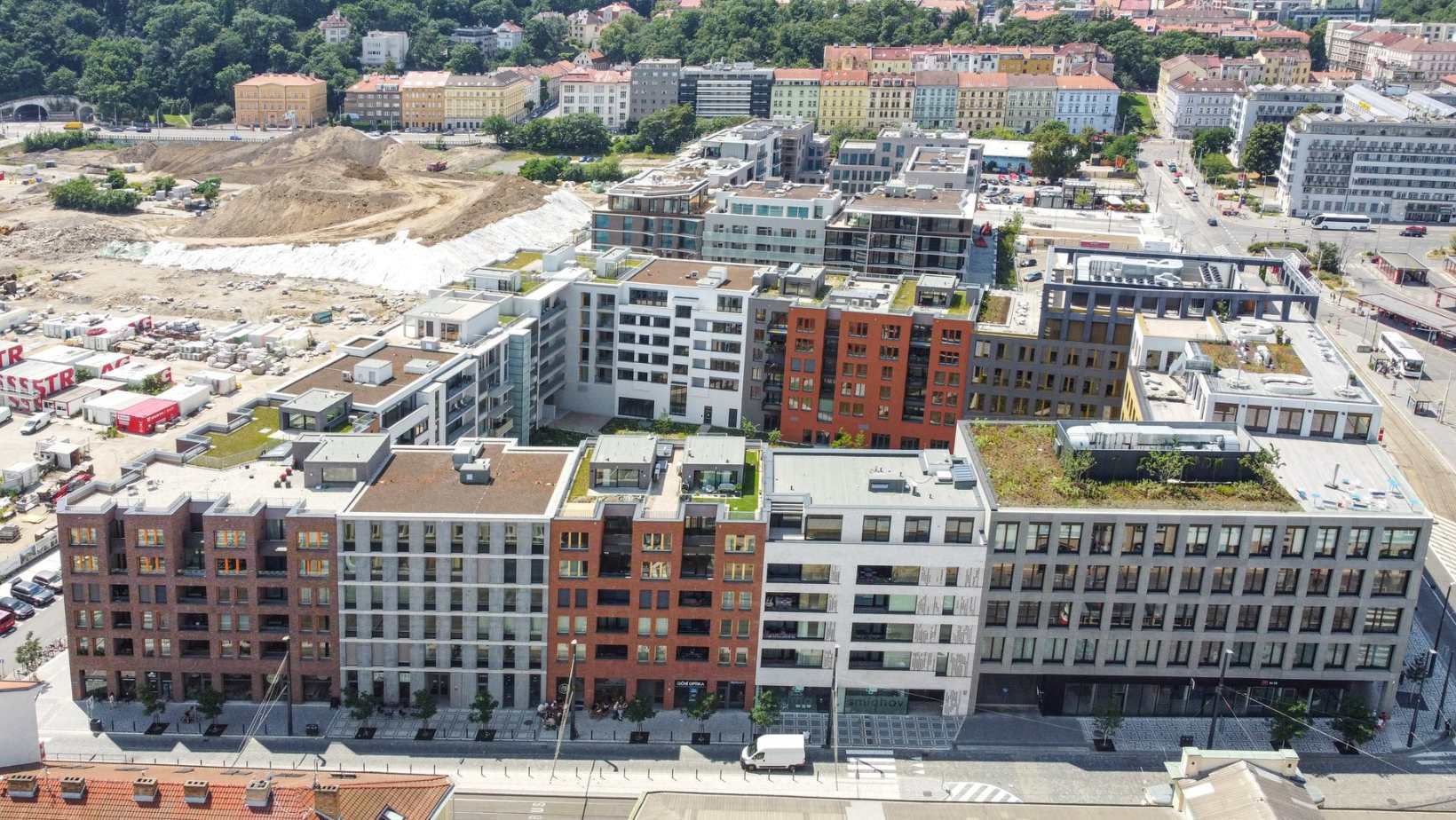
The META Modřany Housing project is in the construction phase of the first stage, which is a sensitive renovation of the original Chirana factory building and brings a completely new concept of compact urban housing. Under the name META Lofts Housing, 133 functional smart lofts in 1+kk and 2+kk layouts with high ceilings of up to 4.3 m will be created, supplemented by 50 standard 2+kk and 3+kk units on the last two floors of the building. The smallest lofts have a usable area of 26.6 m², which can be expanded to 39 m² thanks to the intermediate floor. The originality of the larger 2+kk lofts is underlined by the “L”-shaped floor plan. The project is being developed by COOPERA Development, a joint venture of experienced developers KKCG Real Estate Group and Alma Development. The general contractor for the construction is NOVECON, which is part of the KKCG group. The renowned QARTA Architektura studio is behind the architectural design. The completion of the first stage is planned for the end of 2026. Currently, more than 60% of the units from the first stage have been sold. Would you like us to write about your business? Find out more
Don’t have an account? Register
[swpm_registration_form level=”6″]
Already have an account? Log In
How Would You Like to Promote Your Business? PR ArticleDisplay bannersVideo productionNewsletter adsJob ListingsInfluencer Marketing
Your Email
We will come back to you within 24 hours with our proporsal