Ibiza Is Coming to Prague: A Night of DJs, Lasers and Tropical Vibes
Partner article


Prague Morning
 Follow us on Google Discover
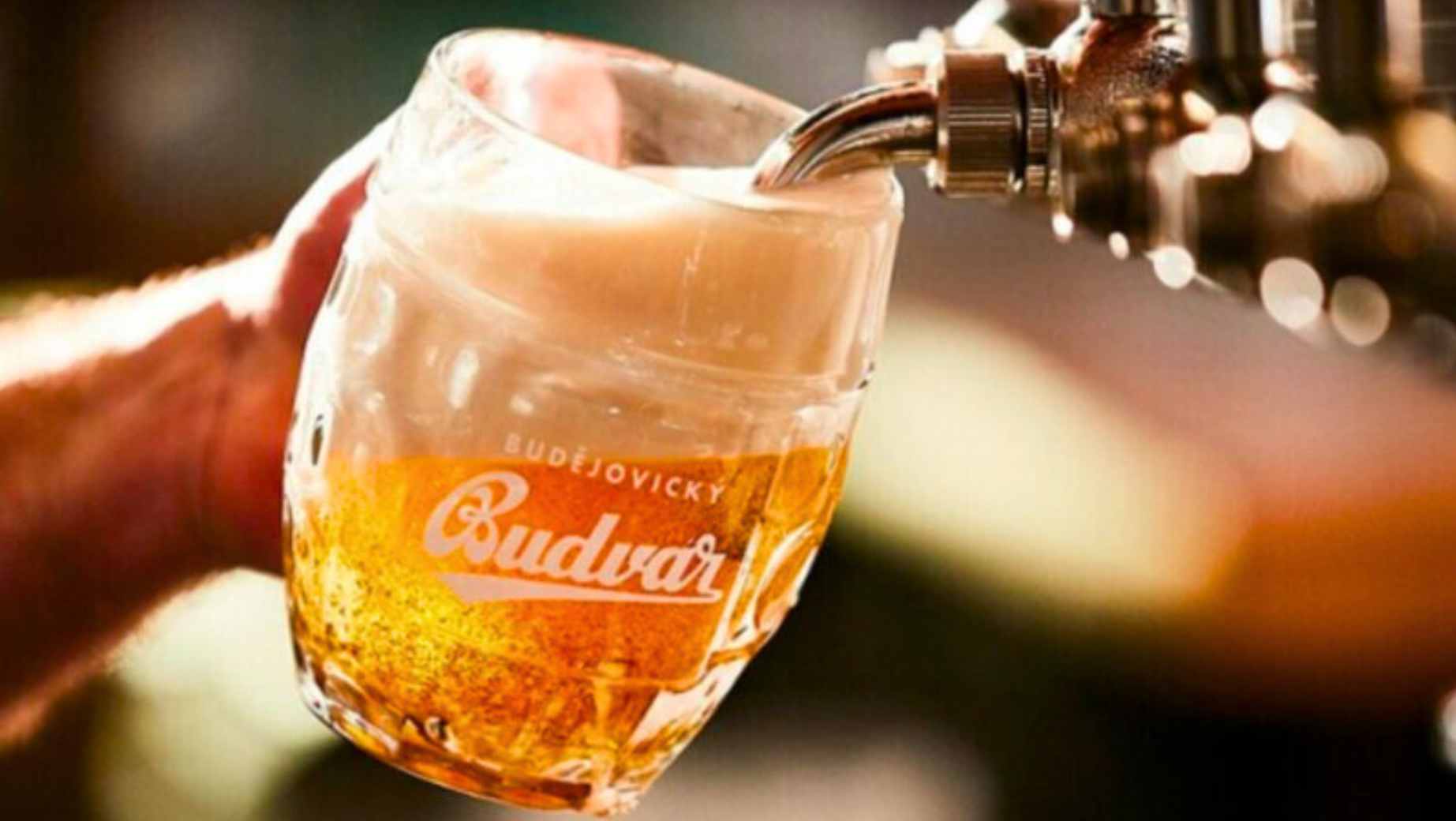

Walk into any Czech pub and ordering a “desítka” (ten) or a “dvanáctka” (twelve) is as natural as asking for a coffee. But that could change.
The European Union is advancing a proposal to standardize beer labeling across member states — a move that could make the Czech degree system, rooted in 19th-century chemistry, obsolete.
Under the draft regulation, the traditional measurement based on degrees Plato (°P) — which indicates the richness of the original wort before fermentation — would be phased out in favor of a simpler label showing alcohol content.
If the plan moves forward, implementation could begin around 2031.
The Plato scale has deep roots in Czech brewing. It was developed in the mid-1800s by Karel Napoleon Balling, a chemist who went on to serve as rector of the Prague Polytechnic.
For Czech producers, the system is not just a technical standard — it is a cultural inheritance.
“This has been our traditional method of taxation for roughly two hundred years,” said Tomáš Maier, an economist at the Czech University of Life Sciences in Prague. “I see no reason to change it. It is certainly not in the interest of the Czech brewing industry.”
The proposal raises practical concerns beyond tradition. Michal Voldřich, president of the Czech-Moravian Association of Microbreweries, points out that measuring alcohol content requires equipment that many small producers simply cannot justify purchasing.
Degree measurements, by contrast, can be taken directly in the brewery using a standard hydrometer — a method that is both inexpensive and precise.
For Voldřich, the degrees system carries meaning that alcohol percentage cannot capture. “It is an indication of how rich the beer was at the very beginning,” he explained. Czech lager, he argues, owes its remarkable diversity to the interplay between extract content and final alcohol level — a combination that has produced one of the widest ranges of beer styles in the world.
If Brussels proceeds, Czech drinkers may one day need to relearn how to order their round.
Would you like your story featured here? Get in touch with our team at [email protected]





Already have an account? Log In