Sinatra Tribute Pairs Frank Sinatra Classics With 1930s Dining at Prague's Mánes
Partner article


Prague Morning
 Follow us on Google Discover
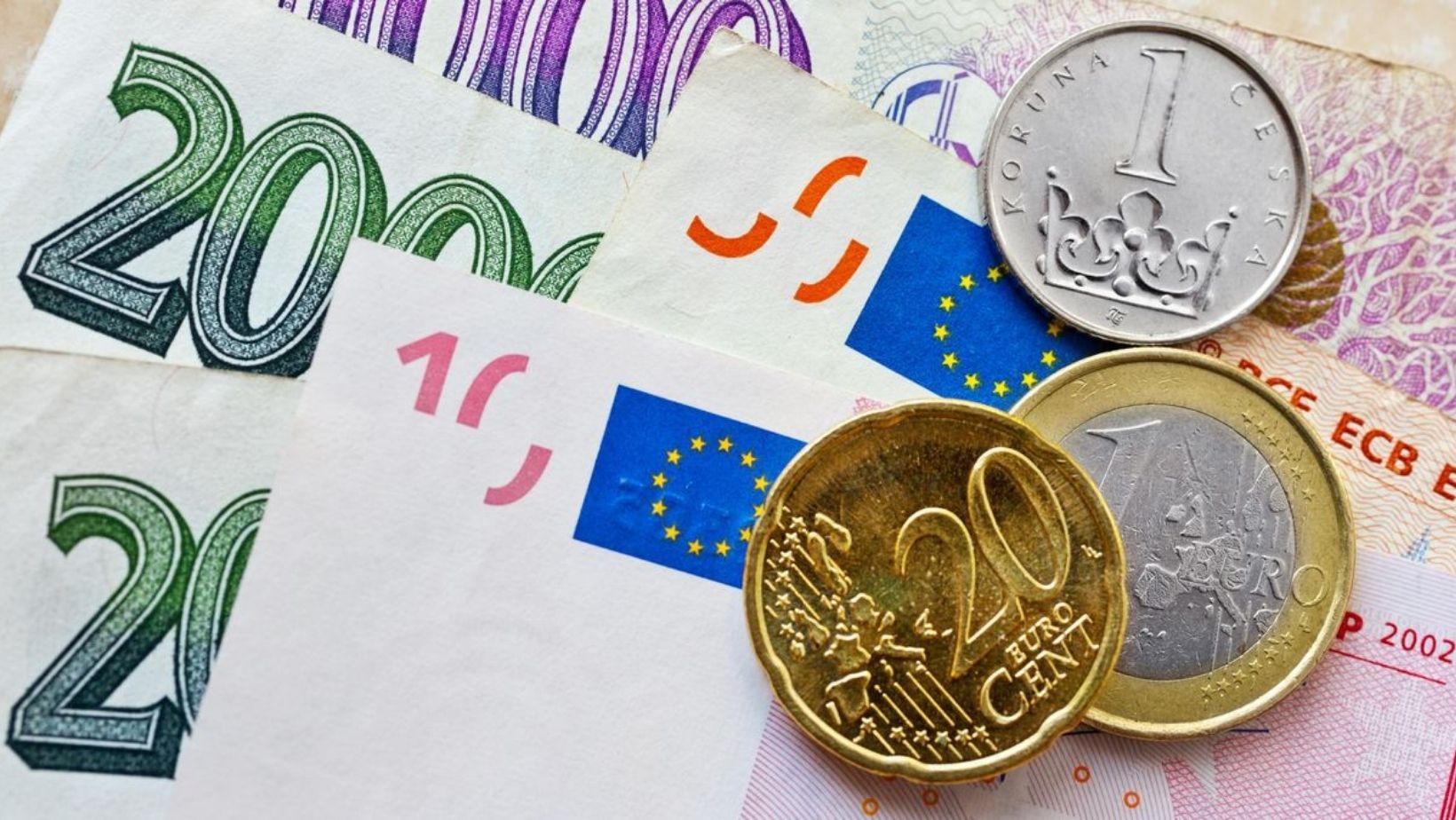

The Czech government has stepped away from earlier expectations that the country could adopt the euro by 2030.
After a cabinet meeting on May 11, Prime Minister Andrej Babiš said the government would no longer commission annual reports evaluating whether the country meets the conditions to join the eurozone.
“There is no reason to revisit the issue every year. This government does not intend to adopt the euro,” Babiš said, adding that the decision should be left to a future administration in the early 2030s.
The reports had been prepared jointly by the Czech Ministry of Finance and the Czech National Bank. They tracked the country’s progress toward meeting the economic conditions required for euro adoption and assessed how closely the Czech economy aligns with the eurozone.
Those evaluations consistently pointed to strong economic ties with eurozone countries, particularly in trade and manufacturing. At the same time, they highlighted ongoing gaps in wages and prices, as well as structural differences that could affect how the Czech economy responds to external shocks.
The country’s reliance on industry, for instance, makes it more sensitive to fluctuations in global demand than many eurozone economies.
The decision to abandon the reports drew criticism from opposition figures, including members of the Mayors and Independents party. Martin Dvořák, a former minister for European affairs, said the move distances the country from the advantages enjoyed by eurozone members.
He argued that by delaying adoption, the Czech Republic risks missing out on benefits tied to the single currency, which is now used by 21 European Union countries.
The Czech Republic committed to eventually joining the euro when it entered the European Union in 2004. However, no timeline was ever formally set, and successive governments have treated the issue with caution.
To adopt the euro, countries must meet a set of economic benchmarks known as the Maastricht criteria. These include limits on inflation, long-term interest rates, public debt, and budget deficits, along with a requirement to maintain exchange rate stability within the ERM II mechanism for at least two years.
Babiš also took aim at the central bank’s current monetary policy, noting that domestic interest rates remain above those in the eurozone. The Czech National Bank recently kept its base rate at 3.5 percent, compared with roughly 2 percent across the euro area.
Would you like your story featured here? Get in touch with our team at [email protected]





Already have an account? Log In