Sinatra Tribute Pairs Frank Sinatra Classics With 1930s Dining at Prague's Mánes
Partner article


Prague Morning
 Follow us on Google Discover
The Czech Chamber of Deputies has approved the return of electronic sales records (EET), a system that will once again require businesses to register certain payments.
However, the new version will differ from the original system introduced in 2016.
One of the main changes is that businesses will no longer be required to automatically print receipts for customers. Smaller self-employed entrepreneurs will also be able to use a free state-provided application to record sales through a smartphone.
Finance Minister Alena Schillerová said the restored system could bring additional revenue of at least CZK 14.4 billion per year. The government argues that EET will create equal conditions for businesses and prevent companies that follow the rules from being disadvantaged.
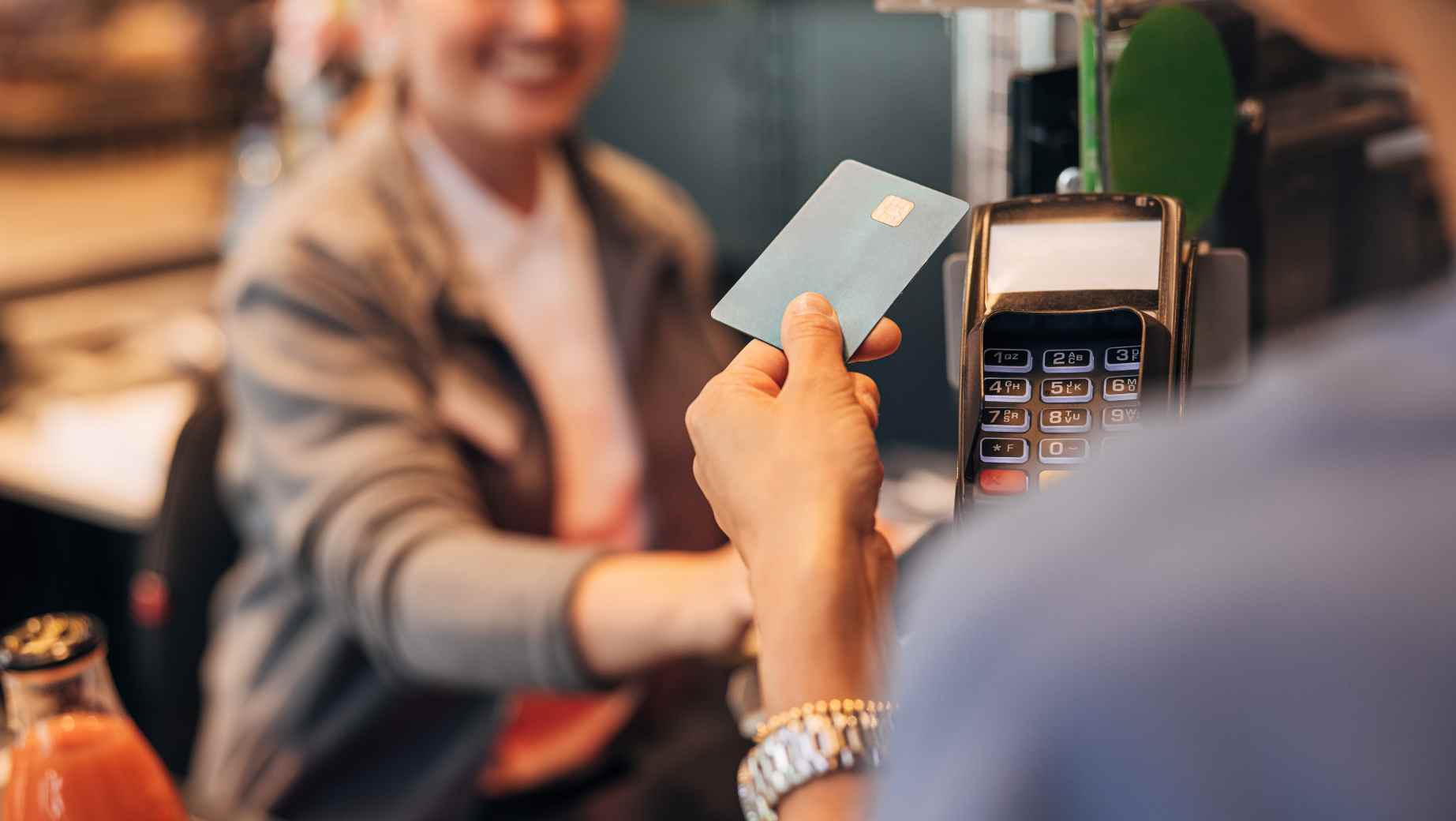
Unlike the previous version, the renewed EET system will focus only on certain types of payments. It will apply to direct transactions such as cash payments, card payments made at a physical location, and QR code payments.
Online payments made through e-shops will not be included in the system.
The legislation also introduces several exemptions from mandatory sales registration.
Among those excluded will be self-employed people with annual turnover of up to CZK 1 million who use the flat-rate tax system and register for the so-called EET OFF regime. Small associations and organizers of smaller events with annual revenues of up to CZK 300,000 will also be exempt.
The reintroduction of electronic sales records will also be accompanied by several tax adjustments.
The government plans to restore some tax benefits that were removed by the previous administration, including the student tax discount, kindergarten fees and parts of employee benefits.
The proposal also introduces a tax exemption for voluntary restaurant tips. Tips for gastronomy employees would not be subject to taxes and social or health insurance payments up to seven percent of restaurant sales.
Another planned change is a reduction of VAT on non-alcoholic beverages served in restaurants to 12 percent.
Would you like your story featured here? Get in touch with our team at [email protected]




Already have an account? Log In