Sinatra Tribute Pairs Frank Sinatra Classics With 1930s Dining at Prague's Mánes
Partner article


Prague Morning
 Follow us on Google Discover
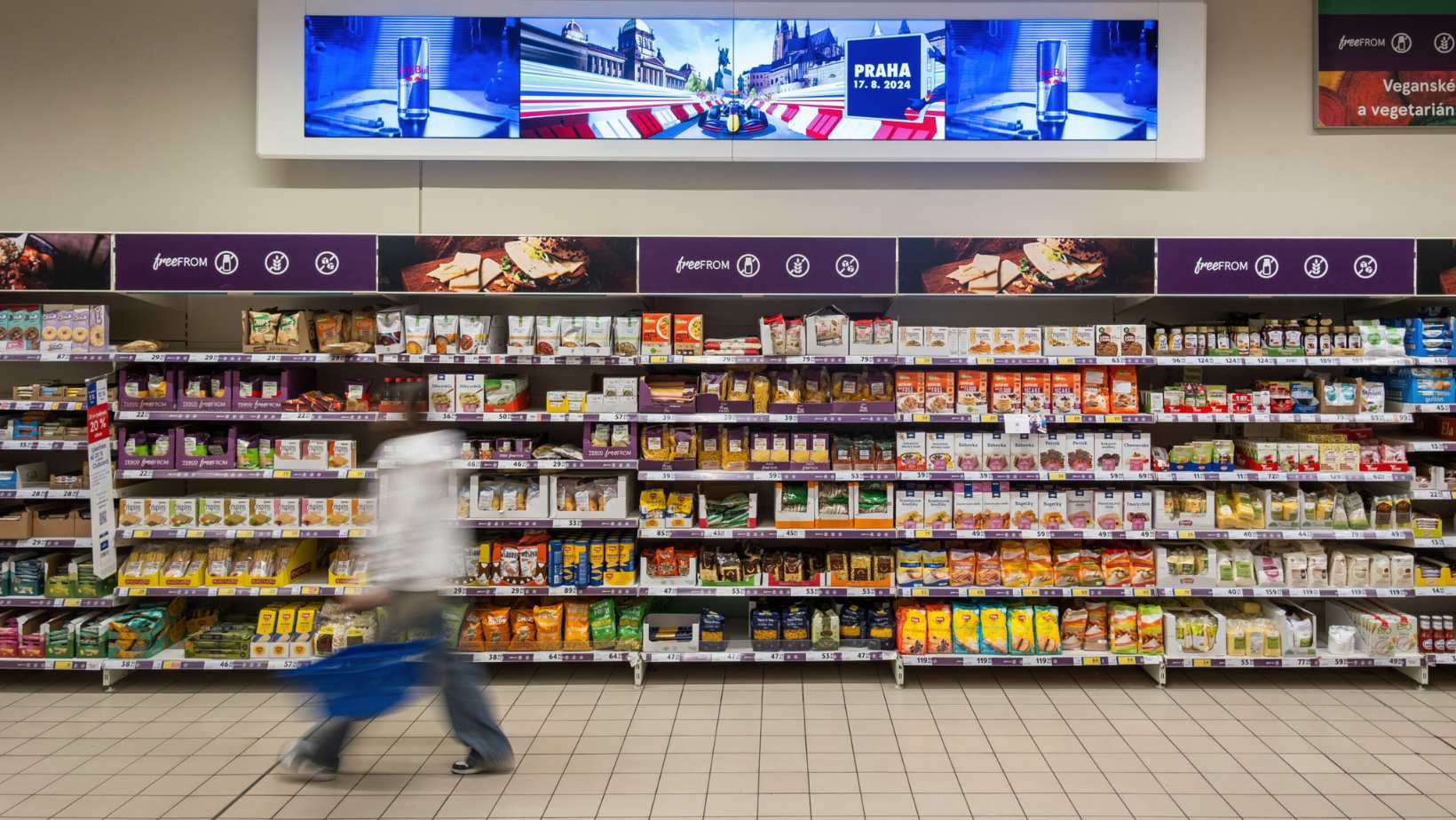

Despite headline inflation holding below two percent at the start of 2025, Czech households are feeling a very different reality.
A new survey by Ipsos found that nearly two-thirds of households — 65% — are spending more each month than they were a year ago, with food prices and a broad rise in the cost of goods leading the way.
The findings point to a growing divide along income lines. Among households earning up to 30,000 Czech crowns per month, nearly one in three respondents — 29% — reported a significant jump in expenses. In households earning above 70,000 crowns, that figure drops to just 8%.
“Most households are dealing with rising costs, but the pressure is hitting those with lower incomes hardest,” said Jaroslav Ondrůšek, chief analyst at Home Credit. Women and people between the ages of 45 and 53 are also among those reporting the steepest increases.
Respondents were clear about what is driving their costs up. Nearly two-thirds pointed to food as the primary factor. Around 42% cited a general rise in the price of goods, while 40% named higher energy, transportation, and service costs as the main pressure on their budgets.
Faced with mounting bills, Czech households are making trade-offs. Travel is the first thing to go — 35% of respondents said they had cut back on trips and leisure travel. About a quarter said they were spending less on groceries and clothing.
Healthcare, by contrast, remains largely untouched: only 5% said they were trying to save there.
When asked how much extra income would meaningfully ease their situation, most respondents landed between 3,000 and 5,000 crowns per month. A broader 58% said somewhere between 2,000 and 7,000 crowns would help.
Ondrůšek sees a pattern in those numbers. “The figures cluster around a few thousand crowns a month — both in terms of the increase in expenses and what would help offset them. For most people, this is not a sudden financial collapse. It is a slow, steady erosion of savings over time.”
Would you like your story featured here? Get in touch with our team at [email protected]





Already have an account? Log In