Sinatra Tribute Pairs Frank Sinatra Classics With 1930s Dining at Prague's Mánes
Partner article


Prague Morning
 Follow us on Google Discover
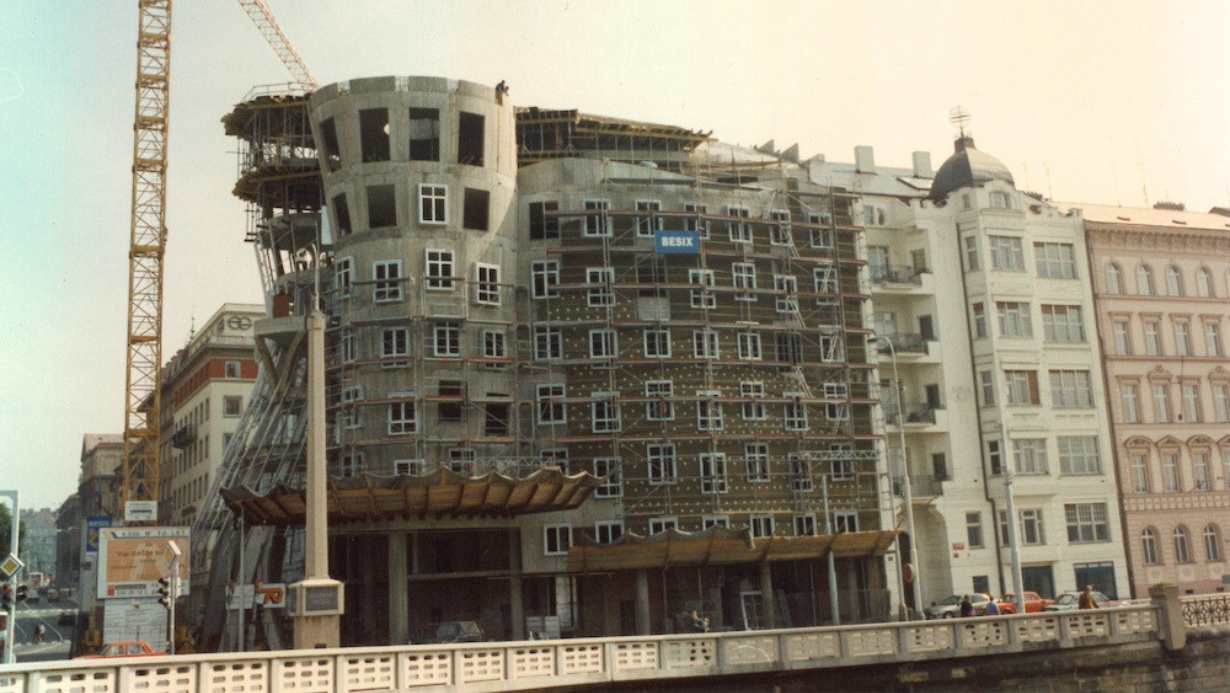

Prague’s Dancing House is marking three decades since its completion with a new exhibition that opens on April 22, 2026.
The building, completed in 1996 on the corner of Jiráskovo náměstí and Rašínovo nábřeží, has become one of the city’s most recognisable architectural works.
The exhibition, titled Dancing House: The Story of an Iconic Building, brings together archival materials, original interior elements from the 1990s, and documentation that traces how the site evolved long before the modern structure was built.
Historical images from as early as 1860 are included, showing how the location changed over time.
A central part of the project is access to areas of the building that are normally closed to the public. Visitors will be able to enter selected technical spaces and view the inner courtyard.
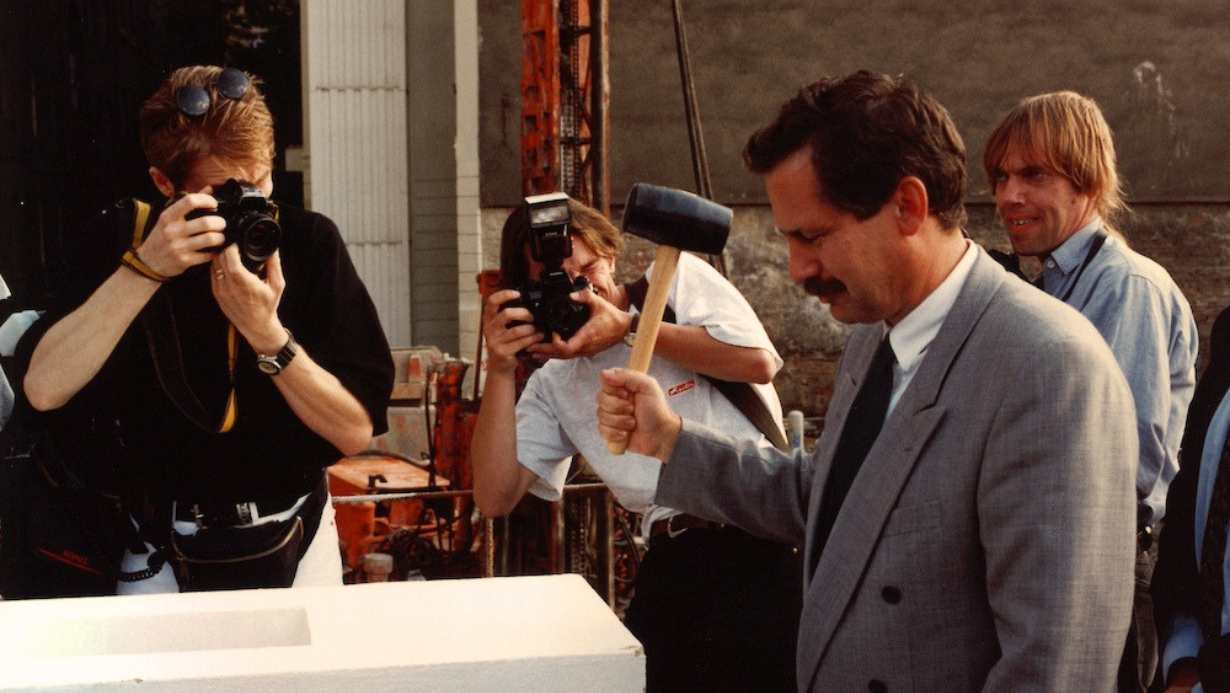
The exhibition also presents original objects from the building’s early interior design phase, including glass tables by architect Eva Jiřičná, doors, lighting elements and office furniture used after the building opened.
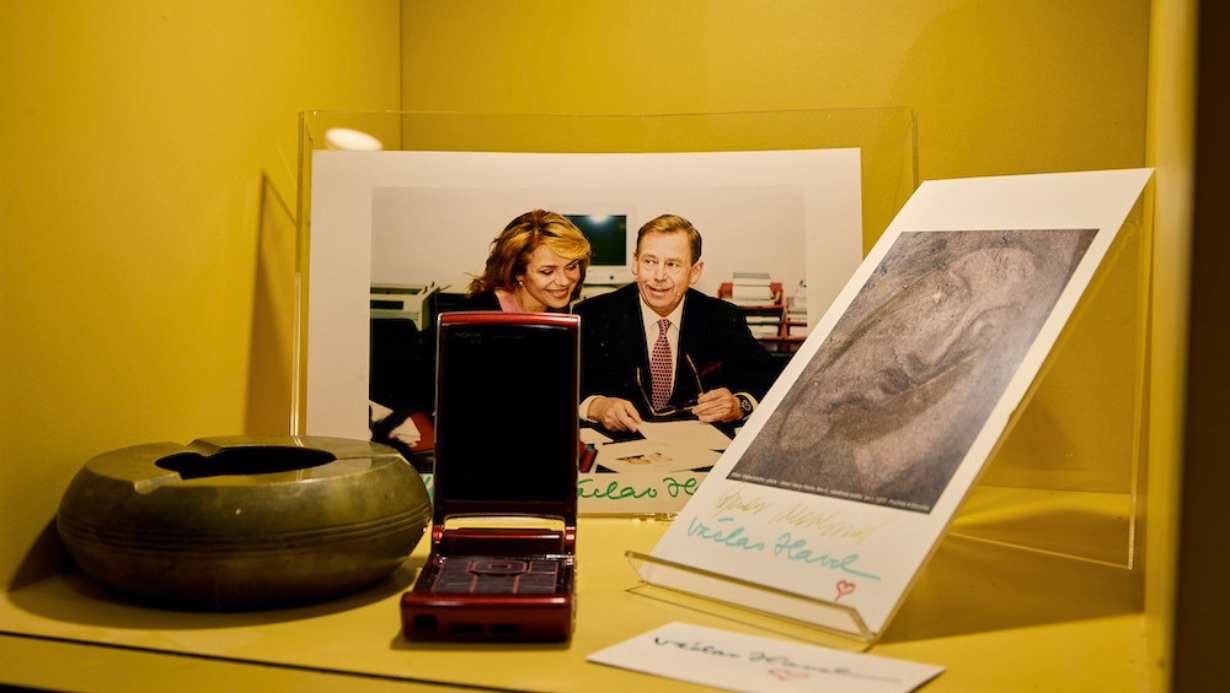
The exhibition is supported by PSN and takes place under the auspices of Vision 97 Dagmar and Václav Havel.
A separate section focuses on the architects behind the project, Frank Gehry and Vlado Milunić. In cooperation with the Frank O. Gehry Foundation, the exhibition presents personal items, awards and construction documents connected to the development of the building.
One of the key exhibits is a model of the Dancing House created by Gehry and Milunić, on loan from the National Gallery in Prague. For the anniversary, a new large-scale model has also been produced at a 1:18 scale, measuring more than two metres in height.
Digital installations form part of the exhibition as well. Large touch screens present a 3D visualisation of the building, while visitors can also explore interactive models, lenticular images and digital presentations on tablets. Guided tours are planned as part of the accompanying programme.
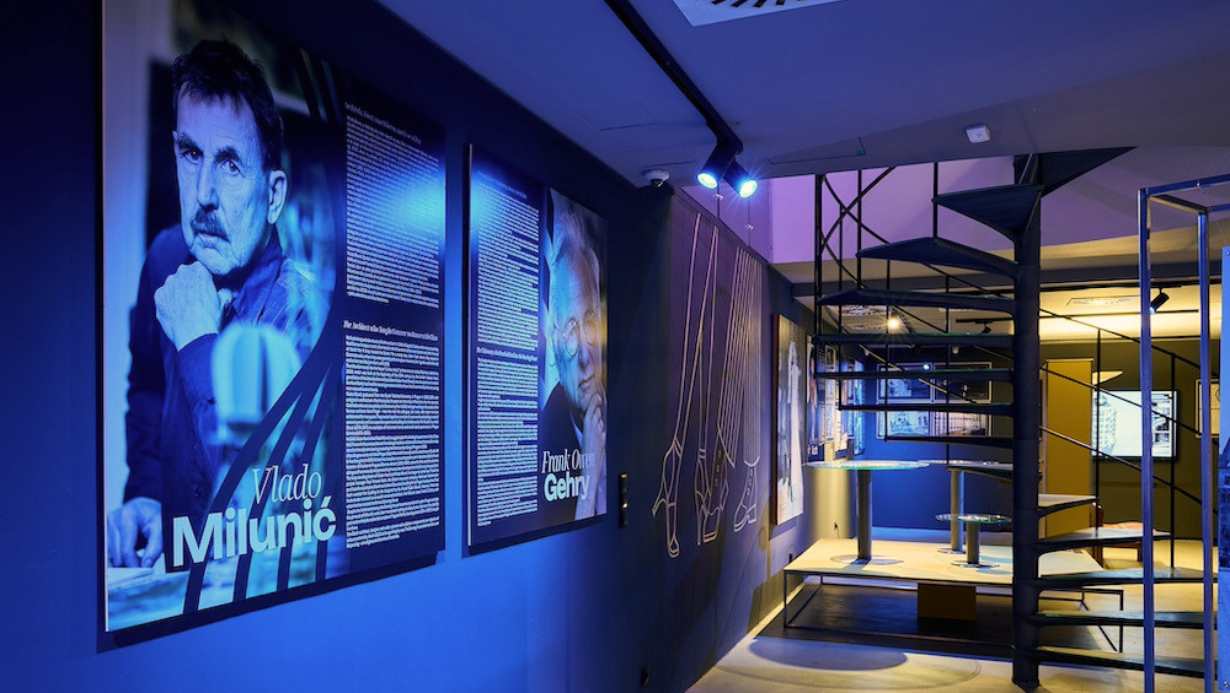
When the Dancing House was completed, it sparked debate in Prague. Some critics described it as an intervention in a historic riverfront area, while others viewed it as a sign of a new period after 1989.
Milunić originally described the concept of two contrasting towers as a reflection of societal change after the fall of communism. The design, often referred to as Ginger and Fred, was intended to symbolise movement and stability in a single composition.
Would you like your story featured here? Get in touch with our team at [email protected]





Already have an account? Log In