Sinatra Tribute Pairs Frank Sinatra Classics With 1930s Dining at Prague's Mánes
Partner article


Prague Morning
 Follow us on Google Discover
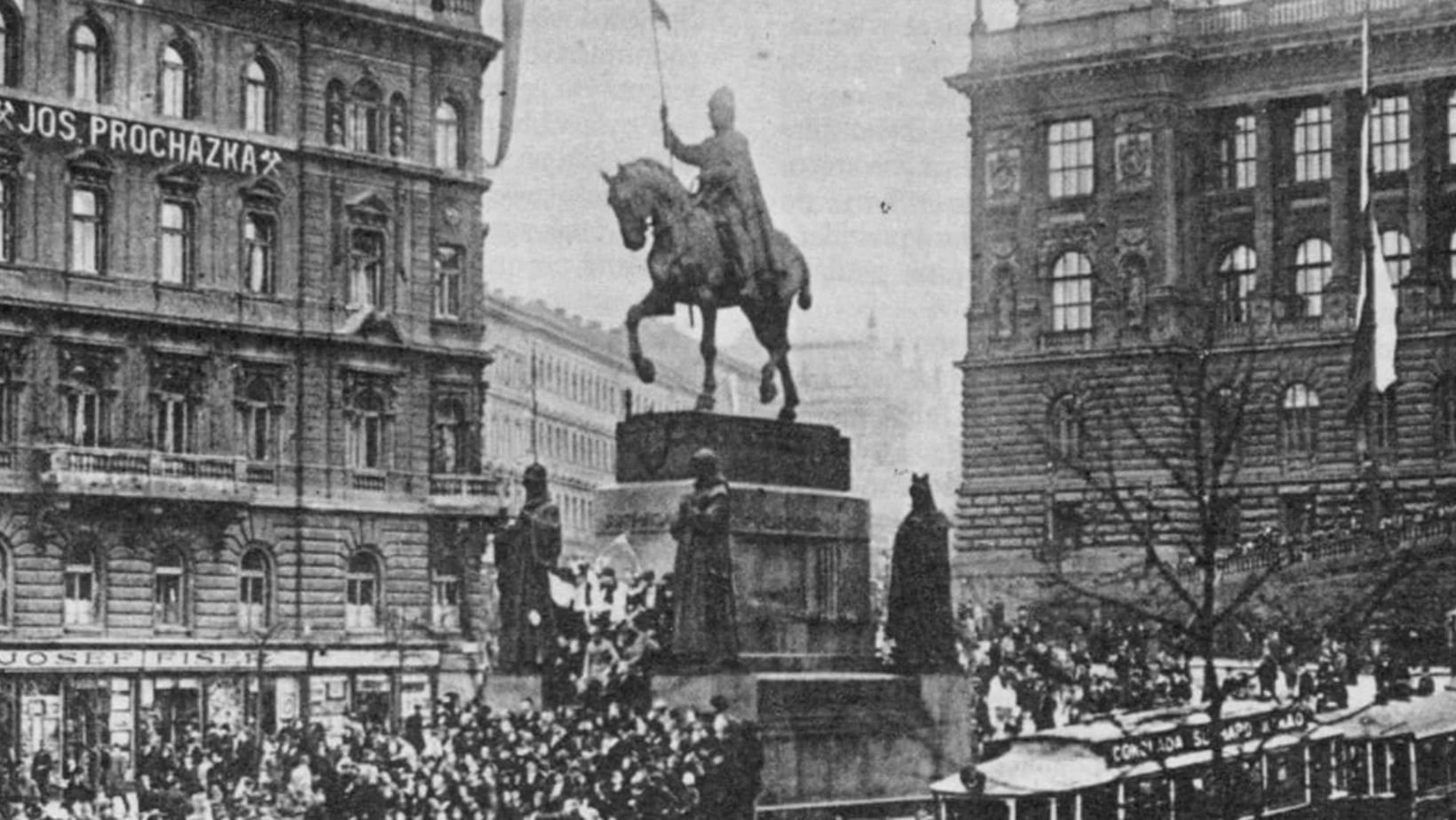
October 28th is Czechoslovak Independence Day, marking the establishment of Czechoslovakia in 1918.
Although Czechoslovakia peacefully split into the Czech Republic and Slovakia in 1993, October 28 remains one of the most important dates in Czech history.
It commemorates the struggle for independence and the emergence of modern Czech statehood. It should not be confused with Czech Statehood Day, celebrated on September 28.

Before 1918, the Czech lands and present-day Slovakia were part of the Austro-Hungarian Empire.
Bohemia, Moravia and part of Silesia belonged to the Austrian half of the monarchy, while Slovakia was part of Hungary. For decades, Czech and Slovak political leaders had sought greater autonomy and the right to determine their own future.
World War I, which began in 1914, weakened the empire and intensified nationalist movements. Food shortages, economic difficulties and growing public discontent increased support for an independent state.
Politicians working abroad played a crucial role in the independence movement. Tomáš Garrigue Masaryk, Edvard Beneš and Milan Rastislav Štefánik coordinated diplomatic efforts to win support from the Allied powers. France, Great Britain and the United States recognised the Czechoslovak National Council as a provisional government in 1918.
Czechoslovak legions also fought on several fronts during the war, including in France, Italy and Russia, helping draw international attention to the independence movement.
On October 18, 1918, Masaryk issued the Declaration of Independence of Czechoslovakia in the United States, known as the Washington Declaration. It outlined the ambition to establish a democratic state based on the right of the Czechs and Slovaks to self-determination.
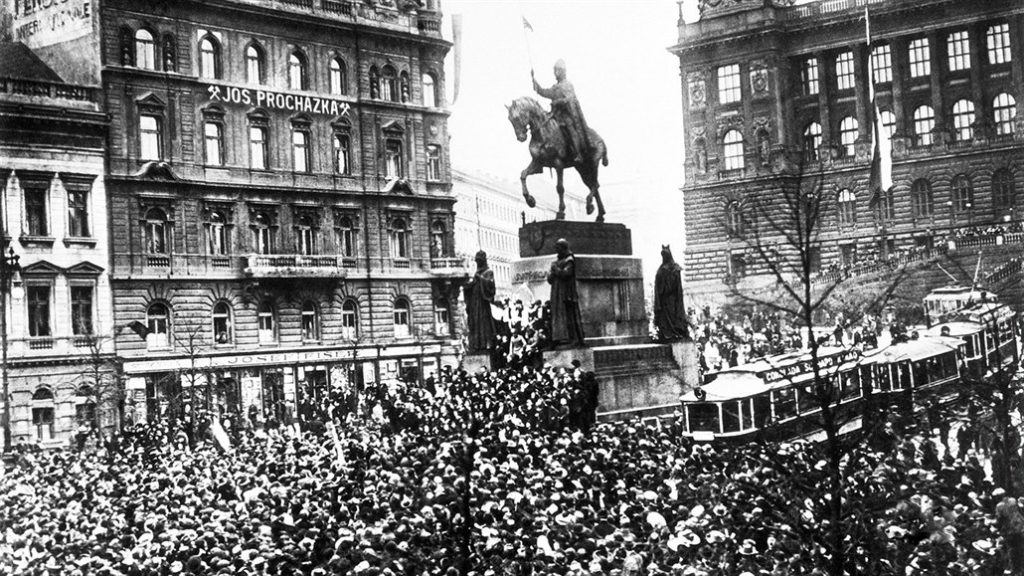
The decisive events took place in Prague on October 28, as news spread that Austria-Hungary had agreed to armistice terms. Many people interpreted the reports as a sign that the empire was collapsing and gathered in public squares to celebrate.

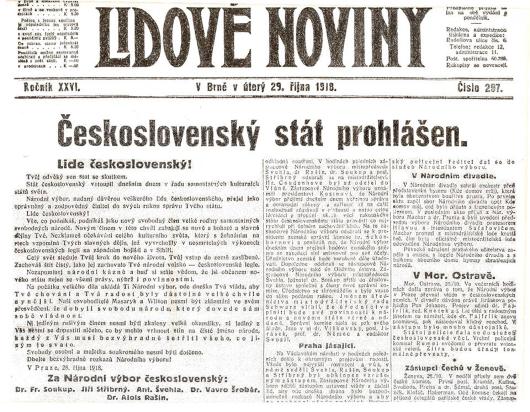
The Czech National Committee took control and issued the first law establishing an independent Czechoslovak state. October 28 subsequently became the official date of its founding.
Masaryk became Czechoslovakia’s first president after independence. A philosopher, educator and politician, he had spent years persuading foreign governments to support the creation of a new state.
Beneš was instrumental in diplomatic negotiations and later served as foreign minister and president. Štefánik, a Slovak politician, astronomer and military officer, helped organise the Czechoslovak legions and strengthen cooperation between the Czech and Slovak independence movements.
Politicians working in Prague, including Alois Rašín, Karel Kramář and Antonín Švehla, also helped organise the transfer of power.
During the interwar period, Czechoslovakia became a parliamentary republic with one of Central Europe’s most developed industrial economies. However, tensions between its different national communities presented ongoing challenges.
In 1938, the Munich Agreement led to the loss of the Sudetenland. Nazi Germany occupied the Czech lands in March 1939, while Slovakia became a separate state aligned with Berlin. Czechoslovakia was restored after World War II but later came under communist rule.
The Velvet Revolution ended communist rule in 1989. On January 1, 1993, Czechoslovakia peacefully split into two independent countries.
Would you like your story featured here? Get in touch with our team at [email protected]




Already have an account? Log In