Sinatra Tribute Pairs Frank Sinatra Classics With 1930s Dining at Prague's Mánes
Partner article


Prague Morning
 Follow us on Google Discover
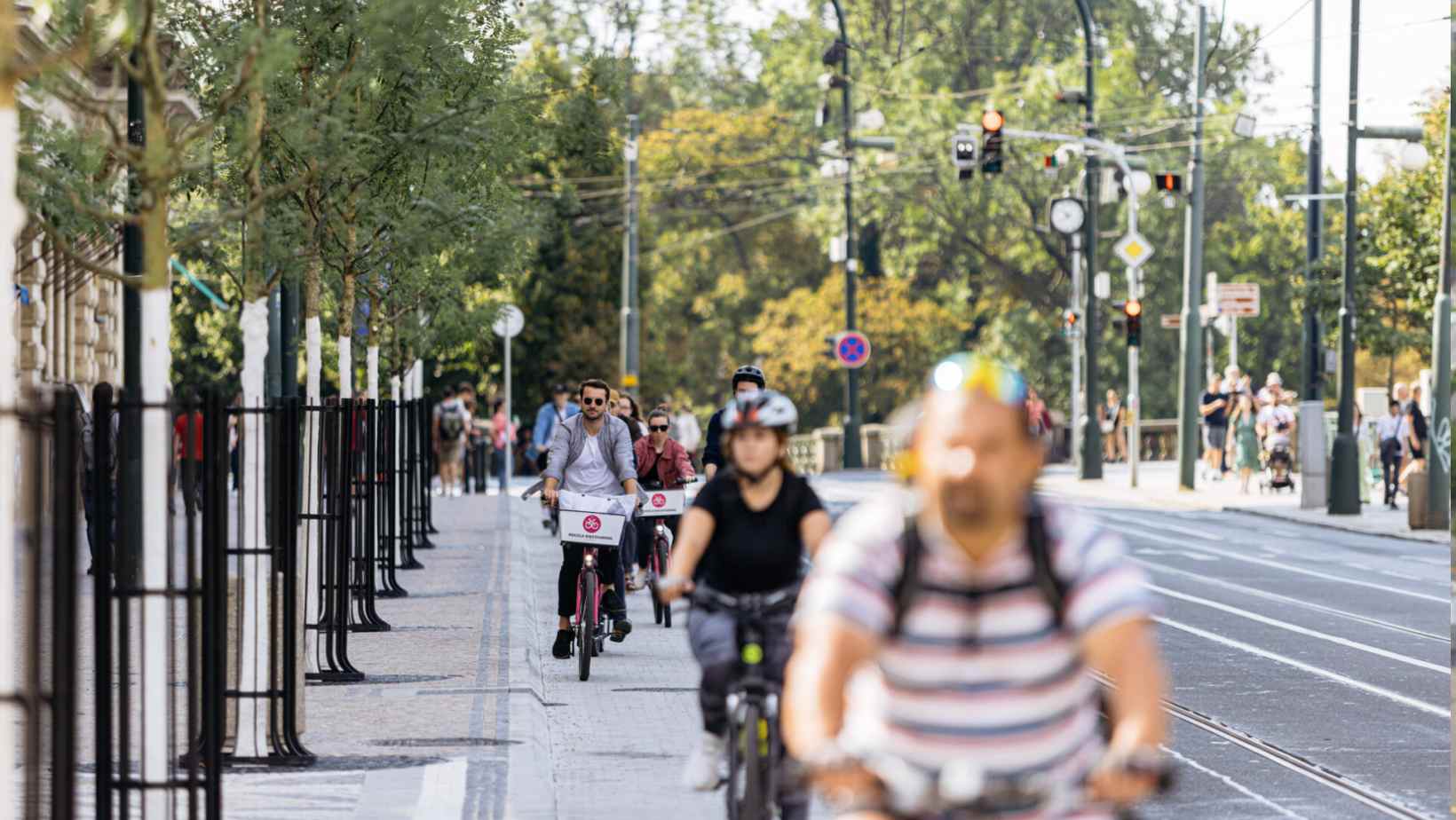

A new report from the Prague Institute of Planning and Development (IPR) compares life in Prague with 11 other European cities, following a typical resident’s day—from housing and commuting to work, education, and leisure.
Based on verified data collected directly from partner cities, the study highlights both Prague’s strengths and its biggest challenges.
The report found that Prague has the least affordable owner-occupied housing among the cities compared.
Buying an apartment requires more than 13 years of gross salary, placing Prague alongside cities such as Barcelona, Munich, and Amsterdam. Unlike many Western European cities, Prague also lacks relatively affordable rental housing.
Renting a 60-square-meter apartment costs around 40% of the average salary in Prague. By comparison, the same apartment would consume about 28% of average income in Munich and just 14% in Vienna.
Prague continues to have one of the lowest unemployment rates in Europe, making it relatively easy to find work.
However, real incomes remain below those of most Western European capitals. Workers in Munich earn roughly 50% more than those in Prague, while wages in cities such as Copenhagen have grown steadily over the past decade.
Although Prague residents now work fewer hours than they did ten years ago—less than 39 hours per week on average—they still work around three hours more each week than people in many Western European cities.
Prague ranks among Europe’s top cities for public transport.
Around 70% of residents use public transport regularly, while 87% report being satisfied with the service. The city’s extensive tram, metro, and rail networks make commuting easy, and the system stands out for its reliability, dense coverage, and affordability.
A monthly public transport pass costs less than 1% of the average monthly income, making Prague one of the most affordable cities for public transport after Barcelona.
Despite having one of Europe’s best public transport systems, Prague continues to see a steady increase in car ownership.
Together with Warsaw and Bucharest, Prague is one of the few cities in the study where the number of registered cars is still growing significantly. By contrast, cities such as Stockholm, Copenhagen, and Vienna have between one-third and one-half fewer cars per capita and a much higher share of electric and hybrid vehicles.
The report warns that increasing car ownership contributes to traffic congestion, road accidents, poorer air quality, and greater pressure on public space.
Would you like your story featured here? Get in touch with our team at [email protected]





Already have an account? Log In