Sinatra Tribute Pairs Frank Sinatra Classics With 1930s Dining at Prague's Mánes
Partner article


Prague Morning
 Follow us on Google Discover
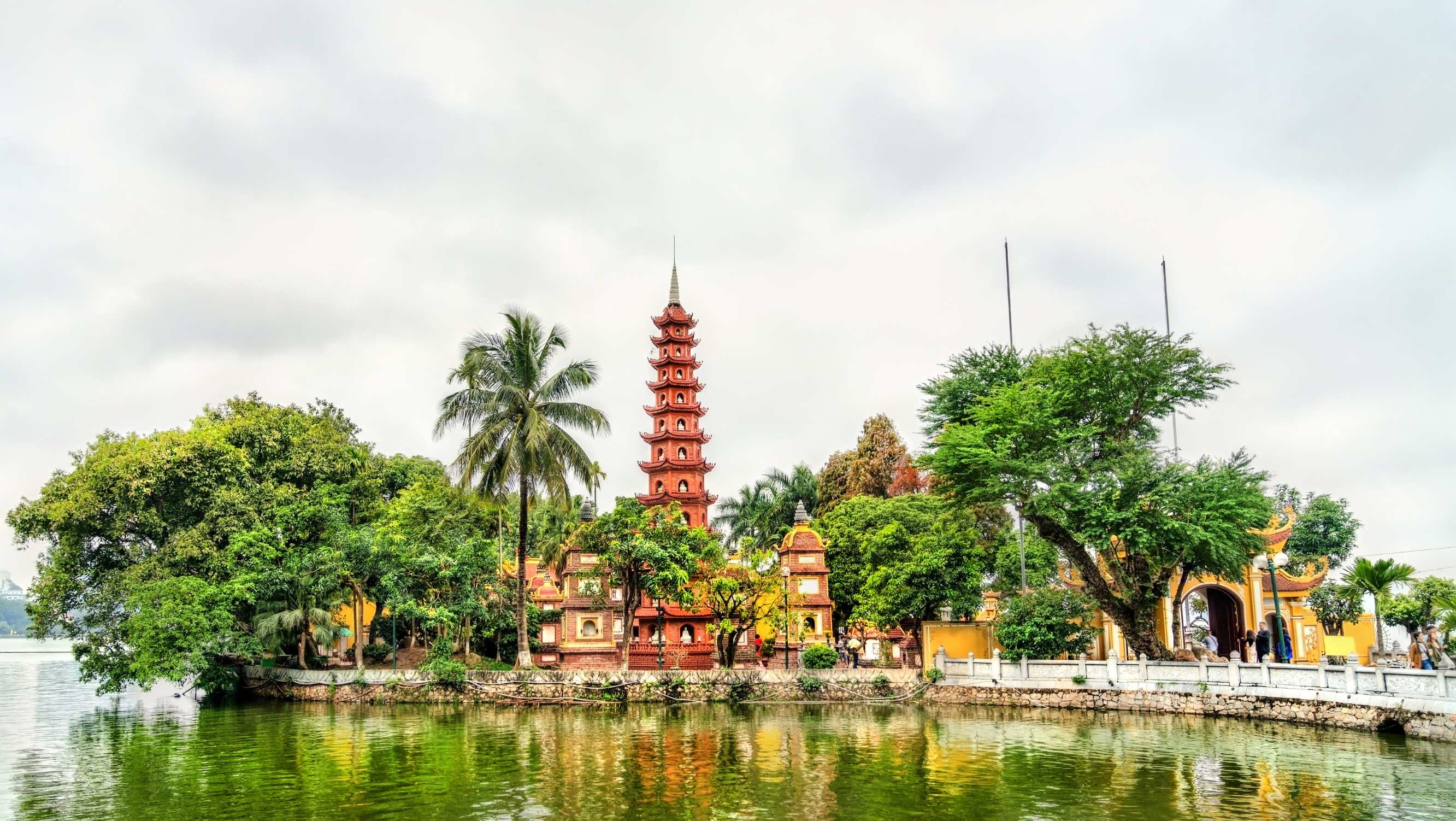

Starting October 10, travellers between Prague and Vietnam will no longer need to piece together a multi-stop journey.
Vietnamese low-cost carrier Vietjet Air is launching a twice-weekly service connecting Prague Václav Havel Airport with Hanoi’s Nội Bài International Airport — the first regular direct route between the two capitals.
The numbers behind this launch tell the story. Last year, more than 75,000 passengers flew between Prague and Hanoi — without a single direct option available. Every one of them had to connect through a third city.
“Vietnam is the strongest market with which we have not had a direct flight connection until now,” said the Chairman of the Board of Directors of Prague Airport. “We have been working toward this for a long time. It was one of our strategic priorities, and we have now managed to fulfil it.”
Beyond the bilateral traffic, the new service will give passengers access to more than 40 onward connections across Asia through Vietjet Air’s network.
Flights will operate on Tuesdays and Saturdays. In the initial phase, the route will include a technical stopover in Almaty, Kazakhstan — and tickets for the Prague–Almaty segment will be sold separately.
Departing Hanoi at 8:45 a.m., the aircraft will touch down in Prague at 6:30 p.m. after the Almaty stop. The return leg leaves Prague at 8:30 p.m., arriving in Hanoi the following afternoon at 4:45 p.m. Vietjet Air will operate an Airbus A330-300 configured for 377 passengers.
Prague Airport estimates the route will carry more than 67,000 passengers in both directions during its first year of operation. Three distinct groups are expected to drive that demand.
František Reismüller, director of the Czech Tourism Board CzechTourism, sees the new route as a strategic win for inbound tourism. Vietnam, he argues, functions not just as a standalone market but as a transit hub for travellers arriving from across Southeast Asia.
“Accessibility plays a key role in tourists’ decisions about where to go,” Reismüller said. “This route will significantly ease travel to the Czech Republic, increase arrivals from Southeast Asia, and open new opportunities for tourism and business development.”
He also pointed to the Almaty stopover as a deliberate feature rather than a limitation. The connection through the Kazakh city opens the route to Central Asian travellers — a segment Reismüller describes as one with growing purchasing power, longer-than-average stays, and strong interest in spa tourism and healthcare services.
Would you like your story featured here? Get in touch with our team at [email protected]





Already have an account? Log In