Sinatra Tribute Pairs Frank Sinatra Classics With 1930s Dining at Prague's Mánes
Partner article


Prague Morning
 Follow us on Google Discover
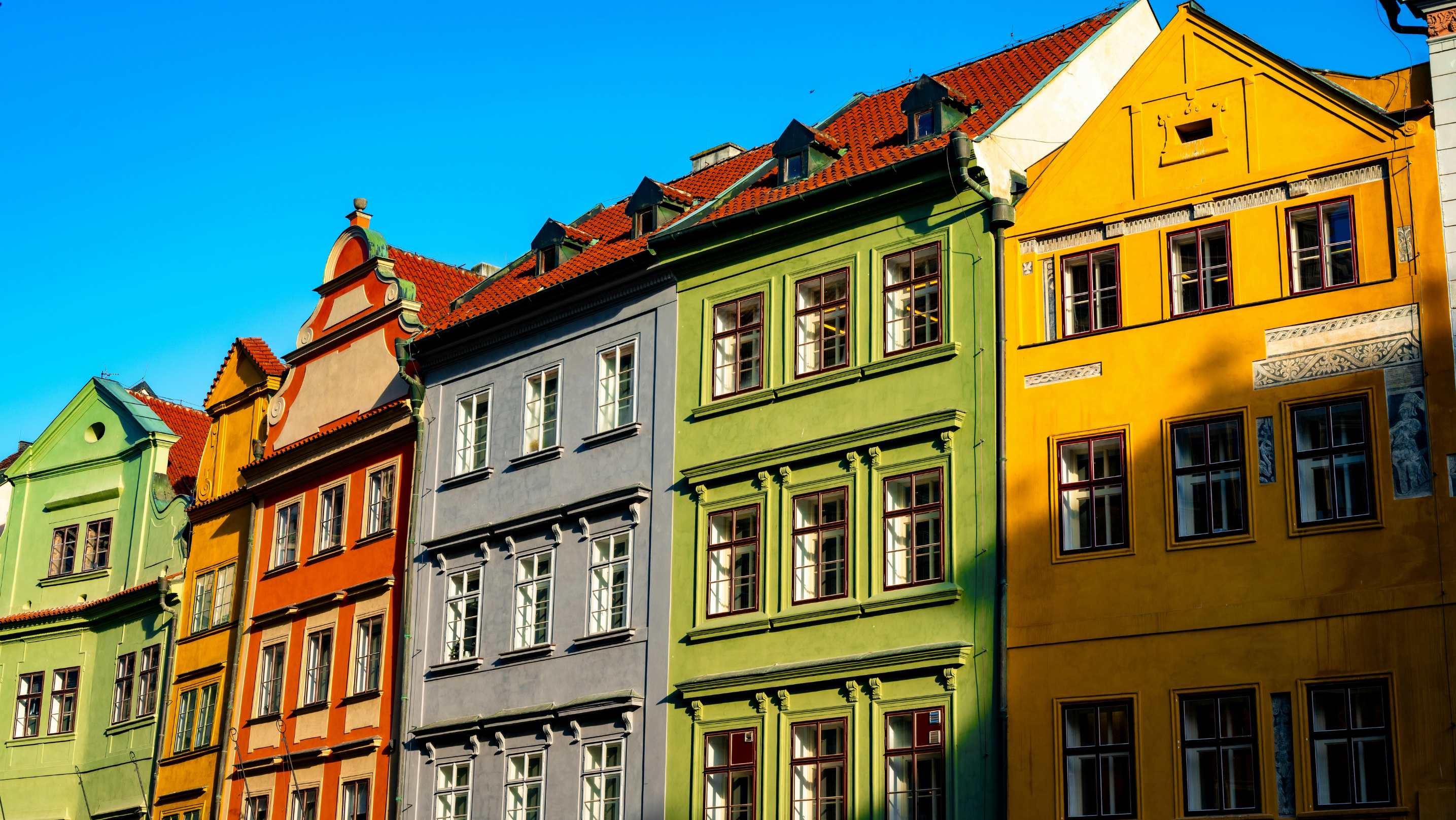
The number of apartments used for short-term tourist accommodation in Prague has climbed to an estimated 18,000, according to the Association of Hotels and Restaurants of the Czech Republic (AHR).
The figure is significant when compared with Prague’s housing development. Data from the Czech Statistical Office show that construction began on 7,380 new apartments in the capital last year.
Over the past three years, developers have started work on fewer than 21,300 homes in total.
If the AHR estimate is accurate, the number of apartments dedicated to short-term stays is approaching the equivalent of three years of residential construction in Prague.
The expansion of short-term accommodation has become increasingly visible across the city. According to the association, traditional hotels in Prague offer approximately 35,000 rooms, meaning short-term rentals now represent roughly one-third of the capital’s overall accommodation capacity.
Industry representatives argue that the sector serves a different segment of travelers than conventional hotels.
While Airbnb remains the most recognized name in the market, apartments are also widely advertised through other services, including Booking.com.
The rapid growth of the sector is not unique to Prague. Across Europe, short-term accommodation booked through digital platforms has become a major part of the tourism economy.
According to Eurostat, guests spent more than 951 million nights in short-term accommodation booked through online platforms during 2025. Despite the scale of the market, authorities in many countries still lack comprehensive data on individual listings and property owners.
To address that issue, the European Union recently introduced a new framework designed to improve transparency. Under the rules, property owners offering short-term accommodation will be required to obtain an official registration number. Online platforms will then be expected to verify that registration before allowing properties to be advertised.
The European Commission says the measures are intended to provide more reliable information about the sector, improve tourist safety and help cities better manage the impact of short-term rentals on local communities.
The new EU framework does not automatically apply across the bloc. Individual member states will decide whether and how to incorporate the rules into their national legislation, meaning the impact could vary significantly from country to country.
Would you like your story featured here? Get in touch with our team at [email protected]





Already have an account? Log In