Love Sausages? Prague Has a New Bistro Serving Berlin-Style Currywurst
Partner article


Prague Morning
 Follow us on Google Discover
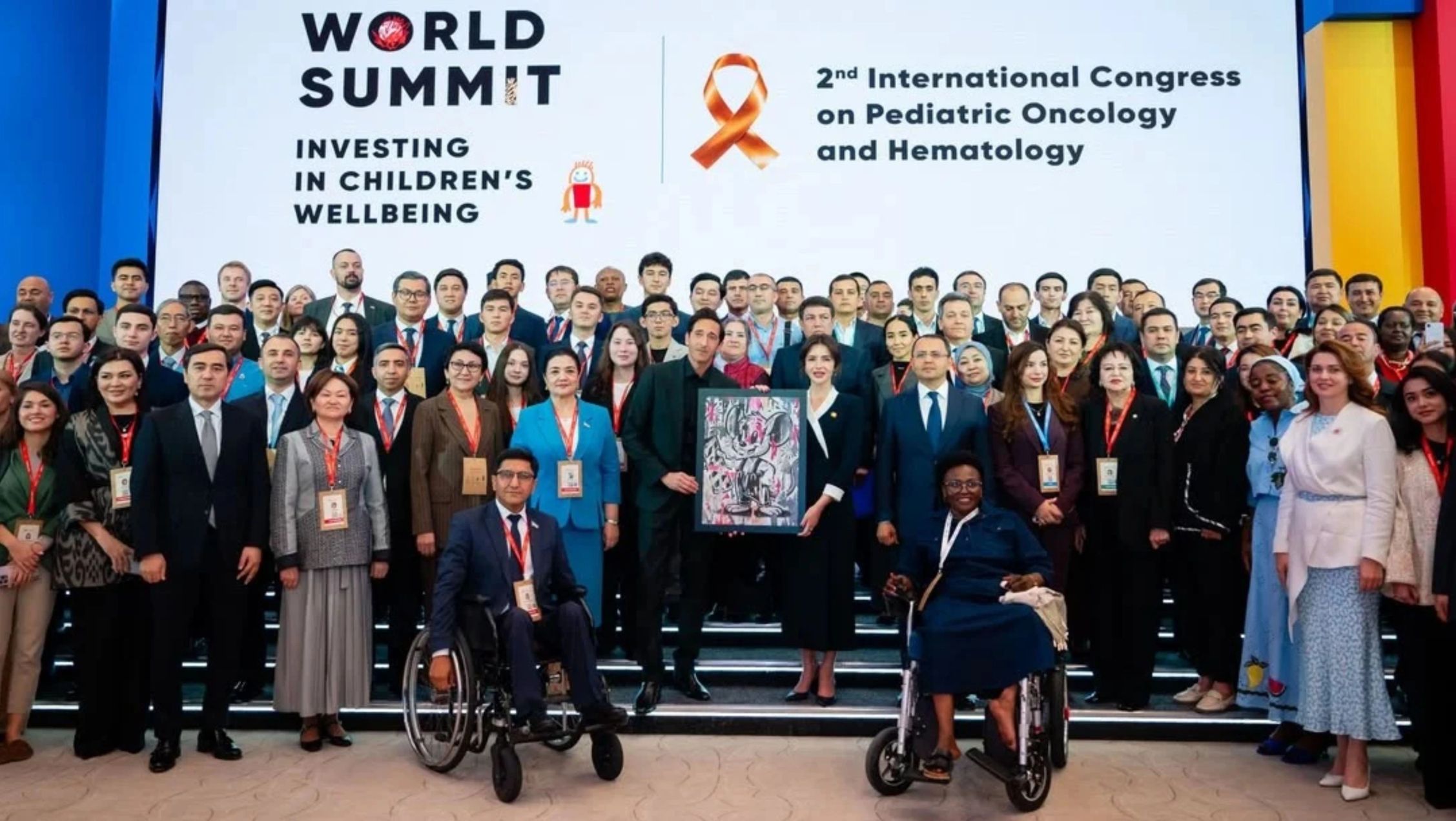

An international summit held in Samarkand on October 21–22 called for greater investment in children’s health, education and social protection, with representatives from more than 100 countries backing efforts to strengthen services and protect children from violence, abuse and exploitation.
The World Summit on Investing in Children’s Well-being brought together around 600 representatives, including government officials, first ladies, international organisations, academics, civil society groups and young people. The event was organised at Uzbekistan’s initiative in cooperation with UNICEF, the World Health Organization (WHO), the World Bank and the UN Special Representative of the Secretary-General on Violence against Children.
The main outcome was the adoption of the Samarkand Declaration, which reaffirmed countries’ commitment to the UN Convention on the Rights of the Child and called for children’s needs to become a greater priority in public spending.
The document identified social protection, healthcare, education and child safety as interconnected priorities. It called on governments to expand financial assistance for children and families, improve access to medical services, support early childhood development and strengthen inclusive education.
The declaration also urged countries to improve protection against violence and exploitation, including threats children face online. Support for parents and guardians was another priority, alongside efforts to prevent unnecessary separation of children from their families.
Participants stressed that providing access to individual services is not enough if those services fail to work together. UNICEF Regional Director Édouard Beigbeder told Euronews that investment should complement efforts across different sectors rather than treating each area separately.
The declaration called for increased public funding, greater transparency in national budgets and stronger support from international financial institutions, charitable foundations and the private sector. Particular attention was directed towards lower-income countries and those affected by armed conflict, climate change and natural disasters.
Children and adolescents were also recognised as active participants in decisions affecting their lives. Participating countries committed to promoting their meaningful involvement and reporting regularly on progress, with implementation adapted to national circumstances and resources.
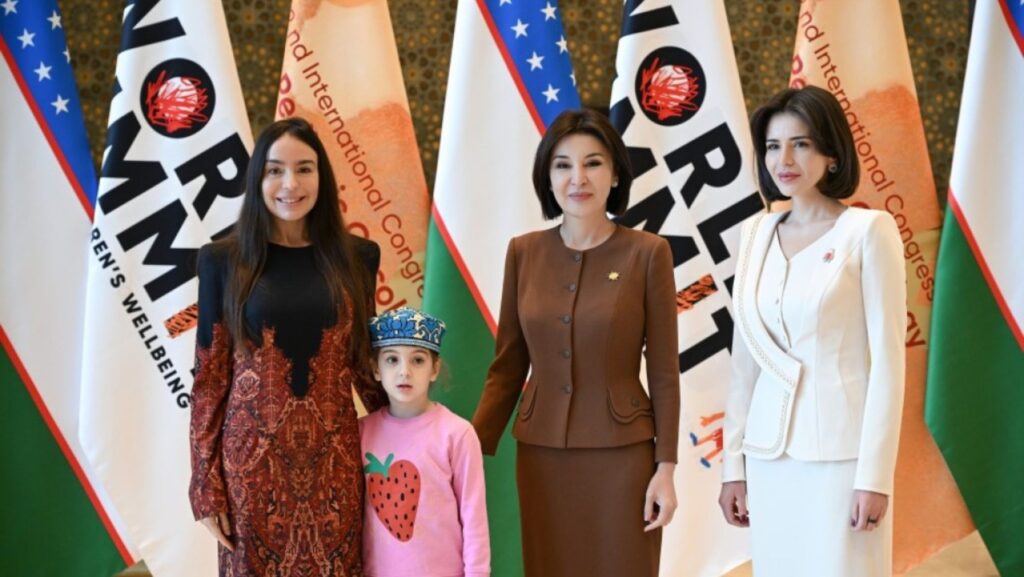
The summit provided an opportunity for Uzbekistan to showcase its recent reforms. According to figures presented by President Shavkat Mirziyoyev, preschool enrolment in the country had risen from 27.7% to 78%, while the number of inclusive schools had increased fivefold over the previous two years.
Among the facilities presented to visiting delegations was the new Imkon rehabilitation centre in Samarkand. The centre combines preschool education with medical, psychological and educational support for children with disabilities. It can accommodate 150 children and provide outpatient rehabilitation services to up to 100 children aged three to 18 each month.
Uzbekistan also reported that its network of Imkon centres delivered more than 546,000 procedures and sessions in 2025, while approximately 4,000 children received outpatient rehabilitation.
Childhood cancer was another major focus of the summit, with the Second International Congress on Childhood Cancer examining access to diagnosis, treatment and long-term support.
According to the WHO, around 400,000 children and adolescents develop cancer worldwide each year. More than 80% of children with cancer are cured in high-income countries, compared with fewer than 30% in many low- and middle-income countries.
Discussions in Samarkand highlighted the importance of early diagnosis, access to essential medicines, infection prevention, rehabilitation and palliative care. Experts stressed that successful treatment must address children’s physical and psychological needs while supporting their families throughout the process.
The summit also saw the announcement of the Global Network for the Support of Children with Serious and Life-threatening Conditions, including cancer. Uzbekistan’s First Lady Ziroat Mirziyoyeva was elected to lead the initiative for a two-year term.
The network aims to strengthen international cooperation and improve access to specialised treatment and support for children with serious illnesses.
The declaration’s implementation will depend on national programmes, budgets and continued international cooperation. Its central message is that improving children’s lives requires not only greater investment, but also coordinated services that protect their rights and support their well-being today.
Would you like your story featured here? Get in touch with our team at [email protected]




Already have an account? Log In