Sinatra Tribute Pairs Frank Sinatra Classics With 1930s Dining at Prague's Mánes
Partner article


Prague Morning
 Follow us on Google Discover
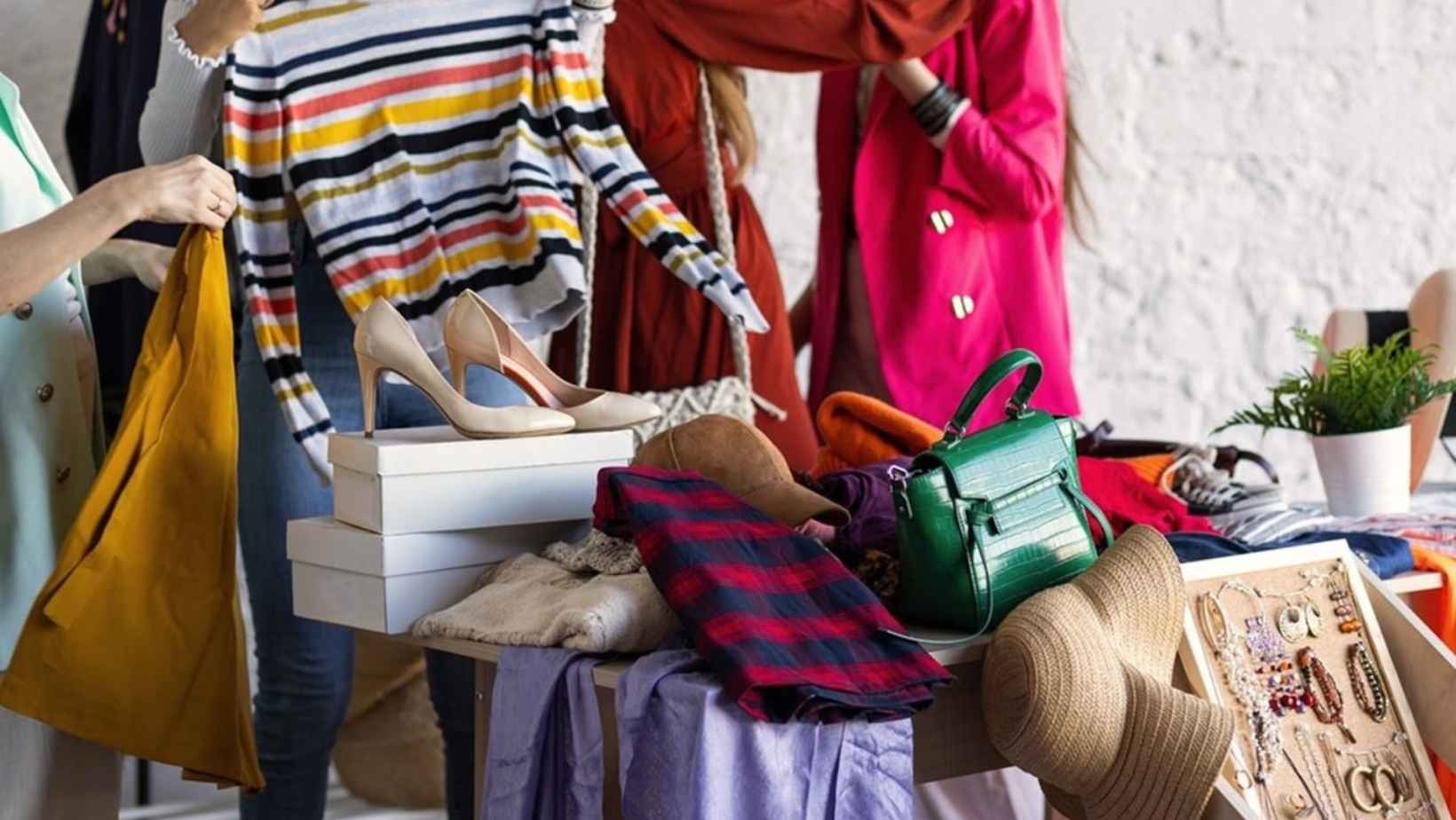
Clothing swaps are among the most practical examples of the circular economy in action. Instead of buying new items, people exchange what they already own, extending the life of garments and reducing textile waste.
The approach also cuts demand for fast fashion, an industry linked to overproduction, short product cycles, and mounting environmental pressure.
In Prague, the Swap Festival on April 26th at Congress Center, is building on that idea with a public event that combines clothing exchange with education and debate. Organizers present swapping not only as a way to refresh a wardrobe, but as a shift in how people think about consumption, ownership, and waste.
Visitors are invited to take part in workshops and discussions that examine the broader impact of the textile industry. One of the main debates, titled “Fast Fashion Toxic Relationship or Marriage of Convenience,” looks at consumer habits, the role of marketing, and the limits of regulation. Speakers include Štěpán Vaškevič from Circle Economy and Karolína Brabcová from the environmental group Arnika.
A separate part of the program focuses on product safety. In cooperation with Arnika, attendees can have selected items tested for harmful substances. The testing targets everyday objects that come into contact with the skin, such as low-cost jewelry, electronics, or kitchenware. Visitors can bring their own items or check pieces found at the swap, gaining direct insight into potential health risks linked to toxic materials.
Data from previous editions suggests growing public interest. Last year, the festival hosted dozens of events across the country, drew thousands of visitors, and facilitated the exchange of large volumes of clothing. Organizers say the aim now is to expand that momentum and make clothing reuse a routine part of everyday life.

The textile sector remains one of the more resource-intensive industries, from water use to waste generation. Fast fashion has accelerated consumption patterns, leaving many garments unused after a short time. Initiatives like the Swap Festival attempt to counter that trend by offering a direct, practical alternative.
Alongside the environmental message, the event also serves as a meeting point. Visitors can exchange experiences, learn from others, and leave with a clearer understanding of how everyday decisions connect to wider economic and environmental systems.
Would you like your story featured here? Get in touch with our team at [email protected]




Already have an account? Log In