Sinatra Tribute Pairs Frank Sinatra Classics With 1930s Dining at Prague's Mánes
Partner article


Prague Morning
 Follow us on Google Discover
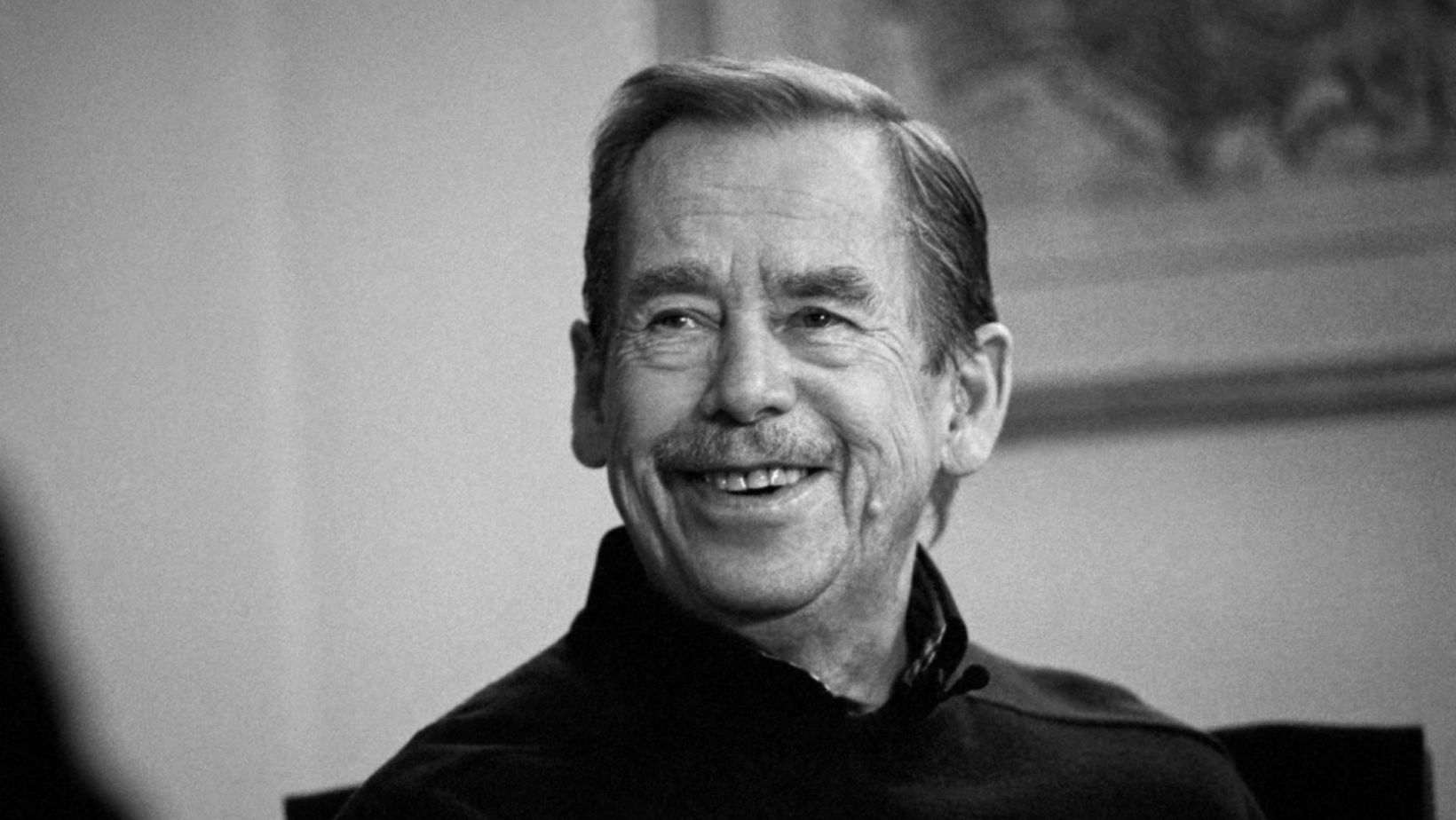
Václav Havel was one of the defining figures of modern Czech history.
Playwright, writer, dissident, political prisoner and, ultimately, the last president of Czechoslovakia and the first president of the Czech Republic, his life reflected some of the country’s most dramatic changes of the 20th century.
Born into a prominent Prague family, Havel experienced both privilege and political persecution. He became one of the leading voices of the opposition to communist rule and played a central role in the Velvet Revolution of 1989.

On October 5th, 2026, Havel would have turned 90. Here is a look at his life, political career and some of the places in Prague and beyond connected to him.
Havel was born in Prague on October 5, 1936, into a wealthy and well-connected family. His uncle, Miloš Havel, founded Barrandov Studios, while his grandfather was involved in construction and real estate.
His family’s position changed dramatically after the Communist Party took power in Czechoslovakia in 1948. Their property was confiscated, and Havel faced restrictions on his education and career because of his family background.
During the political liberalisation of the 1960s, Havel became increasingly involved in Prague’s theatre scene. He worked as a stagehand and later as a dramaturge, while also establishing himself as a playwright. His plays often explored power, bureaucracy and the absurdity of life under an authoritarian system.
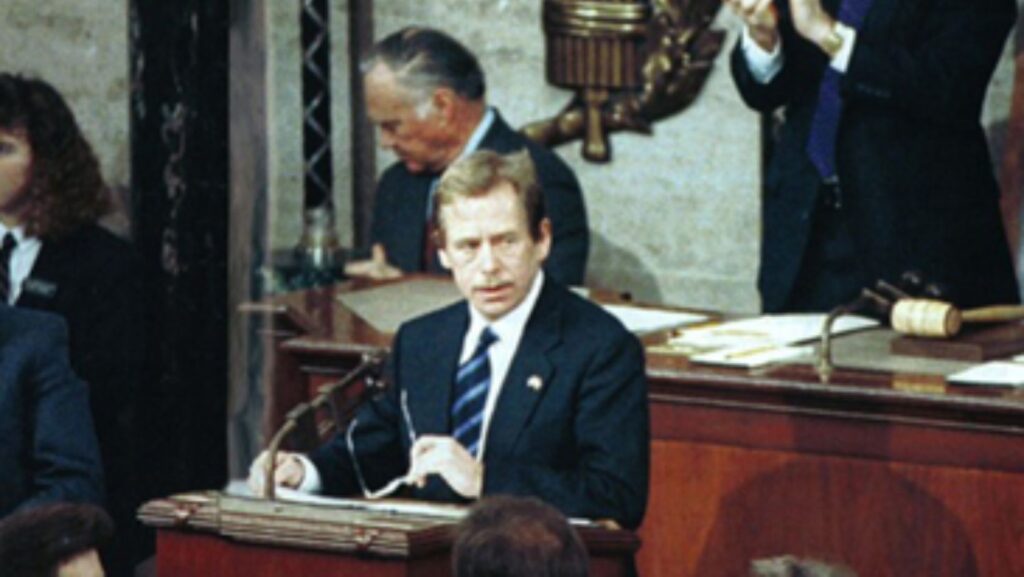
The Prague Spring of 1968 brought a period of political and cultural liberalisation to Czechoslovakia. Censorship was abolished, previously banned books began appearing in print and films that had been restricted were shown in cinemas again.
Havel embraced the new atmosphere and became increasingly active in public life. But the reforms ended abruptly when Warsaw Pact troops invaded Czechoslovakia on August 21, 1968.
Havel opposed the occupation and the return to political repression. He was subsequently banned from publishing and working in the theatre. For a period, he worked as a manual labourer at a brewery in Trutnov.
He later became one of the most prominent figures of the Czechoslovak dissident movement. He was a signatory of Charter 77, a civic initiative calling on the communist government to respect human rights, and was repeatedly arrested and imprisoned.
The communist regime collapsed in November 1989 following mass demonstrations across Czechoslovakia. Havel was one of the leading figures of the Civic Forum, the opposition movement that helped negotiate the peaceful transfer of power.
On December 29, 1989, he was elected president of Czechoslovakia.
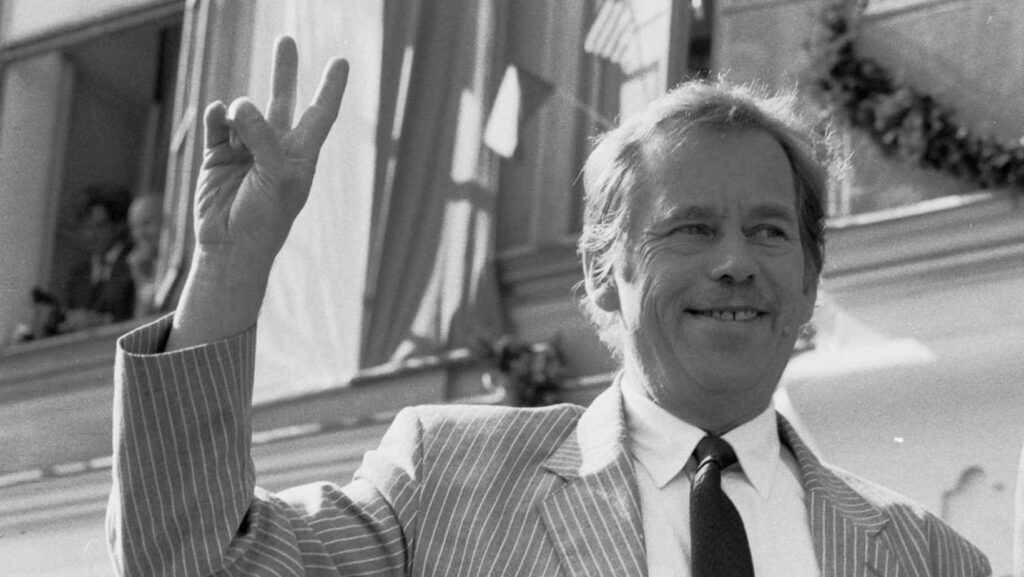
Havel remained in office after the country split peacefully into the Czech Republic and Slovakia in 1993, becoming the first president of the newly independent Czech Republic. During his political career, he supported the country’s integration into Western institutions, including NATO, and advocated closer ties with the European Union.
His presidency also left a visible mark on Prague Castle. Parts of the complex were opened to the public, while the South Gardens were restored following their pre-war design.
Havel left the presidency in 2003 but remained active as a writer and public figure. He continued to comment on political and social issues and maintained friendships with artists, intellectuals and international figures.
Among them was the Dalai Lama, who visited Havel in Prague on several occasions. Havel died on December 18, 2011, at his country house in Hrádeček, near the Krkonoše mountains.
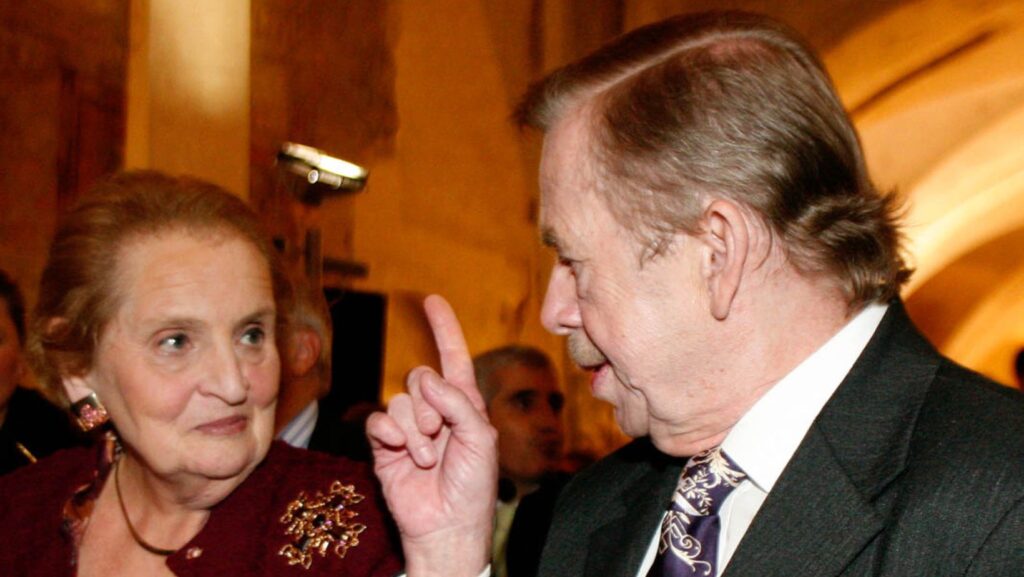
Several Prague locations are closely connected to Havel and his family.
One is Lucerna Palace on Wenceslas Square, built by Havel’s grandfather. The complex includes the historic Lucerna Cinema, which has been operating for more than a century, as well as the famous Lucerna Café.
Prague Castle is another essential stop. Havel lived and worked there during his years as president and initiated several changes that made parts of the complex more accessible to the public.
Outside Prague, Havel was also closely associated with Lány Chateau, the traditional summer residence of Czech presidents. During his time there, he was known to visit the local pub and meet residents without the formality normally associated with a head of state.
Would you like your story featured here? Get in touch with our team at [email protected]

Already have an account? Log In