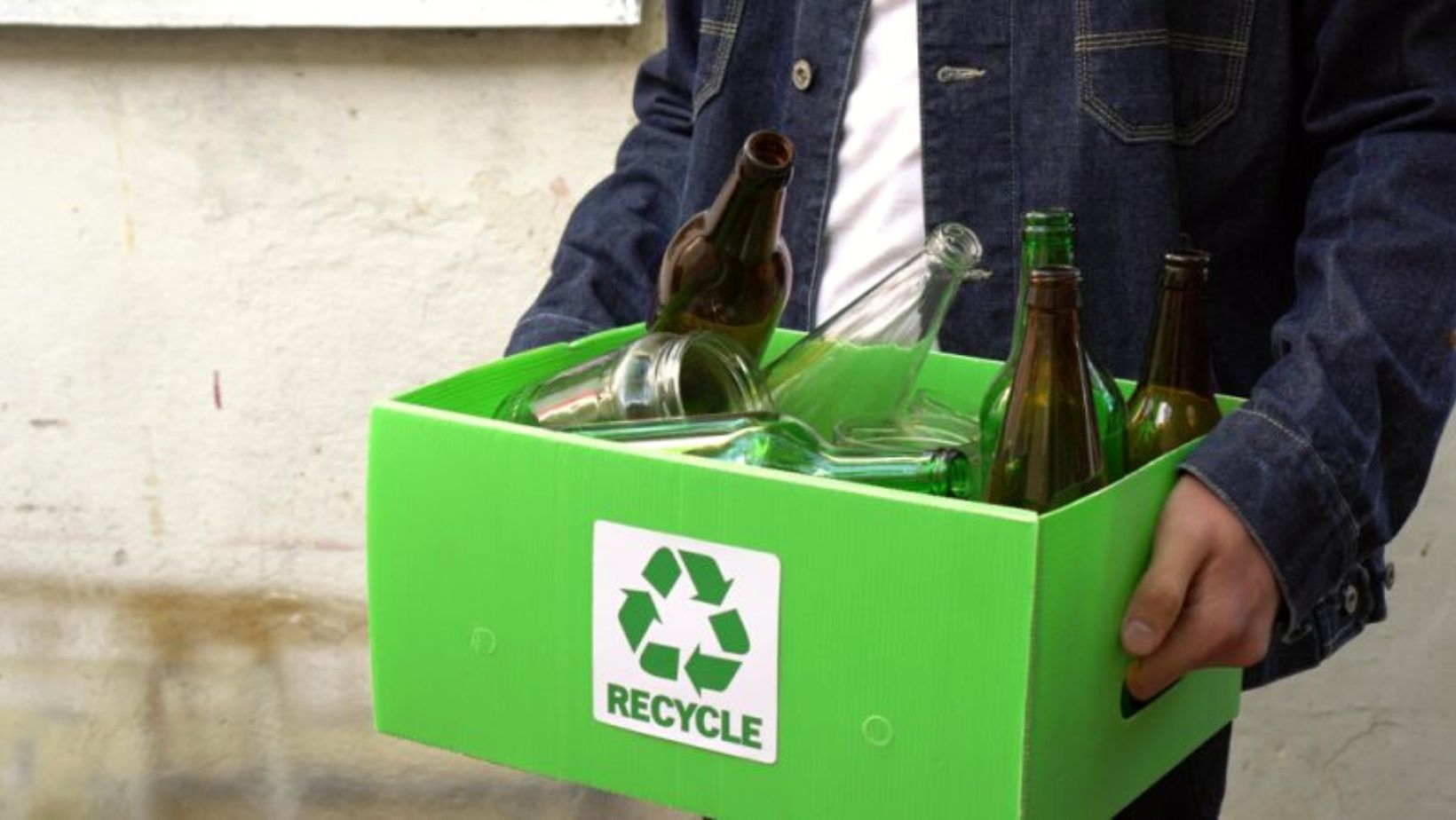
The idea of a lower VAT rate on products made from recycled materials, which could be applied at the EU level, will be presented by Czech Environment Minister Petr Hladík at the meeting of EU environment ministers on Tuesday. Currently, EU law does not allow member states to reduce VAT on products made from recycled materials. However, the Czech Republic wants to introduce a reduced 12% VAT on these products as a part of a tax package aiming to consolidate public finances. The lower rate must be allowed at the EU level for such a move. According to the minister, the reduced VAT should be applied to all plastic products made from recycled materials, including toys, hygiene tools, daily necessities, snow rakes, flower pots, and even building materials. “These are also materials that today end up either in landfills or incinerators that we can recycle for use in the municipal sector, such as benches or urban furniture,” Hladík told Czech media on Monday. The minister said possibly including products made from secondary raw materials at a lower rate would encourage the development of a circular economy. At the same time, it would increase the motivation of end customers to use...
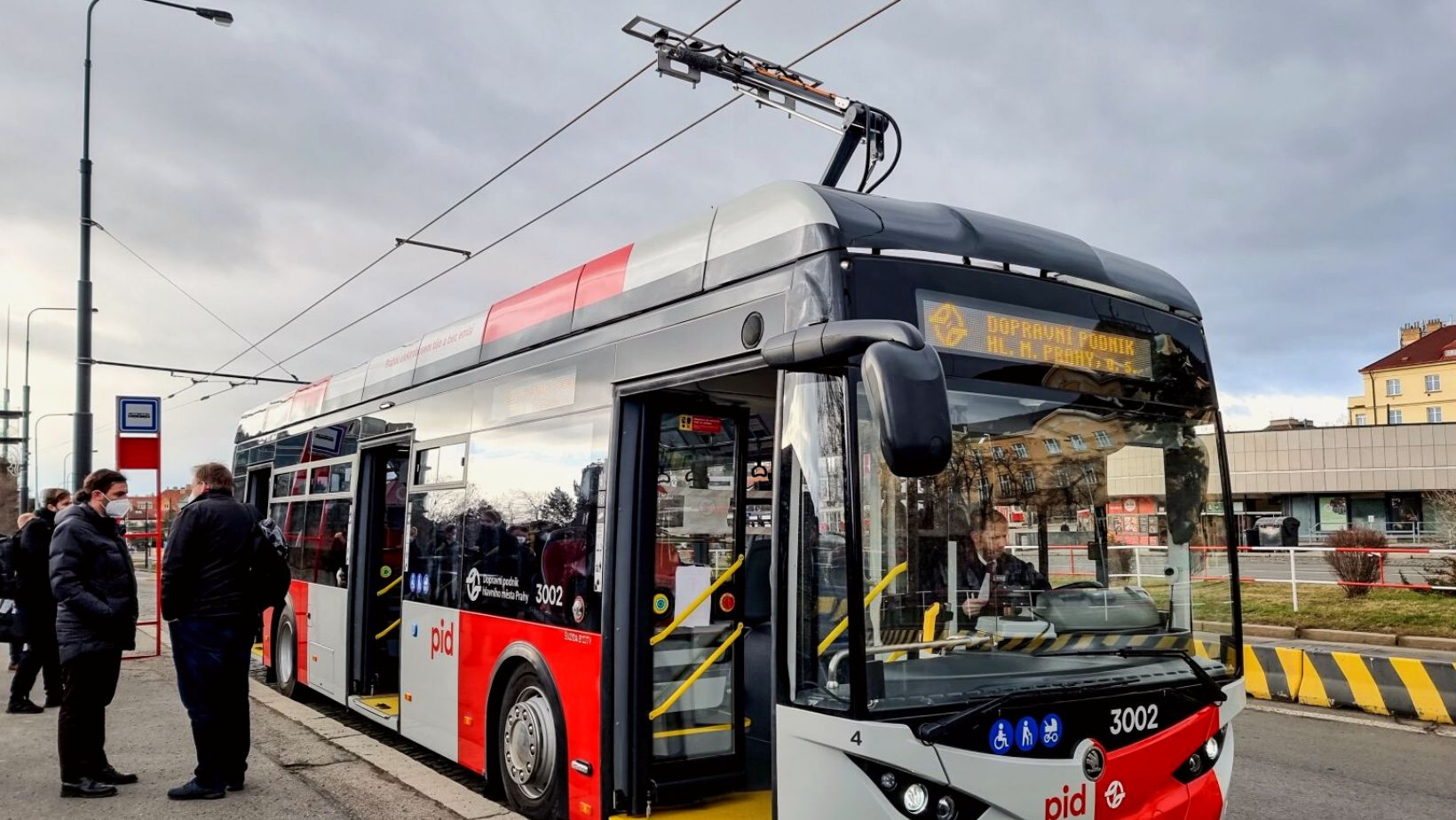
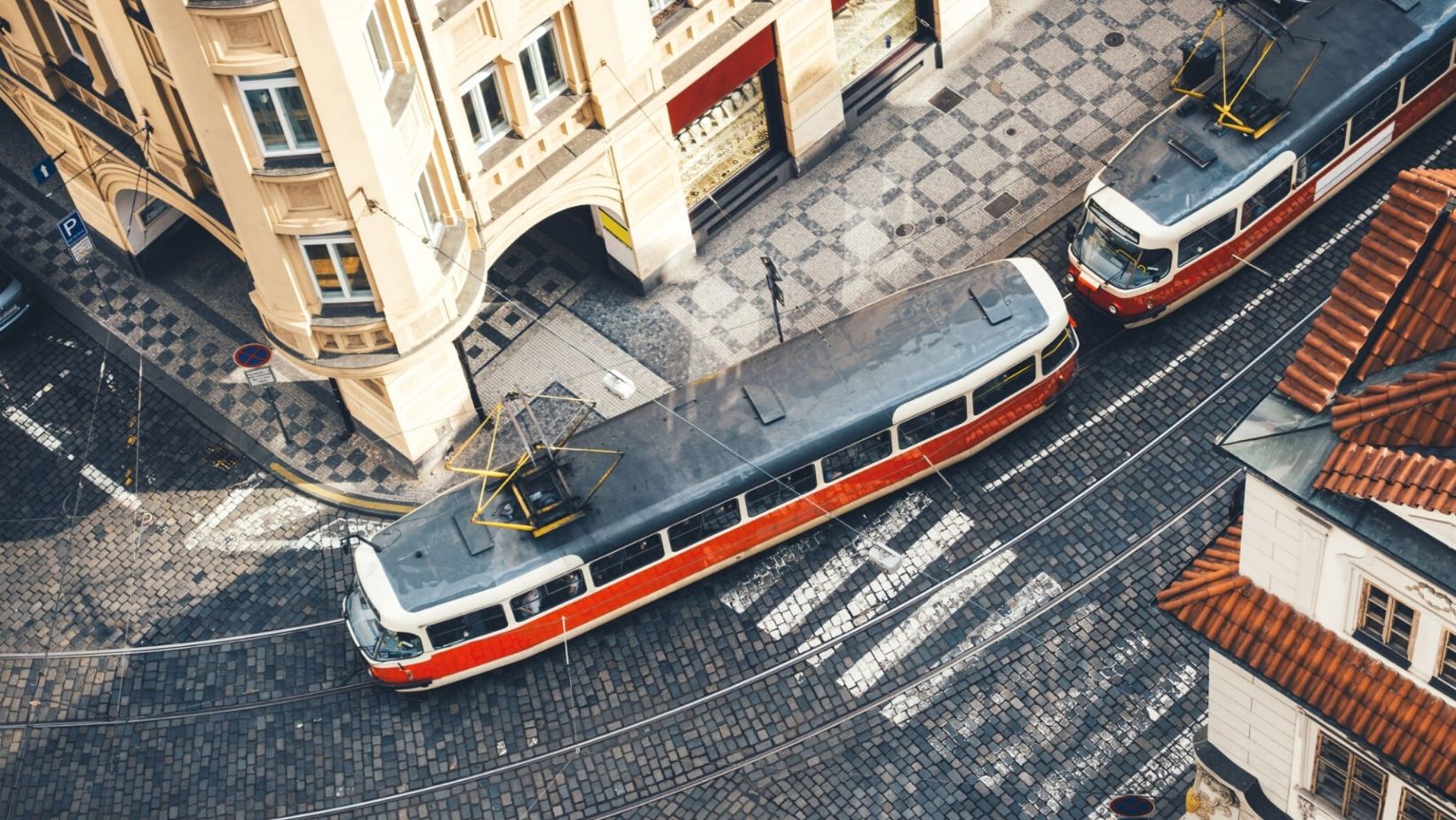
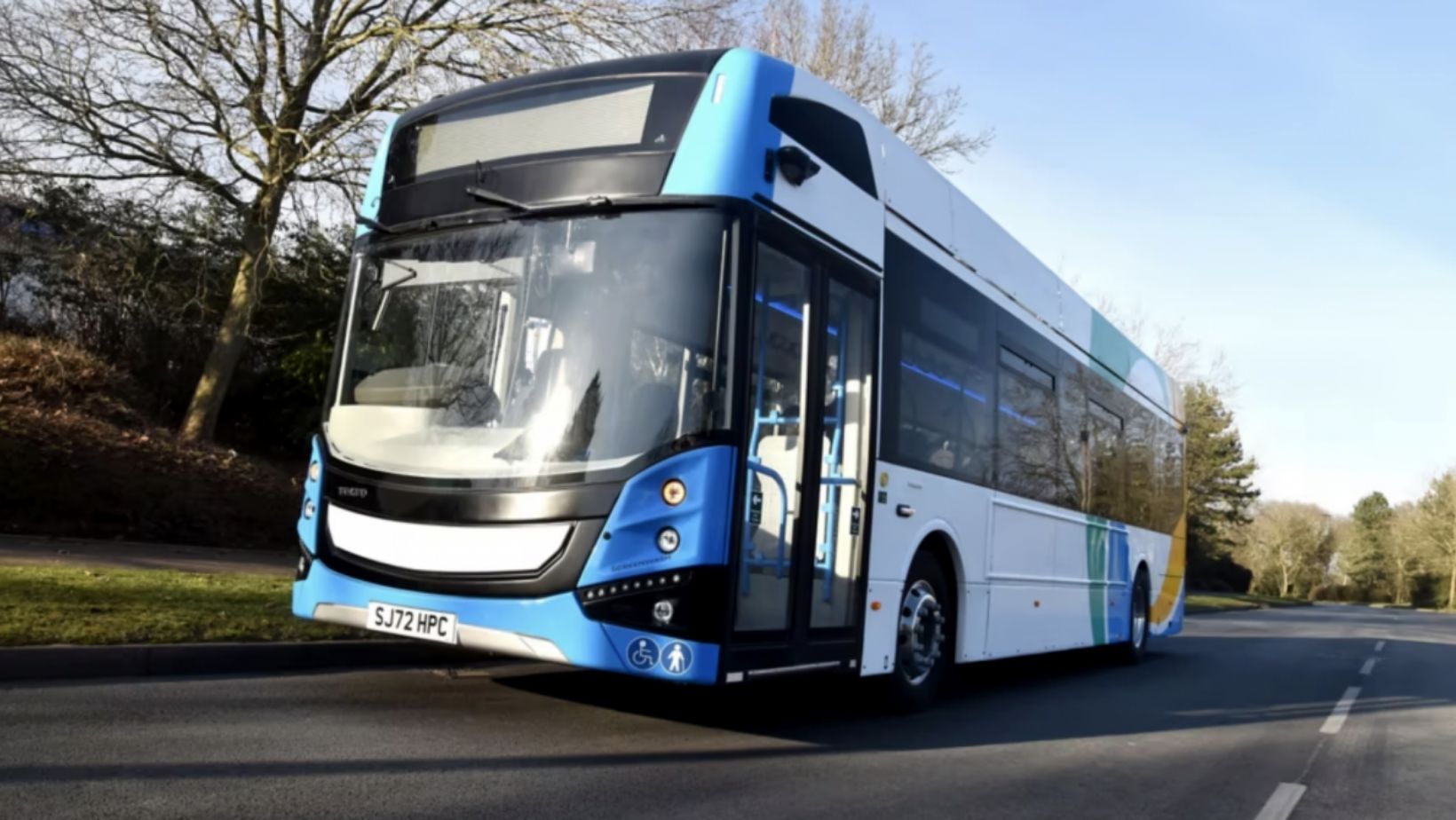
The Prague Public Transport Authority (DPP) is set to acquire a fleet of up to 100 low-floor electric buses over the next few years. DPP has recently launched a public tender, with an estimated total value of CZK 1.5 billion, to identify the supplier for these buses. The winner of the tender is expected to be announced by the end of this year, after which the DPP will enter into a five-year framework contract. Zdeněk Hřib, Deputy Mayor of Prague Transport, emphasized the significance of this purchase. “By acquiring up to 100 new electric buses, we are not only fulfilling the Climate Plan of the Capital City of Prague, but also meeting our commitments at the national and European levels to reduce energy consumption, emissions, and noise pollution in public bus transport. If DPP would decommission an equal number of diesel buses, we would save approximately 2.4 million liters of diesel fuel per year and prevent the emission of around 6,438 tonnes of carbon dioxide in Prague.” Energy management will enable the control and adjustment of the charging speed based on the actual duration of the charging break. This will reduce the demands on the energy load of the charging...
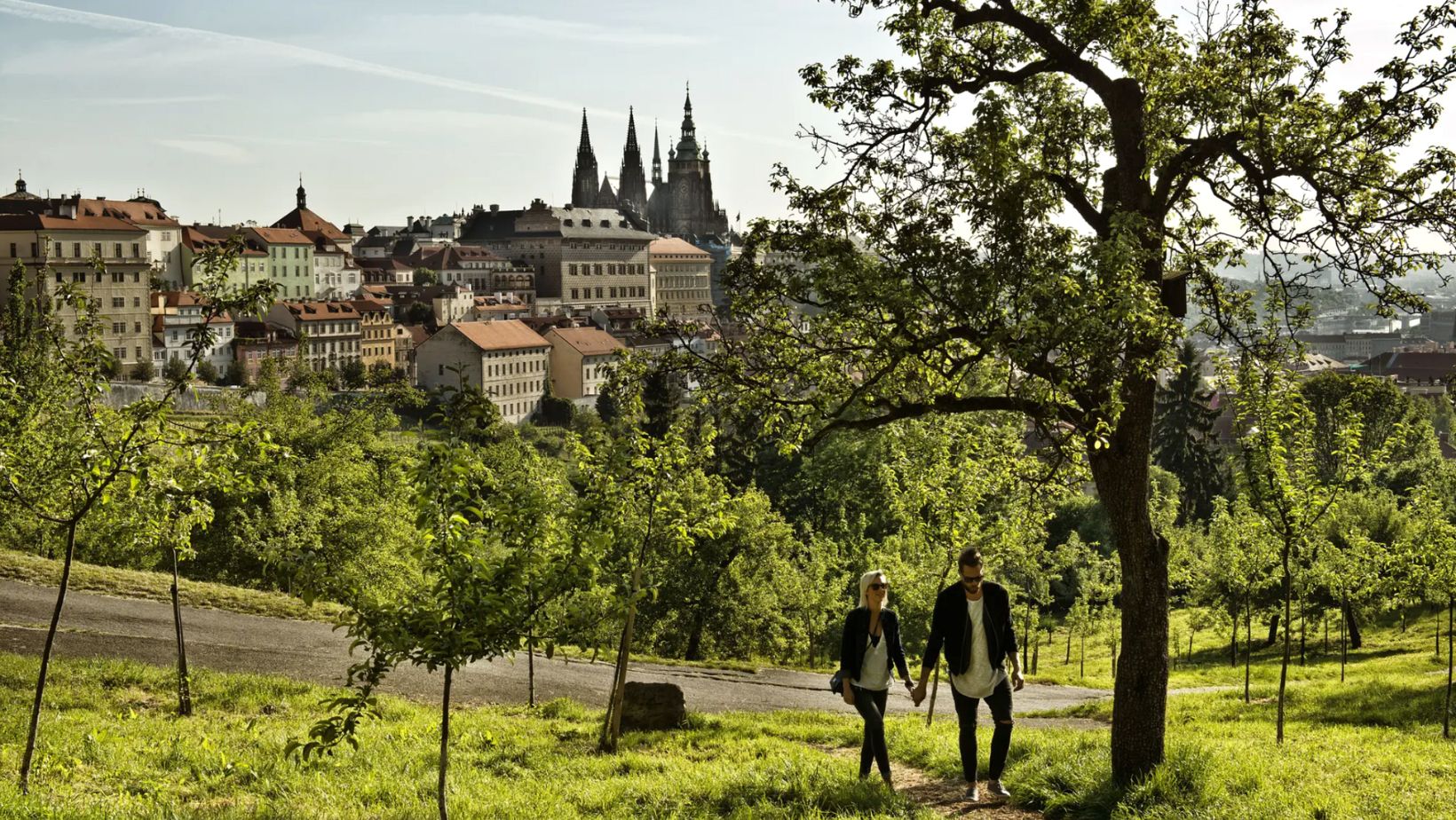
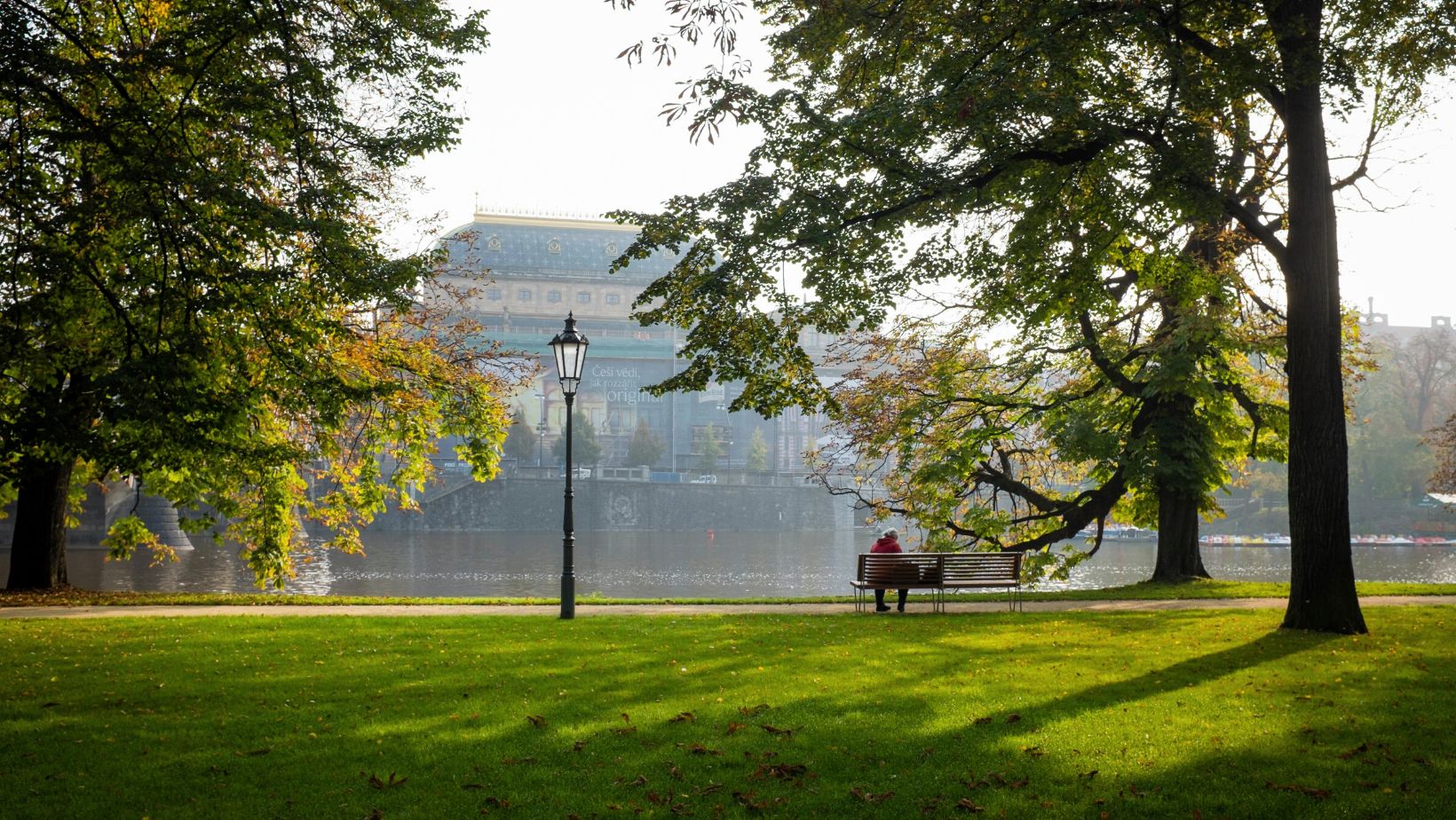
In a recent report by Re-thinking the Future, Prague has been recognized as the 10th most sustainable city in Europe, cementing its commitment to environmental stewardship and sustainable practices. This prestigious ranking underscores Prague’s dedication to creating a greener, cleaner, and more livable urban environment for its residents and visitors alike. Prague’s dedication to sustainable urban development is evident in its strategic planning and policies, which encompass various aspects of sustainability. Energy efficiency stands as a crucial focus area, with the city implementing measures to reduce energy consumption and minimize its carbon footprint. Through investments in green technologies such as solar panels and efficient heating systems, Prague has made significant progress in adopting renewable energy sources and decreasing reliance on fossil fuels. In addition to energy efficiency, Prague has also prioritized effective waste management and recycling programs. The city has implemented comprehensive waste management systems that encourage citizens to separate and recycle their waste responsibly. By doing so, Prague has not only reduced the amount of waste destined for landfills but has also fostered a culture of environmental responsibility among its residents. Prague’s commitment to sustainable transportation is evident in its efforts to enhance public transportation systems and promote eco-friendly mobility options. The city boasts a...
An impressive sum of CZK 40 million has been earmarked for initiatives focused on public green spaces, environmental education, and the preservation of endangered animal species. “The program is a crucial pillar of support for initiatives that elevate the environmental well-being of our capital city, bolster its resilience against climate change, foster awareness and engagement with pertinent issues, and provide environmental education within Prague,” said Jana Komrsková, Deputy Mayor for Environment and Climate Plan Furthermore, the program actively encourages participation from diverse groups, civic organizations, associations, and other entities. The program facilitates individual applicants in securing grants for their environmental projects in Prague. The maximum amount granted is CZK 900,000 for educational endeavors, CZK 600,000 for climate change adaptation and mitigation measures, and CZK 450,000 for other initiatives. A total of 130 projects, submitted by 81 applicants, are poised to receive approval, cumulating to CZK 40 million in funding. The program aims to bolster public green spaces, green classrooms, nature conservation, and environmental education. It also encompasses educational and training programs catered to schools, climate change adaptation and mitigation efforts, as well as other specific projects. Prominent beneficiaries of the program include notable associations and organizations such as the Association of...
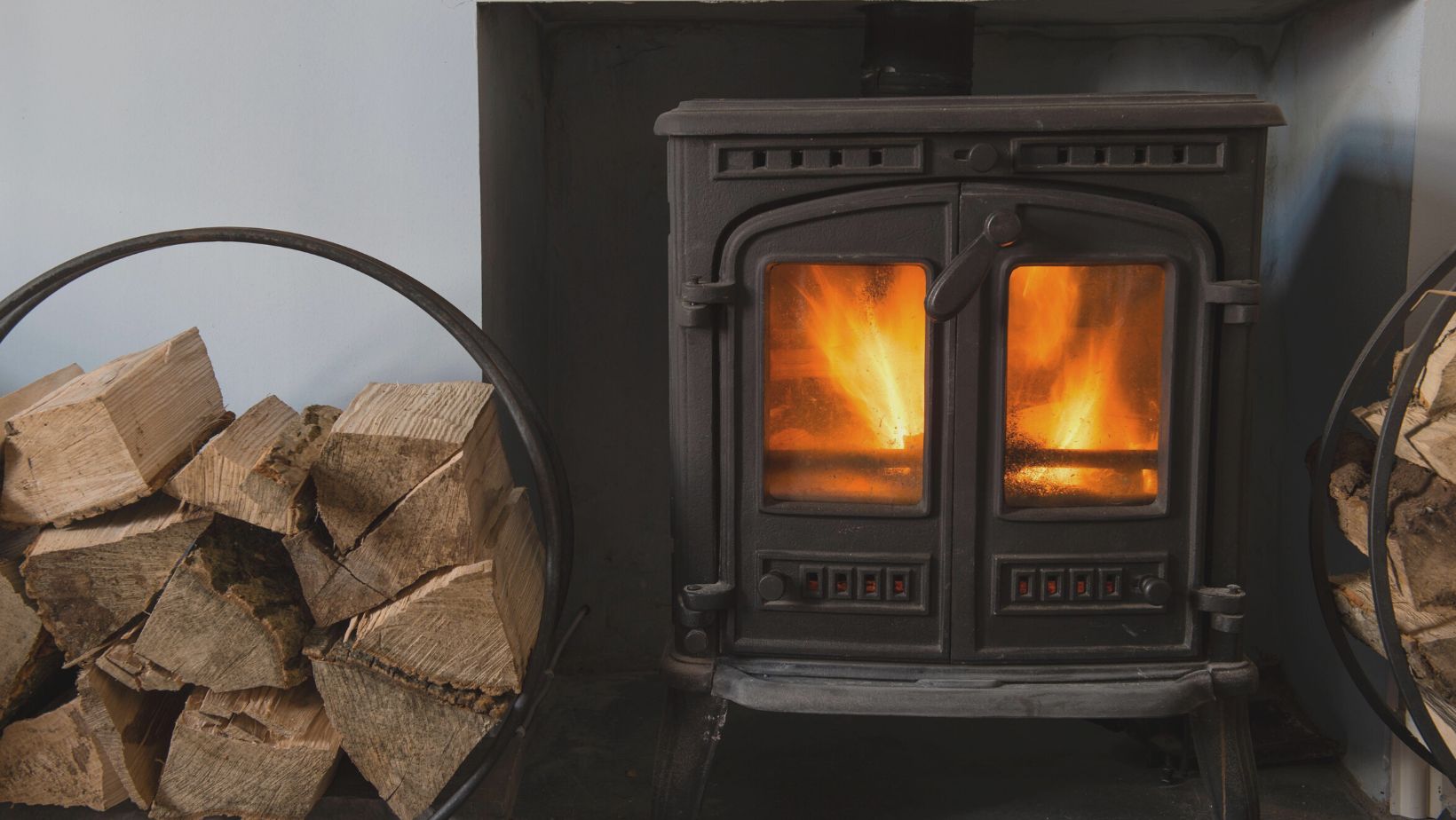
The Ministry of the Environment has announced its intention to implement a ban on the sale of coal for home heating starting from January 2025. This move aims to encourage individuals who currently rely on coal as a heating source to evaluate the condition of their stoves and coal supplies and explore alternative options. Under the proposed amendment to the Air Protection Act, combustion appliances powered by solid fossil fuels with a capacity of up to 300 kilowatts will no longer be permitted to enter the market as of January 1, 2025. Lucie Ješátková, the spokesperson for the ministry, has confirmed the plans, stating, “The ban on introducing combustion sources using solid fossil fuels up to 300 kilowatts to the market will be implemented from January 1, 2025.” However, the sale of existing coal stockpiles will still be allowed after this date. It’s worth noting that the ban does not extend to certain types of coal, such as brown and black coal, anthracite, and coal briquettes. Czech manufacturers will still be permitted to produce coal-fired stoves for export. This measure is seen as a proactive step in preparation for the expected limited availability of coal and in line with the...
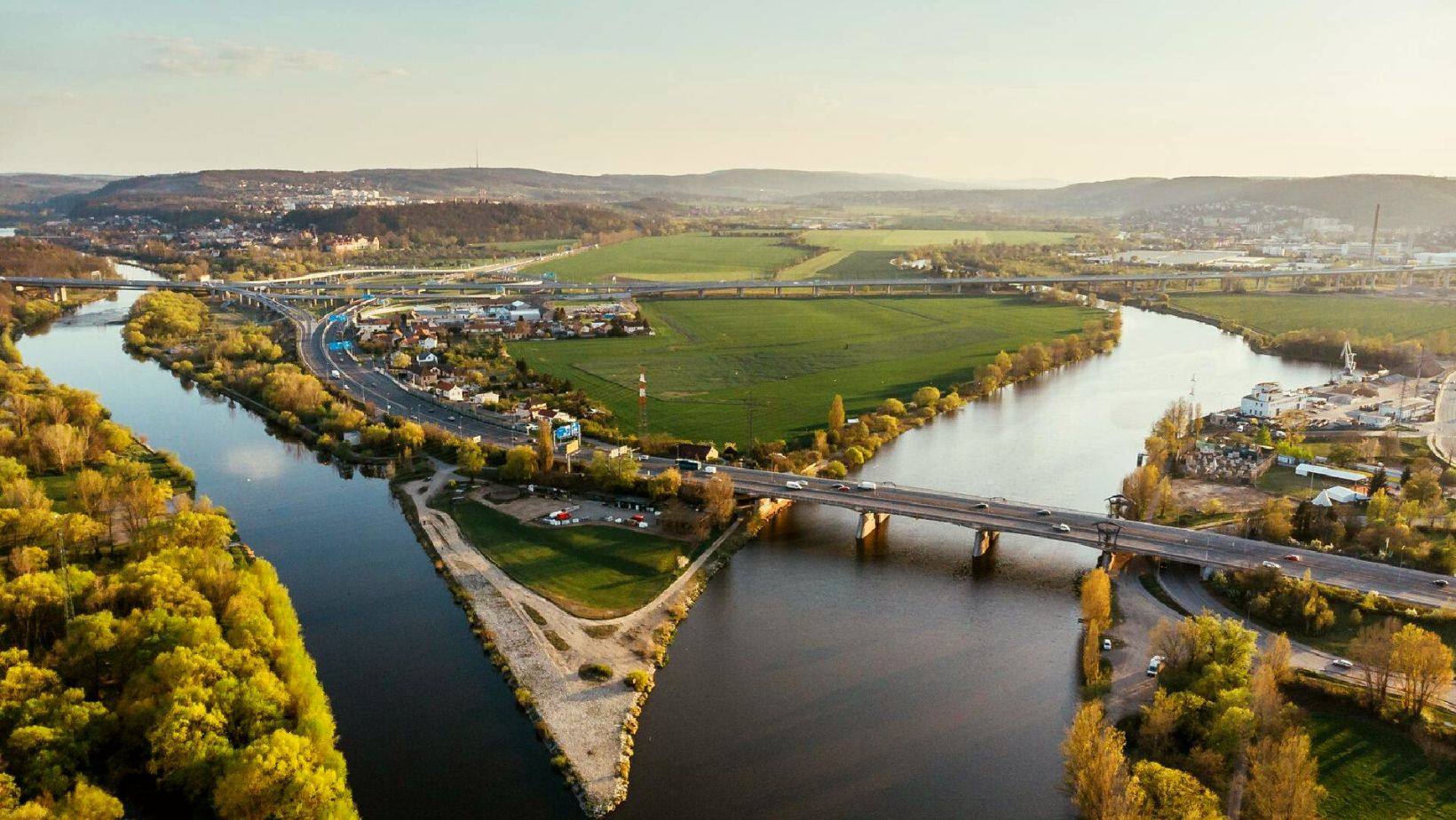
A huge public park will be developed in the south of Prague. It will cover an area equivalent to ten Stromovka. The river floodplain on the confluence of the Berounka River and Vltava River on the southern edge of Prague covers an area of over 1300 hectares, which is almost 300 x Wenceslas Square side-by-side. The area is divided between five Municipal Districts and the town of Černošice. An international landscape-architectural competition was held by the Prague Institute of Planning and Development (IPR) to select a design team for this project. The winning team consists of three studios from Catalonia, France and the Czech Republic: EMF, Norma and Pareto. IPR Prague has received funding from the Norwegian Funds grant call “Bergen” for the project “Periurban park – a Tool for Reducing the Impacts of Climate Change”. This initiative will contribute to the planning of the Confluence Periurban Park, which will be the first of its kind in the Czech Republic. “The whole area is quite unlucky as it squeezed in a vise between a motorway, a train line and the Prague ring road. At the same time, however, we believe that a big park is already there, we just needs a...
In comparison to the previous year, the city of Prague boosted its investment spending by 6.4 billion CZK (about USD 295 million), bringing its total investment to 16.5 billion CZK (USD 761 million). Transportation projects received the lion’s share of the investment budget. Over 9 billion CZK (USD 416 million) will be invested in infrastructure, transportation projects, and increasing inhabitants’ quality of life. The city’s tram service was increased, and bus lines were modernized as well. Work on the construction of the D metro line has begun, while other transportation infrastructure projects, such as the renovation of the Barrandov Bridge and the construction of the Stvanice footbridge, have been completed. According to Zdenek Kovarik, the city’s financial councilor, the city was able to invest in significant initiatives that contributed to the city’s development and the improvement of the lives of its citizens. However, the extent of the city’s planned investments exceeds its annual investment spending budget, so there will be difficult negotiations over investment priorities in the future. In 2022, the city spent 1.1 billion CZK (USD 50.8 million) on purchasing land and renewing public lighting and urban furniture. These investments should quickly pay for themselves and help save money in...
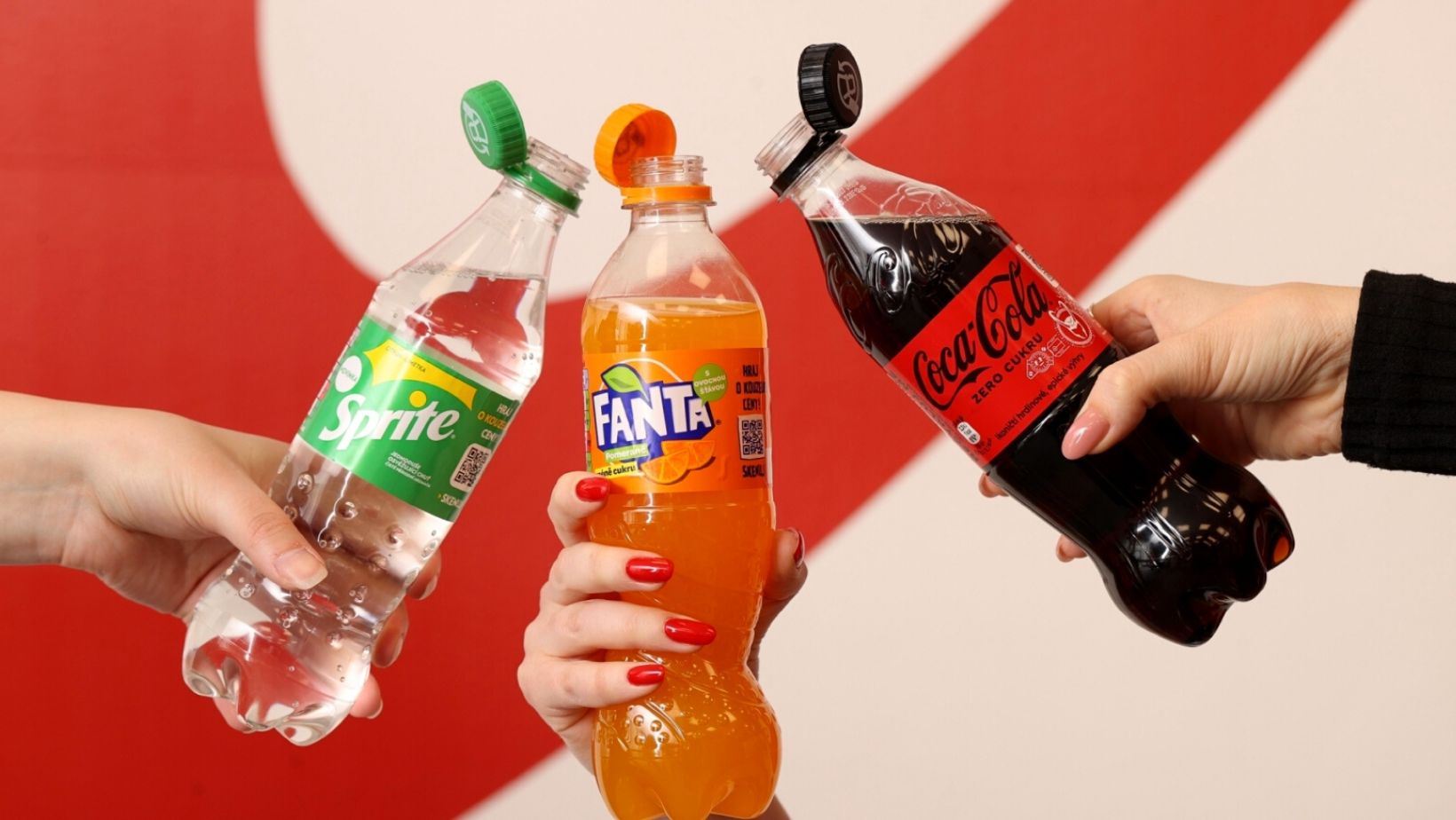
Coca-Cola introduced to the Czech Market packaging that keeps plastic lids tethered to bottles when opened to make it easier for consumers to recycle drinks packaging in its entirety. Plastic bottle caps can be recycled but are often lost, discarded or end up as litter, Coca-Cola said in a statement. The new design aims to reduce that, the company said. The design is part of Coca-Cola’s strategy to help create a “circular economy” for its plastic products amid regulation and calls to reduce the amount of its plastic packaging that ends up in landfills and elsewhere. By introducing the new obligation, the European Union promises that non-removable caps on bottles will keep all parts of beverage packaging together after consumption. This will make their collection and subsequent recycling much easier. “After arriving at the recycling centre, the bottles and their caps go into a shredder, which is a set of knives that shreds them into flakes of about 10 millimetres under a stream of water. The whole mass is then washed in hot water with detergents to get rid of impurities, then it goes into a cold wash where the PET flakes from the bottles are separated from the flakes from...
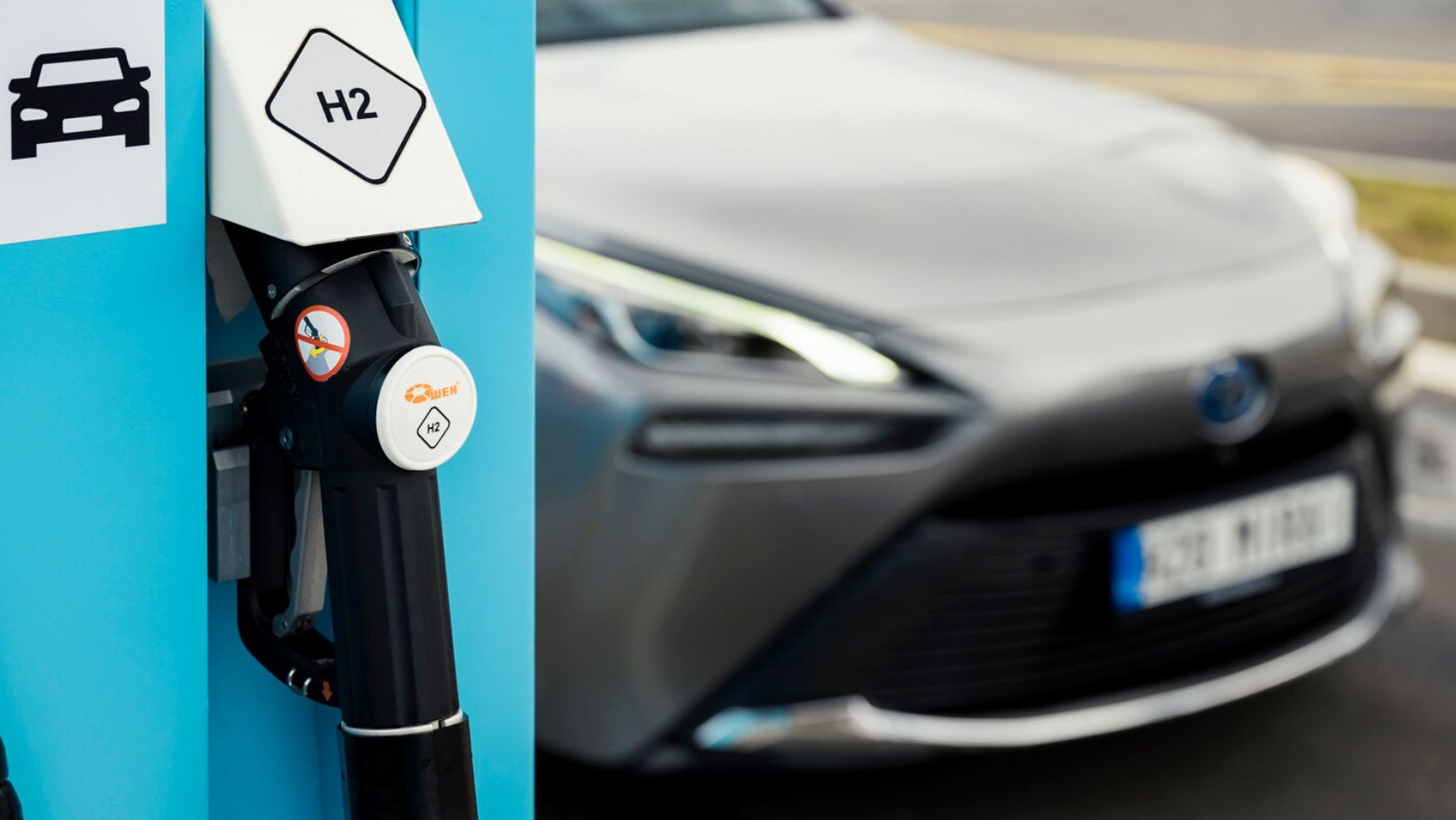
Although hydrogen powered cars are readily accessible in the Czech Republic, fuelling stations are far less prevalent. With the completion of Prague’s first hydrogen car fuel station, this is slowly starting to change. Over the course of the past several years, there has been a significant influx in the interest in hydrogen fuel cells, with automobile manufacturers starting to invest in this technology for both commercial and domestic usage. Currently, three models of hydrogen cars are available in the domestic market, manufactured by Toyota and Hyundai. Without further investment in more fuel stations, the growth of the market for hydrogen cars will be stunted in the Czech Republic. This problem has been addressed by the completion of the first publicly available hydrogen station with 24/7 operation in Barrandov. The hydrogen fuelling station is owned and operated by Orlen Unipetrol, a Czech chemical company owned by Polish oil company PKN Orlend. Currently, the cost for fuelling sits at CZK 278 per kilogram – which can power a hydrogen car for 100 kilometres. Director of Toyota and Lexus in the Czech Republic, Martin Peleška, believes that hydrogen cars could be adopted for use in fleets, Additionally, he maintains that the development of hydrogen fuelling infrastructure will accelerate in the near future, with the...
The CEO of the Prague Transport Company (DPP), Petr Witowski, has announced that the company will start testing a new hydrogen-powered bus this spring. The purpose of the test is to assess technical and operational parameters, and the bus will initially operate on line number 170, running from Jižní Město to Barrandov. DPP has been exploring alternative ways of powering public transport vehicles for several years, having gradually introduced electric cars and resumed trolleybus operations. According to a document approved by the city’s former leadership last year, current hydrogen technology technically allows buses to run on fuel, but it is the most expensive option so far. The fuel consumption per kilometre of travel for a hydrogen bus costs about three times more than a diesel bus, and repairs are also more expensive compared to diesel buses. The hydrogen bus will run on line 170 on a trial basis, which was chosen because of its length of about 40 kilometres, its hilly profile, and its proximity to the first public hydrogen filling station in Prague located on K Barrandov Street. The car will leave from the Kačerov garage. “We have completed preparations for testing, having recently visited the hydrogen bus prototype...
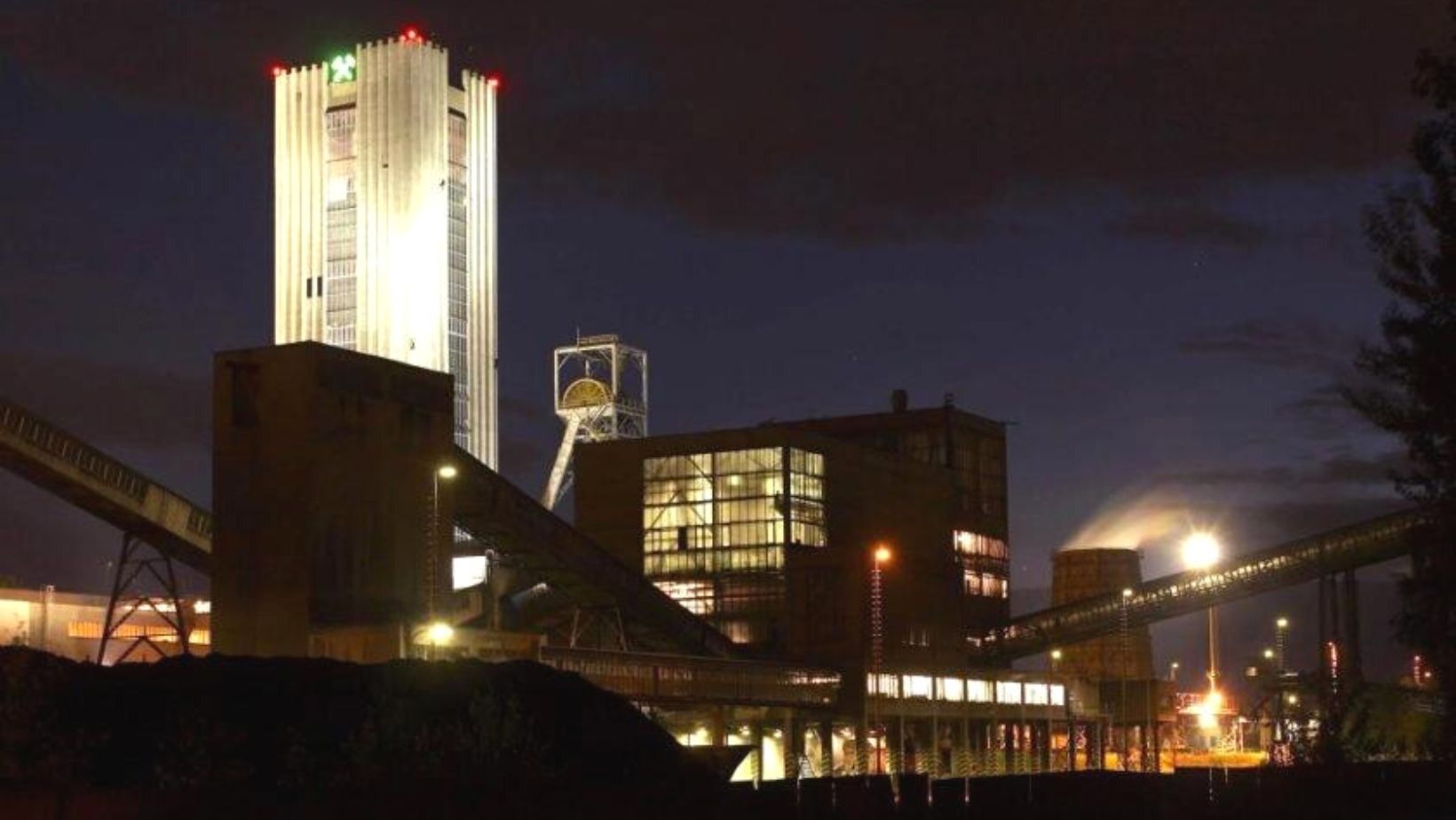
Unused coal mines in Ostrava will be getting a new lease on life, transformed into massive electrical storage facilities within the next few years. Becoming the world’s first gravity power plant, the project is a joint venture between Czech State enterprise Diamo, the Ostrava University and Technology, and the British startup Gravitricity. Gravitricity chose to partner with the Czech Republic for this project due to the many underutilized coal mines in the East of the country. The exact location of the gravity power plant is undecided as of yet, but the company’s have highlighted some candidates, all in the Moravian-Silesian region. “We are currently considering several possible locations. At the moment, the most likely one is Darkov”, noted Gravitricity head Charlie Blair. With a projected cost of over 700 million crowns, the majority of the funding for this project will be provided by Gravitricity, it is intending to acquire additional funding from the European Union’s Innovation Fund. Blair provided a rough timeline for construction, stating that “Ideally, the plant should be up and running in 2026. If all goes well, we’d like to start up a few more in the country,” “Of course, the project also has a lot of...
Purchasing an e-car in the near future is completely unimaginable for most Czechs as the high cost of e-cars and misunderstandings on emissions rules ensure they remain skeptical about e-mobility, said Czech expert Helena Truchlá. According to Ekovozy.cz, which monitors the number of e-vehicles in the Czech Republic, around 12,000 electric cars were in the country by mid-2022. “The Czech public perception of electromobility is still negative. This is related to the fact that electric cars are still simply too expensive for a large part of the population, and a bit too sci-fi for everyday life,” added Truchlá, an analyst at sociologist agency STEM. “For more than a third of the (Czech) public, such a purchase is completely unimaginable,” Truchlá pointed out. The Czech public is also opposed to plans to restrict the sale of new cars with internal combustion engines from 2035. According to the expert, people’s attitude towards restricting the sale of conventional cars is often linked to a misunderstanding of the regulation. “Only 27% of people in our survey last year correctly said that after that date (2035), everyone can still drive whatever they want in Europe,” Truchlá said. Half of those surveyed also believed the change...
Don’t have an account? Register
[swpm_registration_form level=”6″]
Already have an account? Log In
How Would You Like to Promote Your Business? PR ArticleDisplay bannersVideo productionNewsletter adsJob ListingsInfluencer Marketing
Your Email
We will come back to you within 24 hours with our proporsal