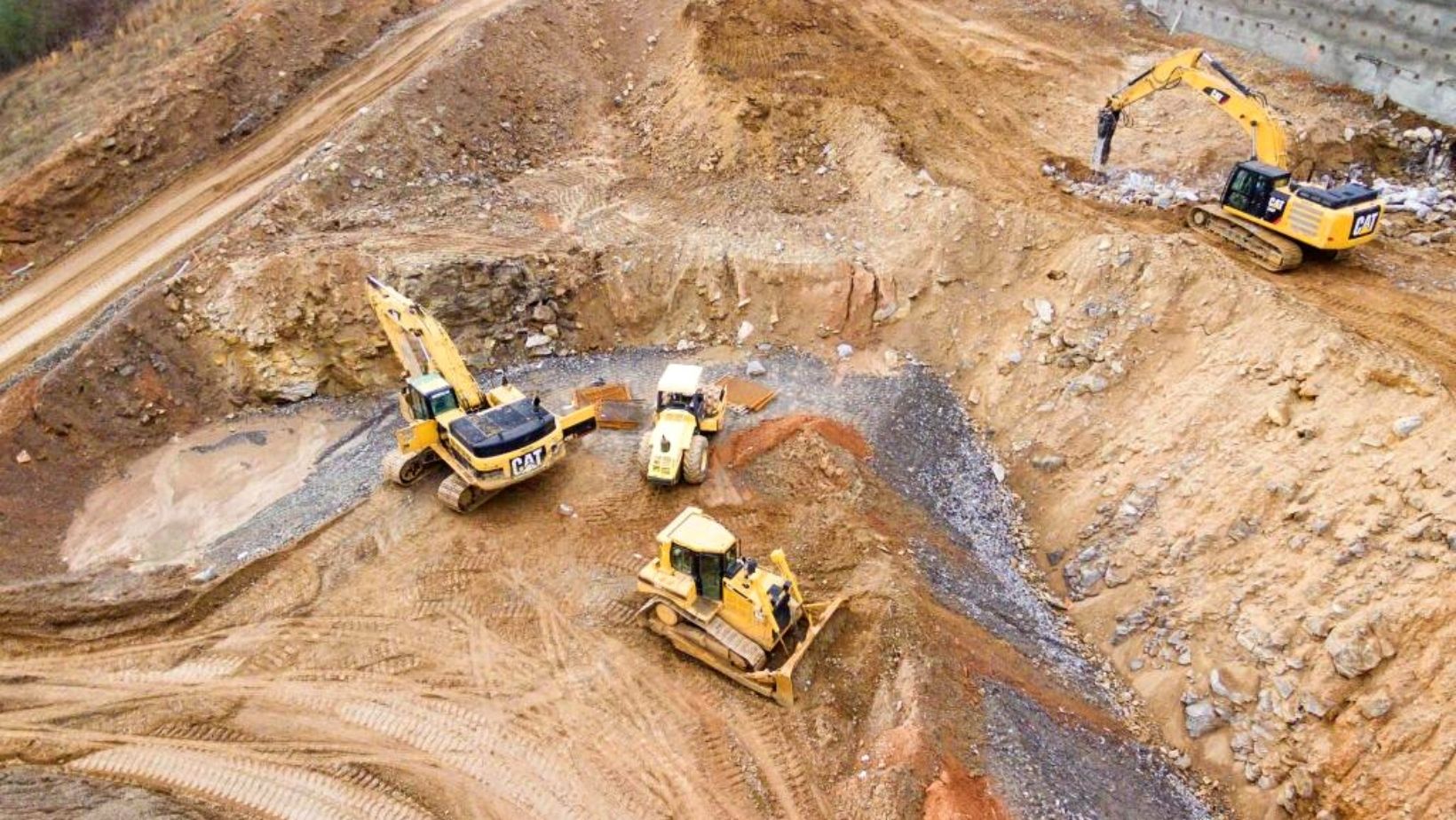
Earlier this year, the City of Prague approved the 2030 Climate Plan submitted by Deputy Mayor for the Environment Petr Hlubuček. As TheMayor.eu reports, this plan outlines the capital’s goals to achieve a 45% reduction in CO2 emissions by 2030. Moreover, it stresses the significance of sustainability and circular economies, among others. With these objectives in mind, Prague recently launched various initiatives to become a cleaner, greener, and more sustainable city. Taking a case in point, it established various reuse centres where individuals can deposit unwanted items rather than discarding them. In addition, it reused last year’s Christmas tree, transforming it into furniture for an elderly home. Now, it has taken one more step towards achieving the goals of the 2030 Climate Plan. The City of Prague has recently reported that it is preparing to convert slag produced from the incineration of waste into building materials. According to Hlubuček, the incinerator produces 65 to 70 thousand tons of slag annually. What is more, the city pays approximately CZK 40 million a year for landfilling. Thanks to research and technological innovations, this waste can now be converted into raw materials and used in the construction industry. More specifically, clean slag reportedly has various useful properties which...
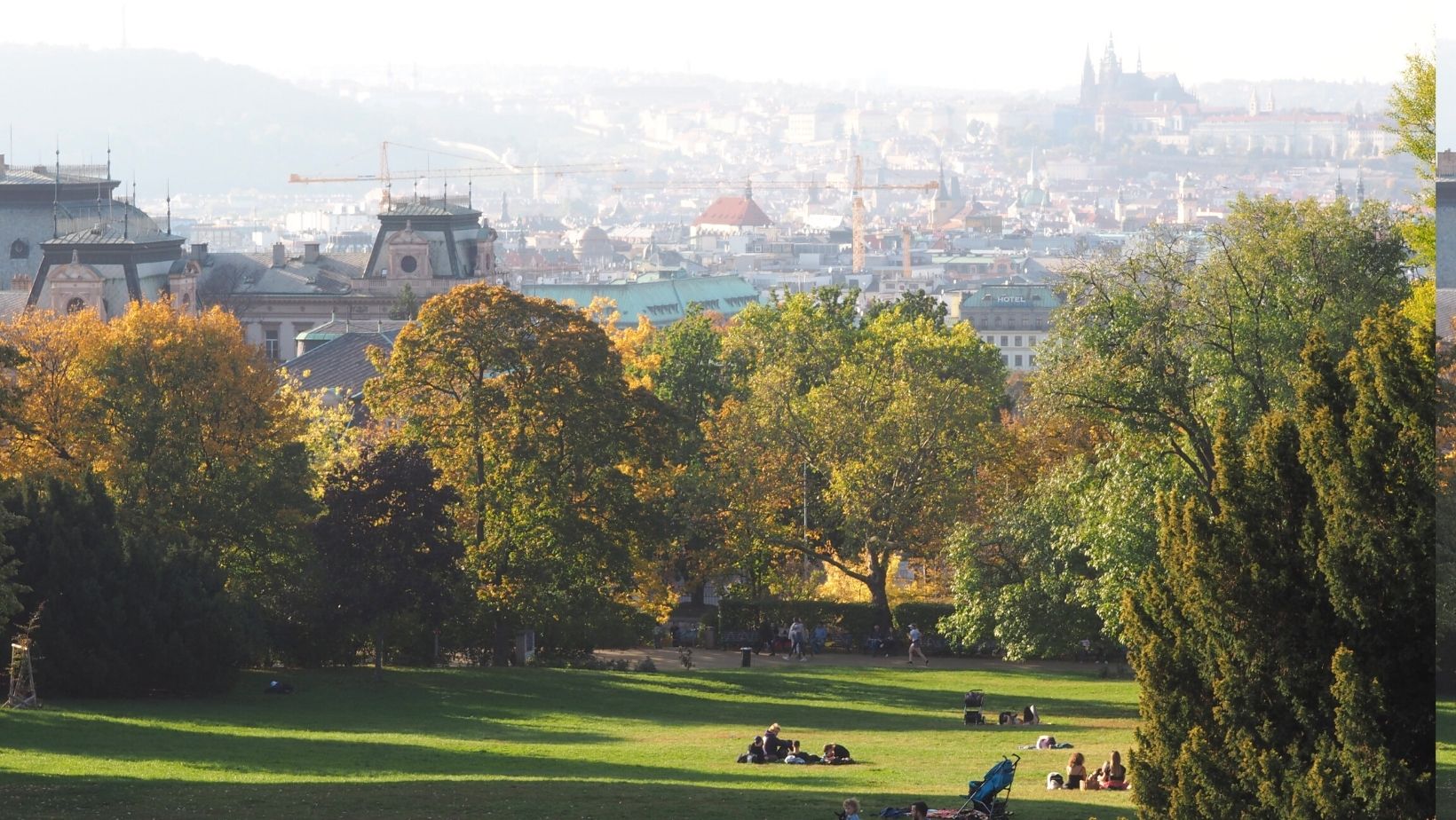
Which of the world’s cities have the best parks? abcFlora.com carried out a study gathering data relating to the parks in 60 of the world’s best-known cities, allowing them to discover how busy each city’s parks are, as well as how highly rated they are on Google. This in turn gave them the means to generate a comprehensive ranking based on general park quality. At the top of the ranking is Prague. The 13th largest city in the EU and home to over 1.3 million people, Prague’s parks have an impressively high average review score of 4.59 out of 5. While there are plenty of great choices throughout the city, some of Prague’s most well-known parks include Havlíčkovy Sady and Letná park. In 2nd and 3rd are Moscow (4.67) and London (4.56) respectively. Although these two cities are far more densely populated than Prague (Moscow with 12.5 million residents and London with 9.4 million residents) both of them maintained very high scores, with the Czech capital not far ahead of them. Now let’s take a look at the other end of the spectrum – of the cities we analysed, which ones have the lowest scores? The lowest ranking city on the list is...
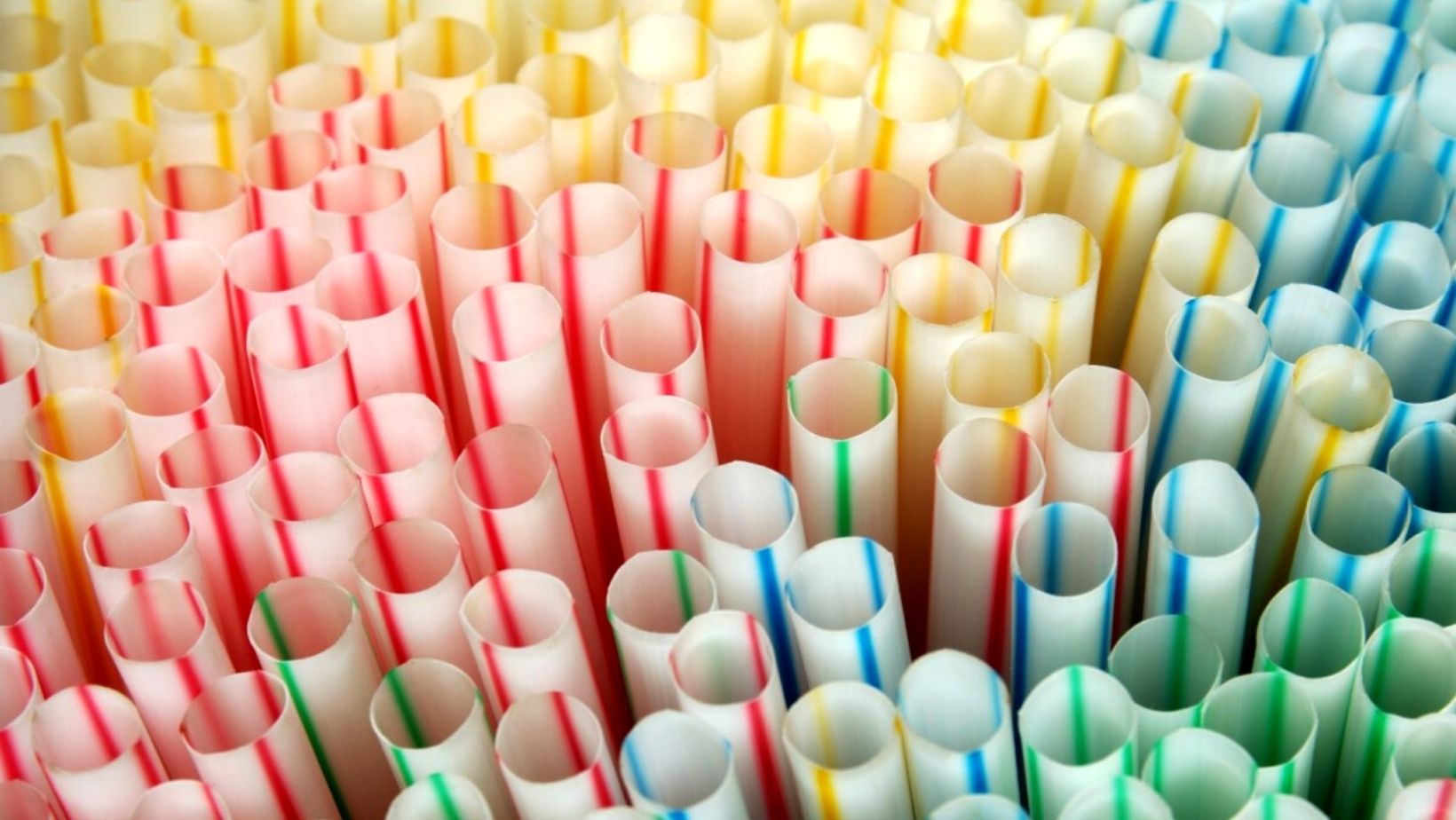
Disposable plastic plates and cutlery, straws or q-tips are among the products that will no longer be sold in EU member states from July 3, according to a European directive on limiting the environmental impact of plastics. In the case of the Czech Republic, the EU Directive 2019/904, adopted two years ago by the European Parliament, has not yet been transposed into national legislation. Which products are banned? Products to be banned under the regulation include plastic cutlery, plates and straws as well as ear swabs, except for those used in health facilities. Also prohibited are plastic stir sticks and balloon sticks with the exception of those intended for purely industrial use. The regulation also bans expanded polystyrene food and drink packaging and items made of oxo-degradable plastics. Labelling and packaging The regulation also prescribes labelling of certain disposable plastic products and their packaging to inform consumers on how to handle the resulting waste. The items that should be labelled include pads, tampons and applicators, wet wipes, tobacco products with filters, filters marketed in combination with tobacco products, and cups. The ban will take effect fifteen days after the regulation is published in the Official Gazette. Non-compliance will be punishable...
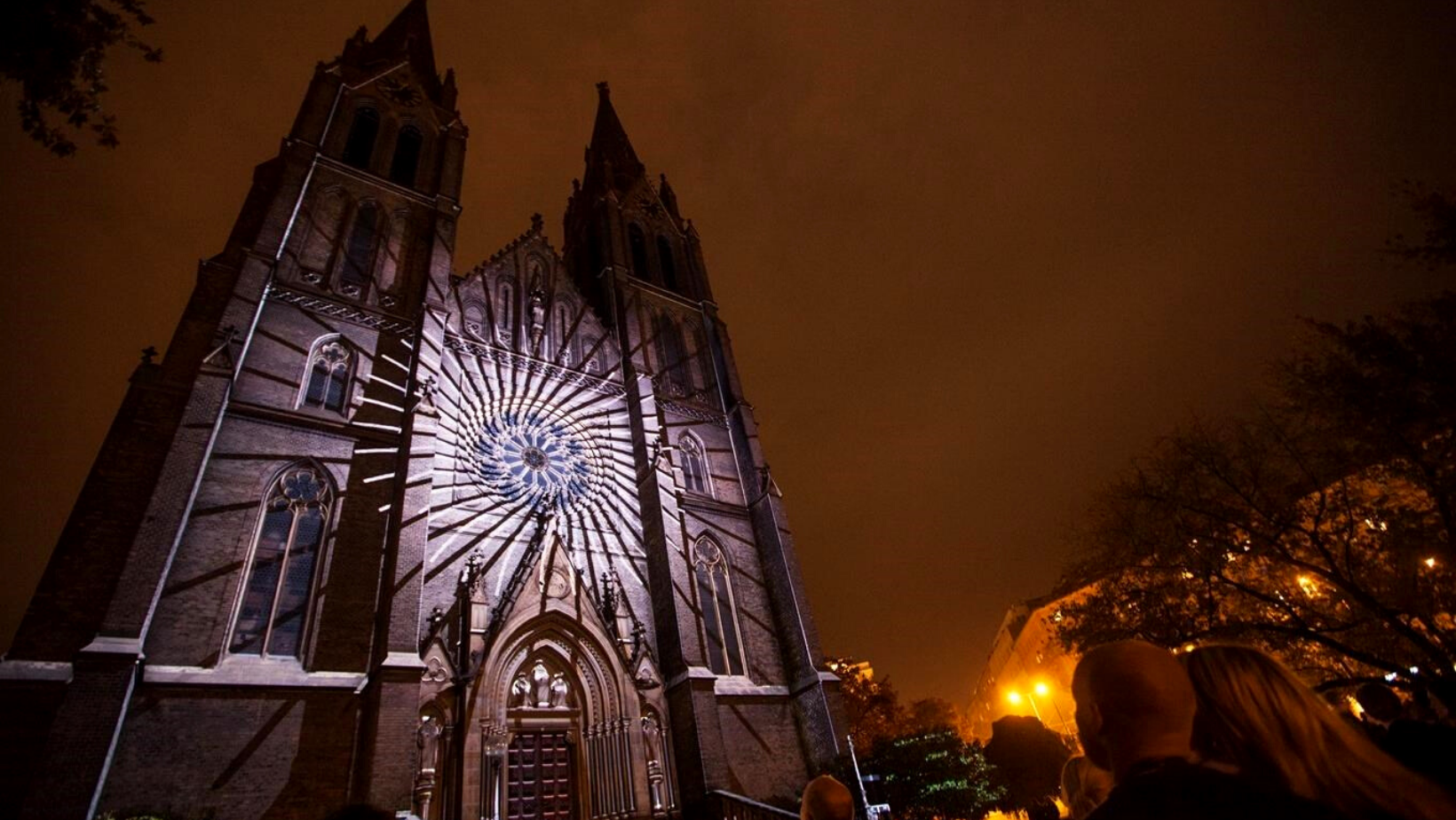
At the last minute, we are expanding this year’s program. We are also looking for the last festival location. We have also announced a competition for university students called the Neon Award. If you have someone nearby, or it’s you, sign in, tell your friends. Signal Festival will take place from October 14 to 17. We are also working on something completely new, which we will talk about a lot during September. Signal AR is a new permanent project to which we at Signal devote a lot of time and care. This is our new experiment. We will soon introduce you to several art installations in augmented reality. And what about the festival theme? What will this year’s Signal be about? The United Nations Intergovernmental Panel on Climate Change (IPCC) has issued a new report on the state of our planet. It unequivocally states that human activity is causing climate change. It is high time to wake up. We’ve been guessing this in Signal for some time. This is another factor that shows that the choice of the Plan C theme for this year is more than timeless. As has been said several times, in 2020 we wanted to open a debate in public space through art about the state...
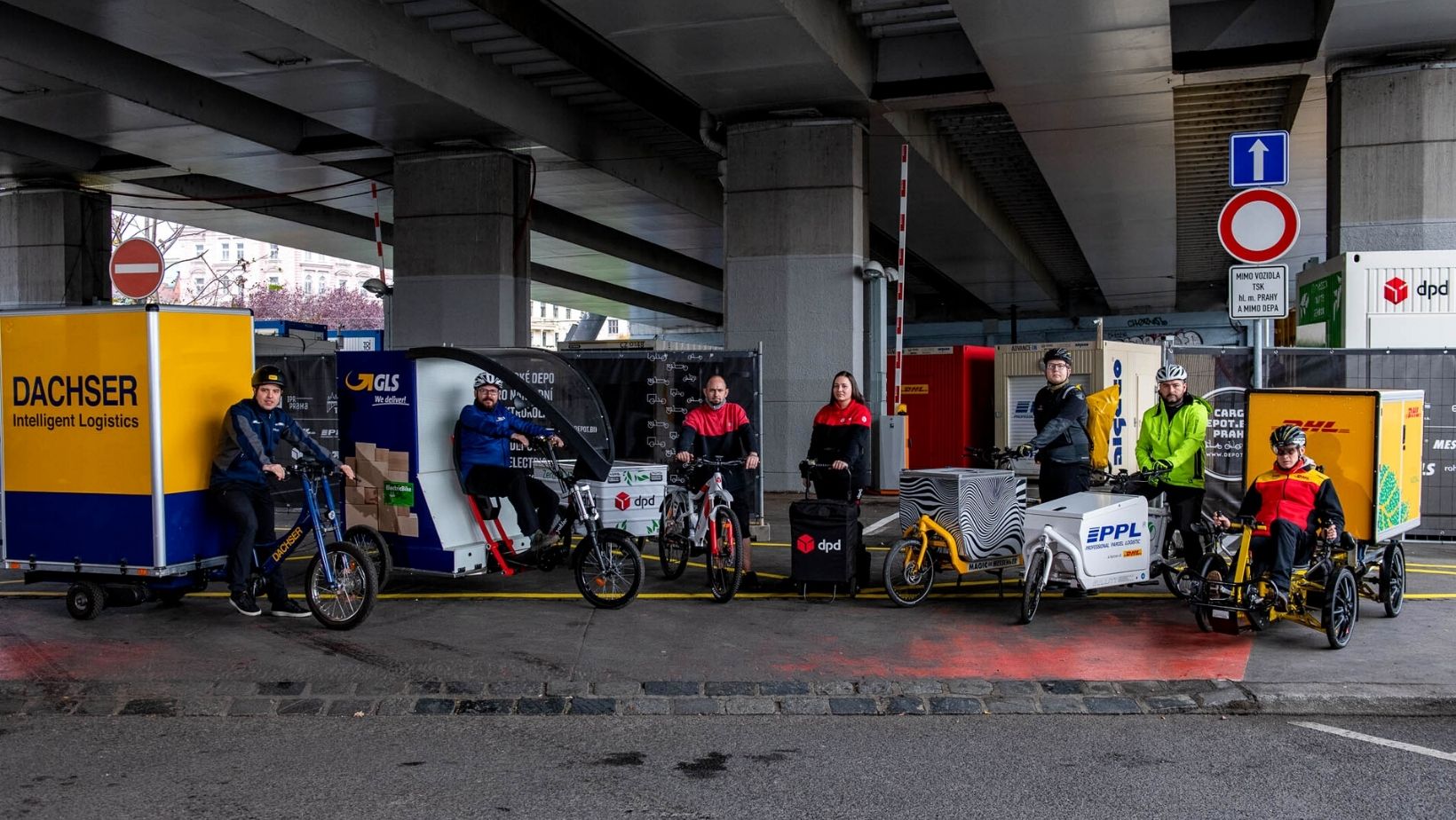
In November 2020, a pilot project for the first cycle depot designed for the delivery of parcels around Prague’s city center by electric cargo bike was launched in the Florenc section of the city. This project has been chosen as a finalist for the 2021 EUROCITIES Awards in the Zero Pollution category, competing for the top spot with the De Energiecentrale project in Ghent, Belgium, and the Recyclerie des moulins project in Nice, France. The winner of the competition will be announced in November of this year. In the nine months since the depot opened, couriers on cargo bikes have delivered over 50,000 parcels and covered more than 23,000 km. Following on the pilot’s success, Prague is planning another bike depot in Anděl, which will start operating this September. The Florenc depot will continue operating indefinitely. Adam Scheinherr, Deputy Mayor for Transport, says: “Our experience in Prague thus far shows that micro-depots in city centers can contribute to the streamlining of logistics so that goods arrive from the shortest possible distance. In other words, the more depots we have, the better the entire system will work. We are working with the biggest logistics players in the market at both depots. These...
Prague City Hall plans to distribute CZK 168.5 million to the city districts for the expansion of urban greenery and other projects reducing carbon dioxide (CO2) emissions. The subsidies were approved by the city councilors, and the money will be used to renovate several parks, planting, and restoration of alleys or projects designed to retain rainwater. In 2019, Prague approved a commitment to reduce CO2 emissions by 45 percent by 2030, and recently approved a climate strategy. Among the projects to be supported, the revitalization of Riegrovy sady above Vozová Street. Prague 2 is to receive CZK 8 million. The same amount is to be received by Prague 5 for the renovation of Chaplinova náměstí, Prague 9 for the further extension of Přátelství Park and Prague 11 for the revitalization of the housing estate courtyard. The town hall in Uhříněves is to receive CZK 6 million for the renovation of Cukrovarský Park, while Vinoř will receive the same amount for the conversion of the chateau forecourt. Additional money will be invested at Dolina Park in Lysolajy, two parks in Prague 13, Solidarita Park in Prague 10, construction of a park along Českobrodská in Prague 14, reconstruction of a fountain on...
The goal of Škoda Auto’s new strategy is to develop internationalization, electrification, and digitization. The company plans to transform the Czech Republic into a centre of electromobility development and thus ensure existing jobs and create new ones. The company aims to be one of the five best-selling brands in Europe by 2030 and plans to become the leading European brand in the growth regions of India, Russia and North Africa. Moreover, Škoda’s portfolio will be expanded by at least three purely electric models. “Models like Rapid in Russia and Kushaq in India are helping us to achieve this. It is tailored to suit the needs of the customers in the region and will become the best sellers in many other emerging markets,” said Thomas Schäfer, CEO, Škoda Auto. At the beginning of 2022, the production of battery systems for the group’s MEB platform will be launched in Mladá Boleslav. The carmaker is also expanding its virtual-showroom concept and wants to sell 20% of its vehicles online in 2025. Compared to 2020, it plans to lower fleet emissions by 50% and switch to carbon-neutral production in all its Czech and Indian production plants by 2030. In addition, between 2022 and 2030,...
The Czech bathroom empire Siko has invested CZK 150 million in the purchase of an 80% stake in the innovator Swiss Aqua Technologies, a company based in Cham, Switzerland. It consists of a team of engineers and scientists involved in nearly two decades of product development in order to improve water quality, to save water with an emphasis on health effects and environmental impacts. Siko has been supplying some novelties to foreign markets since last year. The first innovation with which it entered world markets last year was the anti-scale pipes called KalyxX. The company sold last year tens of thousands of pieces of this special equipment, for example, to China, the USA, Brazil, Israel for CZK 150 million. However, the main trump card of the company is the toilet of the new generation OptimFlush. It will save the average household up to CZK 4,000, as the most environmentally-friendly toilet in the world uses half the normal water consumption, ie 1.5 liters or three liters for each flush. The technology works on the principle of pressurization from the water supply system without the use of additional energy. Siko plans to sell ten thousand toilets in Europe this year. The certification...
On 3 July 2021, the EU ban on disposable plastics comes into effect. We are talking straws, cups, cutlery, plates, but also balloon rods. Find out what changes and when. In December 2018, representatives of the European Commission, the European Parliament, and the EU countries jointly agreed upon a directive to combat the ‘plastic soup’. To reduce plastic litter and the overabundant use of plastic, a number of single-use plastic products (cutlery, stirrers) will be banned. Other products (cigarette filters, wet wipes) will contain labels stating that plastic is bad for the environment. Manufacturers of other products such as food packaging will have to contribute financially to cleaning up and educate the people. Member states will have to achieve a 90% collection target for plastic bottles by 2029, and plastic bottles will have to contain at least 25% of recycled content by 2025 and 30% by 2030. On 3 July 2024, an additional measure takes effect: loose caps on bottles will no longer be allowed. Caps have to be affixed to the bottle. The European Commission is planning more measures. For example: from 2025 onwards, 25% of all soda and water bottles must be made from recycled materials. That percentage...
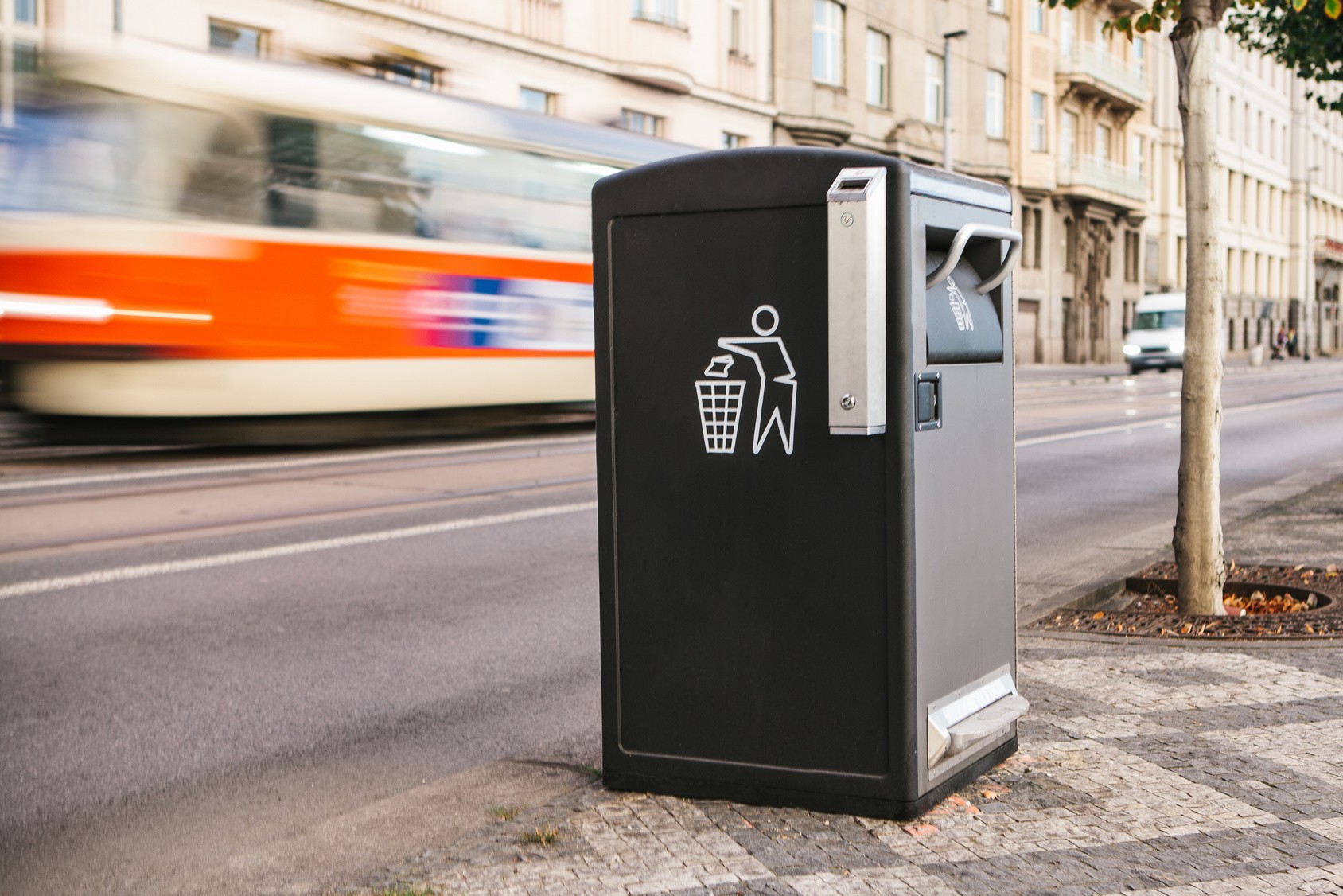
The Czech Republic is among the top five EU countries in waste sorting. Industry and Trade Minister Karel Havlíček said that the government cabinet is launching a massive promotion of recycling by changing legislation, incentives, and financial support for investment. CZK 4.4bn has been allocated for recycling in the National Recovery Plan (NRP). The NPO also includes funding for recycling infrastructure and circular solutions in companies. The country already is one of the lowest generators of waste in the EU and this initiative should help strengthen its position among states that aim to produce as little waste as possible and recycle majority of the rest. Every year, more than 6,000 kilotons of waste are produced in Prague. With regard to the environment, the capital strives for its thorough processing in the system of waste management, which serves citizens and companies. Waste in Prague is collected using container posts, curbside collection, and permanent drop-off centres. About 99% of households use the system of container posts with recycling stations where you bring and separate your waste. The collection is provided by four specialized companies. The frequency of pick-up ranges from once every 14 days to 7 times a week. Since 2020, Prague...
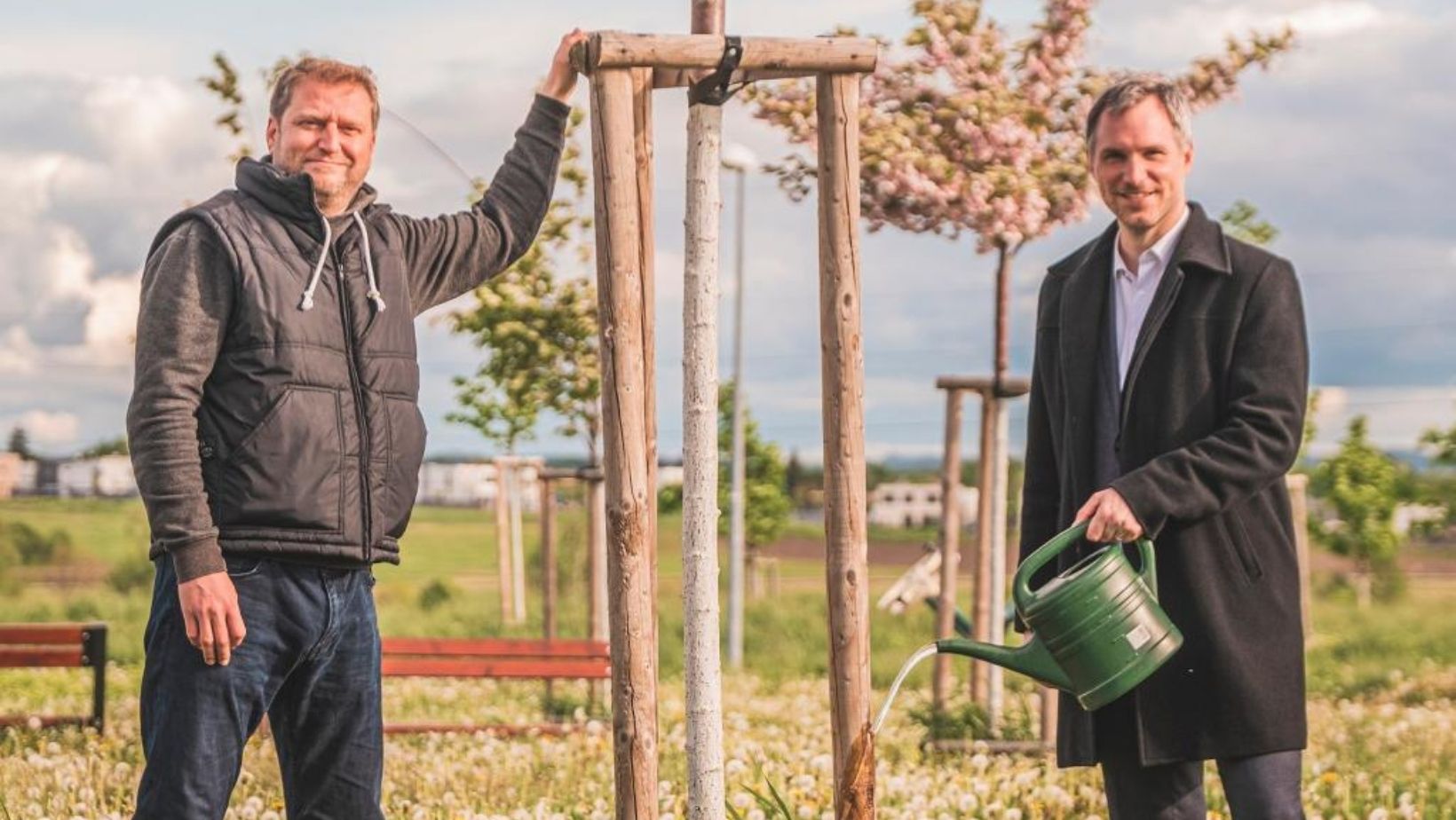
Over and over again, the Czech City of Prague has proven its commitment to the environment. The capital has not only vowed to plant 1 million trees in 8 years but it has also received the European Forest City Award 2021 for its environmental efforts. Now, it has launched a new project: “Adopt a Tree”. Residents can choose a tree to care for The municipality is involving citizens, urging them to help the city achieve its green goals. With the launch of its latest green project, it invites residents to choose, adopt, and care for a tree from Prague 14. In a press release by the City of Prague, the municipality notes that “Adopt a Tree” is part of a bigger project: “Build Prague”. This larger initiative seeks to raise awareness of how important it is to care for and protect the greenery in the capital. Mayor of Prague Zdeněk Hřib commented on the city’s efforts and goals: “We promised that we would plant a million trees in Prague in eight years and that we will succeed in fulfilling our plan. So far, we have planted 370,000 trees. […] But the care of planted trees is also important. The city is our shared public space,...
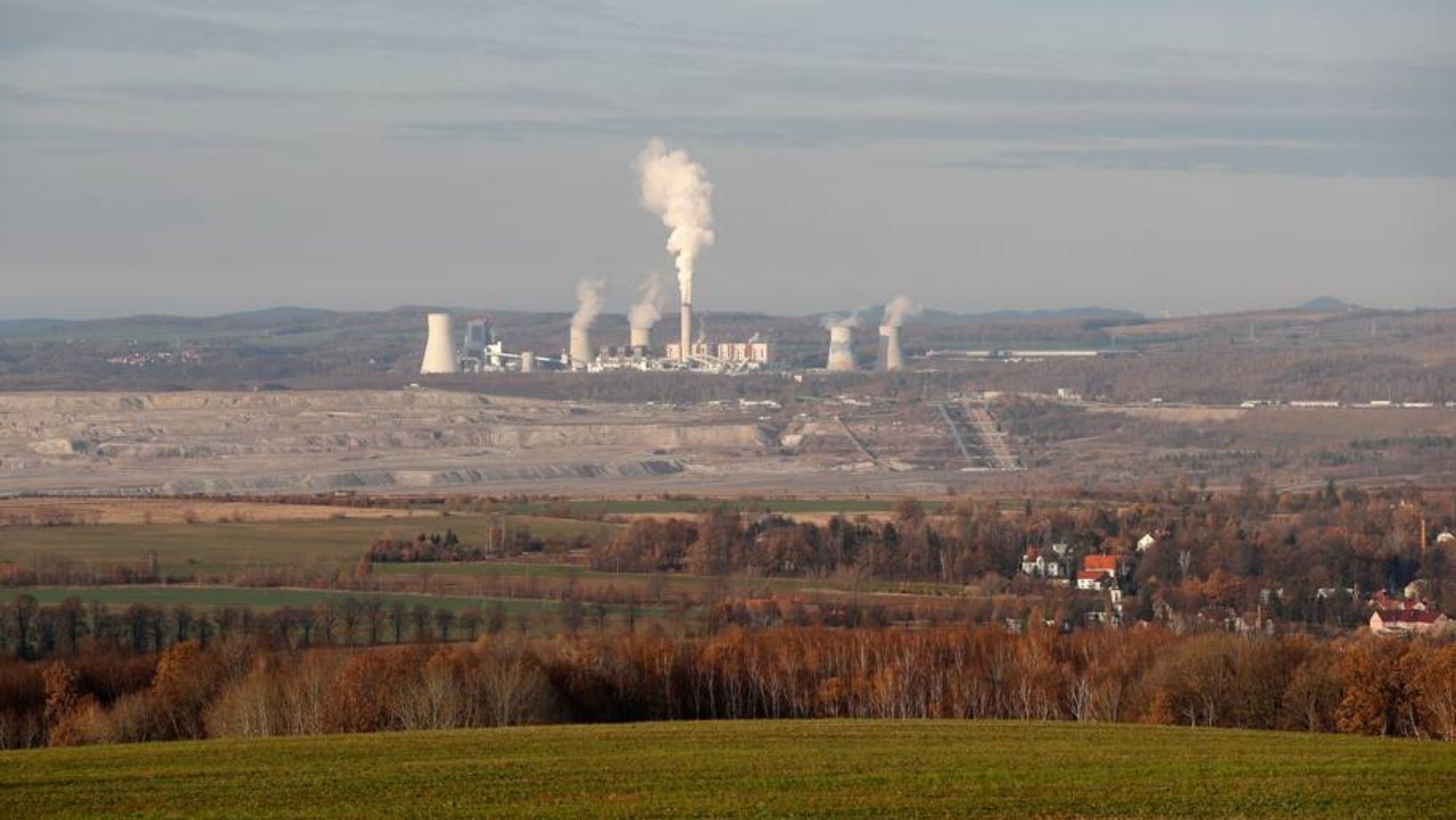
The European Union´s top court on Friday ordered Poland to immediately stop mining brown coal at the Turow mine, on the border with the Czech Republic and Germany. The Czech Republic filed in March for an injunction, saying the open-cast lignite mine in Poland drains ground water away from inhabited areas and has other negative effects on Czech residents. The decision by the EU´s Court of Justice is a temporary measure pending the court´s final judgement on Prague’s complaint. Poland is heavily reliant on coal and had argued against the decision, which was praised by environmental campaigners. “This ruling is a welcome reprieve for people living on the front line of this crisis, who have been forced to live with the mine gulping their drinking water and undercutting their houses,” said Kathrin Gutmann, campaign director for the Europe Beyond Coal group. “The message for polluters like PGE is clear: The rules are the same for everyone, and they are there to protect everyone.” In January, the German city of Zittau, just across the border from Turow, also took Poland to the EU’s court, saying the mine was harming the city and was draining away groundwaters. Poland´s state PGE energy group,...
Don’t have an account? Register
[swpm_registration_form level=”6″]
Already have an account? Log In
How Would You Like to Promote Your Business? PR ArticleDisplay bannersVideo productionNewsletter adsJob ListingsInfluencer Marketing
Your Email
We will come back to you within 24 hours with our proporsal