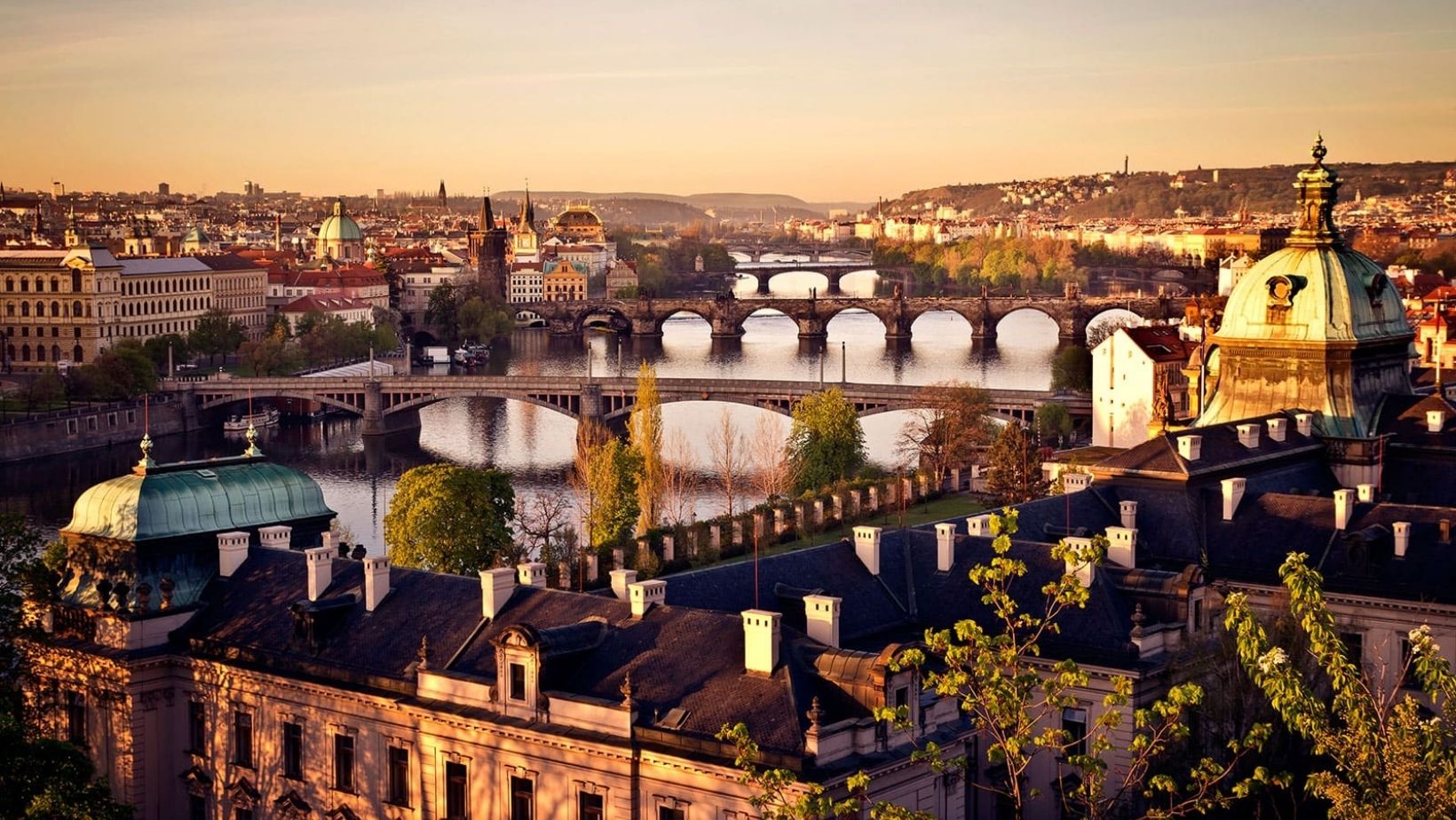
A new study by Uswitch reveals which cities around the world are the most sustainable. The study analyzed cities based on several factors which contributed to them being the most sustainable: Energy, transportation infrastructure, affordability, pollution, air quality, CO2 emissions, percentage of green space available. Prague scores highly for the percentage of green space available Prague has one of the highest scores for green space on the index (88.9%). Since 2018, Prague has implemented the Tree Planting Action Plan, an eight-year scheme to plant 1 million new trees. This helps the quality of existing wooded areas and reduce traffic noise in residential areas. The city puts a lot of effort into their recycling as less than 10% of waste is sent to landfills. Other initiatives include citywide bio-waste collection and plan to reduce the total production of mixed city waste by at least half by 2030. Prague is known for its cheap and easy-to-use public transport, and scores moderately on the index’s transport infrastructure (48%), the city has approved a Sustainable Mobility Plan that will ensure more sustainable transport in the city up to 2030. This includes electric buses, refurbishments of trams, construction of park & rides, safer cycler routes in the...
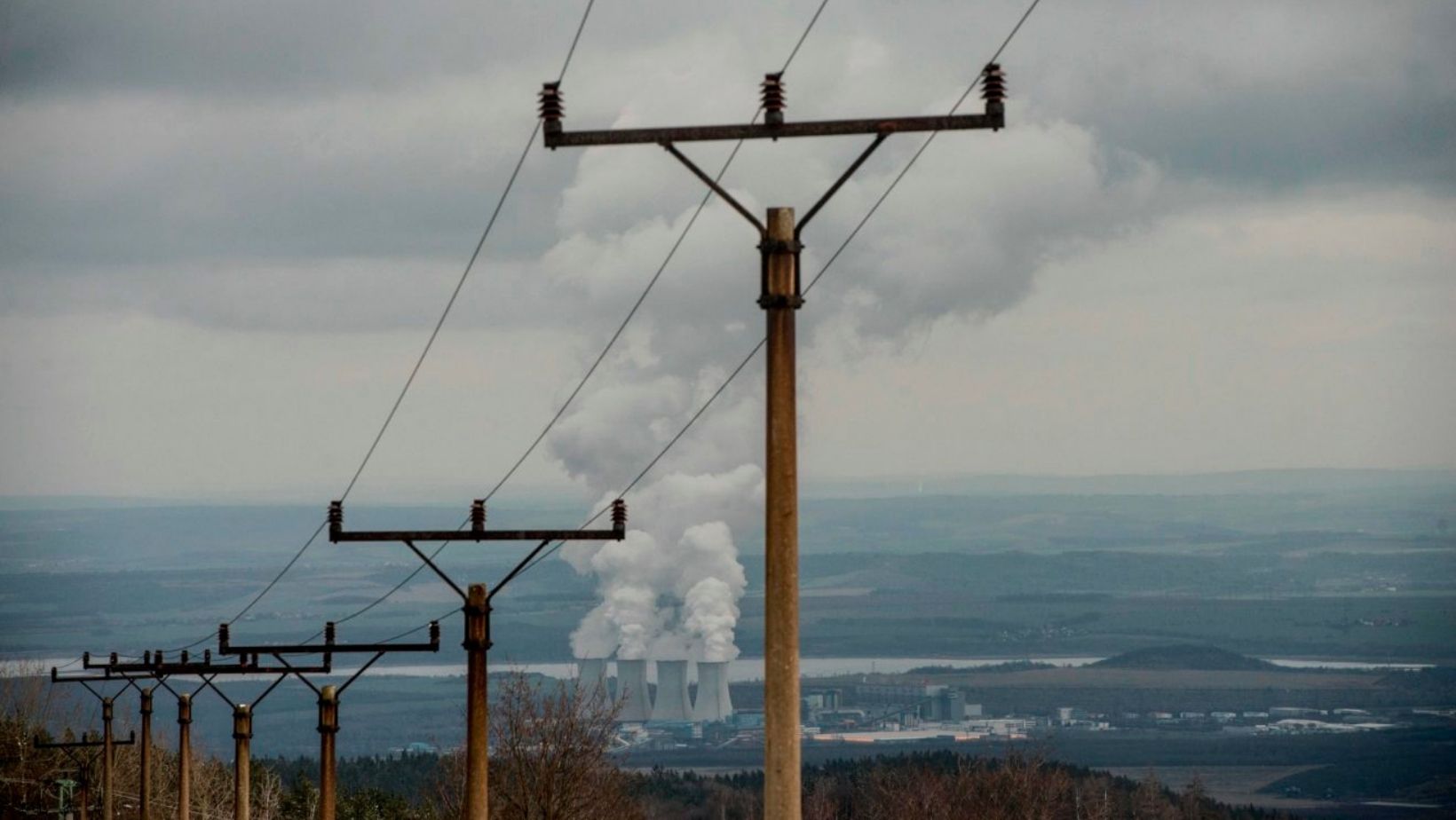
UN secretary-general Antonio Guterres says all OECED countries must phase out coal by 2030 at the latest in order to comply with the Paris Agreement on climate change. The European Union’s objective, agreed by EU leaders in December 2019, is to reach net-zero emissions by 2050. That means the Czech Republic – among the top three coal burners in Europe together with Germany and Poland – is coming under growing pressure to transition to clean energy. A recent report by think tank Agora Energiewende found most lignite units in Germany, Poland and the Czech Republic will become permanently unprofitable in the second half of the 2020s. “The time of coal-fired power plants are coming to an end, and many units are no longer profitable. These market trends need to be reflected in national strategies and coordinated in the countries of the coal triangle,” the report says. Thirty years ago, Germany, Poland and the Czech Republic were all highly dependent on coal. Up until a few years ago, none wanted to be the first mover, but increasing environmental and economic pressure, combined with dwindling resources, has forced them to move, said Aleksandra Gawlikowska-Fyk, co-author of the report at Forum Energii, a Polish...
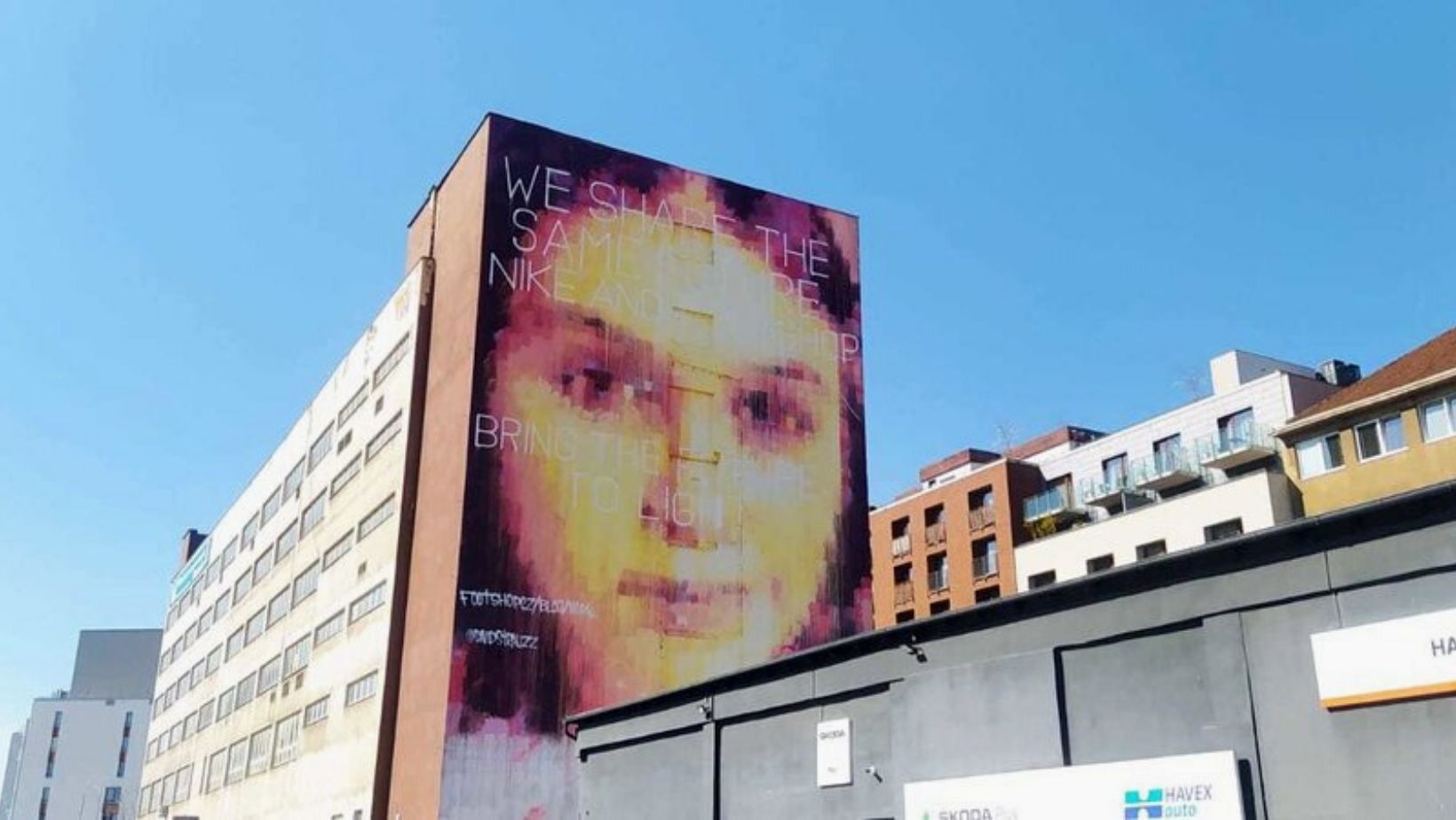
According to Blesk.cz, large-scale paintings are starting to appear more often in the streets of Prague. However, V Háji Street, in Holešovice, is now wholly unique. The Tesla building is decorated with a giant mural with a girl’s face, which has an unusual feature. Thanks to striking colors, the mural can clean the surrounding air with the same intensity as an equally large forest area. Such paintings may be a suitable form of improving the air in the future, especially in cities where there is a problem with planting greenery and no place for it. Mural, large-scale paintings, graffiti – all of the instances are referred to as street art. Recently, paintings by modern artists have started to appear more often in the streets of Prague. Undoubtedly, we are talking about those legal, thoughtful, and processed by the masters of their craft, pieces of art. No one wants to have ugly scribbles on the building’s facades that can remind some people of the plague of past decades. In recent times, large-scale paintings decorate gray walls around the metropolis. For example, at the Opatov and Vltavská metro stations, new murals are now being prepared. A few days ago, the Vychovatelna mural...
Biogas stations, solar panels on Prague roofs, heat supply from wastewater treatment plants, chargers for electric cars, and replacement of city buses with low-emission ones. As Pražský deník reports, these are the five significant projects with which the metropolis wants to meet its energy commitment, signed two years ago. The document commits the capital to reduce carbon dioxide emissions by 45% by 2030, compared to 2010, and by 2050 to turn Prague into a completely carbon-free city. Specific projects for the implementation of the plan will cost hundreds of billions of crowns. “There is an opportunity to revive the economy after COVID-19; the essence is an investment in new technologies,” said Deputy Minister for the Environment Petr Hlubuček (STAN). He also underlined that the EU supports the fulfillment of commitments, and European sources will be financing individual projects. The magistrate’s commission for sustainable energy and climate, headed by former Minister of the Environment, Martin Bursík, has taken on to ensure the fulfillment of grand plans. The accomplishment of the declared goals is to be ensured by a supporter of concrete measures. However, ridding Prague’s dependence on fossil fuels will be extremely expensive; the commission has calculated the total cost at...
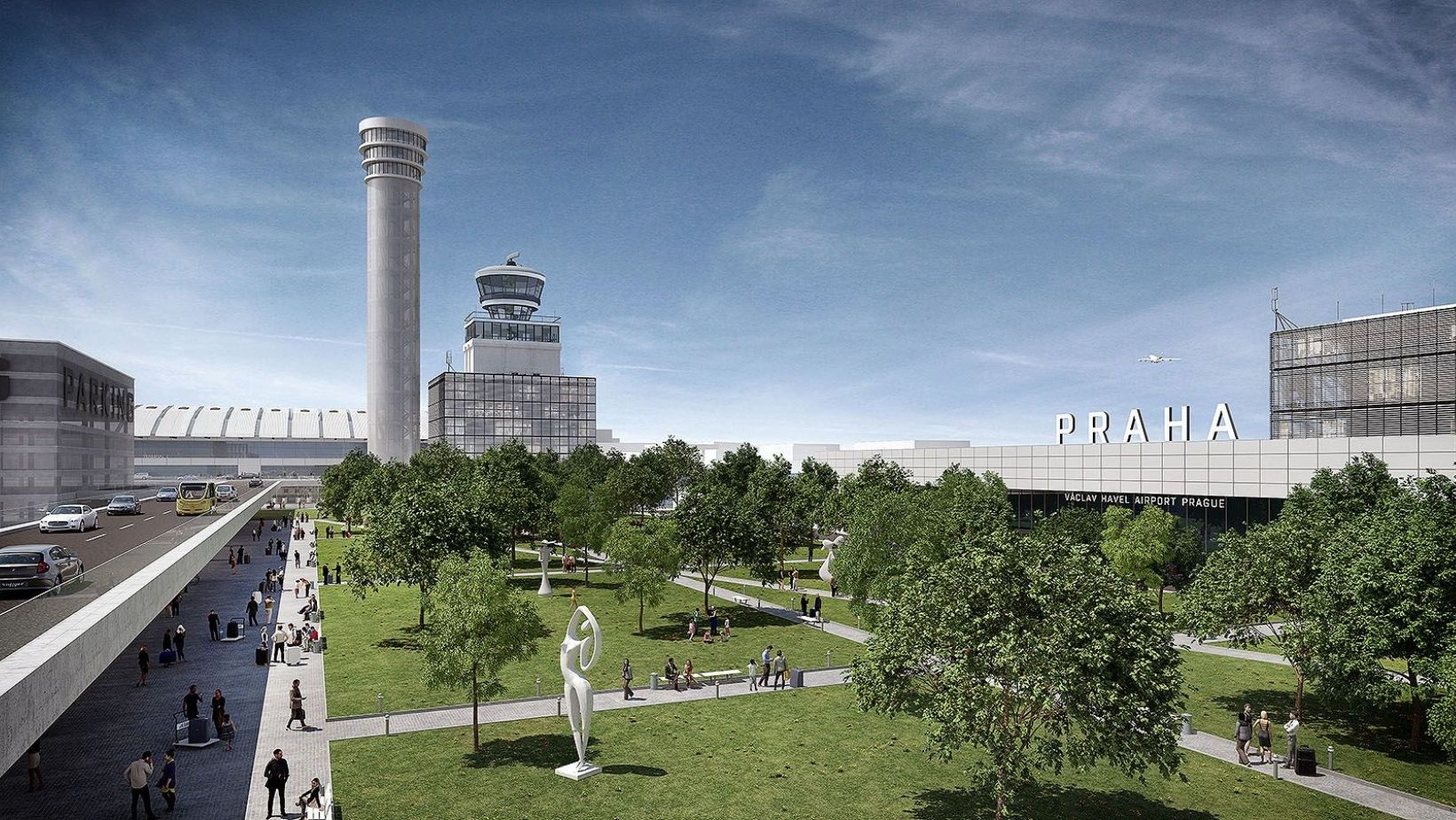
Carbon neutrality, green electricity, protection of biodiversity alongside reduction of disposable plastics. This is but a shortlist of steps through which Prague Airport pursues sustainability and green urbanism. The long-term development projects embedded in the airport’s agenda are to adhere to the principles of sustainability, too. Prague Airport has been actively reducing CO2 emissions for over ten years. Compared to 2009, it achieved a reduction in CO2 emissions of 76% last year and thus saved the equivalent of 41,000 tons of CO2. At the same time, together with other airports, airlines and aircraft manufacturers, the airport has committed itself to reduce the environmental impact of aviation in the pan-European Destination 2050 initiative and introduced a commitment to reach carbon neutrality on all flights across Europe and beyond by 2050. “Airlines are phasing out older aircraft and replacing them with new, much greener and more environmentally-friendly models. In about the next ten years, Prague Airport plans to execute several long-term development and sustainable projects, which include, for example, the expansion of the Terminal 2 building. In the preparatory phase of the terminal capacity increase project, very close coordination with Správa železnic (The Railway Administration) is pursued regarding a train connection to Václav...
Prague 2 Municipal District disagrees with a Prague City Hall’s proposal which includes adjustments to the traffic regime in the area of Smetanovo Nábřeží and Malá Strana. According to Prague 2, if the adjustments are implemented, the traffic load in the municipality will increase drastically as a result of moving the transit of up to thirty thousand cars a day. Prague City Hall has previously announced that it wants to allow passage through Smetanovo Nábřeží and Malá Strana only to locals, whereas other drivers will have to return in the same direction whence they came. Particularly, the regional office of Prague seeks to impose restrictions which will prohibit the passage of motor vehicles through the intersection of Letenská and Tomášská streets on Malostranské Náměstí and parts of Křižovnická street in the section Novotného Lávka – Platněřská street. According to Adam Scheinherr, Prague’s Deputy Mayor for Transport, the ban will not affect residents of districts Prague 1, Prague 2, and Prague 5. It will only apply to drivers who pass through the area. They will be able to enter the center of the city as before, but thoroughfares will be forbidden – drivers will have to return the same way from where...
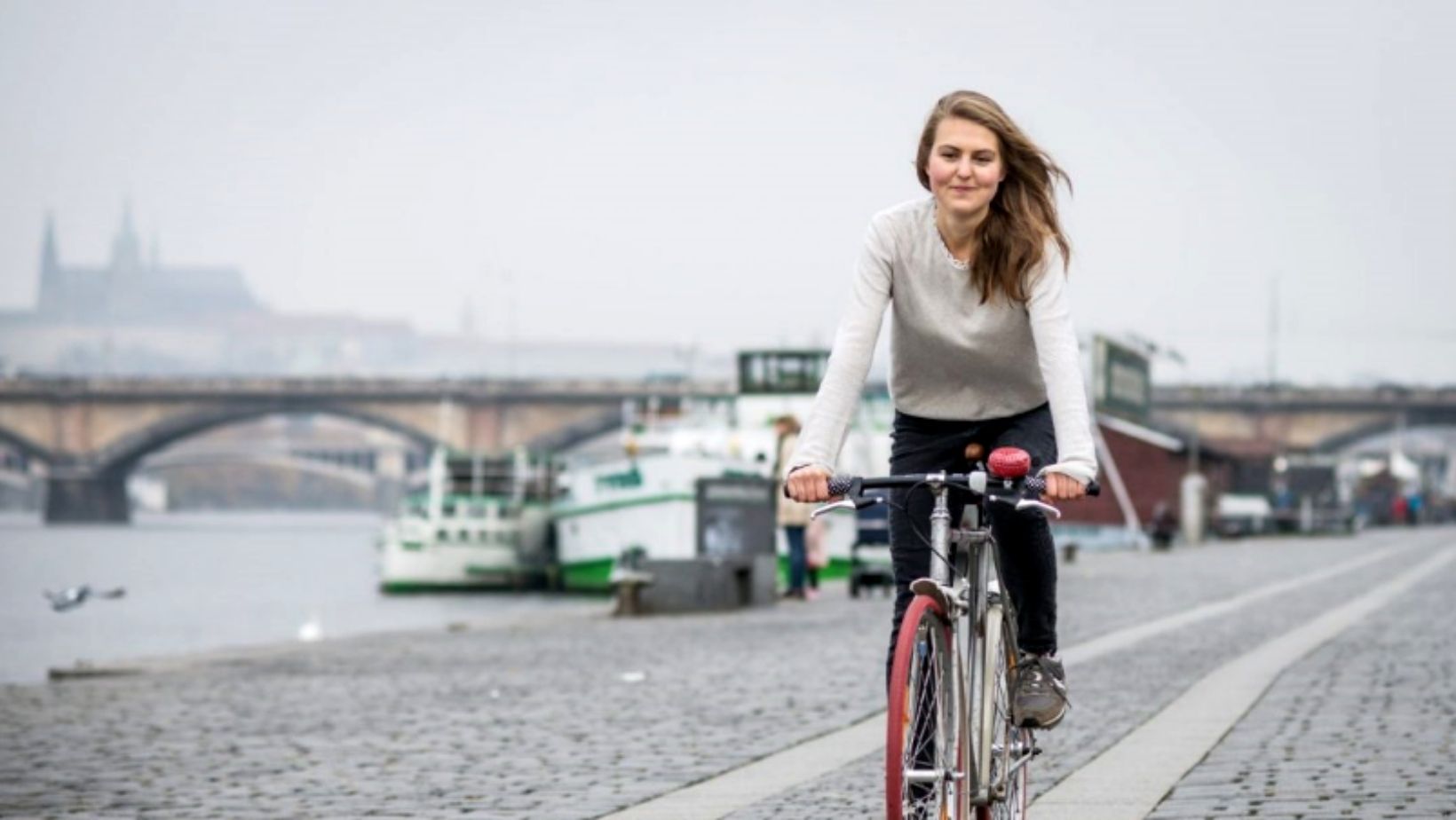
Do Prace Na Kole is a friendly competition that aims to motivate as many people as possible to use a bike as a regular urban means of transportation. The ‘competition’ will place during the month of May and is organized by the independent NGO, Auto*Mat. You don’t need to be a biker to participate: walking, running, and skating to work are also welcome. The main point is to ditch cars and other motorized vehicles. Due to the state of emergency, the organizers decided to adjust the rules of the competition, so it is possible to count trips not only to the workplace. People can compete with others from across the Czech Republic either as an individual or as part of a team in categories such as frequency of travel by bike/foot, total distance covered, longest commute, and others. Teams can compete in the following categories: regularity, performance, cyclo-employer of the year, cyclo-measure, and creativity. The regularity category is self-explanatory; it’s about the frequency of going to work on a bike. If you go by bike every day, you have a great chance of winning! Performance is a distance competition for individuals so if you live close to work but still want...
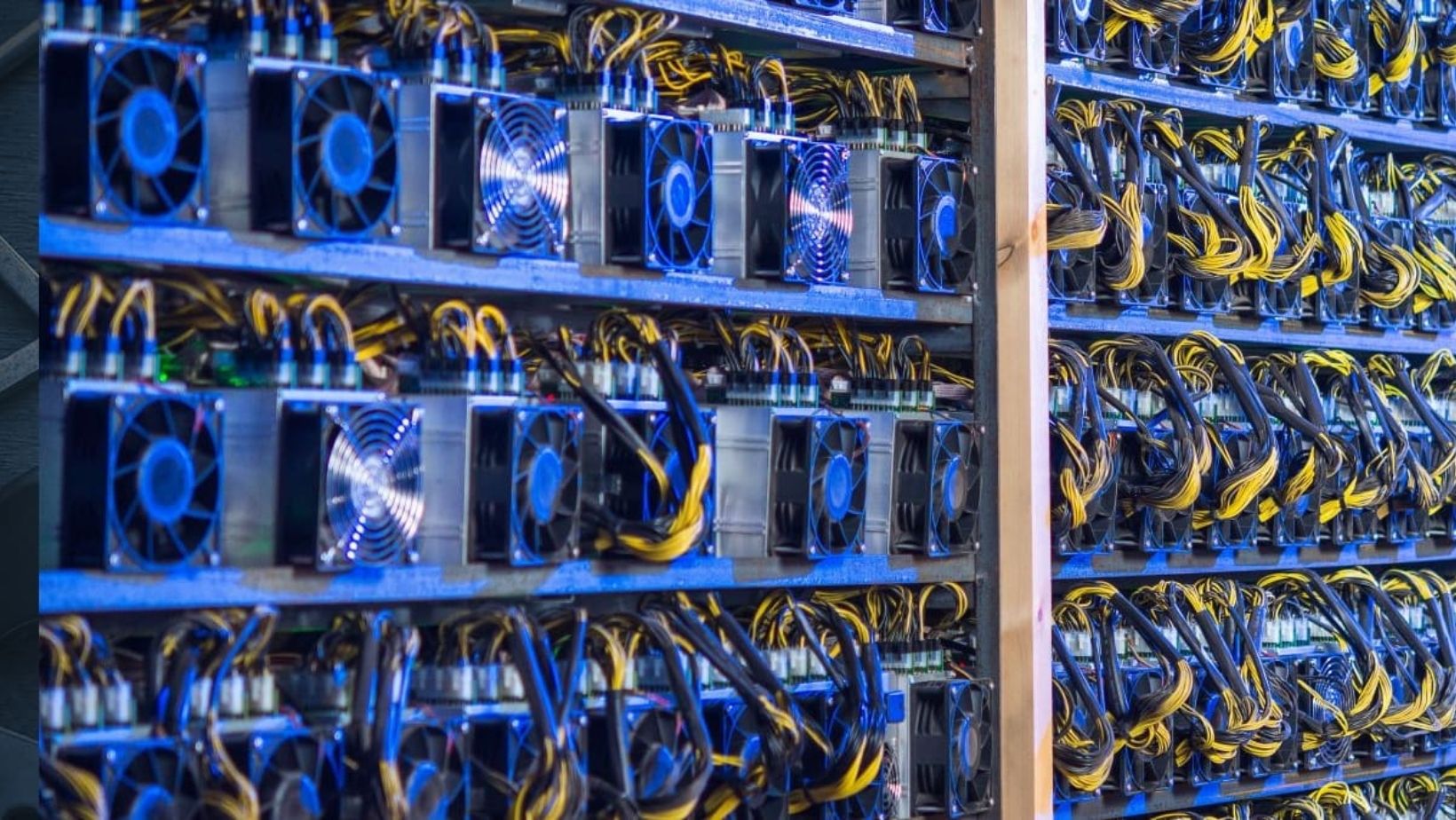
A new study estimates that the energy-hungry process of bitcoin mining in China could soon generate 130.50 million metric tons of carbon emission each year – that’s more than the annual output of the Czech Republic in 2016. As reported in the journal Nature Communications today, researchers from the University of Chinese Academy of Sciences predicted that the annual energy consumption of the Bitcoin blockchain in China is expected to peak in 2024. At this point, bitcoin mining will require around 297 terawatt-hours of energy and will pump out around 130.50 million metric tons of carbon emissions annually. This emission output beats the total greenhouse gas emission output of whole medium-sized countries, including the Czech Republic or Qatar. To wind back a little, bitcoin is a cryptocurrency that allows peer-to-peer transfers without the need of a centralized authority, such as a bank. The transactions are mediated and recorded on a digital ledger, known as the blockchain, shared by everyone participating in the system. Bitcoin mining is the process of verifying bitcoin transactions in the network and recording them in the public blockchain. To do this, a computer must solve complex math problems. As a reward for contributing their computing resources to the network, the “miner” is...
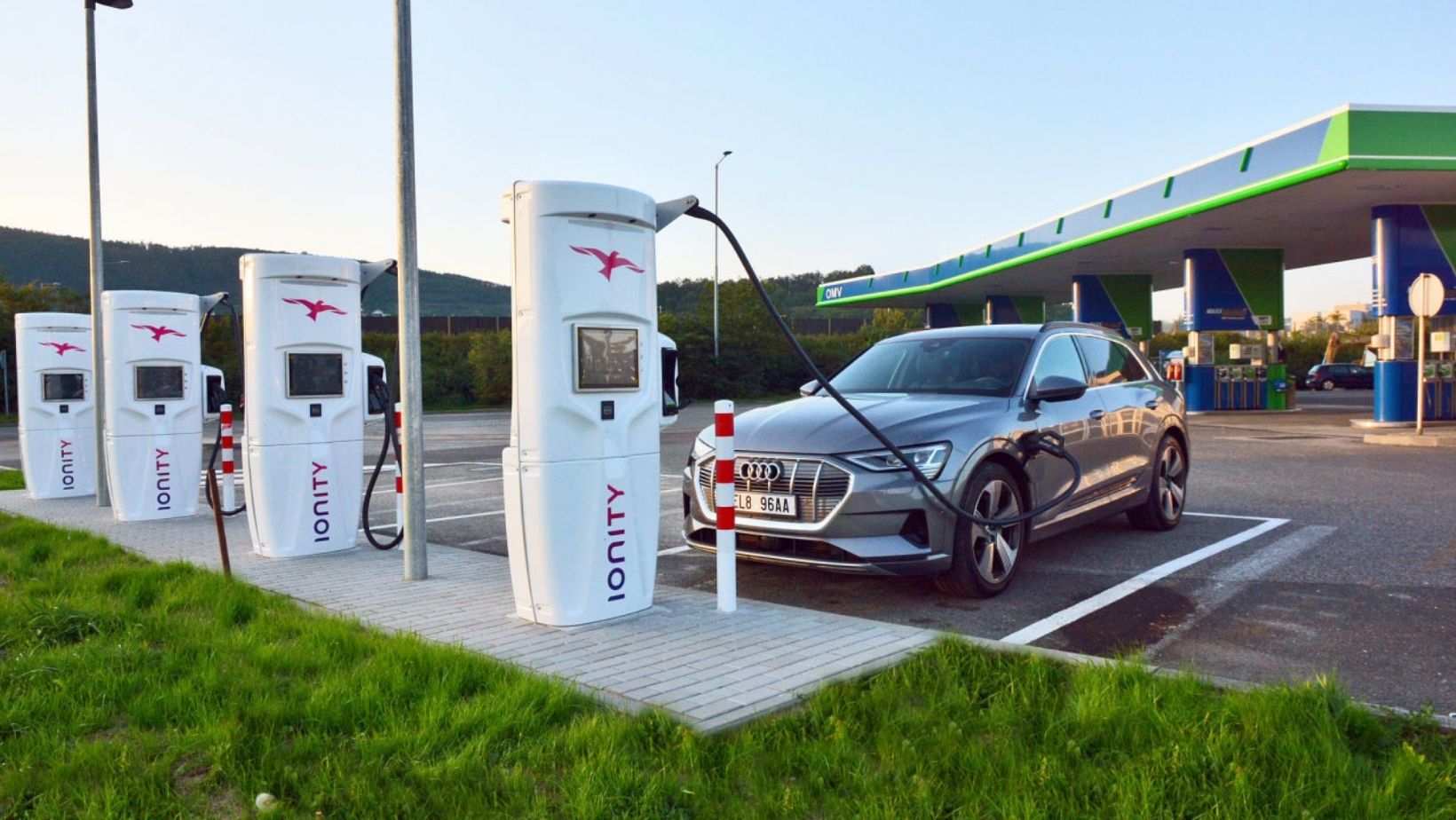
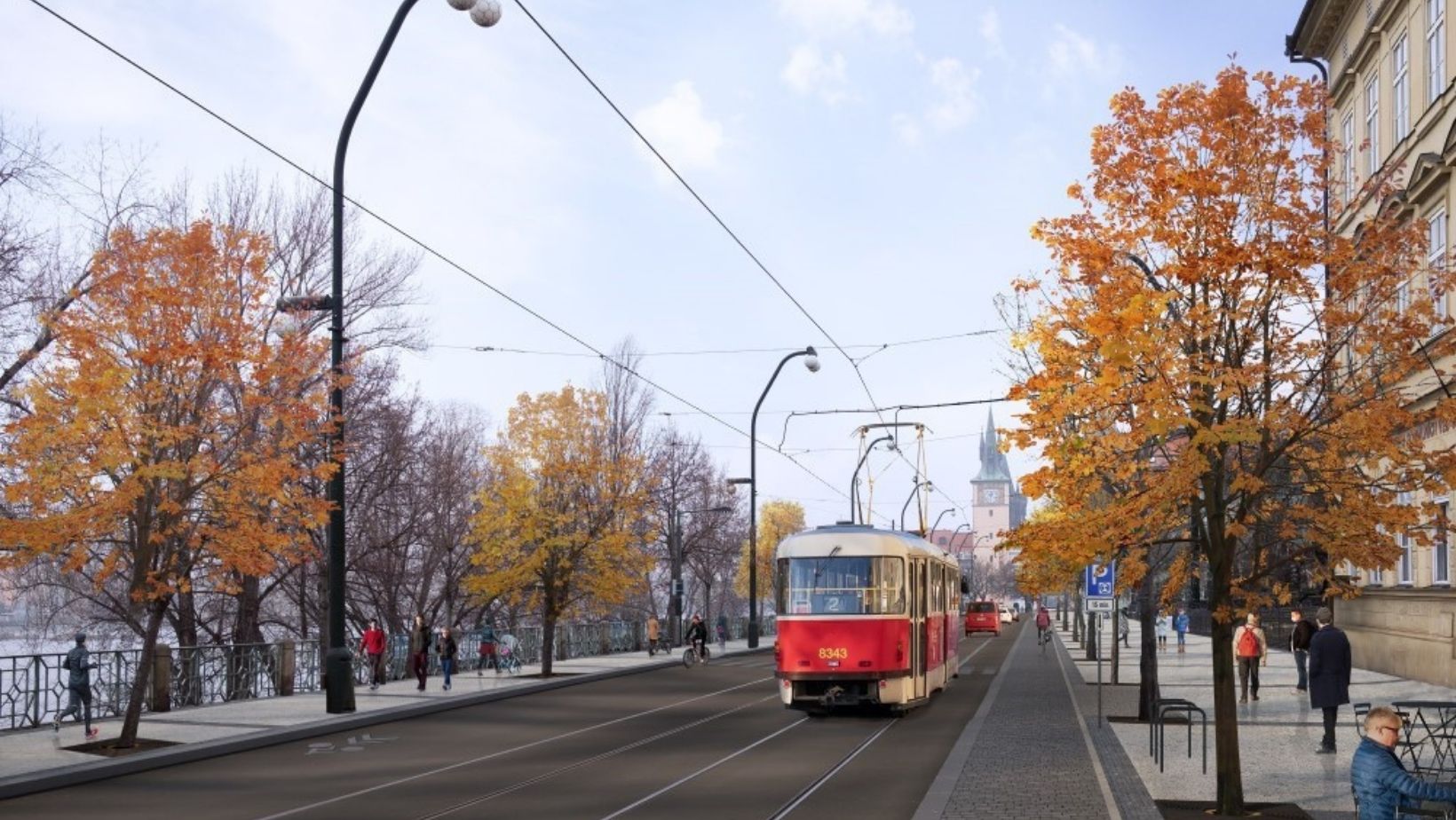
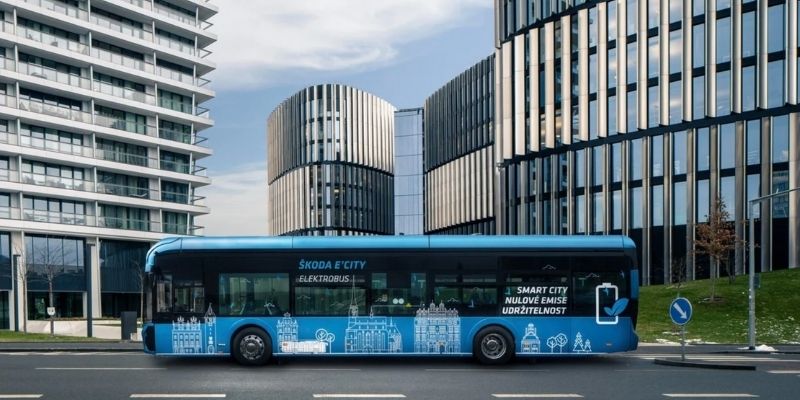
Already in mid-2019, Prague City Assembly approved the Sustainable Mobility Plan for Prague and surrounding areas with a view to 2030, which, among other issues, addresses the development of electric cars, the overall reduction of Prague transportation traffic and, last but not least, the increase in safety. Prague now takes further steps to promote electromobility, transportation sustainability and the overall modernization of transportation systems. 14 New Electric Buses for Prague Public Transportation The purchase of new electric buses fulfills two objectives set by the Prague City Council in the past as part of the Prague Climate Commitment, by reducing emissions by a fifth by 2024 and replacing a third of existing buses with electric buses by 2030. 14 new silent electric buses worth more than CZK 200 million with a transportation capacity of 69 people each, a driving range of 100 km, and a maximum speed of up to 80 kph will drive out in the city streets at the turn of this and next year. The buses, the first-ever of the standard 12-meter length, will be 100% low-floor and equipped with a kneeling system that can lower the boarding edge at the door to facilitate the exit and boarding...
The Edible Cup is made from 100% natural ingredients and can hold a hot drink for 12 hours. Zuzana Zvěřová and Miroslav Myrončuk, two university students from the Czech Republic, invented the Edible Cup to help save our planet. Upon noticing how many plastic and paper cups they use, Zvěřová and Myrončuk felt inspired to find a solution that can reduce pollution. After much thought and research, the students chose to create edible cups as they realised that everyone enjoys having a biscuit with their drink. Speaking to Novinky, Zvěřová commented on the creation process: “We had a lot of trial and error, we created all possible dough combinations at home. We tried candy dough, muffin dough, pancake dough, everything possible.” Characteristics Finally, with the help of the Food Research Institute Prague and the Czech Technical University in Prague, the students found the perfect recipe. As explained on the website of the Edible Cup project (Jedlý Kelímek), the cup is made from 100% natural ingredients and only contains 56 kcal. Moreover, it is vegan and does not contain any artificial sugars or colours. Many might doubt the endurance of such a cup, believing that it must become soggy when it is filled with hot liquid....
Starting with this month, Kaufland Czech Republic will gradually introduce in its stores a new type of shopping receipts, more resistant and more environmentally friendly. Thus, the company reaffirms its commitment to sustainability. The new receipt is made of an innovative, blue thermal paper, without chemical dyes. Thus, it is resistant to sunlight, water and grease and does not lose its legibility or other physical properties over time. In addition, the paper from which it is made is FSC certified, coming from sustainable forestry. The receipt is recyclable and when customers no longer need it, they can safely collect it along with other paper waste. Together with the transition to the new shopping receipt, the packaging of paper rolls for cash registers was also optimized – the company gave up the use of plastic for grouping rolls. The new receipts have already been tested at two stores in Olomouc and Prostějov, and there have been positive feedback from customers. From March, Kaufland will gradually introduce them to other stores across the country. Within July this year, there should be eco-receipts at all cash desks of 135 Kaufland stores in the Czech Republic. This change contributes to the objectives of the...
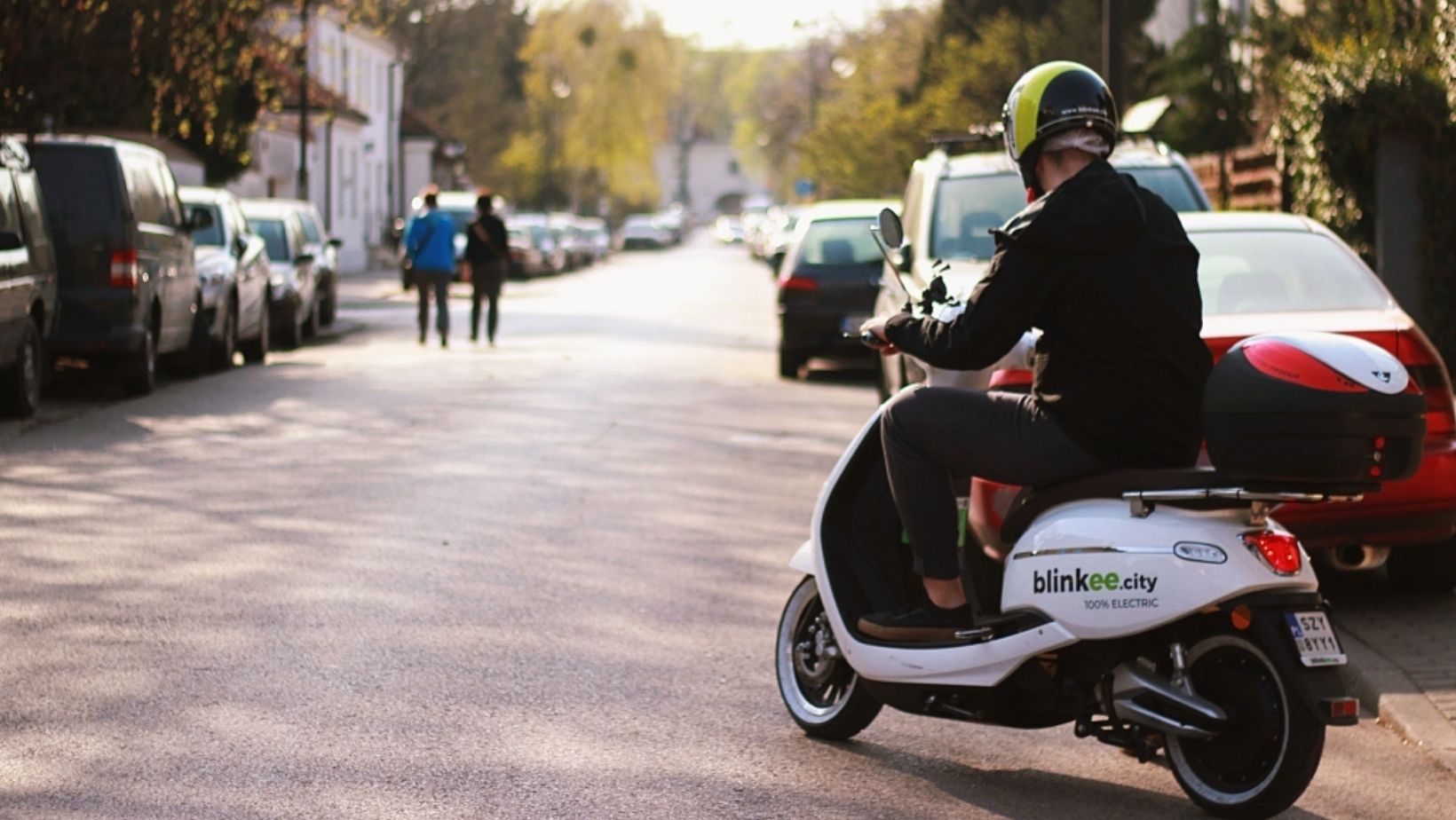
Acceleration of a substantial part of the mopeds, establishing cooperation with a group of couriers, or adding charging phone holders. The company E-sharing s.r.o., which provides shared electric mopeds under the brand blinkee.city, has not been idle during the winter break. Their customers can rely on a disinfectant in the trunk of each vehicle. Polish franchise blinkee.city has entered the domestic market only last June but its shared electric mopeds have quickly become popular in Prague. In order to offer enhanced comfort to drivers in the second season, the team worked forward technical and practical improvements. “We have gathered feedback from our customers for the past months and based on that our team added improvements to our mopeds which will move eco-driving to a new level. Shared mobility is getting more opportunities in Prague and that motivates us a lot,” says Jan Kanta, the CEO of E-sharing. Over 50% of mopeds got faster Both new and regular users of blinkee.city can look forward to faster mopeds as the company equipped more than half of the vehicles with new regulators that have a considerable impact on the speed. The users will recognize the accelerated mopeds by seeing a lightning emoji in...
Don’t have an account? Register
[swpm_registration_form level=”6″]
Already have an account? Log In
How Would You Like to Promote Your Business? PR ArticleDisplay bannersVideo productionNewsletter adsJob ListingsInfluencer Marketing
Your Email
We will come back to you within 24 hours with our proporsal