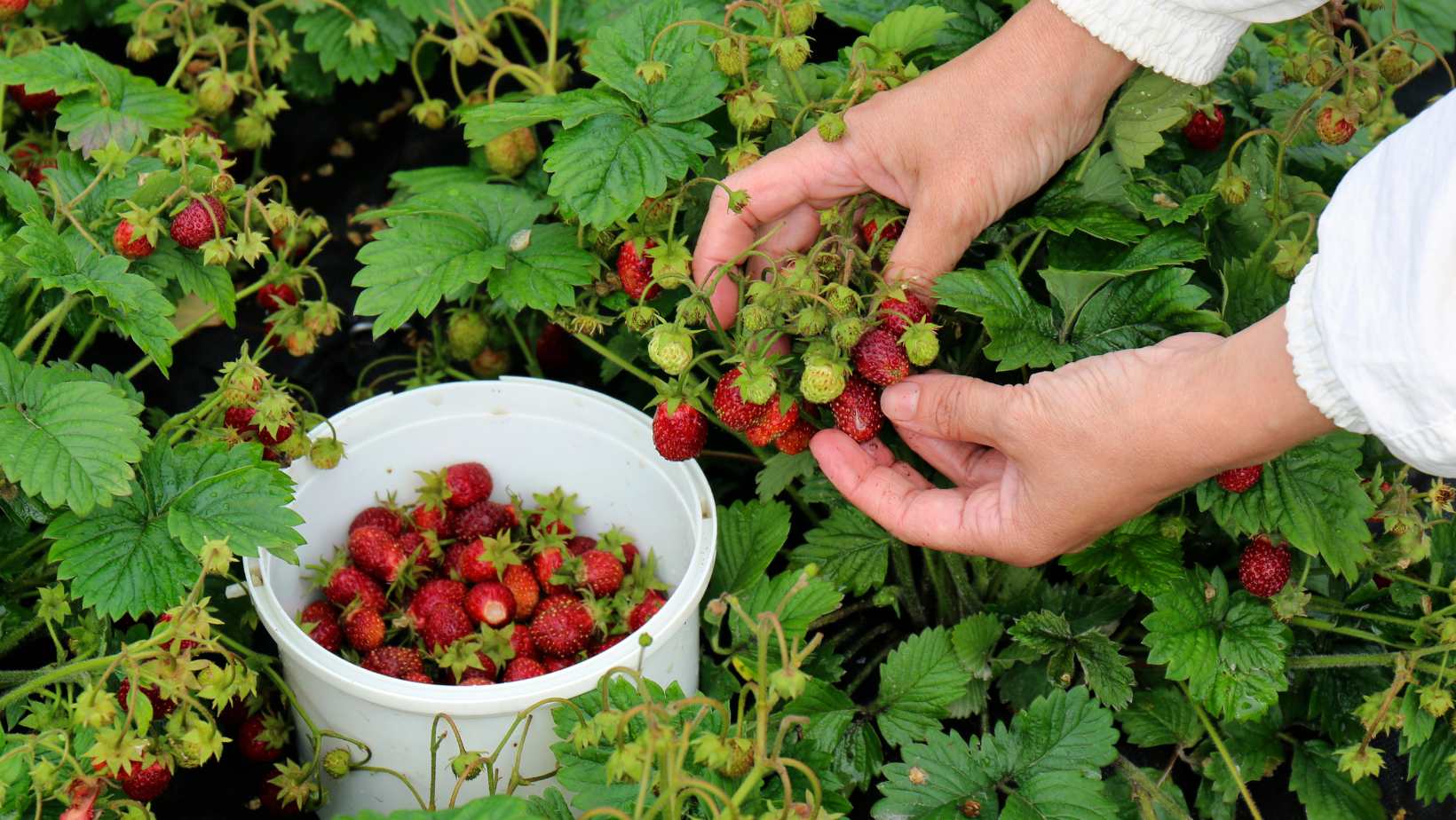
Strawberry season in the Czech Republic is getting underway earlier than many expected. Several farms are welcoming pickers from mid-May, with the bulk of the season running through late May and into June. Kunratická Jahodárna in Prague is among the first to open, targeting a start date no later than May 20. Other operations across the country are planning to follow in late May or early June, though exact dates remain weather-dependent. “The weather is unpredictable and difficult to forecast,” says Jan Simandl, who runs Farma Simandl in the Vysočina region. “We expect to begin picking in early June.” Prices are going up — but only slightly Most farms are not planning dramatic price hikes, though nearly all acknowledge that costs have risen. Inputs like fertilizers and chemicals have become more expensive, and that is beginning to show at the farm gate. At Kunratická Jahodárna, assistant to the director Eva Jakoubek Čorbová was direct: “The price will definitely be higher. Our costs have increased — everything has become more expensive.” At Albaflor, manager Jiří Sixta put a number to it. Prices will rise by ten crowns compared to last year, when a kilogram sold for 79 crowns. That said, the...
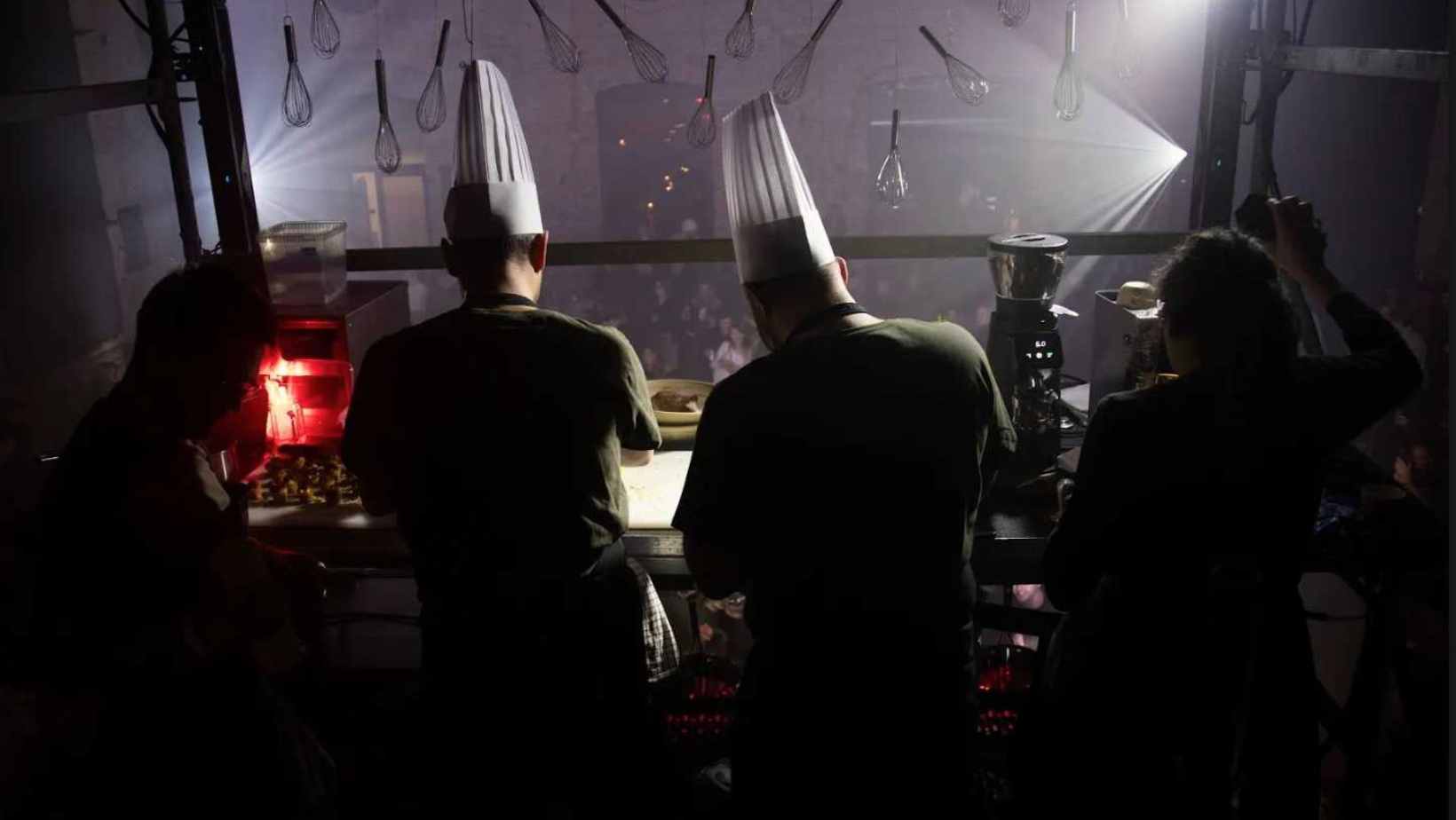
A former industrial site just outside Prague is once again turning into a late-night playground for food and music lovers. The ZE MĚ Project, a creative food collective, is bringing back its Frying Room concept on May 15, 2026, at Uhelný Mlýn—a former brownfield site transformed into an event space near the city. Described as a “gastro rave,” Frying Room mixes electronic music with live culinary performances. The idea is simple but unusual: chefs, artists, and guests share the same space, blurring the line between kitchen and dancefloor. The upcoming edition will be headlined by Czech producer and DJ NobodyListen, known for his Addict party series and a nomination at the Anděl Awards. He’ll be joined by the collective Zlomená Scéna, which focuses on drum & bass and underground sounds. View this post on Instagram A post shared by ze mě (@zeme.projekt) The event begins even before arrival. Ticket holders can board a private train from Prague that takes them directly to the venue, setting the tone for the night. For those driving, parking is available on site. Inside, expect a mix of DJ sets, experimental food experiences, and a live гастрономic show designed to be as intense...
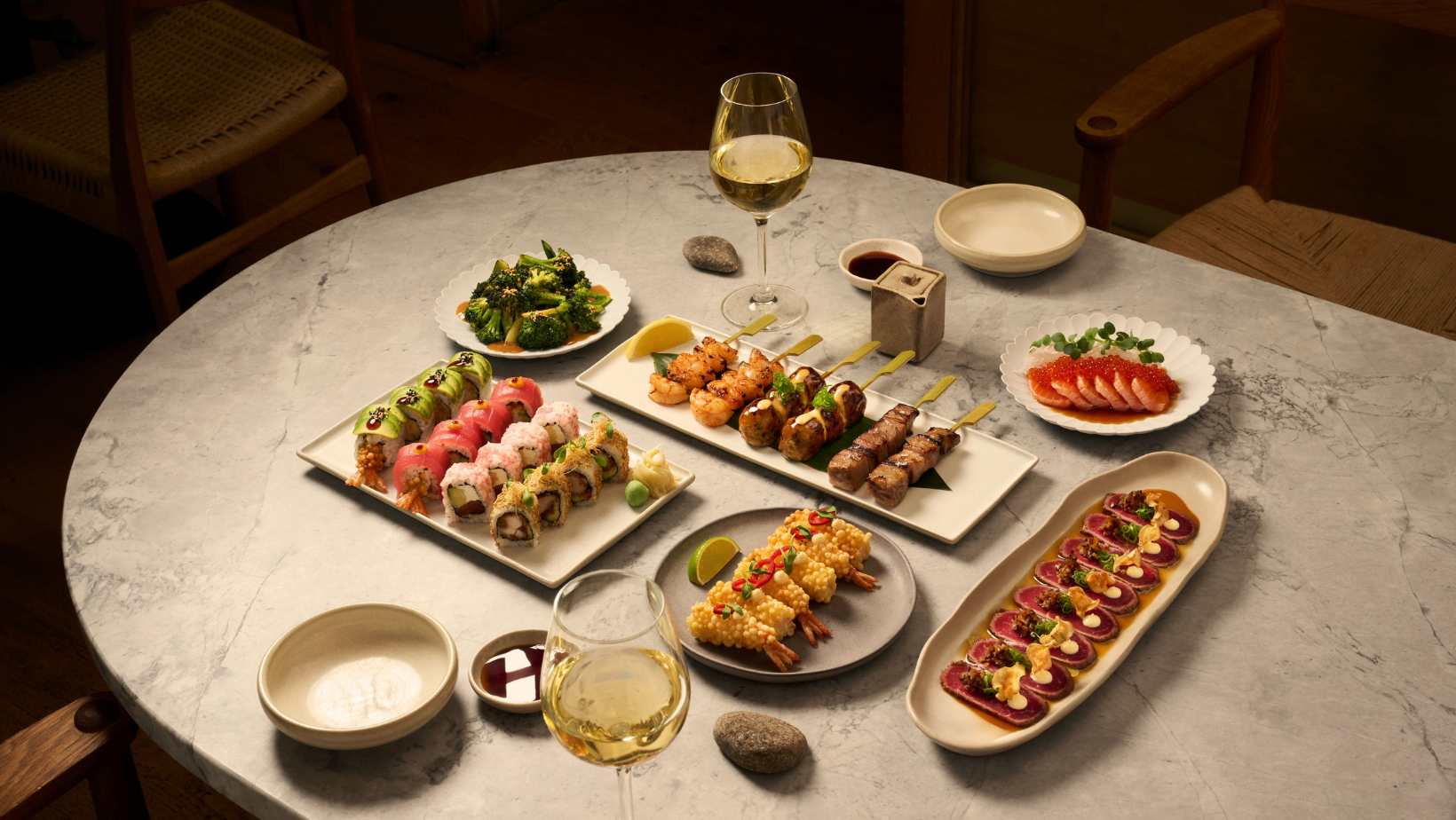
A well-known Danish-Japanese restaurant brand is heading to Prague. Sticks’n’Sushi will open its first Czech location later this year at Jungmannovo náměstí, adding another international name to the city’s dining scene. The group is entering the Czech market through a joint venture with local company Sushi Group s.r.o., represented by Jan Dědíček and Zbyněk Pokorný, the same couple who brought the Italian restaurant chain L’Osteria to the country eight years ago. The brand is part of the portfolio of McWin Capital Partners, which has been backing its growth across Europe. The Prague restaurant will span three floors and seat around 160 guests. The space has been designed by Diener + Diener in collaboration with interior designer Susan Palanki. According to the developers, the interior will combine Japanese minimalism with Scandinavian design, a concept the brand has used in its other locations. A private dining room and an outdoor terrace with space for 36 guests are also planned. The menu will follow the format already established in cities like Copenhagen, London, and Berlin. Guests can expect sushi, sashimi, salads, and grilled skewers prepared on a robata grill. The offer will include both à la carte dishes and set menus, with takeaway...
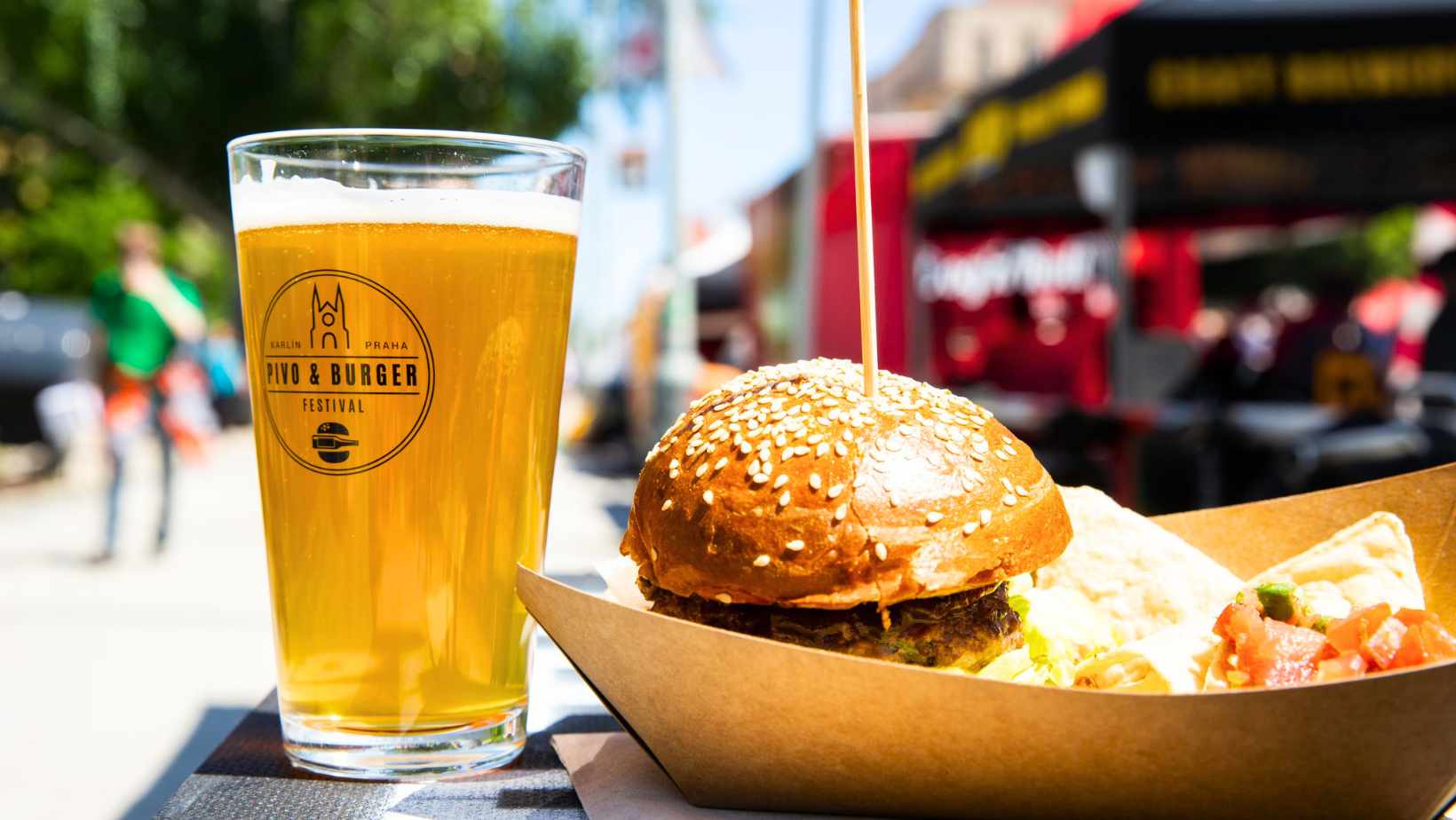
The 11th edition of the Pivo a Burger Festival will return to Karlínské náměstí on May 24! A total of 25 burger stands will be operating throughout the day, including many of the Czech favorite food trucks and burger joints. You can taste burgers from several Karlin restaurants but also some of Prague’s highest-rated burgers, like, Kaiser Franz, Hell Smoke, Take Eat Ez, Diego Pivni Bar, Zelva, and many others. The best domestic breweries will also offer bottom-fermented beers: 23 craft brewers from Prague and across the Czech Republic, including favorites like Matuška, Clock, Raven, Albrecht, Falkon, and many more, with over 100 beers on offer. Admission to the event is free. However, to taste beers, it is necessary to buy a tasting glass for CZK 150. Visitors can also have a bowl of soup from Karlín Polévkárna or a glass of wine from the Kubík winery, churros and coffee from the FairBio roastery. Live music will be provided by Cocoman and other DJs. Another news of this edition will be the busker stage, where basically everyone can play. Would you like us to write about your business? Find out more
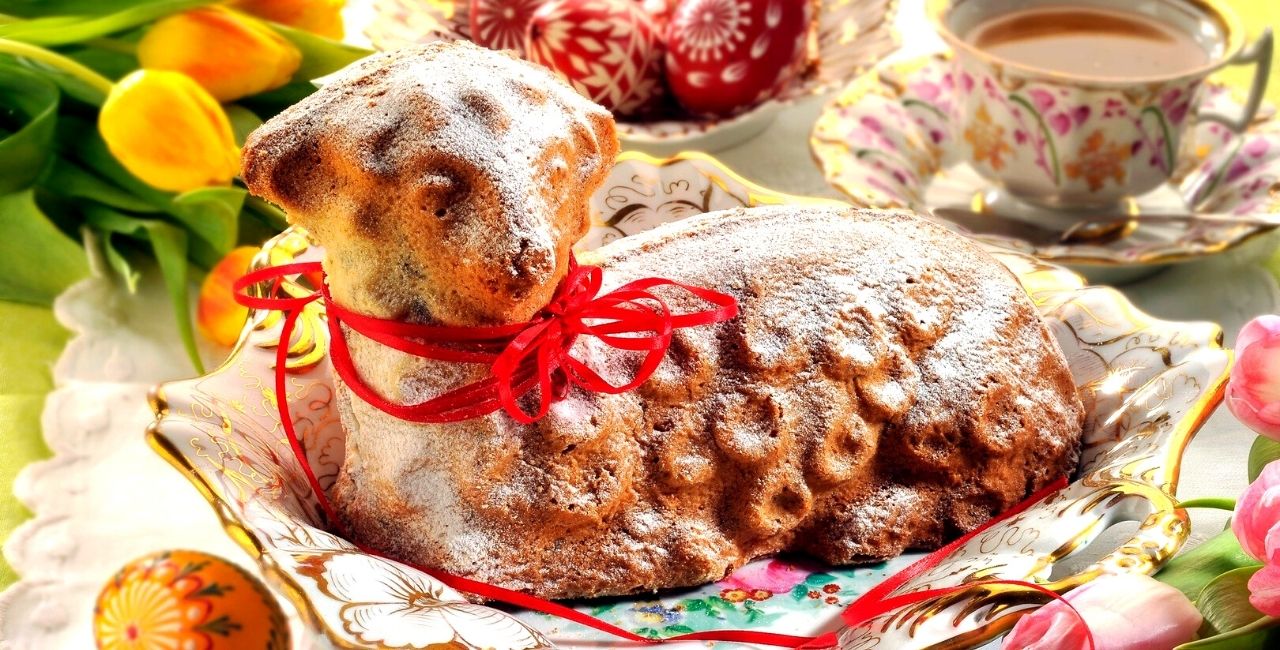
Baked goods in some form or other are staples of Easter traditions across Europe. The Hungarians have fonott kalacs; Italians have colomba pasquale, and the English have their hot-cross buns. Here in the Czech Republic, the two classic Easter baked goods are mazanec and beránek. Apart from sharing some connections to other European customs, these two foods can lay claim to centuries of tradition. Long-lasting food Mazanec is a sweet, though not cloyingly so, bread filled with raisins and often topped with almonds. Beránek is a cake baked in the shape of a lamb. Many commercial varieties are covered in chocolate. The earliest evidence of baking mazanec apparently goes back to the 15th century. The noted Czech writer Magdalena Dobromila Rettigová later included a recipe in her popular cookbook, Domací kuchařka, (a Household Cookery Book). The tradition of baking lamb-shaped sweet bread extends even further back in time. It is claimed the Jewish people of ancient times prepared bread in the shape of a lamb. The basic ingredients of mazanec haven’t changed much. It is made from flour, yeast, milk and eggs. Rettigová’s version called for sweetened cream and grated lemon rind. Today, people add sugar, vanilla, and sometimes nutmeg, though...
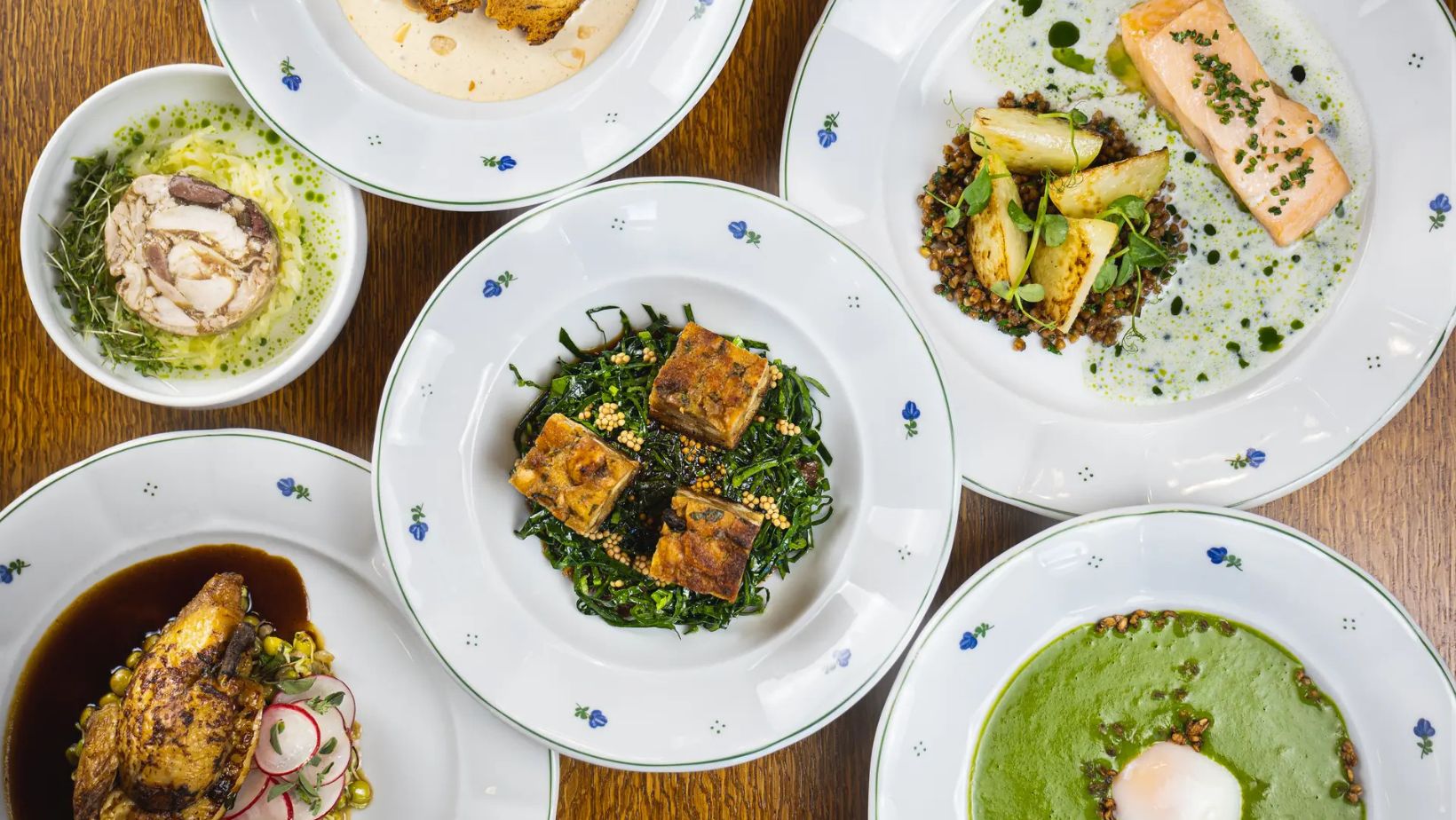
Easter in Czech cuisine has always been—and still is—a time for celebrating with special dishes and age-old traditions. If you’re in Prague this year, you can enjoy these festive flavors at some of the city’s top restaurants, each offering seasonal Easter menus and spring-inspired dishes. Easter at U Matěje Kotrby Since 2006, U Matěje Kotrby has built a strong reputation for quality ingredients and solid service. This Easter, the restaurant presents traditional Czech dishes with a modern touch. Chef Marek Šáda’s seasonal menu focuses on spring classics. It starts with rabbit terrine served with cabbage and herbs, followed by a creamy wild garlic soup with a slow-cooked egg. The main highlight is lamb confit with stuffing, spinach, and mustard jus, alongside a lighter option of salmon trout with kohlrabi and horseradish buttermilk. For dessert, guests can enjoy freshly baked mazanec, a traditional Easter sweet bread. The space combines old Prague charm with a more modern feel, offering a calm setting for those looking to experience authentic Easter traditions. View this post on Instagram A post shared by U Matěje Kotrby Restaurace a Bar (@umatejekotrby_restaurant) Easter at Restaurant U Pinkasů Restaurant U Pinkasů offers a special Easter menu from...
Just outside Prague, an abandoned industrial complex has quietly become one of the region’s most unusual culinary venues. On March 27, the creative gastronomic collective ZE MĚ Projekt will once again transform Uhelný Mlýn into the setting for a ten-course tasting dinner designed as a full sensory experience. The event begins at 7 p.m. and combines experimental cuisine with an immersive setting inside the former factory halls. Guests can choose between alcoholic or non-alcoholic pairings as each course unfolds throughout the evening. The complex stands in Libčice nad Vltavou, a short train ride north of Prague. Arriving visitors often first notice the tall brick chimney rising behind the railway tracks — a reminder of the site’s industrial past. The building, once a neglected brownfield, was renovated in 2010 by architect Patrik Hoffman. The project later received the Czech National Award for Architecture, recognizing the sensitive conversion of the factory complex into a multifunctional cultural space. Get your ticket here The arrival of ZE MĚ Projekt That changed when ZE MĚ Projekt began operating at Uhelný Mlýn more than a year ago. The group, led by founder Vojtěch Nemrava, had built a reputation through pop-up culinary events across the country. Before...
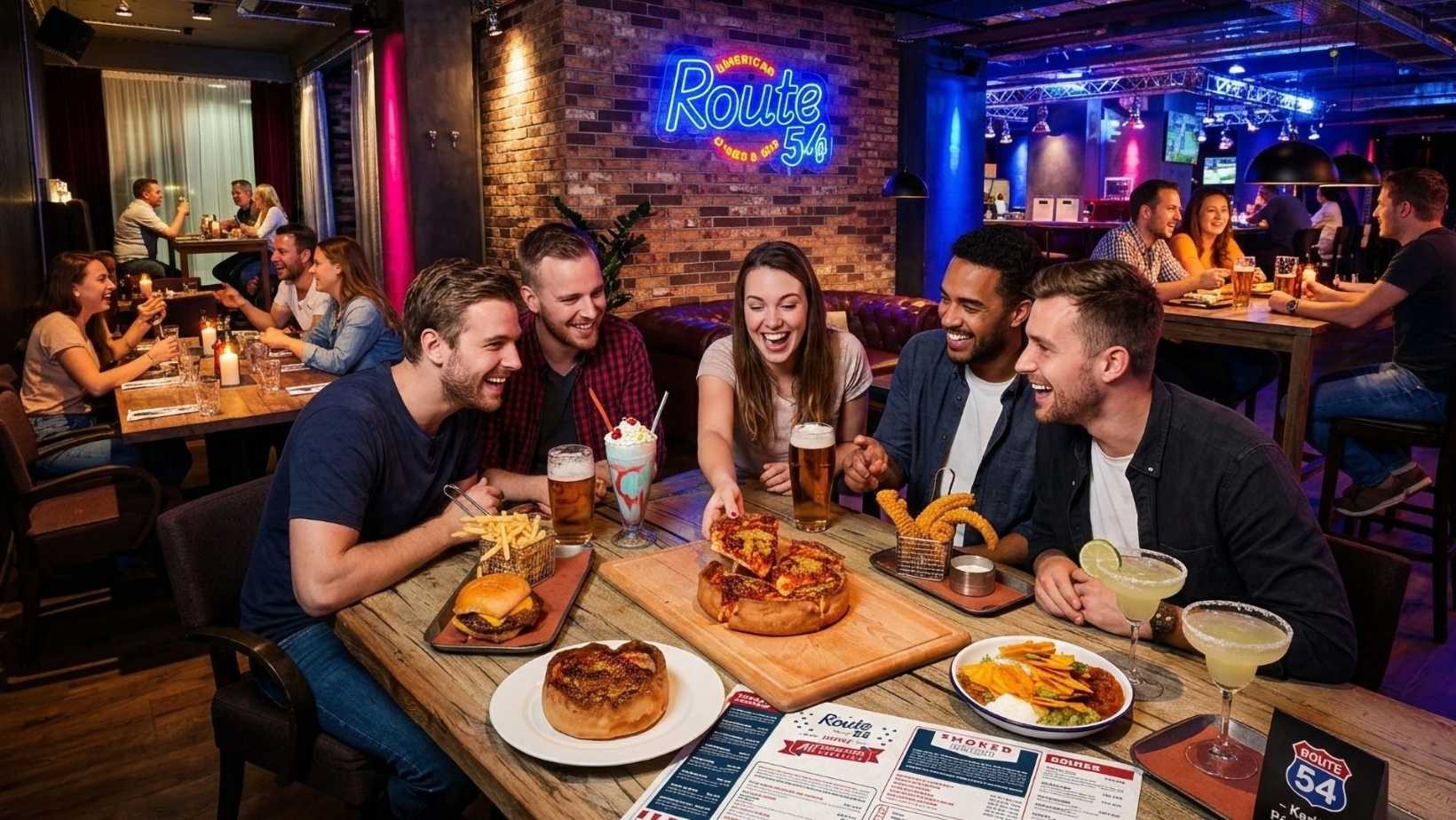
A new restaurant inspired by classic American diners has opened in Prague’s Karlín district. Route 54, located on the ground floor of the Pulse8 hotel on Sokolovská Street, offers dishes ranging from Texas barbecue and ribs to Chicago-style deep-dish pizza and Italian beef sandwiches. The project is led by Israeli chef Gal Ben Moshe, known for the Michelin-starred Prism restaurant in Berlin and the Prague fine-dining restaurant Parzival, which opened last year. While Parzival focuses on a small number of guests and refined cuisine, Route 54 takes a different direction, built around a lively diner atmosphere and a menu based on American comfort food. The restaurant’s name refers to a highway that runs between Illinois and New Mexico. In Karlín, that idea is translated into a menu that moves across several regions of the United States, combining barbecue, sandwiches and diner classics. The restaurant was created in cooperation with the Jan Hotels group, which operates hotels in Prague and Český Krumlov. Both of Ben Moshe’s Prague projects are located inside hotels run by the company. The chef, who built his career in Tel Aviv, Europe and the United States, moved to Prague last year after closing his Berlin restaurant. While...
Reservations have opened for the spring edition of RestaurantWeek, which runs from March 17 to April 22 in Prague, Brno and Ostrava. Organizers say seats in the most sought-after restaurants are typically booked within days, though a wide range of options remains available. The festival will feature around 70 restaurants in Prague and about 20 each in Brno and Ostrava. This year’s theme, “From foodie to foodie,” aims to connect diners with chefs through carefully designed tasting menus and introduce guests to places they may not yet know. Prices remain unchanged from last year. Guests can choose festival menus priced at 790 CZK or 490 CZK, plus a booking fee of 79 CZK or 49 CZK. According to the organizers, the cost represents a reduction of up to 40 to 50 percent compared with standard menu prices outside the festival. The event was brought to the Czech Republic by Anna Grosmanová, known as Foodpioneer, who says the focus remains on the strength of the menu rather than the fame of the venue. This year’s edition highlights ingredients rarely seen on Czech menus. Among them is Hericium erinaceus, known as lion’s mane mushroom, a protected species in the wild that is...
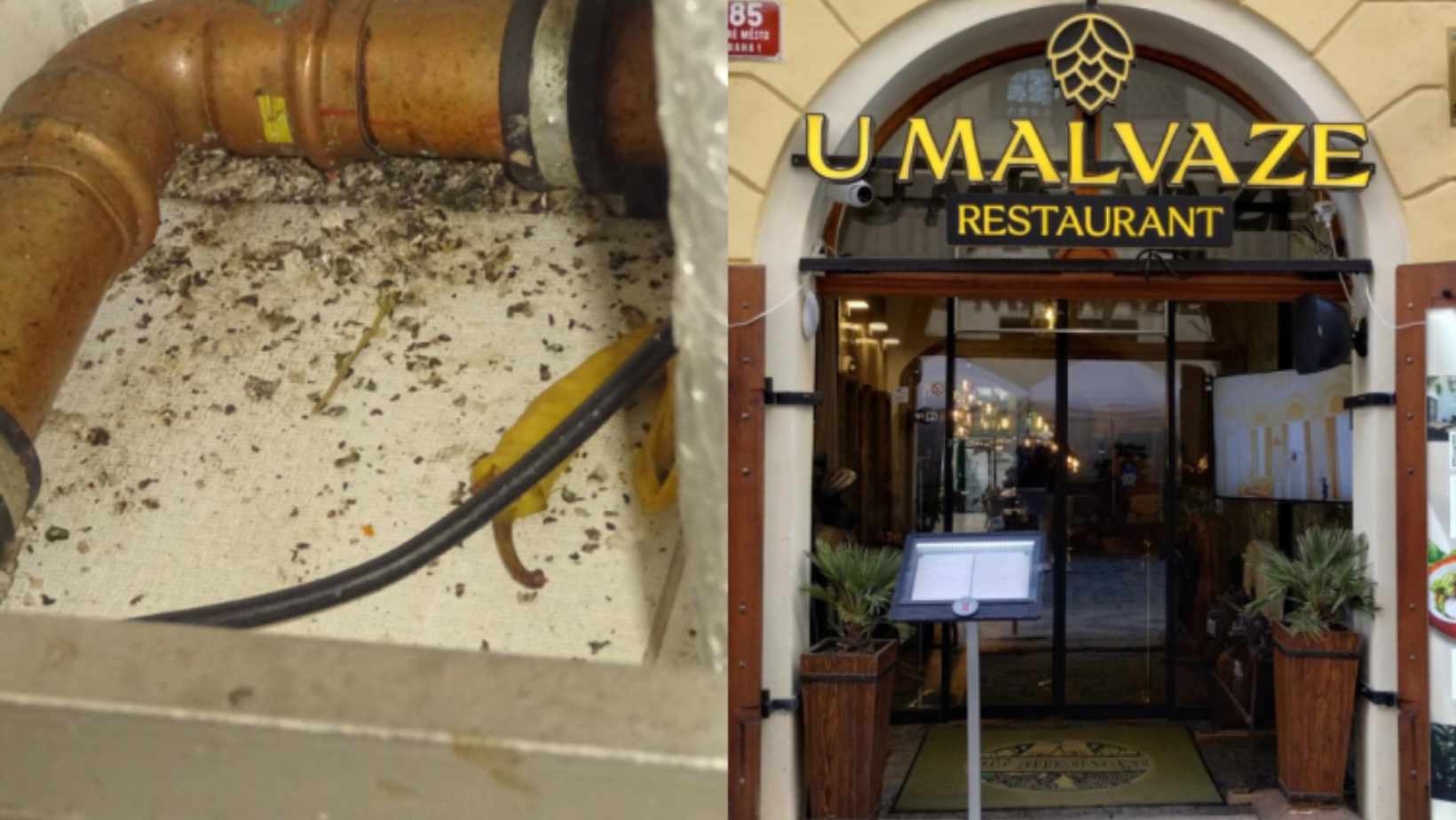
A restaurant just minutes from Charles Bridge is facing administrative proceedings after inspectors found evidence of rodents in its kitchen and storage areas. The establishment, U Malvaze, located on Karlova Street in Prague’s Old Town, was inspected on February 20 by the State Agricultural and Food Inspection Authority. According to the authority, inspectors documented rodent droppings and other traces of pest activity in the back areas of the restaurant, including the kitchen, warehouses and service corridors. Based on the findings, the authority imposed a partial ban on the use of those premises. The front part of the restaurant was not formally shut down, but operations linked to food preparation and storage were restricted. The watchdog said it will open administrative proceedings that may lead to a fine. Inspectors also noted that traps had been set inside the premises, indicating the operator was aware of the rodent presence. The authority published details of the case on its official Instagram account. View this post on Instagram A post shared by Potraviny na pranýři (@potravinynapranyri) The restaurant’s website currently states that it is temporarily closed due to technical problems, adding that it aims to reopen as soon as possible. The case...
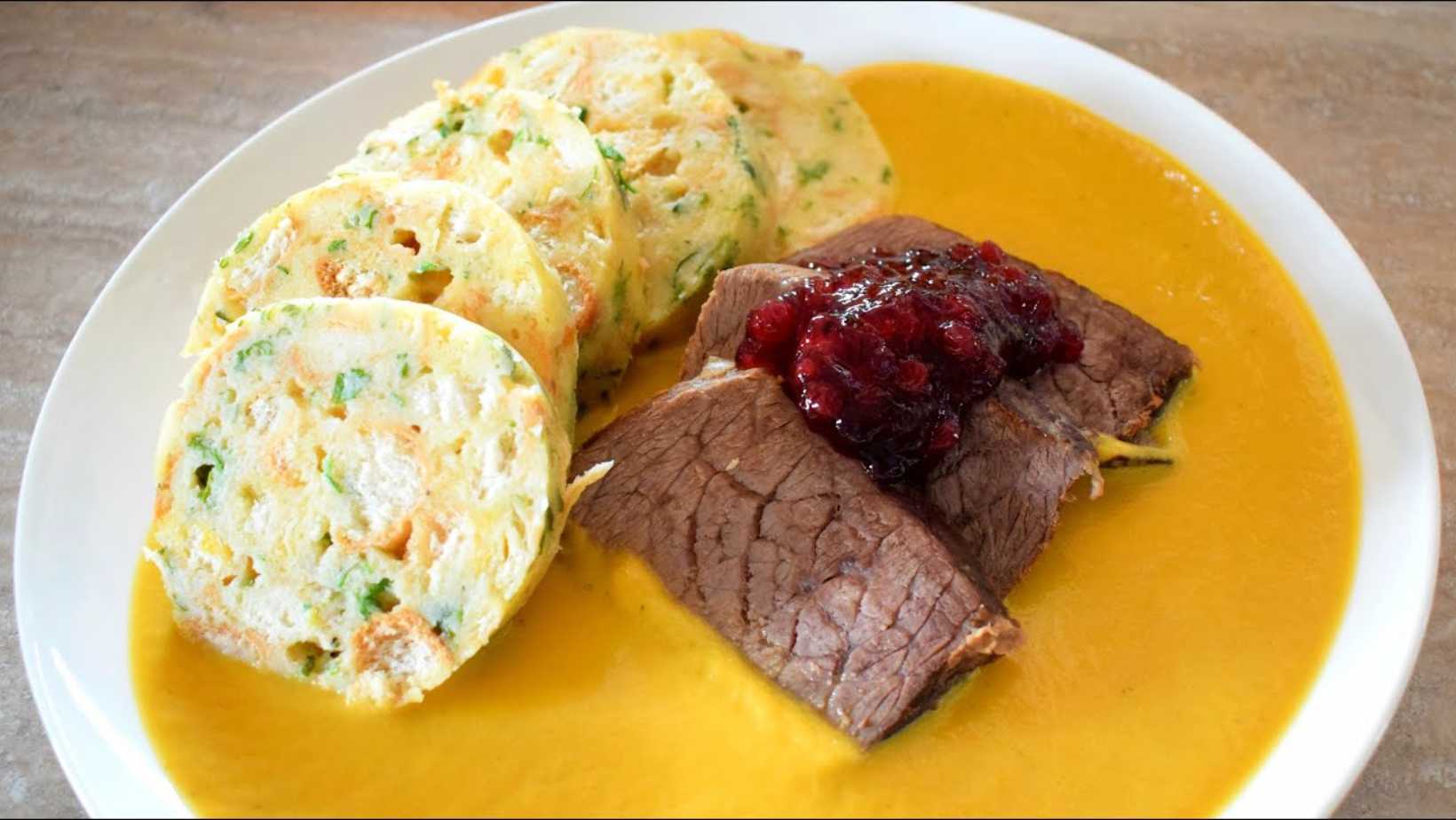
The traditional beef dish svíčková na smetaně has been ranked the most popular Czech speciality in a 2026 international food list. The meal — marinated beef served with a creamy vegetable sauce and bread dumplings — remains a standard choice in restaurants across Czechia and a frequent part of family Sunday lunches. The ranking was published by TasteAtlas and is based on user ratings from both locals and visitors. This year’s overview assessed 82 Czech dishes, offering a snapshot of how the country’s traditional cooking is viewed internationally. Second place went to valašský frgál, a large round pastry associated with Moravian Wallachia. Known for its thin dough and rich filling, it usually contains pear purée, poppy seeds, cottage cheese or plum jam, finished with a crumb topping. What was once mainly a regional product is now commonly sold nationwide. Garlic soup, česnečka, placed third. Typically served hot with croutons and sometimes cheese or ham, it is widely considered a simple home staple and is often described locally as helpful during colds or after a late night. TasteAtlas is an experiential travel online guide for traditional food that collates authentic recipes, food critic reviews, and research articles about popular ingredients and...
Kolkovna Brewery will host its traditional zabíjačka festival from February 21 to March 1 at Prague Výstaviště, offering an authentic taste of Czech culinary heritage. Visitors can enjoy classic pork specialties, live accordion music, and a festive atmosphere that recalls historic pig-slaughtering gatherings. On February 21 and 22, a special takeaway stand will be open from 11:00 to 16:00 outside the brewery. Guests can purchase zabíjačka delicacies to take home, try bread with crackling spread, and enjoy a complimentary shot of slivovitz or pear brandy. From February 23 to March 1, the brewery will serve a full zabíjačka menu, featuring dishes crafted from all parts of the pig. While modern families rarely perform their own pig slaughters, the recipes and flavors of this centuries-old tradition remain widely cherished. Zabíjačka historically took place in winter, when cold temperatures helped preserve the meat. Families and sometimes entire neighborhoods would participate, preparing dishes from every part of the pig. Participants kept portions of meat and shared extras with relatives and neighbors. Reservations are recommended for visitors wishing to fully enjoy this celebration of Czech culinary tradition at Prague Výstaviště. Zabíjačka products The purpose of zabíjačka was to make use of the whole animal...
Don’t have an account? Register
Already have an account? Log In
How Would You Like to Promote Your Business? PR ArticleDisplay bannersVideo productionNewsletter adsJob ListingsInfluencer Marketing
Your Email
We will come back to you within 24 hours with our proporsal