Jillian Garvey—Anglo American University Taking over the stage at Roxy on Thursday, November 14, is the British musical artist Charlotte Aitchison, better known as Charli XCX. Described as ahead of her time, Charli XCX has a sound unlike any other in the industry. Bordering experimental while pushing the limits of pop, it is a struggle to define her genre. Music critics have described her as dance-pop, electropop, pop punk, alternative pop, and even cyborg pop. Though perhaps being ahead of one’s time is just the best way to describe music of the future. Basically, Charlie XCX plays a mix of conventional pop vocals laid over digital techno beats, making for an always fun, up-beat music perfect for all-night ragers. Her unique style of music has led this 27-year-old to be stuck with a “rising star” status for the past decade. Nonetheless she has built a reputation as a triple threat in the music industry. Not only is she a singer, but also a songwriter and producer, who has contributed to some of the most popular songs of the decade including Icona Pop’s “I Love It” and Iggy Azalea’s “Fancy.” While her most recent collaboration as co-writer is with Shawn Mendes...
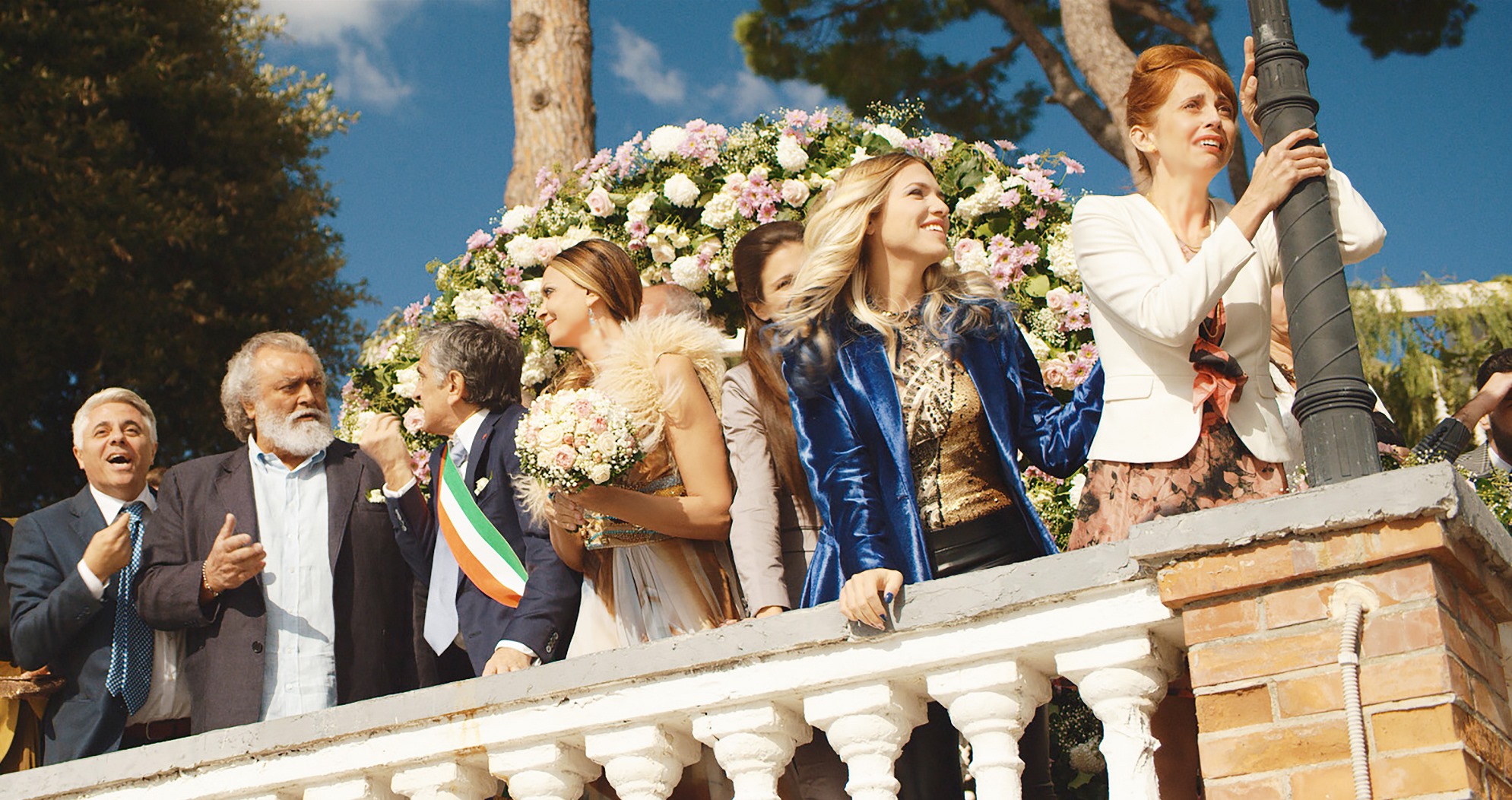
The Art Nouveau style kino Lucerna in Prague, one of the most representative venues of Czech cinematography, hosted today the press conference to present MittelCinemaFest 2019, the Central European Festival of Italian cinema, now in its 7th edition in Czech Republic. Francesco Saverio Nisio, Italian Ambassador, Alberta Lai, Director of the Italian Cultural Institute of Prague and Matteo Mariani, Secretary General of the Italian-Czech Chamber of Commerce and Industry presented the initiative. The conference has been attended also by Maestro Walter Attanasi, who on 3rd December will conduct the PKO orchestra of Prague with a programme of music by Nino Rota, Nicola Piovani and Luis Bakalov from the most famous films of Federico Fellini. His concert will officially open the celebrations for the centenary of the birth of the great film director in Prague. “MittelCinemaFest 2019 offers a selection of films of great directors and emerging authors, of comedies and dramas, which will carry the viewers through an immersive experience into the contemporary Italian cinema as a mirror of Italy of our day”, Ambassador Nisio declared. He also pointed up the great synergy between Institutions and Italian business community, which even this year has allowed the realization of one of...
The Czech Republic commemorates the anniversary of the end of World War I on 11 November 1918 as the Veteran Day. In Prague, war veterans will be remembered on Náměstí Míru square at an event organized by the local town hall in cooperation with the Association of Veterans of the Czech Republic, the Czech Army Military History Institute and the Czechoslovak Legionnaires Community. In the morning, the memorial celebration will be given over to schoolchildren, some of whom will participate in performances. The main program will start at 2 pm and will be opened by Prague 2 Mayor Jana Černochová together with representatives of the Ministry of Defense and the Czech Armed Forces. Military equipment will be shown to the public by soldiers, and a sextet of musicians will perform. Stalls will have products with military themes. The program will be complemented by exhibitions and screenings of military documentaries. There will also be poppies, which are the symbol of World War I battlefields. From 4 pm, people can light candles for soldiers who have fallen in conflicts since World War I. There will be another memorial celebration at the National Monument at Vítkov in Prague 3. This one is more...
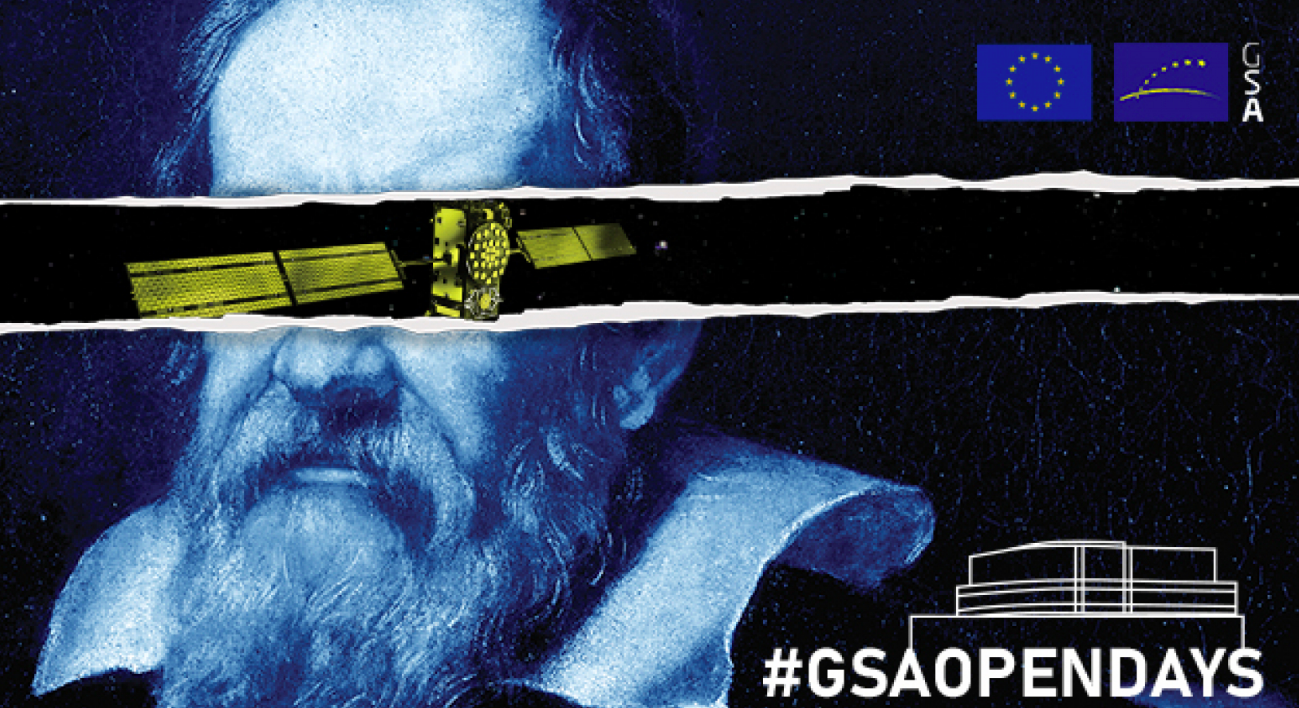
On November 8 & 9 the European GNSS Agency, GSA, located in Holešovice will be hosting its annual Open Days!. This year, the GSA Open Days 2019 is an opportunity to experience first-hand the power of the Galileo and EGNOS satellites and to understand why Accuracy Matters through virtual reality games, workshops, and seminars by the GSA staff. This is a unique opportunity to get an insider’s look at the European GNSS (Global Navigation Satellite System) services and the people behind them. The GSA manages the Galileo navigation system. Galileo, since it is newer and based on more advanced technology, is more accurate and reliable than the rival American GPS system. The EU having its own system ensures its independence if the rival systems block access for political reasons. It also allows the EU to customize its own projects and priorities. Galileo currently has 22 satellites in orbit and plans to add 30 more to increase the system’s accuracy. The GSA will also oversee the Copernicus program for Earth observation, which monitors the environment and safety. It aims is to create high-quality Earth observation capacity that provides accurate, timely and easily accessible information to improve the management of the environment, understand and mitigate...
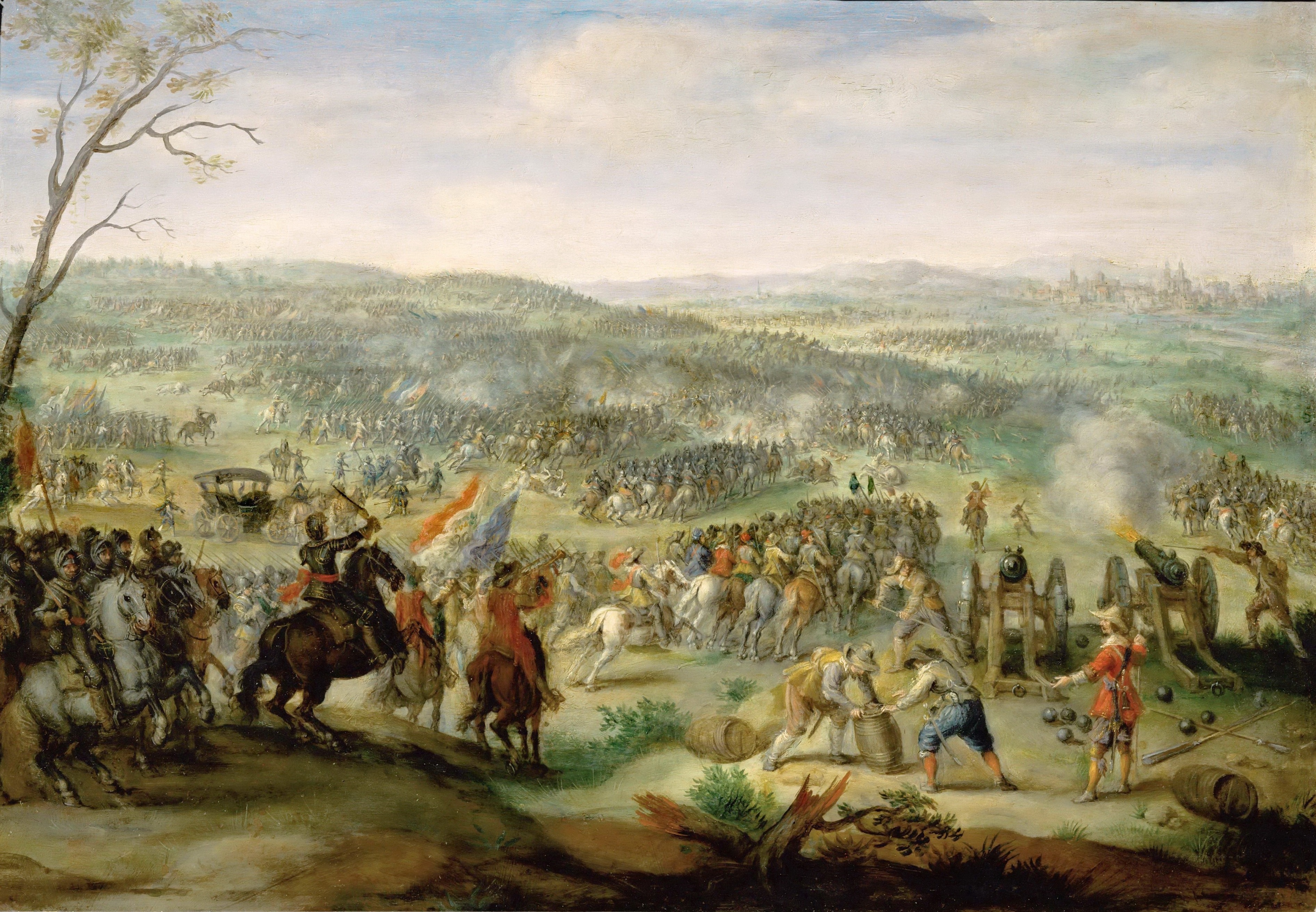
The battle at the White Hill was on 8 November 1620. An army of 15,000 Bohemians and mercenaries under Christian of Anhalt was defeated by 27,000 men of the combined armies of Ferdinand II, Holy Roman emperor led by Charles Bonaventure de Longueval, Count of Bucquoy and the German Catholic League under Johann Tsercleas, Count of Tilly at Bílá Hora near Prague. In the space of an hour, the Catholic Habsburg army routed the Czech Protestants on this hillock, deciding the fate of Bohemia for the next 300 years. The new king, Ferdinand II, punished the Protestant leaders and took it upon himself to bring his country back to Catholicism. In 1627 he canceled religious tolerance and ordered that children be taught in Catholic schools only. German was put on the same level as the Czech language, and traces of Czech culture could only be found in provincial areas. Twenty-seven noble leaders of the insurrection were executed at Prague’s Old Town Square, along with an untold number of common people. The dark era began, and over thirty thousand people, mostly the intellectual elite, left the country and never returned. Catholics all over Europe celebrated the victory. In Rome, Pope Paul V died while leading a...
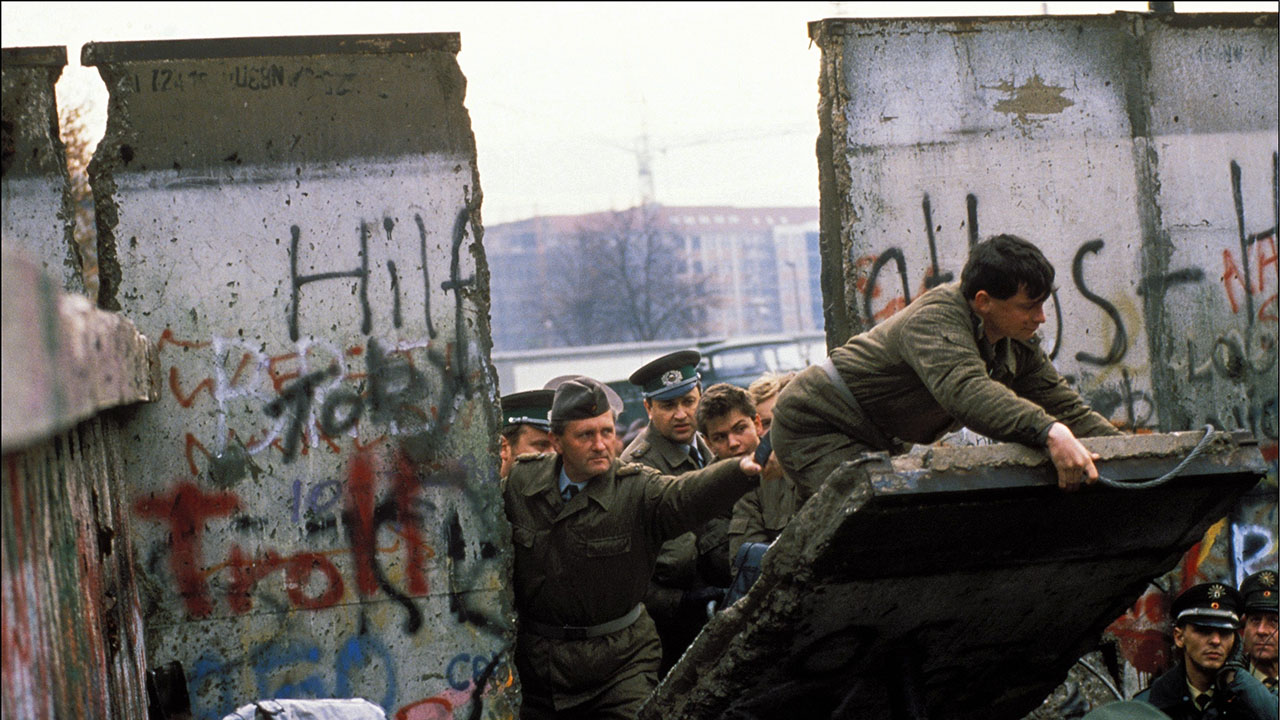
People attacked it, climbed over, demolished with all their power. Finally, they could breathe; they were free. The fall of the Berlin Wall tore off an avalanche of events that led to the fall of communism in the Eastern Bloc. The 30th anniversary of the reunification of Berlin will be commemorated in Prague’s Holešovice. “We decided to organize a cultural event dedicated to the fall of the Berlin Wall because we feel that in the context of commemorating the 30th anniversary this event reminds all of the fall of the Iron Curtain in Prague. As we have a personal relationship with East Germany, our event takes place in Holešovice, near the Little Berlin district. We also want to conceive this day as an unofficial opening of our new Kabelovna room and commemorate this anniversary every year,” said Lukáš Rychtařík from Championship Music. Visitors can look forward to a busy schedule on Saturday, 9th of November, from 1 pm to 10 pm, with the Minister of Culture, Daniel Herman. During the event, the artistic installation of the Iron Curtain, designed by Vítek Škop, will be unveiled. At the same time, an exhibition of three large-format period photographs will be revealed –...
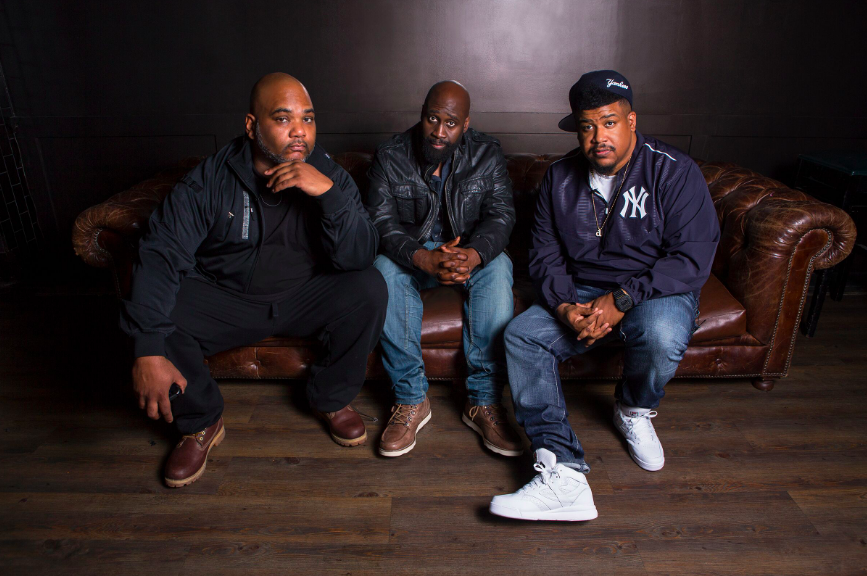
Before rap become synonymous with gangstas, and mostly misogynistic rhymers there was the hey-day time or “the daisy age” of the perhaps naïve but more peace-loving hip-hop artists, and among the best of this period is De La Soul from the late ‘80s—formed in 1987 to be exact from Long Island, NYC. Back in those days, hip-hop had a sense of humor, it had creative verve, and it grooved relentlessly. There was sexiness to the music and risqué lyrics but without masochistic put-downs and posturing. Public Enemy was already a force (and not a peaceful one for sure), but they had a dignity and spirit that did not rival or counter this newer wave of hip-hop collectives, which also included A Tribe Called Quest, Digable Planets, and the Beastie Boys as more positive hip-hop messengers to the mainstream. Approaching the end of this year’s Strings of Autumn Festival 2019 is a celebration with the legendary hip-hop group De La Soul still together with the original trio, Posdnuos, Trugoy and Maseo to honor the 30th anniversary of their best-known recording “3 Feet High and Rising” and, of course, more importantly for the Czechs to celebrate 30 years since their November 1989...
Light, sound, but mainly stories related to the anniversary of the Velvet Revolution. A stunning light show will take place along Národní třída on November 17th. The screening, which is part of the event Korzo Národní: 30 Years of Freedom, will be presented by Memory of the nation: 1989 produced in cooperation with Post Bellum nad 3dsense. About Korzo Národní Korzo Národní is the biggest and longest continually organized celebration of the Struggle for Freedom and Democracy Day in Prague. Since 2014, it takes place on Národní street, where a massive student demonstration started the Velvet Revolution on the 17th of November 1989, which subsequently led to the fall of the communist regime. The festival program consists of various artistic performances on the street, such as music concerts, theater performances for children and adults, photography exhibitions, educational events, authors‘ readings, representation of NGOs and much more. All events run from 10 am to 10 pm and are followed by an afterparty in the music club Rock Café. This year will perform David Koller, Aneta Langerová, Tata Bojs, Prago Union, Dagmar Pecková, Michael Kocáb, Dagmar Havlová, Václav Marhoul and more. Velvet Parade Let’s walk along the route of the student manifestation...
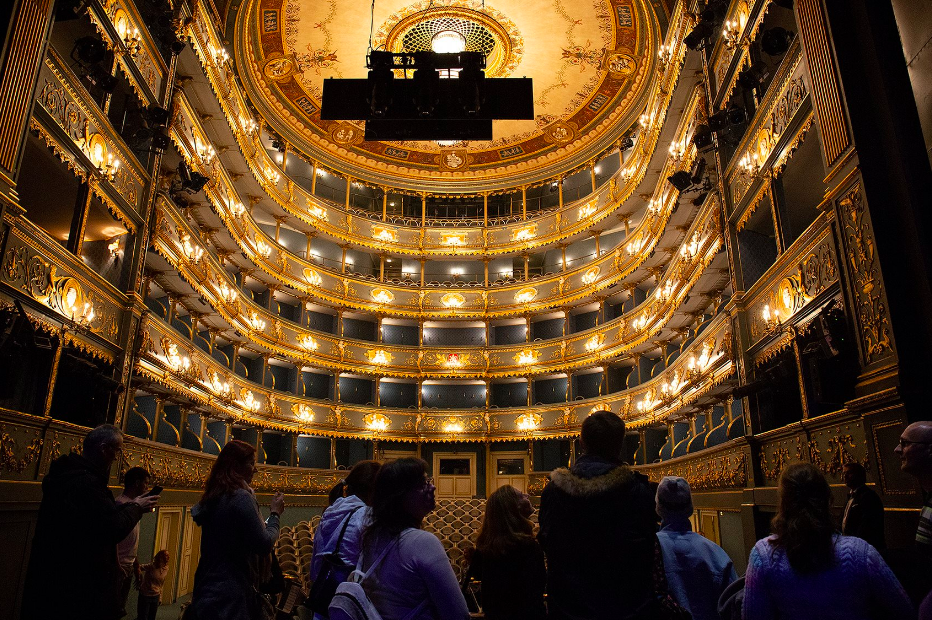
Make a note in your diary: On November 16, 2019, you will have a unique chance to deepen the bond that already exists between you and artists, attend workshops, lectures, book signings or participate in discussions with directors or touring the backstage in small and big theatres. The event has the potential to amplify the visibility of individual theatre venues and ensembles, but also to raise the profile of Czech theatre as a whole in the minds of the public. This edition will commemorate the 30th anniversary of the Velvet Revolution, bearing a subtitle called Theatre and Freedom. In Czechoslovakia, theatre played an important role in the political changes in the 1990s. The reminder of political changes in Central and Eastern Europe invites the audiences to look back on ideals and hopes in the 1990s. The coordinator of the event is the Arts and Theatre Institute. Theatre Night is organized within the European Theatre Night project, which was launched in Croatia in 2008. Last year, 109 institutions from 30 Czech and Moravian towns and cities participated in the project which was visited by 40.000 visitors. In Prague, 52 theatres and ensembles prepared a program for visitors. A recent survey of the European...
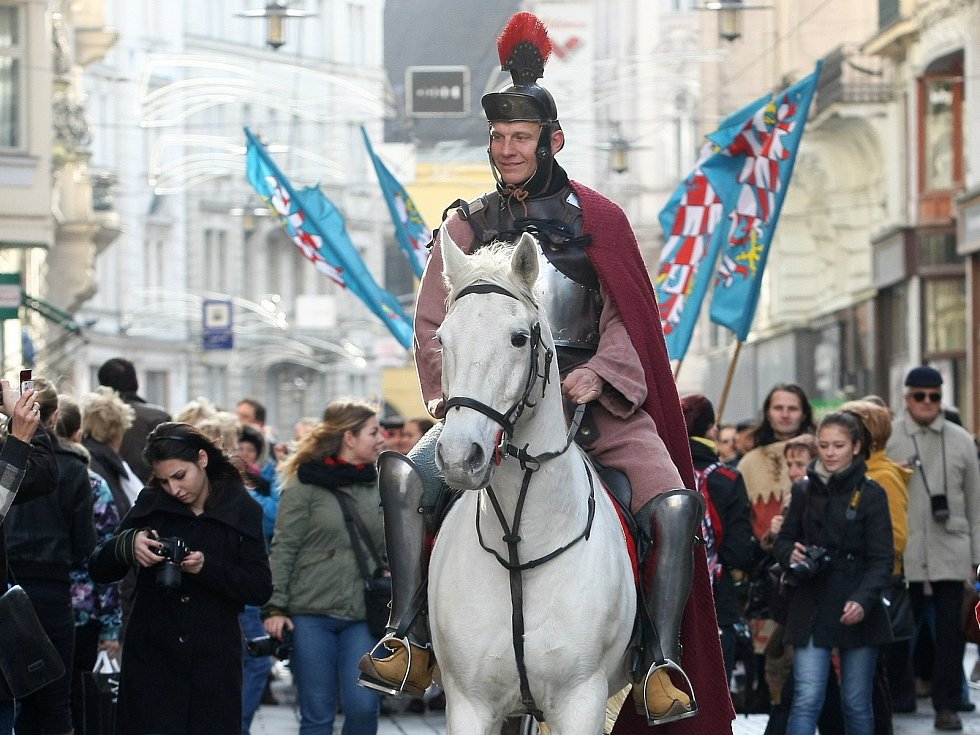
A golden roasted goose and young St. Martin’s wine – neither can be missing at festivals held to celebrate St. Martin’s Day, i.e. 11 November, when, according to this country’s weather lore, this saint is supposed to bring the first snowflakes to us. The feast of St. Martin, whom the Czechs honor on 11 November, celebrates good food and drink. The tradition on 11 November is to roast a corn-fed goose, and the first bottle of young wine is opened at precisely 11:11 a.m. St. Martin’s wines are fresh and young because they have only been fermenting for a few weeks. There was a time that the farming year ended on the feast of St. Martin – farmers paid their workers, and that is why it was a time of happiness and abundance. This year, the festival of all wine lovers is starting unusually early (on Friday, 8 November) so that people can also celebrate over the weekend that precedes St. Martin’s Day on Monday. The holiday has its roots in the Eastern Byzantine Church, where the fast before Christmas, the Quadragesima Sancti Martini, still measures up to 40 days. And begins the day after the feast of St. Martin. Who...
Břevnov is one of the traditional districts of Prague in which you can find the beautiful and oldest male Monastery in the Czech Republic. Located in Prague 6, precisely in Markétská 1/28, the closest public transport stop is the Břevnovský klášter tram stop. Situated between the White Mountain (Bílá Hora) and Prague Castle, the Břevnov Monastery is still active, and Benedictine monks are living in it. Founded by Prince Boleslav II and the second Archbishop of Prague St Adalbert, the present appearance of the Benedictine complex represents a masterpiece of the Baroque. The Monastery runs a hotel and a traditional Czech restaurant with an open fireplace. The restaurant Klášterní šenk, located in the grounds of the Monastery, has a beautiful beer garden opened in the summer that offers most of the beers produced there. Therefore, Břevnov Monastery is also associated with a brewery whose production can still be tasted today, Břevnovský Benedict beer. The entrance to the complex, including the garden, is free. The extensive garden adjoining the Monastery is where the abbot’s summer house named Vojtěška is located. The guided tour of Břevnov Monastery includes the visit to the Baroque church of St Margaret and the Romanesque crypt, Prelate’s...
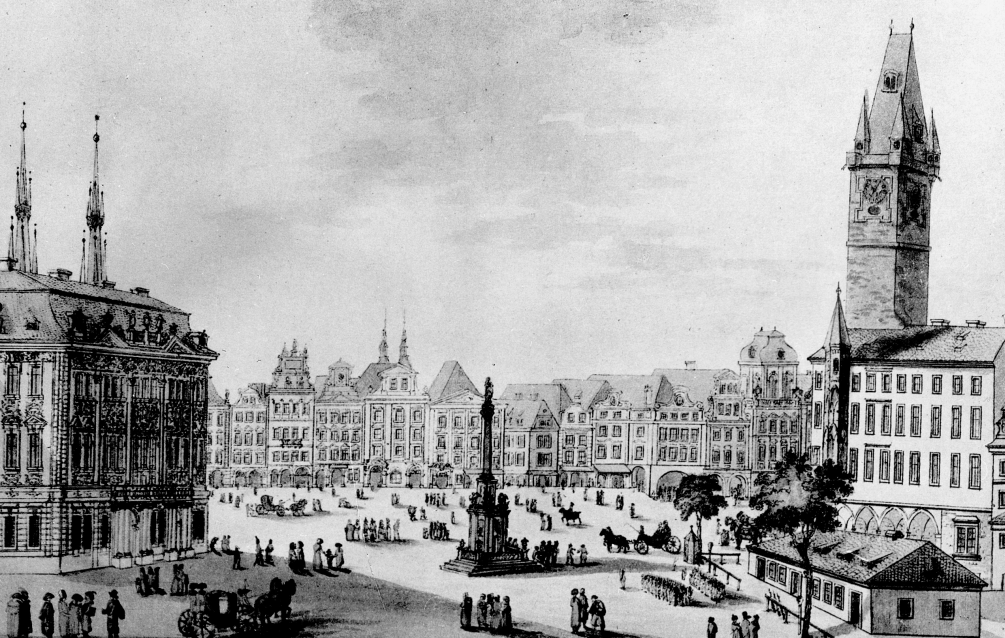
The demolition of the Marian Column was one of the most iconic events of the newly proclaimed republic. The monument was seen as a symbol of the Habsburg Monarchy, and it paid the price. The column has opponents even today. “Her head was violently severed from her body,” said Zizkov anarchist Franta Sauer, describing the demolition of the Marian column and the decapitation of the Virgin Mary. Sauer played a key role in the demolition of the column, which was surrounded by a large crowd on the first Sunday of the new era of the Republic. The crowd of people marched into the centre of Prague from Bila Hora 101 years ago. It was a heated anti-clerical reminder of the fateful battle in November 1620. Sauer was assisted by the Zizkov firefighters, whom he had met in a pub in Zizkov. They supplied not only the manpower, but also the necessary ropes, chisels, and hammers. There was a fight between the enthusiastic revolutionaries and the group of people who wanted to defend the baroque monument. The guardians of the column did not succeed, however. “Just take it down!” shouted socio-democratic politician Josef Stivín. The revolutionaries wanted the fragments of the...
Don’t have an account? Register
[swpm_registration_form level=”6″]
Already have an account? Log In
How Would You Like to Promote Your Business? PR ArticleDisplay bannersVideo productionNewsletter adsJob ListingsInfluencer Marketing
Your Email
We will come back to you within 24 hours with our proporsal