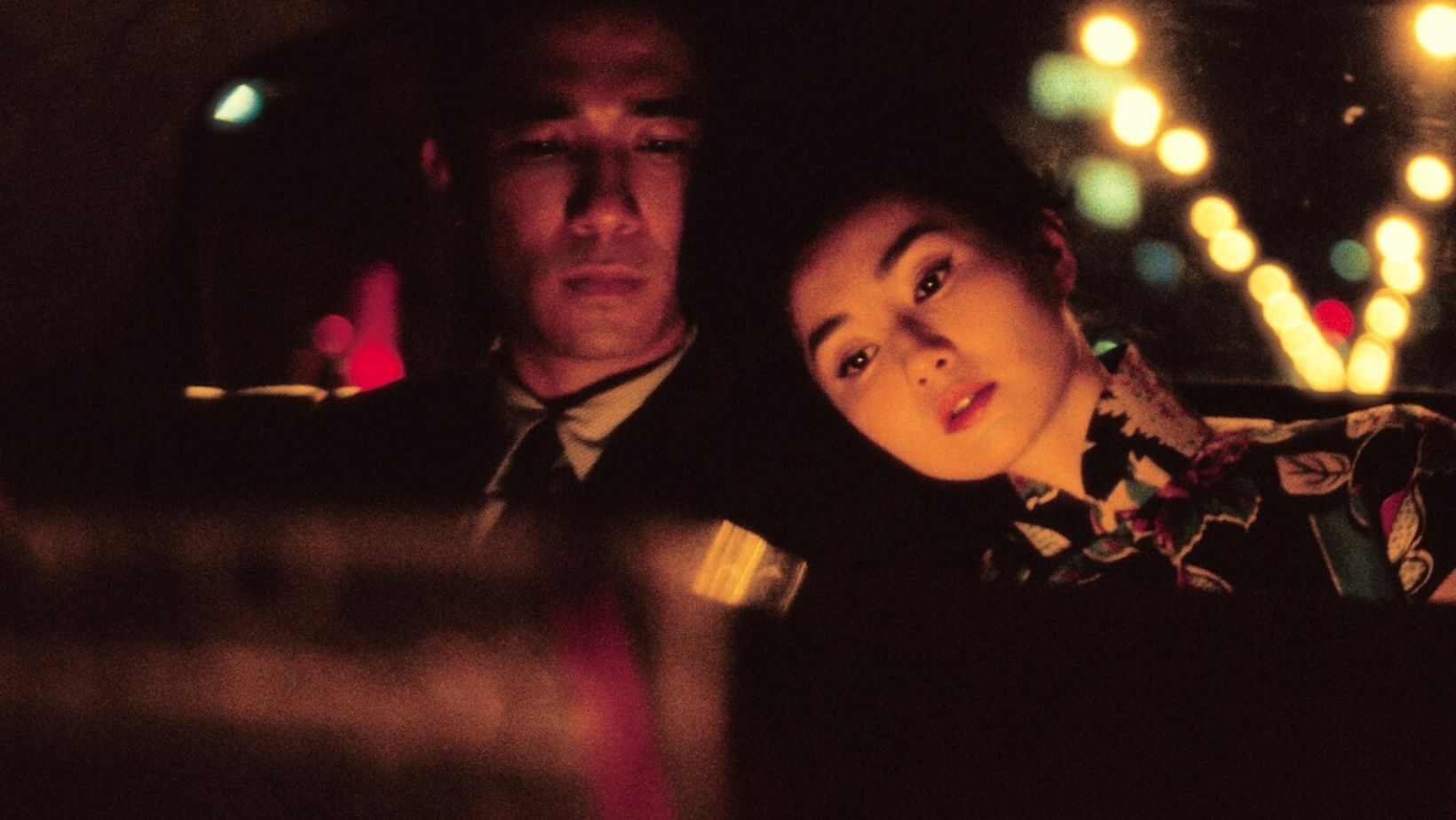
The main theme of the 18th Filmasia entitled Making Waves – Navigators of Hong Kong Cinema is to celebrate the last 25 years of Hong Kong cinema. The selection of films is primarily intended to show the diversity and power of the new generation of filmmakers, but also more recent works of already established ones. The diverse nature of young Hong Kong is introduced in the New Talents section which will present four utterly different new features: Intimate drama Mama’s Affair by the talented Kearen Pang, New Year’s crazy comedy Chili Laugh Story by Coba Cheung, Jun Li’s socio-critical drama Drifting and queer coming-of-age film The First Girl I Loved. The Contemporary Films section will introduce new works of established filmmakers like Johnnie To, Yuen Woo-ping or Cheang Pou-soi, and, above all, Mabel Cheung. Two of her films will be screened: the documentary To My Nineteen-Year-Old Self features the stories of young women in contemporary Hong Kong, and with An Autumn’s Tale the organizers want to revisit one of her most influential films from the late 1980s dealing with migration. Here you can find the full program. Opening Film Chilli Laugh Story directed by Coba Cheng will open the FILMASIA. The screening will take place on December 1, at...
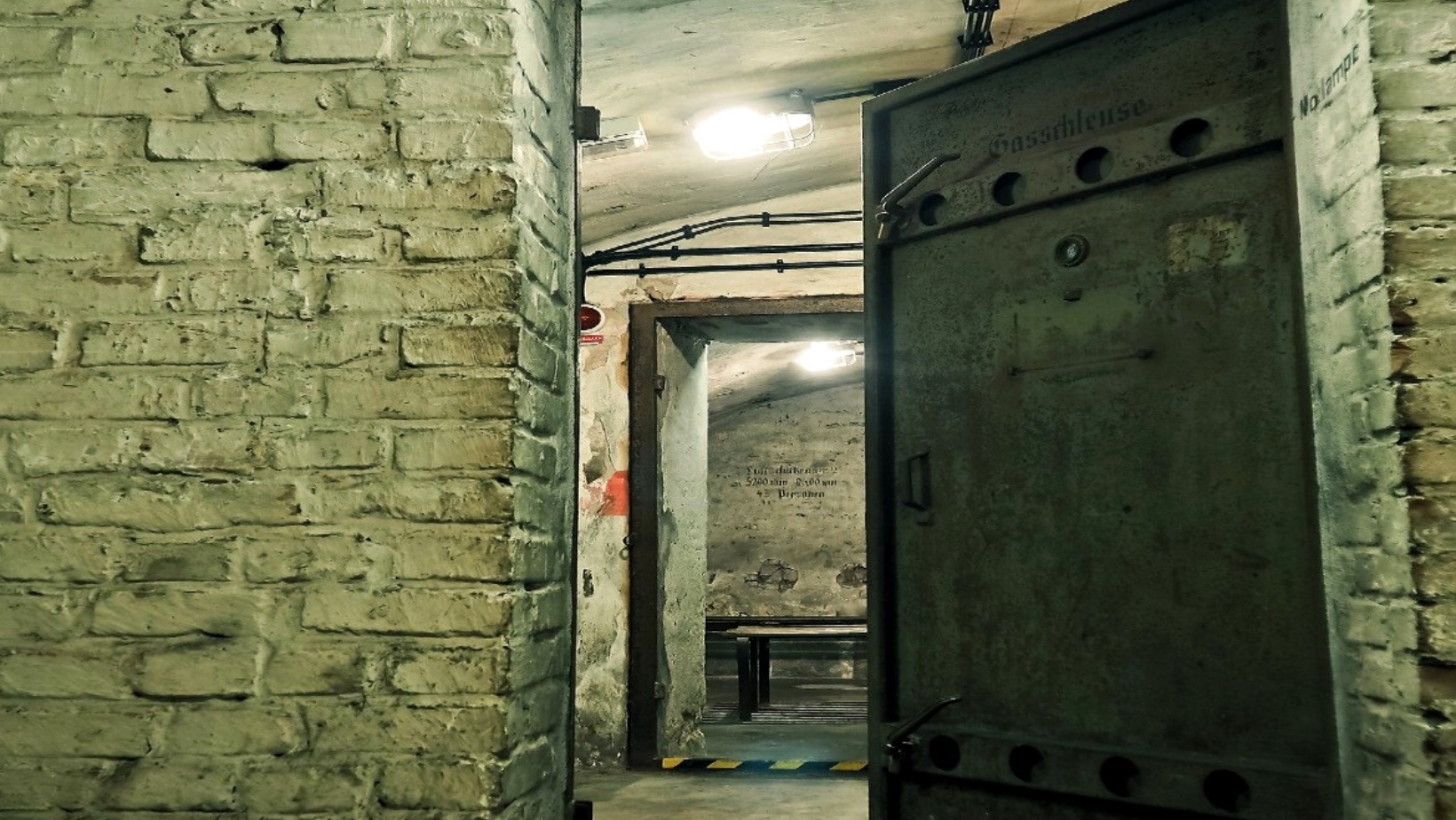
With the ongoing Ukraine war, tensions in Europe are on the rise. This is both due to an influx of war related-refugees to Central European cities, and discontent over the related rising cost of energy. As bombs fall on Ukraine, European nations are waking up to the sorry state of their own civil defence. Currently, in Kyiv, emergency workers are preparing 425 shelters for use during a nuclear war. In Prague, leftover Cold War-era bunkers are currently kept in a state of readiness to protect the population from nuclear war. Prague’s nuclear bunkers In 2019, it was estimated that there were 768 permanent shelters in Prague, with a total capacity for about 150,000 people. Municipal authorities are obliged by law to provide shelters, and Prague’s nuclear bunkers take on many forms. Blast and fallout shelters are built into hillsides, found in various tunnels, located in deep sections of the subway, and installed in reinforced basements of buildings. The Czech Fire and Rescue Service (FRS) admitted that “most” of the permanent pressure-resistant shelters are not in a condition for immediate use, and wouldn’t be prepared for such until a state of danger or war is officially declared. Currently, the FRS said, it would be possible to provide...
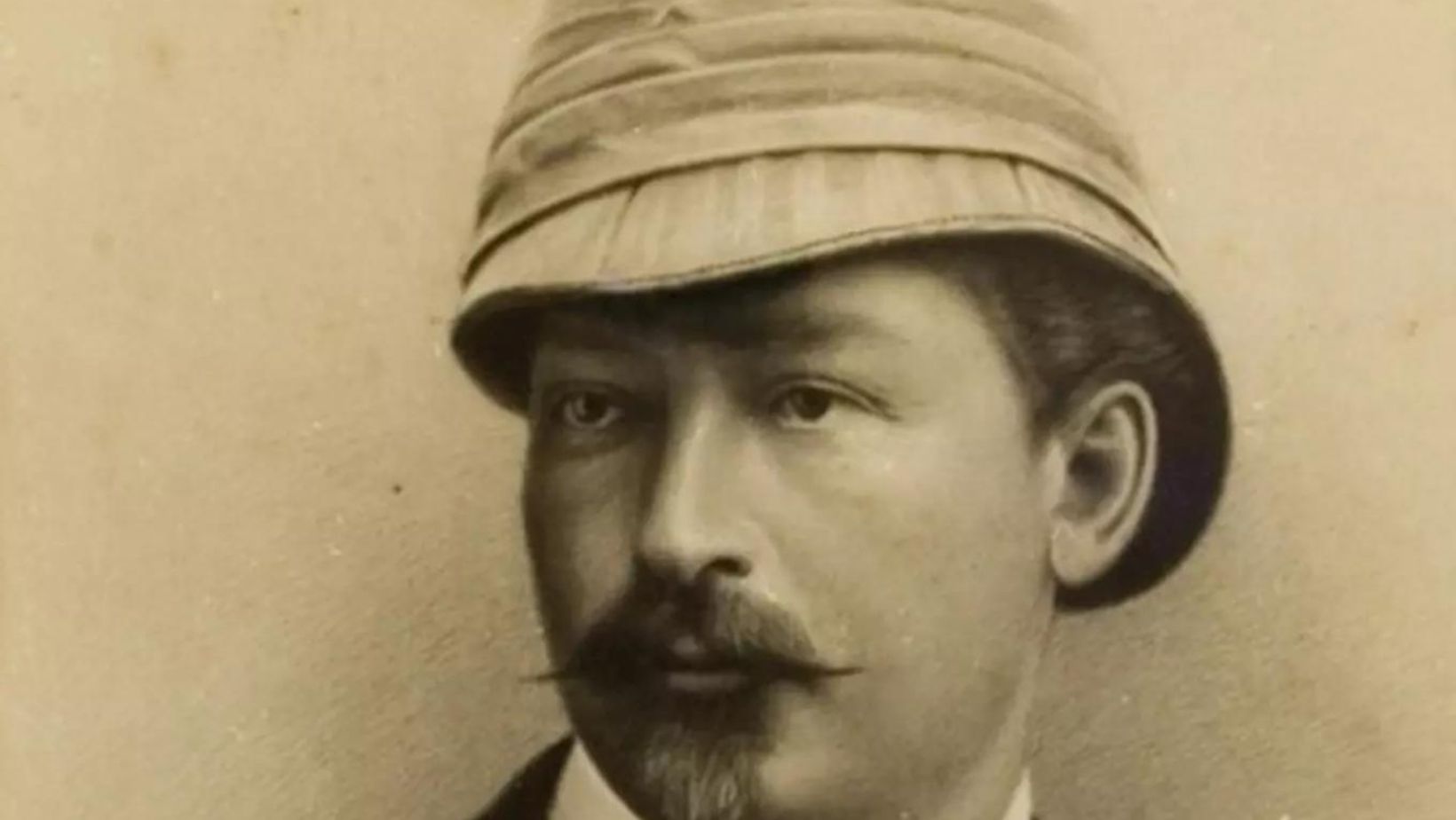
Did you know that one of the most world-renowned explorers was Czech? His name was Emil Holub and his field of expertise was Africa. Though Emil Holub (1847, Holice – 1902, Vienna) obtained a medical degree, he didn’t become a settled physician like his father. Instead, young Emil whose full name was Emilian Carl Johann Holub, travelled to Cape Town, South Africa shortly after graduation. He then settled near and practiced medicine. Now for long though as his craving for new experiences led him to embark on a “scientific safari” where he started his large natural history collection collecting ethnographic material. His third expedition which started in 1875 was probably the one he’s most known for. He not only reached the Zambezi river but was also the first person in the world to make a detailed map of the whole region surrounding Victoria Falls. He was lucky to marry a girl who shared his passion (and in some ways was better equipped for travels than him, but more of her another time). Him, his wife Růžena Holubová (also known as Rosa Holub) ventured to Africa and mounted exhibitions. Sadly, it was the exhibitions that ruined him financially. Holub suffered several...
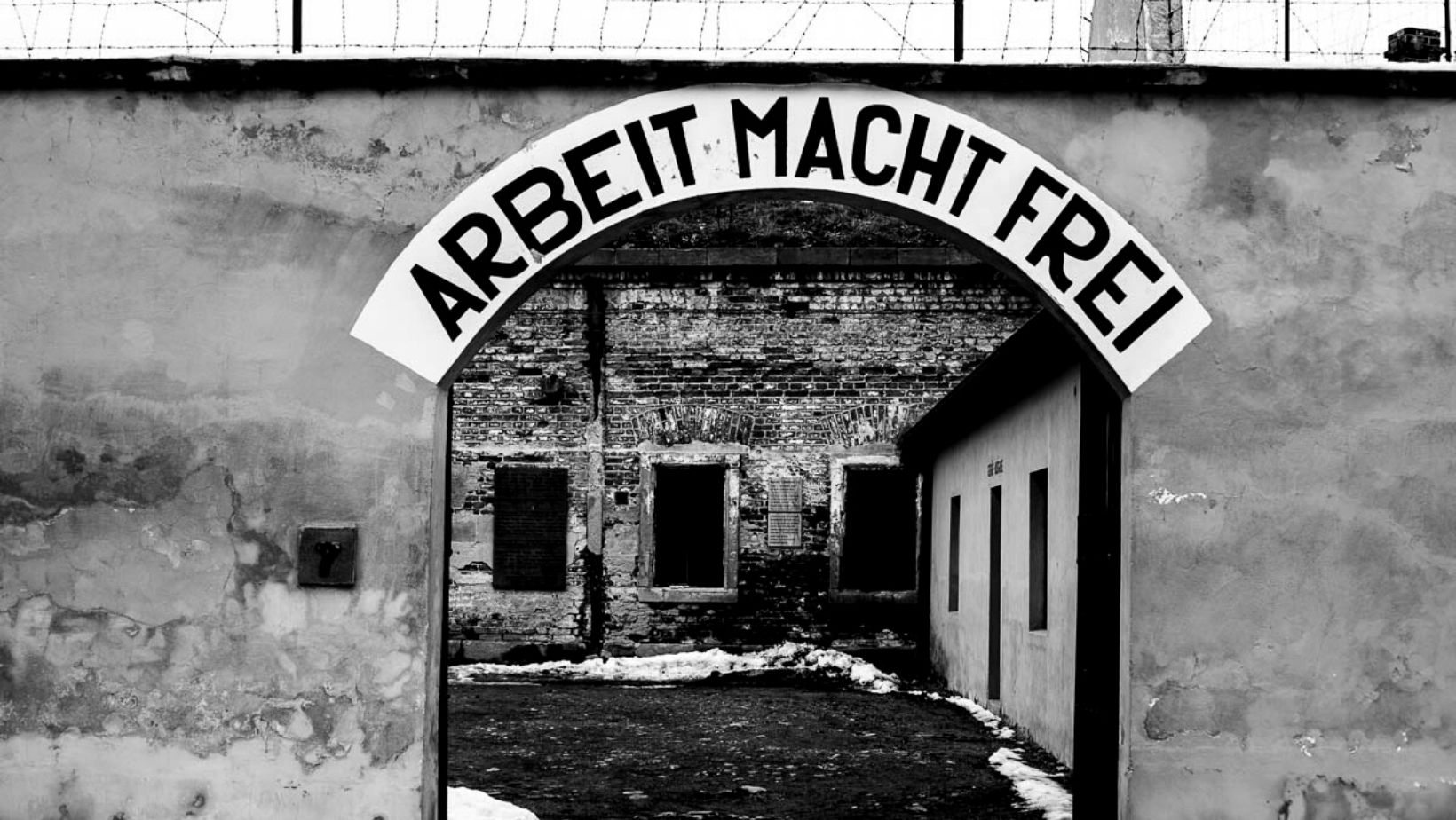
It’s exactly 81 years since the first transport of Czechoslovak Jews left Prague, bound for the garrison town of Terezín, transformed by the Nazis into a ghetto and concentration camp. They were sent there to prepare the town for the arrival of thousands of others – Jews from all over occupied Europe – who were crammed into the squalid barracks, and when the 18th-century fortress could take no more, into the surrounding houses. Lodged in a fortress built between 1780 and 1790, it was presented by the Nazis as a “model” Jewish community, with some visits permitted from the Red Cross and other observers. However, most of the 80,000 Czech Jews who died in the Holocaust died in Terezin, and of the 144,000 Jews who passed through the camp, only 17,000 survived — including, by most estimates, fewer than 100 of 15,000 children. Terezin was a transport point to Auschwitz; 88,000 Terezin inmates were ultimately shipped there or to other death camps. Many artists, musicians and highly cultured Jews were confined in Terezin, and much of the art and culture that emerged from the Holocaust was created there, including some 4,000 drawings by children, many of which are on display...
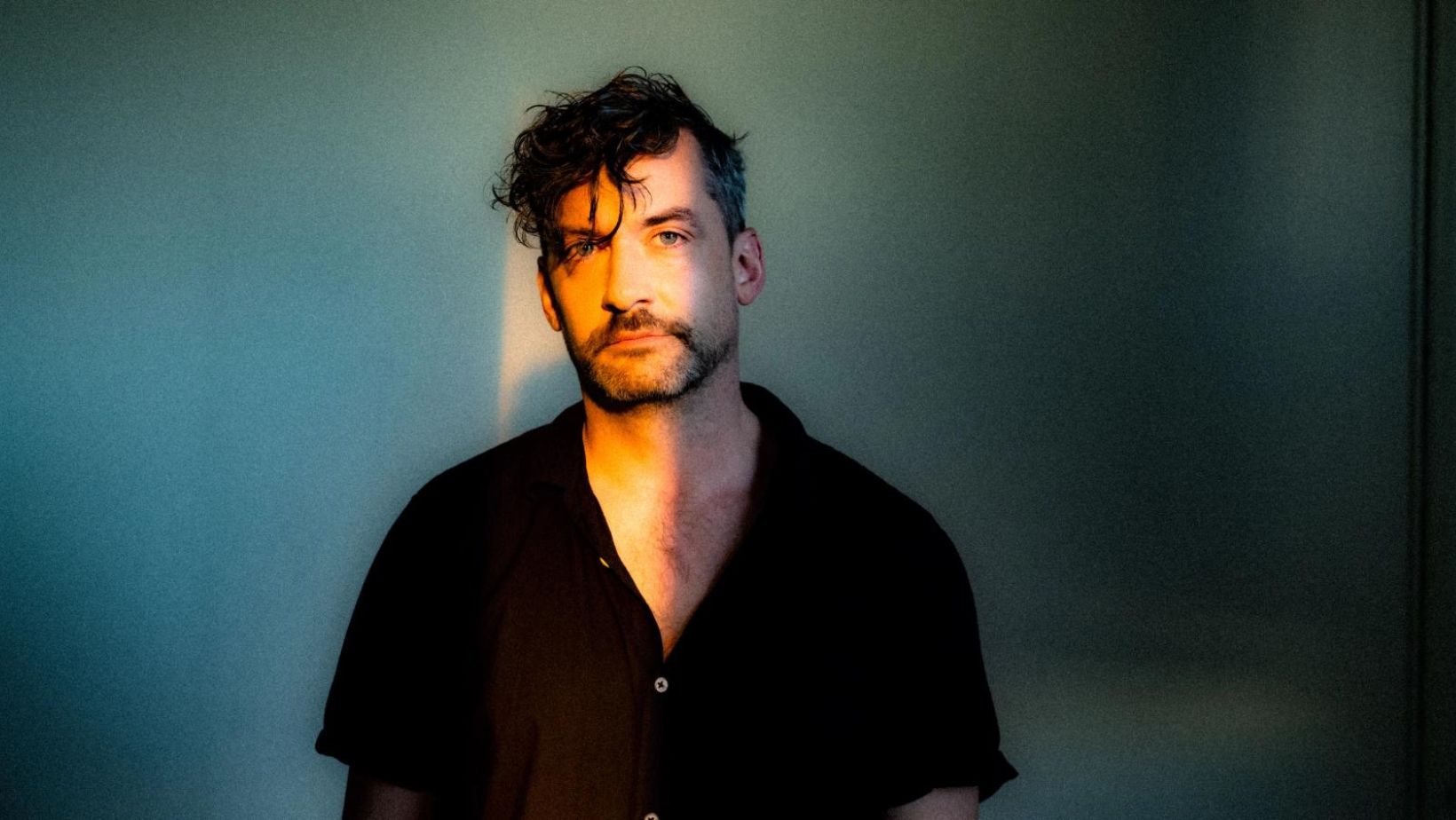
Bonobo has long been one of the most successful producers on the electronic scene, releasing a number of albums under the renowned Ninja Tune label, topping the charts worldwide and earning three Grammy nominations. He returns to Prague after four years with a concert at the Forum Karlín on November 26. This time he brings his current recording Fragments, the most emotional album Simon Green aka Bonobo has ever composed. It’s also one of Bonobo’s most collaborative projects, with memorable appearances coming from Jamila Woods, Joji, and Jordan Rakei, to name a few. Though there’s no drastic change to the Bonobo blueprint, it’s unlikely that you’ll find a track in which Green doesn’t sound equally masterful and laid-back in his craft, delivering his most soulful and slick efforts to date. Fluttering strings, orchestral arrangements and choir chants are woven atop infectious beats and trip-hop rhythms, sounding akin to the work of Caribou and Four Tet on tracks like ‘Otomo’ and ‘Age of Phase’. That being said, Green certainly is in a league of his own, delivering a rich, majestic sound suited for both late-night festival slots as well as historic big-band halls. More info and tickets here Fragments by Bonobo
Korzo Národní is the annual celebration of Velvet Revolution in 1989 with a varied programme on National Avenue (Národní třída). The organisers from Thanks That We Can association promise a variety of cultural experiences, including author installations, theatre performances and concerts. People can look forward to almost 90 program parts. In addition to commemorating the revolutionary period, event focuses on current topics and social challenges. There are debates on upcoming presidential elections, European issues and Russian war aggression in Ukraine. As in previous years, attention draws to the memorial site and people will also be able to light an online candle thanks to the organizers. The ninth-year celebration of freedom is marked by motto “We must take care of freedom“. The organisers want to commemorate the anniversary of the Velvet Revolution with dignity while taking into account current social challenges in the program. “Korzo Národní this year brings almost 90 program parts that will fill the scene of the Velvet Revolution. We have designed the celebrations to remain primarily civic. Visitors who want to quietly commemorate 17th November, but also those who plan to use festive day to reflect on the current state of our society and democratic values, will...
By Maegan Comer-Anglo American University The exhibition “Mucha: The Family Collection” currently at Waldstein Riding Hall has been extended through the end of the year, celebrating the legacy of Alphonse Mucha through a journey of the vast evolution of his life and works. The exhibition of over 200 carefully selected pieces, including previously unseen works, is on display for an additional three months than originally planned due to popular demand. Born in Moravia in 1860 (at that time within the Austro-Hungarian Empire), Mucha found his big break as a young artist in Paris in December 1894 upon the commissioning of a street poster for the famous stage actress Sarah Bernhardt. From the massive success of his first poster, the distinct “Le Style Mucha” was born. Through his use of organic lines, elegant details, and ornamental features, Mucha became a prominent pioneer of the French Art Nouveau aesthetic at the turn of the twentieth century. The exhibition, divided into six sections, guides visitors through the various stages of Alphonse Mucha’s life and ever-creative endeavors– from his childhood in south Moravia to the years of his formal art education in France. Looking at Mucha as an artist and a man, each portion...
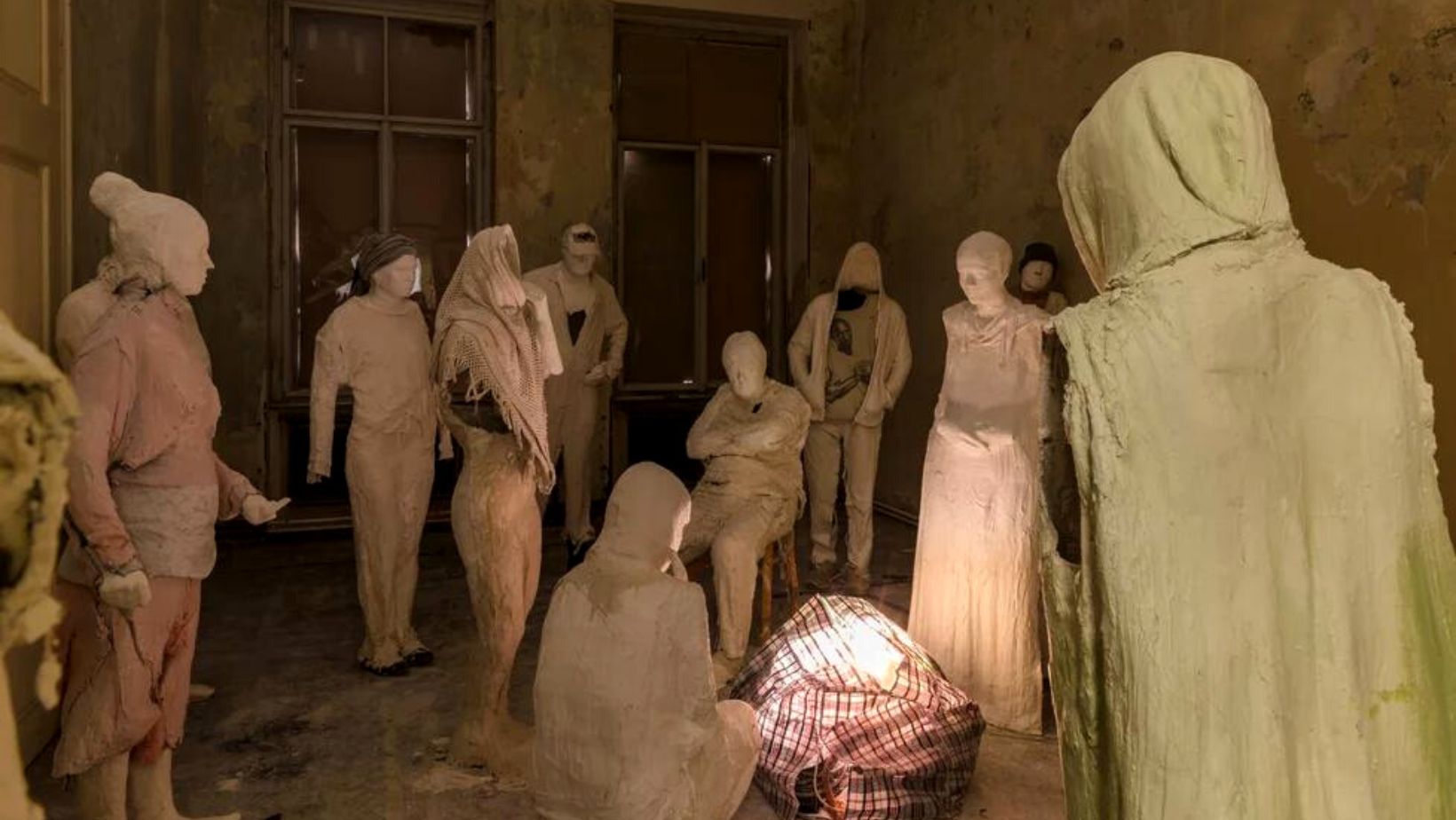
Pokoje (Rooms) is an art show that exhibits a cross-section of contemporary student art in an unusual way. The show – which runs until November 20 – takes place over ten days in an empty house in the center of Prague, where students from various universities will transform unused rooms into an exhibition. Each of the studios is given a room, a theme and the freedom to use the space in any way. The result is a site-specific exhibition that brings to life an otherwise unused space for a unique cultural experience. The eleventh edition gives young artists from thirteen universities and several art studios across the Czech Republic the possibility to display their art. This year’s theme is Edges. For the first time in the history of the show we have established cooperation with foreign schools, therefore students from the Hungarian University of Fine Arts, from Academy of Fine Arts in Warsaw, from Faculty of Fine Arts in Banská Bystrica and from Bard College Berlin will also participate in the show this year. Vistors can experience a tremendously wide range of different projects and media. Entering these small worlds, the audience is able to get a sense of the enjoyment the artist must have had during...
Wherever Norwegian electronic music duo Röyksopp goes, curiosity often follows. Since releasing their debut breakout album Melody A.M. in 2001 (which received critical acclaim for its unique amalgam of downtempo, ambient and synth-pop sounds), the duo consisting of Svein Berge and Torbjørn Brundtland has continued to evolve and iterate throughout the four studio albums that followed Röyksopp recently announced the 2023 True Electric tour starting in Sweden on 16th February including dates at London’s O2 Brixton Academy on 19th February and Tempodrom in Berlin on 23rd February. The True Electric tour will be the legendary duo’s first tour since 2017. “With «True Electric» we want to bring the pure and immersive Röyksopp experience of our studio productions to the live stage. This means synths, samplers & sequencers, in a performance where the hero of the show is the music itself. Expect an eclectic set where energetic beats meet vast, transcending soundscapes. True electric – what it says on the tin.” (Röyksopp) This year Röyksopp premiered their audacious live show to festivals in Norway, flamboyant costumes included, reminding everyone why they’re one of the world’s must-see live artists. 2022 has seen these music pioneers innovate once again with their extraordinary Profound Mysteries project, working with...
Martinmas, the feast of St. Martin of Tours is traditionally celebrated on November 11. St. Martin was a Roman Catholic saint, the bishop of Tours, who lived in the years 316 – 397. The most- repeated story about his life says that while he was a soldier, he encountered a scantily dressed beggar at the gate of the city of Amiens. He cut his military woolen cloak in half and shared it with the freezing man. The following night he had a vision of Jesus Christ, surrounded by Angels, and arrayed in the half of the cloak. As a consequence of the experience, he received baptism, left the army and became a monk. People in the Czech republic associate the feast with the onset of winter and snow. There are a lot of proverbs in Czech, which feature predictions for the winter weather. According to the most popular saying, the first snowfall of the season can be expected on this day since Martin may arrive on his white horse. St. Martin´s celebrations are particularly popular with children, who create colourful handmade lanterns. After darkness falls, kids participate in lantern processions and sing songs. The candles in the lanterns flicker and the kid´s eyes are...
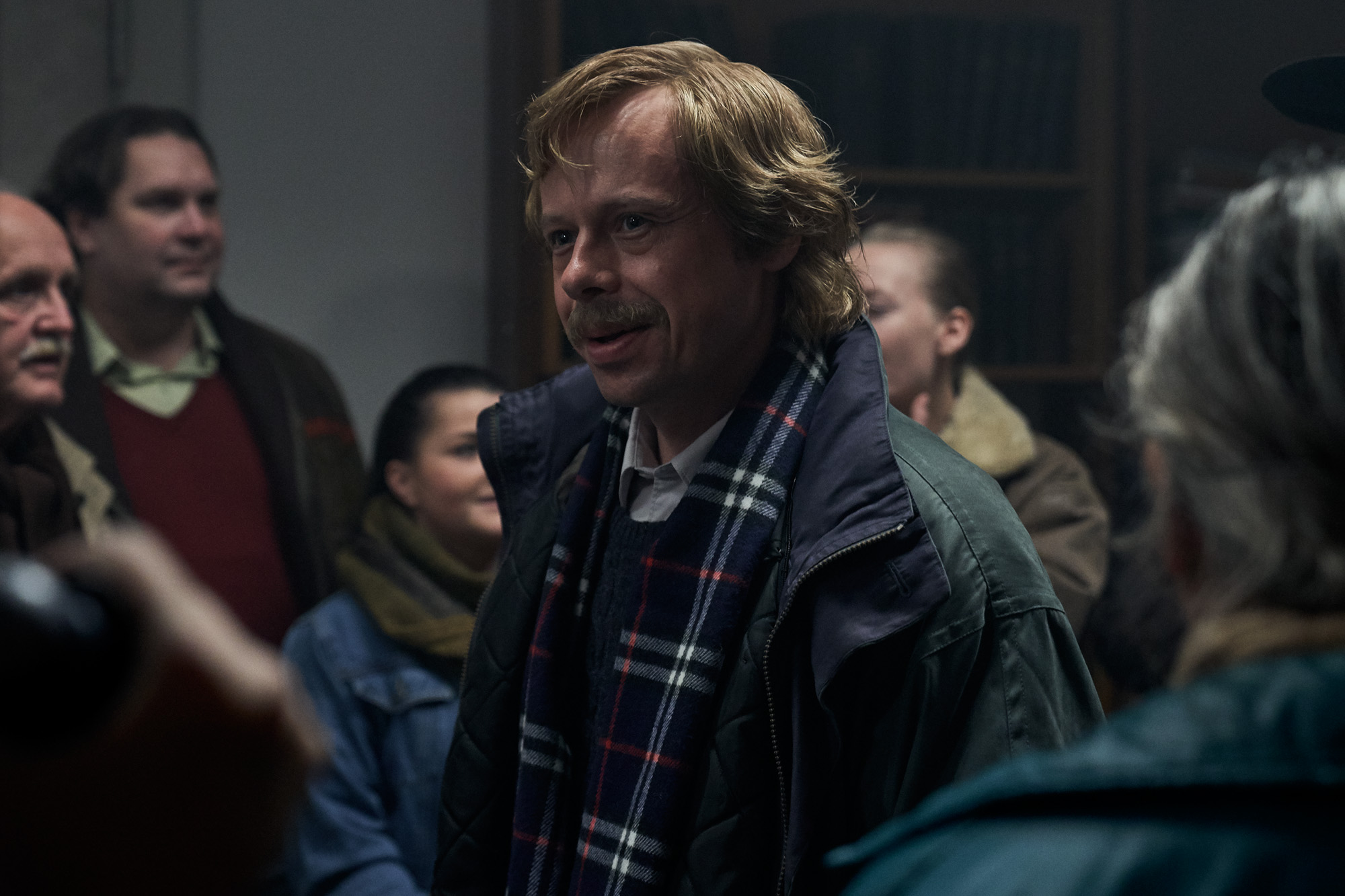
Truth and love will overcome lies and hatred. Sound too corny? No, the words of the former first Czech president are truer than ever. Come to the cinema Aero on the eve of the anniversary of the Velvet Revolution, czexperience the revolutionary drama HAVEL set in a time when fighting for freedom was the order of the day. On the 16th of November, as part of the “Some like it Czech” screening series, which aims to introduce Czech culture and history to expats living in Prague, you can attend a screening of the movie HAVEL (2020, watch the trailer). The latest movie by Czech director Slávek Horák will show you the breathtaking transformation of a timid playwright into a determined and fearless revolutionary and later a global icon. Set between 1968 and 1989 you can finally get to know Czechoslovakia under socialism with this movie drama based on real events. Brian Lennon, a charming man from L.A. who has one short film debut to his credit, will give you a fun introduction before the movie. In an entertaining way without any spoilers, you will discover why the year 1968 is so important for the Czechs. With Brian, you will finally...
Good news for John Wick fans! The spinoff movie, Ballerina, has finally started production this week in Prague. During Lionsgate’s investor call last week, CEO Jon Feltheimer shared that the film starring Ana de Armas (Knives Out, No Time to Die) would start production this week. We don’t have many details about the plot of Ballerina yet, other than it takes place in the John Wick universe and that de Armas’ character seeks revenge after someone kills her family. Len Wiseman (Underwood) is directing, and John Wick: Chapter 3 Parabellum and Army of the Dead screenwriter Shay Hatten has penned the script, although de Armas said in an interview earlier this year with Elle magazine that she worked to get Killing Eve writer Emerald Fennell to add touches to the story. Among other locations, Ballerina is set to shoot in Prague’s city center by the Hotel Opera at Těšnov and at the Masarykovo nádraží train station in the coming week. In addition to Prague, Ballerina will also shoot in other cities around the Czech capital. More filming locations will be known in the coming weeks; the action movie will shoot in the Czech Republic across the next three months, through February 5. Keanu Reeves’ involvement in the movie has not been previously confirmed, but...
Don’t have an account? Register
[swpm_registration_form level=”6″]
Already have an account? Log In
How Would You Like to Promote Your Business? PR ArticleDisplay bannersVideo productionNewsletter adsJob ListingsInfluencer Marketing
Your Email
We will come back to you within 24 hours with our proporsal