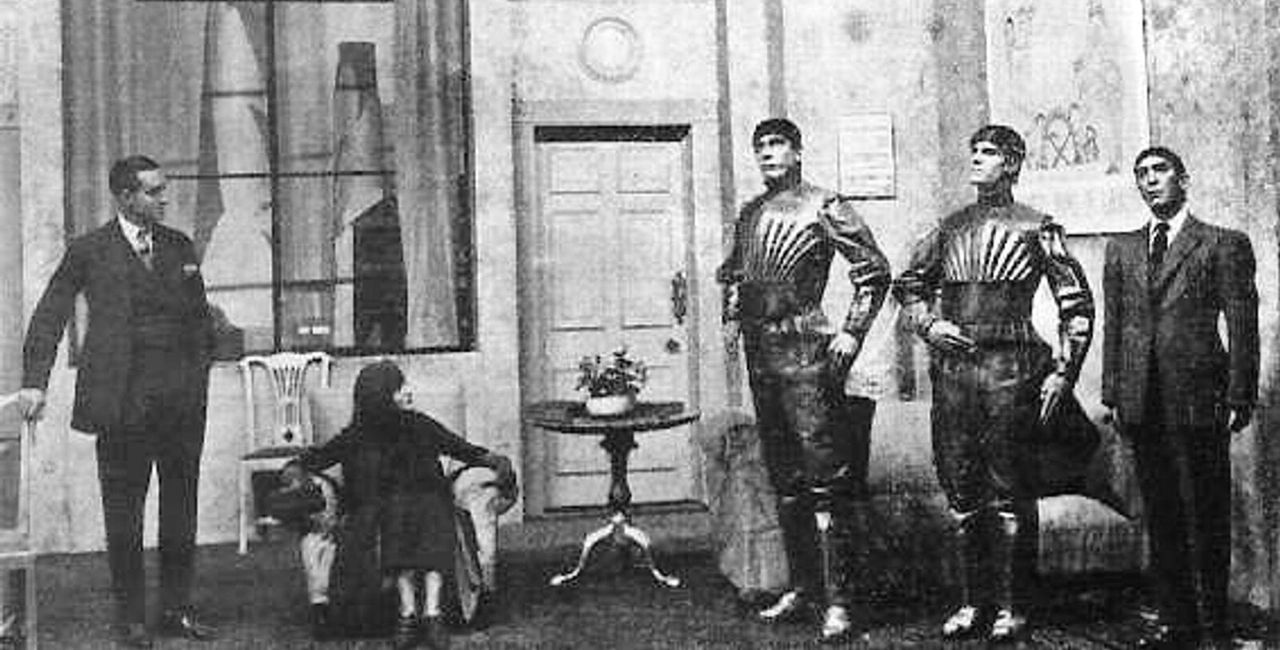
By the time his play “R.U.R.” (which stands for “Rossum’s Universal Robots”) premiered in Prague in 1921, Karel Čapek was a well-known Czech intellectual… Like many of his peers, he was appalled by the carnage wrought by the mechanical and chemical weapons that marked World War I as a departure from previous combat. He was also deeply skeptical of the utopian notions of science and technology. “The product of the human brain has escaped the control of human hands,” Čapek told the London Saturday Review following the play’s premiere. “This is the comedy of science.” In that same interview, Čapek reflected on the origin of one of the play’s characters: “The old inventor, Mr. Rossum (whose name translated into English signifies “Mr. Intellectual” or “Mr. Brain”), is a typical representative of the scientific materialism of the last [nineteenth] century. His desire to create an artificial man — in the chemical and biological, not mechanical sense — is inspired by a foolish and obstinate wish to prove God to be unnecessary and absurd. Young Rossum is the modern scientist, untroubled by metaphysical ideas; scientific experiment is to him the road to industrial production. He is not concerned to prove, but to...
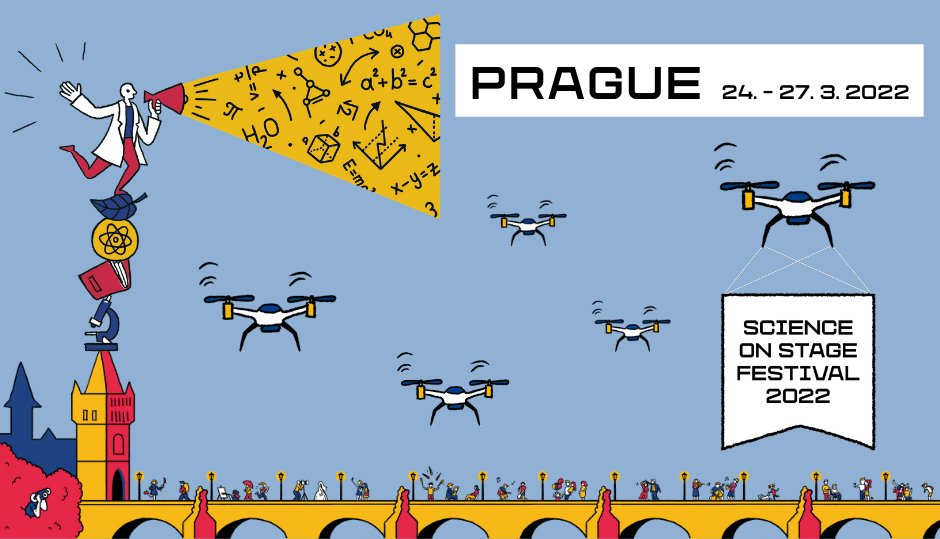
On 17 January, the Czech capital revealed that it will host the 12th edition of the largest European education festival: Science on Stage. The 2022 event will take place on 24-27 March at the Clarion Congress Hotel Prague in Vysočany and will mark the first time that Science on Stage comes to the Czech Republic. As a partner of the festival, the City of Prague has decided to allocate CZK 2 million for its organisation and operation. Noting that the Science on Stage 2022 fair carries tremendous importance, Councillor for education Vít Šimral shared: “The festival, of which Prague is a proud partner, is a significant contribution to the inspiration and networking of teachers across Europe. This is an extraordinary opportunity for Prague and non-Prague teachers to gain stimuli and motivation in simple experiments and projects that will help them enrich and change their own teaching.” According to the Czech municipality, around 450 primary and secondary school teachers from over 30 countries will attend the 2022 fair. There, they will establish connections with research institutes, companies, and experts whilst showcasing their innovative ideas. More specifically, educators will present their experiments and projects at stands, which will be the main element of the festival. Those who have a stand...
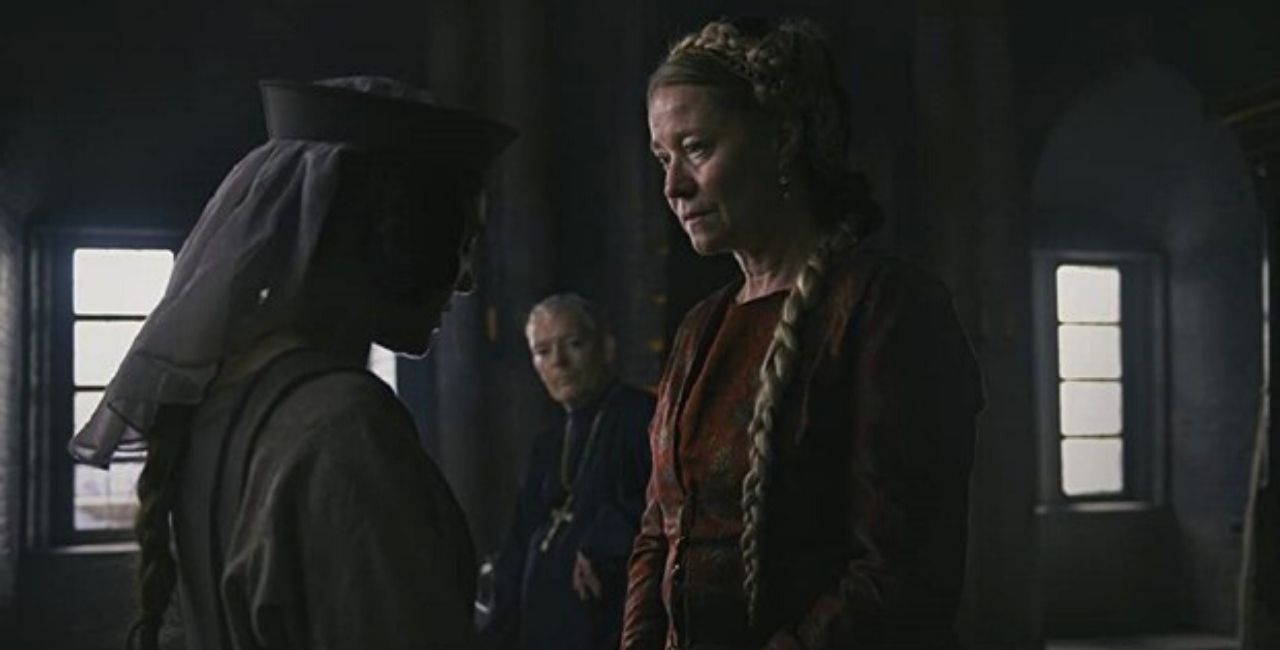
Displaying the best that current Scandinavian production has to offer, SCANDI – Nordic Film Lesson, presents a cross-section of films and genres that define the cinematic North. SCANDI takes place in the Czech Republic from 19 to 25 January and in Slovakia from 24 to 30 January. The discussion with film professionals will take place on 25 January. You can watch the live stream on Cineuropa, Film Europe and SCANDI Facebook page from 15:30 till 18:00. SCANDI’s ambition is to introduce Slovak and Czech audiences to Nordic film excellence. Every year since 2015, SCANDI brings the highest quality and most remarkable cinematographic works of various genres from five Nordic countries (Sweden, Denmark, Norway, Finland, Iceland). This year SCANDI brings a lot of awarded films such are Margrete – Queen of the North, Flee, Tigers, Ninjababy, Tove, Wild Men, The Most Beautiful Boy in the World, and many more. One section will be focused on the Danish actress Trine Dyrholm. Film Europe, which organizes the SCANDI film festival, for the first time prepared a special online industry discussion. “The panelists will talk about production, co-production, distribution, festival representation, and education in the field of Scandinavian cinema. Defining, researching, and discussing how it is possible that Scandinavian cinema has such a strong...
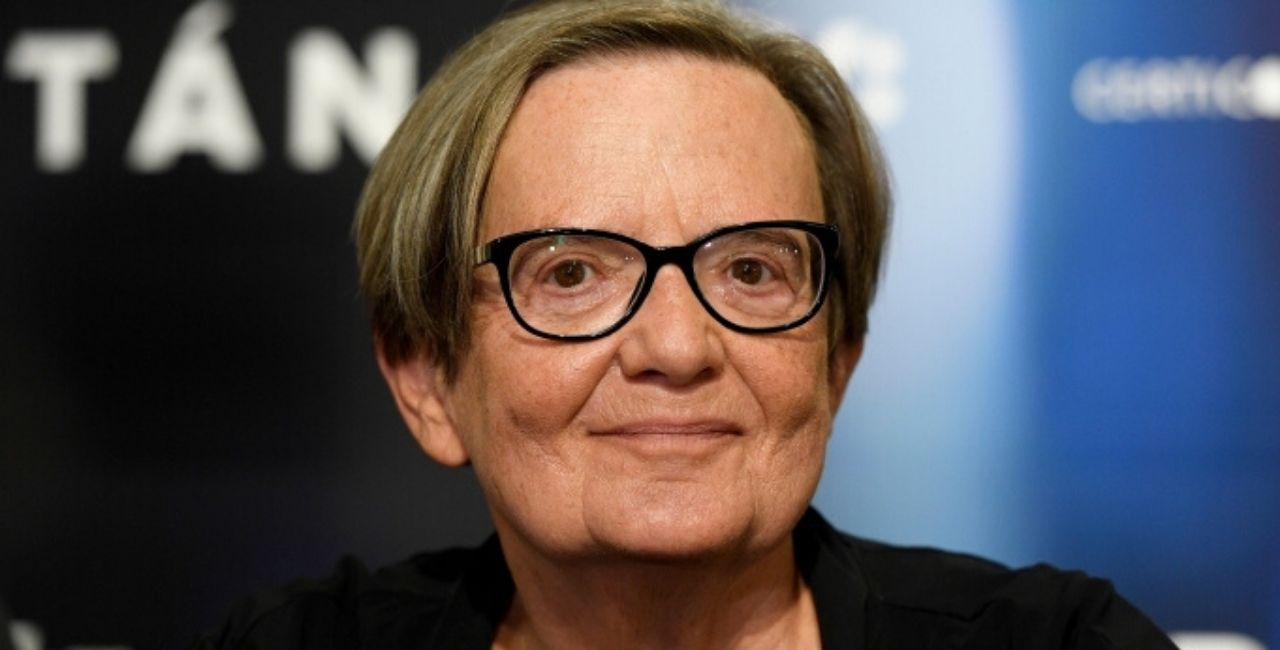
The great director Agnieszka Holland is working on a film entitled Kafka and will be presented at the Berlinale next month.
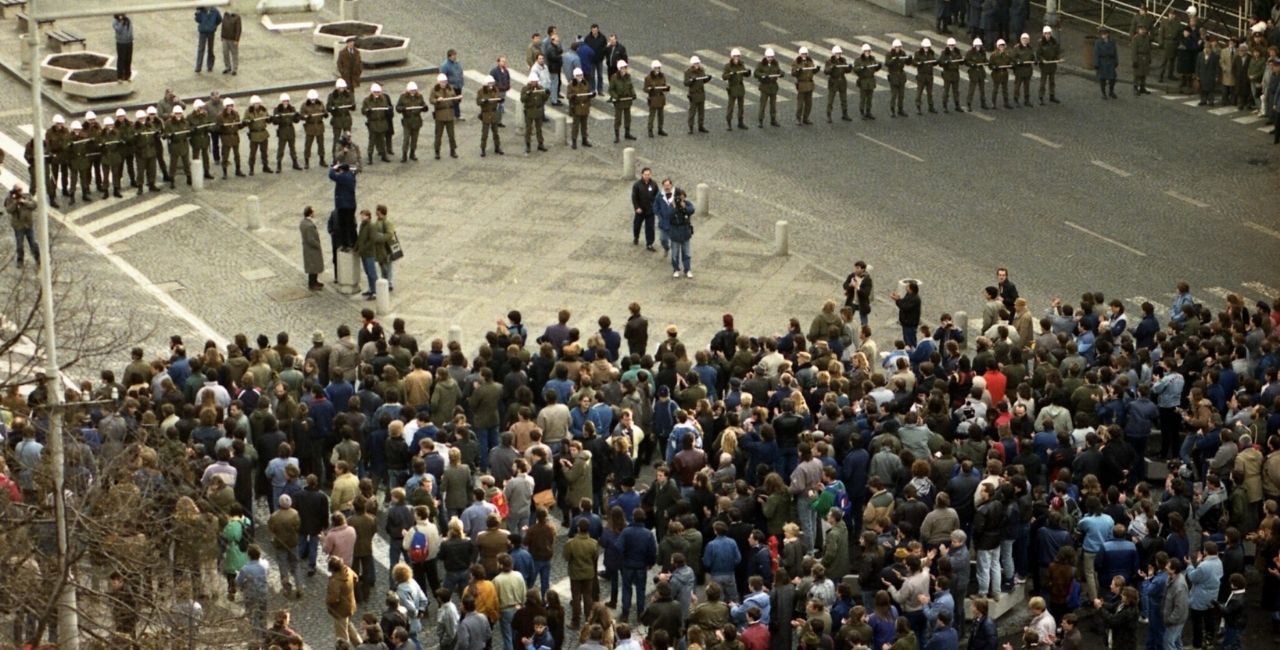
The 20th anniversary of Jan Palach’s self-immolation brought many thousands onto the streets for protests that had no precedent in communist Czechoslovakia. Palach Week, as it became known, began on January 15, 1989, and saw running battles between demonstrators and riot police. The public commemoration was organized by the following opposition movements: České děti (Czech Children), Charta 77 (Charter 77), Mírový klub Johna Lennona (The John Lennon Peace Club), Nezávislé mírové sdružení (The Independent Peace Association), and Společenství přátel USA (The Society of Friends of the USA. For seven days, demonstrators who tried to gather on Wenceslas Square were beaten and sprayed with water cannons. Hundreds were arrested, among them top dissidents such as Václav Havel, and the events are seen by some as foreshadowing the Velvet Revolution, 10 months later. On 21 January 1989, at the end of “Jan Palach Week”, the authorities together with security forces blocked the national pilgrimage to Jan Palach’s grave in Všetaty. Václav Havel was sentenced to nine months imprisonment in a strict-regime prison. Other opposition activists arrested in Wenceslas Square were put on trial with him. The opposition movements launched a campaign for their release, which helped to bridge the gap between the activists and the wider public. The considerable support inspired Václav...
On the weekend of 5 and 6 February, four branches of the National Gallery in Prague can be visited free of charge.
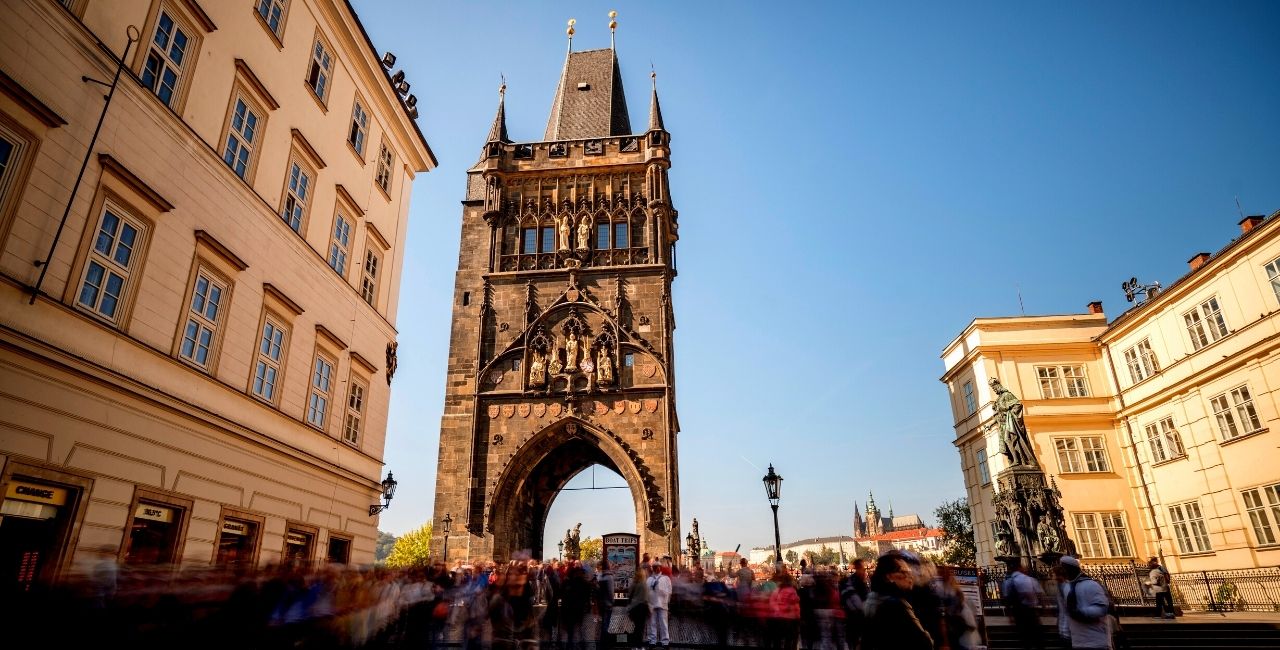
The Czech capital city is also known as the City of a Hundred Spires (‘Stověžatá Praha’). Only a few people know exactly how many towers there are in Prague; however, it is certainly over one hundred. In Prague, towers of all kinds are everywhere, even in the least expected places. The City of Prague Museum manages the six most famous and well-known of them. Last year, 649,147 visitors visited the Prague Towers, which is about four percent more year-on-year. The most visited was the Petřín Lookout Tower (Petřínská rozhledna), according to an analysis by Prague City Tourism (PCT). It attracted 242,803 visitors, about 8,587 more than last year. 176,714 people visited the mirror maze, one of the most popular family destinations in the city. The building, shaped like a small castle, houses the “Hall of Laughter”, a labyrinth of variously curved and twisted mirrors that will instantly turn you into a dwarf, a beach ball, or a beanpole. This place is great fun for kids and adults alike. The second most visited tower, the Old Town Hall (‘Staroměstská mostecká věž’), recorded a decrease in visitors. Last year, 124,248 people visited it, (about 4,000 less year-on-year). Compared to 2019, there was...
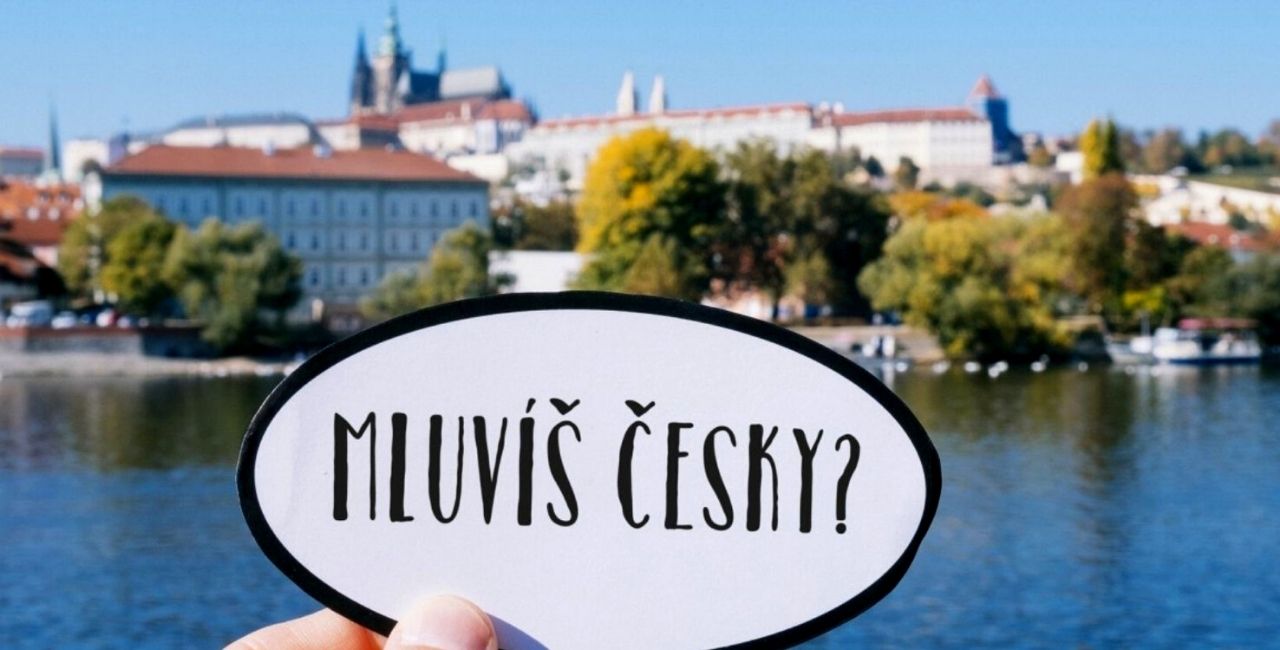
No matter your mother tongue, as a foreign language learner you will sometimes encounter “false friends”.
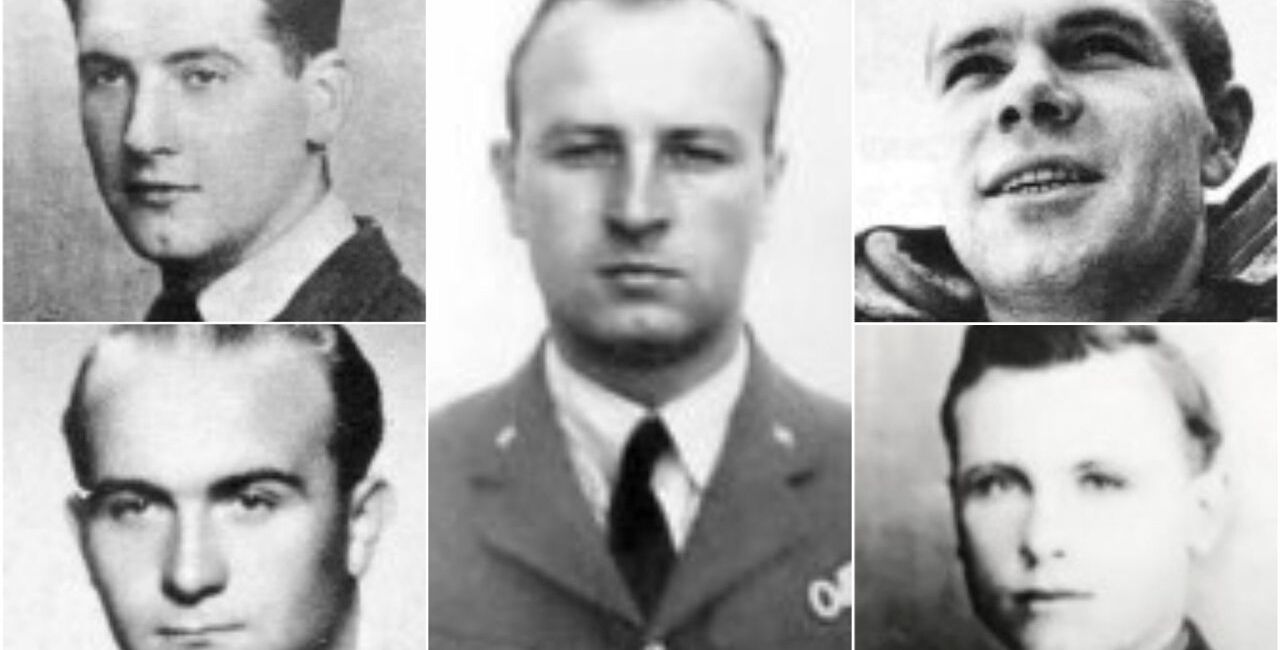
Five Czech crewmembers who were reported missing during the Second World War more than 80 years ago have been recovered and identified.
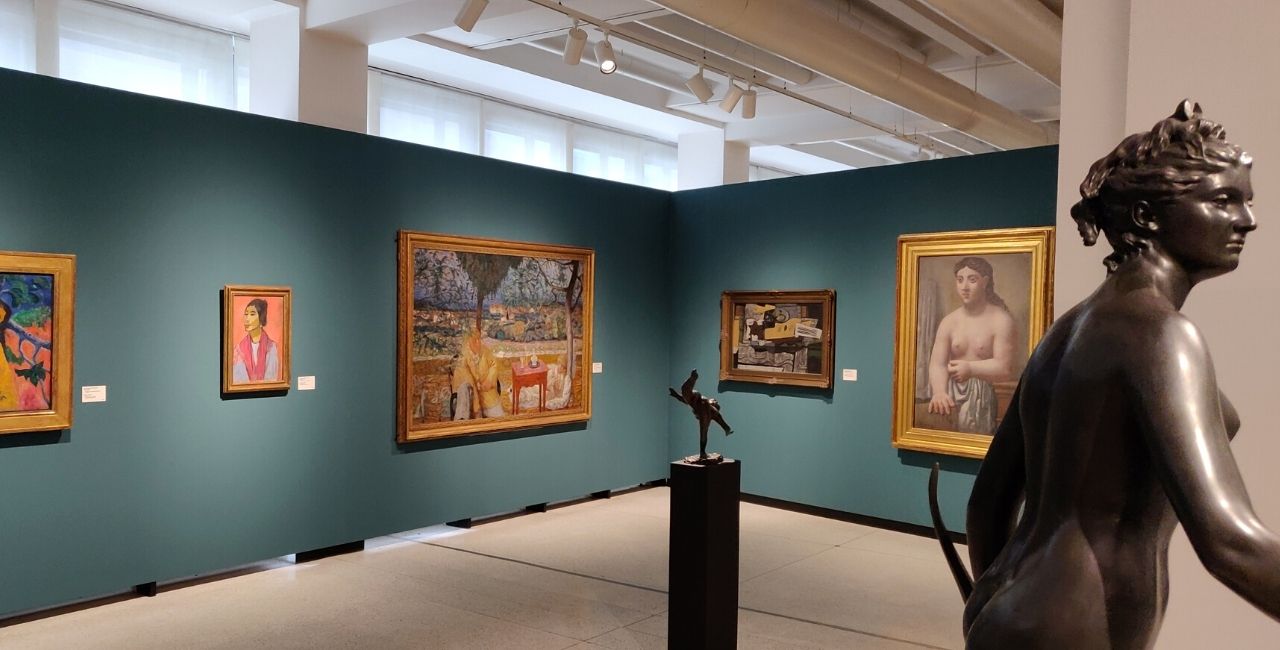
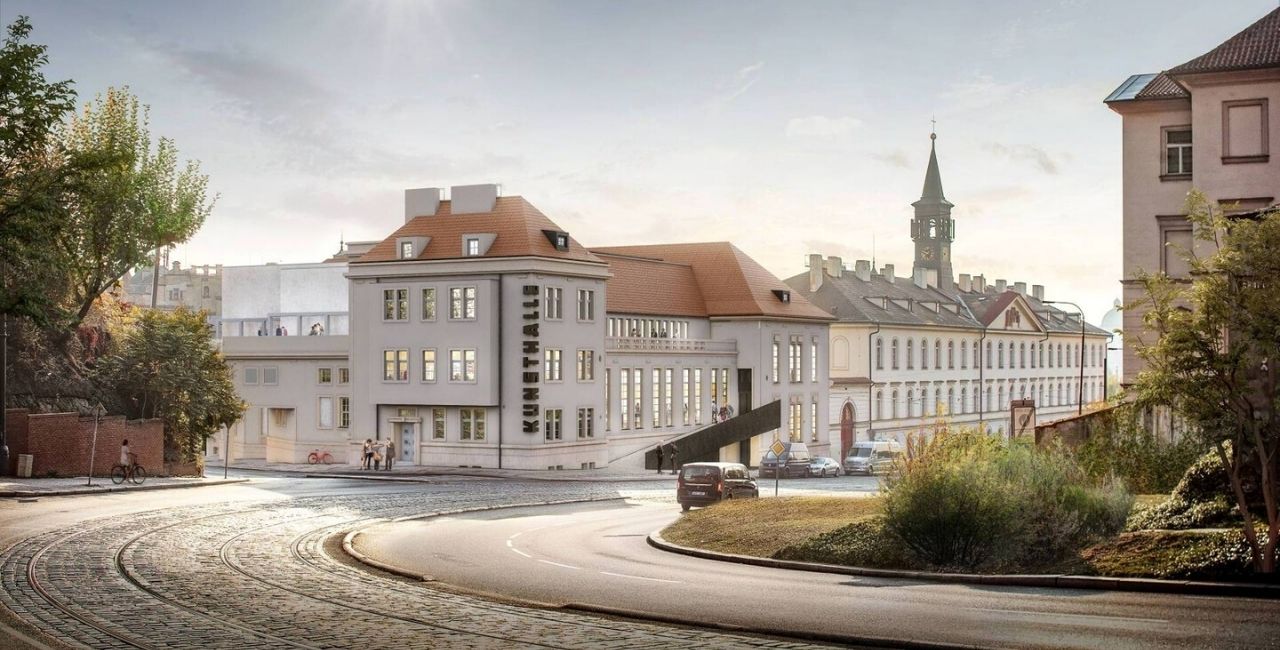
A new space for Czech and international modern and contemporary art is opening in Prague: Kunsthalle Praha.
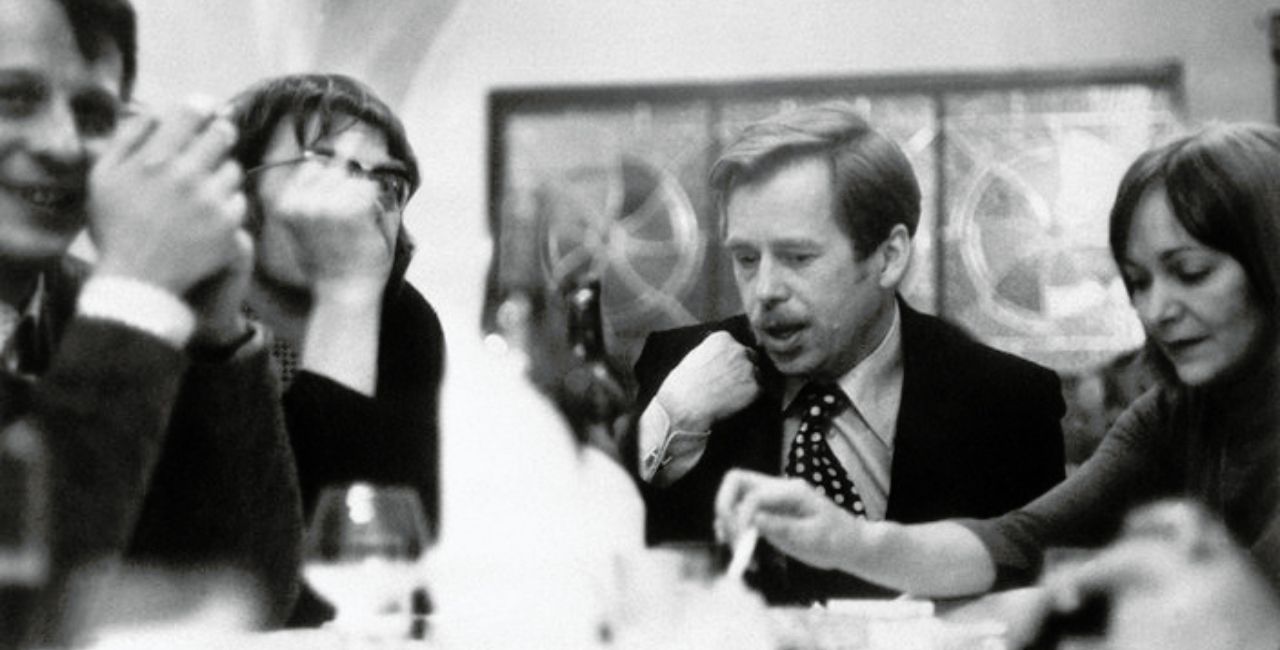
Charter 77, the most famous manifesto criticizing the Communist government, came to light on January the 6th, 1977.
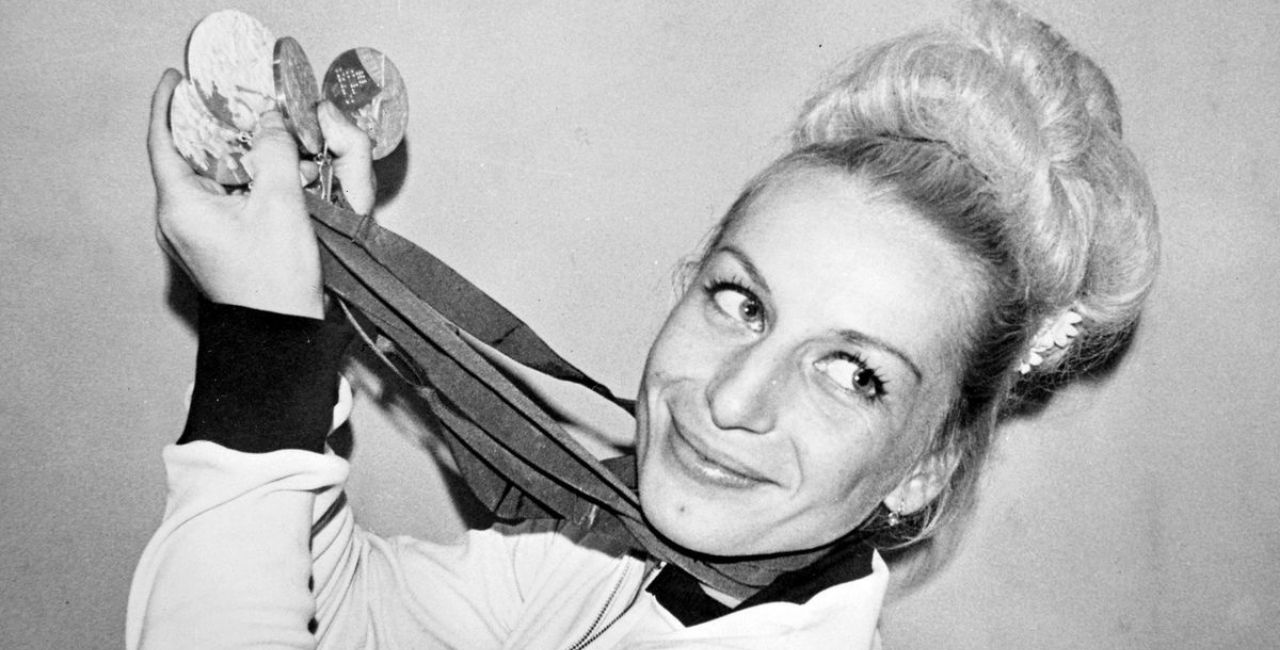
Mexico City, 1968. A newly-crowned Olympic champion is about to make the life-changing decision to stage a political protest on the podium. The protest came from Czech gymnast Věra Čáslavská as a reaction to the Soviet-led invasion of her country two months earlier. Caslavska turned her head away from the flag of what she called the “invaders’ representatives”, the Soviet Union. The action was understated. The ramifications were huge, as World Service programme Sporting Witness has discovered through the first-hand account of British gymnast Mary Prestidge. Prestidge spent time training alongside Čáslavská in the build-up to the Mexico Games as part of an exchange programme. The Czech gymnast was already a superstar, having won three gold medals at the Tokyo Olympics in 1964, including the individual all-around title. Her chances of repeating such dominance were dealt a huge blow in the run-up to the Olympics, however, when she was forced into hiding by the Soviet-led invasion of Czechoslovakia in August 1968. When the ‘Prague Spring’ reforms were consequently halted, Čáslavská, a vocal opponent of Soviet rule, feared she would be arrested so she retreated to a remote forest hideout. The Olympics were just two months away. Rather than prepare for Mexico in a gymnasium, Čáslavská...
Don’t have an account? Register
[swpm_registration_form level=”6″]
Already have an account? Log In
How Would You Like to Promote Your Business? PR ArticleDisplay bannersVideo productionNewsletter adsJob ListingsInfluencer Marketing
Your Email
We will come back to you within 24 hours with our proporsal