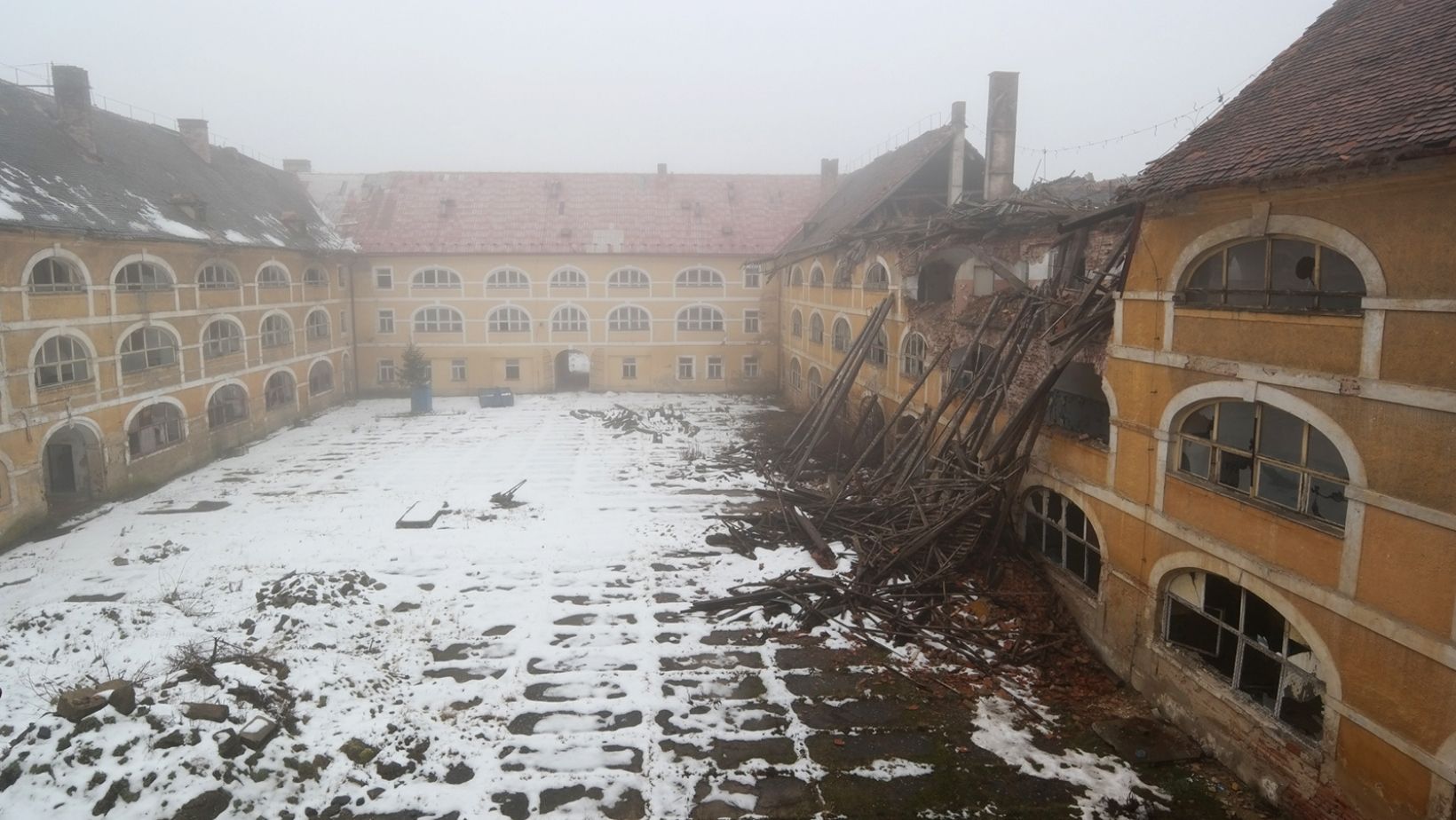
During World War II, the Gestapo used Terezin, better known as Theresienstadt after its German name, as a ghetto for Jews who were mainly from Czechoslovakia, but also from Germany, Austria, the Netherlands and Denmark. More than 150,000 Jews were sent there and although there were no extermination camps, around 33,000 died mainly due to terrible conditions that had prevailed in the ghetto. 88,000 ghetto residents were deported to Auschwitz and other extermination camps. At the end of the war, there were 17,247 survivors. As reported by BBC, the bulk of the buildings where Jews were once forced to live are now in ruins, despite their historical significance. The camp was used by Nazi propaganda, through the 1944 movie “Theresienstadt”, to portray it as a place where Jews lived happily; in truth, 35,000 Jews died of hunger and disease there, and many more were deported to be transferred to Auschwitz or Treblinka. The decay of the city is due to the fact that since 1790, when it was founded, it has always hosted numerous soldiers from the various armies that governed the territory, from the Austro-Hungarian to the Czechoslovakian, which left Terezin in the early 90s. Since the local economy...
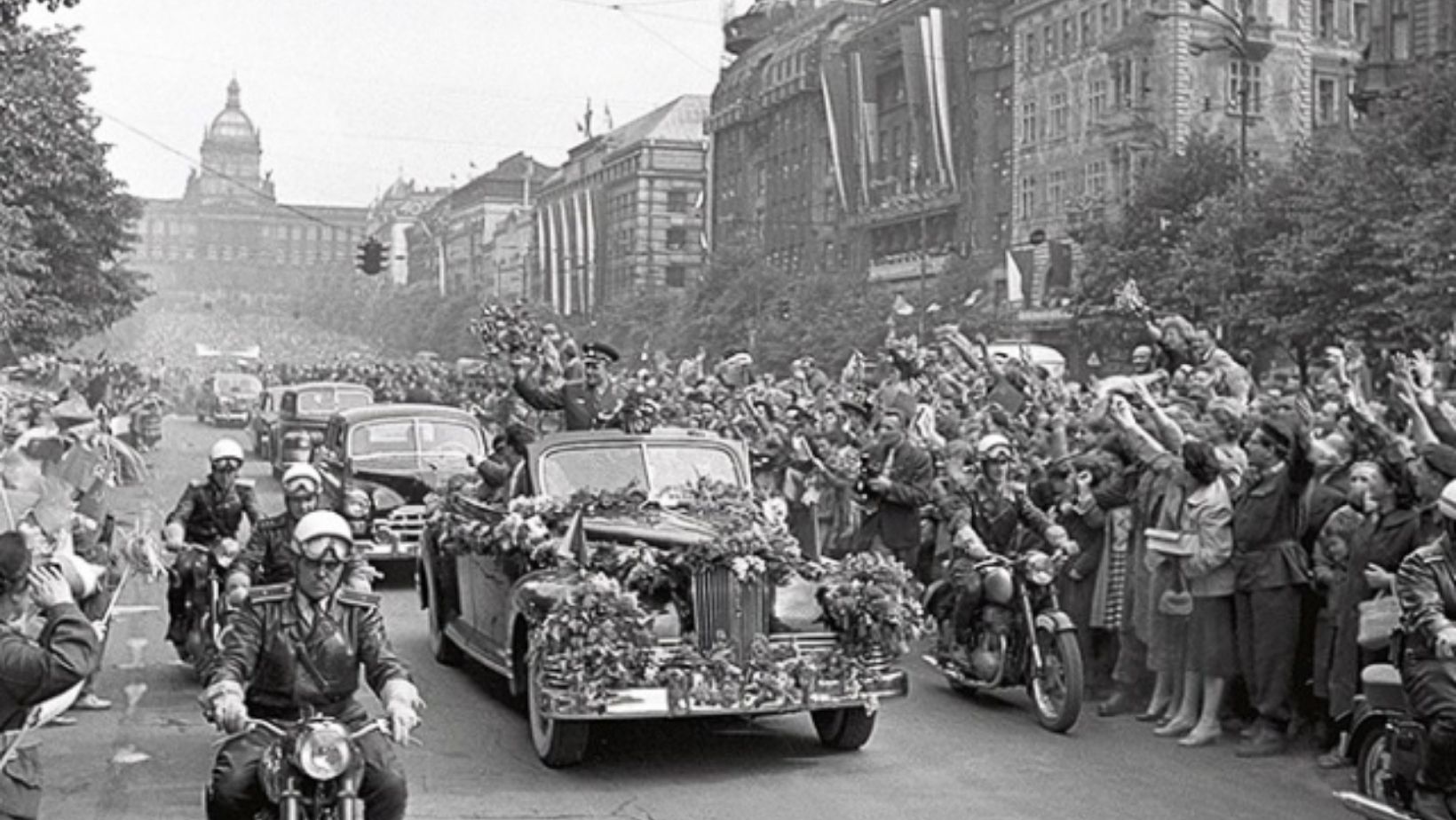
Russians on Monday celebrate the 60th anniversary of the first manned flight to space carried out by cosmonaut Yuri Gagarin as the Soviet hero remains one of the most admired figures in the country. On April 12, 1961, Gagarin’s Vostok spacecraft took off from the Baikonur cosmodrome in Kazakhstan, then part of the Soviet Union, as the 27-year-old cosmonaut exclaimed his iconic catchphrase “Let’s go!”. His flight lasted just 108 minutes, the time it took to complete one loop around the Earth, before returning to home soil. Following his historic flight, Gagarin embarked on a world tour, and the very first city he visited, just two weeks after his return to the earth’s atmosphere, was Prague. Czechoslovak Radio asked him if he had a message for listeners: “Greetings to all the working people of Czechoslovakia. I wish you the best for the coming summer: in your work, in your private life, and in building socialism and peace in the whole world.”
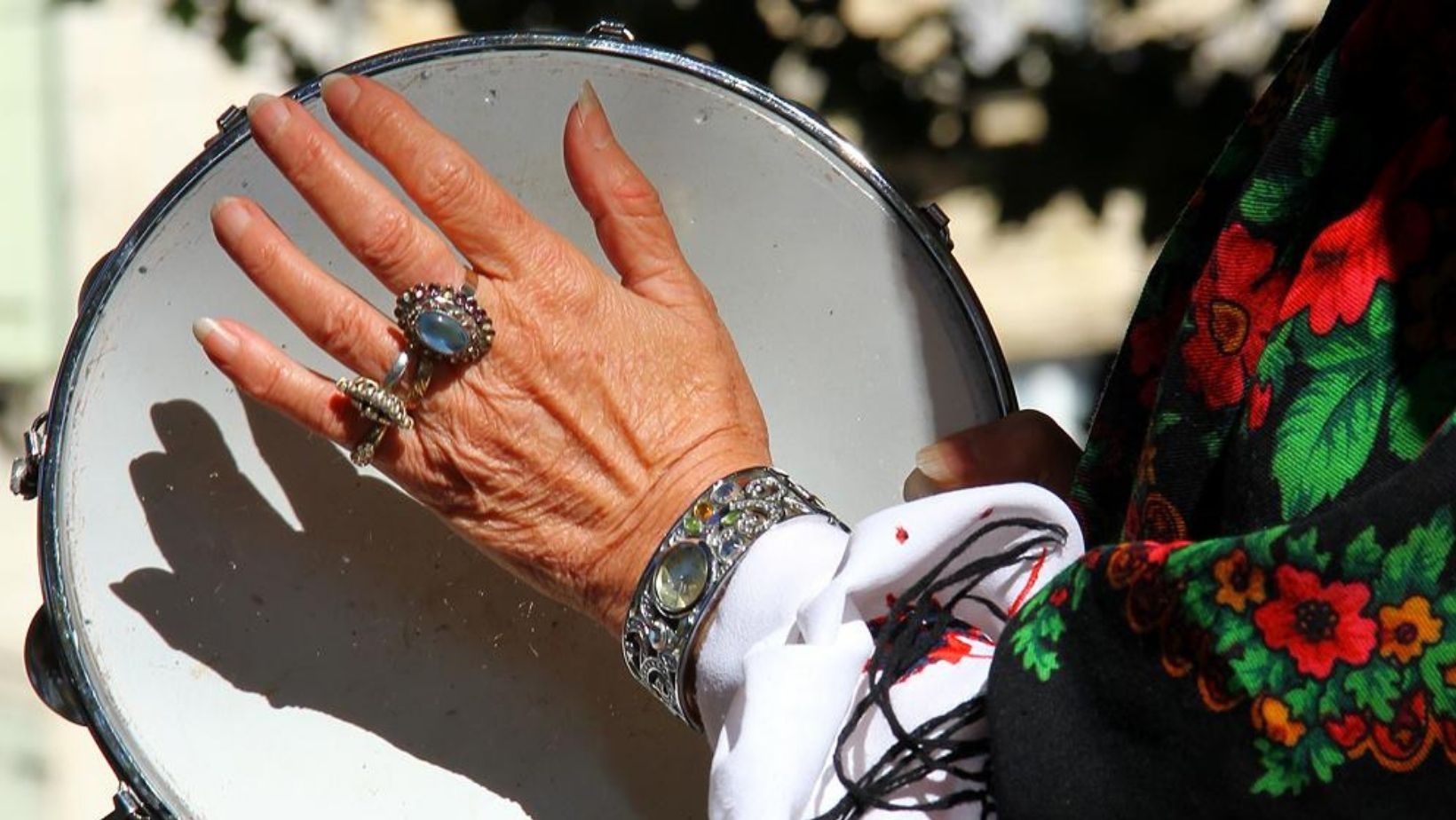
On Thursday, 8 April, Romani people worldwide celebrate International Romani Day. This day marks the first-ever World Romani Congress, which was held near London in Orpington in 1971. Just like last year, celebrations and commemorations of this important day are being held online. The Czech Philharmonic Orchestra with Ida Kelarová will organize a gala concert of jazz, classical, and Romani music to mark the occasion, broadcast live on Czech Television on Thursday, April 8th, at 8.15pm. That congress was also attended by four members of the Union of Gypsies-Roma (Svaz Cikánů-Romů) from Czechoslovakia. In the year 1977, in order to more smoothly organize the Second World Roma Congress, the first international Romani organization was established, the International Romani Union (IRU). In the Czech Republic, International Romani Day was not spoken of until the second half of the 1990s; the very first celebrations of International Romani Day in the Czech Republic were held in the year 2001 by Athinganoi, the association of Romani university students. Famous figures who have participated in previous International Roma Day celebrations include Pope John Paul II, the Dalai Lama, and Vaclav Havel. The Romani Flag The co-creator of the flag was the late Dr. W. R. Rischi, a linguist...
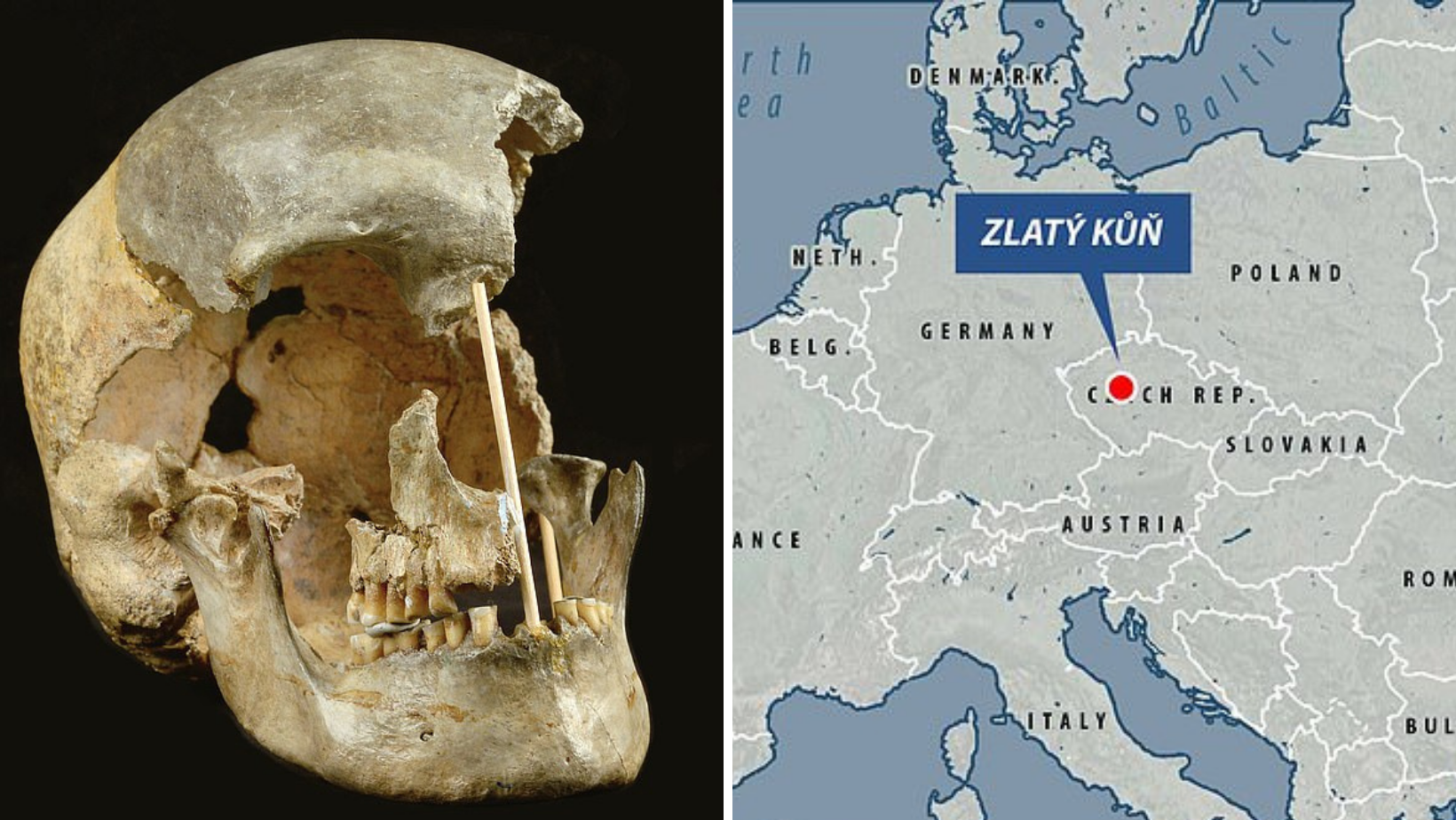
The oldest DNA ever found in human remains belongs to a woman who lived in Czechia more than 45,000 years ago, a study has found. Analysis of her skull reveals she was among the first batch of Homo sapiens to live in Eurasia after our species migrated out of Africa. It is believed the woman, dubbed Zlatý kůň, may have had Neanderthal ancestors as little as six or fewer generations in her past. The finding reinforces that humans mated with Neanderthals shortly after we first reached Europe between 50,000 and 45,000 years ago. This mating event saw humans absorb some Neanderthal genes which survive in all modern people except Africans. Neanderthals would go extinct shortly afterwards, with some researchers saying competition with Homo sapiens and a changing climate was to blame. Researchers from the Max Planck Institute for the Science of Human History in Germany tried to date the skeletal remains using radiocarbon isotopes, the traditional and widely-used method for figuring out when a fossil lived. However, contamination of the remains made this impossible. But Neanderthal DNA can be used as a proxy for dating because the length of its segments in the genetic code decreases steadily over generations. The researchers found in their...
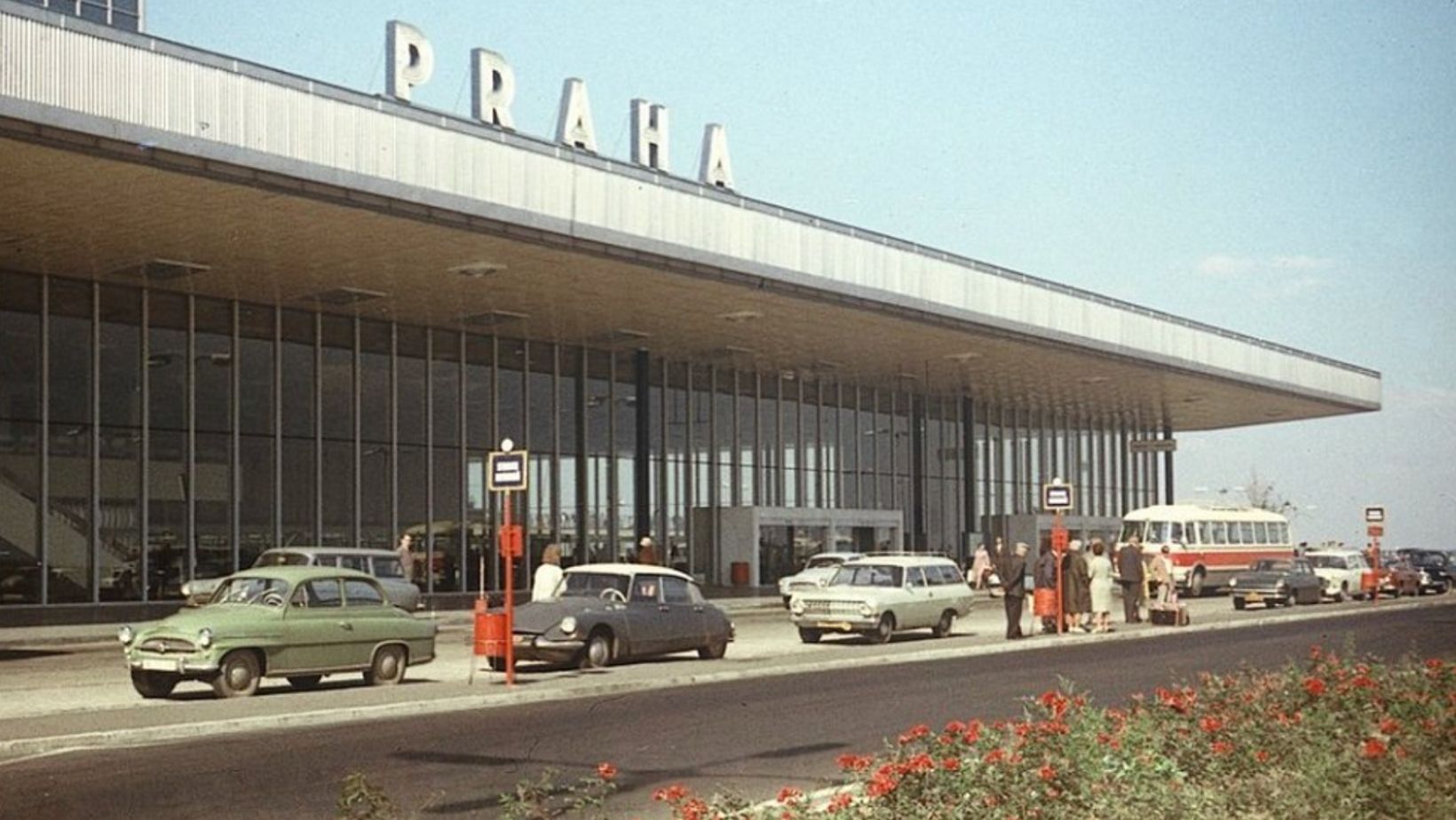
Prague airport today celebrates 84 years of its existence. The Václav Havel Airport in Prague, formerly called Ruzyně, started operation this week in 1937. Beginnings of the airport: 1932−1937 The history of the airport dates back to 1929, when the proposal of the then Czechoslovak government on the construction of a new airport was adopted. The construction of the airport started in July 1932 with minimal use of machines so that the construction could help to reduce unemployment during the crisis. The construction was completed on 1 March 1937 and the airport was immediately described by foreign experts as one of the largest in Europe. Its modern and timeless terminal became a model for many other new airports across Europe. The first aircraft landed at the new airport on 5 April 1937 at 9 a.m. It was a Douglas DC-2 travelling on the Piešťany – Zlín – Brno – Prague route. This landing was the official start of operations of the brand-new airport Prague-Ruzyně. The first international aeroplane on the Vienna – Prague – Berlin route landed in Prague one hour later. The war years: 1940–1945 During the occupation and World War 2, the airport was operated by the military...
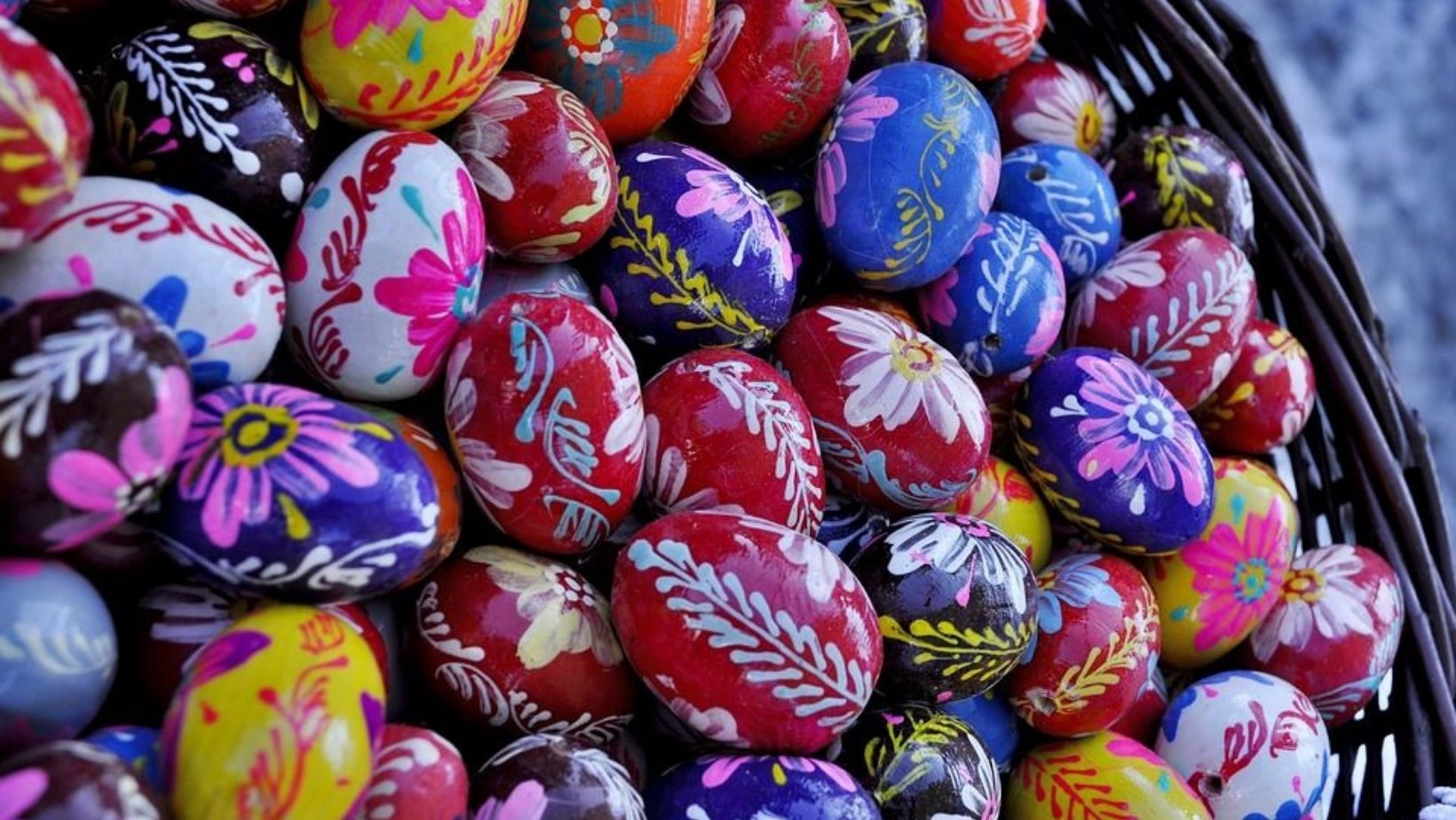
Easter in the Czech Republic is a fun time. Many traditions are still observed and practiced, especially in villages, and different regions may have their own Easter traditions and customs. For a preview of what to expect for Easter in the Czech Republic, read our 5 fascinating Easter facts! 1. Is it Easter… or a celebration of spring? Velikonoce (Easter) comes from the expression velká noc meaning “great night” after the day in which Jesus Christ rose from the dead. During Communist rule, however, the religious celebration was suppressed and the arrival of spring was recognized instead. Since the Velvet Revolution and the collapse of Communism in 1989, Easter’s Christian roots have slowly been reestablished, though the holiday is still less overtly religious than visitors might expect (at least in the case in the capital city). 2. Decorated eggs are given to the whip bearers! Decorating eggs (kraslice) is one of Czech’s best-known and widely practiced Easter traditions. Girls typically decorate the eggs to be hung in windows, put in baskets or given to the boys who whip them on Easter Monday. Find elaborately decorated eggs for sale at the markets and shops throughout the Czech Republic. Proceed with caution if taking eggs home as souvenirs,...
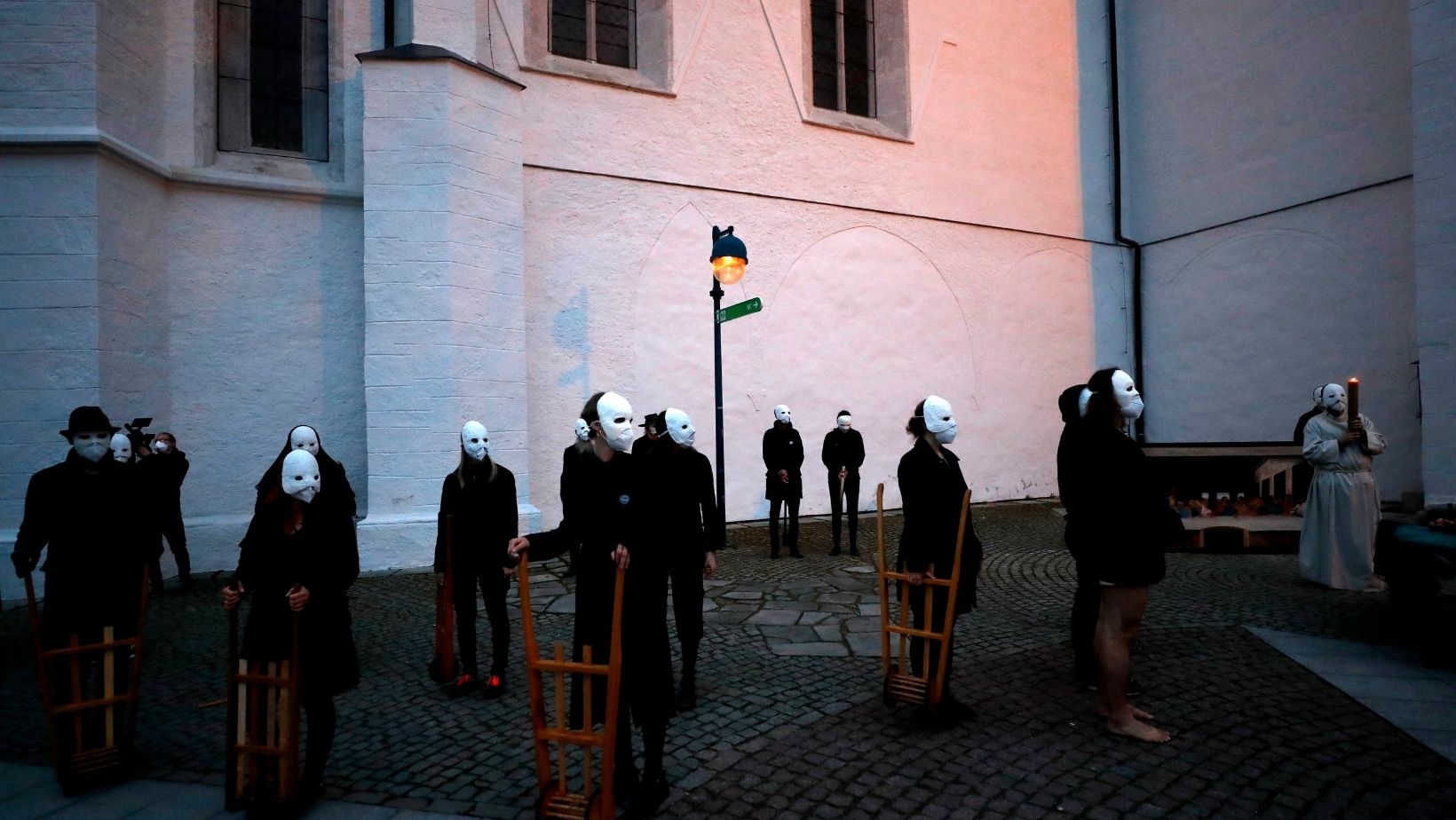
A revival of an old Easter tradition has gone ahead in the southern Czech Republic amid tight coronavirus restrictions. After the pandemic prevented it from happening a year ago, a procession of participants in black suits with white masks returned to České Budějovice, beating drums and pushing small noise-making carts. They all wear face coverings and abide by social distancing rules. In several European countries, church bells fall silent in the evening on Maundy Thursday – according to tradition they fly home to Rome – and don´t sound again until Easter Sunday. While the bells are still, believers in several countries, including the Czech Republic and Austria, hold noisy processions to call people to prayers. Their effort wasn’t in vain.
The most popular alcoholic beverage in the Czech Republic is wine, beer comes in second place. According to a study by Focus agency for the wine-growers’ association Vinařský fond, 73 percent of Czech adults consume wine, compared to 65% who indulge in beer. The survey was conducted in August and September last year with more than 1,200 respondents over the age of eighteen. With regard to overall volume, ie in terms of the amount consumed, however, beer is still in the first place. “The survey showed that wine consumers tend to be patriotic. Almost three-fifths prefer Moravian and Czech wines mainly because of the taste and in part because they wish to support domestic production,” said Jaroslav Machovec, director of Vinařský fond. Most Czechs who drink wine prefer the whites (54%) – particularly semi-dry ones – by far more popular than the red (15%) or rosé (6%) varieties. A quarter of them declared not having any specific preference. Two-thirds of wine consumers buy wine from retail outlets, but according to the survey, more and more people buy it in wine shops or directly from winemakers. Only five percent of wine drinkers buy the beverage online. Compared to the previous survey,...
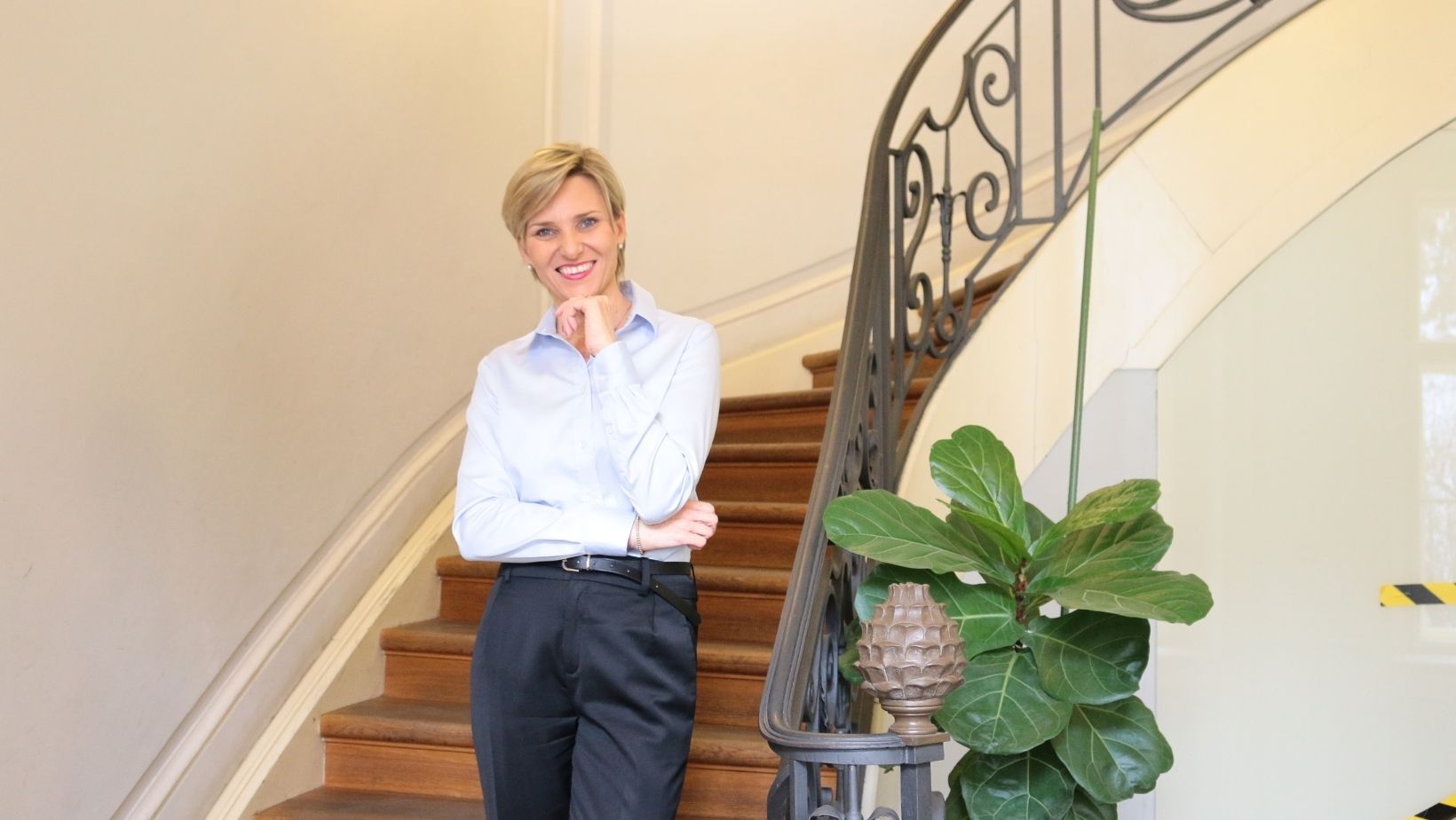
“Partly it was the COVID-19 pandemic that provided the impulse for Anglo-American University, whose core mission is providing a university education to high-school graduates, to jump-start the lifelong learning project, which has been a long time in the making,” describes Eva Rivera, Vice-President for Institutional Advancement, in an interview with Prague Morning, as to what has led the university to open the AAU Academy in January this year. “With colleagues, we were discussing our own experiences and lessons learned from the current situation and concluded that continuous, lifelong and professional learning is a key need of today’s global society. Our world is rapidly changing and we need to advance our skills to stay relevant in the workplace, acquire the tools to embark on new career paths, or simply broaden our horizons and increase intellectual engagement in all aspects of life.” “Last, but not least: we all need to learn how to tackle the new professional and personal challenges the pandemic has brought upon us. AAU Academy courses thus go beyond career advancement, and can benefit all of us – our friends and peers, colleagues, as well as the international community living in Prague,” adds Rivera. Today, she has provided us...
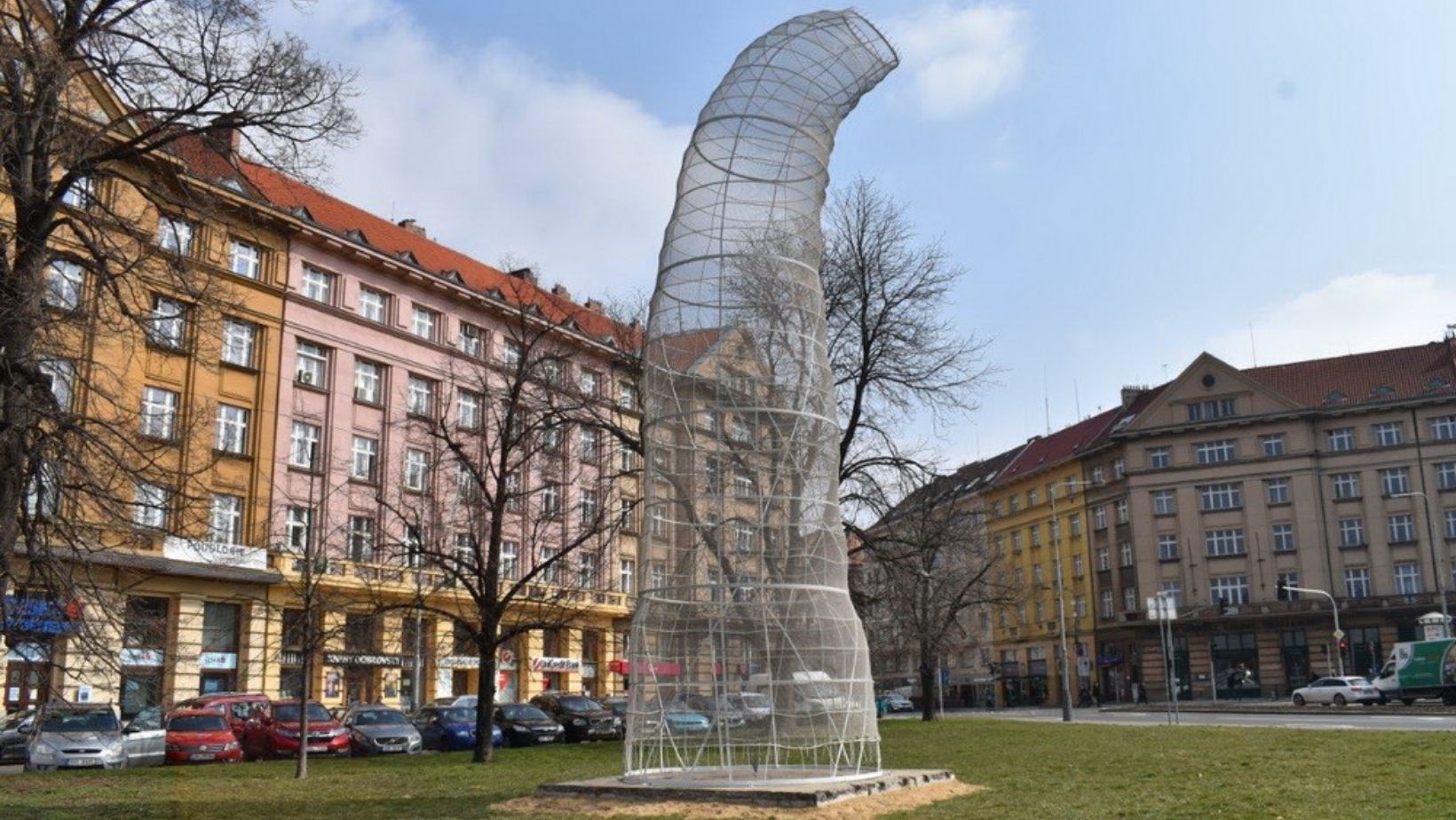
Artist Kurt Gebauer has installed a new sculpture at Victory Square in Prague 6 dubbed the ‘Early Capitalism Caterpillar’. The art installation is 11 meters tall. The sculpture was conceptualized by Gebauer in 1997 but had no financial backup for its installation. During the communist era, a statue of Lenin stood in place of where the sculpture is now. That statue has since been torn down after the revolution. “That was supposed to be the joke that the Caterpillar of early capitalism would be where Lenin stood. Even then, it was supposed to provoke a discussion about the state of society. What will this capitalism become? Everything will be eaten or a beautiful butterfly will hatch…,” Gebauer commented. The sculpture had been installed in numerous places around Prague. Previously in Wenceslas Square, and most recently in front of the Trade Fair Palace, it has now finally reached the initial designated location it was supposed to be on from conception. The sculpture caused quite a stir and there was a heated debate on the city district’s Facebook page about its installation. Many of the public were quite interested in the price for its installation. Reportedly, it cost the state around 39,000...
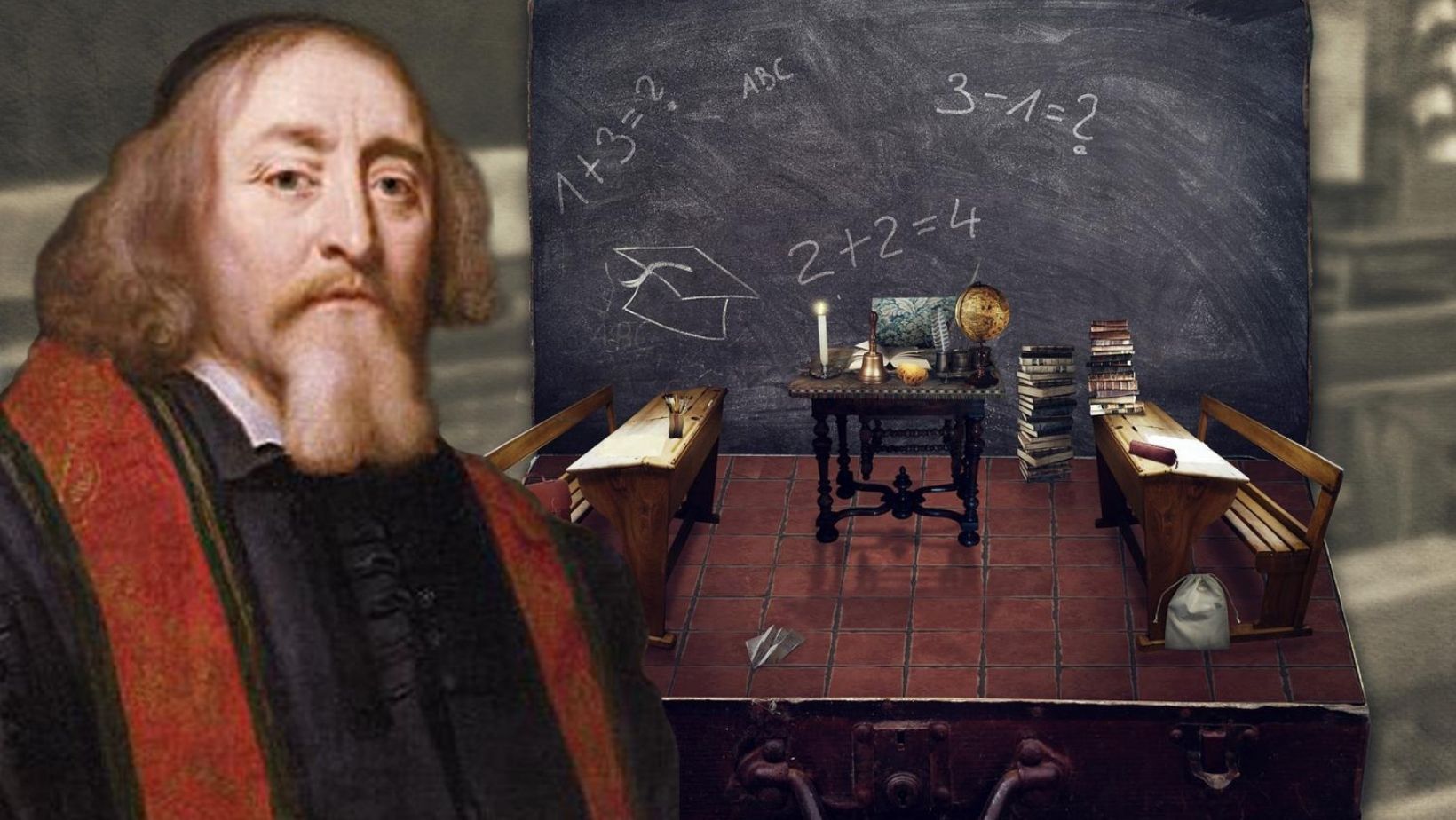
Today is the 429. anniversary of the birth of Jan Ámos Komenský, Moravian/Czech pedagogue, philosopher, and theologian, who is considered the father of modern education. He is one of the central personalities of Czech and European cultural memory and remains a cornerstone of the national, confessional and professional collective identity. Komenský introduced a number of educational concepts and innovations including pictorial textbooks written in native languages instead of Latin, teaching based on gradual development from simple to more comprehensive concepts, lifelong learning with a focus on logical thinking over dull memorization, equal opportunity for impoverished children, education for women, and universal a practical instruction. The Czech Republic celebrates 28 March, the birthday of Komensky, as Teacher’s Day. His Life Jan Amos Komenský came from southeastern Moravia, from a family belonging to the Unity of Brethren. Born on March 28, 1592, the question of his birth is controversial: Nivnice or Uherský Brod are mentioned. The Comenius family had four older daughters in addition to their only son John. Comenius probably spent his childhood in both places in southeastern Moravia, and in 1598 he began attending a Unity of Brethren school in Uherský Brod. The future fate of Jan Amos was decided...
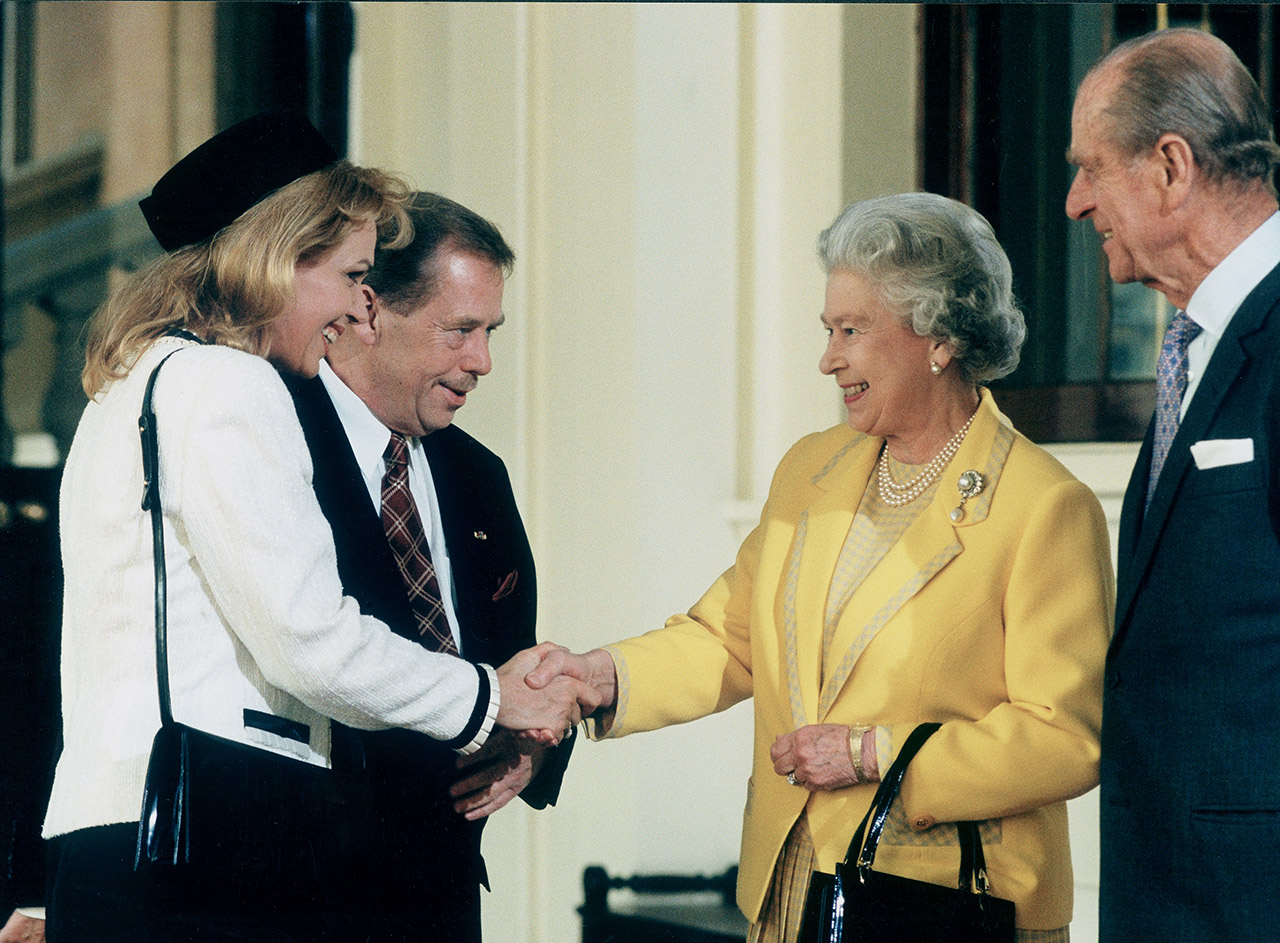
Saturday, March 27, marks exactly 25 years since the visit of the British monarch to the Czech Republic. Elizabeth II, accompanied by her husband Philip, the Duke of Edinburgh, came at the invitation of the late president Václav Havel. Elizabeth II was the first monarch to visit the Czech Republic but not the first member of the British royal family. In 1991, Prince Charles and his wife Princess Diana had accepted President Havel’s invitation. The visit by the British Queen was one of the most important state events in the country’s modern history, it took place under strict safety measures and was prepared for months in advance. Havel accompanied the Queen on Charles Bridge where she met local residents, and on her visit to the Moravian city of Brno. Britain’s Queen Elizabeth II reaffirmed her government’s support for the enlargement of the European Union and NATO to a second Central European aspirant Wednesday, during a dinner hosted by Czech President Vaclav Havel. ‘We strongly support the enlargement of the European Union and NATO. We welcome your aspirations to join these institutions,’ she said in a toast on the evening of the first day of her visit. She had delivered the...
Don’t have an account? Register
[swpm_registration_form level=”6″]
Already have an account? Log In
How Would You Like to Promote Your Business? PR ArticleDisplay bannersVideo productionNewsletter adsJob ListingsInfluencer Marketing
Your Email
We will come back to you within 24 hours with our proporsal