A new survey of English skills in the Czech Republic reveals that progress has stalled for the fifth consecutive year. According to the EF English Proficiency Index 2025, published on Wednesday by Education First (EF), Czechs still struggle with speaking English, although Brno residents score higher than those in the capital. The Czech Republic rose one position to 23rd place globally, gaining 15 points to reach a total score of 582. Despite this, the country remains in the B2 proficiency category, considered “upper-intermediate,” while neighboring countries such as Slovakia and Germany now reach the C1 level, representing very high proficiency. Brno Leads the Way in the Czech Republic Regional differences are clear. Brno scored an average of 620 points, outperforming Prague, where residents averaged 576 points. Among Czechs, reading is the strongest skill, followed by listening and writing, while speaking remains the most challenging area. Age also plays a role: participants between 26 and 30 years old achieved the highest scores. Gender differences were minimal, although men performed slightly better, in line with global trends. Global Leaders and Laggards Internationally, the Netherlands ranks highest with 624 points, while Copenhagen leads among capital cities with 644 points. At the lower end...
The Czech Republic has a grand spa culture, known for its beautiful nature, clean air and mineral water. But having a spa weekend doesn’t necessarily mean you need to travel to one of the famous spa towns like Karlovy Vary. Your ticket to unwinding may be just a few steps away, with many of our picks in Prague. W Hotel – AWAY Spa, Prague AWAY Spa at the W Hotel provides the ultimate cozy experience in the heart of Prague. Designed for modern travelers seeking balance, it offers treatments like the RESET massage for deep release and the REWIND facial for instant radiance. Each experience is crafted to restore body and mind, embracing the autumn season. Let yourself be pampered away from the cold, whether just with a day pass or with one of their many body peelings, massages and facials. https://awayspa.wprague.com/ The Emblem Hotel – M Spa, Prague M Spa is a rooftop sanctuary where French skincare meets Prague’s skyline. Indulge in Pure Altitude and Codage Paris treatments, from revitalizing facials to full-body treatments, all designed to restore balance and glow. With its private jacuzzi overlooking the city and serene relaxation lounge, M Spa offers an intimate escape...
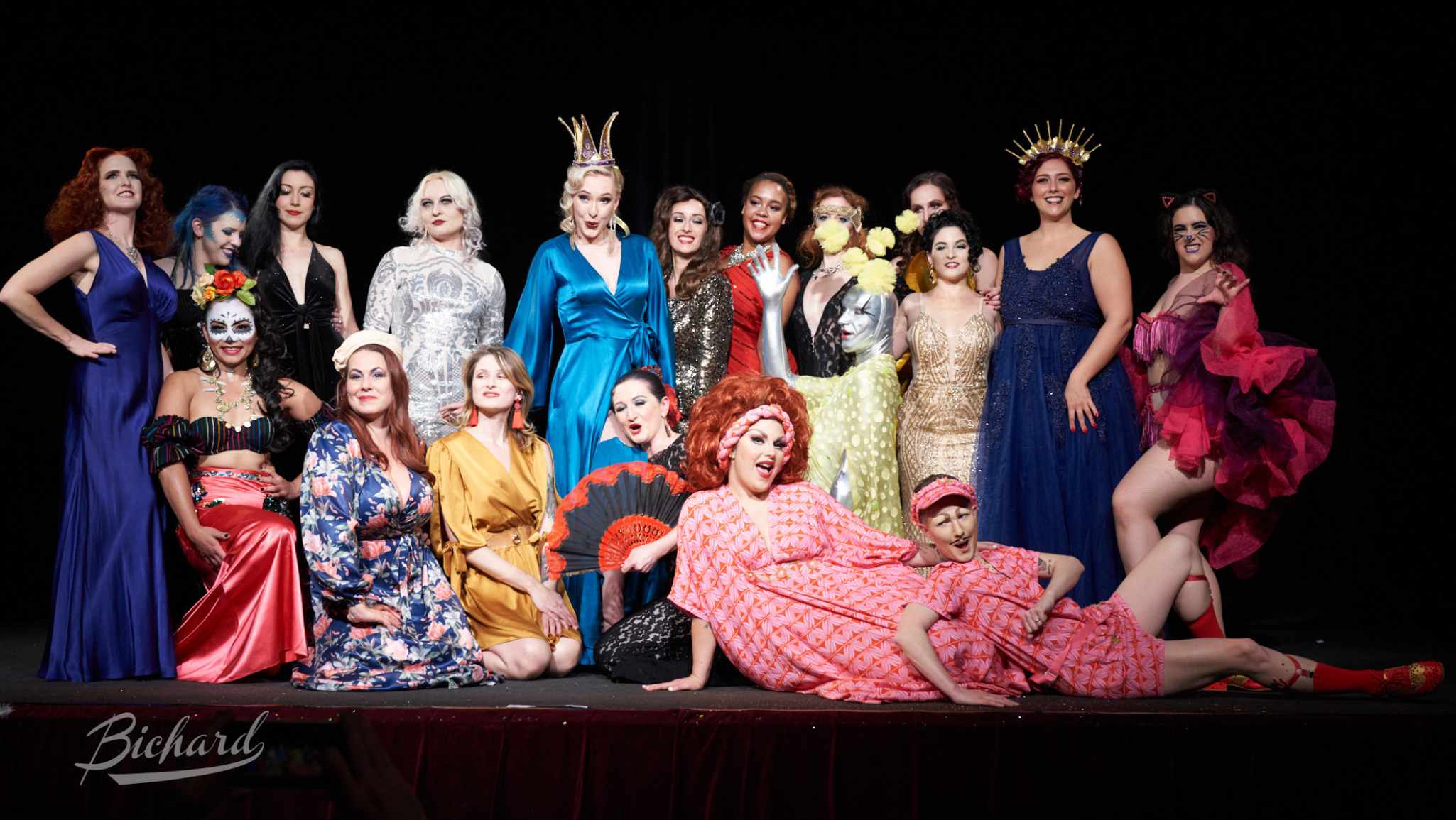
The Bohemian Burlesque Festival is back for its ninth edition, bringing four nights of stage magic and a lively daytime market to Ostrava, Brno, and Prague. It remains the largest burlesque event in Czechia, gathering 85 performers from 16 countries for a series of shows packed with humour, elegance, and creativity. This year carries a distinct Italian energy, with a record 21 performers from Italy adding Mediterranean warmth to the programme. Artists from Finland, Lithuania, and Estonia round out a strong northern lineup, reflecting how dynamic the European burlesque scene has become. Czech performers also take centre stage, joined by guests from across the world. Two international headliners lead this year’s festival. From New York arrives Gin Minsky, known for her 1920s-inspired stage presence, tap-dancing brilliance, and rare talent for sword swallowing. Europe is represented by Anja Pavlova of Berlin, a celebrated performer and costume creator recognised for her detailed acts and refined stagecraft. Each night has a different lineup and a relaxed, playful host. The festival also keeps its traditions, including a small raffle and the Best Dressed Audience pick, which always gets people dressing up. Alongside the main shows, this edition features the Bohemian Market in Prague —...
The European Commission is weighing a new tax on foods high in fat, sugar and salt, aiming to curb the EU’s rising burden of cardiovascular and metabolic illnesses. The plan, described in internal material reviewed by DPA and reported by TASR, outlines a bloc-wide levy that would apply to heavily processed products. The concept, still under discussion, is expected to surface formally in mid-December. Officials behind the draft argue that a modest, uniform surcharge across member states could shift eating habits without placing an excessive burden on households. The tax would also encourage food manufacturers to reformulate products toward healthier standards. Underlying the proposal is a long-standing concern: cardiovascular disease remains the EU’s deadliest health problem, responsible for more than 1.7 million deaths each year. The economic cost is estimated above €280 billion annually, a figure Brussels considers unsustainable. The document ties frequent consumption of processed foods to higher risks of obesity, diabetes and other metabolic disorders. In addition to the food-related levy, the Commission plans to update tobacco control rules by 2027 and introduce a shared European rating system for processed food. If approved, the tax would form part of a wider strategy to reduce cardiovascular mortality by 20...
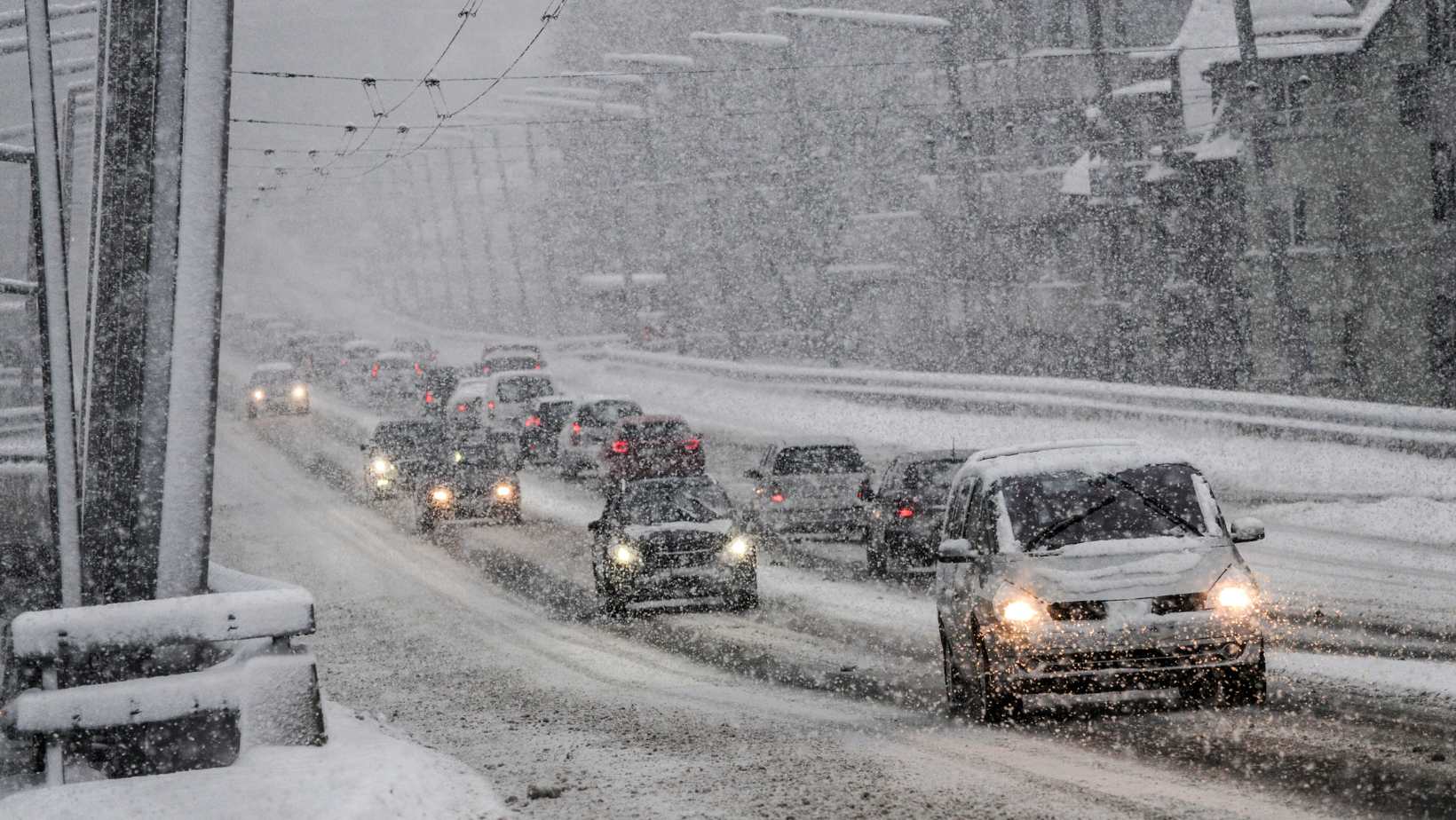
Meteorologists warn that the first broader wave of snowfall of the season will reach Czechia at the start of the week. According to the Czech Hydrometeorological Institute (ČHMÚ), a cold front moving across the country will push Monday’s rain into snow in several regions, including parts of Prague and higher mountain ranges. ČHMÚ stated on its X channel that the shift from rain to snow is expected early Monday, mainly in areas above 300 meters. In the northern mountains, especially above 1,000 meters, the snowfall could pile up to around ten centimetres. Prague should also see snowfall. Forecasters expect Monday to begin with cloud cover and rain across the capital. In districts situated at higher elevations, the rain may mix with snow during more intense bursts of precipitation. Meteorologists anticipate a brief pause in rainfall during the day before more showers return from the northwest in the late afternoon and evening — again with the possibility of snow in higher-lying neighbourhoods. From Tuesday through Thursday, the weather is set to calm. Sunny or partly sunny skies should dominate, and rainfall will be unusual during this period. Clear nights, however, will bring frost, with morning temperatures dropping to 0 to –5°C....
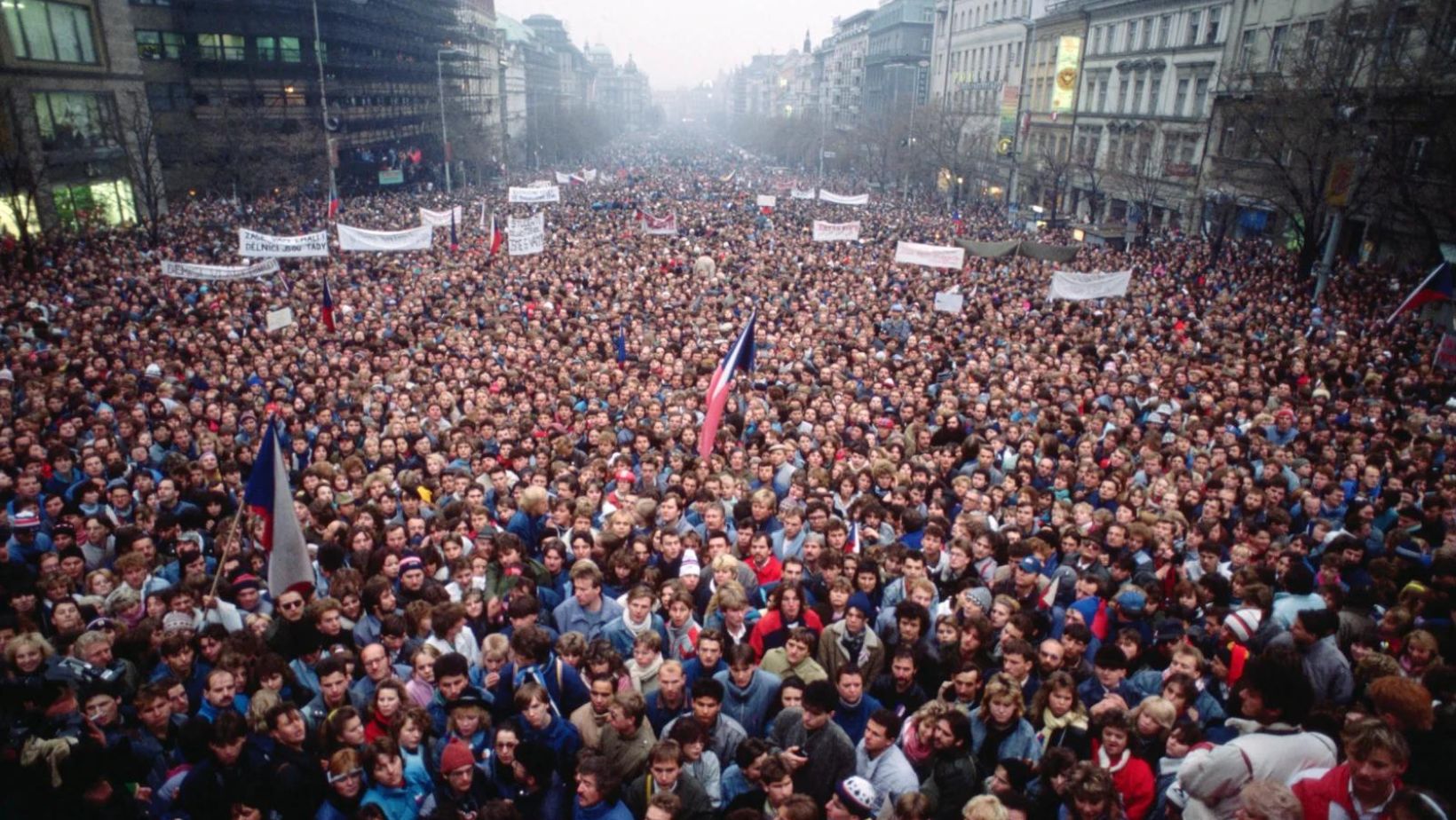
On Nov. 17, 1989, student protesters filled the streets of Prague. It was eight days after the fall of the Berlin Wall, and the same tide of freedom that had swept Berlin seemed to have come to the Czech capital. Police tried to beat back the demonstrators, hoping to tamp down the demand for freedom, but the people seemed to have grown immune to the brutality of the regime; the show of force only galvanized the resistance. The students were joined in the coming days by Czechoslovak citizens of all ages. By Nov. 20, a half-million Czechs and Slovaks filled Prague’s streets and took over Wenceslas Square. The Communists were forced out. By the end of 1989, Czechoslovakia was on its way to having an elected President for the first time since 1948. The events of those world-changing days would come to be known as the Velvet Revolution. But, while the Velvet Revolution was over relatively quickly, it had been decades in the making. The Failed “Prague Spring” In January of 1968, the USSR gave the leadership of Czechoslovakia to someone new: Alexander Dubček. Dubček had fought against German forces during WWII, joining the communist party in his country after...
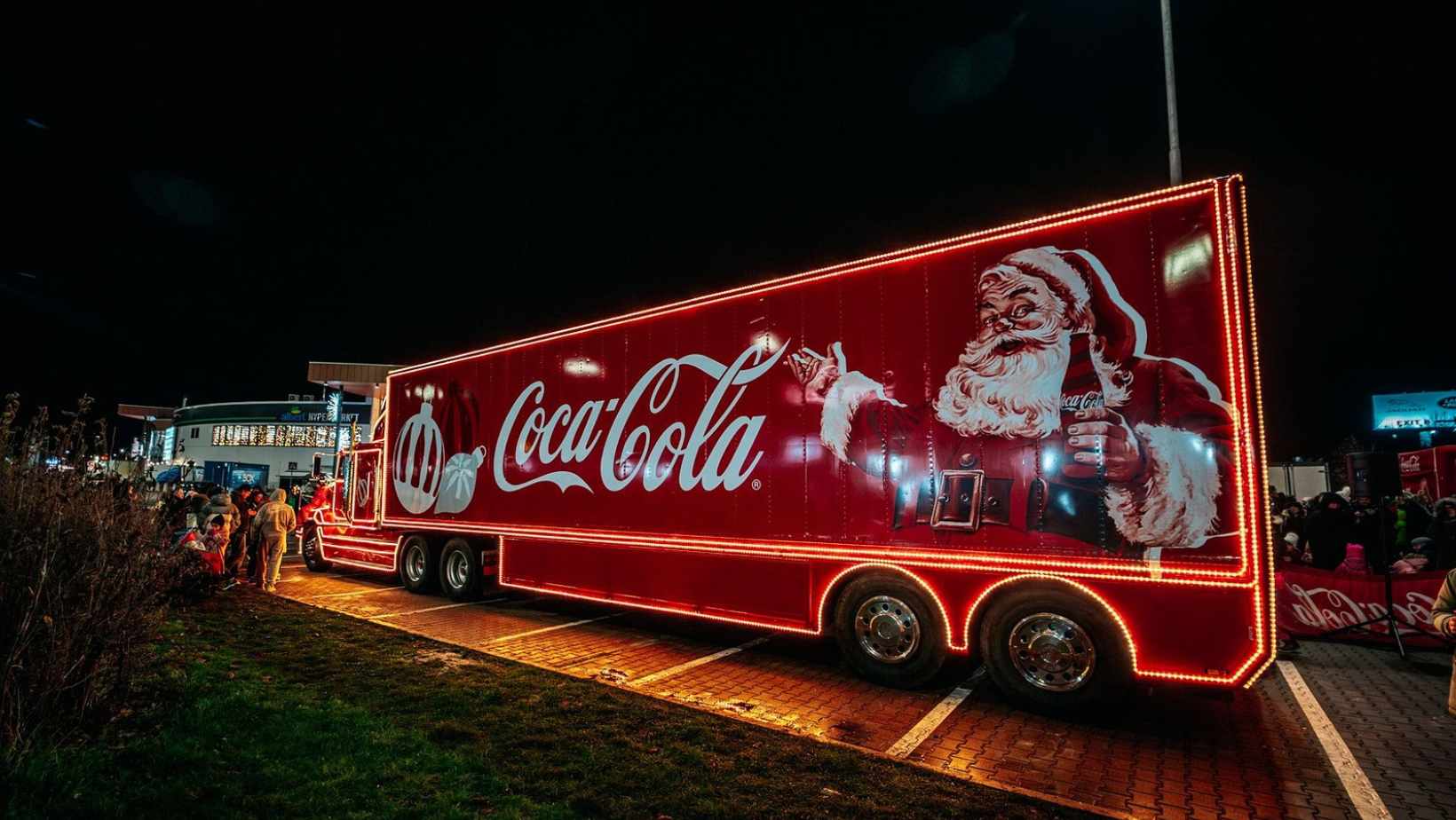
With December approaching, Coca-Cola is preparing to roll out one of its most recognizable traditions: the Christmas truck tour. The company confirmed that the red truck will travel through Czechia and Slovakia from December 10 to 17, 2025, with multiple stops including Prague. Although the truck itself remains the main attraction, each stop will feature a small festive zone where visitors can try classic holiday food and warm drinks. Organizers are setting up tents around the parking area so guests can enjoy a short program without needing tickets or reservations. Children and adults will have the chance to meet Santa Claus, join light-hearted competitions for small prizes, and take photos in front of the illuminated truck. Seasonal music will play throughout the event, keeping the atmosphere close to the brand’s well-known holiday commercials. Tour Dates in Czechia December 10 – Prague, Westfield Černý Most December 11 – Prague, SK Slavia Eden December 12 – Prague, Westfield Chodov December 13–14 – Pec pod Sněžkou December 15 – Mikulov December 17 – Frýdek-Místek This year’s campaign carries the theme “Let the Magical Christmas Ring,” centered on a bell that symbolizes people gathering around the table during the holidays. The bell motif appears...
After several unusually mild November days, Czechia is about to experience a rapid shift in weather, with temperatures falling sharply over the weekend following the passage of a cold front. According to the Czech Hydrometeorological Institute (CHMI), a weakening occlusion front from the west is currently shaping the country’s weather. Satellite images show a red cloud band indicating this front, while low inversion clouds and persistent fog dominate lowland regions. Skies are expected to gradually clear from the southwest during Tuesday afternoon and evening. The warm air will peak on Friday, when temperatures could reach up to 16°C, and around 18°C in the lee of the Šumava Mountains. After the weekend, a cold front will bring a noticeable cooling. Friday will mark the culmination of the warm spell. Although fog and cloudiness will still appear in some places, many regions — especially in southern Bohemia — will clear up. Temperatures will range from 12 to 16°C, possibly up to 18°C near Šumava, making it one of the warmest days of the month. The change will come suddenly on Saturday, as a cold front crosses the country. Cloud cover will increase, and rain will spread to several regions, with snowfall expected...
Starting January 2026, all forms of physical punishment of children will be prohibited under Czech law. An amendment to the Civil Code declares corporal punishment unacceptable in any context. Despite the legal change, a study by Charles University found that 40% of Czech parents still consider physical punishment an appropriate disciplinary method. Experts warn that social attitudes may take time to adapt, even after the law comes into effect. The issue extends beyond families into public institutions. Vít Aleksandr Šorm, Deputy Ombudsman and Commissioner for Children’s Rights, reported that during visits to orphanages and educational facilities across the country, he observed humiliating practices and physical punishments still being used. Some children are subjected to forced kneeling and other degrading forms of discipline, practices that violate the Czech Republic’s international obligations to protect children. Investigations by the Ombudsman’s Office and the Commissioner for Children’s Rights are ongoing. Their findings will be made public in the ESO Register’s database, allowing greater transparency and accountability. Over the past decades, many studies have examined the effects of corporal punishment, and not one has found that it has a positive impact on children or their behaviour. In contrast, many have found that it has many...
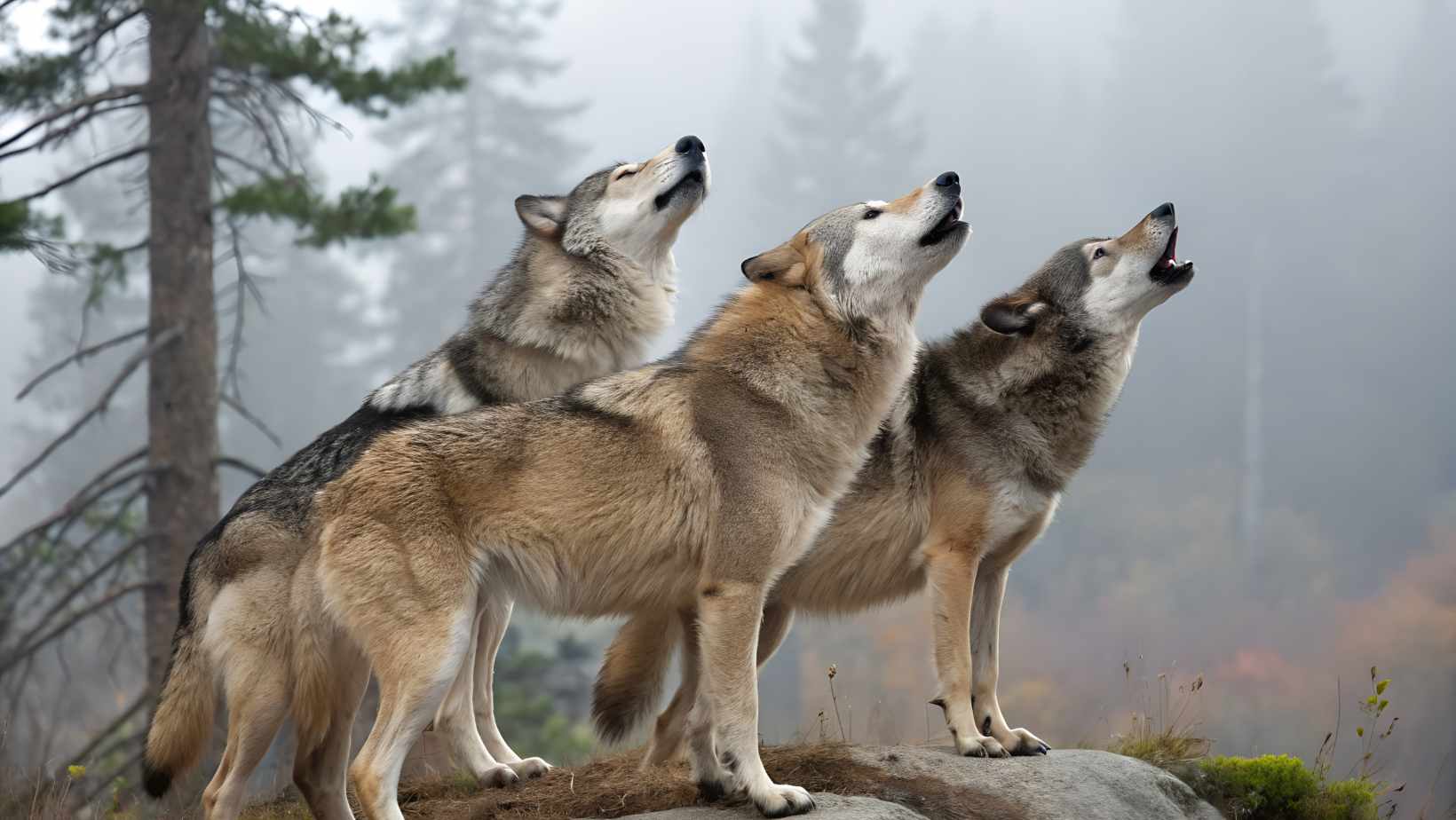
Monitoring conducted in 2025 confirmed the birth of wolf cubs in several regions, signaling a gradual but steady expansion of the species. New litters have been documented in the Šumava Mountains, Ore Mountains, and Ralsko and Broumov regions. Particularly noteworthy are new births in Kokořínsko and Ralsko, where no successful breeding had been observed in the past five years. Researchers from the Nature Conservation Agency of the Czech Republic have confirmed that wolves are successfully settling in new habitats. In the Ore Mountains, the species has been recorded in three distinct territories, including a newly formed one in the central part of the range, where a wolf pair has established its den. Wolf presence has also been noted in the Lusatian Mountains and along Czechia’s border with Poland, suggesting natural cross-border movement and gradual population growth. Despite this progress, experts caution that roughly two-thirds of wolf cubs do not survive their first year, due to natural causes, accidents, or territorial conflicts. Ecological Impact Their return contributes to restoring ecological balance, as they help regulate populations of deer and other wild ungulates. This, in turn, supports forest regeneration and promotes greater biodiversity in areas that have long been affected by overgrazing....
After more than a decade, the Miss Earth crown has returned to Czechia. Natálie Puškinová triumphed in the 2025 Miss Earth competition, held in the Philippines, becoming only the second Czech winner in the pageant’s 25-year history. The first was Tereza Fajksová, who claimed the title in 2012. According to ABS-CBN, the Philippines’ largest television network, Puškinová stood out among nearly 80 contestants from around the world. In the final round, she surpassed representatives from Chile, Brazil, Ukraine, and the Philippines, securing the crown in front of a global audience. The final ranking placed Iceland as first runner-up, Vietnam as second runner-up, and Thailand in third. Puškinová’s victory adds another major success for Czech beauty pageants, following Krystyna Pyszková’s win at Miss World 2024. “This is another huge success for our country,” said Taťána Pánek Makarenko, president of Miss Czech Republic. “We now have two Grand Slam crowns in just two years — Krystyna at Miss World and Natálie at Miss Earth. I’m extremely proud of Natálie. She worked hard, spoke with confidence, and truly deserves this. Her reign will be exceptional, and I’m glad we’ve brought the title back to Czechia.” Visualizza questo post su Instagram Un...
Every year on November 11, the Czech Republic marks St. Martin’s Day, one of the country’s most cherished autumn traditions. It’s a celebration that blends food, fine wine, and good company – a perfect way to brighten the cold days when autumn slowly turns to winter. At the heart of these festivities is the St. Martin’s goose, a dish so symbolic that restaurants across the country, from Prague to Karlovy Vary, fill their menus with it. Who Was St. Martin? The holiday honors St. Martin of Tours, a Roman soldier born in what is now Hungary. Known for his compassion, he famously cut his cloak in half to share with a freezing beggar. His act of kindness made him one of Christianity’s most beloved saints and a symbol of generosity. St. Martin’s Day falls on November 11 – traditionally the time of post-harvest feasts and the start of Advent preparations. Why a Goose? The story behind the goose dates back to legend. When the humble Martin tried to avoid being appointed bishop, he hid among a flock of geese – but their loud honking gave him away. Since then, the goose has become an inseparable part of the celebration. Historically,...
Don’t have an account? Register
Already have an account? Log In
How Would You Like to Promote Your Business? PR ArticleDisplay bannersVideo productionNewsletter adsJob ListingsInfluencer Marketing
Your Email
We will come back to you within 24 hours with our proporsal