Europe is facing a demographic challenge as the number of retirees rises while the working-age population declines. Southern European nations are most affected, but the trend is spreading across the European Union, prompting governments to adjust pension systems and raise retirement ages to ensure financial sustainability. According to Jakub Vachuška from the Czech Statistical Office, Italy recorded the oldest population in the latest census, with an average age of 46.2 years. Using data from the European Census Hub database, Vachuška noted that Italians are, on average, 2.7 years older than the EU average and 7.6 years older than Icelanders, whose average age is 38.6 years. Several other countries also show aging populations. Southern European nations such as Portugal, Greece, and Croatia rank among the oldest, alongside Germany and Lithuania. The share of residents over 65 is highest in Italy, where nearly one in four citizens falls into this category. Other countries with large senior populations include Portugal, Greece, Croatia, Bulgaria, Finland, and Germany. In the Czech Republic, 20.4 percent of residents are over 65. Aging also affects self-sufficiency, particularly among people over 80. Italy reports the highest share of people with reduced self-sufficiency at 7.6 percent, while the Czech Republic...
Income earned from prostitution must be subject to income tax, according to a new ruling by the Czech Republic’s Supreme Administrative Court. The decision establishes a key legal precedent, clarifying that voluntary sex work constitutes taxable income under national law. The case originated when the tax authorities ordered a woman working in the sex industry to pay back taxes on her earnings. She challenged the decision, arguing that her income came from activities “contrary to public morality” and therefore should not be taxed. The Regional Court initially sided with her, ruling that prostitution falls outside the scope of taxable income because it is incompatible with public ethics. However, the Supreme Administrative Court overturned that ruling, emphasizing that Czech tax law is based on the principle that all income is taxable unless explicitly exempted by statute. The judges noted that prostitution, while not formally regulated, is also not criminalized in Czechia. Since voluntary sex work does not constitute a criminal offense, the Court concluded that its proceeds cannot be automatically excluded from taxation. In its decision, the Court stated that “moral considerations alone cannot determine tax liability,” sending the case back to the lower court for reconsideration in light of its...
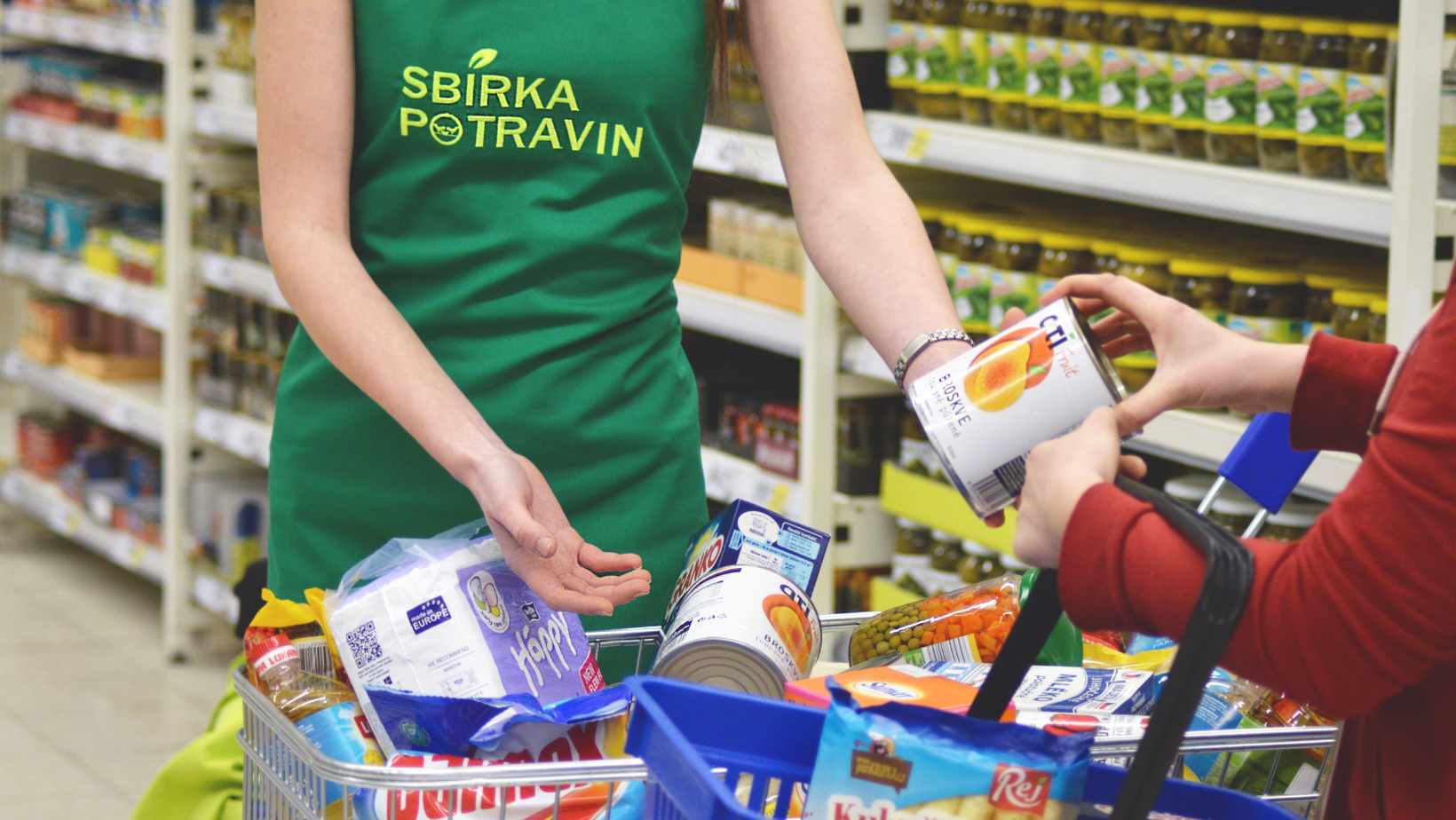
A growing number of Czech parents are unable to cover the cost of school lunches for their children. The non-profit initiative Lunches for Children (Obědy pro děti), run by Women for Women, cites divorce, job loss, or serious illness as the primary causes driving families to apply for help. Even state food subsidies are proving insufficient. At the start of this school year, demand for support is especially steep. Between January and September, the program aided nearly 16,000 pupils through cooperation with more than 1,150 schools and cafeterias nationwide. Participation rose by about 15 percent compared with the same period last year, with sharp increases in Prague and the Ústí nad Labem region. A typical lunch costs 30–50 crowns, but for older students, monthly totals can exceed 1,000 crowns. Under Women for Women’s rules, schools help identify children in need. Class teachers, principals, and canteen managers evaluate applications based on factors such as low income, single-parent status, or sudden financial crisis. Schools apply on behalf of families; funding is granted under donation agreements and routed directly to the schools (not to parents). The heaviest wave of applications arrives each September, when the new school year begins. In more strained regions,...
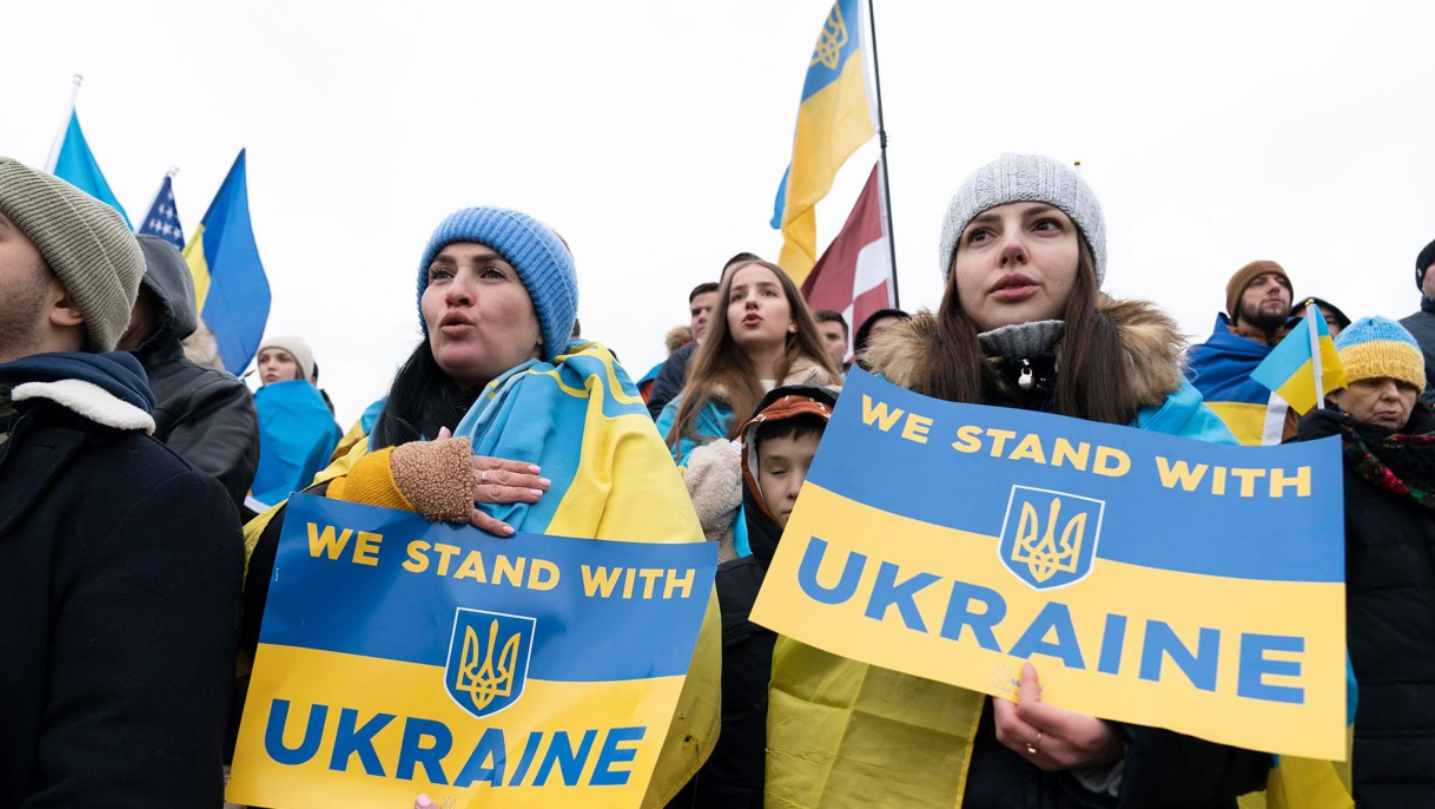
Since the start of Russia’s invasion, tens of thousands of young Ukrainians have arrived in Czechia. The debate is no longer about whether they will remain, but how well they can be integrated into Czech schools, companies, and communities. If managed effectively, their arrival could strengthen the country’s economy and ease pressure on its labor market. Experts point out that this wave of migration differs from previous ones. Ukrainians are generally closer in language and culture, often have higher levels of education, and show a strong willingness to work. Many are entering professions where Czechia has long struggled to fill vacancies, including healthcare, IT, and skilled trades. The government’s role will be decisive. Analysts stress the need for faster and more efficient administration, particularly in processing residence permits and work visas. Language support is another critical area, requiring sustained funding for Czech-language courses, both in schools and online. Regional coordination also matters, since local labor market needs vary widely. Without a clear national plan, integration risks becoming fragmented and uneven. Employers are already adapting to the new workforce. Some firms have begun offering Czech lessons directly in the workplace, while others encourage mentoring systems to help young Ukrainians adjust. Flexibility...
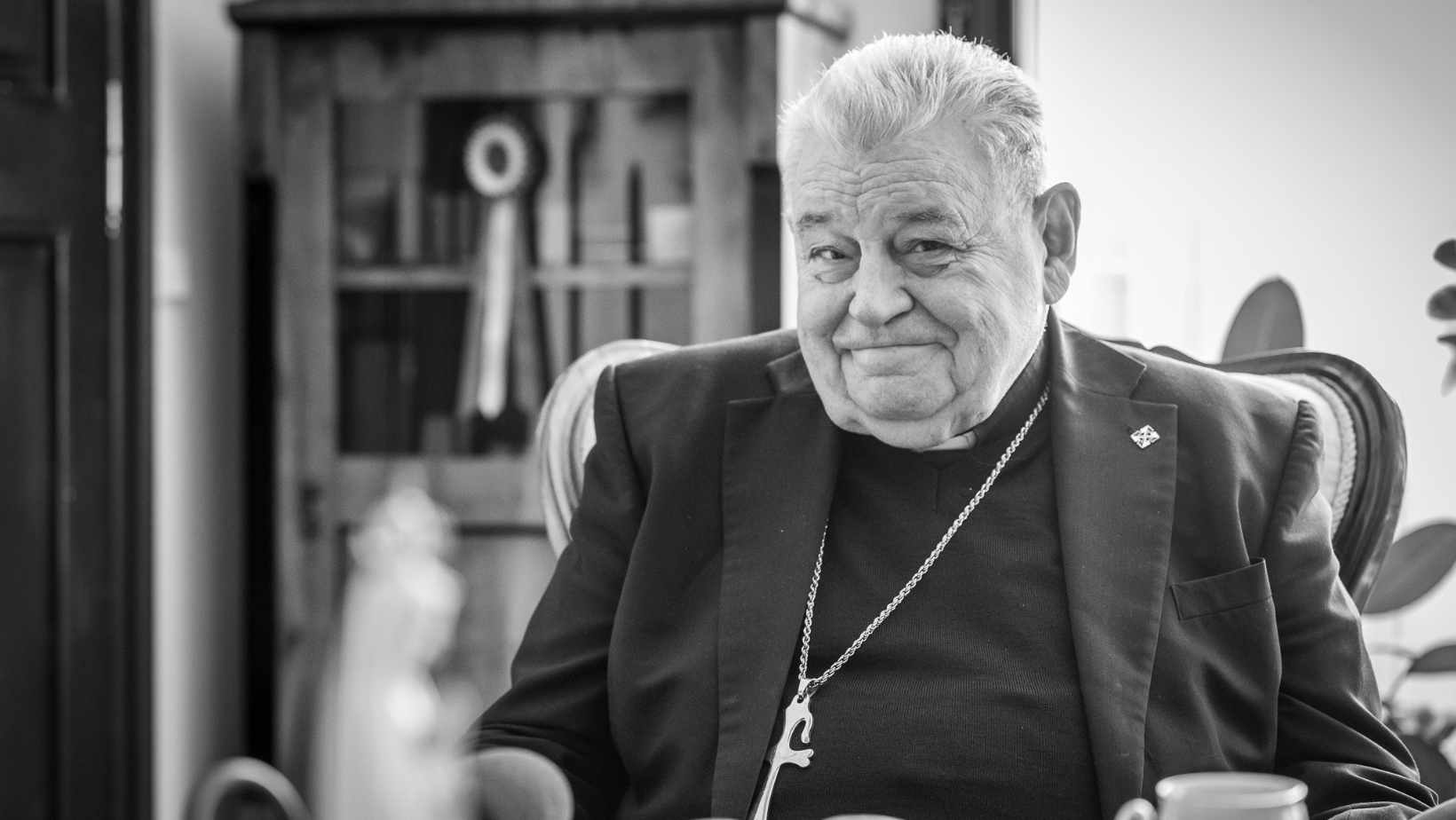
Blažena Strachotová, the oldest living citizen of the Czech Republic, passed away peacefully on Sunday, September 28, at the age of 108. Born on February 9, 1917, in Slavičín, in the Zlín region, she lived through the Austria-Hungary era and witnessed more than a century of historical change. For many years, she called České Budějovice home, where she maintained her independence well into her later years. Even in her final years, Strachotová prepared her own breakfast daily, usually a simple slice of bread with honey. She placed great value on family life, often saying, “Family is the foundation of life.” She was surrounded by loved ones at the time of her passing. “She died peacefully in her sleep, with family by her side,” said Mayor Dagmar Škodová Parmová. “Meeting her was a real experience. She was optimistic, self-sufficient, and truly memorable. Her memory and vitality were remarkable for her age.” Strachotová lived at the Nursing Home on Nerudova Street but used its services minimally, preferring to remain independent. Her work ethic began in childhood. She trained as a butcher and sausage maker and helped run her family’s bakery and farm. “I delivered pastries in the mornings before school,” she recalled...
Czechia has officially entered the global race in quantum technologies with the unveiling of its first quantum computer, located at the IT4Innovations National Supercomputing Center at VŠB–Technical University of Ostrava. The machine, named VLQ, is also among the first of its kind in Europe. At the heart of the device lies a chip only slightly larger than a credit card. Yet to function, the system requires an entire room filled with support equipment, including a cooling mechanism that lowers the chip’s temperature to nearly –273.14 °C, close to absolute zero. “That’s even colder than open space,” said Vít Vondrák, director of IT4Innovations. Superconductivity at such conditions is what makes the computer possible. Unlike traditional computers that process information through bits—set as either 0 or 1—quantum machines operate with qubits, which can represent 0 and 1 simultaneously. This phenomenon, known as superposition, combined with entanglement, enables qubits to influence one another instantly, even across distance. The result is the ability to process vast amounts of data in parallel, tackling problems classical machines cannot manage. Vondrák explained the difference in simple terms: “The factorization of prime numbers, which underpins modern cryptography, might take years for a classical computer. A quantum computer can...
A growing number of Czech schools are tightening their dress codes, banning items such as crop tops, bare shoulders, and sweatpants. The move has sparked debate among students, parents, and teachers about where to draw the line between comfort and appropriateness. At Brno’s Sirotkova Elementary School, principal Dan Jedlička confirmed that new rules were added this year after students themselves raised the issue during the school parliament. “We want to prepare children for their future lives. That includes learning how to dress appropriately in different situations,” he told Czech Television. According to Jedlička, the tipping point came last year when some nine-year-olds began wearing outfits that, in his words, “crossed a reasonable line.” While the school has introduced clear limits—no midriffs, no oversized necklines, and no sweatpants—the principal emphasized that punishment is not the goal. “We won’t send children home or discipline them harshly. The idea is guidance, not sanctions,” he said. Still, the rules have not been welcomed by everyone. Some students argue the ban is too strict. “If you’re not allowed to wear a deep neckline, that’s fine, but there should be flexibility. Straight-cut sweatpants are comfortable and shouldn’t be a problem,” said student Ema Látalová in an...
This fall again, the KRUH association in cooperation with local-based organizations and initiatives is organizing the nationwide festival known as Architecture Day, with many Czech cities engaging in its numerous events. This year’s 15th edition will run between October 2 and October 7. Architecture Day is not just about walks, but also bike rides, cruises, screenings, discussions, workshops for families, art installations, and happenings. And the associated festival Film and Architecture. Historical highlights in Prague are the Judith Bridge Tower on the Malá Strana side of Charles Bridge, the Baroque summer residence Portheimka, and Veleslavín Chataeu. This edition is subtitled This Architecture and focuses particularly on the architectural work of women. It will commemorate well-known names such as Eva Jiřičná, Eva Machoninová and Alena Šrámková, but also a number of neglected female authors. The festival will also focus on new buildings, renovations, and forgotten places. Walks will take interested parties to areas such as the Morušovka villa district in Hradec Králové, Prague’s Baba and Ořechovka, Kylešovský Hill in Opava, the Planýrka area in Brno, or the abandoned workers’ colony Karlov in Plzeň. Examples include the first Czechoslovak architecture graduate Milada Petříková-Pavlíková, the author of the Best Flats Vilas on Prague’s Baba, Hana Kučerová-Záveská, or...
Czechs under 35 are increasingly shifting away from traditional alcohol consumption, favoring non-alcoholic options, soft drinks, and ready-to-drink canned beverages. Research by Ipsos reveals that this younger generation is reshaping the country’s drinking culture. According to the study, only 10 percent of 18- to 26-year-olds drink alcohol several times a week. Meanwhile, more than a third consume alcohol sparingly, mostly during holidays or special occasions. By contrast, the 36–53 age group reports the most regular drinking, with around one-quarter consuming alcohol frequently. Non-alcoholic alternatives, including alcohol-free beer and alcohol-free sparkling drinks, are gaining traction, chosen by 41 percent of respondents. Ready-to-drink (RTD) beverages are also growing in popularity, especially among 27- to 35-year-olds, nearly half of whom now prefer these convenient, pre-mixed drinks. Premium spirits are becoming more sought after as well, with about 18 percent of Czechs opting for higher-quality selections. Declining Alcoholic Beer Consumption According to the Czech Breweries and Malteries Association, the average per capita consumption of alcoholic beer fell by 16 liters in 2024 compared to 2019. This marks a continued downward trend in alcoholic beer consumption, despite the Czech Republic maintaining its position as the world’s top beer consumer with 152.1 liters per capita in 2023....
A rainy summer left many Czech restaurants struggling, with mountain resorts and campsites reporting revenue drops of up to 30 percent compared with last year, according to data from Dotykačka. Beer sales fell by about ten percent as customers avoided outdoor terraces. Yet not all sectors of the industry are struggling. In September, as the weather stabilized, city restaurants and pubs saw customers returning. Kastner expects urban businesses to perform better through the autumn. “Events like St. Martin’s Day and the election season bring people into pubs and restaurants. They want to talk, debate, and share food,” he said. The overall outlook remains weak. Kastner predicts sector revenues will nominally match last year’s, but after inflation, they will fall by three to five percent. Since 2019, dining prices have risen more than 50 percent, while wages lag behind. As a result, Czechs now eat out two to three times a week, down from four to five just a few years ago. The average Czech spends about 4,500 crowns monthly on food and drinks outside the home. Meals Cost More—But People Still Indulge The typical lunch now costs about 200 crowns, compared with less than 140 crowns six years ago. In...
Písečná, a small municipality in the Pardubice Region, has been named Czechia’s Village of the Year 2025. The title was announced on Saturday, September 20, in Vacov, South Bohemia, which held the award last year. More than 180 municipalities across the country entered the annual competition. Thirteen of them advanced to the national final, including Písečná, which earlier this summer won the regional round and secured one million crowns in support. Písečná lies in the Ústí nad Orlicí District, just five kilometers from the town of Žamberk, below Žampach Mountain. With a population of around 585, the village has long been recognized for its cultural and community life. The jury highlighted the preservation of its traditional landscape, careful management of greenery, and consistent use of planning tools to ensure that new construction respects the original character of the village. The Competition and Its Goals The Village of the Year competition is part of Czechia’s Rural Renewal Program, established in 1995. It promotes active participation of residents in municipal life, encourages sustainable development, and supports the preservation of traditions. To qualify, municipalities must submit a development strategy. The jury evaluates not only public spaces but also community activities, local businesses, and...
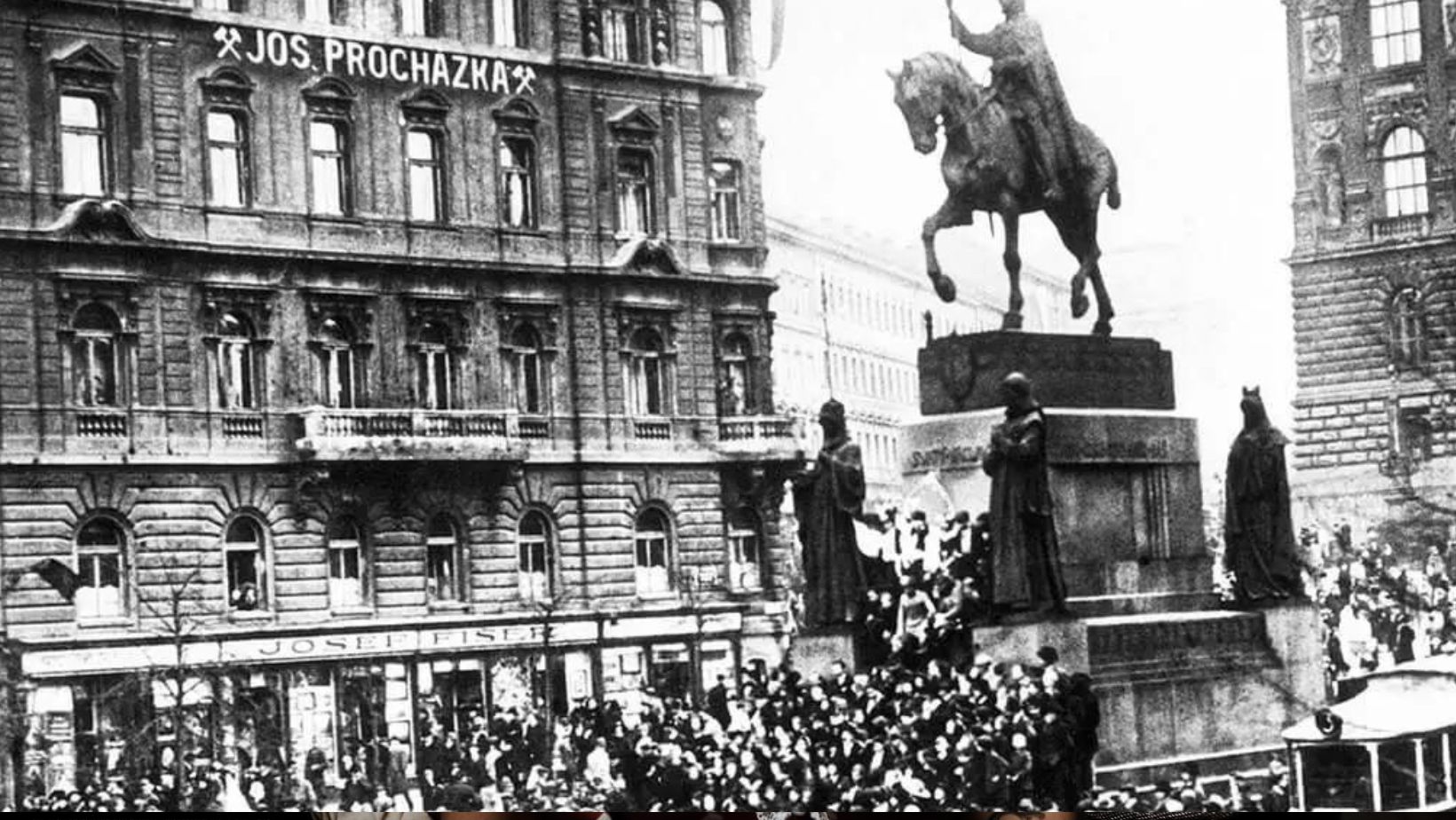
At the end of September, the entire country belongs to the patron saint of the Czech people. They honor the memory of St. Václav on the day when he was murdered by his brother. One of the most famous monuments in the whole of Prague, and perhaps the whole of the Czech Republic, is the statue of St. Václav on Wenceslas (Václav) Square. And it’s not just because this Czech prince is watching over one of the largest squares in the Czech Republic from his saddle. Nor is it because he has witnessed, astride his horse, many of the major events in the history of this country. St. Václav is the patron of the Czech lands and the most popular saint here. His day falls on 28 September, when the Czech Republic celebrates Statehood Day. Saint Wenceslas – the patron saint of the Czech lands Wenceslas was a Czech prince who, after his murder, became a symbol of Czech statehood and a Catholic saint. He was born in 907 and was apparently murdered on September 28, 935. There are not sufficiently reliable contemporary sources for a precise reconstruction of the life of Wenceslas. His life can be reconstructed from legends...
Don’t have an account? Register
[swpm_registration_form level=”6″]
Already have an account? Log In
How Would You Like to Promote Your Business? PR ArticleDisplay bannersVideo productionNewsletter adsJob ListingsInfluencer Marketing
Your Email
We will come back to you within 24 hours with our proporsal