A shift in weather is bringing clouds, rain, and cooler air to much of the country, with conditions set to continue through the weekend. The Czech Hydrometeorological Institute (ČHMÚ) has forecast a noticeable drop in temperatures and a higher chance of rainfall and storms across the Czech Republic throughout the week. The chill continues into Monday and Tuesday, when daytime highs will remain below 22°C. Nighttime lows are expected between 12°C and 16°C. Scattered showers and isolated thunderstorms are likely, particularly in the eastern parts of the country. Midweek weather from Wednesday to Friday will bring cloudy to partly cloudy skies with occasional showers. Temperatures will gradually rise, with Friday’s highs expected to reach 25°C. The weekend forecast, from Friday through Sunday, indicates continued instability. Expect a mix of cloudy skies, occasional sunshine, and intermittent rainfall, including occasional thunderstorms. Daytime temperatures will fluctuate between 21°C and 26°C, with nighttime lows dropping to 10°C to 15°C. These changes come as part of a broader summer pattern affecting much of Central Europe, where high-pressure systems are retreating and allowing cooler, wetter air to move in from the northwest. Would you like us to write about your business? Find out more
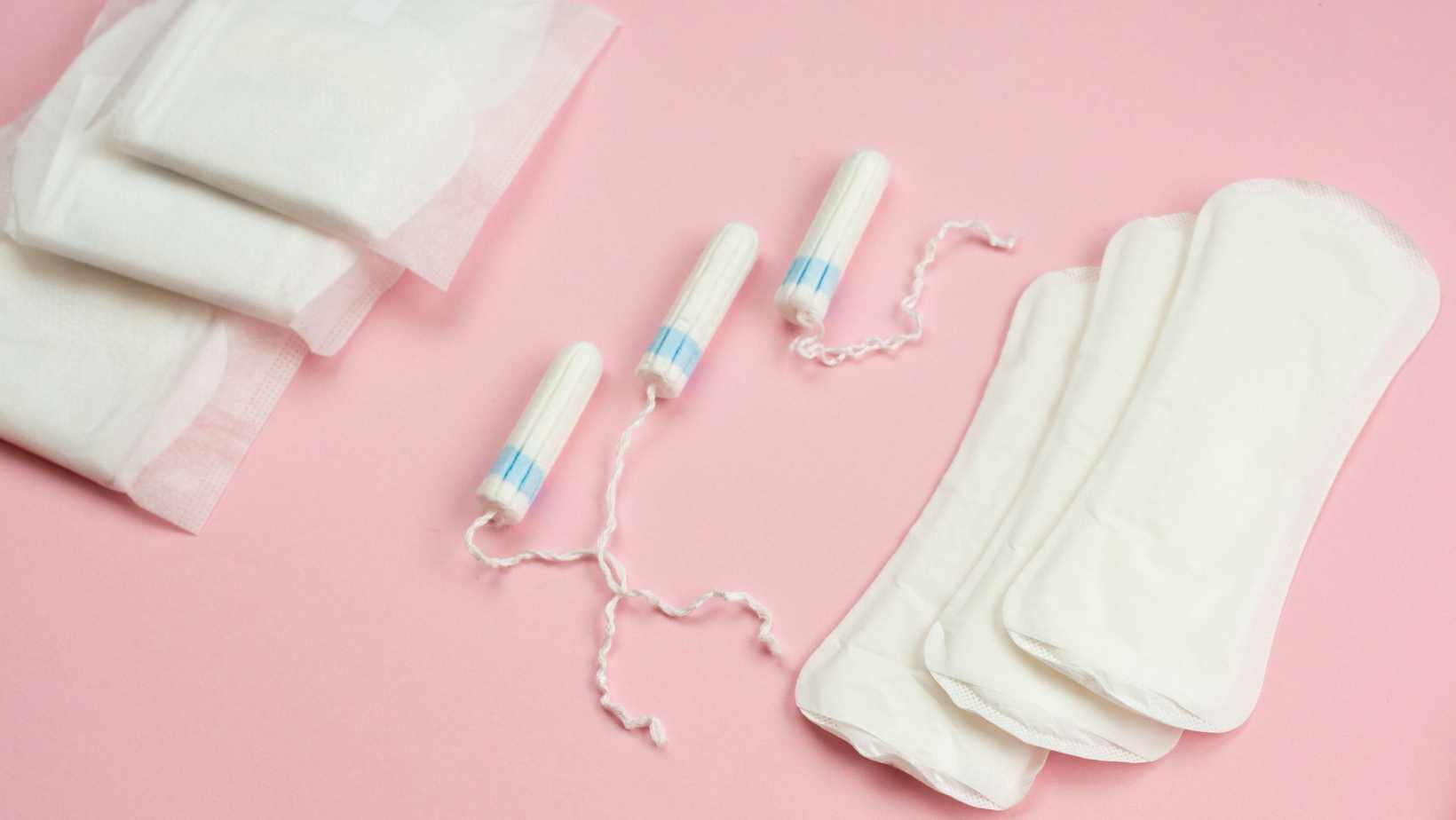
From 2026, free menstrual products will be available in every girls’ toilet in primary and secondary schools across the Czech Republic. This decision follows the approval of a decree by Health Minister Vlastimil Válek (TOP 09), despite resistance from the Ministry of Education and some school founders. Deputy Health Minister Václav Pláteník (KDU-ČSL) announced the final version of the measure on social media last Friday, calling it “an inexpensive step toward greater security and comfort.” According to him, all girls’ toilets in schools will be stocked with pads starting in 2026, thanks to cooperation between the ministries, nonprofits, and student representatives. Over the past year, the conversation around menstrual poverty in Czechia has intensified, driven by activism from students, nonprofit organizations, and experts. The NGO Sola Pomáhá reports that as many as 89,000 girls in the country have had to use toilet paper when unexpectedly starting their period at school due to lack of access to sanitary products. Another charity, People in Need, estimates that menstrual poverty affects around 38,000 girls aged 12 to 18 in Czechia. Visualizza questo post su Instagram Un post condiviso da SOLA Pomáhá (@solapomaha) Despite this, local municipalities and school founders — responsible...
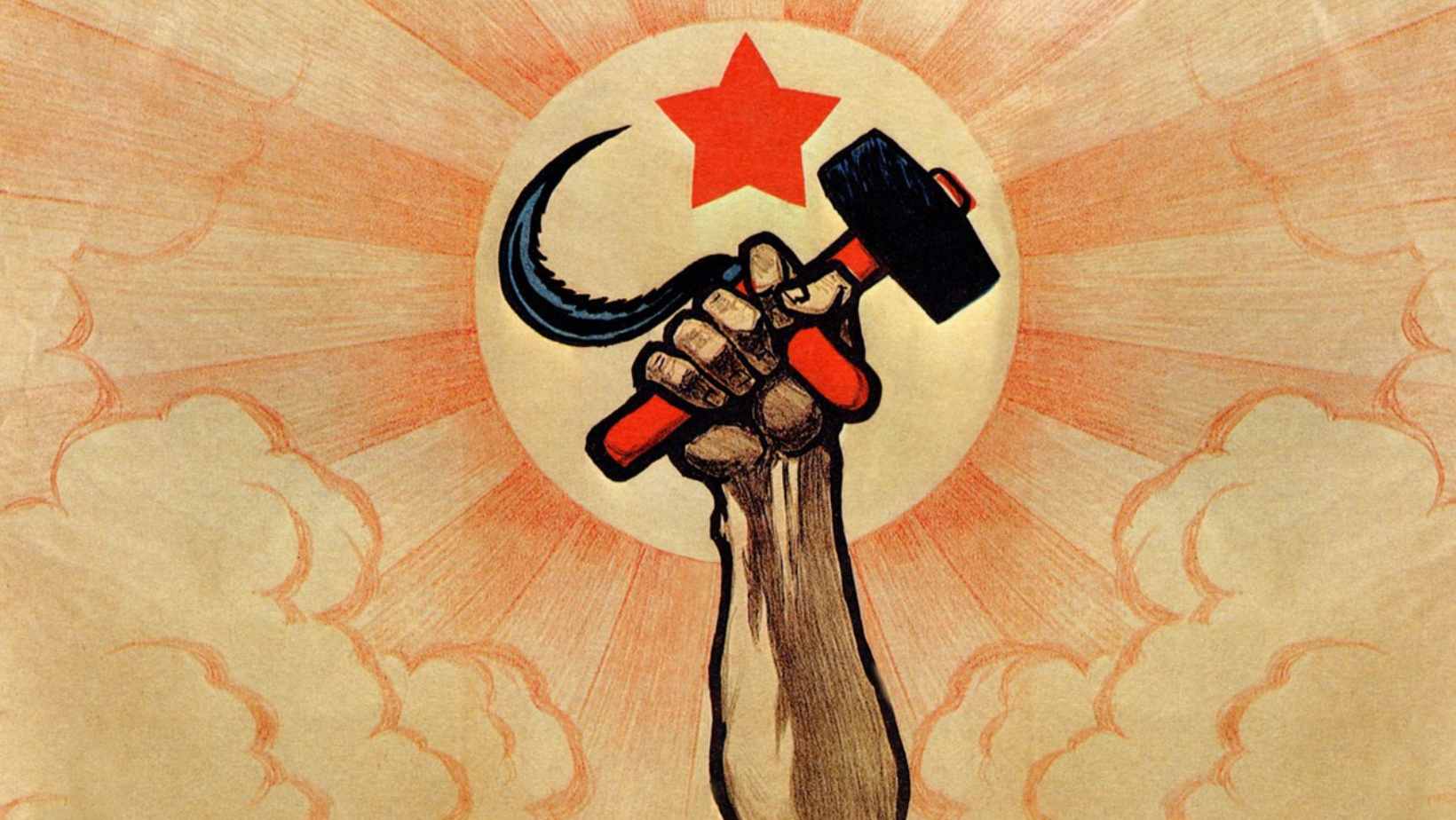
From January 1, 2026, Czechia will begin punishing individuals who promote communism with prison terms of up to five years, following a change to the Criminal Code signed by President Petr Pavel on July 17. The legislation aligns the punishment for advocating communism with that for promoting Nazism, which has long been criminalized in the country. The amendment, supported by lawmakers Martin Dlouhý (TOP 09), Marek Benda (ODS), and Šimon Heller (KDU-ČSL), specifies that any movement promoting the suppression of rights and freedoms—explicitly including “Nazi, communist, or other” movements—can lead to criminal prosecution. Although the previous law already allowed for punishment of such movements, it did not name specific ideologies. While the Communist Party of Bohemia and Moravia (KSČM) labeled the change as “discriminatory” and “purposeful,” its representatives say they do not fear for the party’s survival. “The amendment is an attempt to silence opponents of the system by restricting constitutional rights and freedoms,” said KSČM spokesperson Roman Roun. The law targets individuals, not historical artifacts. For example, buildings with hammer and sickle reliefs are exempt, but selling merchandise with communist symbols—such as T-shirts—will become illegal. More severe penalties of three to five years in prison will apply in cases...
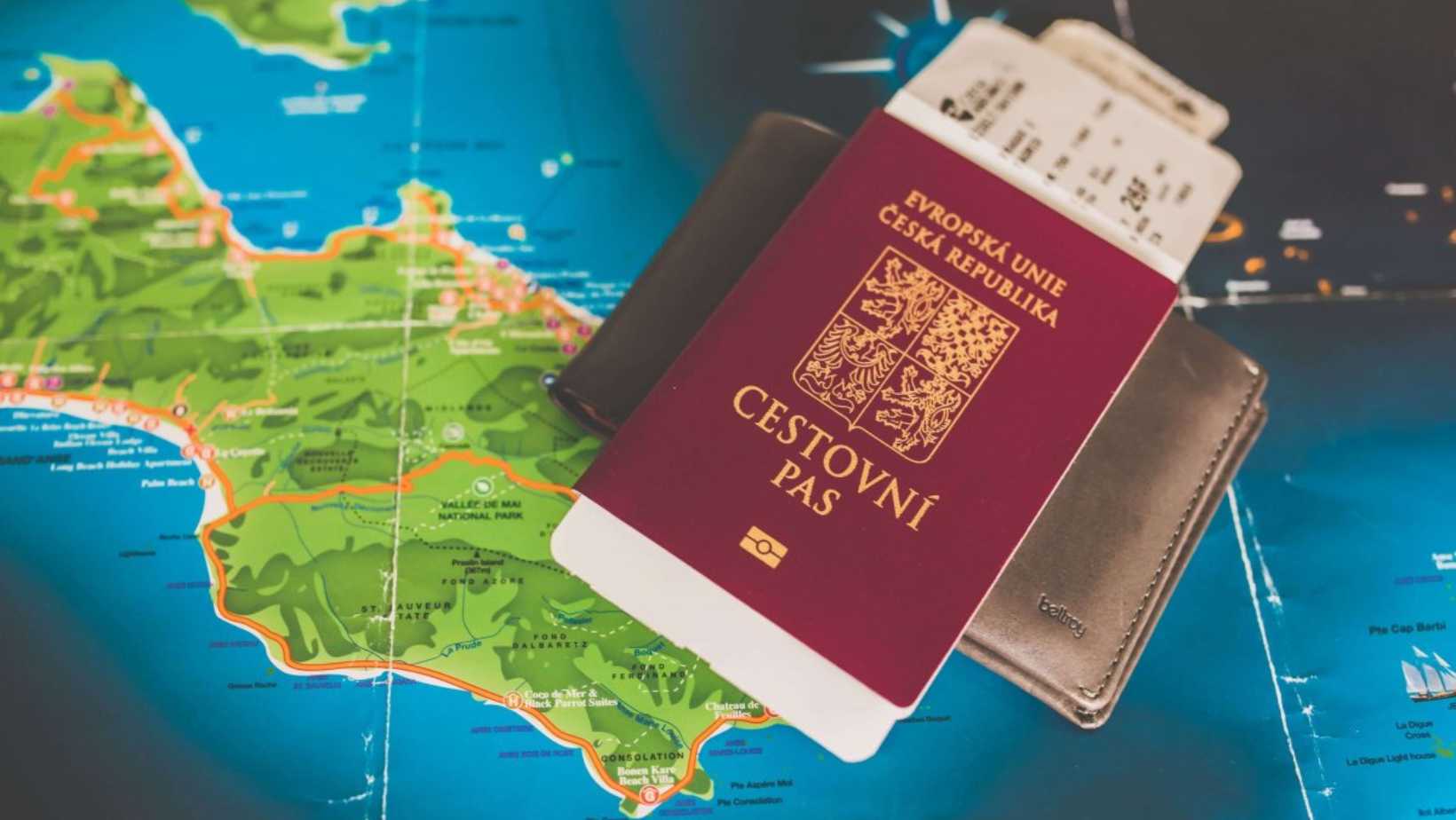
Czech citizens enjoy one of the most powerful passports in the world, according to the latest Henley Passport Index 2025. The Czech passport now grants visa-free access to more than 180 countries, securing its spot in the global top 10. The Henley ranking, based on exclusive data from the International Air Transport Association (IATA), highlights just how much the strength of a passport shapes your experience abroad. The top-ranked passports in 2025 — including France, Germany, Italy, Japan, and Singapore — offer visa-free access to 194 destinations. Czechia is close behind with access to over 180. In contrast, passport holders from countries like Afghanistan, Syria, and Iraq can travel visa-free to just 28 to 31 destinations. A passport doesn’t only determine where you can go, but also how you are treated when you arrive. It influences how long you wait at border control, whether you’re questioned, how much you’ll pay for paperwork, and how locals perceive you. A strong passport often brings a smoother, more respectful travel experience. A weaker one, even with a visa, can bring delays and suspicion. Czechia’s rise in the rankings reflects decades of diplomatic agreements, international trust, and relative political stability. Yet even with one...
Martina Sobková has made history as the first transgender woman from Czechia to earn a spot at the Miss International Queen pageant — the world’s largest beauty contest for transgender women. The competition will take place in Thailand later this year. Sobková, a model and activist, also stood out in this year’s Miss Universe Czech Republic, placing among the top 20 finalists. While she didn’t win the national crown, her presence marked a shift in visibility and representation for the country’s transgender community. “I started my transition late because I was ashamed of who I really am for a long time,” Sobková shared. “I don’t have the fine features some people are born with, but I’ve worked hard — through diet, exercise, voice training, and learning how to walk and express myself. That’s why I’m grateful for this opportunity.” Since the first edition in 2004, Miss International Queen has become one of the most visible platforms for LGBT+ rights. Held annually in Pattaya, Thailand, the pageant brings together transgender contestants from around the world. All proceeds from the event go to the Royal Charity AIDS Foundation of Thailand. Sobková is also active outside of modeling. She founded the platform “Be...
A Czech couple’s attempt to bring home comforts on vacation backfired—literally—when their suitcase full of beer exploded during airport handling in Egypt. Planning ahead for a trip can be a good idea—until it gets soaked in… lager. A married couple from the Czech Republic packed over 20 cans of Kozel beer into their suitcase before flying to Egypt. According to a report from iDNES.cz, the pair weren’t fans of the local alcohol options and decided to take matters into their own hands. But their plan to rely on familiar Czech brews quickly turned into a logistical disaster. “The couple had more than twenty cans of Kozel in their luggage, but they didn’t package them properly. During baggage handling at the airport, several cans exploded,” said a local delegate from the travel agency. “The beer smell spread through the bus and even reached the hotel.” The mishap led to beer-soaked clothing, a strong odor throughout their luggage, and a lesson in the risks of traveling with alcohol. While beer is readily available at many all-inclusive resorts in Egypt, tourists often complain it is served in small plastic cups and frequently not chilled. As a result, some travelers opt to bring their...
Alcohol consumption in the Czech Republic is once again under debate, as doctors, public health experts, and policymakers call for stricter rules on sales, advertising, and availability. Emerging data and mounting pressure are forcing politicians to consider legislative changes—some of which now appear in party platforms ahead of the next elections. According to statistics cited in Seznam Zprávy, the average Czech drinks over 160 liters of alcoholic beverages annually, equal to more than 9 liters of pure alcohol per person. Beer remains the dominant drink (46%), followed by spirits (28%) and wine (25%). But the figures that worry experts most involve teenagers. Nearly three-quarters of Czech 15-year-olds have already tried alcohol. Despite existing laws prohibiting sales to minors, availability remains high, and enforcement is patchy at best. Random police checks are carried out, but their effectiveness is limited. Price is also a factor—alcohol remains affordable even for teenagers, and the cultural norm treats drinking as a casual part of adolescence. “There is no such thing as a safe dose of alcohol,” said Dr. Tomáš Šebek, founder of the Minister of Health think tank. “People associate drinking with liver damage or pregnancy complications, but they overlook increased risks of cardiovascular disease...
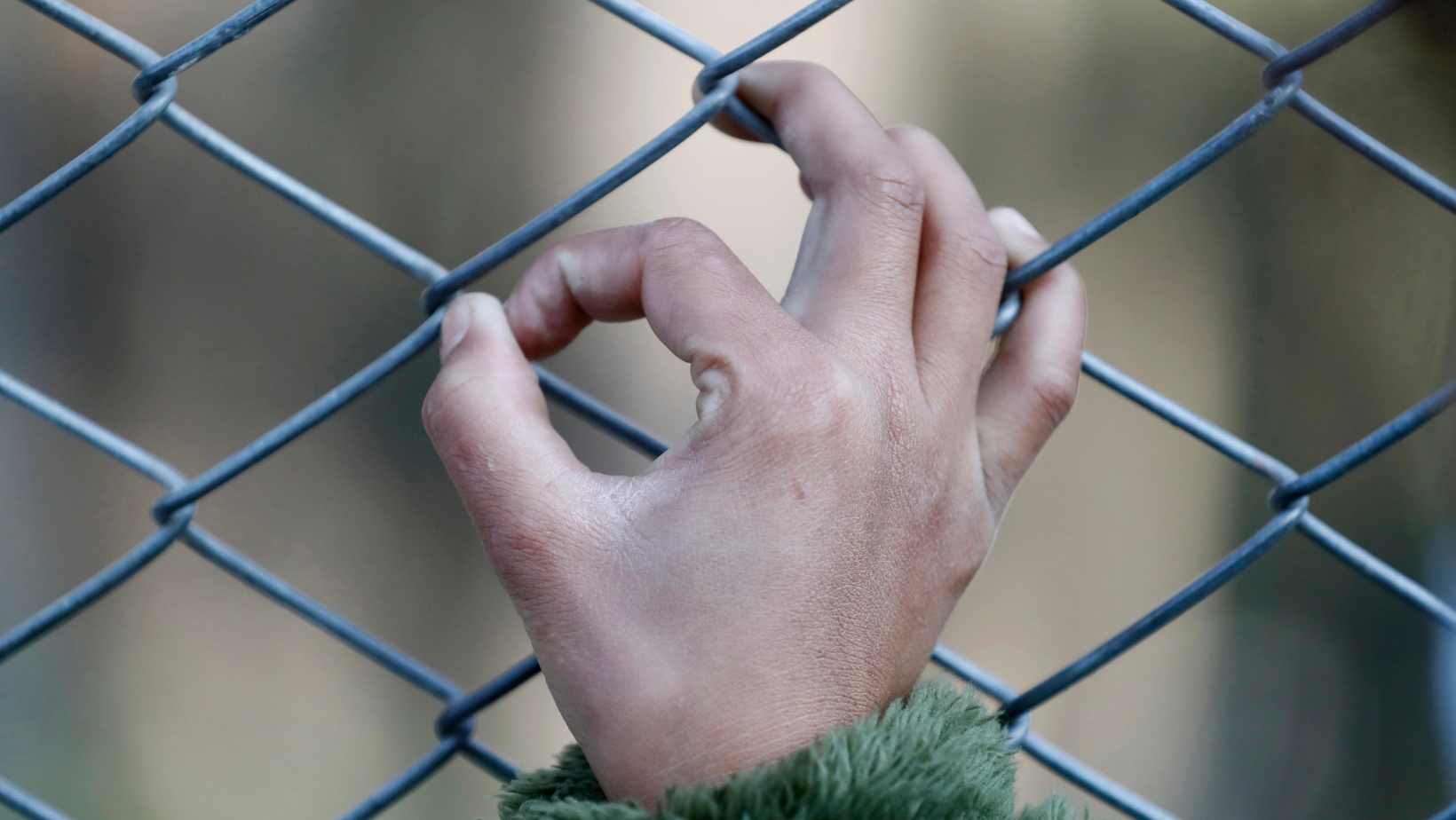
The Czech Senate is expected to approve sweeping changes to the country’s migration and asylum laws during its session today. The legislation was submitted by the ruling coalition and is framed as a response to long-standing concerns about system abuse and capacity constraints. At the heart of the proposal is a set of measures that would give authorities greater control over the movement, identification, and accommodation of migrants and asylum seekers. The Ministry of the Interior says the changes are necessary to streamline the process for granting international protection, reduce opportunities for misuse, and strengthen public order and security. One of the most controversial aspects of the draft law is the use of mobile phone data by police and migration officers to verify the identity of migrants. The proposal would also introduce mandatory health screenings for epidemiological purposes and expand the powers of authorities to determine where asylum seekers are required to live—potentially obliging them to stay in state-run facilities. Another provision would allow the rejection of applications for temporary protection from Ukrainian nationals who have already been granted similar status in other EU countries. Repeat Offenders Face Removal Foreign nationals who commit three administrative offences in a single year—ranging...
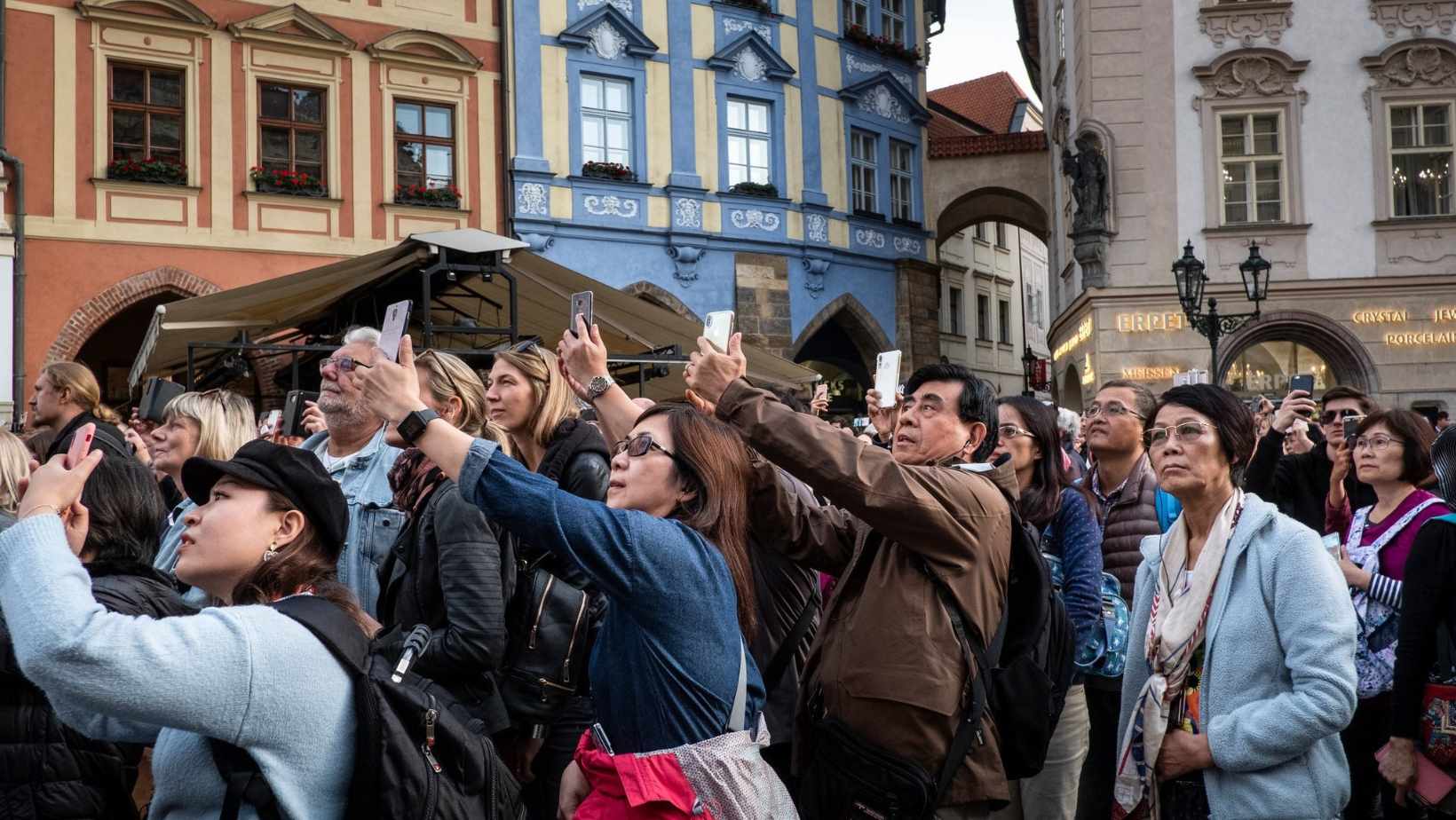
Tourism from China to the Czech Republic is rising sharply again, with nearly 30,000 Chinese visitors arriving in the first quarter of 2025 — a 39% increase compared to the same period last year. While the figures are still below pre-pandemic levels (nearly 91,000 in Q1 2019), the recovery is evident, especially in Prague, where the share of Asian travelers continues to grow, according to the Czech Statistical Office. One surprising catalyst for the renewed interest? A Chinese reality show filmed in Czechia. The seventh season of Divas Hit the Road, one of China’s most popular TV programs, brought a crew of celebrities to the country in late 2024. Filmed in iconic locations such as Prague Castle, Old Town Square, and Český Krumlov, the program puts Czech landmarks and everyday culture in front of millions of viewers in China. The show’s cast includes major stars like singer Na Ying and actors Chen Shu, Gong Jun, and Li Qin, who explored the Czech capital’s historical sights and cultural heritage in a format combining travel and entertainment. Its domestic impact is enormous — past seasons have reached up to 860 million viewers and routinely top China’s streaming and social media charts, including...
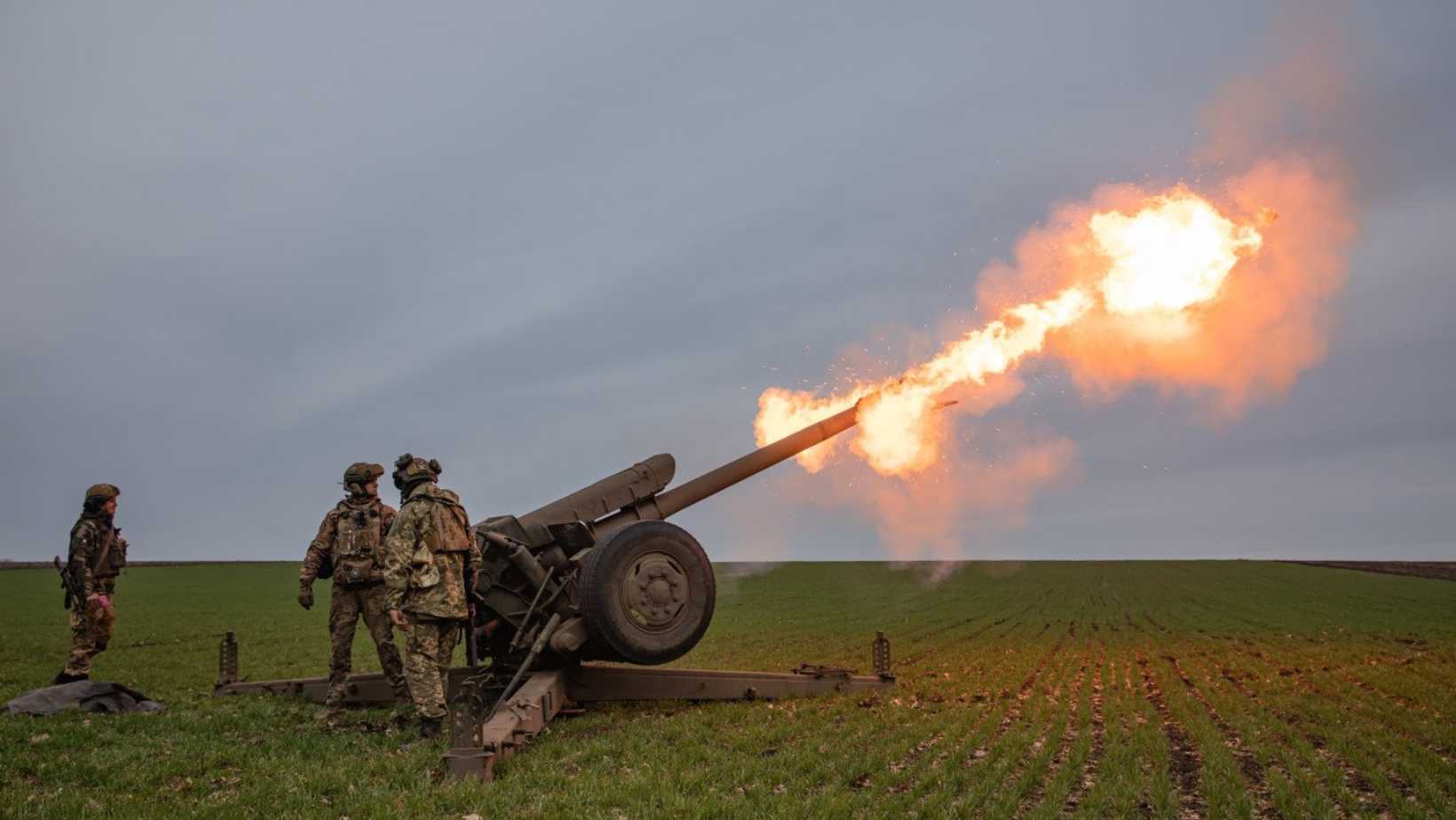
The Czech initiative “A Gift for Putin” has raised CZK 60 million (over EUR 2.4 million) in public donations to purchase six howitzers for the Ukrainian army. The funds will be used to purchase six new D-30 howitzers. As a symbolic tribute to heroes of Czechoslovak history, each howitzer will be named after a World War II figure. According to the organizers, all six howitzers are immediately available and will be delivered to the front lines following administrative clearance and in coordination with Ukrainian diplomatic representatives. Ondracek said one of the howitzers has been named “Josef,” in honor of Josef Mašín, a member of the resistance group Three Kings. Others are named after Jan Kubiš and Jozef Gabčík, who carried out the assassination of Reinhard Heydrich, and Karel Kuttelwascher, a famed Czech pilot who served in the Royal Air Force during WWII. The D-30 (2A18), originally developed in the Soviet Union during the 1960s, has a firing range of up to 15.4 km, extendable to 21.9 km with rocket-assisted projectiles, and a rate of fire of up to 12 rounds per minute. The fundraising campaign for the howitzers began in November 2024. At the same time, the initiative launched another campaign to raise CZK 12.5 million for 500 drones equipped with munitions and...
After days of intense heat, the Czech Republic is set for a weather shift. Starting Thursday, a cold front will sweep across the country, sending temperatures down by as much as 15 degrees Celsius, according to the Czech Hydrometeorological Institute (ČHMÚ). The beginning of the week will still feel like midsummer. Monday will also be hot, with highs between 26°C and 31°C, but the atmosphere will become unstable, especially later in the day. Thunderstorms are likely to develop during the afternoon and evening hours. A noticeable change will arrive on Tuesday, when temperatures will fall to between 21°C and 26°C. The skies will remain cloudy, and intermittent rain showers and light winds are expected throughout the day. By Wednesday, the skies should clear again, bringing a brief return to sunny and pleasant conditions. Daytime highs will reach up to 27°C, and in southern Moravia, even 29°C. But the warm weather won’t last. From Thursday, the country will enter a cooler, wetter pattern. Temperatures will drop to 18°C to 23°C, and much of the country will see clouds and occasional rain showers. On Friday, widespread rain is expected and daytime temperatures will hover around 18°C. The weekend will continue in a...
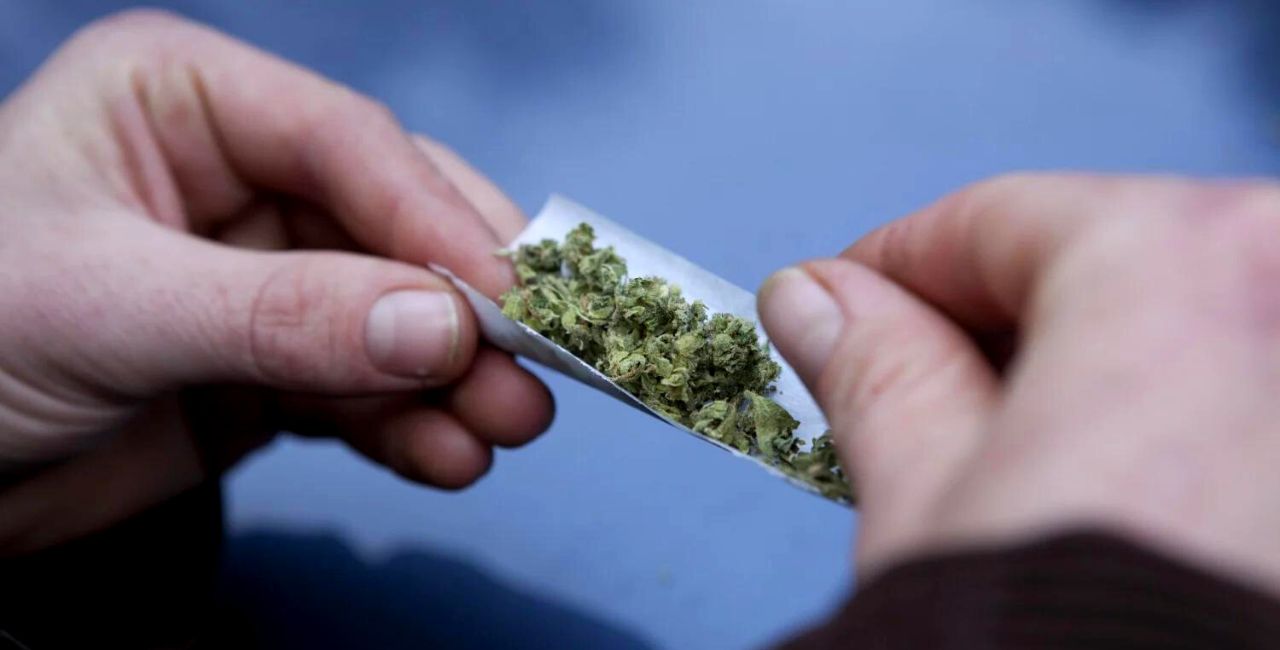
President Petr Pavel has signed a bill on July 17th that decriminalizes recreational cannabis for personal use and home cultivation, but not its sale. Under the new regulations, adults over the age of 21 can legally grow up to three cannabis plants per person and possess up to 100 grams of cannabis flower, with a public possession limit of 25 grams. Cannabis-related offenses involving amounts exceeding the legal limits will be addressed in a separate section of the Criminal Code. Possession of cannabis on behalf of another person will also no longer be considered a criminal offense. The legislation will take effect next year. However, the sale of cannabis products will remain prohibited. The Czech Republic has also legalized the medical use of psilocybin, the psychoactive compound found in magic mushrooms, for the treatment of conditions such as depression. It is among the first European countries to do so. The decriminalization of use and home cultivation of recreational cannabis is part of a wider criminal code reform aimed at modernizing the justice system, easing prison overcrowding, and cutting public spending on minor offenses. The Czech Republic has had a tolerant approach to recreational cannabis, decriminalizing small amounts since 2010. The...
Don’t have an account? Register
Already have an account? Log In
How Would You Like to Promote Your Business? PR ArticleDisplay bannersVideo productionNewsletter adsJob ListingsInfluencer Marketing
Your Email
We will come back to you within 24 hours with our proporsal